
propolis」タグアーカイブ

Pneumonia and Antibiotics - Part 2

Pneumonia and Antibiotics – Part 2

(Continuing from the previous blog) After being administered erythromycin, my eldest daughter recovered rapidly, and within two days, she was back to her usual energetic self. Shortly thereafter, the same symptoms began to appear in my eldest son  and younger daughter, but the progression was immediately halted by erythromycin. I had never felt more grateful for the power of medicine than I did at that time.

As I studied the matter further later on, I gradually came to understand that my eldest daughter’s infection may have been misdiagnosed by  the doctor. She was likely prescribed a beta-lactam antibiotic, specifically an early-generation cephalosporin, which at the time was the first-line  treatment for infections caused by pneumococcal bacteria. However, I remain convinced to this day that the actual causative agent was not pneumococcus but Mycoplasma.

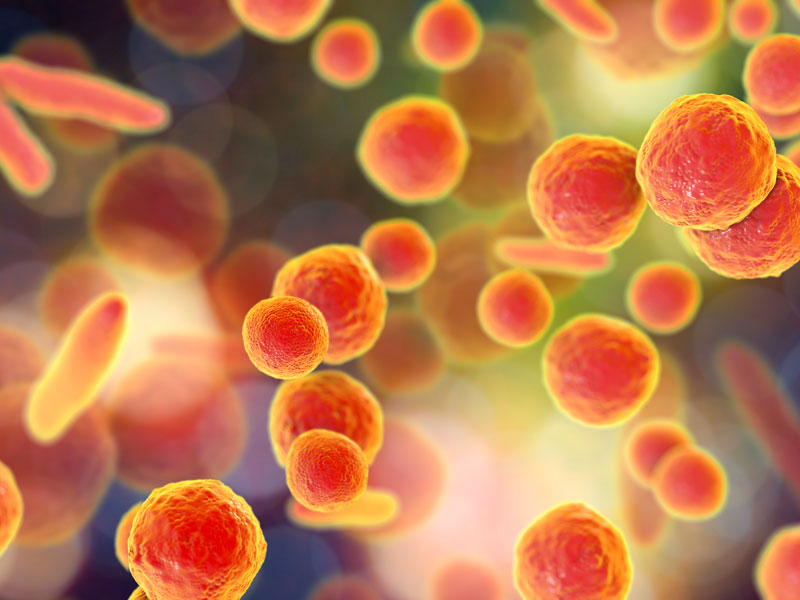
Mycoplasma is an extremely small bacterium that lacks a cell wall, making beta-lactam antibiotics, which target the bacterial cell wall,  almost entirely ineffective against it. I also learned that for treating Mycoplasma infections, macrolide antibiotics, such as erythromycin used  by my eldest daughter were the first-line treatment. While there are now many macrolide antibiotics available, erythromycin was the leading option at the time. This means that the medication  suggested by my company’s staff turned out to be the correct choice. In Brazil, social welfare systems are far from affluent, and it’s not always economically feasible for people to seek proper medical diagnoses from doctors.

In general, when someone falls ill, it’s common to consult the local pharmacy and procure appropriate medications based on their advice. The  pharmacist and their staff are often well-informed about which illnesses are currently prevalent and which medications are effective against them. Ironically, my eldest daughter, who we took to a doctor and paid for treatment, was misdiagnosed and suffered for days,  struggling with impaired gas exchange, with her complexion, lips, and even nails turning purple. Meanwhile, the pharmacy staff’s child, who received advice  directly from the pharmacist, recovered quickly. (to be continued)


الالتهاب الرئوي والمضادات الحيوية – الجزء الثاني

(تتمة للمقال السابق)

بعد أن تناولت ابنتي الكبرى دواء الإريثروميسين، تعافت بسرعة مدهشة، وفي غضون يومين فقط عادت إلى حيويتها المعهودة. وبعد فترة قصيرة، بدأت الأعراض نفسها تظهر على ابني الأكبر وابنتي الصغرى، غير أنّ الإريثروميسين أوقف تقدّم المرض لديهما فورًا. لم أشعر بامتنان للطب الحديث كما شعرت في تلك اللحظات.

ومع مرور الوقت وتعمّق بحثي في الأمر، بدأت أدرك تدريجيًا أن التشخيص الذي تلقّته ابنتي الكبرى ربما كان خاطئًا. فمن المرجّح أن الطبيب وصف لها مضادًا حيويًا من فئة البيتالاكتام—وتحديدًا أحد الجيل الأول من السيفالوسبورينات—الذي كان يُعتبر آنذاك العلاج الأول لعدوى المكورات الرئوية. غير أنّني ما زلت مقتنعًا حتى اليوم بأن العامل المسبّب لمرضها لم يكن المكورات الرئوية، بل كان الميكوبلازما.

فالـميكوبلازما بكتيريا بالغة الصغر تفتقر إلى الجدار الخلوي، ولهذا فإن المضادات الحيوية من فئة البيتالاكتام—التي تستهدف الجدار الخلوي تحديدًا—غير فعّالة تقريبًا ضدها. وقد علمت لاحقًا أنّ علاج عدوى الميكوبلازما كان يعتمد أساسًا على المضادات الحيوية الماكروليدية، ومنها الإريثروميسين الذي أُعطي لابنتي الكبرى. ورغم توفّر العديد من أدوية الماكروليد الآن، فإنّ الإريثروميسين كان الخيار الأمثل في تلك الفترة. وهذا يعني أنّ الدواء الذي نصحتنا به موظفة شركتي كان، بالفعل، الخيار الصحيح.

وفي البرازيل، حيث لا تزال شبكات الرعاية الاجتماعية محدودة القدرات، غالبًا ما تكون استشارة الأطباء من أجل تشخيص دقيق أمرًا يفوق قدرة الكثيرين. وعلى نحوٍ عام، عندما يمرض أحدهم، يتوجّه غالبًا إلى الصيدلية المحلية للحصول على الدواء المناسب بناءً على نصيحة الصيدلي. فالصيادلة وموظفوهم عادةً على دراية جيدة بالأمراض المنتشرة في تلك الفترة، وبالأدوية الأكثر فاعلية في علاجها.

ومن المفارقات المؤلمة أنّ ابنتي الكبرى—التي أخذناها إلى الطبيب ودفعنا تكاليف العلاج—تلقت تشخيصًا خاطئًا وعانت لأيام، وقد تدهورت وظائف تبادل الغازات لديها حتى تغيّر لون بشرتها وشفتيها وأظافرها إلى اللون البنفسجي. بينما تعافت ابنة موظفة الصيدلية سريعًا بفضل نصيحة مباشرة من الصيدلي ذاته. (يتبع…)
The Amazing Power of Propolis

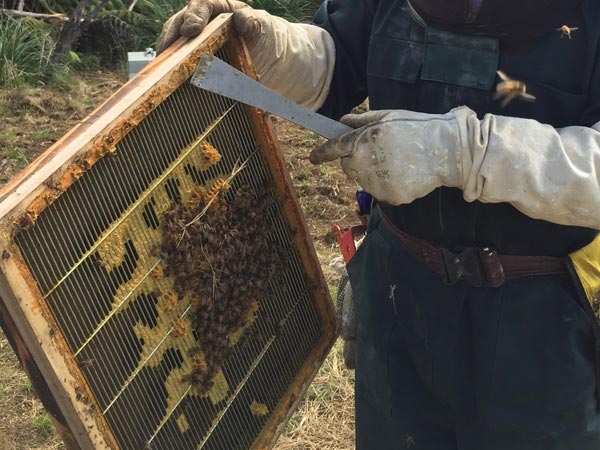
Today, I’d like to talk a little about propolis. Propolis is a substance that honeybees bring into the hive, made from plant resins. Its plant origins are diverse, and there is no single  specific source. Honeybees instinctively recognize the vitality of trees and bring these resins back to the hive. The hive itself is a densely packed living space, measuring less than 50 centimeters in both width and length. During the nectar flow season,  over 50,000 bees, led by the queen, live together in this confined area. In such overcrowded conditions, the outbreak of a disease could lead to  rapid infection and the complete collapse of the colony. However, such events rarely occur unless under extraordinary circumstances.

The bees live peacefully, each carrying out their individual missions. This harmonious coexistence is thought to be supported by the active properties of propolis. The resin brought back to the hive is applied to various locations inside, with large amounts concentrated near the hive entrance.  In older, long-unused hives, the bees accumulate propolis at the entrance, creating a narrow tunnel just wide enough for a single bee to  pass through. Foraging bees returning from outside must pass through this tunnel, during which their bodies come into contact with the  propolis. It is believed that this contact helps disinfect them. In addition, if a predator larger than a bee enters the hive, the bees collectively attack it with their stingers and successfully eliminate the intruder.

However, if the carcass of an intruder cannot be removed from the hive, it would eventually begin to decompose. To prevent this, the bees coat  the body with large amounts of propolis, halting the decomposition process and mummifying it. Inside the hive, propolis is found everywhere, particularly in crevices, effectively sealing off the interior from the external environment. By coating the  interior with propolis, it is believed that bees inhibit the growth of harmful bacteria. A study analyzing the DNA of bees found in amber estimated to be 40 million years old revealed that their DNA is almost identical to that of  modern bees. This indicates that bees have not undergone significant evolutionary changes since ancient times. While most plants and animals have evolved by altering their DNA sequences to adapt to environmental changes, bees have not needed to  make such adaptations.

Over an unimaginably long period, honeybees have repeatedly overcome numerous challenges, surviving virtually unchanged for over 40 million years.  This is thought to indicate that the interior of their hive, protected by substances like propolis, has been safeguarded from external threats, removing the need to adapt or evolve their proteins (DNA) to changing circumstances. This theory suggests that honeybees are exceptionally unique  creatures, so it may be natural that their ways remain beyond the full comprehension of human wisdom.


القوة المدهشة للبروبوليس

اليوم، أودّ أن أتوقف قليلًا عند البروبوليس—تلك المادة الاستثنائية التي يجلبها نحل العسل إلى داخل الخلية، والمصنوعة من راتنجات نباتية متنوعة. إن أصول البروبوليس النباتية متعددة، ولا يمكن إرجاعها إلى مصدر واحد بعينه. فالنحل، بدافع غريزته الفطرية، يتعرّف على حيوية الأشجار وقوة حياتها، ثم يحمل تلك الراتنجات الثمينة عائدًا بها إلى الخلية.

الخلية نفسها فضاء معيشي شديد الاكتظاظ، لا يتجاوز طوله وعرضه خمسين سنتيمترًا. وخلال موسم تدفق الرحيق، تعيش داخل هذا الحيز المحدود أكثر من خمسين ألف نحلة، تقودها الملكة، في نظام بالغ الدقة والتناغم. وفي مثل هذه الظروف، قد يؤدي تفشّي أي مرض إلى عدوى سريعة وانهيار كامل للمستعمرة. ومع ذلك، فإن مثل هذه الكوارث نادرة الحدوث، ولا تقع إلا في ظروف استثنائية للغاية.

يعيش النحل في سلام، يؤدي كل فرد فيه مهمته الخاصة بانضباط مذهل. ويُعتقد أن هذا التعايش المتناغم تحميه الخصائص الفعّالة للبروبوليس. فالراتنج الذي يُعاد إلى الخلية يُطلى به العديد من المواضع الداخلية، وتتركّز كميات كبيرة منه عند مدخل الخلية تحديدًا.

وفي الخلايا القديمة التي لم تُستخدم لفترات طويلة، يقوم النحل بتجميع البروبوليس عند المدخل، مكوّنين نفقًا ضيقًا لا يسمح بالمرور إلا لنحلة واحدة. وعندما تعود النحلات السارحات من الخارج، لا بدّ لهن من المرور عبر هذا النفق، حيث تلامس أجسادهن البروبوليس. ويُعتقد أن هذا الاحتكاك يعمل كعملية تطهير طبيعية.

وإذا تسلل إلى الخلية كائن مفترس أكبر من النحلة، فإن النحل يهاجمه جماعيًا بلسعاته حتى يتم القضاء عليه. غير أنه في الحالات التي يتعذر فيها إخراج جثة الدخيل من الخلية، فإن تحللها قد يشكّل خطرًا جسيمًا. ولتفادي ذلك، يقوم النحل بتغليف الجثة بكميات كبيرة من البروبوليس، مما يوقف عملية التحلل ويحوّلها إلى ما يشبه التحنيط.

داخل الخلية، يوجد البروبوليس في كل مكان، ولا سيما في الشقوق والفجوات، حيث يعمل كحاجز يعزل الداخل عن العالم الخارجي. ومن خلال طلاء المساحات الداخلية بهذه المادة، يُعتقد أن النحل يحدّ من نمو البكتيريا الضارة ويحافظ على بيئة داخلية نقية ومستقرة.

وقد كشفت دراسة حلّلت الحمض النووي لنحل وُجد محفوظًا في الكهرمان ويُقدَّر عمره بنحو أربعين مليون عام، أن تركيبه الوراثي يكاد يكون مطابقًا لحمض النحل المعاصر. وهذا الاكتشاف يشير إلى أن النحل لم يطرأ عليه تطور جوهري منذ عصور سحيقة. ففي حين قامت معظم الكائنات الحية—نباتات وحيوانات—بتغيير تسلسلاتها الوراثية للتكيف مع التحولات البيئية، لم يكن النحل بحاجة إلى مثل هذه التعديلات.

وعلى مدى زمن لا يمكن للعقل البشري تصوره، واجه نحل العسل تحديات لا حصر لها، وتمكن من تجاوزها، محافظًا على بنيته الأساسية لما يزيد على أربعين مليون سنة. ويُعتقد أن هذا الثبات يعود إلى أن البيئة الداخلية للخلية—المحصّنة بمواد مثل البروبوليس—قد حُميت من التهديدات الخارجية، مما ألغى الحاجة إلى تطور بروتيناته أو تعديل حمضه النووي استجابةً للمتغيرات.

وتقودنا هذه الرؤية إلى استنتاج مفاده أن نحل العسل كائن فريد على نحو استثنائي، وأن بقاء بعض أسراره خارج حدود الفهم الإنساني الكامل أمر طبيعي، بل وربما دليل على عمق حكمته الكامنة.