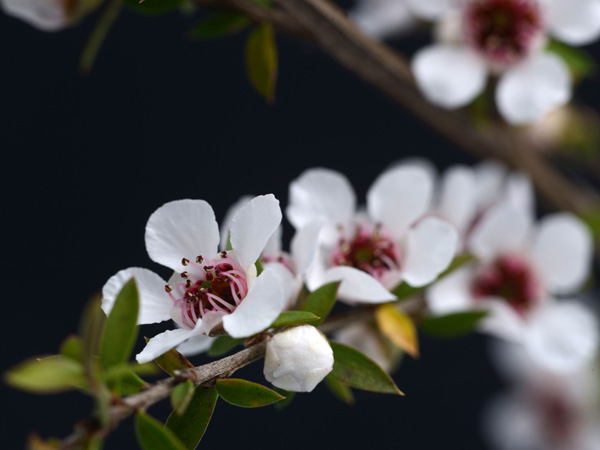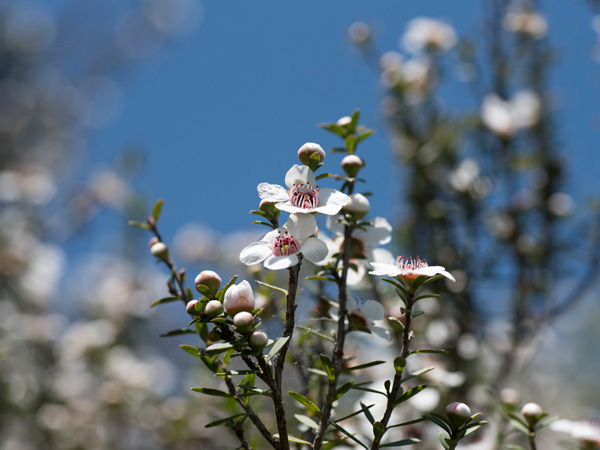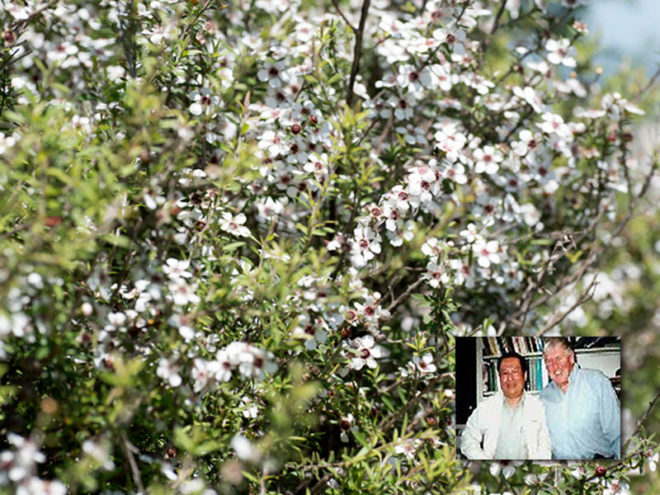
Dr. Peter Molan, my mentor, the late Dr. Peter Molan, former professor at the national University of Waikato and a leading researcher of active substances derived from the Manuka tree, also published papers expressing concern about the issues mentioned above (as referenced in yesterday’s blog). Living in New Zealand, I was fortunate to have opportunities to speak with him personally. The more I listened to Dr. Molan, the more astonished I became at the remarkable active substances that exist naturally.
The beneficial components of Manuka exhibit exceptional activity. While our New Zealand office website primarily focuses on the much-discussed Helicobacter pylori bacteria, its activity is not limited to this. Notably, Manuka’s active substances are relevant against hospital-acquired infections, such as MRSA (Methicillin-Resistant Staphylococcus aureus), which emerged due to the overuse of cephalosporin antibiotics, as well as VRE (Vancomycin-Resistant Enterococci) and VRSA (Vancomycin-Resistant Staphylococcus aureus), both resistant even to vancomycin, considered the most potent antibiotic.
While a healthy body with a strong immune system can typically defend itself against these bacteria, individuals with weakened immune systems can become extremely problematic due to the lack of effective treatments. It is essential to recognize that these drug-resistant bacteria have emerged as a direct result of the misuse of antimicrobial agents. Therefore, active substances with entirely different mechanisms of action bear no relation to this issue.
كان أستاذي ومرشدي، الراحل الدكتور بيتر مولان—الأستاذ السابق في جامعة وايكاتو الوطنية وأحد أبرز الباحثين في المواد الفعّالة المستخلصة من شجرة المانوكا—قد نشر أيضًا عددًا من الأبحاث التي أعرب فيها عن قلقه بشأن القضايا التي ذكرتها سابقًا (كما أشرتُ في مقال الأمس). وبحكم إقامتي في نيوزيلندا، حالفني الحظ بأن ألتقيه مرارًا وأتبادل معه الحديث مباشرة. وكلما استمعت إليه أكثر، ازداد اندهاشي من هذه المواد الطبيعية ذات الفعالية المذهلة التي أودعتها الطبيعة في شجرة المانوكا.
إن المكونات النشطة في المانوكا تتمتع بقدرات استثنائية. ورغم أنّ موقع مكتبنا في نيوزيلندا يركّز بصورة أساسية على بكتيريا هيليكوباكتر بيلوري الشهيرة، إلا أن فعالية المانوكا لا تقتصر على هذا المجال فحسب. فالمواد الفعّالة في المانوكا ذات صلة أيضًا بالالتهابات المستعصية التي تُكتسب داخل المستشفيات، مثل MRSA (المكورات العنقودية الذهبية المقاومة للميثيسيلين)، وهي بكتيريا ظهرت نتيجة الإفراط في استخدام مضادات السيفالوسبورين، إضافة إلى VRE (المعويات المقاومة للفانكومايسين) و VRSA (المكورات العنقودية الذهبية المقاومة للفانكومايسين)، وهما نوعان يتمتعان بمقاومة حتى لأقوى المضادات الحيوية المعروفة، وهو الفانكومايسين.
وبينما يستطيع الجسم السليم ذو المناعة القوية مواجهة هذه البكتيريا عادة، إلا أن الأفراد الذين يعانون ضعفًا في المناعة قد يواجهون مخاطر كبيرة بسبب غياب العلاجات الفعّالة. ومن الضروري إدراك أنّ هذه البكتيريا المقاومة للأدوية هي نتاج مباشر للاستخدام الخاطئ والمفرط للمضادات الحيوية.
ولذلك، فإن المواد الطبيعية النشطة—ذات آليات العمل المختلفة تمامًا—لا علاقة لها بهذه المشكلة ولا تسهم في ظهور مثل هذه السلالات المقاومة.