honey bees」タグアーカイブ

What Modern People Really Need

Humans, throughout their million-year history, have survived by natural selection, inheriting traits that inherently protect against disease. 

So why have we been driven into such an abnormal situation? The likely causes include the prolonged misuse of our bodies—such as extreme physical stress (including psychological stress)—continuous  consumption of harmful substances beyond tolerable limits, or the fundamental deprivation of essential elements needed to maintain health.  These unnatural factors, accumulated over time, seem to have compromised the health maintenance systems that humanity painstakingly  developed throughout its long history. As a result, we are witnessing an alarming prevalence of disease.

Honey has been used by humans for health maintenance since the dawn of humanity. In today’s society, where stress seems to be ever-present,  life can be truly challenging. I believe that the intake of natural substances is particularly essential for modern people. From this perspective, I choose to avoid artificial beekeeping systems, such as large-scale commercial operations, and instead focus on harvesting  products through methods that respect the bees’ natural ecology. Ultimately, since humans are made of the very same elements found on this Earth,  I firmly believe that coexisting with nature is fundamentally important.


ما الذي يحتاجه الإنسان المعاصر حقًا

على امتداد تاريخٍ يتجاوز مليون عام، استطاع الإنسان البقاء بفضل الانتقاء الطبيعي، حاملًا في جيناته خصائص تمنحه حماية فطرية ضد الأمراض.

لكن… كيف وصلنا إلى هذا الوضع غير الطبيعي الذي نعيشه اليوم؟ يبدو أن السبب يعود إلى الاستخدام الخاطئ والمفرط لأجسادنا عبر فترات طويلة—سواء من خلال الإجهاد الجسدي والنفسي الشديد، أو الاستهلاك المستمر لمواد ضارة تتجاوز قدرة أجسامنا على التحمل، أو الحرمان من العناصر الأساسية التي تحفظ الصحة. هذه العوامل غير الطبيعية، حين تتراكم عبر الزمن، تُضعف الأنظمة الدقيقة التي طوّرها الإنسان خلال رحلته الطويلة للحفاظ على صحته. ولهذا نشهد اليوم هذا الانتشار المقلق للأمراض.

منذ فجر التاريخ، استخدم الإنسان العسل للحفاظ على توازنه الصحي. وفي عالمنا المعاصر، حيث يبدو أن التوتر أصبح جزءًا لا ينفصل عن الحياة اليومية، باتت الحياة أكثر تعقيدًا وصعوبة. ولهذا أؤمن بأن تناول المواد الطبيعية أصبح ضرورة ملحّة للإنسان الحديث.

ومن هذا المنطلق، اخترت أن أبتعد عن نظم تربية النحل الصناعية واسعة النطاق، وأركز بدلاً من ذلك على إنتاج يعتمد على احترام البيئة الطبيعية للنحل، لضمان منتجات تحمل جوهر الطبيعة الحقيقية دون تدخل مفتعل.

وفي النهاية، طالما أن الإنسان مكوّن من العناصر نفسها التي يتكون منها هذا الكوكب، فإنني أؤمن بعمق بأن التعايش مع الطبيعة ليس خيارًا، بل هو أساس الوجود ذاته.

The Safest Natural Active Substances

Fungi continuously produce toxic substances to protect themselves from external threats (other fungi). Penicillin, discovered by Fleming in  1928 from the mold Penicillium, was the world’s first antibiotic. Unlike other fungi, molds remain in one place as they grow, making the  production of toxic substances against external threats (other fungi) particularly notable. Most antibiotics and antimicrobial agents utilize antibacterial substances derived from soil bacteria or take inspiration from their structures  to chemically synthesize new drugs (antibiotics). In this sense, one could argue that they share similarities with natural bioactive substances.

Many bacteria are killed by antibiotics. However, once patients start using the developed antibiotic, its effectiveness becomes finite. This is  because when bacteria are exposed to an antibiotic, most are killed or their growth is inhibited. Yet, if even a small number of bacteria survive,  they have likely acquired resistance mechanisms against that antibiotic. Given favorable conditions, these resistant bacteria can multiply. In recent years, many antibiotics have been developed through semi-synthetic or fully synthetic methods. However, they must continuously  compete with drug-resistant bacteria, which adapt (or evolve) to acquire resistance.

It is no exaggeration to say that the human body survives thanks to the 100 trillion bacteria that inhabit the intestines. As mentioned earlier,  synthetic antimicrobial agents attack many beneficial bacteria as well, meaning their toxicity is far from harmless and is, in fact, highly harmful to  the human body. Considering this, the battle between synthetic antimicrobial agents and bacteria is unending, and pharmaceutical companies  remain secure through the constant sale of new drugs. However, the emergence of drug-resistant bacteria and the significant side effects cannot be overlooked. In the end, utilizing natural active substances seems to be the safest approach, and there seems to be no other way but to ally ourselves with nature.


أكثر المواد النشطة أمانًا بطبيعتها — فلسفة راقية متصالحة مع الطبيعة

تنتج الفطريات بطبيعتها مواد سامة بشكل مستمر كآلية دفاعية ضد الأخطار الخارجية، ولا سيما الفطريات الأخرى المنافسة لها. ويُعدّ اكتشاف البنسلين عام 1928 على يد فليمنغ من فطر Penicillium أول مضاد حيوي في تاريخ البشرية. وبخلاف كثير من الكائنات الدقيقة الأخرى، تنمو الفطريات العَفِنية في مكان ثابت، ما يجعل اعتمادها على إفراز المواد السامة للدفاع عن نفسها أمرًا بالغ الأهمية.

تعتمد معظم المضادات الحيوية والعوامل المضادة للميكروبات اليوم على مواد فعّالة مستخلصة من بكتيريا التربة، أو على تراكيب كيميائية مستوحاة منها، ثم تُعاد صياغتها صناعيًا. ومن هذا المنظور، يمكن القول إن هذه الأدوية تشترك في جوهرها مع المواد الحيوية النشطة ذات الأصل الطبيعي.

صحيح أن المضادات الحيوية قادرة على القضاء على عدد كبير من البكتيريا، إلا أن فعاليتها ليست دائمة. فمع بدء استخدامها، تتعرض البكتيريا لضغط انتقائي؛ تُقتل الغالبية أو يُثبَّط نموها، لكن القليل الذي ينجو غالبًا ما يكتسب آليات مقاومة. وفي ظل ظروف مناسبة، تتكاثر هذه السلالات المقاومة بسرعة. ولهذا السبب، ورغم التطور المستمر في تصنيع مضادات حيوية شبه صناعية أو صناعية بالكامل، فإن سباق التسلح بينها وبين البكتيريا المقاومة لا ينتهي.

ليس من المبالغة القول إن جسم الإنسان يعيش ويتوازن بفضل ما يقارب مئة تريليون بكتيريا تقطن الأمعاء. فالعوامل المضادة للميكروبات المصنّعة لا تفرّق بين البكتيريا الضارة والنافعة، بل تهاجم الاثنين معًا، ما يجعل آثارها بعيدة كل البعد عن كونها آمنة، بل قد تكون مؤذية للجسم على المدى الطويل. ومن هنا، تبدو المعركة بين الأدوية الصناعية والبكتيريا معركة لا نهاية لها، بينما تستمر شركات الأدوية في طرح مركبات جديدة في السوق.

في المقابل، لا يمكن تجاهل المخاطر المتزايدة للبكتيريا المقاومة ولا الآثار الجانبية العميقة لتلك الأدوية. وفي ضوء ذلك، يبدو أن العودة إلى المواد النشطة الطبيعية، والتعايش الواعي مع قوى الطبيعة بدل محاربتها، هو الخيار الأكثر أمانًا ورقيًا — بل وربما الطريق الوحيد المستدام لصحة الإنسان.

The Honey Bees of the Original Hive

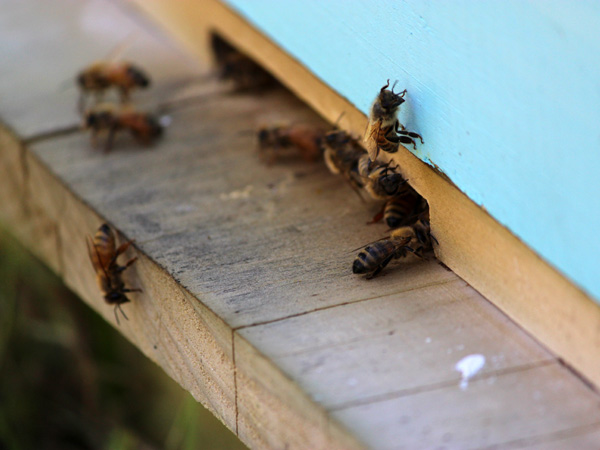
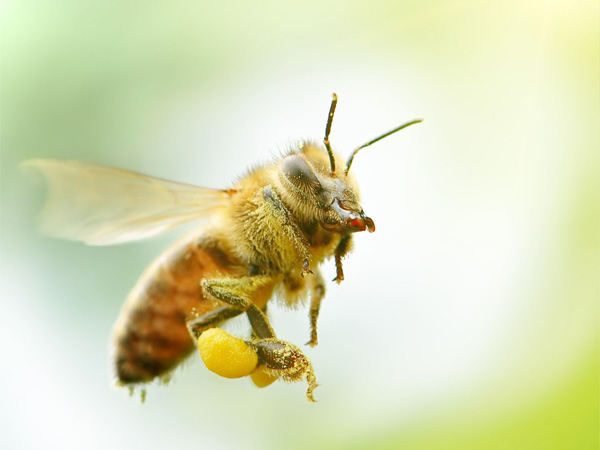
The recently swarmed colony that I housed in a hive has been on my mind, so I decided to check on it. I observed that worker bees were  already collecting pollen, filling their “pollen baskets”—the specialized structures on their hind legs—with granular pollen and returning to the  hive. I saw several bees entering through the hive entrance, confirming that they are actively functioning. Next, I inspected the original hive where the swarm had occurred. I found a large queen cell left on the frame, its cap neatly cut, indicating that  a new queen had emerged from it. Although I tried to locate the new queen, she was difficult to find. Not wanting to disturb the colony further,  I gently closed the hive and left it as is.

The swarming colony, which constitutes about half of the total population, takes half of the stored honey and fills its “honey stomach” before  leaving the hive, making the original hive appear rather empty. However, since it is the nectar flow season, the bees are continuously bringing  in nectar. The new queen will begin laying eggs after mating, so it probably won’t take long to recover and return to its original state. As I mentioned before, mating takes place around 20 to 30 meters above the ground, where male bees from various colonies gather and wait for the queen to arrive.

After the queen bee completes mating and returns to the hive, she focuses solely on egg-laying, producing around 2,000 eggs per day,  which is roughly equivalent to her own body weight. However, there is always a risk that she could be eaten by birds or meet an unfortunate  fate during mating, so she must return to the hive safely in order to be considered fully mature. Fortunately, she typically returns without incident,  so there is no cause for concern. In any case, this time of year is busy for the bees, as there is an abundance of nectar, and they are focused on  increasing the colony’s population.


نحل الخلية الأصلية

ظلّت المستعمرة الجديدة، التي آويتها في خلية بعد انقسام السرب مؤخرًا، تشغل ذهني، فقررت تفقدها. لاحظت أن العاملات قد بدأن بالفعل بجمع حبوب اللقاح، وملء “سلال اللقاح” — وهي البُنى المتخصصة على أرجلها الخلفية — بحبوب لقاح دقيقة وملونة، وهنّ يعدن بها إلى الخلية. رأيت العديد منهن يدخلن عبر مدخل الخلية، مما يؤكد أن النشاط يسير على نحوٍ طبيعي. بعد ذلك، تفقدت الخلية الأصلية التي حدث فيها الانقسام. وجدت خلية ملكة كبيرة على الإطار، وقد فُتح غطاؤها بعناية، مما يدل على أن ملكة جديدة قد خرجت منها. حاولت العثور على الملكة الجديدة، لكنها كانت صعبة التمييز. ولألا أزعج المستعمرة أكثر، أغلقت الخلية برفق وتركتها على حالها.

عند مغادرة السرب، الذي يُشكّل نحو نصف عدد النحل في المستعمرة، يحمل النحل معه نصف ما تم تخزينه من العسل في “معدة العسل” الخاصة به، فتبدو الخلية الأصلية شبه فارغة. لكن بما أن موسم تدفق الرحيق قد بدأ، فإن العاملات لا يتوقفن عن جلب الرحيق باستمرار. وما إن تتزاوج الملكة الجديدة، حتى تبدأ بوضع البيوض، لذا من المرجح أن الخلية ستتعافى بسرعة وتستعيد نشاطها السابق.

كما ذكرت سابقًا، تتم عملية التزاوج على ارتفاع يتراوح بين 20 و30 مترًا فوق الأرض، حيث يجتمع الذكور من مستعمرات مختلفة في الهواء منتظرين وصول الملكة. بعد أن تُكمل الملكة رحلتها وتعود إلى الخلية، تكرّس حياتها لوضع البيوض فقط — إذ تنتج نحو ألفي بيضة يوميًا، أي ما يعادل تقريبًا وزن جسدها. ومع ذلك، يبقى هناك خطر أن تلتهمها الطيور أو تتعرض لمكروه أثناء الطيران، لذا لا تُعتبر ملكة ناضجة تمامًا إلا بعد عودتها بسلام إلى الخلية. ولحسن الحظ، فإنها غالبًا ما تعود دون أي حادث، فلا داعي للقلق.

على أي حال، يُعتبر هذا الوقت من العام موسمًا مزدحمًا للنحل، حيث يفيض الرحيق في الطبيعة، ويتركز كل جهدهم على بناء القوة وزيادة عدد المستعمرة.

Natural Enemies of Varroa destructor

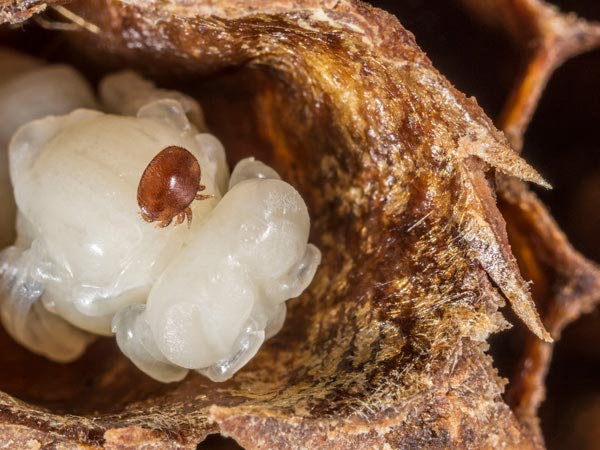
The Varroa destructor mite was originally associated with the Eastern honeybee. It is said to have been introduced to Siberia,  where it began parasitizing the Western honeybee and eventually spread across Europe. It is said to have arrived in New Zealand over 10 years ago, although the  exact route of entry is unclear. It is speculated that the mite entered via the importation of queen bees and other bees. This 1–2 millimeter mite invades the brood cell during the pupal stage and feeds on the pupae’s bodily fluids. As a result, the adult bee that emerges may suffer from deformities, be unable to fly, or lose its ability to perform essential tasks such as  nursing the next generation of bees. 

Moreover, since they transmit viral diseases, they are true enemy of honeybees.
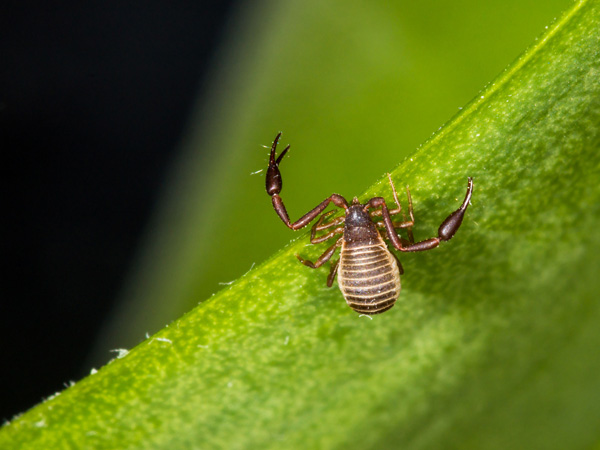
 Various methods for controlling  this pest have been proposed, but complete eradication is incredibly difficult. Ultimately, the best defense against the mite is to nurture strong,  healthy colonies of bees. Currently, there is ongoing research into introducing natural predators of the mite, such as a species of mite-eating spider called Chelifer.  This spider is very small and resembles a scorpion. The tips of its pincers contain venom, which paralyzes the mites. It is said that a single  Chelifer can consume up to 10 mites per day. Since these spiders are unaffected by the chemical pesticides used against the mites, they  are being considered for use in combination with these treatments. 


🐝 الأعداء الطبيعيون لعثّ الفاروا (Varroa destructor)

كان عثّ الفاروا في الأصل مرتبطًا بنحل العسل الشرقي، ويُقال إنه انتقل إلى سيبيريا حيث بدأ في التطفل على نحل العسل الغربي، ثم انتشر لاحقًا في أوروبا. ويُعتقد أنه وصل إلى نيوزيلندا قبل أكثر من عشر سنوات، رغم أن طريق دخوله الدقيق لا يزال غير معروف. ويُرجَّح أنه دخل عبر استيراد ملكات النحل أو النحل العامل.

هذا العثّ الصغير، الذي لا يتجاوز طوله 1–2 مليمتر، يغزو خلايا الحضنة في مرحلة العذراء ويتغذى على سوائل جسمها. ونتيجة لذلك، قد تخرج نحلات بالغة مشوهة، غير قادرة على الطيران، أو تفقد قدرتها على أداء المهام الأساسية مثل رعاية الجيل القادم من النحل.

علاوة على ذلك، ينقل هذا العثّ أمراضًا فيروسية، مما يجعله العدو الحقيقي للنحل. ورغم اقتراح العديد من طرق المكافحة، إلا أن القضاء التام عليه يكاد يكون مستحيلاً. في النهاية، تبقى أفضل وسيلة للدفاع هي تربية مستعمرات قوية وصحية من النحل.

حاليًا، تُجرى أبحاث حول إدخال أعداء طبيعيين للعثّ، مثل نوع من العناكب الصغيرة يُعرف باسم شليفِر (Chelifer)، يشبه العقرب في شكله. تحتوي أطراف مخالبه على سمّ يشلّ العثّ، ويُقال إن عنكبوتًا واحدًا يمكنه القضاء على ما يصل إلى عشرة عثّات في اليوم الواحد. ونظرًا لأن هذه العناكب لا تتأثر بالمبيدات الكيميائية المستخدمة ضد العثّ، فهي تُعتبر خيارًا واعدًا لاستخدامها بالتوازي مع وسائل المكافحة الأخرى، في سبيل تحقيق توازن طبيعي يحافظ على صحة النحل وجودة إنتاج العسل.

Varroa destructor

This year, the heat has arrived early, and it seems there will be little rain. With the rising temperatures comes an increase in troublesome  pests—the mites (Varroa destructor) that attach to honeybees. Maintaining strong colonies can minimize the damage, but it’s not easy to keep  all colonies strong, so the use of insecticides becomes necessary. There are two types of treatments available, but I choose not to use chemical agents. Instead, I rely on pyrethrum-based products. The reasons  are simple: chemical agents inevitably harm the honeybees themselves and lead to the development of resistance in the mites, rendering the treatment ineffective. I hang ribbons coated with pyrethrum’s active ingredient between the frames in each hive, using two ribbons per hive box. Since this season  requires stacking three tiers, each colony ends up needing six ribbons, making the task quite labor-intensive. (To be continued)


فاروا ديستركتور – Varroa destructor

هذا العام، حلّت موجة الحر مبكرًا، ويبدو أن الأمطار ستكون قليلة. ومع ارتفاع درجات الحرارة، تبدأ معاناة النحل مع أحد أكثر الآفات إزعاجًا — وهي العثّة فاروا ديستركتور التي تلتصق بالنحل وتمتص قوّته.

إن الحفاظ على مستعمرات قوية يمكن أن يخفف من الضرر، غير أن إبقاء جميع المستعمرات في حالة مثالية أمر بالغ الصعوبة، مما يجعل استخدام المبيدات أمرًا لا مفر منه في كثير من الأحيان. توجد طريقتان للعلاج، لكنني أختار تجنّب العوامل الكيميائية. بدلاً من ذلك، أستخدم منتجات قائمة على البيريثروم — وهو مستخلص طبيعي من أزهار الأقحوان — لما له من توازن بين الفعالية واللطف على الكائنات.

السبب بسيط وواضح: فالعوامل الكيميائية تضرّ بالنحل نفسه، وتُكسب العثّة مقاومة بمرور الوقت، مما يجعل العلاج بلا جدوى في النهاية. لذلك، أعلّق شرائط مشبعة بالمادة الفعالة للبيريثروم بين الإطارات داخل كل خلية — شريطان في كل صندوق من صناديق الخلية. وبما أن هذا الموسم يتطلب ترتيب ثلاث طبقات من الصناديق، تحتاج كل مستعمرة إلى ستة شرائط، مما يجعل العمل شاقًا ومضنيًا. (يتبع…)

My Hunch Comes True!

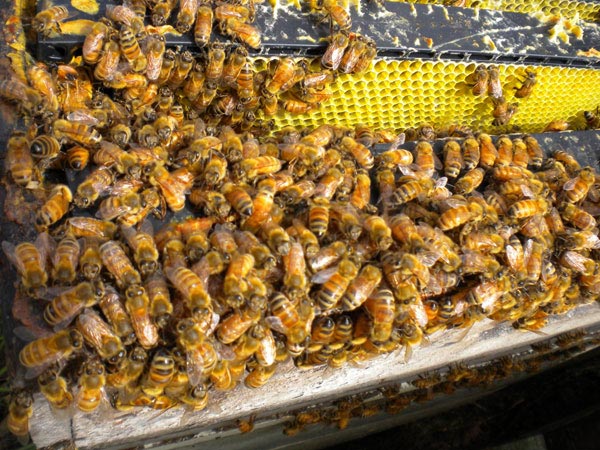
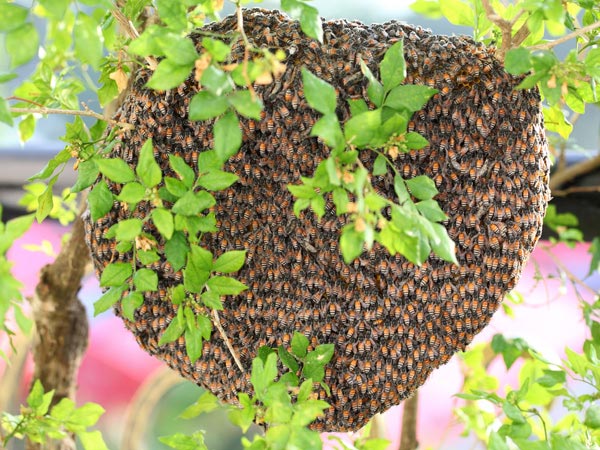
A large high-pressure system has come from the Australian continent, and the weather has been stable lately. Until yesterday, strong spring  winds had been blowing, but today is particularly calm and warm. I had a feeling that something might happen on a day like this, and that intuition  turned out to be correct. Yes, the beekeeping phenomenon known as swarming occurred. A swarm of bees hung down in a large mass from the grapevine trellis near the hive, forming a tight cluster. If I didn’t act quickly, they might  escape, so I swiftly prepared an empty hive and fixed it directly beneath the cluster of bees. I then shook the branch where the bees were hanging  to dislodge them.  Since the queen is usually in the middle of the swarm, once she is inside, the rest will follow—and just like that, a new colony can be established.

As I have mentioned about swarming before, when the hive becomes full of stored honey and larvae, the bees begin preparing for a split.  To create a new queen, the bees construct queen cells, which are special brood cells where the queen will develop. They feed the larvae royal  jelly to ensure that the queen will grow. At this stage, the old queen, along with nearly half of the bees in the hive, will leave to form a new colony.  They often have the habit of temporarily settling on a nearby shrub or tree before leaving. By capturing this swarm and housing  it, you can successfully increase the number of colonies. Swarming colonies, in particular, tend to stay in the hive once captured and will usually grow the colony steadily. These swarms tend to establish  themselves as strong, independent colonies, as they work hard to become self-sufficient. 

It is possible to artificially create a queen bee to increase the number of colonies, but swarms that occur naturally tend to have much stronger  colony strength. However, if swarming happens too frequently, the entire colony can become weakened. Therefore, it is important not to neglect  regular hive inspections. When queen cells are found, they must be removed. Even with careful attention, situations like the one I encountered  today are common. Fortunately, I discovered the swarm early this time, so it was a lucky situation. Warm, windless spring days require special caution.

If the queen bee is not in the swarm that has fallen, the worker bees will not enter the hive. Instead, they will fly around and reassemble near  the queen bee, so the same process must be repeated to capture them. If this isn’t done quickly, the scout bees, which have already located  a new potential home, will lead the swarm away, so prompt action is crucial. Once the bees are safely housed in the hive, it’s a relief. From  there, as long as the hive is managed normally, there shouldn’t be any issues. During the swarming season, nectar sources are abundant, and  the colony will naturally build itself. The original hive will produce a new queen, and after mating, she will begin laying eggs, allowing the colony  to develop as a regular hive again.


تحقّق حدسي!

امتدّ مرتفعٌ جويّ كبير قادم من القارة الأسترالية، فاستقرّ الطقس في الأيام الأخيرة. وحتى يوم أمس، كانت رياح الربيع القوية تهبّ باستمرار، أمّا اليوم فكان هادئًا ودافئًا على نحوٍ لافت. كان لديّ شعور بأن شيئًا ما سيحدث في يوم كهذا، وقد صدق حدسي بالفعل. نعم، لقد وقع ذلك المشهد المعروف في عالم تربية النحل باسم التطريد.

تجمّع سربٌ من النحل في كتلة كبيرة متدلّية من تعريشة كرمة العنب القريبة من الخلية، مشكّلًا عنقودًا متماسكًا. لو لم أتحرّك بسرعة، لكان من الممكن أن يفرّ السرب. لذا سارعتُ إلى تجهيز خليةٍ فارغة وثبّتُها مباشرةً أسفل تجمع النحل، ثم هززتُ الغصن الذي كانوا معلّقين به لإسقاطهم. وبما أنّ الملكة تكون عادةً في قلب السرب، فما إن تدخل الخلية حتى يتبعها الباقون، وبهذا تتأسس مستعمرة جديدة بسلاسة.

كما ذكرتُ سابقًا، عندما تمتلئ الخلية بالعسل واليرقات، يبدأ النحل بالتحضير للانقسام. ولإنتاج ملكة جديدة، يبني النحل بيوتًا خاصة تُعرف ببيوت الملكات، حيث تُغذّى اليرقات بغذاء ملكات النحل لضمان نموّ الملكة. في هذه المرحلة، تغادر الملكة القديمة مع ما يقارب نصف أفراد المستعمرة لتشكيل مجتمع جديد. وغالبًا ما تستقر مؤقتًا على شجيرة أو شجرة قريبة قبل المغادرة. وإذا تم التقاط هذا السرب وإيواؤه، يمكن زيادة عدد المستعمرات بنجاح. تتميّز أسراب التطريد بأنها تميل إلى الاستقرار داخل الخلية بعد التقاطها، وتنمو بثبات، لتتحوّل إلى مستعمرات قوية ومستقلة تسعى بجدّ للاعتماد على نفسها.

صحيح أنّه يمكن زيادة عدد الخلايا اصطناعيًا عبر إنتاج ملكات، إلا أنّ الأسراب التي تتكوّن طبيعيًا غالبًا ما تمتلك قوة وحيوية أكبر. غير أنّ تكرار التطريد بشكل مفرط قد يُضعف المستعمرة بأكملها، لذا لا بدّ من الفحص الدوري للخلية. وعند العثور على بيوت ملكات، يجب إزالتها. ومع ذلك، حتى مع أقصى درجات العناية، فإن مواقف كهذه شائعة. ولحسن الحظ، اكتشفتُ السرب مبكرًا هذه المرة، فكان يومًا موفقًا. إنّ أيام الربيع الدافئة والخالية من الرياح تتطلّب حذرًا خاصًا.

إذا لم تكن الملكة ضمن السرب الذي سقط في الخلية، فلن يدخل النحل العامل إليها، بل سيظلّ يحوم ويعيد التجمّع بالقرب من الملكة، ما يستدعي تكرار العملية. وإن لم يتم ذلك بسرعة، فإن نحل الكشّافة، الذي يكون قد حدّد موقعًا جديدًا، سيقود السرب إلى الرحيل. لذلك، فإن السرعة عامل حاسم. وما إن يستقرّ النحل بأمان داخل الخلية، حتى يسود شعور بالاطمئنان. بعد ذلك، ومع إدارة طبيعية للخلية، لا ينبغي أن تظهر مشكلات. ففي موسم التطريد، تكون مصادر الرحيق وفيرة، وتبني المستعمرة نفسها تلقائيًا. أمّا الخلية الأصلية، فستنتج ملكة جديدة، وبعد تزاوجها تبدأ بوضع البيض، لتعود المستعمرة إلى نموّها الطبيعي من جديد.