
honey」タグアーカイブ

Matured Honey Made by Honey Bees

Matured Honey Made by Honey Bees

Lately, this blog has become quite argumentative. In reality, I don’t have the time to write such overly logical arguments. During this season, the bees are fully engaged in the production of fully matured honey, working hard to concentrate the nectar. They must quickly remove moisture from the nectar and bring the sugar content to over 80% to prevent fermentation. Yeast feeds on sugar, multiplying and causing fermentation, which means the bees cannot use fermented nectar as an energy source for winter. From each beehive, I can hear the buzzing of the bees creating a whirlwind.

The bees change the angle of their wings and vibrate themvigorously to generate heat and airflow, desperately working to dehydrate the nectar. The high-concentration nectar produced in this way is sealed with a wax called a honey cap, secreted from the thymus, to block humidity, and is stored as winter food. Therefore, it is essential to support the hives to prevent moisture from entering. In this way, we beekeepers end up taking this precious honey for ourselves.

When thinking about this, it’s clear that human actions are the worst. However, there is a bit of beekeeping philosophy involved. We always  leave behind enough honey for the bees to survive the winter. Most beekeepers, however, extract and squeeze out almost all of the honey. Since the bees would die from this, they are given sugar  water (syrup) as a substitute to survive until the following spring. Even the cells that are far from producing fully matured honey and haven’t  been capped are squeezed out. This watery honey is heated and concentrated, which causes the essential enzymes that are beneficial to  humans to lose their activity. Since enzymes are proteins, they undergo irreversible denaturation when heated. In other words, while ice can  melt back into water, a boiled egg cannot return to being a raw egg.

Heat-processed honey is no longer the same as raw honey. To use a simple analogy, the nutritional difference is as significant  as that between tuna sashimi and canned tuna. Products like these, mass-produced under the name of Manuka honey, are now sold not  only through online shopping but also in department stores and supermarkets. Compared to my products, they are truly “similar yet fundamentally different.” Moreover, taking honey meant for the bees’ winter survival (essentially stealing it) and replacing it with syrup is far from a wise practice.  Thinking of the bees’ health, this is something that should never be done. Needless to say, the health of the customers who use our products  originates from the health of the bees.


🐝 العسل الناضج الذي تصنعه النحلات

في الآونة الأخيرة، أصبح هذا المدوّنة نوعًا من الجدل. في الواقع، ليس لدي الوقت لكتابة نقاشات منطقية مطوّلة بهذا القدر. في هذا الموسم، تنكب النّحل بلا كلل على إنتاج العسل الناضج بالكامل، وتعمل بجدّ لتركيز الرحيق. فتحتاج بسرعة إلى إزالة الرطوبة من الرحيق وجلب نسبة السكر إلى أكثر من 80% لتجنّب التخمّر. فالخميرة تتغذى على السكر، وتتكاثر محدثة التخمّر، ما يجعل النحل غير قادر على استخدام الرحيق المُخمّر كمصدر للطاقة في الشتاء. ومن كل خلية، أسمع زقزقة النحل وهي تُحدث زوبعة صغيرة داخل الإطار.

تُغيّـر النحلات زاوية أجنحتهنّ ويهزنها بحيويّة لإنتاج الحرارة وتدفق الهواء، ويعملن بشدّة لإزالة الرطوبة من الرحيق. الرحيق المكثّف الناتج يُغَلَّف بشمعٍ يُعرف بـ “غطاء العسل” (honey cap)، يتم إفرازه من الغدّة وتُوضع طبقة لمنع الرطوبة، ويُخزن كغذاء لشتاء الخلية. لذا، من الضروري دعم الخلايا لمنع دخول الرطوبة. بهذه الطريقة، ينتهي بنا الأمر نحن مربي النحل أن نأخذ هذا العسل الثمين لأنفسنا.

وعند التفكير في هذا، يتوضّح أن فعل الإنسان قد يكون الأسوأ. لكن، هنا تدخل فلسفة تربية النحل. فـنحن دائمًا نترك قدرًا كافياً من العسل ليستمرّ النحل في الشتاء. ومع ذلك، فإن معظم مربي النحل يستخرجون ويعصرون تقريبًا كل العسل. وبما أن النحل سيموت من ذلك، يُعطى “شراب سكري” (syrup) بديلًا ليبقى حيًا حتى الربيع التالي. بل حتى خلايا لم تصل بعد إلى إنتاج العسل الناضج ولم تُغطّ بعد تُعصر. وهذا العسل المائي يُسخّن ويُركز، ما يسبّب فقدان الإنزيمات الأساسية التي تفيد الإنسان. فالإنزيمات هي بروتينات، وتخضع لتغيّر بنيوي لا رجعة فيه عند تسخينها. بعبارة أخرى، بينما يمكن أن يذوب الثلج ليعود ماء، لا يمكن للبيضة المسلوقة أن تعود إلى بيضة نيئة.

العسل المعالج بالحرارة ليس بعده نفس العسل الخام. لتبسيط الأمر، فرق التغذية فيه كبير مثل فرق “ساشيمي التونا” مقابل “تونا معبّأ في علبة”. المنتجات التي تُنتج بكميات ضخمة تحت اسم عسل المانوكا تُباع الآن ليس فقط عبر التسوق الإلكتروني، بل أيضاً في المتاجر الكبرى والسوبرماركت. مقارنةً بمنتجاتي، فهي حقًا “مشابهة لكن مختلفة جوهريًا”. وعلاوة على ذلك، أن تأخذ عسلًا مخصصًا لبقاء النحل في الشتاء (أي سرقة في الواقع) وتبدله بشراب سكري هو بعيد كل البعد عن ممارسة الحكمة. ولأجل صحة النحل، لا ينبغي أن يُفعل ذلك قط. ومن البديهي أن صحة العملاء الذين يستخدمون منتجاتنا تنبع من صحة النحل.
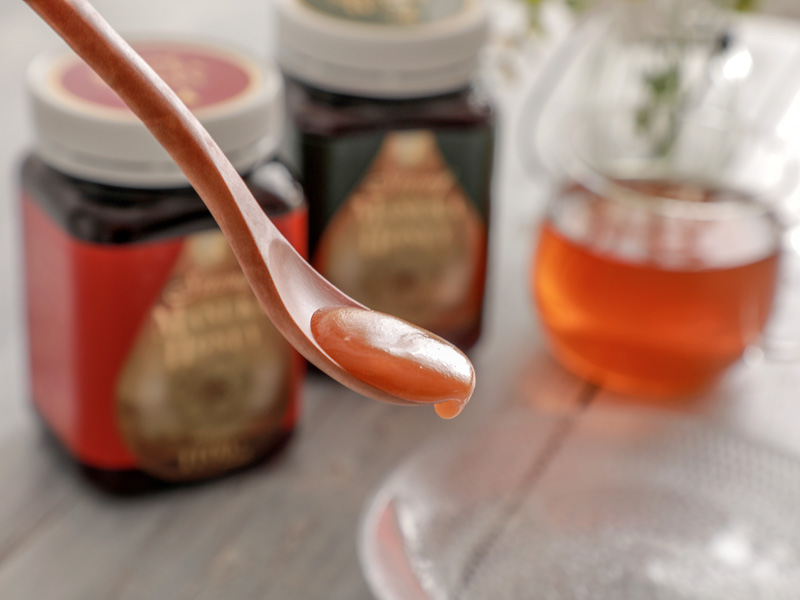
What is Honey as a Primary Product?

What is Honey as a Primary Product?

Although it has become less common, some customers still caution that cheaper honey might be diluted with syrup. This concern is  especially prevalent among older individuals. It wouldn’t be surprising if such practices occurred just after World War II when sugar was  a scarce commodity, and such “honey” was likely sold during that time. When we first started selling Manuka honey 25 years ago, we often received questions like, “The viscosity and crystallization of honey vary,  even from the same flower. Does this mean the production methods differ?” Defining “production” in this context is quite challenging.  The honey we handle is, in fact, a true primary product, much like fresh produce.

The inexpensive honey found in supermarkets is quite different from the raw honey we handle, even though they are both sold as honey.  Almost all of those products undergo various forms of processing. It’s not an exaggeration to say that the majority of these honeys come  from foreign countries, particularly China. These products often undergo several treatments to standardize their characteristics and ensure consistency across batches.

What gets added to honey is part of each company’s proprietary methods, but generally, it involves “invert sugar,” which is derived by  hydrolyzing sucrose (table sugar) or starches such as corn starch into “high-fructose corn syrup.” By adding a sucrose solution and acid,  and applying heat, the mixture breaks down into glucose and fructose. These simple sugars are ideal for increasing the volume of honey.  According to the laws at the time, it was permissible to increase honey volume by up to 20% without requiring a label indicating such an addition.  Therefore, products could still be labeled as “pure honey.” However, in reality, many of these products contained far more than 20% additives,  yet they were often sold under the label of “pure honey.”

Furthermore, many of these honeys are harvested prematurely to increase production. Instead of waiting for the honey to fully ripen  (where the nectar brought back by the worker bees, which initially contains a high water content, is evaporated by the fanning of house  bees until its sugar content reaches over 80-85%, and then sealed with a wax cap), the honey is often artificially heated to evaporate water and increase sugar concentration. The honey produced and collected in this way undergoes various processes to fit the commercial standards unique to Japan, such as  deodorization, decolorization, and the addition of various substances. This highly processed industrial honey is fundamentally different from  the raw honey we handle. While processed honey is a secondary product, our honey is a primary product, completely unprocessed and  natural. In fact, some customers at the time even questioned us, saying, “Your honey is so different from what’s sold in supermarkets that it seems fake.”

Looking back on those times, I truly believe that today’s generation of customers has a far more refined palate. Meanwhile, the major  honey manufacturers that once sold what could be called “syrup honey” likely have no regrets about it. It seems that this lack of reflection  persists, as even now, there are many cases where they shamelessly sell heated and processed blended honey under the name “Manuka honey.”


🍯 ما هو العسل كمنتج أساسي؟

على الرغم من أن هذا الأمر أصبح أقل شيوعاً اليوم، إلا أن بعض العملاء لا يزالون يحذرون من احتمال خلط العسل الرخيص بالشراب أو السكر. ويُلاحظ هذا القلق بشكل خاص بين كبار السن، وهو أمر منطقي، خاصة إذا نظرنا إلى فترة ما بعد الحرب العالمية الثانية، عندما كان السكر نادراً، وكان من المحتمل أن يتم بيع عسل مماثل مخلوطاً بالسكر في ذلك الوقت.

عندما بدأنا بيع عسل المانوكا قبل 25 عاماً، كنا نتلقى أسئلة متكررة مثل: “يختلف لزوجة العسل وتبلوره حتى من نفس الزهرة. هل هذا يعني أن طرق الإنتاج تختلف؟” في هذا السياق، من الصعب جداً تعريف معنى “الإنتاج”. العسل الذي نتعامل معه هو في الحقيقة منتج أساسي حقيقي، يشبه إلى حد كبير المنتجات الزراعية الطازجة. العسل الرخيص الذي يُباع في المتاجر يختلف تماماً عن العسل الخام الذي نتعامل معه، على الرغم من أنهما يُباعان تحت اسم العسل. فمعظم هذه المنتجات تخضع لمراحل معالجة متعددة، وغالباً ما تأتي من دول أجنبية، وبالأخص الصين، حيث يتم تعديل خصائص العسل لتصبح متجانسة وسلسة عبر الدفعات المختلفة.

ما يُضاف إلى العسل يختلف بحسب أسلوب كل شركة، لكنه غالباً يشمل السكريات المقلوبة المستخلصة من هضم السكروز أو النشا (مثل شراب الذرة عالي الفركتوز). يتم إضافة محلول سكروز مع حمض، ثم تسخينه، لتتحلل المركبات إلى جلوكوز وفركتوز، وهي سكريات بسيطة تزيد من حجم العسل. وفقاً للقوانين في ذلك الوقت، كان مسموحاً زيادة حجم العسل بنسبة تصل إلى 20٪ من دون وضع ملصق يشير لذلك، وبالتالي يمكن تسمية المنتج بـ “العسل النقي”. لكن في الواقع، احتوى العديد من هذه المنتجات على إضافات تتجاوز بكثير 20٪، ومع ذلك كانت تُباع غالباً تحت اسم “العسل النقي”. بالإضافة إلى ذلك، يتم جني الكثير من هذه الأنواع قبل نضجها الكامل لزيادة الإنتاج. بدلاً من انتظار نضج العسل الطبيعي (حيث يقوم النحل العامل بتقليص محتوى الماء في الرحيق حتى تتجاوز نسبة السكر 80–85٪ ويُغلق بغطاء شمعي)، يتم تسخينه صناعياً لتسريع تبخر الماء وزيادة تركيز السكر. ثم يخضع العسل للعديد من العمليات التجارية مثل إزالة الروائح، تبييض اللون، وإضافة مواد أخرى لتلبية المعايير الصناعية اليابانية.

هذا العسل المعالج بشكل صناعي يختلف جذرياً عن العسل الخام الذي نتعامل معه. بينما يُعتبر العسل الصناعي منتجاً ثانوياً، فإن عسلنا هو منتج أساسي، طبيعي تماماً وغير معالج. وفي الواقع، بعض العملاء آنذاك تساءلوا وقالوا: “عسلُكم مختلف جداً عن المعروض في المتاجر، حتى يبدو وكأنه مزيف.” عند النظر إلى الوراء، أؤمن بأن جيل العملاء الحالي يملك ذوقاً أكثر رقة وتميّزاً. وفي المقابل، يبدو أن الشركات الكبرى التي باعت في السابق ما يمكن تسميته بـ “عسل الشراب” لا تشعر بالندم، وما زالت بعض الحالات حتى اليوم تُباع فيها أنواع عسل مُسخنة ومعالجة تحت اسم “عسل مانوكا”، دون خجل.