beekeeper」タグアーカイブ

The Pohutukawa Tree

The Pohutukawa Tree

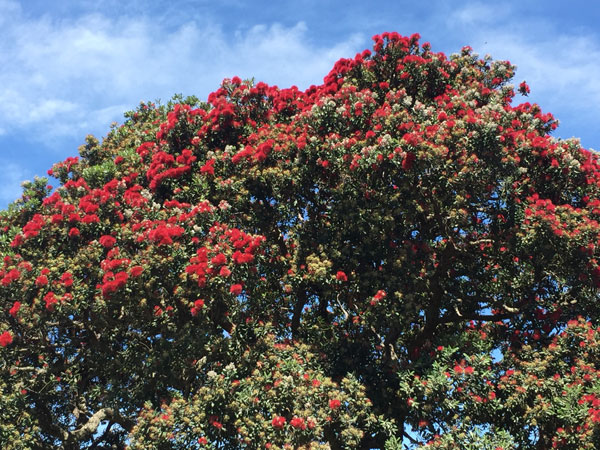
The tree shown in the image is called Pohutukawa, a name derived from the Maori language. As Christmas approaches, it bursts into bloom with  vibrant red flowers. Because of this, the British settlers gave it the name “Christmas Tree.” The flower’s shape resembles a larger version of a thistle bloom. These trees are commonly found along coastal areas and can grow into  magnificent giants. Their branches spread out horizontally from the base, and their height is impressive.

I often think how grand it would be to  have one of these trees in a home garden. During the nectar flow season, bees swarm around these flowers, creating a lively buzz. At the base of the petals, especially in the morning,  there is an abundance of clear nectar that tastes subtly sweet with a pleasant aroma when tasted. Honey made from Pohutukawa nectar  crystallizes into a pure white form, with a refined sweetness and a rich fragrance. Compared to honey from clover or other sources, it  offers not just sweetness but a flavor that remains enjoyable and never gets tired of eating.

Since Pohutukawa trees thrive along the coastline, they are constantly exposed to sea breezes, which imparts a slight saltiness to the  nectar—a distinctive characteristic of this honey. Placing beehives under these trees results in honey with exceptional purity. As my home is  close to the coast, our bees often collect nectar from these trees as well. I recall my wife once buying “salt candy” from a local Japanese grocery store. It had a unique sweetness that stood out.

When I was a child, my  mother used to celebrate my birthdays by making oshiruko (sweet red bean soup) or amazake (sweet sake) and would always add a pinch of  salt at the end, saying it enhanced the sweetness. Being a child, I was puzzled by the relationship between salt and sweetness. Pohutukawa  honey shares this characteristic—its taste is refined and absolutely delicious. My mother is now 101 years old, living each day with remarkable vitality, which I attribute to the benefits of bee products. While  Pohutukawa honey doesn’t possess the notable functional properties of Manuka honey, it is undeniably one of the most flavorful honeys I’ve ever tasted.


الشجرة الظاهرة في الصورة تُسمّى بوهوتوكاوَا، وهي تسمية تعود إلى لغة الماوري. ومع اقتراب موسم عيد الميلاد، تتزيّن الشجرة بأزهار حمراء متألّقة، مما دفع المستوطنين البريطانيين قديمًا لإطلاق اسم “شجرة عيد الميلاد” عليها. وتشبه أزهارها في شكلها زهور الشوك، ولكن بحجم أكبر وأكثر جمالًا. تنتشر هذه الأشجار على السواحل، وتنمو لتصبح عملاقة في هيئتها؛ ففروعها تمتد أفقيًا من قاعدة الجذع، ويرتفع تاجها بشكل يلفت الأنظار.

وكثيرًا ما أتخيّل كم سيكون مدهشًا أن تتزيّن بها حدائق المنازل؛ إذ تتحول الشجرة في موسم تدفّق الرحيق إلى مركز يفيض بالحياة، حيث تحوم النحل حول أزهارها بإيقاعٍ حيّ نابض. وعند قاعدة البتلات، وخصوصًا في ساعات الصباح الأولى، يتجمع رحيق صافٍ بنكهة لطيفة وحلاوة خفيفة وعطر تعبق به الحواس. أما العسل المستخرج من رحيق بوهوتوكاوَا، فيتبلور إلى لون أبيض نقي، بطعم راقٍ وعطرٍ غني، وهو عسل يتجاوز في تميّزه عسل البرسيم وغيره؛ إذ لا يقتصر على الحلاوة المجردة، بل يحمل نكهة تبقى ممتعة ولا يُملّ منها.

وبسبب نمو هذه الأشجار على السواحل، تتعرّض باستمرار لنسيم البحر، مما يضفي على رحيقها لمسةً لطيفة من الملوحة—وهي سمة خاصة تُميّز هذا النوع من العسل. وعند وضع خلايا النحل تحتها، نحصل على عسلٍ بالغ النقاء. وبسبب قرب منزلي من الساحل، كثيرًا ما يتغذّى نحلنا على رحيق هذه الشجرة كذلك.

أتذكّر أن زوجتي اشترت ذات مرة “حلوى مالحة” من متجر ياباني محلي، وكانت تحمل حلاوة فريدة لا تُنسى. وعندما كنت طفلًا، كانت والدتي—التي كانت تحتفل بعيد ميلادي بصنع الأوشيروكو أو الأمازاكي—تضيف دومًا رشّة صغيرة من الملح في النهاية، مؤكدة أن ذلك يزيد الحلاوة. وكنتُ أستغرب حينها العلاقة بين الملح والحلاوة. عسل البوهوتوكاوَا يشترك في هذه الخاصية؛ فطعمه راقٍ ولذيذ بشكل استثنائي.

واليوم تبلغ والدتي 101 عام، وما زالت تتمتع بنشاط مدهش، وأعزو ذلك إلى فضل منتجات النحل. ورغم أن عسل البوهوتوكاوَا لا يملك الخصائص الوظيفية البارزة التي يمتاز بها عسل المانوكا، إلا أنه—وبلا شك—واحد من أرقى وأشهى أنواع العسل التي تذوّقتها في حياتي.
About Brazil – Part 3

In a story quite similar to the previous one, my subordinate’s situation was as follows: his wife had been divorced three times before finally  marrying him, with whom she had one child. From her previous three marriages, she had three children, and with the child they had together,  the total came to four, each with a different father. In Catholic societies, abortion is forbidden, and divorce is also not allowed, among other  stricter rules compared to Protestant societies.  But especially in South America, such things don’t really matter — even priests, who are supposed to be forbidden from romance, are  sometimes found having relationships, which then become a scandal.

Ordinary people tend to leave strict religious matters to the church and focus on facing reality. The casualness with which things are handled is actually quite amusing. I like the easygoing and deeply human nature of Latin America. Maybe that’s why I was able to blend into Brazilian society so easily — picking up the language and customs without even realizing it. Now, about my subordinate: one day, he requested a half-day off from work, explaining that he had an important meeting he simply couldn’t miss.  It turned out he was going to have a meal with three acquaintances.

It turned out that the meeting was a gathering of the subordinate, his wife’s three ex-husbands, and himself—a total of four men—to exchange  opinions and decide on a future course of action. The main agenda revolved around the fact that his wife had always been a reckless  spender. The ex-husbands were concerned about whether the child support they were providing was being effectively used for their children. As a proposed solution, they suggested splitting their monthly child support payments into two installments to prevent her from spending it all  at once. It seems the meeting was arranged to get the consent of my subordinate about it.  In the end, it turned out to be a very friendly and productive meeting — they mostly talked about my wife’s flaws and good points, as well as each other’s children.

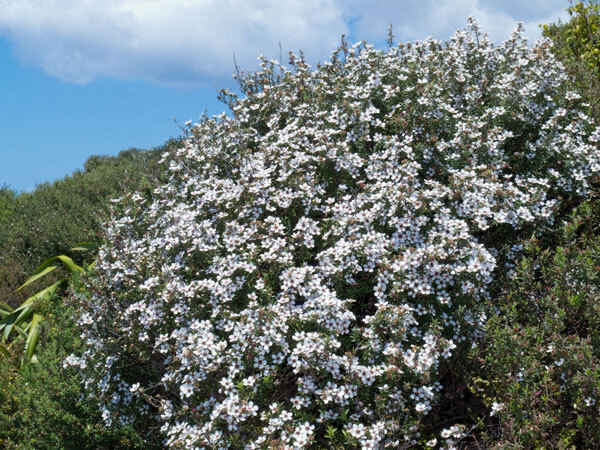
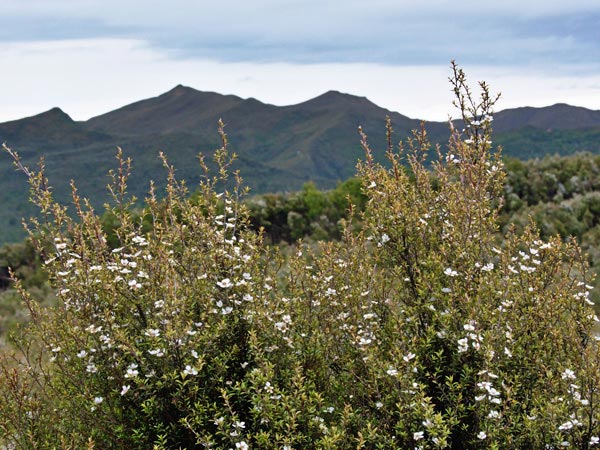
I couldn’t grasp the exact details of their discussion, nor did I have the time to do so, but From this experience, I learned that in order to  handle things properly, pride doesn’t matter — what’s important is that everyone is honest and open. This kind of story is very Latin American and would be unthinkable in Japan. In some ways, it reminded me of the behavior in honeybee societies, which have long carried out activities to ensure the survival of their species.  This also leads me to think that Catholicism, with its long history, possesses a deeper and more profound essence compared to Protestantism. Meanwhile, in certain regions, the Manuka trees have already started to bloom. Thanks to the mild winter, the bees managed to overwinter  safely, and I’m hopeful for both the quality and yield of this season’s Manuka honey.


عن البرازيل – الجزء الثالث

في حكاية تشبه إلى حدٍّ بعيد ما سبقها، كانت ظروف أحد مرؤوسي على النحو التالي: زوجته كانت قد تزوّجت ثلاث مرات قبل أن ترتبط به أخيرًا، وأنجبت منه طفلًا واحدًا. ومن زيجاتها الثلاث السابقة، كان لديها ثلاثة أطفال آخرين. وبذلك أصبح مجموع الأطفال أربعة، لكلٍّ منهم أب مختلف.

في المجتمعات الكاثوليكية، يُحرَّم الإجهاض، كما لا يُسمح بالطلاق، وتُعدّ القواعد الدينية أكثر صرامة مقارنة بالمجتمعات البروتستانتية. لكن في أمريكا الجنوبية على وجه الخصوص، لا تُؤخذ هذه الأمور دائمًا بالجدّية المتوقعة. فحتى الكهنة، الذين يُفترض أن تُحرَّم عليهم العلاقات العاطفية، يُعثر عليهم أحيانًا منخرطين فيها، لتتحوّل لاحقًا إلى فضائح علنية.

يميل الناس العاديون إلى ترك المسائل الدينية الصارمة للكنيسة، والتركيز بدلًا من ذلك على مواجهة واقع الحياة كما هو. هذه الخفّة في التعاطي مع الأمور، وهذا التساهل الإنساني، يحملان طابعًا طريفًا ومحبّبًا في آنٍ واحد. إنني أُكنّ إعجابًا عميقًا لهذه الطبيعة اللاتينية السهلة، الدافئة، والمشبعة بالإنسانية.

وربما لهذا السبب استطعتُ الاندماج في المجتمع البرازيلي بسلاسة لافتة، إذ تعلّمت اللغة والعادات دون أن أشعر بذلك. أما عن مرؤوسي، ففي أحد الأيام طلب إذنًا لنصف يوم، مبرّرًا طلبه بوجود موعد بالغ الأهمية لا يمكنه تفويته. وقد تبيّن لاحقًا أن الأمر لا يعدو كونه دعوة لتناول الطعام مع ثلاثة معارف.

اتّضح لاحقًا أن ذلك اللقاء كان اجتماعًا غير اعتيادي جمع الموظف، وثلاثة من أزواج زوجته السابقين، إضافةً إليه هو نفسه — أربعة رجال حول طاولة واحدة، لا لتبادل المجاملات، بل لتبادل الآراء واتخاذ قرار عملي للمستقبل.

كان محور النقاش بسيطًا وواضحًا: زوجته كانت معروفة بالإسراف وعدم الترشيد في الإنفاق. الأزواج السابقون، الذين كانوا يقدّمون نفقة شهرية لأطفالهم، بدأوا يتساءلون بجدّية عمّا إذا كانت تلك الأموال تُستخدم فعلًا من أجل مصلحة الأبناء. ومن هنا طُرح اقتراح عملي: تقسيم النفقة الشهرية إلى دفعتين، تفاديًا لإنفاقها دفعةً واحدة. وكان الهدف من الاجتماع هو الحصول على موافقة الزوج الحالي على هذا الترتيب.

المفاجئ أن اللقاء انتهى في أجواء ودّية للغاية. دار الحديث بهدوء عن عيوب الزوجة ومحاسنها، وعن الأطفال، وعن تفاصيل الحياة اليومية، وكأن الأمر عائلي بامتياز لا نزاع فيه ولا صراع.

لم أستطع الإحاطة بكل تفاصيل ما دار في ذلك الاجتماع، ولم يكن لدي الوقت لذلك أصلًا. لكن ما خرجتُ به من هذه التجربة كان درسًا بالغ العمق: حين يكون الهدف هو إدارة الأمور بشكل صحيح، فإن الكبرياء لا قيمة له. ما يهم حقًا هو الصراحة والانفتاح.

هذه القصة بامتياز لاتينية الطابع — ومن الصعب تخيّل حدوث شيء مماثل في اليابان. بل إنها ذكّرتني، على نحوٍ ما، بسلوك مجتمعات نحل العسل، التي تنظم نفسها منذ آلاف السنين لضمان بقاء النوع واستمراره.

ومن هنا، وجدت نفسي أتأمل في الكاثوليكية، ذات التاريخ العريق، وأشعر بأنها تحمل جوهرًا أعمق وأكثر إنسانية مقارنةً بالبروتستانتية.

وفي مكانٍ آخر من العالم، بدأت أشجار المانوكا تزهر بهدوء. وبفضل شتاء معتدل، تجاوز النحل موسم البرد بأمان. ومع انطلاق هذا الموسم، يحدوني الأمل بأن يكون عسل المانوكا هذا العام وفيرًا في كميته، ونقيًا في جودته — تمامًا كما تريده الطبيعة في أنقى صورها.

About Brazil – Part 2

Brazilians are incredibly kind-hearted, and the country is home to the largest number of Catholic believers in the world. Its post-independence history, like that of all Latin American nations, spans only about 200 years. Unlike  Protestant-dominated America, Brazil’s way of thinking is fundamentally different. In my view, if I were to describe it unfavorably, Catholicism can feel earthy and somewhat lax, lacking the strictness often associated with  Protestantism. On the positive side, however, Catholicism carries a sense of tradition and historical depth, and the people living within its  influence often exhibit a personal kindness or a strong sense of compassion. That said, this very nature may hinder the country’s potential for national development.

To put it simply, could it be said that Protestants tend to be more hardworking? Looking at the world, countries with a large Catholic  population, like those in Latin America, are typically characterized by poverty and slower economic development. While it’s true that “poverty  dulls the mind,” I am not suggesting that wealthy nations are necessarily superior in terms of their citizens’ qualities. For example, I once had a very capable subordinate who was like my right-hand.

His wife had four young children. Whenever I remember this, I can’t help but recall a scene from the great director  Akira Kurosawa’s Dodes’ka-den (Toho release, October 31, 1970, based on the novel by Shūgorō Yamamoto). The scene features a poor family,  portrayed by Shinsuke Minami, which always reminds me of the struggles he faced. In this film, there are many children, and it’s impossible  to tell who belongs to whom. One day, the oldest child is bullied by the neighborhood kids, saying, “Everyone says I’m not my father’s son.”

The father, played by Shinsuke Minami, stared at the child for a moment, then returned to his usual calm expression.  Next time you meet him, ask him this—what about you? Who do you belong to… no one knows! Upon hearing this, the youngest daughter,  a little girl, proudly declared, “I’m my big brother’s child!” and everyone burst into laughter, returning to their usual peaceful family scene. (To be continued)


عن البرازيل – الجزء الثاني

يتميّز البرازيليون بطيبة قلب فطرية، ويحتضن هذا البلد أكبر عدد من أتباع الديانة الكاثوليكية في العالم. أما تاريخه بعد الاستقلال، وكحال سائر دول أميركا اللاتينية، فلا يتجاوز قرنين من الزمن. وعلى خلاف الولايات المتحدة ذات الجذور البروتستانتية، فإن طريقة التفكير في البرازيل مختلفة جذريًا.

ومن منظور شخصي، وإذا أردنا توصيف الأمر بقدر من الصراحة، قد تبدو الكاثوليكية أقل صرامة، أكثر قربًا من الأرض والحياة اليومية، مقارنة بالانضباط الذي يميّز الفكر البروتستانتي. غير أن لهذا الطابع وجهه المشرق أيضًا؛ إذ تحمل الكاثوليكية عبق التاريخ وعمق التقاليد، ويغلب على من يعيشون في ظلها لطف إنساني وتعاطف صادق مع الآخرين.

ومع ذلك، فإن هذه الطبيعة ذاتها قد تشكّل عائقًا أمام تطوّر الدولة على المستوى الوطني. وبعبارة مبسّطة، ألا يمكن القول إن المجتمعات البروتستانتية تميل إلى العمل بجدٍّ أكبر؟ فحين نتأمل المشهد العالمي، نجد أن الدول ذات الغالبية الكاثوليكية، ولا سيما في أميركا اللاتينية، غالبًا ما تعاني من الفقر وبطء النمو الاقتصادي.

ومع أن المقولة الشائعة تقول إن «الفقر يقيّد الفكر»، فإنني لا أزعم أن غنى الدول يجعل شعوبها أسمى بالضرورة من حيث القيم أو الكفاءة. فقد سبق لي، على سبيل المثال، أن عملت مع مساعد بالغ الكفاءة، كان بمثابة يدي اليمنى…

كانت زوجته ترعى أربعة أطفال صغار. وكلما استحضرت هذه الذكرى، لا يسعني إلا أن أستعيد مشهدًا عالقًا في الذاكرة من فيلم المخرج العظيم أكيرا كوروساوا «دوديسكادِن» (إنتاج توهو، 31 أكتوبر 1970، عن رواية لشيغورو ياماموتو).

في ذلك المشهد، تظهر عائلة فقيرة يجسّدها الممثل شينسوكي مينامي، عائلة تعكس بعمق قسوة الحياة وبساطتها في آنٍ واحد. كان في الفيلم عدد كبير من الأطفال، إلى حدّ يصعب معه تمييز من ينتمي إلى من.

وذات يوم، يتعرّض الابن الأكبر للتنمّر من أطفال الحي، قائلين له:

«الجميع يقول إنك لست ابن أبيك».

تأمّل الأب، الذي أدّى دوره شينسوكي مينامي، الطفل للحظات، ثم عاد إلى ملامحه الهادئة المعهودة وقال بهدوء عميق:

«في المرة القادمة التي تراه فيها، اسأله هذا: وأنت… لمن تنتمي؟ في النهاية، لا أحد يعرف».

عندها، أعلنت الابنة الصغرى، وهي طفلة صغيرة، بكل فخر وبراءة: «أنا ابنة أخي الكبير!»

فانفجر الجميع بالضحك، وعادت العائلة إلى مشهدها اليومي الوادع، حيث الفقر لا يلغي الدفء، ولا القسوة تمحو الإنسانية.

يتبع…

About Brazil

Last time, I briefly touched on how climate can influence national characteristics, which reminded me of a joke a Brazilian friend once told me. According to him, “Jesus Christ distributed humanity remarkably equally across the Earth.” His reasoning was that Brazil enjoys an ideal climate,  is free from natural disasters like typhoons and earthquakes, has a long coastline rich in marine resources, and boasts fertile, vast lands 24 times  the size of Japan. Furthermore, beneath this land lies an abundance of natural resources.

From the perspective of other nations, it’s an enviable paradise.  However, the Brazilians who inhabit this blessed land, he joked, are lazy and not particularly smart. That’s why God’s actions are precise and fair. Hearing this joke in Portuguese, while sipping on a fiery spirit called cachaça—a rum distilled from sugarcane—at a street corner bar operating  in broad daylight, makes it all the more amusing and oddly convincing. Looking back, I can’t help but think that my eventual decision to settle in Brazil alone right after graduation, might have been  unexpectedly influenced by the Brazilian temperament of being able to laugh at and poke fun at their own country.

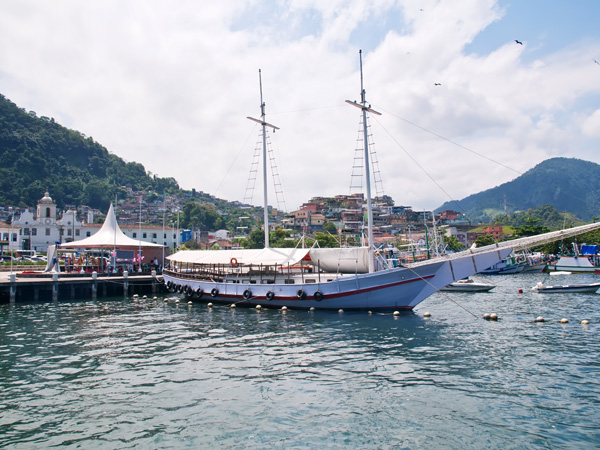
Life in Brazil since then has been filled with a variety of experiences. I recall a small town called Angra dos Reis, located on the Tropic of  Capricorn, halfway between Rio de Janeiro and São Paulo. One time, my family boarded a fishing boat from its harbor to participate in a two-day fishing tour. Among the passengers was an elderly  Japanese-Brazilian gentleman who had lived in Brazil for 50 years. While fishing, he shared many stories with my family. What left a lasting impression on me was his remark: “I’ve been living here for 50 years, and not once during that time have I felt that this country has improved.”

More than 20 years passed before I eventually relocated to New Zealand, but I couldn’t help being surprised at myself when I found the  very same words coming out of my mouth. I was now saying to my nieces and nephews visiting from Japan what that elderly gentleman had once said to my family. Ultimately, this journey led me to New Zealand, where I had met Dr. Peter Molan, a renowned authority on Manuka honey.  This encounter became the turning point that inspired me to begin its production.


عن البرازيل

في المرة السابقة، تطرّقتُ بإيجاز إلى كيفية تأثير المناخ في تكوين الطابع القومي، وهو ما أعاد إلى ذاكرتي طرفةً كان قد رواها لي صديق برازيلي ذات يوم. بحسب قوله، فإن «السيد المسيح وزّع البشر على الأرض بعدلٍ مدهش». وكان تفسيره لذلك أن البرازيل تنعم بمناخٍ مثالي، وتكاد تخلو من الكوارث الطبيعية مثل الأعاصير والزلازل، وتمتلك شريطًا ساحليًا طويلًا غنيًا بالثروات البحرية، إضافة إلى أراضٍ شاسعة وخصبة تعادل أربعةً وعشرين ضعف مساحة اليابان. وفوق ذلك كله، تختزن هذه الأرض في باطنها ثروةً هائلة من الموارد الطبيعية.

من منظور بقية دول العالم، تبدو البرازيل جنةً يُحسد أهلها عليها. لكن، وكما قال صديقي مازحًا، فإن البرازيليين الذين يعيشون فوق هذه الأرض المباركة «كسالى نوعًا ما، وليسوا أذكى الشعوب»، ولهذا فإن عدل الخالق — في رأيه — كان دقيقًا ومتوازنًا!

سماع هذه النكتة باللغة البرتغالية، وأنا أحتسي شراب الكاشاسا القوي — وهو نوع من الروم المقطّر من قصب السكر — في حانةٍ شعبية عند ناصية شارع تعمل في وضح النهار، جعلها تبدو أكثر طرافة وإقناعًا على نحوٍ غريب.

وعندما أعود بذاكرتي إلى الوراء، لا يسعني إلا أن أتساءل إن كان قراري بالانتقال إلى البرازيل وحدي مباشرةً بعد التخرّج قد تأثّر، من حيث لا أشعر، بتلك الروح البرازيلية الفريدة… روحٍ قادرة على الضحك من الذات، والسخرية من الوطن بمحبةٍ وخفّة ظل.

منذ ذلك الحين، كانت حياتي في البرازيل زاخرة بتجارب متنوّعة لا تُنسى. أتذكّر بلدة صغيرة تُدعى أنغرا دوس ريس، تقع على مدار الجدي، في منتصف الطريق بين ريو دي جانيرو وساو باولو. في إحدى المرات، استقلّت عائلتي قارب صيد من مينائها للمشاركة في رحلة صيد استمرّت يومين.

كان من بين الركّاب رجل مسن من أصول يابانية-برازيلية، أمضى خمسين عامًا من حياته في البرازيل. وأثناء الصيد، راح يشاركنا حكاياته وتجربته الطويلة. إلا أنّ عبارة واحدة قالها ظلّت عالقة في ذاكرتي حتى اليوم: «عشت هنا خمسين عامًا، ولم أشعر مرّة واحدة أنّ هذا البلد قد تحسّن.» مرّ أكثر من عشرين عامًا بعد ذلك، قبل أن أنتقل أخيرًا إلى نيوزيلندا. وكم كانت دهشتي كبيرة حين وجدت الكلمات نفسها تخرج من فمي دون وعي. كنت أقولها هذه المرّة لأبناء إخوتي وأخواتي القادمين من اليابان، تمامًا كما قالها ذلك الرجل المسن لعائلتي ذات يوم.

وفي نهاية هذا المسار الطويل، قادني القدر إلى نيوزيلندا، حيث التقيت بالدكتور بيتر مولان، المرجع العالمي المرموق في أبحاث عسل المانوكا. كان هذا اللقاء نقطة التحوّل الحاسمة في حياتي—الشرارة التي أوقدت شغفي، وألهمتني أن أبدأ مسيرتي في إنتاج عسل المانوكا، ليس كمنتج فحسب، بل كفلسفة حياة تجسّد الانسجام بين الإنسان والطبيعة في أنقى صوره.

Common Inquiries from Our Customers

At our company, we often receive inquiries from customers regarding Helicobacter pylori (H. pylori). The World Health Organization (WHO)  has officially designated H. pylori as a definitive carcinogen, issuing warnings worldwide. Among bacteria, H. pylori is the only one recognized as a carcinogenic agent. This highlights the significant danger posed by H. pylori infection, which must be taken seriously. I believe its risk level should be considered  with past public health crises such as asbestos. Complicating matters further, the success rate of eradicating this bacterium with antibiotics and other antimicrobial agents has been steadily  declining, as drug-resistant strains have become increasingly prevalent. Bacteria that acquire resistance to one antimicrobial agent are more likely  to develop resistance to others as well, a phenomenon known as cross-resistance.

H. pylori that cannot be eradicated by medication can essentially be regarded as a complete carcinogen. Therefore, it is necessary for  governments and medical institutions to take this bacterium more seriously. Particularly in Japan, which stands out among developed nations  for the high prevalence of H. pylori, it is estimated that at least half the population is infected. Until fairly recently, the causes of the progression from gastritis to gastric ulcers and eventually gastric cancer were unknown. The discovery of  H. pylori confirmed that persistent infection with this bacterium is responsible for most cases of chronic gastritis. In Japan, the overuse of antibiotics and antimicrobial agents in medical settings poses a significant problem. As long as such medications  continue to be used indiscriminately, the emergence of highly drug-resistant strains of bacteria, such as H. pylori, is inevitable. The lack of  effective treatments for these resistant strains represents a critical threat to public health.


الاستفسارات الأكثر شيوعًا من عملائنا — رؤية راقية للصحة والوقاية

تتلقّى شركتنا بشكل متكرر استفسارات من العملاء حول بكتيريا هيليكوباكتر بيلوري (H. pylori). وقد صنّفت منظمة الصحة العالمية (WHO) هذه البكتيريا رسميًا كمسرطن مؤكّد، وأصدرت تحذيرات عالمية بشأنها. وهي البكتيريا الوحيدة المعروفة حتى اليوم التي تم الاعتراف بها كعامل مسرطن بحدّ ذاته، ما يبرز خطورة العدوى بها ويدعو إلى التعامل معها بأقصى درجات الجدية. بل يمكن القول إن مستوى المخاطر المرتبطة بها يوازي أزمات صحية كبرى شهدها الماضي، مثل مشكلة الأسبستوس.

تزداد خطورة الوضع مع التراجع المستمر في معدلات نجاح القضاء على هذه البكتيريا باستخدام المضادات الحيوية والعوامل المضادة للميكروبات، وذلك نتيجة الانتشار المتسارع للسلالات المقاومة للأدوية. فالبكتيريا التي تكتسب مقاومة لعقار واحد تكون أكثر عرضة لتطوير مقاومة متقاطعة تجاه أدوية أخرى، وهو ما يُعرف بـ«المقاومة المتصالبة».

إن بكتيريا H. pylori التي لا يمكن القضاء عليها بالعلاج الدوائي يمكن اعتبارها، من الناحية العملية، عاملًا مسرطنًا كاملًا. ومن هذا المنطلق، يصبح من الضروري أن تتعامل الحكومات والمؤسسات الطبية مع هذه البكتيريا بجدية أكبر. ويُعدّ الوضع في اليابان مقلقًا بشكل خاص، إذ تُسجَّل فيها واحدة من أعلى نسب الإصابة بين الدول المتقدمة، حيث يُقدَّر أن ما لا يقل عن نصف السكان مصابون بها.

حتى وقت قريب نسبيًا، لم تكن أسباب تطور التهاب المعدة إلى قرحة ثم إلى سرطان المعدة مفهومة بشكل واضح. غير أن اكتشاف H. pylori أثبت أن العدوى المزمنة بهذه البكتيريا هي العامل الرئيسي وراء معظم حالات التهاب المعدة المزمن. وفي اليابان، يُشكّل الإفراط في استخدام المضادات الحيوية والعوامل المضادة للميكروبات داخل المنظومة الطبية مشكلة خطيرة بحدّ ذاتها. فطالما استمر الاستخدام العشوائي لهذه الأدوية، فإن ظهور سلالات شديدة المقاومة، مثل H. pylori، يبقى أمرًا لا مفر منه.

إن غياب العلاجات الفعّالة لمواجهة هذه السلالات المقاومة لا يمثّل مجرد تحدٍّ طبي، بل تهديدًا حقيقيًا للصحة العامة، يستدعي إعادة التفكير في أساليب الوقاية والعلاج من منظور أكثر حكمة واستدامة.

Hive Tools and Propolis

Hive Tools and Propolis

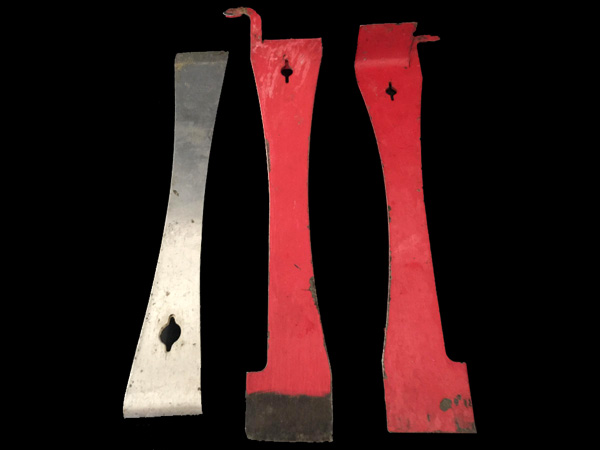
Inspecting the inside of a hive requires removing each frame one by one while carefully observing and checking various aspects. Each box  contains 10 frames, which are extracted using a tool essential for beekeeping known as a hive tool. During the active season, however, the  frames often become stuck due to the adhesion of propolis wax, making it impossible to remove them without the tool.

When a hive has a significant amount of propolis attached, this sticky substance can greatly reduce the efficiency of a beekeeper’s work. In the  past, before propolis was widely recognized for its health benefits, this troublesome material was often discarded. Nowadays, propolis sells for a premium,
beekeepers take care to store it. Once enough has been accumulated, they either sell it or produce extract solutions for sale.

Propolis raw material can be easily extracted using ethyl alcohol, and the extract is diluted with water for consumption. Depending  on the plant origin, the color, taste, and aroma can vary significantly. That said, propolis collected by European honeybees (the common type of  honeybee) is generally consistent in its characteristics. However, propolis collected by Africanized bees in Brazil is remarkably distinctive. In terms of color, there are seven color variations. In the past, I purchased raw propolis from beekeepers across Brazil and was astonished by how vastly different  it could be depending on the region. I plan to provide a more detailed explanation of these differences in future discussions.


أدوات الخلايا والبروبوليس

إن فحص داخل خلية النحل يتطلّب إزالة كل إطارٍ من بين الإطارات العشرة داخل الصندوق بعناية، ومراقبة العديد من الجوانب أثناء ذلك. ويُستخدم لهذا الغرض أداة أساسية في تربية النحل تُعرف باسم أداة الخلية. وخلال مواسم النشاط، تلتصق الإطارات ببعضها بسبب تراكم شمع البروبوليس، مما يجعل من المستحيل تقريبًا سحبها دون استخدام هذه الأداة.

وعندما تحتوي الخلية على كميات كبيرة من البروبوليس، تصبح هذه المادة اللزجة سببًا في إبطاء عمل النحال وتقليل كفاءته بشكل ملحوظ. وفي الماضي، قبل أن يُعرف البروبوليس بقيمته الصحية العالية، كان كثيرون يعتبرونه مادة مزعجة يتم التخلص منها. أما اليوم، وبعد أن أصبح البروبوليس يُباع بأسعار مرتفعة، أصبح النحالون يحتفظون به بعناية، وما إن تتراكم كمية كافية منه حتى يقوموا ببيعه أو تحويله إلى مستخلصات تُعرض في الأسواق.

ويمكن استخراج مادة البروبوليس الخام بسهولة باستخدام الإيثانول، ثم يُخفف المستخلص بالماء للاستهلاك. وتختلف ألوانه ونكهاته وروائحه بشكل كبير بحسب مصادر النباتات التي تجمع منها النحلات هذه المادة. ومع ذلك، فإن بروبوليس نحل العسل الأوروبي—وهو النوع الأكثر انتشارًا—يتميّز عادةً بخصائص متقاربة.

أما البروبوليس الذي تجمعه النحلات الإفريقية المهجّنة في البرازيل، فهو فريد من نوعه بكل معنى الكلمة. إذ توجد منه سبعة ألوان مختلفة، ولكل لون خصائص مذهلة. وقد سبق لي أن اشتريت بروبوليسًا خامًا من نحّالين في مختلف مناطق البرازيل، وكنت مدهوشًا من الاختلافات الشاسعة بين منطقة وأخرى.

سأتناول هذه الفروقات المذهلة بمزيد من التفصيل في مقالات قادمة.

Medicinal Components of Manuka Trees

Continuing from the previous entry, the Māori people, the indigenous inhabitants of New Zealand, have various traditional methods of  utilizing the medicinal properties of the Manuka tree, some of which are quite unique. First, they dig a relatively deep hole and gather dry Manuka wood to start a fire. Since Manuka trees contain enough oils to produce essential oils,  the wood ignites quickly. After the fire burns for a while, two thick logs are placed parallel across the hole. Then, branches with fresh  Manuka leaves attached are thrown in, creating a large amount of smoke. At this point, the person straddles the logs (without wearing anything  on their lower body) and allows the smoke to be directed onto the affected area. This is an old folk remedy used for treating stubborn hemorrhoids and  gynecological diseases, a method I learned about from the Māori people.

I’m fortunately not someone who suffers from hemorrhoids, so I haven’t tried it myself, but I’ve heard that it works quickly. For those reading this  blog who are struggling to find a cure for hemorrhoids, feel free to give it a try. However, if you do, please bring a shovel and accompany me to our  beekeeping farm. It’s in a remote mountain area where there are no people, except for wild animals, so there’s no need to worry! (laughs)


المكوّنات الطبية لشجرة المانوكا

استكمالًا لما ورد في المقال السابق، يمتلك شعب الماوري، السكان الأصليون لنيوزيلندا، تقاليد عريقة وفريدة في الاستفادة من الخصائص العلاجية لشجرة المانوكا. من بين هذه الأساليب ما يُعدّ مميزًا بحق. يبدأ الأمر بحفر حفرة عميقة نسبيًا، ثم تُجمع أخشاب المانوكا الجافة لإشعال النار. وبما أن شجرة المانوكا غنية بالزيوت الطبيعية التي تُستخلص منها الزيوت العطرية، فإن الخشب يشتعل بسرعة وسهولة. وبعد أن تتوهّج النار، توضع جذعتان سميكتان بشكل متوازٍ فوق الحفرة، ثم تُلقى أغصان المانوكا الطازجة بأوراقها الخضراء، فتتصاعد سحب كثيفة من الدخان العطري.

في هذه اللحظة، يجلس الشخص فوق الجذعين (من دون ارتداء أي ملابس في الجزء السفلي من الجسد)، بحيث يتجه الدخان مباشرة إلى الموضع المصاب. ويُعدّ هذا العلاج الشعبي القديم وسيلة فعّالة لعلاج حالات البواسير المستعصية وبعض الأمراض النسائية، وقد تعرّفتُ إلى هذه الطريقة مباشرة من شعب الماوري أنفسهم.

ولحسن الحظ، لستُ ممّن يعانون من البواسير، لذلك لم أجرّب هذا العلاج بنفسي، غير أنني سمعت مرارًا أنه يعطي نتائج سريعة. ولمن يقرأ هذه السطور ويعاني من هذه المشكلة دون أن يجد علاجًا فعّالًا، يمكنه أن يجرّب هذه الطريقة. ولكن إن قررت ذلك، فأحضِر معك مجرفة وتعال برفقتي إلى مزرعة تربية النحل الخاصة بنا. فهي تقع في منطقة جبلية نائية، لا يسكنها أحد سوى الحيوانات البرية، لذا لا داعي للقلق إطلاقًا! (ضحك)

An Unexpected Accident

During the nectar flow season, it is necessary to regularly inspect the hives to prevent swarming (colony division) and carefully check for the  production of new queen bees. Still, oversights are inevitable. Just yesterday, three swarms occurred all at once, resulting in a significant loss. It happened because of a moment of carelessness. Misfortunes never come singly.
While driving down the highway at around 120 km/h, I suddenly heard a strange noise coming from the rear,  accompanied by a metallic clattering sound. I assumed the truck’s rear wheel mudguard had come loose but continued driving nonetheless.

After a while, the rear of the vehicle, despite carrying only a light load, began swaying gently from side to side. I pulled into a gas station and parked  to inspect the issue, only to find a flat tire. A piece of chain, over 10 mm in diameter, was lodged in the rear tire. It was likely a broken piece of  chain used to secure the cargo of another truck, which the front tire lifted and then punctured the rear tire. I replaced the flat with the spare tire and continued on my way, but it was a holiday, meaning no repair shops were open. To make matters  worse, I was headed to the most distant apiary, so I could only pray that another puncture wouldn’t occur. Fortunately, I made it back home without further issues, but working under such conditions is truly exhausting and inefficient.  I was reminded that safety and security are fundamental to everything we do.


حادث غير متوقَّع

خلال موسم تدفّق الرحيق، يصبح من الضروري فحص خلايا النحل بانتظام، وذلك لمنع ظاهرة التطريد (انقسام المستعمرة) ومراقبة تكوّن ملكات جديدة بعناية. ومع ذلك، تبقى الهفوات أمرًا لا مفرّ منه. فبالأمس فقط، حدثت ثلاث حالات تطريد دفعةً واحدة، ما أسفر عن خسارة كبيرة. وكان السبب لحظة واحدة من قلة الانتباه. وكما يُقال، فإن المصائب لا تأتي فرادى.

وأثناء قيادتي على الطريق السريع بسرعة تقارب 120 كيلومترًا في الساعة، سمعت فجأة صوتًا غريبًا صادرًا من الخلف، مصحوبًا بارتطام معدني غير مألوف. ظننت في البداية أن واقي الطين للعجلة الخلفية قد ارتخى، فتابعت القيادة دون توقّف.

بعد فترة قصيرة، بدأت مؤخرة السيارة — رغم أنها لم تكن محمّلة إلا بحمولة خفيفة — تتمايل بهدوء يمينًا ويسارًا. عندها دخلت إلى محطة وقود وتوقّفت لتفقّد الأمر، لأكتشف أن الإطار الخلفي قد فرغ تمامًا من الهواء. كانت قطعة سلسلة معدنية يزيد قطرها على 10 مليمترات مغروسة في الإطار. وعلى الأرجح، كانت جزءًا مكسورًا من سلسلة تُستخدم لتثبيت حمولة شاحنة أخرى، التقطها الإطار الأمامي أولًا، ثم اخترقت الإطار الخلفي.

قمت بتبديل الإطار التالف بالإطار الاحتياطي، وتابعت طريقي. لكن لسوء الحظ، كان ذلك يوم عطلة، ولم تكن أي ورش إصلاح مفتوحة. والأسوأ من ذلك أنني كنت متجهًا إلى أبعد المناحل، فلم يكن أمامي سوى أن أرجو ألا يتكرر العطب مرة أخرى.

لحسن الحظ، وصلت إلى المنزل بسلام دون حادث إضافي. لكن العمل في مثل هذه الظروف مرهق للغاية، ويُفقد الكفاءة والتركيز. وقد ذكّرني هذا الموقف مرة أخرى بأن السلامة والأمان ليسا تفصيلًا ثانويًا، بل هما الأساس الذي يقوم عليه كل ما نقوم به.