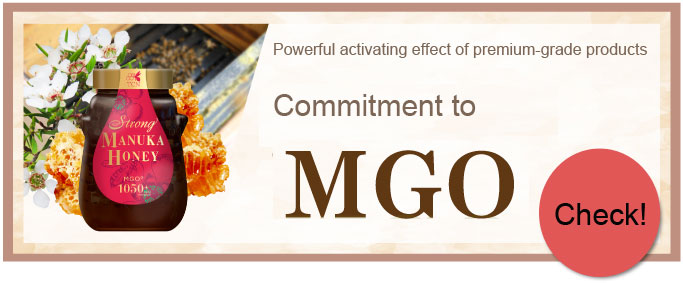
Among various foods, Manuka honey has recently become a subject of active academic research. In particular, the unique compound methylglyoxal (MGO) found in high-activity Manuka honey has drawn significant attention for its strong antibacterial and antiviral properties. This has led to its clinical use in medical institutions across Oceania, Europe, and North America, with numerous positive results being published and reported from various fields. Notably, viral infections that do not respond well to conventional medications have become a major focus of interest.
MGO is present in all foods that are made up of cells. For example, coffee and cocoa, which are among the most common foods, contain about 40mg/kg of MGO. In contrast, Strong Manuka Honey MGO860+ contains more than 21 times the amount at 860mg/kg, while MGO1050+ exceeds this by over 26 times, making it a unique natural food with an exceptionally high concentration of MGO. When compared to the phenol dilution solution used as a benchmark for disinfectants, MGO860+ demonstrates a 31% or higher disinfectant strength, and MGO1050+ shows an even more remarkable 37% or higher. This indicates the strong antibacterial power of these honey varieties (active strength = phenol dilution %). *The actual MGO values are indicated in the accompanying analysis report.
Strong Manuka Honey possesses an extraordinary antibacterial power, as indicated by its MGO content, which is 37% of the strength of phenol solution. If phenol solution at this concentration were ingested, it would cause serious harm. However, Strong Manuka Honey works through a completely different mechanism (killing, bacteriostatic, and antiviral actions) and does not cause any harm to the body. The strong antibacterial and antiviral properties of Strong Manuka Honey hold significant promise for the treatment and prevention of chronic diseases and conditions that are difficult to manage, offering great potential for natural health benefits.
في السنوات الأخيرة، أصبحت عسل المانوكا محورًا بارزًا في الأبحاث الأكاديمية، إذ لفت الانتباه بشكل خاص المركّب الفريد الميثيل غليوكسال (MGO) الموجود بتركيزات مرتفعة في أنواع المانوكا عالية النشاط. وقد اكتسب هذا المركّب اهتمامًا واسعًا بفضل خصائصه القوية المضادة للبكتيريا والفيروسات، مما أدى إلى استخدامه سريريًا في مؤسسات طبية عبر أوقيانوسيا وأوروبا وأمريكا الشمالية، مع نشر العديد من النتائج الإيجابية من مختلف المجالات. ومن بين أبرز الاهتمامات الحالية، العدوى الفيروسية التي لا تستجيب جيدًا للأدوية التقليدية.
يُعتبر الـMGO مركّبًا موجودًا في معظم الأطعمة ذات البنية الخلوية. فعلى سبيل المثال، يحتوي البن والكاكاو—وهما من أكثر الأطعمة شيوعًا—على نحو 40 ملغ/كلغ من هذا المركّب. أما Strong Manuka Honey MGO860+ فيحتوي على أكثر من 21 ضعفًا من هذا المقدار، أي 860 ملغ/كلغ، في حين يتجاوز MGO1050+ ذلك بنسبة تفوق 26 ضعفًا، مما يجعله غذاءً طبيعيًا فريدًا بتركيز استثنائي من الـMGO.
وعند مقارنته بمحلول الفينول المستخدم كمعيار لقدرة المطهّرات، يُظهر MGO860+ قدرة تعقيمية تبلغ 31% أو أكثر، بينما يُظهر MGO1050+ قدرة تفوق 37%، وهي نسبة مذهلة تؤكد قوة الخصائص المضادة للبكتيريا (قوة النشاط = نسبة تخفيف الفينول). يتم توضيح قيم الـMGO الفعلية في تقرير التحليل المرفق.
إن عسل Strong Manuka Honey يمتلك قدرة مذهلة على مقاومة البكتيريا، حيث يعادل تركيز الـMGO فيه قوةَ 37% من محلول الفينول. ولو تم تناول الفينول بهذا التركيز لسبّب ضررًا بالغًا، إلا أن عسل المانوكا يعمل بآلية مختلفة تمامًا—تتضمن القضاء على البكتيريا، والتثبيط البكتيري، والأنشطة المضادة للفيروسات—دون أن يلحق أي أذى بالجسم.
وتجعل هذه الخصائص القوية المضادة للبكتيريا والفيروسات من Strong Manuka Honey خيارًا واعدًا للغاية في دعم علاج الأمراض المزمنة والحالات التي يصعب التعامل معها بالطرق التقليدية، مما يفتح آفاقًا واسعة لفوائد صحية طبيعية عالية القيمة.
The unique component of Manuka Honey, methylglyoxal (MGO), has strong antibacterial and antiviral properties as mentioned earlier. However, its selective toxicity—meaning it acts as a toxin only against harmful bacteria—works in a way that is specific to certain conditions. Beneficial bacteria and normal cells are protected because they produce Glyoxalase I and II, enzymes that break down MGO into harmless lactic acid, neutralizing its toxic effects. On the other hand, harmful bacteria that thrive in alkaline environments (where these enzymes are produced less) are killed by MGO. Additionally, abnormal cells are targeted and undergo apoptosis (cell death), leading to their destruction. This selective action makes MGO a powerful tool for promoting health while being safe for the body’s normal cells.
(*1) Apoptosis is a programmed cell death mechanism actively triggered to maintain the overall health of an organism. It is a regulated Apoptosis is the opposite of necrosis. MGO is a substance that exhibits toxicity to all proteins. Since bacteria, viruses, and other pathogens are all composed of proteins, they become particularly vulnerable to MGO’s effects. In this regard, MGO’s action is similar to pharmaceutical drugs.
However, a significant difference from drugs is that the toxicity of MGO is limited, and as mentioned earlier, it is suggested that beneficial bacteria and host (human) cells (normal cells) possess enzymes that neutralize MGO. Therefore, unlike drugs, there are no side effects or the emergence of drug-resistant bacteria or drug-resistant cancer cells. MGO has been discovered for over 50 years, but many aspects remain unexplained, and future research is awaited. In this way, natural active substances have been passed down from parent to child, and only the beneficial ones have remained, with scientific clarification always coming afterwards.
■Reference: About MGO – Strong MANUKA HONEY
وبالمقابل، فإن البكتيريا الضارة التي تنمو في بيئات قلوية—حيث يكون إنتاج هذه الإنزيمات منخفضًا—لا تستطيع حماية نفسها، فتتعرّض للتدمير بفعل الـMGO. كما تستهدف هذه المادة الخلايا الشاذة وتدفعها إلى الدخول في عملية الاستماتة (Apoptosis)، وهي آلية موت خلوي مبرمج تؤدي إلى التخلص من الخلايا غير الطبيعية بالكامل. وبفضل هذا الانتقائية الدقيقة، يُعدّ الـMGO عنصرًا قويًا لتعزيز الصحة دون أن يُلحِق أي ضرر بالخلايا الطبيعية في الجسم.
(*1) إن الاستماتة هي آلية موت خلوي مبرمج وضروري للحفاظ على التوازن الصحي للكائن الحي، وهي عملية منظّمة تختلف تمامًا عن النخر. ويُظهر الـMGO سمّية تجاه جميع البروتينات؛ وبما أنّ البكتيريا والفيروسات وسائر مسببات الأمراض تتكون أساسًا من البروتينات، فإنها تُصبح شديدة الحساسية لتأثيراته. وفي هذا الجانب، يشابه عمل الـMGO آلية عمل الأدوية تمامًا.
غير أنّ الفارق الجوهري بينه وبين الأدوية يكمن في أن سمّية الـMGO محدودة للغاية، وكما ذكرنا، فإن البكتيريا النافعة وخلايا الجسم الطبيعية تمتلك إنزيمات قادرة على تحييده. ولهذا السبب، لا يسبب الـMGO الآثار الجانبية المرتبطة بالأدوية، ولا يؤدي إلى ظهور بكتيريا مقاومة للأدوية أو خلايا سرطانية مقاومة للعلاج. ورغم اكتشاف الـMGO قبل أكثر من خمسين عامًا، لا تزال هناك جوانب عديدة غير مفهومة بالكامل، والبحث العلمي مستمر لكشف المزيد.
وهكذا، تستمر المواد الطبيعية الفعّالة—التي أثبتت فائدتها عبر الأجيال—في لعب دور أساسي في دعم صحة الإنسان، بينما تتولى الأبحاث العلمية مهمة تفسير هذه الفوائد لاحقًا.