Varroa Mites」カテゴリーアーカイブ

The Ecology of Varroa destructor

The Ecology of Varroa destructor

(Continuing from last blog) When honeybees come into contact with this pesticide, its components stick to their bodies and are carried throughout the hive. This must  typically be removed within 3 to 5 weeks because mites have a tendency to develop resistance to the pesticide. To prevent this resistance  from forming, we must use different pesticides with varying mechanisms of action in a flexible and rotating manner. However, since the mites’  survival is at stake, achieving complete eradication is extremely difficult.

Moreover, various viral diseases transmitted by these pests can  sometimes spread within the hive, so caution is always necessary. This mite did not originally exist in New Zealand, but it has invaded over  the past 10 years, and its route of entry remains unknown. It is said to have started with the Asian honeybee and spread to the European  honeybee through Siberia, but the details are still unclear.

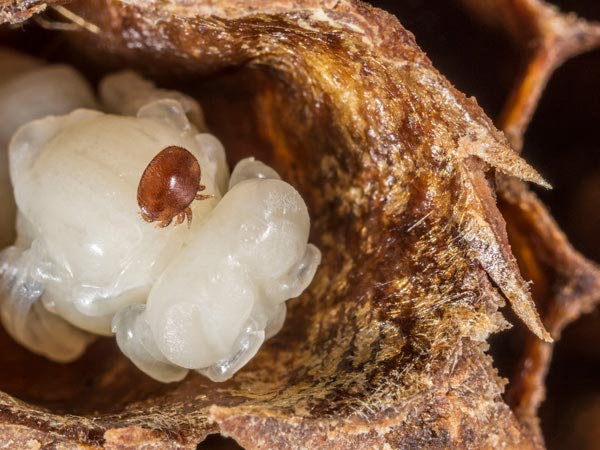
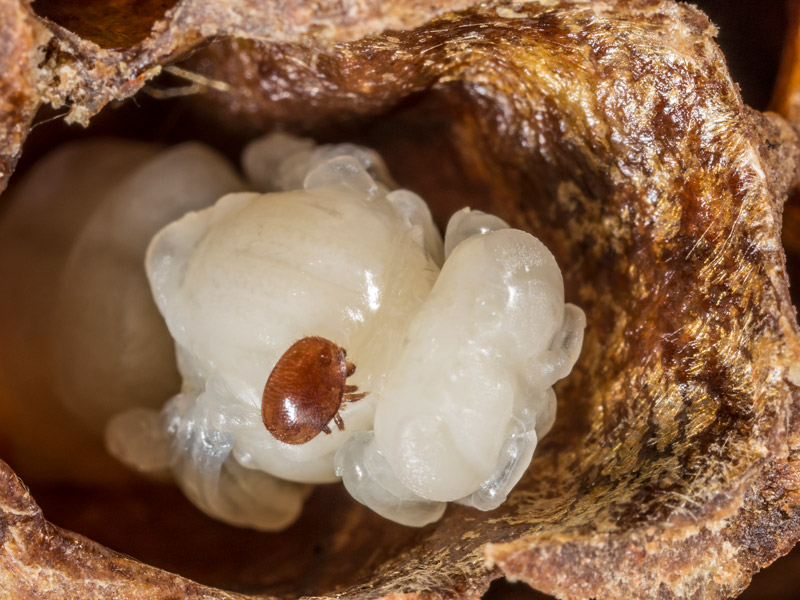
This mite initially parasitizes adult bees, feeding on their body fluids. However, it eventually detaches from the adult bees and attaches to  the larvae inside the hive, where it begins laying eggs and reproducing. It tends to especially target drone larvae. Inside the brood cells,  the mites mate, and the male mites die, similar to male honeybees. After developing inside the brood cells, the newly matured  mites attach themselves to adult bees, emerging with them and continuing to feed on their body fluids. Once they are capable of laying eggs,  they detach and invade the brood cells of honeybee larvae, continuing this life cycle.

Therefore, this parasite spends its entire life within  the hive, with a female’s lifespan being around two months. Meanwhile, the honeybees, whose body fluids have been drained, suffer from  poor development and are susceptible to various mite-borne infections, making this parasite a natural enemy of honeybees and a constant  challenge for beekeepers every season.


🐝 علم البيئة لعثّة الفاروا المدمّرة

(تتمّة للمدوّنة السابقة)
عندما تتلامس النحلات مع هذه المبيدات، تلتصق مكوّناتها بأجسامها وتنتقل إلى داخل الخلية بأكملها. عادةً يجب إزالة هذه المواد خلال فترة تتراوح بين ثلاثة إلى خمسة أسابيع، لأن هذا العثّ يميل إلى تطوير مقاومة للمبيد مع مرور الوقت. ولمنع تشكّل هذه المقاومة، يجب استخدام أنواع مختلفة من المبيدات بآليات عمل متنوّعة وبأسلوب متناوب ومرن. ومع ذلك، وبما أن بقاء هذا الطفيل على المحك، فإن القضاء التام عليه أمر في غاية الصعوبة.

إضافةً إلى ذلك، يمكن أن تنتشر داخل الخلية أمراض فيروسية متعدّدة ينقلها هذا العثّ، مما يستدعي الحذر الدائم. لم يكن هذا العثّ موجودًا أصلاً في نيوزيلندا، لكنه غزاها خلال السنوات العشر الماضية، ولا يزال طريق دخوله غير معروف. ويُقال إنه بدأ مع نحل العسل الآسيوي، ثم انتقل إلى نحل العسل الأوروبي عبر سيبيريا، غير أن التفاصيل الدقيقة تبقى غامضة.

يبدأ هذا العثّ حياته بالتطفّل على النحل البالغ، متغذّياً على سوائل جسده. لكنه سرعان ما ينفصل عنه ويلتصق بيرقات النحل داخل الخلية، حيث يبدأ بوضع البيوض والتكاثر. ويميل إلى استهداف يرقات الذكور بشكل خاص. داخل خلايا الحضنة، يتزاوج العثّ، ويموت الذكر بعد ذلك، تمامًا كما يحدث مع ذكور النحل. وبعد أن تنمو اليرقات داخل تلك الخلايا، تخرج إناث العثّ الناضجة مع النحل البالغ، وتستمر بالتغذّي على سوائل جسده. وحين تصبح قادرة على وضع البيض، تنفصل لتغزو خلايا يرقات جديدة، وتُعيد دورة حياتها.

وهكذا، يعيش هذا الطفيل كامل حياته داخل الخلية، حيث يبلغ عمر الأنثى حوالي شهرين. وفي المقابل، تعاني النحلات التي استُنزفت سوائل أجسامها من ضعف في النمو وتصبح عرضة لمختلف الأمراض التي ينقلها العثّ. إنه عدوّ طبيعي للنحل، وتحدٍّ متكرّر يواجهه مربّو النحل كل موسم — تذكير دائم بأن التوازن بين الإنسان والطبيعة لا يتحقق إلا من خلال الفهم العميق والاحترام المتبادل لكل أشكال الحياة.
Beautiful yet Troubling Spring

Beautiful yet Troubling Spring

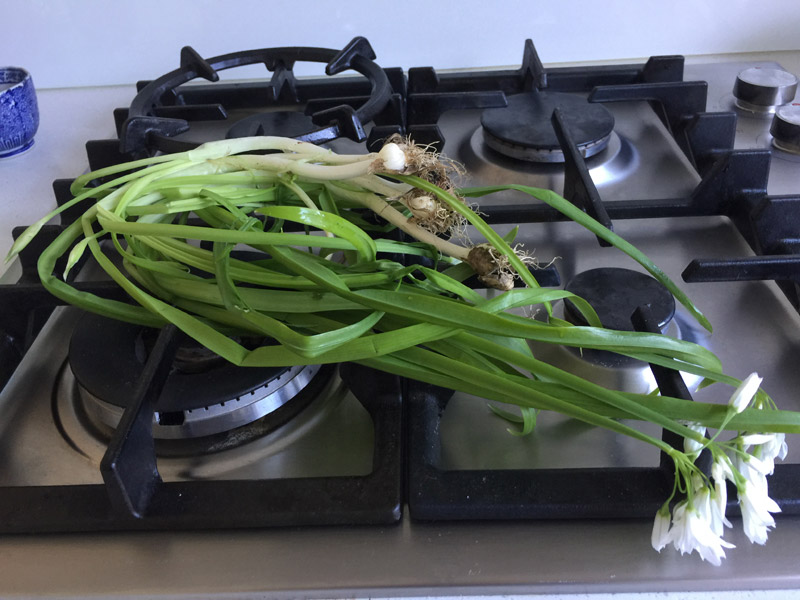
When I go to the apiary, I find myself naturally focusing only on the bees—it’s part of the business, but it puts me in a state of intense  concentration. This single-minded focus takes so much energy that eventually, I have to lie back and gaze up at the sky to rest. Only then do  I start noticing everything around me and sensing the arrival of spring with all five senses. The humming of bees in flight, the tender green  leaves of plants and trees, the fresh scent of the spring breeze, and the birds chirping—all these things come into view when I lay down in  the apiary. Right in front of me, a wild garlic plant with pure white, delicate flowers blooms.Seeing how much it has grown brings me joy.  As I gently pull up the root, a pure white bulb appears, accompanied by well-developed roots.

I want to finish the hive inspections early so I can go gather wild garlic, but the inspections are crucial this time of year. As  temperatures rise, Varroa mites, which are a major enemy of honeybees, can quickly become a serious issue. This spring, there’s a particular  concern about an increase in their numbers, so preventive measures are essential. In beekeeping, taking proactive measures is essential. The first priority is replacing the queen bee. A queen with diminished egg-laying ability leads to a decline in colony strength, weakening  their defense against natural predators and reducing immunity to various diseases. Another approach is the selective use of insecticides. Although chemical pesticides are fast-acting, I avoid them because they can contaminate the honey and cause significant  harm to the bees themselves.

For pest control, I use insecticides derived from natural herbal ingredients. Typically, mite control measures are implemented only after  their numbers have increased to a certain extent. However, I believe this approach is too late; I act immediately upon spotting mites.  As spring approaches, the queen bee instinctively lays drones to ensure the continuation of the species. When I open the drone cells within the hive,  I often find mites attacking the larvae. The larvae are pure white, making it easy to spot the small black mites.  As soon as I find even one, I immediately apply an insecticide.  There are various types of organic insecticides available, one of which is a ribbon soaked in insecticide. This product primarily utilizes  extracts from pyrethrum flowers. I hang two of these ribbons between the frames in each hive, preferably in areas where the bees are concentrated. (To be continued)


الربيع الجميل… لكنه مثقلٌ بالهموم

عندما أتوجه إلى مربيّاتي، أجد نفسي بطبيعة الحال مركزاً بالكامل على النحل — إنها جزء من العمل، لكن هذا التركيز العميق يستنزف طاقتي حتى أضطر لاحقاً إلى الاستلقاء والنظر إلى السماء للراحة. ومن هناك، تبدأ الحواس الخمس في التقاط قدوم فصل الربيع: طنين النحل في الهواء، أوراق النباتات والشجر خضراء وناعمة، نسيم الربيع العَذب، وزقزقة الطيور — كلّ ذلك يحيط بي بينما أستلقي وسط مربيّات النحل. أمامي، تنبُت نبات الثوم البري بأزهاره البيضاء النقية الرقيقة، وعندما أقتلع الجذر بلطف يظهر بصلة بيضاء نقية وجذور متشعبة.

أرغب في إنهاء فحص الخلايا باكراً حتى أتمكن من جمع الثوم البري البري، لكنّ الفحص في هذا الوقت من السنة أمر حيويّ. فمع ارتفاع درجات الحرارة، تزداد خطورة عدّوى Varroa mite، العدوّ الكبير للنحل. هذا الربيع، هناك قلق خاص من تزايد أعدادها، لذا فإنّ اتخاذ تدابير وقائية أمرٌ أساسيّ. في تربية النحل، المبادرة هي المفتاح. أولوية الأولى هي استبدال الملكة. فالملكة ذات القدرة على وضع البيض المنخفضة تؤدّي إلى ضعف القوّة في الخلية، ما يقلّل دفاعاتها ضدّ المعتدين الطبيعيين ويُضعف مناعتها ضدّ الأمراض.

ومن النهج الأخرى هو الاستخدام الانتقائي للمبيدات. رغم أنّ المبيدات الكيميائية سريعة المفعول، إلّا أنني أتجنّبها كي لا تلوّث العسل أو تُلحق ضرراً بالنحل نفسه. لذلك أعتمد في مكافحة الآفات على مستخلصات طبيعية من الأعشاب. في العادة تُطبق التدابير عند ازدياد الأعداد، لكنني أعتقد أنّ هذا التأخّر يُعدُّ متأخّراً؛ فأنا أتصرف فور اكتشاف أول عثة. ومع حلول الربيع، تضع الملكة النحل الذكوري لضمان استمرار النوع، وعند فتحي لخلايا الذكور أرى كثيراً العثٍّ يهاجم اليرقات البيضاء النقيّة، وتُرى العثّات السوداء الصغيرة بوضوح. وبمجرد رؤيتي لإحدى هذه العثّات، أضع المبيد فوراً. هناك أنواعٌ مختلفة من المبيدات العضوية، ومن أحدها شريط مشبّع بالمبيد يُعلّق بين الإطارات في كل خلية، ويفضّل وضعه في المناطق التي تتركّز فيها النحلات.

Damage to Bees from Mites – Part 2

I previously mentioned the honeybee pest, Varroa destructor. While we address it using insect repellents made from herbal ingredients,  there are cases where herbs alone are not effective, and chemical agents are used. The Ministry for Primary Industries (MPI), formerly the  Department of Agriculture, has strictly regulated on the use of chemicals in beekeeping. I have previously written a brief overview of American Foulbrood, the most feared disease among beekeepers, which causes the death of honeybee larvae.This disease is a highly  concerning infectious condition for beekeepers worldwide. In Western countries and Japan, antibiotics are commonly used in beekeeping.  However, in New Zealand, the use of antibacterial drugs is strictly prohibited by law.

New Zealand is one of the few countries in the world with such a policy, and I strongly support it. This is because the use of antibiotics almost  inevitably leads to the emergence of drug-resistant bacteria, creating a never-ending cycle of drugs versus bacteria. Additionally, the spread  of antibiotic-resistant genes across bacterial species, potentially even invading the human microbiome, presents a very serious issue.

I have written about this topic before on my blog, but the use of antibiotics in beekeeping ultimately results in these substances being incorporated  into the human body through products like honey. While the use of antibiotics can temporarily solve bee infections, I believe we cannot rely on  drugs as a permanent solution. Additionally, New Zealand’s approach to beekeeping, which avoids the use of antibiotics, serves as a major  selling point, differentiating its bee products from those of other countries. This, in turn, contributes to the country’s export competitiveness,  making the government’s actions highly prudent.


أضرار العثّ على النحل – الجزء الثاني

سبق أن أشرتُ إلى أحد أخطر آفات نحل العسل، وهو الفاروا المدمّرة (Varroa destructor). وعلى الرغم من اعتمادنا في الأساس على مواد طاردة مصنوعة من مكوّنات عشبية، إلا أن هناك حالات لا تكون فيها الأعشاب وحدها كافية، مما يضطر بعض المربين إلى استخدام عوامل كيميائية.

في نيوزيلندا، تخضع تربية النحل لرقابة صارمة من قبل وزارة الصناعات الأولية (MPI)، المعروفة سابقًا بوزارة الزراعة، حيث تُفرض قيود دقيقة على استخدام المواد الكيميائية. وقد سبق لي أن كتبتُ بإيجاز عن مرض تعفّن الحضنة الأمريكي، وهو أكثر الأمراض إثارة للخوف بين مربي النحل، إذ يؤدي إلى موت يرقات النحل ويُعد من أخطر الأمراض المعدية في هذا المجال على مستوى العالم.

في العديد من الدول الغربية، وكذلك في اليابان، يُستخدم العلاج بالمضادات الحيوية على نطاق واسع في تربية النحل. أما في نيوزيلندا، فإن استخدام أي أدوية مضادة للبكتيريا في تربية النحل محظور قانونًا بشكل صارم.

وتُعد نيوزيلندا من الدول القليلة في العالم التي تعتمد هذه السياسة، وأنا أؤيدها بشدة. فاللجوء إلى المضادات الحيوية يقود، في معظم الحالات، إلى ظهور بكتيريا مقاومة للأدوية، مما يخلق حلقة لا تنتهي من الصراع بين العقاقير والميكروبات. إضافة إلى ذلك، فإن انتقال الجينات المقاومة للمضادات الحيوية بين أنواع البكتيريا المختلفة—وإمكانية تسللها إلى الميكروبيوم البشري—يمثل خطرًا بالغ الجدية على الصحة العامة.

لقد تناولتُ هذا الموضوع سابقًا في مدونتي، لكن يجدر التأكيد على أن استخدام المضادات الحيوية في تربية النحل يؤدي في نهاية المطاف إلى دخول هذه المواد إلى جسم الإنسان عبر منتجات مثل العسل. ورغم أن المضادات الحيوية قد توفّر حلًا مؤقتًا لأمراض النحل، فإنني أؤمن بأن الاعتماد على الأدوية لا يمكن أن يشكّل حلًا دائمًا أو مستدامًا.

وعلى النقيض من ذلك، فإن نهج نيوزيلندا في تربية النحل—القائم على الامتناع التام عن استخدام المضادات الحيوية—يشكّل نقطة قوة جوهرية تميّز منتجاتها من منتجات الدول الأخرى. وهذا التميّز لا يعزز ثقة المستهلك فحسب، بل يسهم أيضًا في رفع القدرة التنافسية للصادرات الوطنية، ما يجعل سياسات الحكومة في هذا المجال مثالًا واضحًا على الحكمة وبُعد النظر.

Damage to Bees from Mites – Part 1

At the apiary where I base my work, I have placed about 50 colonies of bees that I raised this year. Since it’s the harvesting season, I became  distracted by work at other apiaries and ended up neglecting the hives for about three weeks, which was a mistake. Mite damage was observed. This season tends to have a high incidence of mite infestations, so I had hung herbal-based ribbons in the hives as a mite deterrent. However,  I noticed that mites resistant to the active ingredients in these herbs had emerged. To effectively prevent mite infestations, it’s important to  periodically use deterrents with different active ingredients. This is because mites, with their rapid generational turnover, quickly develop resistance.

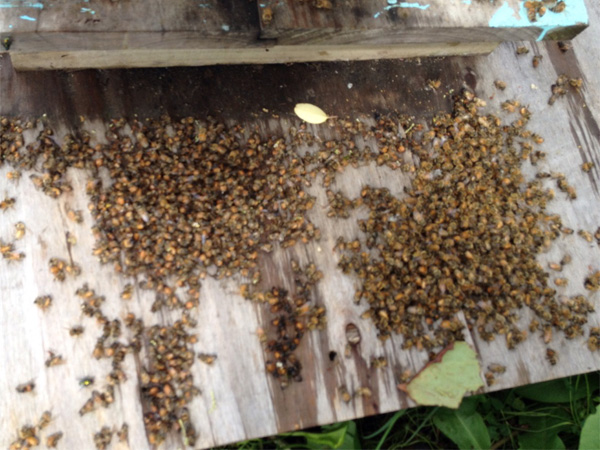
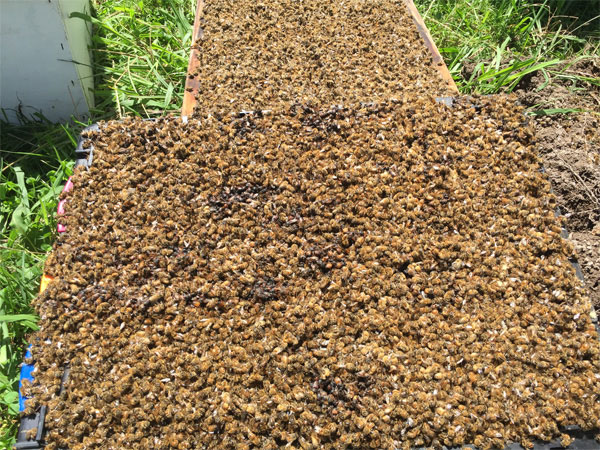
The insecticide I used this time was something I hadn’t used in this apiary for a long time, so I thought it would be safe. Unfortunately, A careless  attitude led to damage. After applying the pesticide, I should have immediately checked its effectiveness. In the end, I had to quickly  replace it with a different pesticide that had a different active ingredient, which helped to reduce the damage. However, the mite infestation  spread rapidly and unexpectedly, resulting in piles of dead mites. It was truly frightening. It’s truly frustrating to see a carefully raised colony suffer a setback. As I mentioned earlier, there are discussions  about introducing spiders, natural predators of mites, to combat this issue, and it would be a blessing if this could provide a solution. However,  using natural enemies requires considerable caution and time for research and verification. If done recklessly, it could have a significant  impact on the ecosystem, so the process of implementing such a solution naturally takes time. 


أضرار العثّ على النحل – الجزء الأول

في المنحل الذي أُقيم فيه عملي، وضعت هذا العام نحو خمسين خلية نحل قمت بتربيتها بعناية. وبما أن الموسم كان موسم جني العسل، انشغلتُ بأعمال في مناحل أخرى، الأمر الذي أدى—عن غير قصد—إلى إهمال هذه الخلايا لمدة تقارب ثلاثة أسابيع. وكان ذلك خطأً واضحًا. عند عودتي، لاحظت ظهور أضرار ناجمة عن العثّ.

يُعرف هذا الموسم بارتفاع معدلات الإصابة بالعثّ، ولذلك كنت قد علّقت في الخلايا شرائط طاردة تعتمد على مكوّنات عشبية. غير أنني سرعان ما أدركت أن سلالات من العثّ أصبحت مقاومة للمواد الفعّالة الموجودة في تلك الأعشاب. وللوقاية الفعّالة من العثّ، من الضروري تغيير المواد الطاردة بشكل دوري واستخدام مركّبات ذات مواد فعّالة مختلفة، إذ إن العثّ—بفضل سرعة تعاقب أجياله—يطوّر مقاومة في وقت قصير جدًا.

المبيد الذي استخدمته هذه المرة لم يكن قد استُخدم في هذا المنحل منذ فترة طويلة، ولذلك افترضتُ أنه سيكون آمنًا وفعّالًا. إلا أن هذا الافتراض، المقرون بنوع من التراخي، أدى إلى نتائج مؤسفة. كان ينبغي عليّ التحقق فورًا من فعالية المبيد بعد استخدامه. وفي نهاية المطاف، اضطررت إلى استبداله بسرعة بمبيد آخر ذي مادة فعّالة مختلفة، الأمر الذي ساهم في الحد من الأضرار.

ومع ذلك، كانت سرعة انتشار العثّ غير متوقعة، ووجدت أكوامًا من العثّ النافق داخل الخلايا—مشهدًا كان صادمًا بحق. إن رؤية خلية نحل تمّت تربيتها بعناية تتعرض لمثل هذا التراجع أمر يبعث على الإحباط العميق.

وكما ذكرت سابقًا، تُناقش حاليًا إمكانية إدخال العناكب، بوصفها أعداءً طبيعيين للعثّ، كوسيلة لمكافحة هذه المشكلة. ولو أمكن أن يشكّل ذلك حلًا مستدامًا، لكان نعمة حقيقية. غير أن استخدام الأعداء الطبيعيين يتطلب قدرًا كبيرًا من الحذر، ووقتًا طويلًا للبحث والتحقق. فأي تطبيق متسرّع قد يُحدث تأثيرات جسيمة على النظام البيئي ككل، ولهذا فإن السير في هذا الاتجاه يستدعي صبرًا والتزامًا علميًا عميقًا.

Natural Enemies of Varroa destructor

The Varroa destructor mite was originally associated with the Eastern honeybee. It is said to have been introduced to Siberia,  where it began parasitizing the Western honeybee and eventually spread across Europe. It is said to have arrived in New Zealand over 10 years ago, although the  exact route of entry is unclear. It is speculated that the mite entered via the importation of queen bees and other bees. This 1–2 millimeter mite invades the brood cell during the pupal stage and feeds on the pupae’s bodily fluids. As a result, the adult bee that emerges may suffer from deformities, be unable to fly, or lose its ability to perform essential tasks such as  nursing the next generation of bees. 

Moreover, since they transmit viral diseases, they are true enemy of honeybees.
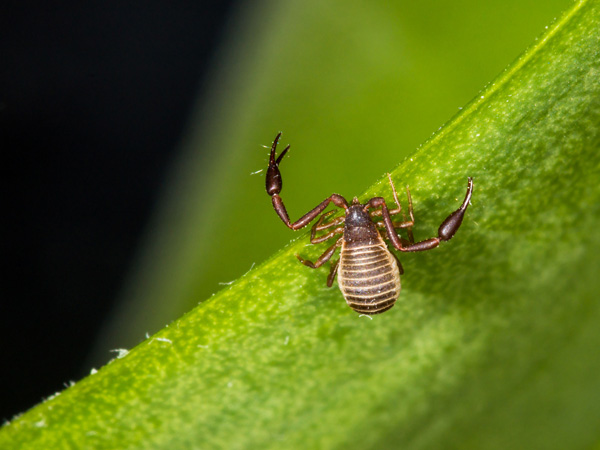
 Various methods for controlling  this pest have been proposed, but complete eradication is incredibly difficult. Ultimately, the best defense against the mite is to nurture strong,  healthy colonies of bees. Currently, there is ongoing research into introducing natural predators of the mite, such as a species of mite-eating spider called Chelifer.  This spider is very small and resembles a scorpion. The tips of its pincers contain venom, which paralyzes the mites. It is said that a single  Chelifer can consume up to 10 mites per day. Since these spiders are unaffected by the chemical pesticides used against the mites, they  are being considered for use in combination with these treatments. 


🐝 الأعداء الطبيعيون لعثّ الفاروا (Varroa destructor)

كان عثّ الفاروا في الأصل مرتبطًا بنحل العسل الشرقي، ويُقال إنه انتقل إلى سيبيريا حيث بدأ في التطفل على نحل العسل الغربي، ثم انتشر لاحقًا في أوروبا. ويُعتقد أنه وصل إلى نيوزيلندا قبل أكثر من عشر سنوات، رغم أن طريق دخوله الدقيق لا يزال غير معروف. ويُرجَّح أنه دخل عبر استيراد ملكات النحل أو النحل العامل.

هذا العثّ الصغير، الذي لا يتجاوز طوله 1–2 مليمتر، يغزو خلايا الحضنة في مرحلة العذراء ويتغذى على سوائل جسمها. ونتيجة لذلك، قد تخرج نحلات بالغة مشوهة، غير قادرة على الطيران، أو تفقد قدرتها على أداء المهام الأساسية مثل رعاية الجيل القادم من النحل.

علاوة على ذلك، ينقل هذا العثّ أمراضًا فيروسية، مما يجعله العدو الحقيقي للنحل. ورغم اقتراح العديد من طرق المكافحة، إلا أن القضاء التام عليه يكاد يكون مستحيلاً. في النهاية، تبقى أفضل وسيلة للدفاع هي تربية مستعمرات قوية وصحية من النحل.

حاليًا، تُجرى أبحاث حول إدخال أعداء طبيعيين للعثّ، مثل نوع من العناكب الصغيرة يُعرف باسم شليفِر (Chelifer)، يشبه العقرب في شكله. تحتوي أطراف مخالبه على سمّ يشلّ العثّ، ويُقال إن عنكبوتًا واحدًا يمكنه القضاء على ما يصل إلى عشرة عثّات في اليوم الواحد. ونظرًا لأن هذه العناكب لا تتأثر بالمبيدات الكيميائية المستخدمة ضد العثّ، فهي تُعتبر خيارًا واعدًا لاستخدامها بالتوازي مع وسائل المكافحة الأخرى، في سبيل تحقيق توازن طبيعي يحافظ على صحة النحل وجودة إنتاج العسل.

Varroa destructor

This year, the heat has arrived early, and it seems there will be little rain. With the rising temperatures comes an increase in troublesome  pests—the mites (Varroa destructor) that attach to honeybees. Maintaining strong colonies can minimize the damage, but it’s not easy to keep  all colonies strong, so the use of insecticides becomes necessary. There are two types of treatments available, but I choose not to use chemical agents. Instead, I rely on pyrethrum-based products. The reasons  are simple: chemical agents inevitably harm the honeybees themselves and lead to the development of resistance in the mites, rendering the treatment ineffective. I hang ribbons coated with pyrethrum’s active ingredient between the frames in each hive, using two ribbons per hive box. Since this season  requires stacking three tiers, each colony ends up needing six ribbons, making the task quite labor-intensive. (To be continued)


فاروا ديستركتور – Varroa destructor

هذا العام، حلّت موجة الحر مبكرًا، ويبدو أن الأمطار ستكون قليلة. ومع ارتفاع درجات الحرارة، تبدأ معاناة النحل مع أحد أكثر الآفات إزعاجًا — وهي العثّة فاروا ديستركتور التي تلتصق بالنحل وتمتص قوّته.

إن الحفاظ على مستعمرات قوية يمكن أن يخفف من الضرر، غير أن إبقاء جميع المستعمرات في حالة مثالية أمر بالغ الصعوبة، مما يجعل استخدام المبيدات أمرًا لا مفر منه في كثير من الأحيان. توجد طريقتان للعلاج، لكنني أختار تجنّب العوامل الكيميائية. بدلاً من ذلك، أستخدم منتجات قائمة على البيريثروم — وهو مستخلص طبيعي من أزهار الأقحوان — لما له من توازن بين الفعالية واللطف على الكائنات.

السبب بسيط وواضح: فالعوامل الكيميائية تضرّ بالنحل نفسه، وتُكسب العثّة مقاومة بمرور الوقت، مما يجعل العلاج بلا جدوى في النهاية. لذلك، أعلّق شرائط مشبعة بالمادة الفعالة للبيريثروم بين الإطارات داخل كل خلية — شريطان في كل صندوق من صناديق الخلية. وبما أن هذا الموسم يتطلب ترتيب ثلاث طبقات من الصناديق، تحتاج كل مستعمرة إلى ستة شرائط، مما يجعل العمل شاقًا ومضنيًا. (يتبع…)