The Truth About Manuka Honey」カテゴリーアーカイブ

What My Encounter with Manuka Honey Has Brought

What My Encounter with Manuka Honey Has Brought

(Continuing from the previous blog) Eating the meat I grilled myself with my family, and watching the quiet Sunday afternoon gently pass under the pale pink autumn sky, there is a certain sense of contentment that I can’t help but feel. A dear friend from my university days who lived in Paraguay recently passed away from illness, and other seniors and juniors, who left for the Amazon full of ambition, have also left this world. Before I discovered Manuka honey, I was often tired and sluggish. The lower back that I had injured during my intense Judo training in my youth frequently troubled me, and it was a regular routine for my wife to give me massages to ease the discomfort.

Whenever someone around me caught a cold, I would inevitably get infected. During my student days in the Amazon, I contracted a serious
illness, and the aftereffects left me with liver problems. However, after meeting Dr. Peter Molan, an authority on Manuka honey, and starting to produce and regularly consume this honey, I gradually became aware that I had gained remarkable health. Indeed, health is the most
important thing, without it, nothing else can truly begin.

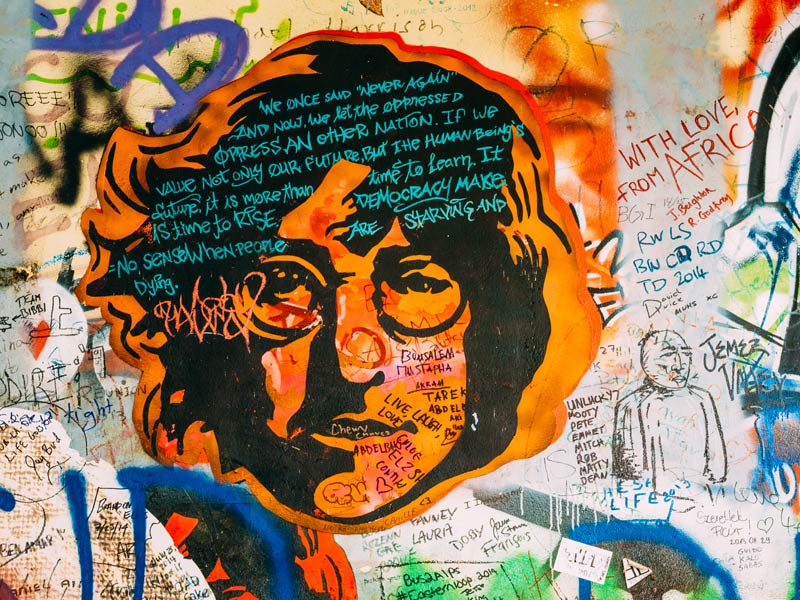
The musician John Lennon was from a generation slightly younger than mine and was the same age as my wife. As everyone knows, he was
the leader of The Beatles, and my wife has always been fond of the song “Yesterday,” which he composed.
He became incredibly wealthy but would meet a sudden and tragic end.
It is said that until shortly before that, he rarely appeared in public.

He was reportedly living in a remote area of the American countryside, baking bread every day for his wife and son, and leading a self-sufficient lifestyle. How true this story is remains uncertain, but it does make me think about life. While wealth might be important, true happiness isn’t found in just that. As for myself, I’ve been helped immensely by Manuka honey and propolis, and when it comes to Manuka honey in particular, I can’t help but feel deep gratitude towards Dr. Peter Molan, who introduced me to its potential benefits.

The professor passed away a few years ago, at the same age as I am now. I still vividly remember the first time we met—I brought a large bottle
of sake as a gift. With a beaming smile, he said, “I love this stuff!” He had spent years researching the mysterious active components of Manuka honey, but unfortunately, he wasn’t able to publish his findings before Professor Thomas Henle of Germany did. When Professor Henle was invited to New Zealand, both of them gave lectures together. During the event, the professor joked, in typical British fashion, “I can’t tell you the whole truth with my rival sitting right next to me!”
The audience loved it. He was truly a kind and warm-hearted man.


ما الذي جلبه لقائي بعسل المانوكا إلى حياتي

(استمرارًا للمدونة السابقة) بينما أجلس مع عائلتي، أتناول اللحم الذي قمت بشوائه بنفسي، وأراقب مساء الأحد الهادئ تحت سماء الخريف الوردية الباهتة، أشعر برضا عميق يتسلل إلى قلبي. فقدت مؤخرًا صديقًا عزيزًا من أيام الجامعة كان يعيش في باراغواي، كما رحل بعض من أساتذتي وزملائي الذين غادروا إلى الأمازون بشغف وطموح كبيرين عن هذا العالم أيضًا.

قبل أن أتعرف على عسل المانوكا، كنت أعاني من التعب والإرهاق المستمر. كانت إصابة أسفل ظهري، التي تعود إلى أيام تدريبي المكثف على الجودو في شبابي، تسبب لي ألمًا متكررًا، وكانت زوجتي تقوم بتدليكي بانتظام لتخفيف المعاناة. وفي كل مرة يُصاب أحد من حولي بالزكام، كنت ألتقط العدوى بلا استثناء. وخلال دراستي في الأمازون، أصبت بمرض خطير ترك لي مضاعفات في الكبد. لكن بعد لقائي بالبروفيسور بيتر مولان، أحد أبرز الباحثين في عسل المانوكا، وبدئي في إنتاجه وتناوله بانتظام، بدأت ألاحظ تحسنًا واضحًا في صحتي حتى أصبحت أشعر بحيوية لم أعرفها من قبل. حقًا، الصحة هي أثمن ما يملكه الإنسان، فبدونها لا يمكن لأي شيء آخر أن يبدأ.

كان الموسيقي جون لينون من جيل يسبق جيلي بقليل، وهو في نفس عمر زوجتي. وكما يعلم الجميع، كان قائد فرقة “البيتلز”، وزوجتي تحب أغنيته الشهيرة Yesterday. لقد بلغ قمة الثراء والمجد، لكنه رحل فجأة بطريقة مأساوية. ويقال إنه قبل وفاته بفترة قصيرة، نادرًا ما كان يظهر في الأماكن العامة، وكان يعيش في منطقة ريفية نائية بالولايات المتحدة، يخبز الخبز يوميًا لزوجته وابنه، ويعيش حياة بسيطة مكتفية ذاتيًا. لا أعلم مدى صحة هذه القصة، لكنها دائمًا تجعلني أتأمل معنى الحياة. فالثروة قد تكون مهمة، لكنها ليست مصدر السعادة الحقيقية.

أما أنا، فقد أنعم الله عليّ كثيرًا من خلال عسل المانوكا والبروبوليس، وأشعر بامتنان عميق تجاه البروفيسور مولان الذي عرّفني على خصائص هذا العسل الفريدة. رحل البروفيسور قبل بضع سنوات، وكان حينها في مثل سني الآن. لا زلت أذكر أول لقاء جمعنا؛ قدمت له زجاجة كبيرة من الساكي الياباني كهدية، فابتسم وقال بسعادة: “أنا أعشق هذا الشراب!”

لقد كرّس حياته لدراسة المكوّنات الفعالة الغامضة في عسل المانوكا، لكنه لم يتمكن من نشر أبحاثه قبل أن يسبقه البروفسور توماس هنله من ألمانيا. وعندما دُعي البروفيسور هنله إلى نيوزيلندا، ألقى الاثنان محاضرات مشتركة. وخلال المناسبة، قال مولان مازحًا بروح إنكليزية لطيفة: “لا أستطيع أن أقول كل الحقيقة وخصمي جالس بجانبي!” فضحك الجمهور بحرارة. كان رجلًا طيب القلب ودافئ الروح حقًا.
What is Honey as a Primary Product?

What is Honey as a Primary Product?

Although it has become less common, some customers still caution that cheaper honey might be diluted with syrup. This concern is  especially prevalent among older individuals. It wouldn’t be surprising if such practices occurred just after World War II when sugar was  a scarce commodity, and such “honey” was likely sold during that time. When we first started selling Manuka honey 25 years ago, we often received questions like, “The viscosity and crystallization of honey vary,  even from the same flower. Does this mean the production methods differ?” Defining “production” in this context is quite challenging.  The honey we handle is, in fact, a true primary product, much like fresh produce.

The inexpensive honey found in supermarkets is quite different from the raw honey we handle, even though they are both sold as honey.  Almost all of those products undergo various forms of processing. It’s not an exaggeration to say that the majority of these honeys come  from foreign countries, particularly China. These products often undergo several treatments to standardize their characteristics and ensure consistency across batches.

What gets added to honey is part of each company’s proprietary methods, but generally, it involves “invert sugar,” which is derived by  hydrolyzing sucrose (table sugar) or starches such as corn starch into “high-fructose corn syrup.” By adding a sucrose solution and acid,  and applying heat, the mixture breaks down into glucose and fructose. These simple sugars are ideal for increasing the volume of honey.  According to the laws at the time, it was permissible to increase honey volume by up to 20% without requiring a label indicating such an addition.  Therefore, products could still be labeled as “pure honey.” However, in reality, many of these products contained far more than 20% additives,  yet they were often sold under the label of “pure honey.”

Furthermore, many of these honeys are harvested prematurely to increase production. Instead of waiting for the honey to fully ripen  (where the nectar brought back by the worker bees, which initially contains a high water content, is evaporated by the fanning of house  bees until its sugar content reaches over 80-85%, and then sealed with a wax cap), the honey is often artificially heated to evaporate water and increase sugar concentration. The honey produced and collected in this way undergoes various processes to fit the commercial standards unique to Japan, such as  deodorization, decolorization, and the addition of various substances. This highly processed industrial honey is fundamentally different from  the raw honey we handle. While processed honey is a secondary product, our honey is a primary product, completely unprocessed and  natural. In fact, some customers at the time even questioned us, saying, “Your honey is so different from what’s sold in supermarkets that it seems fake.”

Looking back on those times, I truly believe that today’s generation of customers has a far more refined palate. Meanwhile, the major  honey manufacturers that once sold what could be called “syrup honey” likely have no regrets about it. It seems that this lack of reflection  persists, as even now, there are many cases where they shamelessly sell heated and processed blended honey under the name “Manuka honey.”


🍯 ما هو العسل كمنتج أساسي؟

على الرغم من أن هذا الأمر أصبح أقل شيوعاً اليوم، إلا أن بعض العملاء لا يزالون يحذرون من احتمال خلط العسل الرخيص بالشراب أو السكر. ويُلاحظ هذا القلق بشكل خاص بين كبار السن، وهو أمر منطقي، خاصة إذا نظرنا إلى فترة ما بعد الحرب العالمية الثانية، عندما كان السكر نادراً، وكان من المحتمل أن يتم بيع عسل مماثل مخلوطاً بالسكر في ذلك الوقت.

عندما بدأنا بيع عسل المانوكا قبل 25 عاماً، كنا نتلقى أسئلة متكررة مثل: “يختلف لزوجة العسل وتبلوره حتى من نفس الزهرة. هل هذا يعني أن طرق الإنتاج تختلف؟” في هذا السياق، من الصعب جداً تعريف معنى “الإنتاج”. العسل الذي نتعامل معه هو في الحقيقة منتج أساسي حقيقي، يشبه إلى حد كبير المنتجات الزراعية الطازجة. العسل الرخيص الذي يُباع في المتاجر يختلف تماماً عن العسل الخام الذي نتعامل معه، على الرغم من أنهما يُباعان تحت اسم العسل. فمعظم هذه المنتجات تخضع لمراحل معالجة متعددة، وغالباً ما تأتي من دول أجنبية، وبالأخص الصين، حيث يتم تعديل خصائص العسل لتصبح متجانسة وسلسة عبر الدفعات المختلفة.

ما يُضاف إلى العسل يختلف بحسب أسلوب كل شركة، لكنه غالباً يشمل السكريات المقلوبة المستخلصة من هضم السكروز أو النشا (مثل شراب الذرة عالي الفركتوز). يتم إضافة محلول سكروز مع حمض، ثم تسخينه، لتتحلل المركبات إلى جلوكوز وفركتوز، وهي سكريات بسيطة تزيد من حجم العسل. وفقاً للقوانين في ذلك الوقت، كان مسموحاً زيادة حجم العسل بنسبة تصل إلى 20٪ من دون وضع ملصق يشير لذلك، وبالتالي يمكن تسمية المنتج بـ “العسل النقي”. لكن في الواقع، احتوى العديد من هذه المنتجات على إضافات تتجاوز بكثير 20٪، ومع ذلك كانت تُباع غالباً تحت اسم “العسل النقي”. بالإضافة إلى ذلك، يتم جني الكثير من هذه الأنواع قبل نضجها الكامل لزيادة الإنتاج. بدلاً من انتظار نضج العسل الطبيعي (حيث يقوم النحل العامل بتقليص محتوى الماء في الرحيق حتى تتجاوز نسبة السكر 80–85٪ ويُغلق بغطاء شمعي)، يتم تسخينه صناعياً لتسريع تبخر الماء وزيادة تركيز السكر. ثم يخضع العسل للعديد من العمليات التجارية مثل إزالة الروائح، تبييض اللون، وإضافة مواد أخرى لتلبية المعايير الصناعية اليابانية.

هذا العسل المعالج بشكل صناعي يختلف جذرياً عن العسل الخام الذي نتعامل معه. بينما يُعتبر العسل الصناعي منتجاً ثانوياً، فإن عسلنا هو منتج أساسي، طبيعي تماماً وغير معالج. وفي الواقع، بعض العملاء آنذاك تساءلوا وقالوا: “عسلُكم مختلف جداً عن المعروض في المتاجر، حتى يبدو وكأنه مزيف.” عند النظر إلى الوراء، أؤمن بأن جيل العملاء الحالي يملك ذوقاً أكثر رقة وتميّزاً. وفي المقابل، يبدو أن الشركات الكبرى التي باعت في السابق ما يمكن تسميته بـ “عسل الشراب” لا تشعر بالندم، وما زالت بعض الحالات حتى اليوم تُباع فيها أنواع عسل مُسخنة ومعالجة تحت اسم “عسل مانوكا”، دون خجل.
cutomer reviews

Customer Feedback

The site above features feedback collected since the establishment of our business, and the number is truly remarkable. All of these reports  come from our customers, and there is absolutely no “fake reports” or reviews gathered through methods like “write a review and earn  points” commonly seen on shopping sites. If you read them, you will understand that these are heartfelt reports from our customers. In addition, we receive many reports via phone calls, but since they do not leave a written record, we have chosen not to include them here.  Receiving such various reports is the ultimate reward of a beekeepers, and these customer reports  support us to continue our work for so many years without losing enthusiasm.

Customer Feedback:

Strong MANUKA HONEY – Manuka Honey from New Zealand’s Great Nature, Perfected by Japanese Craftsmanship

What these numerous reports ultimately reveal is that there are significant issues with the current medical institutions’ thinking and healthcare system.  Medications merely create an opportunity for healing, but ultimately, it is our own physical strength that facilitates recovery. Consuming  natural active substances symbolizes a “return to nature,” reminding us that humans are composed of the Earth’s elements—this is  a fundamental truth reinforced by these reports. I have witnessed many customers deteriorate while placing their trust in doctors and medications. The ultimate realization is that our bodies can heal themselves.  Unlike pharmaceuticals, natural active substances, such as Manuka honey and propolis extracts, do not have a specified intake amount.

The realization that effective healing arises from personal trial and error in consulting with one’s own body, along with the firm belief that recovery  is possible, is crucial. I believe there is a significant mistake in entirely entrusting one’s precious health to medical institutions. Having lived abroad for many years, I perceive that Japan possesses a unique culture and characteristics. Moreover, the overwhelming  presence of the internet seems to obscure what should be obvious. People are becoming increasingly isolated and forced to face immense stress.  Stress is the root of many ailments and nature helps to heal this stress. In that regard, I have come to think that beekeepers are indeed fortunate.


آراء العملاء

يضمّ الموقع أعلاه انطباعات العملاء التي جمعناها منذ تأسيس شركتنا، ويبلغ عددها ما يُثير الإعجاب حقًا. جميع هذه الشهادات وردت من عملائنا مباشرة، ولا تحتوي على أي تعليقات زائفة أو مراجعات مدفوعة كما هو الحال في بعض المواقع التجارية التي تشجّع على “اكتب تعليقًا لتحصل على نقاط”. من يقرأها سيدرك أنها كلمات صادقة نابعة من تجارب حقيقية.

كما نتلقى العديد من الملاحظات عبر المكالمات الهاتفية، إلا أننا لا ندرجها هنا لأنها لا تترك سجلًا مكتوبًا. إن تلقّي هذه التقارير المتنوعة هو أعظم مكافأة يمكن أن يحظى بها مربّي النحل، فهي التي تمنحنا القوة للاستمرار في عملنا بكل حماسٍ على مدى سنوات طويلة.

ما الذي تكشفه هذه التقارير في جوهرها

إن الكمّ الكبير من هذه الشهادات يكشف بوضوح عن وجود مشكلات عميقة في طريقة التفكير السائدة داخل المؤسسات الطبية الحالية. فالأدوية لا تشفي بذاتها، بل تُهيّئ فقط الظروف التي تسمح للجسد بالشفاء، أمّا الشفاء الحقيقي فينطلق من قوة الجسد الذاتية. إن تناول المواد الحيوية الطبيعية يعبّر عن عودة الإنسان إلى حضن الطبيعة، ويذكّرنا بأننا مكوّنون من عناصر الأرض ذاتها — وهي حقيقة أساسية تؤكدها هذه التجارب مرارًا. لقد رأيت بأمّ عيني كثيرين تتدهور صحتهم لأنهم وضعوا ثقتهم المطلقة في الأطباء والأدوية. أما الحقيقة التي لا يمكن إنكارها، فهي أن قدرة الجسد على التعافي من ذاته تفوق ما يمكن أن يقدمه أي دواء.

على عكس العقاقير الطبية، لا يوجد مقدار محدّد لتناول المواد الفعّالة الطبيعية مثل عسل المانوكا ومستخلصات البروبوليس. فهي تعتمد على الإنصات إلى الجسد وتجربة ما يلائمه، لا على وصفة جامدة أو جرعة موحّدة.

جوهر الشفاء الحقيقي

إن الإدراك بأن الشفاء الفعّال ينبع من تجربة الإنسان مع جسده، ومن الإيمان العميق بإمكانية التعافي، هو حجر الأساس للحياة الصحية. وأرى أن الخطأ الكبير يكمن في تسليم أغلى ما نملك — صحتنا — إلى المؤسسات الطبية بشكلٍ كامل دون وعي.

بعد سنوات طويلة من العيش خارج اليابان، لاحظت أن لليابان ثقافتها الخاصة وطريقتها الفريدة في النظر إلى الجسد والطبيعة. لكنّ الهيمنة الطاغية للإنترنت جعلت الناس يبتعدون عمّا هو بديهي، فباتوا أكثر عزلةً، يواجهون ضغوطًا هائلة تفوق قدرتهم على الاحتمال. إن الضغوط النفسية هي أصل الكثير من الأمراض، بينما تملك الطبيعة القدرة على مداواة هذه الجراح الخفية. وفي هذا المعنى العميق، أرى أن مربّي النحل هم أناس محظوظون حقًا — لأنهم يعيشون أقرب ما يكون إلى إيقاع الطبيعة وشفائها.
Information Manupulation of Manuka Honey

The Distorted Truth about Manuka Honey

There are countless websites about manuka honey nowadays. However, most of them say nearly the same things, with little value or  meaningful differences. This suggests that the authors likely have no real knowledge of manuka honey, simply cutting and pasting from  various sites to create a patchwork article. Recently, one of our sales staff sent me an online article from a famous weekly magazine. After reading it, I found it was just  another typical, unremarkable article you could find anywhere.

Many of these websites nearly always include a description of the manuka tree, saying something like, “In the Maori language,  ‘manuka’ means ‘tree of resurrection’ or ‘healing tree.’” It’s likely that someone wrote this convincing story simply to promote their own  product, and now numerous sites have copied this catchy phrase. I have lived here since 1995 and have friendships with Maori people, but I’ve never once heard words like “resurrection” or “healing”  associated with manuka. When I mention it, the Maori people laugh. So I haven’t comfirmed it.

This is a classic example of the Japanese tendency to create “stories” with added meaning. A similar case can be seen in how  the Japanese call an apartment building a “mansion.” In English, a mansion refers to a large, luxurious home, and phrases like  “one-room mansion” would make anyone, not just the Maori, laugh. Yet, in Japan, “mansion” has become the standard term for an apartment,  It seems that “tree of resurrection” or “healing tree” will eventually become accepted terms for manuka, just like “mansion” in Japan. But errors  should be corrected before they become fixed in common use.

In the online world, anyone can write anything, yet there’s no accountability—if you believe it, that’s on you. The claims about the activity  level of manuka honey are often unreliable, with many sites confidently selling it based on verified information. The more they boast of  XX Association certification or “major brand,” the more dubious these claims tend to be. One might call it freedom, as is typical of the  internet, but I know well that consumers aren’t that easily misled. Terms like “resurrection,” “healing,” “XX Association certification,” or “major brand” have nothing to do with me. My only purpose as  a beekeeper is to take pride in my work, knowing that our customers keep coming back to purchase our products at a premium,  without needing any convincing words.


    الحقيقة المشوّهة حول عسل مانوكا

في عصرنا هذا، تملأ الإنترنت مئات المواقع التي تتحدث عن عسل المانوكا، لكن أغلبها يردد العبارات نفسها، دون عمقٍ أو معرفةٍ حقيقية. يبدو واضحاً أن كتّاب هذه المقالات لا يملكون فهماً حقيقياً لطبيعة العسل، بل يجمعون النصوص من هنا وهناك ليكوّنوا مقالاً سطحياً لا روح فيه. أرسل لي أحد موظفينا مؤخراً مقالاً منشوراً في مجلة مشهورة، وبعد قراءته أدركت أنه ليس سوى نسخة أخرى من المقالات المكرّرة المنتشرة في كل مكان.

غالباً ما تبدأ هذه المواقع بوصف شجرة المانوكا، وتتحدث عن أصل الكلمة في لغة الماوري، زاعمين أنها تعني “شجرة القيامة” أو “شجرة الشفاء”. من الواضح أن هذه القصة وُضعت لترويج منتج ما، ثم تكررت بلا تدقيق حتى أصبحت “حقيقة” يتداولها الجميع.

لقد عشت في نيوزيلندا منذ عام 1995، ولدي صداقات عميقة مع أبناء الماوري، لكنني لم أسمع يوماً من أحدهم تلك الكلمات عن “القيامة” أو “الشفاء”. وعندما أذكر لهم ذلك، يضحكون بدهشة. إنها سمة يابانية مألوفة – الميل إلى نسج القصص وإضفاء المعاني الرومانسية على الأشياء. ومثال ذلك ما نراه في اليابان حين يُطلقون على شقة صغيرة اسم “قصر” (Mansion)، بينما في الإنجليزية تعني الكلمة قصراً فخماً واسعاً، مما يثير ابتسامة من يسمع تعبير “قصر من غرفة واحدة”. ومع ذلك، أصبح المصطلح مألوفاً في اليابان، وقد يحدث الشيء نفسه مع “شجرة القيامة” و”شجرة الشفاء” إن لم تُصحح المعلومة.

في عالم الإنترنت، يستطيع أي شخص كتابة ما يشاء دون مسؤولية. إذا صدقته، فاللوم عليك. حتى الادعاءات المتعلقة بمستوى نشاط عسل المانوكا غالباً ما تكون غير دقيقة، رغم أن المواقع تعرضها بثقة وكأنها حقائق مثبتة. وكلما زعموا أن منتجاتهم “معتمدة من جمعية كذا” أو “من علامة تجارية كبرى”، ازددت شكاً في مصداقيتهم.

ربما يُعتبر ذلك من حرية الإنترنت، لكنني أعلم جيداً أن المستهلكين الأذكياء لا يُخدعون بسهولة. أما أنا، فلا علاقة لي بهذه الشعارات الرنانة: “القيامة”، “الشفاء”، “الاعتماد”، أو “العلامة الكبرى”.

رسالتي أبسط من ذلك بكثير – أنا نحّال أعتز بعملي، ويكفيني أن عملائي يعودون لشراء منتجاتي مراراً، ليس بالكلمات البراقة، بل بالجودة الحقيقية التي يلمسونها بأنفسهم.
The Export and Reality of Manuka Honey

The Export and Reality of Manuka Honey

As I mentioned before, as global demand for manuka honey rises, production has been struggling to keep up. Naturally, this leads to price  increases, but the potential decline in quality is concerning. In the past, there was an international scandal over misleading labeling on exported manuka honey, resulting in a major producer losing  a lawsuit. Yet, even after that, some local companies continue to use misleading labels, undoubtedly damaging the reputation of  New Zealand’s agricultural products. The government, slow to act, has finally stepped in with regulations, realizing that if this continues,  it could seriously impact the credibility of New Zealand’s agricultural exports.

The production of Manuka honey in our country is not large compared to other agricultural products; however, if such a small-scale product  leads to a loss of trust in our country’s agricultural products as a whole, it would be a serious issue for an agricultural nation. In fact, there  are already many instances that can be recognized as signs of this. For this reason, the government has decided that as long as it is exported  under the name “Manuka honey,” it must be derived from the nectar of the Manuka tree. This can be easily determined by analyzing  the specific component levels in Manuka nectar.

From our perspective, this is quite obvious. However, for many businesses that have mixed and sold other types of honey to increase  their product volume, this presents a significant problem. This issue is serious not only for New Zealand but also for the countries  to which we export, including Japan’s distributors. This is especially true for large manufacturers, as their products will be greatly affected by this regulation. It is only natural that selling counterfeit products would eventually lead to such consequences. The major suppliers, who have previously  made seemingly credible claims, will ultimately face the collapse of their reputations. The effects of this situation are expected to be felt in  Japan from this autumn onwards.


تصدير وواقع عسل المانوكا

كما ذكرت سابقًا، مع ارتفاع الطلب العالمي على عسل المانوكا، أصبح الإنتاج يكافح لمواكبة هذا الطلب. بطبيعة الحال، يؤدي ذلك إلى ارتفاع الأسعار، لكن الانخفاض المحتمل في الجودة يثير القلق. في الماضي، كان هناك فضيحة دولية حول التسمية المضللة لعسل المانوكا المصدر، مما أدى إلى خسارة أحد المنتجين الرئيسيين في دعوى قضائية. ومع ذلك، حتى بعد ذلك، لا تزال بعض الشركات المحلية تستخدم تسميات مضللة، مما يلحق الضرر بلا شك بسمعة المنتجات الزراعية النيوزيلندية. أخيرًا، تدخلت الحكومة ببطء بوضع لوائح، مدركة أنه إذا استمر هذا الوضع، فقد يؤثر بشكل خطير على مصداقية الصادرات الزراعية النيوزيلندية.

إنتاج عسل المانوكا في بلدنا ليس كبيرًا مقارنة بالمنتجات الزراعية الأخرى؛ ومع ذلك، إذا أدى منتج صغير الحجم كهذا إلى فقدان الثقة في المنتجات الزراعية الوطنية بشكل عام، فسيكون ذلك قضية خطيرة لدولة زراعية. في الواقع، هناك بالفعل العديد من الحالات التي يمكن التعرف عليها كعلامات على ذلك. لهذا السبب، قررت الحكومة أنه طالما تم تصديره باسم “عسل المانوكا”، يجب أن يكون مشتقًا من رحيق شجرة المانوكا. ويمكن تحديد ذلك بسهولة من خلال تحليل مستويات المكونات الخاصة في رحيق المانوكا.

من وجهة نظرنا، هذا أمر واضح تمامًا. ومع ذلك، بالنسبة للعديد من الشركات التي قامت بخلط وبيع أنواع أخرى من العسل لزيادة حجم منتجاتها، يمثل هذا مشكلة كبيرة. هذه القضية خطيرة ليس فقط بالنسبة لنيوزيلندا، بل أيضًا للدول التي نصدر إليها، بما في ذلك الموزعون في اليابان. ويكون الأمر أكثر تأثيرًا على الشركات المصنعة الكبرى، حيث ستتأثر منتجاتها بشكل كبير بهذه اللوائح. من الطبيعي أن يؤدي بيع المنتجات المقلدة في النهاية إلى مثل هذه العواقب. سيواجه الموردون الرئيسيون، الذين قدموا سابقًا ادعاءات تبدو موثوقة، انهيار سمعتهم في النهاية. ومن المتوقع أن تبدأ آثار هذا الوضع في الظهور في اليابان اعتبارًا من هذا الخريف.
Learning from the Beliefs of the Māori People

Learning from the Beliefs of the Māori People

(Continuing from the previous blog) I’d like to touch a bit more on the beekeeping practices here. Personally, I strongly agree with the indigenous  Maori perspective. As humans, we are part of the Earth’s makeup, one among many living creatures, and should coexist with nature; actions  that contradict this coexistence are, in my view, ultimately misguided. The belief that “There are various gods in the natural world, watching  over us” reflects an ancient wisdom and respect for nature. Straying from or ignoring these principles is unwise, as humans may not be as capable as we think. As I mentioned in a previous blog (August 30, 2017), if bees here are infected with American foulbrood, the law mandates burning them  along with their hive as a preventative measure.

It’s painful to have to kill a colony of bees that one has raised with such care, and I work hard to prevent this outcome. This kind of  difficult reality isn’t unique to beekeeping; occasionally, similar harsh practices exsist elsewhere. Around 20 years ago, reports emerged  from the South Island about sheep farmers throwing sheep off cliffs into the sea when meat prices dropped or  the wool market collapsed, or when sheep fell ill. Sharks along the coast developed a taste for these sheep, which eventually led to attacks on humans. Such practices are often seen among British descent. I understand the tough circumstances of sheep farming, but in Maori culture, such actions would be unthinkable.  The Maori hold a deep respect for the natural gods, fearing that such actions would offend them. Tossing sheep off cliffs into  the sea, with the harm ultimately rebounding on humans, is really just two sides of the same coin.

Disposable beekeeping is no different. Abandoned hives inevitably become breeding grounds for disease, which eventually spreads to  infect one’s own healthy colonies. The Maori deeply understand that actions that go against the will of nature’s gods will ultimately come back to  affect us. In contrast, many Westerners may reflect a superficial devotion to monotheism. This concept reminds me, perhaps not coincidentally,  of the atomic bombings of Hiroshima and Nagasaki. And it’s worth noting, Nagasaki was a city with a significant Christian population… Tonight, I ended up staying up late replying to inquiries from my customers. Now, I’ll brush my teeth and rub Manuka honey onto my gums,  as I’ve done daily for over 20 years. Thanks to this routine, I have zero cavities, healthy and firm pinkish-white gums, and gleaming teeth— a habit that has contributed greatly to my overall vitality.


التعلم من معتقدات شعب الماوري

(متابعة للمدونة السابقة) أود أن أتطرق قليلًا إلى ممارسات تربية النحل هنا. شخصيًا، أتفق بشدة مع منظور شعب الماوري الأصلي. كبشر، نحن جزء من تكوين الأرض، واحد من بين العديد من الكائنات الحية، ويجب أن نتعايش مع الطبيعة؛ الأعمال التي تتناقض مع هذا التعايش، في رأيي، تعتبر في النهاية غير حكيمة. الاعتقاد بأن “هناك آلهة متعددة في العالم الطبيعي تراقبنا” يعكس حكمة قديمة واحترامًا للطبيعة. الابتعاد عن هذه المبادئ أو تجاهلها ليس حكيمًا، لأن البشر قد لا يكونون قادرين كما نظن. كما ذكرت في مدونة سابقة (30 أغسطس 2017)، إذا أصيبت النحل هنا بمرض العفن الأمريكي، تفرض القانون حرقها مع الخلية كإجراء وقائي.

من المؤلم قتل مستعمرة من النحل تم تربيتها بعناية كبيرة، وأبذل جهدًا لمنع حدوث ذلك. هذا النوع من الواقع الصعب ليس فريدًا في تربية النحل فقط؛ أحيانًا توجد ممارسات قاسية مشابهة في أماكن أخرى. قبل حوالي 20 عامًا، ظهرت تقارير من الجزيرة الجنوبية عن مزارعي الأغنام الذين كانوا يقذفون الأغنام من المنحدرات إلى البحر عند انخفاض أسعار اللحوم أو انهيار سوق الصوف، أو عندما تمرض الأغنام. وأسماك القرش على طول الساحل تطورت لديها شهية لهذه الأغنام، مما أدى في النهاية إلى هجمات على البشر. غالبًا ما تُرى مثل هذه الممارسات بين منحدرين من أصل بريطاني. أنا أفهم الظروف الصعبة لتربية الأغنام، لكن في ثقافة الماوري، كانت مثل هذه الأفعال لا يمكن تصورها. الماوري يحترمون الآلهة الطبيعية بعمق، ويخشون أن تسبب هذه الأعمال إغضابها. قذف الأغنام من المنحدرات إلى البحر، مع الضرر الذي ينعكس في النهاية على البشر، هو في الحقيقة وجهان لعملة واحدة.

تربية النحل القابلة للتخلص لا تختلف عن ذلك. فالخلایا المهجورة تصبح حتمًا بؤرًا لتفشي الأمراض، والتي تنتشر في النهاية لتصيب المستعمرات السليمة الخاصة بك. يفهم الماوري بعمق أن الأفعال التي تتعارض مع إرادة آلهة الطبيعة ستعود في النهاية لتؤثر علينا. بالمقابل، قد يظهر الكثير من الغربيين ولاءً سطحيًا للديانة التوحيدية. يذكرني هذا المفهوم، وربما ليس صدفة، بالقصف الذري على هيروشيما وناجازاكي. ومن الجدير بالذكر، أن ناجازاكي كانت مدينة بها عدد كبير من المسيحيين…

الليلة، بقيت مستيقظًا للرد على استفسارات زبائني. الآن، سأفرش أسناني وأدلك عسل المانوكا على لثتي، كما أفعل يوميًا منذ أكثر من 20 عامًا. بفضل هذا الروتين، لا أعاني من أي تجاويف، ولثتي صحية وصلبة باللون الوردي الأبيض، وأسنان لامعة—عادة أسهمت بشكل كبير في حيويتي العامة.

Differences in Beekeeping Between Kiwis and the Māori

Commercial beekeeping in New Zealand can be broadly divided into two perspectives: that of the Kiwis, who are of British descent, and  that of the indigenous Māori. There seems to be a fundamental difference in their ways of thinking. Kiwis are monotheists who believe in Jesus  Christ, while the Māori live under many gods that they believe exist in nature (similar to Shinto in Japan). In some ways, Kiwi beekeeping is quite rational.

For example, in the case of Kiwis, when the honey flow season ends and the bees stop bringing in nectar, weak colonies are discarded, and  only the strong ones are selected for wintering to prepare for the next season. In other words, it is a disposable approach. On the other hand,  the Māori never adopt such methods. They make every effort to feed even the weakest colonies, hoping they can become strong by the next season. While this might simply be seen as a difference between hunting and farming cultures, the Māori worldview does not allow for  a monotheistic perspective like that of the Kiwis, as they live under many gods of the natural world.

The Māori people came to this land from Tahiti, and recent DNA analysis has revealed that their roots trace back to Taiwan. Therefore,  I feel that their way of thinking has a very Japanese quality to it. In terms of beekeeping, the approach is rooted in a deep respect for  the gods of nature and a philosophy of coexisting with the honeybees. This greatly differs from the disposable approach of Kiwis. As I mentioned in this blog previously (September 25, 2017), over 70% of Japan’s land is covered by natural forests, which is rare in the world.

Most of the mountainous forests in New Zealand have been converted into pastures, destroyed by immigrants who settled here from  England for sheep and cattle farming. In a blog post (March 20, 2018), I touched on the topic of slash-and-burn agriculture in the Amazon rainforest, and I believe that this disposable approach to beekeeping shares fundamental similarities with such exploitative agricultural practices. In recent years, New Zealand’s manuka honey has gained international recognition. While beekeeping practices focus on efficiency and  yield, it remains questionable whether this is accompanied by quality.


الاختلافات في تربية النحل بين الكيوي والماوري

تنقسم تربية النحل التجارية في نيوزيلندا إلى منظورين رئيسيين: منظور الكيوي ذوي الأصول البريطانية، ومنظور شعب الماوري الأصلي. ويبدو أن هناك اختلافًا جوهريًا في طريقة تفكير كلٍ منهما. فالكيوي يؤمنون بإله واحد هو المسيح، بينما يعيش شعب الماوري في ظل إيمان بآلهة متعددة تتجلى في مظاهر الطبيعة، وهي رؤية تشبه إلى حد كبير ديانة الشنتو في اليابان. ومن هذا المنطلق، يمكن القول إن تربية النحل لدى الكيوي تتسم بالعقلانية البحتة.

على سبيل المثال، عند انتهاء موسم تدفق الرحيق وتوقف النحل عن جمعه، يقوم مربّو النحل من الكيوي بالتخلّص من الطوائف الضعيفة، ويختارون فقط القوية منها لتجاوز فصل الشتاء استعدادًا للموسم التالي — نهجٌ يقوم على مبدأ الاستبدال لا الحفظ. أمّا شعب الماوري، فلا يتبنّون مثل هذا الأسلوب مطلقًا؛ بل يسعون بكل جهد لتغذية حتى أضعف الطوائف على أمل أن تقوى وتزدهر في الموسم القادم. وقد يُنظر إلى هذا الفرق على أنه مجرد اختلاف بين ثقافة الصيد والزراعة، لكن في جوهره، ينبع من رؤية الماوري الكونية التي ترفض المفهوم الأحادي للإله، وتقوم على التعايش مع أرواح الطبيعة وآلهتها المتعددة.

جاء شعب الماوري إلى هذه الأرض من تاهيتي، وكشفت التحليلات الجينية الحديثة أن أصولهم تعود إلى تايوان، مما يجعل طريقة تفكيرهم قريبة جدًا من الروح اليابانية. وفي مجال تربية النحل، تتجلى فلسفتهم في الاحترام العميق لآلهة الطبيعة وفي الرغبة في التعايش المتناغم مع النحل. وهذا يختلف جذريًا عن النهج النفعي القائم على الاستبدال لدى الكيوي.

وكما ذكرتُ في إحدى مقالاتي السابقة (25 سبتمبر 2017)، فإن أكثر من 70٪ من أراضي اليابان ما زالت مغطاة بالغابات الطبيعية، وهو أمر نادر في عالم اليوم. أما في نيوزيلندا، فقد تحوّلت معظم الغابات الجبلية إلى مراعي، بعد أن دمرها المهاجرون الإنجليز لأجل تربية الأغنام والأبقار. وقد تطرقتُ في تدوينة سابقة (20 مارس 2018) إلى موضوع الزراعة الحارقة في غابات الأمازون، وأرى أن نهج تربية النحل القائم على الاستبدال يشترك في جوهره مع ذلك النمط من الزراعة الاستغلالية.

وفي السنوات الأخيرة، نال عسل المانوكا النيوزيلندي شهرة عالمية واسعة، إلا أن السؤال الجوهري يبقى: هل تسير الكمية والإنتاجية العالية جنبًا إلى جنب مع الجودة الحقيقية؟ ذلك أن روح الماوري، القائمة على التقديس والانسجام مع الطبيعة، هي التي تمنح العسل قيمته الأصيلة، لا مجرد الكفاءة أو المردود التجاري.
High-Activity Manuka Honey

High-Activating Manuka Honey

In the past, we’ve occasionally received comments from our customers saying things like, “I’ll be visiting New Zealand on a tour soon, so I’m  planning to take this opportunity to buy a bulk supply of affordable, high-quality Manuka honey locally.” Naturally, visiting the source itself would  lead one to think this way, and it’s understandable. However, this situation is similar to the pumpkin story we discussed before. Even if this  customer were an expert in honey, it would be very difficult to achieve this goal.

Whenever we launch a new lot of products, we check by comparing other local products for reference, so we understand this well.  The Manuka honey sold at airports or in city souvenir shops is typically mass-produced, blended with other honey, and has to be heated and  processed. This type of honey cannot be expected to provide the desired functional benefits. Souvenir shops offer guides proper rebates for  directing customers there, and shops targeting tourists at the airport have completely different pricing.

In the end, these products are priced specifically for tourists, and the costs of rebates paid to guides, among other expenses, are ultimately  borne by the travelers themselves. So, what about supermarkets where locals shop? While they do carry Manuka honey as a sweetener,  they don’t stock high-grade products that offer functional benefits. All such products are allocated for export, and even if supermarkets  could source them, they wouldn’t be feasible to sell there due to the price.

Thus, customers returning from New Zealand often report that “There were no high-activity Manuka honey products available locally,  and in terms of price and trust, it’s actually better to buy in Japan.” Therefore, the idea of taking advantage of a price difference as a tourist is  unrealistic, and it’s wiser to spend precious time enjoying the trip rather than expecting to secure premium products there. If high-quality  products were so readily accessible during these visits, there would be no reason for us, as producers from Japan, to exist in the market.


عسل مانوكا عالي النشاط

في الماضي، كنا نتلقى أحيانًا تعليقات من عملائنا تقول مثل: “سأزور نيوزيلندا في جولة قريبًا، لذلك أخطط لاستغلال هذه الفرصة لشراء كمية كبيرة من عسل مانوكا عالي الجودة وبسعر معقول من المصدر المحلي.” من الطبيعي أن يدفع زيارة المصدر نفسه المرء للتفكير بهذه الطريقة، وهذا مفهوم تمامًا. ومع ذلك، هذه الحالة تشبه قصة اليقطين التي ناقشناها سابقًا. حتى لو كان هذا العميل خبيرًا في العسل، سيكون من الصعب جدًا تحقيق هذا الهدف.

عند إطلاق دفعة جديدة من المنتجات، نقوم دائمًا بالمقارنة مع منتجات محلية أخرى كمرجع، لذا نحن نفهم هذا جيدًا. العسل المانوكا الذي يُباع في المطارات أو في متاجر الهدايا التذكارية في المدن غالبًا ما يكون منتجًا بكميات كبيرة، ممزوجًا بأنواع أخرى من العسل، ويجب تسخينه ومعالجته. لا يمكن توقع أن يوفر هذا النوع من العسل الفوائد الوظيفية المرجوة. تقدم متاجر الهدايا التذكارية خصومات مناسبة للمرشدين لتوجيه الزبائن إليها، والمتاجر التي تستهدف السياح في المطارات لها تسعيرات مختلفة تمامًا.

في النهاية، تُسعر هذه المنتجات خصيصًا للسياح، وتتحمل التكاليف النهائية للخصومات المدفوعة للمرشدين، وغيرها من المصاريف، من قبل المسافرين أنفسهم. فماذا عن السوبرماركت الذي يتسوق فيه السكان المحليون؟ بينما يحملون عسل المانوكا كمحلي، إلا أنهم لا يخزنون المنتجات عالية الجودة التي توفر فوائد وظيفية. جميع هذه المنتجات مخصصة للتصدير، وحتى لو تمكنت السوبرماركت من الحصول عليها، فلن يكون من الممكن بيعها هناك بسبب السعر.

لذلك، غالبًا ما يبلغ العملاء العائدون من نيوزيلندا أن “لم تتوفر منتجات عسل مانوكا عالية النشاط محليًا، ومن حيث السعر والثقة، من الأفضل شراؤها في اليابان.” وبالتالي، فإن فكرة استغلال فرق السعر كسائح غير واقعية، ومن الحكمة قضاء الوقت الثمين في الاستمتاع بالرحلة بدلًا من توقع الحصول على منتجات مميزة هناك. إذا كانت المنتجات عالية الجودة متاحة بسهولة خلال هذه الزيارات، فلن يكون هناك سبب لوجودنا نحن المنتجين من اليابان في السوق.

Manuka nectar secretion is reaching its final stage

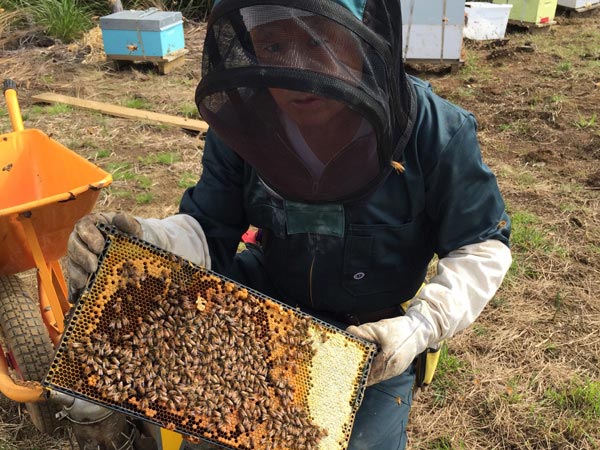
In the height of summer here, the nectar secretion from Manuka trees has gradually nearing its final stage, and  many frames filled with honey that are completely capped. (sealed with wax by the bees after moisture removal)  The honey has nearly reached  full maturity. Many beekeepers have already finished harvesting and extracting honey, storing it in large containers. However, I haven’t done that yet. The honey still needs further maturation, and rushing to remove it from the hive isn’t ideal.  Keeping honey in the natural hive environment is best, especially to maximize the activity of methylglyoxal (MGO), the unique component  of Manuka honey, which requires a certain amount of time.

I believe that keeping the honey within the hive environment for a certain period is the best way to allow dihydroxyacetone (DHA),  the precursor to MGO in manuka nectar, to gradually transform into MGO. Typically, commercial producers focused on high-volume production don’t apply this level of care. They harvest mixed honey, which  includes manuka, kanuka, and clover, then submit it to laboratories for analysis. Once they obtain a numerical result for active compounds,  they go straight to product commercialization. Such an approach makes it impossible to achieve a high-activity product.  It’s easier and more productive that way.  As long as they make a profit, they seem uninterested in going beyond that. This attitude is especially prevalent among large-scale beekeepers. In contrast, many small-scale beekeepers tend to approach their work with a more artisan-like mindset.  In the future, I hope to form a group of such beekeepers to focus on improving quality, clearly setting our products apart from those of large-scale producers.


إفراز رحيق المانوكا يقترب من مرحلته النهائية

في ذروة الصيف هنا، بدأ إفراز رحيق أشجار المانوكا يقترب تدريجياً من مرحلته الأخيرة، وقد امتلأت العديد من الإطارات بالعسل المختوم تماماً بطبقة الشمع التي يغلقها النحل بعد إزالة الرطوبة، مما يدل على أن العسل قد بلغ درجة عالية من النضج.

لقد أنهى العديد من مربي النحل عملية الحصاد واستخراج العسل وتخزينه في حاويات كبيرة، لكنني لم أفعل ذلك بعد. فالعسل لا يزال بحاجة إلى مزيد من الوقت لينضج، والاستعجال في إخراجه من الخلية ليس أمراً مثالياً.

الاحتفاظ بالعسل داخل بيئته الطبيعية في الخلية هو الخيار الأفضل، وخاصةً لتعظيم نشاط مركّب الميثيل غلايُوكزال (MGO)، وهو العنصر الفريد الذي يميّز عسل المانوكا، إذ يحتاج هذا المركّب إلى فترة زمنية محددة ليبلغ ذروة فعاليته. إنني أؤمن بأن إبقاء العسل داخل الخلية لفترة معينة هو الطريقة المثلى لتمكين مادة الديهيدروكسي أسيتون (DHA)، وهي المادة الأساسية المكوّنة للـ MGO في رحيق المانوكا، من التحوّل التدريجي إلى الشكل النشط منه.

عادةً لا يُبدي المنتجون التجاريون، الذين يركّزون على الإنتاج الواسع، هذا القدر من العناية. فهم يحصدون العسل المختلط الذي يحتوي على المانوكا والكانوكا والنفل، ثم يرسلون العينات إلى المختبرات لتحليلها. وبمجرّد حصولهم على الأرقام الخاصة بالمكوّنات الفعالة، يباشرون فوراً في عملية التسويق التجاري.

بهذه الطريقة، يستحيل الوصول إلى منتج عالي النشاط والفعالية. لكن الأمر بالنسبة لهم أسهل وأكثر ربحية، وماداموا يحققون أرباحاً، فلا يبدو أنهم يهتمون بتجاوز ذلك. هذا النهج شائع خصوصاً بين مربي النحل على نطاق واسع، بينما يميل العديد من مربي النحل الصغار إلى تبنّي عقلية الحرفيّ المتمرس، الذي يضع الجودة قبل الكمية.

وفي المستقبل، آمل أن أؤسس مجموعة من هؤلاء المربين لتركيز جهودنا على رفع مستوى الجودة، وجعل منتجاتنا متميّزة بوضوح عن تلك التي ينتجها مربّو النحل الكبار.

About the Expiration Date of Manuka Honey

Raw honey remains unchanged for an extremely long time, and it’s well-known that honey found in Greece from over 1,000 years ago  has shown no alterations. Therefore, I did not include them on the labels.  However, after receiving feedback from customers, I inquired with the Consumer Affairs Agency, only to learn that  honey must have an expiration date displayed. Despite explaining our production process in detail, they insisted that all honey must have this labeling. Ultimately, if the Consumer Affairs Agency were to acknowledge our position, it would be necessary a clear distinction between  processed honey and raw honey. This reflects the authorities’ laziness in treating all honey as one category.  This kind of mindset allows substandard products to flourish, become the mainstream, and ultimately fixate a false image of honey in the public’s mind. It makes me question the very purpose of the Consumer Affairs Agency. Currently, our products have been required to include expiration dates, which feels somewhat forced. While I will  continue to seek improvements over time, it is frustrating and a waste of valuable time.


حول تاريخ انتهاء عسل المانوكا

يبقى العسل الخام ثابتًا وغير متغير لفترة طويلة جدًا، ومن المعروف أن العسل الذي عُثر عليه في اليونان قبل أكثر من ألف عام لم يتغير إطلاقًا. لهذا السبب، لم أضع في البداية تاريخ انتهاء الصلاحية على الملصقات. ومع ذلك، وبعد تلقي ملاحظات من العملاء، تواصلت مع وكالة شؤون المستهلكين، لأكتشف أن القوانين تفرض ضرورة وجود تاريخ انتهاء الصلاحية على جميع أنواع العسل.

ورغم أنني شرحتُ بالتفصيل عملية إنتاجنا الطبيعية، أصرّت الوكالة على وجوب وضع هذا البيان على كل عبوة من العسل. وفي الواقع، لو كانت الوكالة تعترف بالفارق بين العسل الخام والعسل المعالج، لكان من الضروري التمييز بينهما بوضوح. لكن هذا الموقف يعكس نوعًا من الكسل الإداري، حيث يتم التعامل مع جميع أنواع العسل كما لو كانت شيئًا واحدًا.

إن هذا التفكير يفتح المجال أمام المنتجات الرديئة لتنتشر وتصبح هي المعيار السائد، مما يُكرّس صورة خاطئة عن العسل في أذهان الناس. وأمام ذلك، أتساءل عن الغاية الحقيقية من وجود وكالة شؤون المستهلكين أصلًا. في الوقت الحالي، اضطررنا إلى وضع تواريخ انتهاء الصلاحية على منتجاتنا، رغم أن ذلك يبدو إجراءً شكليًا أكثر من كونه ضروريًا. ومع أنني سأواصل السعي لتحسين هذا الوضع بمرور الوقت، إلا أن الأمر يظل مزعجًا ويشكل هدرًا للوقت الثمين.
Our Strong Manuka Honey

Our Manuka Honey

(Continuing from the previous blog) When it goes this far, this is no longer honey. True raw honey contains many enzymes and is rich in impurities. It also includes  a significant amount of pollen collected from a variety of flowers during foraging, which adds the essence of multiple blooms. These elements  are rich in various amino acids, which are crucial for the human body since proteins are composed of amino acid chains. Additionally, raw honey is abundant in minerals. In my apiary, even after the frames are fully capped, I continue to manage them by leaving them with the bees for a while.

This is because I expect the activity of methylglyoxal (MGO), a unique component of Manuka honey, to enhance under the conditions  within the hive. While I can’t go into further detail as it is trade secrets, it’s important to note that MGO does not originally  exist in Manuka nectar; it is a derivative of its precursor, dihydroxyacetone. Therefore, our honey is fundamentally different from the supermarket varieties. When I began production here 23 years ago (in 1995),  a time when the name Manuka honey was virtually unknown in Japan, many customers who only knew supermarket honey tasted our  products and likely wondered, ‘What on earth have I been eating until now?’ In fact, I received such feedback quite frequently back then.


عسل المانوكا لدينا

(استمرارًا للمدونة السابقة) عندما يصل العسل إلى هذه المرحلة، فإنه لم يعد مجرد عسل. العسل الخام الحقيقي يحتوي على العديد من الإنزيمات وغني بالشوائب الطبيعية. كما يحتوي على كمية كبيرة من حبوب اللقاح التي تم جمعها من مجموعة متنوعة من الأزهار أثناء الرعي، مما يضيف جوهر أزهار متعددة. هذه العناصر غنية بالأحماض الأمينية المتنوعة، وهي ضرورية لجسم الإنسان، حيث تتكون البروتينات من سلاسل الأحماض الأمينية. بالإضافة إلى ذلك، العسل الخام غني بالمعادن. في مرباي، حتى بعد أن تُغلق الإطارات بالكامل بالشمع، أواصل إدارتها بتركها مع النحل لفترة من الوقت.

وذلك لأنني أتوقع زيادة نشاط ميثيلغلايوكسال (MGO)، المكون الفريد لعسل المانوكا، في ظل ظروف الخلية. رغم أنني لا أستطيع الخوض في التفاصيل لكونها أسرار تجارية، من المهم ملاحظة أن الـ MGO لا يوجد أصلاً في رحيق المانوكا؛ فهو مشتق من مركب سابق له، ثنائي هيدروكسي أسيتون. لذلك، يختلف عسلنا جوهريًا عن الأنواع الموجودة في الأسواق. عندما بدأت الإنتاج هنا منذ 23 عامًا (في عام 1995)، في وقت كان فيه اسم عسل المانوكا شبه مجهول في اليابان، كان العديد من العملاء الذين اعتادوا على عسل السوبرماركت عند تذوق منتجاتنا يتساءلون على الأرجح: “ما الذي كنت أتناوله طوال هذا الوقت؟” في الواقع، كنت أتلقى مثل هذه التعليقات بشكل متكرر آنذاك.
Especially for Inexpensive Honey

Especially for Inexpensive Honey

Generally, inexpensive honey sold in stores can hardly be called honey at all. These mass-produced products undergo various processes,  from dehydration, decolorization, and deodorization to impurity removal and coloring, resulting in uniform. First, let’s talk about dehydration. If honey with high moisture content is left as it is, the sugar will serve as food for fungi, leading to fermentation  and loss of sweetness. However, bees are well aware of this, so they diligently create airflow with their wings to evaporate the moisture using  their body heat. During the season, the sound of this wing flapping can be heard from hives everywhere.

The purpose of this dehydration process is to prepare honey as a food source for winter. If fermentation occurs, the energy-rich sugars  would decrease, which would be problematic for the bees. Thus, when the sugar content rises to about 80% and the honey is capped, it  becomes a complete honey that is inhospitable to any microorganisms. In commercial beekeeping, however, this natural dehydration process takes time and is not cost-effective. As a result, even honey that is  still somewhat watery is harvested and heated to reduce moisture. Deodorization is necessary for uniformity in the food industry, and the same goes for decolorization. Sometimes, the aroma is added later  using essences. 

Furthermore, impurity removal especially of pollen is necessary because pollen can act as a seed crystal, leading to various crystal  formations that affect the product’s appearance, taste, and consistency. Honey varies in color due to its origin, natural environment, and plant source. When different types of honey are mixed and don’t look  particularly appealing in color, artificial coloring can be used as a solution.


العسل الفاخر مقابل العسل التجاري

عادةً، العسل الرخيص المتوافر في الأسواق لا يُمكن اعتباره عسلًا حقيقيًا. هذه المنتجات الصناعية تمر بعدة عمليات مثل التجفيف، وإزالة اللون والرائحة، وتنقية الشوائب، وإضافة ألوان صناعية، لتحقيق مظهر متجانس. دعونا نبدأ بعملية التجفيف. العسل الذي يحتوي على نسبة عالية من الرطوبة يمكن أن يتخمّر لأن السكر يصبح غذاءً للفطريات، مما يقلل من حلاوته. ولكن النحل، بحكم طبيعته، يخلق تيارات هواء بأجنحته لتبخير الرطوبة باستخدام حرارة جسده. خلال موسم الإنتاج، يمكن سماع خفق الأجنحة من كل الخلايا.

التجفيف الطبيعي ضروري لتحضير العسل كمصدر غذائي للنحل في الشتاء. إذا حدث التخمّر، تنخفض نسبة السكر، مما يقلل الطاقة المتاحة للنحل. عندما تصل نسبة السكر إلى حوالي ٨٠٪ ويُغطّى العسل بالشمع، يصبح منتجًا مستقرًا ومقاومًا لأي كائنات دقيقة.

في الإنتاج التجاري، هذه العملية الطبيعية تستغرق وقتًا طويلًا وليست مجدية اقتصاديًا، لذلك غالبًا ما يُحصَد العسل وهو لا يزال سائلاً جزئيًا ويتم تسخينه لتقليل الرطوبة. كما تُجرى عمليات إزالة الرائحة واللون لضمان التجانس في صناعة الأغذية، وأحيانًا تُضاف الروائح الصناعية لاحقًا. إزالة الشوائب، وخصوصًا حبوب اللقاح، مهمة أيضًا، لأن حبوب اللقاح قد تعمل كنواة بلورية تسبب تكوّن بلورات غير منتظمة تؤثر على المظهر والطعم والقوام.

أخيرًا، يختلف لون العسل الطبيعي حسب مصدره وبيئته والنباتات التي جمع منها الرحيق. عند خلط أنواع مختلفة من العسل، إذا كان اللون غير جذاب بصريًا، قد تُضاف ألوان صناعية لتحقيق مظهر متجانس.

The Current State of Mass-Produced Honey

In the previous blog, I briefly touched on fully matured honey which the frames are entirely capped.  Such patient practices, however, are generally uncommon in commercial beekeeping. Even among products sold under the name “honey,” there is a significant quality gap. Most of the inexpensive honey found in supermarkets is almost  entirely sourced from China. These products are remarkably uniform in color, and when you hold the container up to the light, you can clearly see the scenery on the other side. Such products can hardly be called honey anymore.

Simply, the nectar collected by bees are extracted before it has matured, while the frames are still uncapped and the moisture  content is high. The honey is separated using a centrifuge at this stage. With such low sugar content, it’s prone to fermentation and could become alcoholic over time. To prevent this, heat is applied forcibly to evaporate the excess moisture. The honey is then passed through filters to completely remove impurities such as pollen. For nectar with strong flavors, deodorization and  decolorization processes are also performed. Each batch is further heated and blended to standardize characteristics such as color, aroma, and  viscosity, effectively transforming it into a uniform product.

In extreme cases, liquid sugar made by mixing acid with sugar and heating it—known as isomerized sugar—is used as a filler. Isomerized sugar,  being in the same monosaccharide state as honey, is convenient for bulking. These standardized products are then marketed and sold as honey. The difference between such products and our honey is as vast as night and day, yet these products are labeled and sold as “natural  honey” in some cases. It’s truly astonishing and leaves one at a loss for words.


الواقع الحالي للعسل المُنتَج على نطاق واسع

في المقال السابق، أشرتُ بإيجاز إلى العسل الناضج تمامًا، ذلك العسل الذي تُغلق فيه أقراص الشمع بالكامل بعد اكتمال النضج. غير أن هذا النهج القائم على الصبر والانتظار يُعدّ استثناءً نادرًا في تربية النحل التجارية الحديثة. وحتى بين المنتجات التي تُباع تحت مسمّى «عسل»، توجد فجوة هائلة في الجودة لا يمكن تجاهلها.

إن معظم أنواع العسل منخفضة السعر المتوافرة في المتاجر الكبرى مصدرها—في الغالب—الصين. وتمتاز هذه المنتجات بتجانس لافت في اللون، لدرجة أنك إذا رفعت العبوة أمام الضوء استطعت رؤية المشهد خلفها بوضوح. ومن الصعب، في الحقيقة، أن نطلق على مثل هذه السوائل اسم «عسل» بالمعنى الحقيقي للكلمة.

في هذه الممارسات، يُستخرج الرحيق الذي جمعته النحلات قبل أن يكتمل نضجه، أي بينما تكون الأقراص لا تزال غير مختومة، ويكون محتوى الرطوبة مرتفعًا. وفي هذه المرحلة، يُفصل السائل باستخدام أجهزة الطرد المركزي. وبسبب انخفاض نسبة السكريات، يصبح هذا «العسل» عرضة للتخمّر، وقد يتحول بمرور الوقت إلى مادة كحولية.

ولمنع ذلك، يُعرَّض السائل لحرارة قسرية لتبخير الرطوبة الزائدة. ثم يُمرَّر عبر فلاتر دقيقة لإزالة كل الشوائب، بما في ذلك حبوب اللقاح. وفي حالات الرحيق ذي النكهة القوية، تُجرى أيضًا عمليات لإزالة الروائح وتفتيح اللون. بعد ذلك، تُسخَّن كل دفعة مرة أخرى وتُخلط بدُفعات أخرى، بهدف توحيد اللون، والرائحة، واللزوجة—وبذلك يتحول المنتج إلى مادة قياسية بلا هوية.

وفي أكثر الحالات تطرفًا، يُستخدم ما يُعرف بـ السكر المتماكب (Isomerized Sugar)، وهو سائل سكري يُنتَج عبر خلط السكر بالأحماض وتسخينه، ليُستعمل كحشو. وبما أن هذا السكر يوجد في الحالة نفسها من السكريات الأحادية الموجودة في العسل، فإنه يُعدّ مادة «مناسبة» لزيادة الحجم. وهكذا، تُسوَّق هذه المنتجات الموحّدة وتُباع على أنها عسل.

إن الفارق بين مثل هذه المنتجات وبين عسلنا الحقيقي يشبه الفارق بين الليل والنهار. ومع ذلك، لا تزال هذه السوائل تُوسم في بعض الأحيان بعبارة «عسل طبيعي»، وتُطرح في الأسواق على هذا الأساس. إنه أمر يثير الدهشة حقًا، ويترك المرء عاجزًا عن إيجاد الكلمات المناسبة لوصفه.

Dr. Peter Molan and Me - Part 2

Dr. Peter Molan and Me – Part 2

I recall meeting Dr. Molan and seeing microscopic photographs illustrating the active properties of Manuka MGO against  MRSA (Methicillin-Resistant Staphylococcus aureus). Although I have some knowledge of microbiology, I was truly astonished by the  natural power displayed. I was struck by how incredible the potency of natural active substances can be. This experience became the catalyst  for starting Manuka honey production in this region.

(This may already be a topic of discussion in your region) I later learned that the active MGO in active raw Manuka honey has become  significant news, particularly in European academic circles. This includes its efficacy against VRE (Vancomycin-Resistant Enterococci) and  VRSA (Vancomycin-Resistant Staphylococcus aureus), which even the world-renowned antibiotic vancomycin—considered the strongest for  over 30 years—has been powerless against.

The discovery of antibiotics undoubtedly brought immense benefits to humanity, leading to a long era where antibiotics were considered a universal remedy.
However, this overreliance now appears to be leading us to the dawn of an era where humanity faces profoundly serious challenges.


الجزء الثاني – الدكتور بيتر مولان وأنا

أتذكّر جيدًا لقائي بالدكتور بيتر مولان ورؤيتي للصور الميكروسكوبية التي عرضت الخصائص الفاعلة لمادة الـ MGO في عسل المانوكا ضد بكتيريا MRSA ‏(العنقودية الذهبية المقاومة للميثيسيلين). وعلى الرغم من امتلاكي قدرًا من المعرفة في علم الأحياء الدقيقة، فقد أبهرتني القوة الطبيعية الهائلة التي كشفتها تلك الصور، وأدركت حينها مدى روعة الفعالية التي يمكن أن تمتلكها المواد النشطة ذات الأصل الطبيعي. لقد كان ذلك اللقاء نقطة التحوّل التي دفعتني لبدء إنتاج عسل المانوكا في هذه المنطقة.

ولعل هذا الموضوع مطروحٌ بالفعل في محيطكم، غير أنّني علمت لاحقًا أنّ مادة MGO النشطة في عسل المانوكا الخام قد أصبحت محورًا مهمًا في الأوساط الأكاديمية الأوروبية، خصوصًا فيما يتعلق بفعاليتها تجاه VRE ‏(العقديات المعوية المقاومة للفانكومايسين) و VRSA ‏(العنقودية الذهبية المقاومة للفانكومايسين) — وهما السلالتان اللتان عجز أمامهما حتى المضاد الحيوي الشهير فانكومايسين، الذي عُدّ لأكثر من ثلاثة عقود أقوى مضاد حيوي في العالم.

لقد شكّل اكتشاف المضادات الحيوية بلا شك نقلة نوعية عظيمة في تاريخ البشرية، وأدخلنا مرحلة طويلة ظُنّ فيها أنّ المضادات الحيوية هي العلاج الأمثل لكل داء. إلا أنّ الإفراط في الاعتماد عليها يقودنا اليوم إلى بداية عصر جديد، تلوح في أفقه تحديات صحية بالغة الخطورة قد تواجه الإنسانية جمعاء.

Dr. Peter Molan and Me - Part 1

Dr. Peter Molan and Me – Part 1

Dr. Peter Molan, my mentor, the late Dr. Peter Molan, former professor at the national University of Waikato and a leading researcher of active substances derived from  the Manuka tree, also published papers expressing concern about the issues mentioned above (as referenced in yesterday’s blog). Living in  New Zealand, I was fortunate to have opportunities to speak with him personally. The more I listened to Dr. Molan, the more astonished I  became at the remarkable active substances that exist naturally.

The beneficial components of Manuka exhibit exceptional activity. While our New Zealand office website primarily focuses  on the much-discussed Helicobacter pylori bacteria, its activity is not limited to this. Notably, Manuka’s active substances are  relevant against hospital-acquired infections, such as MRSA (Methicillin-Resistant Staphylococcus aureus), which emerged due to the  overuse of cephalosporin antibiotics, as well as VRE (Vancomycin-Resistant Enterococci) and VRSA (Vancomycin-Resistant Staphylococcus  aureus), both resistant even to vancomycin, considered the most potent antibiotic.

While a healthy body with a strong immune system can typically defend itself against these bacteria, individuals with weakened immune systems  can become extremely problematic due to the lack of effective treatments. It is essential to recognize that these drug-resistant  bacteria have emerged as a direct result of the misuse of antimicrobial agents.  Therefore, active substances with entirely different mechanisms of action bear no relation to this issue.


الدكتور بيتر مولان وأنا – الجزء الأول

كان أستاذي ومرشدي، الراحل الدكتور بيتر مولان—الأستاذ السابق في جامعة وايكاتو الوطنية وأحد أبرز الباحثين في المواد الفعّالة المستخلصة من شجرة المانوكا—قد نشر أيضًا عددًا من الأبحاث التي أعرب فيها عن قلقه بشأن القضايا التي ذكرتها سابقًا (كما أشرتُ في مقال الأمس). وبحكم إقامتي في نيوزيلندا، حالفني الحظ بأن ألتقيه مرارًا وأتبادل معه الحديث مباشرة. وكلما استمعت إليه أكثر، ازداد اندهاشي من هذه المواد الطبيعية ذات الفعالية المذهلة التي أودعتها الطبيعة في شجرة المانوكا.

إن المكونات النشطة في المانوكا تتمتع بقدرات استثنائية. ورغم أنّ موقع مكتبنا في نيوزيلندا يركّز بصورة أساسية على بكتيريا هيليكوباكتر بيلوري الشهيرة، إلا أن فعالية المانوكا لا تقتصر على هذا المجال فحسب. فالمواد الفعّالة في المانوكا ذات صلة أيضًا بالالتهابات المستعصية التي تُكتسب داخل المستشفيات، مثل MRSA (المكورات العنقودية الذهبية المقاومة للميثيسيلين)، وهي بكتيريا ظهرت نتيجة الإفراط في استخدام مضادات السيفالوسبورين، إضافة إلى VRE (المعويات المقاومة للفانكومايسين) و VRSA (المكورات العنقودية الذهبية المقاومة للفانكومايسين)، وهما نوعان يتمتعان بمقاومة حتى لأقوى المضادات الحيوية المعروفة، وهو الفانكومايسين.

وبينما يستطيع الجسم السليم ذو المناعة القوية مواجهة هذه البكتيريا عادة، إلا أن الأفراد الذين يعانون ضعفًا في المناعة قد يواجهون مخاطر كبيرة بسبب غياب العلاجات الفعّالة. ومن الضروري إدراك أنّ هذه البكتيريا المقاومة للأدوية هي نتاج مباشر للاستخدام الخاطئ والمفرط للمضادات الحيوية.

ولذلك، فإن المواد الطبيعية النشطة—ذات آليات العمل المختلفة تمامًا—لا علاقة لها بهذه المشكلة ولا تسهم في ظهور مثل هذه السلالات المقاومة.

The Safest Natural Active Substances

Fungi continuously produce toxic substances to protect themselves from external threats (other fungi). Penicillin, discovered by Fleming in  1928 from the mold Penicillium, was the world’s first antibiotic. Unlike other fungi, molds remain in one place as they grow, making the  production of toxic substances against external threats (other fungi) particularly notable. Most antibiotics and antimicrobial agents utilize antibacterial substances derived from soil bacteria or take inspiration from their structures  to chemically synthesize new drugs (antibiotics). In this sense, one could argue that they share similarities with natural bioactive substances.

Many bacteria are killed by antibiotics. However, once patients start using the developed antibiotic, its effectiveness becomes finite. This is  because when bacteria are exposed to an antibiotic, most are killed or their growth is inhibited. Yet, if even a small number of bacteria survive,  they have likely acquired resistance mechanisms against that antibiotic. Given favorable conditions, these resistant bacteria can multiply. In recent years, many antibiotics have been developed through semi-synthetic or fully synthetic methods. However, they must continuously  compete with drug-resistant bacteria, which adapt (or evolve) to acquire resistance.

It is no exaggeration to say that the human body survives thanks to the 100 trillion bacteria that inhabit the intestines. As mentioned earlier,  synthetic antimicrobial agents attack many beneficial bacteria as well, meaning their toxicity is far from harmless and is, in fact, highly harmful to  the human body. Considering this, the battle between synthetic antimicrobial agents and bacteria is unending, and pharmaceutical companies  remain secure through the constant sale of new drugs. However, the emergence of drug-resistant bacteria and the significant side effects cannot be overlooked. In the end, utilizing natural active substances seems to be the safest approach, and there seems to be no other way but to ally ourselves with nature.


أكثر المواد النشطة أمانًا بطبيعتها — فلسفة راقية متصالحة مع الطبيعة

تنتج الفطريات بطبيعتها مواد سامة بشكل مستمر كآلية دفاعية ضد الأخطار الخارجية، ولا سيما الفطريات الأخرى المنافسة لها. ويُعدّ اكتشاف البنسلين عام 1928 على يد فليمنغ من فطر Penicillium أول مضاد حيوي في تاريخ البشرية. وبخلاف كثير من الكائنات الدقيقة الأخرى، تنمو الفطريات العَفِنية في مكان ثابت، ما يجعل اعتمادها على إفراز المواد السامة للدفاع عن نفسها أمرًا بالغ الأهمية.

تعتمد معظم المضادات الحيوية والعوامل المضادة للميكروبات اليوم على مواد فعّالة مستخلصة من بكتيريا التربة، أو على تراكيب كيميائية مستوحاة منها، ثم تُعاد صياغتها صناعيًا. ومن هذا المنظور، يمكن القول إن هذه الأدوية تشترك في جوهرها مع المواد الحيوية النشطة ذات الأصل الطبيعي.

صحيح أن المضادات الحيوية قادرة على القضاء على عدد كبير من البكتيريا، إلا أن فعاليتها ليست دائمة. فمع بدء استخدامها، تتعرض البكتيريا لضغط انتقائي؛ تُقتل الغالبية أو يُثبَّط نموها، لكن القليل الذي ينجو غالبًا ما يكتسب آليات مقاومة. وفي ظل ظروف مناسبة، تتكاثر هذه السلالات المقاومة بسرعة. ولهذا السبب، ورغم التطور المستمر في تصنيع مضادات حيوية شبه صناعية أو صناعية بالكامل، فإن سباق التسلح بينها وبين البكتيريا المقاومة لا ينتهي.

ليس من المبالغة القول إن جسم الإنسان يعيش ويتوازن بفضل ما يقارب مئة تريليون بكتيريا تقطن الأمعاء. فالعوامل المضادة للميكروبات المصنّعة لا تفرّق بين البكتيريا الضارة والنافعة، بل تهاجم الاثنين معًا، ما يجعل آثارها بعيدة كل البعد عن كونها آمنة، بل قد تكون مؤذية للجسم على المدى الطويل. ومن هنا، تبدو المعركة بين الأدوية الصناعية والبكتيريا معركة لا نهاية لها، بينما تستمر شركات الأدوية في طرح مركبات جديدة في السوق.

في المقابل، لا يمكن تجاهل المخاطر المتزايدة للبكتيريا المقاومة ولا الآثار الجانبية العميقة لتلك الأدوية. وفي ضوء ذلك، يبدو أن العودة إلى المواد النشطة الطبيعية، والتعايش الواعي مع قوى الطبيعة بدل محاربتها، هو الخيار الأكثر أمانًا ورقيًا — بل وربما الطريق الوحيد المستدام لصحة الإنسان.

Differences Between Manuka and Kanuka Trees

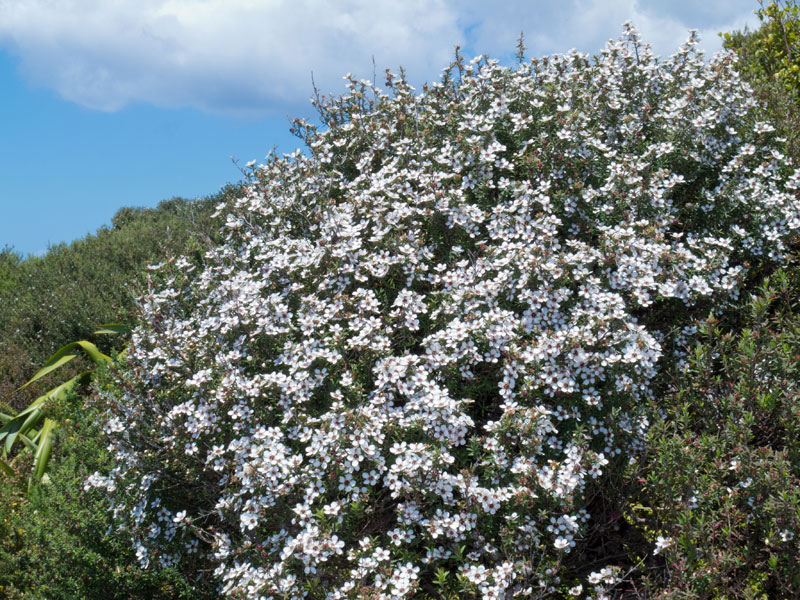
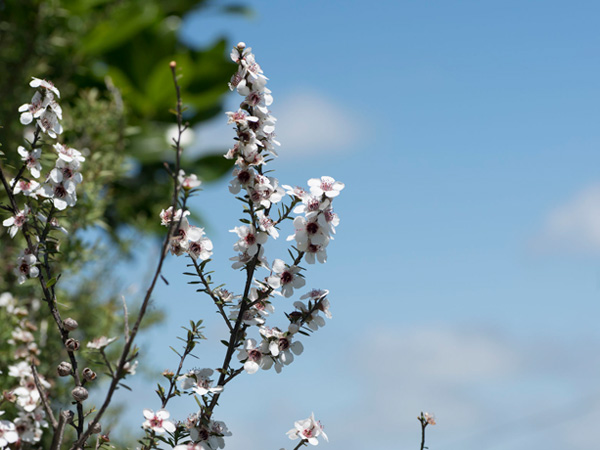
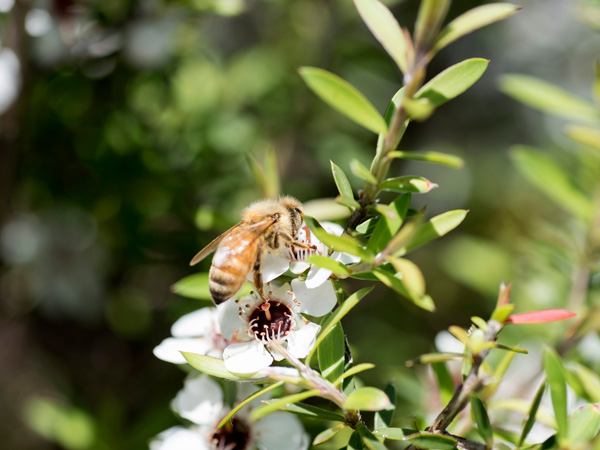
Manuka honey is made when worker bees collect nectar from the flowers of the Manuka tree and bring it back to the hive, where much of it  becomes stored as winter honey. Perhaps due to the bees’ instinct, they continuously gather nectar until it is full, never satisfied with what they  have. This behavior is likely driven by their survival instinct. In Japan, it is commonly stated online that “Manuka flowers bloom from spring to summer.” However, this is not consistent, as it varies greatly  depending on the natural environment, the type of Manuka tree, and its age. While spring is typically the main blooming period, some trees bloom  before spring even begins, making it quite unpredictable. Forecasting the bloom period is always challenging, and this makes planning difficult for beekeepers.

There is a tree called “Kanuka” that closely resembles the Manuka tree (the photo shows a Kanuka tree in my woodland). Both Manuka and  Kanuka are terms from the Māori language, but they can be distinguished by a few characteristics. Kanuka tends to grow taller,  and its leaves are not as stiff as those of Manuka. The flowering period of Kanuka is slightly later than that of Manuka. Unlike Manuka,  Kanuka doesn’t have any distinct medicinal properties. The Māori people have historically utilized various parts of the Manuka tree, such as its seeds, bark, roots, and leaf stems, benefiting from its  medicinal properties. However, Kanuka has not been noted for such uses. There were reports in the past suggesting that Kanuka honey might  have some level of activity, but this is not certain.


الاختلافات بين شجرتَي المانوكا والكانوكا

يُنتَج عسل المانوكا عندما تجمع شغّالات النحل الرحيق من أزهار شجرة المانوكا وتعيده إلى الخلية، حيث يُخزَّن جزء كبير منه كغذاء شتوي. وربما بدافع الغريزة الفطرية، تواصل النحل جمع الرحيق بلا انقطاع حتى تمتلئ الخلايا، وكأن الاكتفاء ليس خيارًا لديها. ويُرجَّح أن هذا السلوك نابع من غريزة البقاء المتأصلة في هذه الكائنات الدقيقة.

في اليابان، يُتداول كثيرًا عبر الإنترنت أن «أزهار المانوكا تتفتح من الربيع إلى الصيف». غير أن هذا التوصيف يفتقر إلى الدقة، إذ يختلف موسم الإزهار بشكل كبير تبعًا للبيئة الطبيعية، ونوع شجرة المانوكا، وعمرها. صحيح أن الربيع يُعد عمومًا الفترة الرئيسية للإزهار، إلا أن بعض الأشجار تبدأ بالإزهار حتى قبل حلول الربيع، ما يجعل التنبؤ بهذه الفترة أمرًا بالغ الصعوبة. ولهذا السبب، يظل التخطيط المسبق تحديًا دائمًا لمربي النحل.

إلى جانب المانوكا، توجد شجرة تُعرف باسم كانوكا (Kanuka)، وهي شبيهة بها إلى حدٍّ كبير (وتُظهر الصورة شجرة كانوكا في أرضي الحرجية). كلا الاسمين—مانوكا وكانوكا—ينحدران من لغة الماوري، إلا أن التمييز بين الشجرتين ممكن من خلال بعض السمات الواضحة. فالكانوكا تميل إلى النمو بارتفاع أكبر، كما أن أوراقها أقل صلابة مقارنة بأوراق المانوكا. ويأتي موسم إزهار الكانوكا متأخرًا قليلًا عن موسم المانوكا.

وعلى عكس المانوكا، لا تُعرف الكانوكا بامتلاكها خصائص علاجية مميزة. فقد استخدم شعب الماوري تاريخيًا أجزاء متعددة من شجرة المانوكا—من البذور واللحاء إلى الجذور وسيقان الأوراق—استفادةً من خصائصها الطبية. أما الكانوكا، فلم تُسجَّل لها استخدامات مماثلة في هذا السياق.

وقد ظهرت في الماضي بعض التقارير التي أشارت إلى احتمال امتلاك عسل الكانوكا قدرًا من النشاط الحيوي، إلا أن هذه الادعاءات لم تُحسم بشكل علمي قاطع حتى اليوم.

Talk About Bee Products

Today, I would like to write a bit about the mixsing of bee products. As mentioned before, bee products include honey, propolis, royal jelly,  pollen, and beeswax. The combination of these products has been confirmed through many customer reports to increase their activity levels,  making them very beneficial for maintaining health. This is a culmination of the wisdom of honeybees, who have survived for at least 40 million years. These bee products are stored in very small spaces, so it is entirely possible that they naturally mixed with one another during storage.

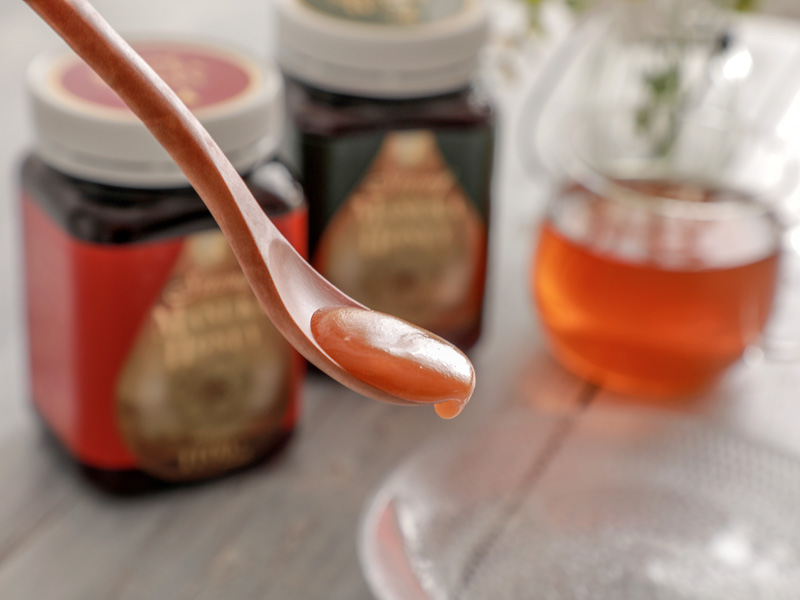
As a result, these substances could potentially change into something that is disadvantageous for the bees. However, after an unimaginably long  period of time, this issue has likely been resolved, and these substances have evolved into ones that are beneficial for the bees. Therefore,  I always recommend to our customers the mixing and combining of various products. Regarding the mixing, our Manuka honey has a very strong activity level, and its unique compound, methylglyoxal (MGO), is a highly reactive  substance. If it is consistently taken out with a metal spoon, the activity level may weaken. It is best to use a wooden, plastic, or porcelain spoon to preserve its potency.

To take a spoonful of honey, transfer it into a small container (such as a cup) that is not made of metal, and then add about 10 drops of propolis  extract using a dropper. Use the same spoon to mix the two, as they combine very well and easily. It is most efficient to consume them using the same spoon. The way to take a mixture of propolis extract and Manuka honey depends on your physical condition at the time and often involves some trial and  error. But as you get used to it, you’ll naturally figure out the right amount and ratio for yourself.

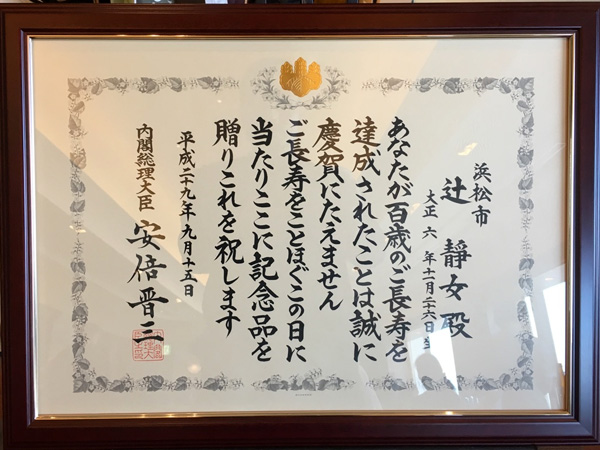
My mother has been consuming a mixture of bee products for many years. Her mind is still sharp, and  she recently celebrated her 100th birthday in good health. I believe this is closely related to her longevity. I have personally observed that the  combination of honey and propolis extract is particularly beneficial for people with reduced physical strength or the elderly.


🐝 حديث عن منتجات النحل

اليوم أود أن أتحدث قليلًا عن مزج منتجات النحل. كما ذُكر سابقًا، تشمل منتجات النحل كلاً من العسل، والبروبوليس (العكبر)، والهلام الملكي، وحبوب اللقاح، وشمع النحل. لقد تم التأكد من أن الجمع بين هذه المنتجات يزيد من فعاليتها الحيوية، بناءً على العديد من التقارير التي وردتنا من العملاء على مر السنين، مما يجعلها ذات فائدة كبيرة في الحفاظ على الصحة والعافية.

إنها خلاصة حكمة النحل الذي استطاع البقاء على وجه الأرض لأكثر من أربعين مليون سنة. تُخزَّن هذه المواد في خلايا صغيرة جدًا داخل الخلية، ومن الطبيعي أن تختلط أحيانًا ببعضها البعض أثناء التخزين. وعلى الرغم من أن هذا المزج كان يمكن أن يُحدث مواد غير مفيدة للنحل، إلا أن ملايين السنين من التطور جعلت هذه المواد تتوازن لتتحول إلى عناصر نافعة له. لذلك، أوصي دائمًا عملاءنا بتجربة مزج منتجات النحل المختلفة معًا للاستفادة القصوى منها.

أما بالنسبة للمزج، فإن عسل المانوكا الذي نقدمه يتميز بنشاط قوي للغاية، ويحتوي على مركب فريد يُعرف باسم الميثيل غلايوكسال (MGO)، وهو مادة عالية التفاعل. ولهذا السبب، فإن استخدام ملعقة معدنية بشكل متكرر قد يُضعف من قوة هذا النشاط، ويُفضل استخدام ملعقة خشبية أو بلاستيكية أو خزفية للحفاظ على فعاليته.

لتحضير مزيجٍ فعّال، خذ ملعقة من العسل وضعها في وعاء صغير غير معدني (مثل كوب صغير)، ثم أضف حوالي عشر قطرات من مستخلص البروبوليس باستخدام القطارة. استخدم نفس الملعقة لتحريك المزيج جيدًا حتى يتجانس، ثم تناوله مباشرةً. إنها الطريقة الأكثر كفاءة للاستفادة من خصائص المادتين معًا.

تختلف الجرعة والنسبة المثالية حسب الحالة الصحية للفرد، وقد تتطلب بعض التجربة في البداية، لكن مع الوقت، ستتعرف على الكمية المناسبة لجسمك بشكل طبيعي. أما والدتي، فقد اعتادت منذ سنوات طويلة على تناول مزيجٍ من منتجات النحل. ولا تزال حتى اليوم تتمتع بعقل متقد وبصحة ممتازة، وقد احتفلت مؤخرًا بعامها المئة بفضل الله. وأعتقد أن هذا الارتباط الوثيق بين منتجات النحل وصحتها الطويلة الأمد ليس محض صدفة. لقد لاحظت بنفسي أن مزيج العسل ومستخلص البروبوليس مفيد بشكل خاص لكبار السن أو لمن يعانون من ضعف في القوة البدنية.