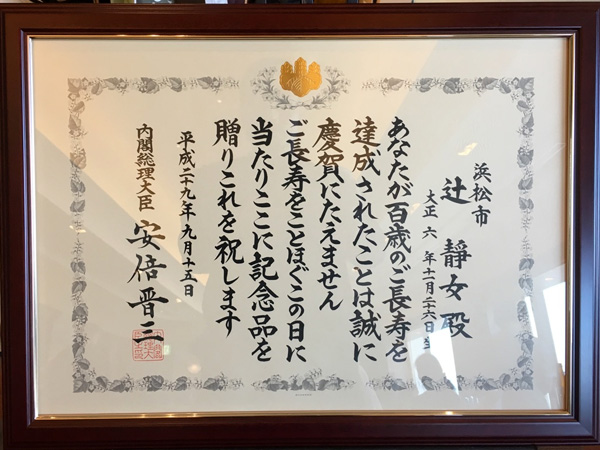
In the past two blogs, I’ve discussed medication. During a previous visit to Japan, I had the opportunity to visit a medical institution The waiting room was extremely crowded. With Japan’s well-developed social security system, anyone can use their health insurance card, and it has become commonplace to visit a medical facility and receive medication at the small sign of feeling unwell. If their condition improves, people typically attribute their recovery to the medication. In the end, people completely entrust their health to medical institutions, leaving everything up to them. I find it difficult to accept this way of thinking.
No one knows their own body better than themselves, and the idea that one can heal without going to the hospital disappeared among today’s Japanese people? I can’t help but feel that many are under the misconception that illnesses are cured solely by medication. It goes without saying that medications are foreign substances to the body, and, if anything, they can be considered toxic. I believe that such substances merely serve as a trigger for healing, and that in reality, it is the person’s own strength and vitality that brings about recovery. Physical strength, in turn, is generated through the production of energy.
Even a single heartbeat requires a significant amount of energy. So where, exactly, is this energy produced? It is generated within each of the approximately 60 trillion cells in the human body. The process begins with glucose absorbed from food. This glucose undergoes a complex series of pathways to create a hydrogen ion gradient, which is then utilized to produce energy. This mechanism is comparable to how electricity is generated. For example, in a hydroelectric power plant, water is released from a high dam, and its potential energy turns turbines to produce electricity. Similarly, within our cells, mitochondria act as the “power plants.” They use the hydrogen ion gradient to drive a motor-like energy production system known as the F1 motor. This mechanism produces high-energy phosphate bonds, which are the source of the body’s energy.
This phosphate molecule consists of three phosphates connected by high-energy bonds. When one of these bonds is broken, energy is released,
converting it into adenosine diphosphate (ADP). Through the action of the F1 motor, ADP is synthesized back into adenosine triphosphate (ATP).
In this way, all living organisms on Earth sustain life through a similar mechanism. From this point onward, I would like to share my personal
view: health is largely determined by how effectively mitochondria can produce energy within our cells.
Recent studies suggest that Alzheimer’s disease is caused by the loss of energy due to the degeneration of mitochondria within brain cells, leading
to brain cell death. Interestingly, mitochondria were not originally part of human cells; it is believed they were once independent bacteria that
eventually coexisted with and became an integral part of human cells.
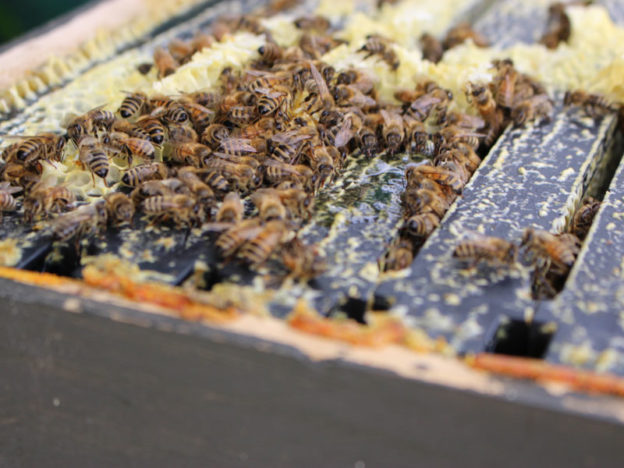
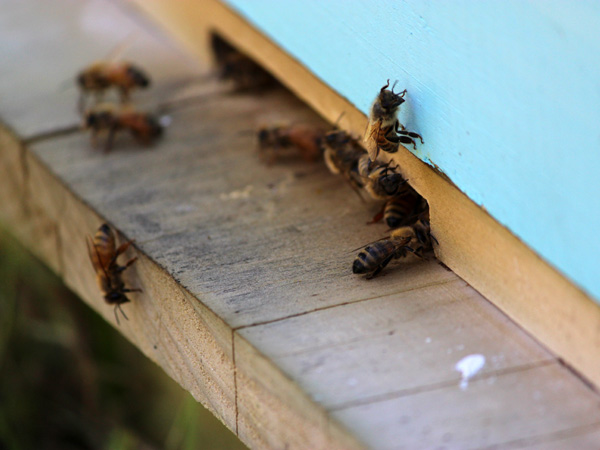
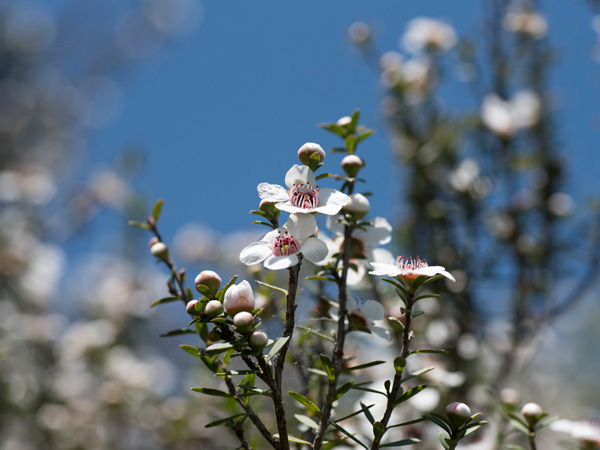
It remains unclear how another organism came to be incorporated under the umbrella of human cells. Unlike human cells, mitochondrial DNA is circular, distinctly different in structure. Mitochondria generate significant amounts of energy by utilizing oxygen. Oxygen is a highly toxic substance, and its use involves significant risks; however, it is said that in exchange, we acquired a mechanism for producing high levels of energy. Perhaps it is the fate of all living organisms to overcome numerous risks in their struggle for survival. Manuka honey, for instance, is suggested to contribute to cellular activation—specifically, to the energy production processes within mitochondria.
في المقالين السابقين، تناولتُ موضوع الأدوية. وخلال زيارة سابقة لي إلى اليابان، أتيحت لي الفرصة لزيارة إحدى المؤسسات الطبية. كان مشهد قاعة الانتظار مكتظًا بالمرضى إلى حد لافت. وبفضل نظام الضمان الاجتماعي المتطور في اليابان، يستطيع أي شخص استخدام بطاقة التأمين الصحي، وأصبح من الشائع للغاية التوجه إلى المؤسسات الطبية وتلقي الأدوية عند أول إحساس طفيف بعدم الارتياح. وإذا تحسنت الحالة، غالبًا ما يُعزى الشفاء مباشرة إلى الدواء.
وهكذا، يسلّم الناس صحتهم بالكامل إلى المؤسسات الطبية، ويتركون كل شيء بين أيديها. وبصراحة، أجد صعوبة في تقبّل هذا النمط من التفكير.
لا أحد يعرف جسده أكثر من الإنسان نفسه. فهل اختفت من وعي المجتمع الياباني المعاصر فكرة أن الشفاء قد يحدث دون اللجوء إلى المستشفى؟ لا يسعني إلا أن أشعر بأن كثيرين يعيشون تحت تصور خاطئ مفاده أن الأمراض تُشفى بالأدوية وحدها. ومن البديهي أن الأدوية، في جوهرها، مواد غريبة عن الجسم، بل يمكن اعتبارها — من منظور بيولوجي — مواد ذات طبيعة سُمّية. ومن وجهة نظري، فإن دور هذه المواد لا يتعدى كونها محفزًا لبدء عملية الشفاء، بينما تكمن القوة الحقيقية للشفاء في طاقة الإنسان الذاتية وحيويته الكامنة.
وتنبع هذه القوة البدنية، في الأساس، من إنتاج الطاقة داخل الجسم.
حتى نبضة قلب واحدة تتطلب قدرًا هائلًا من الطاقة. فمن أين تُنتج هذه الطاقة؟ إنها تُنتج داخل كل خلية من خلايا جسم الإنسان، والتي يُقدَّر عددها بنحو ستين تريليون خلية. تبدأ العملية بالجلوكوز الممتص من الغذاء، والذي يخضع لسلسلة معقدة من التفاعلات البيوكيميائية، تؤدي إلى تكوين تدرّج في أيونات الهيدروجين. ويُستخدم هذا التدرّج لاحقًا لإنتاج الطاقة، في آلية تشبه إلى حد كبير توليد الكهرباء.
فعلى سبيل المثال، في محطات الطاقة الكهرومائية، يتم إطلاق المياه من سد مرتفع، وتُستغل طاقتها الكامنة لتدوير التوربينات وتوليد الكهرباء. وبالطريقة نفسها، تعمل الميتوكوندريا داخل الخلايا كمحطات طاقة حيوية. فهي تستخدم تدرّج أيونات الهيدروجين لتشغيل نظام يشبه المحرك، يُعرف بمحرك F1، المسؤول عن إنتاج روابط فوسفاتية عالية الطاقة.
تتكون هذه الجزيئات من ثلاث مجموعات فوسفات مرتبطة بروابط عالية الطاقة. وعند كسر إحدى هذه الروابط، تتحرر الطاقة، ويتحوّل الجزيء إلى أدينوسين ثنائي الفوسفات (ADP). ومن خلال عمل محرك F1، يُعاد تركيب ADP إلى أدينوسين ثلاثي الفوسفات (ATP). وبهذه الآلية، تحافظ جميع الكائنات الحية على الأرض على استمرار الحياة. ومن هنا، أود أن أشارك رؤيتي الشخصية:
إن الصحة، إلى حدٍّ كبير، تتحدد بمدى كفاءة الميتوكوندريا في إنتاج الطاقة داخل
خلايانا. تشير دراسات حديثة إلى أن مرض ألزهايمر قد يكون ناتجًا عن فقدان الطاقة بسبب تدهور الميتوكوندريا داخل خلايا الدماغ، مما يؤدي في النهاية إلى موت هذه الخلايا. ومن المثير للاهتمام أن الميتوكوندريا لم تكن في الأصل جزءًا من الخلايا البشرية؛ إذ يُعتقد أنها كانت في السابق بكتيريا مستقلة، ثم دخلت في علاقة تعايش، وأصبحت جزءًا لا يتجزأ من خلايانا.
ولا يزال من غير الواضح كيف تمكّن كائن آخر من الاندماج تحت مظلة الخلية البشرية. فعلى عكس الخلايا البشرية، يمتلك الحمض النووي للميتوكوندريا بنية دائرية مميزة. وتنتج الميتوكوندريا كميات هائلة من الطاقة باستخدام الأكسجين. ورغم أن الأكسجين مادة شديدة السُمّية وتحمل مخاطر كبيرة، إلا أنه يُقال إننا، في المقابل، اكتسبنا آلية عالية الكفاءة لإنتاج الطاقة.
ربما يكون قدر جميع الكائنات الحية هو تجاوز المخاطر في سعيها المستمر للبقاء. وفي هذا السياق، يُشار إلى أن عسل المانوكا قد يساهم في تنشيط الخلايا، لا سيما من خلال دعمه لعمليات إنتاج الطاقة داخل الميتوكوندريا.