The Effects of Manuka Honey」カテゴリーアーカイブ

Feedback from Healthcare Professionals

Feedback from Healthcare Professionals

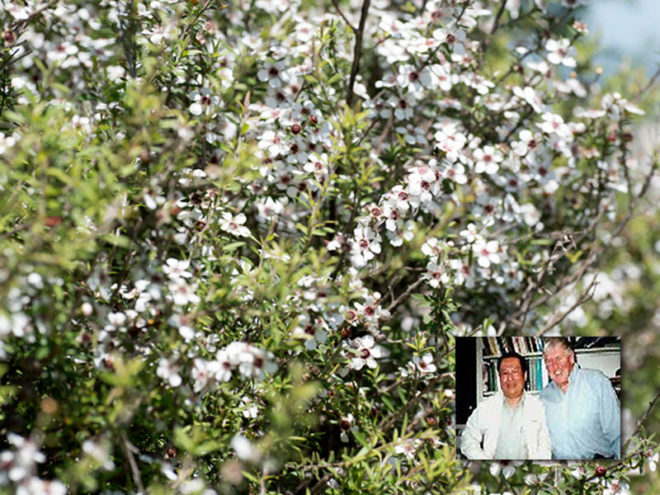
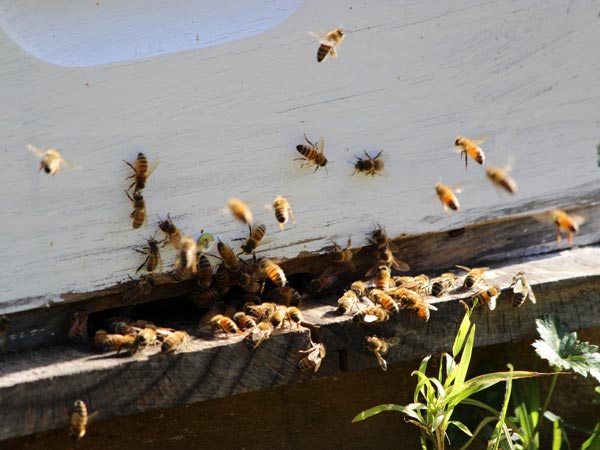
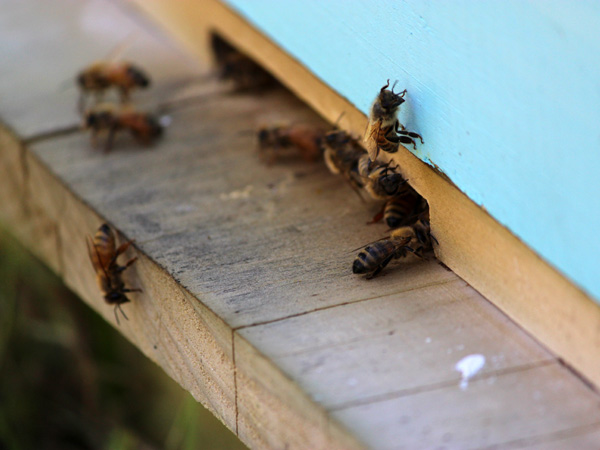
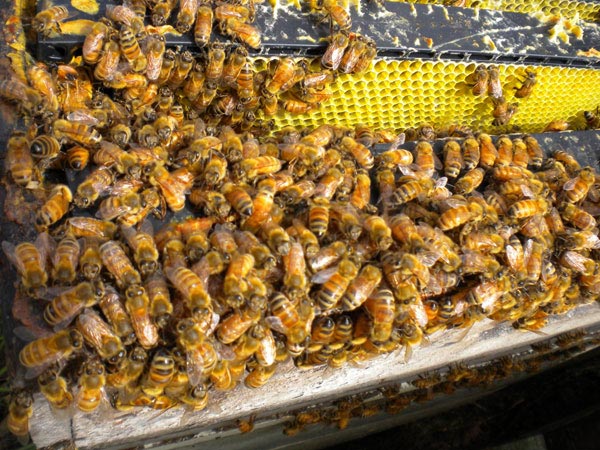
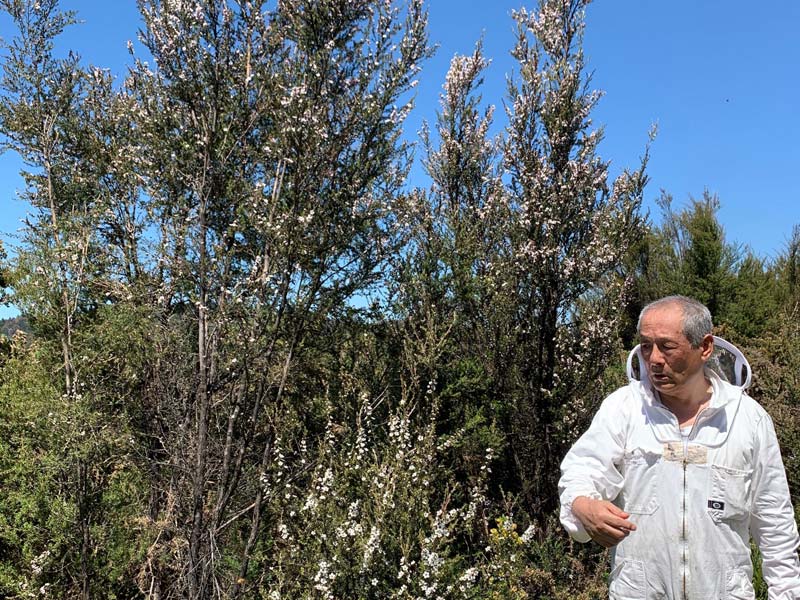
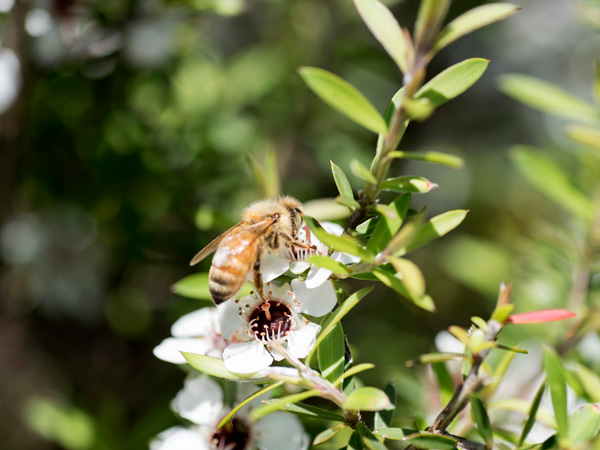
The first spring breeze has arrived, and the apiary has suddenly come to life under the bright spring sunlight.  The bees are buzzing around energetically, clearly enjoying the arrival of spring. It’s not just the bees; all the plants are shaking their fresh green leaves in the spring breeze, and even the little stream near the apiary seems  to flow more cheerfully. The arrival of spring brings blessings to all living things and feels like the start of a new year filled with hope. Here in New Zealand, it has been over 20 years since I began working with Manuka honey. During this time, I have received numerous reports and  inquiries from many customers, including a significant number of healthcare professionals such as doctors, veterinarians, and pharmacists.

This is a story from some years ago. A customer once purchased every single one of our bee products, which left us wondering about the reason.  Later, we learned that the customer was a university student conducting research on the antibacterial properties of bee products for their graduation thesis. Not long after, we received a call from a professor at a veterinary university in Tokyo, who had been supervising the student’s thesis. The professor  shared that antibacterial tests conducted on our products had yielded astonishing results, and he wanted to discuss them further.

Our  conversation deepened, and we began planning a book about bee products. However, during this time, the outbreak of BSE (mad cow disease) in the United States occurred, and the professor, who served as a chair for  livestock-related issues, became deeply involved in addressing this crisis. Unfortunately, his health deteriorated due to overwork, and he passed  away before the book could be completed. I had hoped to collaborate on a publication, where the professor would explain the scientific aspects of bee products while I would provide insights  into the production process. Even now, I regret that we were unable to be realized.

The antibacterial and antiviral properties of bee products have been recognized and validated by many people throughout history.  These benefits have been passed down from generation to generation and are even acknowledged epidemiologically. However, modern  healthcare has shifted to a system where everything is entrusted to medical institutions, and the crucial concept of “healing one’s own illnesses” has been largely forgotten. It’s not uncommon to hear medical professionals say, “If honey or propolis could cure diseases, we wouldn’t need doctors.” Unfortunately, many  of them are unwilling to explore or acknowledge anything outside their own field of study, often dismissing such possibilities.

For diseases whose causes remain unknown, the reliance on treatments such as anticancer drugs, antibiotics, other antimicrobial agents,  steroids, and immunosuppressants—many of which are effectively toxins—is commonplace among medical professionals. One cannot help but  wonder what basis these professionals have for dismissing honey and propolis so casually. Considering the many customers who come to our website as a last resort, fter being failed by the medical system, this truly speaks to the severity of the crisis


لقد وصلت أولى نسمات الربيع، وبزوغُ الشمس الدافئة أعاد للحقل الحيويّ حركته ونشاطه. فالنحل يطير بخفّة وبهجة، مستقبِلًا هذا الفصل الجديد بروحٍ مفعمة بالحياة. ولم يقتصر الأمر على النحل وحده؛ إذ تبدو النباتات كلها وهي تهتزّ بأوراقها الخضراء الطريّة مع نسمات الربيع، حتى الجدول الصغير القريب من المِنحل بدا وكأنه يجري بنغمة أكثر فرحًا. إنه فصلٌ يمنح البركة لكل كائن حي، وكأن عامًا جديدًا مشرقًا بالأمل قد بدأ للتو.

هنا في نيوزيلندا، مرّت أكثر من عشرين سنة منذ بدأت رحلتي مع عسل المانوكا. وخلال هذه السنوات، تلقيت عددًا هائلًا من التقارير والاستفسارات من عملائنا، ومن ضمنهم عدد كبير من المتخصصين في الرعاية الصحية—أطباء، وأطباء بيطريين، وصيادلة.

ومن القصص التي لا تزال راسخة في ذهني ما حدث قبل عدة أعوام، عندما قام أحد العملاء بشراء جميع منتجات النحل التي نقدّمها، مما أثار فضولنا حول الدافع وراء ذلك. وبعد مدة قصيرة، علمنا أن هذا العميل كان طالب جامعة يُجري بحثًا عن الخصائص المضادّة للجراثيم في منتجات النحل بهدف إعداد أطروحته للتخرج.

وبعد فترة وجيزة، تلقّيت اتصالًا من أستاذ في إحدى الجامعات البيطرية في طوكيو، كان يشرف على بحث ذلك الطالب. وقد شاركنا ذلك الأستاذ نتائج مذهلة كشفتها الاختبارات البكتريولوجية التي أجريت على منتجاتنا، وطلب التحدّث بتفصيل أكبر حول الموضوع.

تطورت أحاديثنا لاحقًا، وبدأنا التخطيط لتأليف كتاب حول منتجات النحل، على أن يوضّح الأستاذ الجانب العلمي بينما أتولى أنا الحديث عن جوانب الإنتاج. لكن في تلك الفترة اندلع انتشار مرض جنون البقر (BSE) في الولايات المتحدة، وكان الأستاذ يشغل منصب رئيس لجنة مختصة بقضايا الثروة الحيوانية. ومع ضغط العمل الهائل، تدهورت صحته للأسف، ورحل قبل أن يرى مشروع الكتاب النور. وحتى اليوم، أشعر بأسف عميق لأن هذا التعاون لم يكتمل.

لقد عُرفت الخصائص المضادّة للبكتيريا والفيروسات في منتجات النحل منذ العصور القديمة، وتوارثتها الأجيال، بل إنّ فعاليتها مثبتة حتى في الدراسات الوبائية. ومع ذلك، تغيّر وجه الطب الحديث إلى نظام يُفوَّض فيه كل شيء للمؤسسات الطبية، فتلاشت الفكرة الأساسية التي تقول إن “جسم الإنسان قادر على شفاء نفسه”. وليس نادرًا أن نسمع أطباءً يقولون: “لو كان العسل أو البروبوليس قادرين على علاج الأمراض، لما احتجنا إلى الأطباء.” لكنّ العديد منهم لا يرغب حتى في محاولة فهم ما يقع خارج نطاق تخصصه، ويكتفي برفضه مباشرة.

وفي الوقت ذاته، يعتمد الكثير من المتخصصين في الرعاية الصحية على علاجات لا تزال مجهولة السبب، ويستخدمون أدويةً مثل مضادات السرطان، والمضادات الحيوية، والعقاقير المضادّة للالتهابات، والستيرويدات، ومثبطات المناعة—وهي في جوهرها مواد سامة—ومع ذلك يتم وصفها بلا تردد. وحين نرى هذا، نتساءل: على أي أساس يتم رفض فعالية العسل والبروبوليس؟ إن العدد الكبير من العملاء الذين يصلون إلى موقعنا كملاذ أخير، بعد أن خذلهم النظام الطبي، هو دليل مؤسف على مدى عمق الأزمة الحالية.
Dr. Peter Molan and Me - Part 2

Dr. Peter Molan and Me – Part 2

I recall meeting Dr. Molan and seeing microscopic photographs illustrating the active properties of Manuka MGO against  MRSA (Methicillin-Resistant Staphylococcus aureus). Although I have some knowledge of microbiology, I was truly astonished by the  natural power displayed. I was struck by how incredible the potency of natural active substances can be. This experience became the catalyst  for starting Manuka honey production in this region.

(This may already be a topic of discussion in your region) I later learned that the active MGO in active raw Manuka honey has become  significant news, particularly in European academic circles. This includes its efficacy against VRE (Vancomycin-Resistant Enterococci) and  VRSA (Vancomycin-Resistant Staphylococcus aureus), which even the world-renowned antibiotic vancomycin—considered the strongest for  over 30 years—has been powerless against.

The discovery of antibiotics undoubtedly brought immense benefits to humanity, leading to a long era where antibiotics were considered a universal remedy.
However, this overreliance now appears to be leading us to the dawn of an era where humanity faces profoundly serious challenges.


الجزء الثاني – الدكتور بيتر مولان وأنا

أتذكّر جيدًا لقائي بالدكتور بيتر مولان ورؤيتي للصور الميكروسكوبية التي عرضت الخصائص الفاعلة لمادة الـ MGO في عسل المانوكا ضد بكتيريا MRSA ‏(العنقودية الذهبية المقاومة للميثيسيلين). وعلى الرغم من امتلاكي قدرًا من المعرفة في علم الأحياء الدقيقة، فقد أبهرتني القوة الطبيعية الهائلة التي كشفتها تلك الصور، وأدركت حينها مدى روعة الفعالية التي يمكن أن تمتلكها المواد النشطة ذات الأصل الطبيعي. لقد كان ذلك اللقاء نقطة التحوّل التي دفعتني لبدء إنتاج عسل المانوكا في هذه المنطقة.

ولعل هذا الموضوع مطروحٌ بالفعل في محيطكم، غير أنّني علمت لاحقًا أنّ مادة MGO النشطة في عسل المانوكا الخام قد أصبحت محورًا مهمًا في الأوساط الأكاديمية الأوروبية، خصوصًا فيما يتعلق بفعاليتها تجاه VRE ‏(العقديات المعوية المقاومة للفانكومايسين) و VRSA ‏(العنقودية الذهبية المقاومة للفانكومايسين) — وهما السلالتان اللتان عجز أمامهما حتى المضاد الحيوي الشهير فانكومايسين، الذي عُدّ لأكثر من ثلاثة عقود أقوى مضاد حيوي في العالم.

لقد شكّل اكتشاف المضادات الحيوية بلا شك نقلة نوعية عظيمة في تاريخ البشرية، وأدخلنا مرحلة طويلة ظُنّ فيها أنّ المضادات الحيوية هي العلاج الأمثل لكل داء. إلا أنّ الإفراط في الاعتماد عليها يقودنا اليوم إلى بداية عصر جديد، تلوح في أفقه تحديات صحية بالغة الخطورة قد تواجه الإنسانية جمعاء.

Dr. Peter Molan and Me - Part 1

Dr. Peter Molan and Me – Part 1

Dr. Peter Molan, my mentor, the late Dr. Peter Molan, former professor at the national University of Waikato and a leading researcher of active substances derived from  the Manuka tree, also published papers expressing concern about the issues mentioned above (as referenced in yesterday’s blog). Living in  New Zealand, I was fortunate to have opportunities to speak with him personally. The more I listened to Dr. Molan, the more astonished I  became at the remarkable active substances that exist naturally.

The beneficial components of Manuka exhibit exceptional activity. While our New Zealand office website primarily focuses  on the much-discussed Helicobacter pylori bacteria, its activity is not limited to this. Notably, Manuka’s active substances are  relevant against hospital-acquired infections, such as MRSA (Methicillin-Resistant Staphylococcus aureus), which emerged due to the  overuse of cephalosporin antibiotics, as well as VRE (Vancomycin-Resistant Enterococci) and VRSA (Vancomycin-Resistant Staphylococcus  aureus), both resistant even to vancomycin, considered the most potent antibiotic.

While a healthy body with a strong immune system can typically defend itself against these bacteria, individuals with weakened immune systems  can become extremely problematic due to the lack of effective treatments. It is essential to recognize that these drug-resistant  bacteria have emerged as a direct result of the misuse of antimicrobial agents.  Therefore, active substances with entirely different mechanisms of action bear no relation to this issue.


الدكتور بيتر مولان وأنا – الجزء الأول

كان أستاذي ومرشدي، الراحل الدكتور بيتر مولان—الأستاذ السابق في جامعة وايكاتو الوطنية وأحد أبرز الباحثين في المواد الفعّالة المستخلصة من شجرة المانوكا—قد نشر أيضًا عددًا من الأبحاث التي أعرب فيها عن قلقه بشأن القضايا التي ذكرتها سابقًا (كما أشرتُ في مقال الأمس). وبحكم إقامتي في نيوزيلندا، حالفني الحظ بأن ألتقيه مرارًا وأتبادل معه الحديث مباشرة. وكلما استمعت إليه أكثر، ازداد اندهاشي من هذه المواد الطبيعية ذات الفعالية المذهلة التي أودعتها الطبيعة في شجرة المانوكا.

إن المكونات النشطة في المانوكا تتمتع بقدرات استثنائية. ورغم أنّ موقع مكتبنا في نيوزيلندا يركّز بصورة أساسية على بكتيريا هيليكوباكتر بيلوري الشهيرة، إلا أن فعالية المانوكا لا تقتصر على هذا المجال فحسب. فالمواد الفعّالة في المانوكا ذات صلة أيضًا بالالتهابات المستعصية التي تُكتسب داخل المستشفيات، مثل MRSA (المكورات العنقودية الذهبية المقاومة للميثيسيلين)، وهي بكتيريا ظهرت نتيجة الإفراط في استخدام مضادات السيفالوسبورين، إضافة إلى VRE (المعويات المقاومة للفانكومايسين) و VRSA (المكورات العنقودية الذهبية المقاومة للفانكومايسين)، وهما نوعان يتمتعان بمقاومة حتى لأقوى المضادات الحيوية المعروفة، وهو الفانكومايسين.

وبينما يستطيع الجسم السليم ذو المناعة القوية مواجهة هذه البكتيريا عادة، إلا أن الأفراد الذين يعانون ضعفًا في المناعة قد يواجهون مخاطر كبيرة بسبب غياب العلاجات الفعّالة. ومن الضروري إدراك أنّ هذه البكتيريا المقاومة للأدوية هي نتاج مباشر للاستخدام الخاطئ والمفرط للمضادات الحيوية.

ولذلك، فإن المواد الطبيعية النشطة—ذات آليات العمل المختلفة تمامًا—لا علاقة لها بهذه المشكلة ولا تسهم في ظهور مثل هذه السلالات المقاومة.

Things to Avoid in Excessive Use

Things to Avoid in Excessive Use

The human digestive system hosts an astronomically diverse array of bacteria, and food is broken down through chemical changes  facilitated by these bacteria, allowing nutrients to be absorbed through the intestinal wall. It would be ideal if antimicrobial agents, such as  antibiotics, targeted only the specific bacteria. However, such drugs do not exist, and particularly the antimicrobial agents used today have a  broad-spectrum activity, meaning they affect a wide range of bacterial species.

In other words, antimicrobial agents indiscriminately target not only harmful bacteria but also beneficial ones. As a result, they cause significant  damage to the important intestinal flora (the microbial ecosystem in the gut). While there are individual differences, there is no effective way  to reverse this damage. The side effects of antimicrobial drugs can lead to severe gastrointestinal disorders, preventing the absorption of  essential energy sources and nutrients, as well as hindering the elimination of undigested material and the proper transport of these substances.

The digestive system is, needless to say, essential for sustaining life. Since such crucial functions are regulated by  the intestinal microbiome, it is far from accurate to claim that antimicrobial agents are harmless to humans and animals. While I am not denying  the use of antibiotics, antimicrobial drugs, or steroid hormones, I believe their misuse should be avoided. These substances should be reserved  for when absolutely necessary and not used casually, as is often the case in medical settings in Japan.


ما يجب تجنّبه عند الاستخدام المفرط

يحتضن الجهاز الهضمي لدى الإنسان تنوّعًا مذهلاً من البكتيريا، وتُهضم الأغذية عبر تفاعلات كيميائية تقوم بها هذه البكتيريا، مما يسمح بامتصاص العناصر الغذائية عبر جدار الأمعاء. ومن المثالي لو استطاعت العوامل المضادة للميكروبات—مثل المضادات الحيوية—استهداف بكتيريا محددة فقط. غير أن هذا النوع من الأدوية غير موجود، خصوصًا أن معظم المضادات المستخدمة اليوم واسعة الطيف، أي أنها تعمل على طيف واسع من الأنواع البكتيرية.

بمعنى آخر، تستهدف المضادات الحيوية الضار والنافع دون تمييز، فتُحدث أضرارًا كبيرة في الفلورا المعوية المهمة (النظام البيئي الدقيق داخل الأمعاء). وعلى الرغم من وجود فروق فردية بين الأشخاص، لا توجد وسيلة فعالة حقًا لاستعادة هذا النظام البيئي بعد تضرّره.

إن الآثار الجانبية للمضادات الحيوية قد تؤدي إلى اضطرابات معوية حادة، مما يعيق امتصاص مصادر الطاقة والعناصر الغذائية الضرورية، ويُضعف التخلص من الفضلات غير المهضومة، ويؤثر على النقل السليم لهذه المواد داخل الأمعاء.

ومن البديهي أن الجهاز الهضمي هو أساس بقاء الإنسان. وبما أن وظائفه الحيوية تعتمد اعتمادًا مباشرًا على الميكروبيوم المعوي، فلا يمكن الادعاء بأن العوامل المضادة للميكروبات غير ضارة للإنسان أو الحيوان. ومع أنني لا أنكر ضرورة استخدام المضادات الحيوية أو الأدوية المضادة للميكروبات أو الهرمونات الستيرويدية في بعض الحالات، إلا أنني أرى أن سوء استخدامها يجب أن يُتجنّب. فهي مواد يجب اللجوء إليها عند الضرورة القصوى فقط، لا أن تُستخدم بشكل اعتيادي كما يحدث للأسف في الكثير من الممارسات الطبية داخل اليابان.

Antibiotic Resistance Genes and the Future – Part 3

(Continued from the previous blog) However, this mechanism ultimately leads to the emergence of antibiotic-resistant bacteria  due to the rapid generation turnover of bacteria (short generation time) and evolutionary changes, such as mutations in the drug target sites.  Additionally, genetic transfer through conjugation (the transmission of genetic information similar to sexual reproduction in higher organisms) or  transduction by bacteriophages (viruses that infect bacteria, facilitating the transfer of genetic material between bacteria) enables the rapid  horizontal gene transfer and recombination of genetic traits across bacterial species. This results in the inevitable emergence of bacteria that are  resistant to the toxic effects of antibiotics.

This is referred to as drug-resistant bacteria. For example, in the case of penicillin-based or cephalosporin-based antibiotics (which are modified  to target penicillin-resistant bacteria), some bacteria exposed to these antibiotics produce an enzyme called beta-lactamase. This enzyme  alters the antibiotic’s drug component, preventing it from binding to its target site, the PBP (penicillin-binding protein), by transforming  (evolving) to counteract the drug. Even with other antibiotics that operate through different mechanisms, similar processes occur, such as  bacteria producing enzymes or changing their target sites (for example, altering cell membrane permeability so that the drug cannot reach its intended target).

Ultimately, the issue lies not only in the perspective that these artificial bactericidal or bacteriostatic agents (which suppress bacterial growth)  lead to the emergence of multidrug-resistant bacteria but also in the fact that administering such drugs selects for bacteria capable of surviving even under these stressful conditions. Incidentally, one theory suggests that the pathogenic Escherichia coli O157 acquired its virulence factor, the Shiga toxin, through  transduction by a bacteriophage from Shigella, which naturally carries this toxin.


جينات مقاومة المضادات الحيوية والمستقبل – الجزء الثالث

(متابعة لما ورد في المقال السابق)

غير أن هذه الآليات، في جوهرها، تؤدي حتميًا إلى ظهور البكتيريا المقاومة للمضادات الحيوية. ويعود ذلك إلى سرعة دورة تكاثر البكتيريا وقِصر زمن الجيل الواحد، إضافةً إلى التغيرات التطورية مثل الطفرات التي تصيب مواقع تأثير الدواء.

علاوة على ذلك، فإن انتقال الجينات عبر الاقتران البكتيري—وهو شكل من أشكال تبادل المعلومات الوراثية يشبه التكاثر الجنسي في الكائنات العليا—أو عبر النقل بالعاثيات (وهي فيروسات تُصيب البكتيريا وتنقل المادة الوراثية بينها)، يسمح بانتقال أفقي سريع للجينات وإعادة تركيب الصفات الوراثية بين أنواع بكتيرية مختلفة. ونتيجةً لذلك، يصبح ظهور بكتيريا قادرة على مقاومة التأثيرات السامة للمضادات الحيوية أمرًا لا مفر منه.

ويُطلق على هذه الظاهرة اسم البكتيريا المقاومة للأدوية. فعلى سبيل المثال، في حالة المضادات الحيوية المعتمدة على البنسلين أو السيفالوسبورين—والتي طُوّرت أصلًا لمواجهة مقاومة البنسلين—تقوم بعض البكتيريا، عند تعرضها لهذه الأدوية، بإنتاج إنزيم يُعرف باسم بيتا-لاكتاماز. يعمل هذا الإنزيم على تعديل البنية الفعالة للدواء، مانعًا إياه من الارتباط بموقعه المستهدف، وهو بروتينات الارتباط بالبنسلين (PBP)، وذلك من خلال تطور مضاد يُبطل مفعول الدواء.

ولا يقتصر هذا الأمر على هذه الفئة من المضادات؛ فحتى الأدوية التي تعمل بآليات مختلفة تشهد ظواهر مشابهة، مثل قيام البكتيريا بإنتاج إنزيمات أخرى، أو تغيير مواقع الاستهداف، أو تعديل نفاذية الغشاء الخلوي بحيث لا يتمكن الدواء من الوصول إلى هدفه الأصلي.

في نهاية المطاف، لا تكمن المشكلة فقط في أن هذه العوامل الاصطناعية القاتلة للبكتيريا أو المثبِّطة لنموها تؤدي إلى ظهور بكتيريا متعددة المقاومة، بل في أن استخدام هذه الأدوية ذاته يُجري عملية انتقاء لصالح البكتيريا القادرة على البقاء حتى في أقسى البيئات.

ومن الجدير بالذكر، أن إحدى الفرضيات العلمية تشير إلى أن بكتيريا الإشريكية القولونية O157 اكتسبت عامل ضراوتها، وهو سم الشيغا، من خلال نقل وراثي بواسطة عاثية بكتيرية من بكتيريا الشيغيلا، التي تحمل هذا السم بطبيعتها.

Antibiotic Resistance Genes and the Future – Part 2

(Continuing from the previous blog) Chemical agents, particularly antibiotics, include a wide variety of artificial antibacterial drugs.  Their mechanisms of action target specific features unique to bacteria that humans lack, exhibiting selective toxicity and,  therefore, being considered generally harmless to the human body. For example, most bacteria have a cell wall that forms a protective barrier against the external environment. Human cells, however, lack this cell wall,  allowing these drugs to selectively target bacteria. The active components of antibiotics bind to enzymes involved in the final stage of bacterial  cell wall synthesis (penicillin-binding proteins specific to bacteria). This binding inhibits cell wall synthesis, compromising the protective barrier  of bacteria. As a result, the bacteria lose their ability to withstand osmotic pressure and undergo lysis.

Additionally, some antibacterial agents act on the enzymes within bacterial ribosomes, which are responsible for protein synthesis, thereby  inhibiting this vital process (e.g., macrolide antibiotics). Others interfere with bacterial DNA replication, a critical step for bacterial growth and  cell division, by targeting enzymes necessary for copying DNA. For example, DNA transcription inhibitors like fluoroquinolone antibiotics act on  DNA gyrase, an enzyme essential for DNA replication. These mechanisms demonstrate selective toxicity by targeting bacterial structures that differ from those of humans. Such artificial antibacterial agents, whether fully synthetic or semi-synthetic, achieve selective toxicity by targeting features that either do not exist  in humans or differ structurally. Consequently, they are deemed harmless to humans and animals. Could this really be true?


جينات مقاومة المضادات الحيوية والمستقبل – الجزء الثاني

(استكمالًا للمقال السابق)

تشمل العوامل الكيميائية، وعلى رأسها المضادات الحيوية، طيفًا واسعًا من الأدوية الاصطناعية المضادة للبكتيريا. وتُصمَّم آليات عملها بحيث تستهدف خصائص بنيوية أو وظيفية توجد في البكتيريا ولا توجد في الإنسان، وهو ما يُعرف بمفهوم السُّمية الانتقائية. وبناءً على هذا المفهوم، يُفترض أن تكون هذه الأدوية غير ضارة نسبيًا بجسم الإنسان.

فعلى سبيل المثال، تمتلك معظم البكتيريا جدارًا خلويًا يشكّل درعًا واقيًا لها من البيئة الخارجية، في حين تفتقر الخلايا البشرية إلى هذا الجدار. هذا الاختلاف الجوهري يسمح للمضادات الحيوية باستهداف البكتيريا بشكل انتقائي. إذ ترتبط المواد الفعّالة في هذه الأدوية بإنزيمات تشارك في المرحلة النهائية من بناء الجدار الخلوي البكتيري، والمعروفة باسم بروتينات الارتباط بالبنسلين (Penicillin-Binding Proteins)، وهي إنزيمات خاصة بالبكتيريا. يؤدي هذا الارتباط إلى تعطيل تكوين الجدار الخلوي، فتفقد البكتيريا قدرتها على مقاومة الضغط الأسموزي، مما يفضي في النهاية إلى تحللها وموتها.

ومن ناحية أخرى، تعمل بعض العوامل المضادة للبكتيريا على الريبوسومات البكتيرية، وهي المسؤولة عن تصنيع البروتينات، فتثبط هذه العملية الحيوية (كما في حالة مضادات الماكرولايد). وهناك فئة أخرى تتدخل في تضاعف الحمض النووي البكتيري، وهي خطوة أساسية لنمو البكتيريا وانقسامها، وذلك عبر استهداف إنزيمات ضرورية لنسخ الـDNA. ومن الأمثلة على ذلك مضادات الفلوروكينولون، التي تؤثر في إنزيم DNA gyrase، وهو عنصر محوري في عملية تضاعف المادة الوراثية.

تُبرز هذه الآليات كيف تحقق العوامل المضادة للبكتيريا سُميّة انتقائية من خلال استهداف بُنى أو وظائف تختلف جذريًا بين البكتيريا والإنسان. ولهذا السبب، تُصنَّف هذه الأدوية—سواء كانت اصطناعية بالكامل أو شبه اصطناعية—على أنها آمنة نسبيًا للبشر والحيوانات.

لكن السؤال الجوهري الذي يفرض نفسه هنا، وبنبرة تتجاوز الإطار العلمي إلى التأمل العميق، هو: هل هذا الافتراض صحيح فعلًا؟

Antibiotic Resistance Genes and the Future – Part 1

When it comes to eradicating Helicobacter pylori, nearly all medical institutions rely on antibiotics and antimicrobial drugs. While the increase  in drug-resistant bacteria is a significant concern, the larger issue lies in the spread of drug-resistant genes. These genes transcend  bacterial species, propagating across a wide range of microorganisms. The reality is that what is proliferating is not merely drug-resistant bacteria themselves but the resistance genes they carry. Bacteria are simply carriers of these genes.

As mentioned previously, the possibility that these antibiotic resistance genes could spread into the human microbiome is deeply concerning  and suggests the potential for a very serious situation. Virtually all medical procedures, regardless of scale, rely on the availability of antimicrobial drugs.  In many cases, the emergence of drug-resistant bacteria would adversely affect all surgical procedures. The careless overuse of antimicrobial  agents poses a threat to the survival of humanity itself, and this is something that governments must consider with the utmost seriousness. Therefore, it is essential to acknowledge the existence and significance of natural bioactive substances with mechanisms distinct from  those of conventional drugs. These substances are likely to play an increasingly critical role in the future.


جينات مقاومة المضادات الحيوية والمستقبل – الجزء الأول

في ما يتعلق بالقضاء على بكتيريا الملوية البوابية (Helicobacter pylori)، تعتمد الغالبية العظمى من المؤسسات الطبية على المضادات الحيوية والعوامل المضادة للميكروبات. ورغم أن ازدياد البكتيريا المقاومة للأدوية يُعدّ مشكلة خطيرة بحد ذاته، فإن الإشكالية الأعمق تكمن في انتشار جينات مقاومة المضادات الحيوية. فهذه الجينات لا تقتصر على نوع واحد من البكتيريا، بل تتجاوز الحدود البيولوجية، وتنتقل بين طيف واسع من الكائنات الدقيقة. بعبارة أدق، ما يتكاثر فعليًا ليس البكتيريا المقاومة وحدها، بل الجينات المقاومة التي تحملها؛ أما البكتيريا فليست سوى أوعية ناقلة لها.

وكما ذُكر سابقًا، فإن احتمال تسلل هذه الجينات المقاومة إلى الميكروبيوم البشري يبعث على قلق بالغ، وينذر بإمكانية تطور وضع بالغ الخطورة. فمعظم الإجراءات الطبية، مهما بلغ حجمها أو تعقيدها، تقوم أساسًا على توفر أدوية مضادة للميكروبات. وفي حال انتشار البكتيريا المقاومة على نطاق واسع، فإن ذلك قد يؤثر سلبًا على جميع العمليات الجراحية دون استثناء.

إن الاستخدام غير المنضبط والمفرط للعوامل المضادة للميكروبات لا يشكّل تهديدًا صحيًا فحسب، بل قد يرقى إلى خطر يمسّ بقاء البشرية نفسها—وهو أمر يتوجب على الحكومات التعامل معه بأقصى درجات الجدية والمسؤولية. ومن هنا، تبرز ضرورة الاعتراف بقيمة المواد الفعّالة الطبيعية التي تعمل بآليات مختلفة عن الأدوية التقليدية. فهذه المواد مرشحة لأن تؤدي دورًا محوريًا ومتزايد الأهمية في المستقبل، بوصفها خيارًا أكثر انسجامًا مع الطبيعة وأكثر استدامة لصحة الإنسان.

What Modern People Really Need

Humans, throughout their million-year history, have survived by natural selection, inheriting traits that inherently protect against disease. 

So why have we been driven into such an abnormal situation? The likely causes include the prolonged misuse of our bodies—such as extreme physical stress (including psychological stress)—continuous  consumption of harmful substances beyond tolerable limits, or the fundamental deprivation of essential elements needed to maintain health.  These unnatural factors, accumulated over time, seem to have compromised the health maintenance systems that humanity painstakingly  developed throughout its long history. As a result, we are witnessing an alarming prevalence of disease.

Honey has been used by humans for health maintenance since the dawn of humanity. In today’s society, where stress seems to be ever-present,  life can be truly challenging. I believe that the intake of natural substances is particularly essential for modern people. From this perspective, I choose to avoid artificial beekeeping systems, such as large-scale commercial operations, and instead focus on harvesting  products through methods that respect the bees’ natural ecology. Ultimately, since humans are made of the very same elements found on this Earth,  I firmly believe that coexisting with nature is fundamentally important.


ما الذي يحتاجه الإنسان المعاصر حقًا

على امتداد تاريخٍ يتجاوز مليون عام، استطاع الإنسان البقاء بفضل الانتقاء الطبيعي، حاملًا في جيناته خصائص تمنحه حماية فطرية ضد الأمراض.

لكن… كيف وصلنا إلى هذا الوضع غير الطبيعي الذي نعيشه اليوم؟ يبدو أن السبب يعود إلى الاستخدام الخاطئ والمفرط لأجسادنا عبر فترات طويلة—سواء من خلال الإجهاد الجسدي والنفسي الشديد، أو الاستهلاك المستمر لمواد ضارة تتجاوز قدرة أجسامنا على التحمل، أو الحرمان من العناصر الأساسية التي تحفظ الصحة. هذه العوامل غير الطبيعية، حين تتراكم عبر الزمن، تُضعف الأنظمة الدقيقة التي طوّرها الإنسان خلال رحلته الطويلة للحفاظ على صحته. ولهذا نشهد اليوم هذا الانتشار المقلق للأمراض.

منذ فجر التاريخ، استخدم الإنسان العسل للحفاظ على توازنه الصحي. وفي عالمنا المعاصر، حيث يبدو أن التوتر أصبح جزءًا لا ينفصل عن الحياة اليومية، باتت الحياة أكثر تعقيدًا وصعوبة. ولهذا أؤمن بأن تناول المواد الطبيعية أصبح ضرورة ملحّة للإنسان الحديث.

ومن هذا المنطلق، اخترت أن أبتعد عن نظم تربية النحل الصناعية واسعة النطاق، وأركز بدلاً من ذلك على إنتاج يعتمد على احترام البيئة الطبيعية للنحل، لضمان منتجات تحمل جوهر الطبيعة الحقيقية دون تدخل مفتعل.

وفي النهاية، طالما أن الإنسان مكوّن من العناصر نفسها التي يتكون منها هذا الكوكب، فإنني أؤمن بعمق بأن التعايش مع الطبيعة ليس خيارًا، بل هو أساس الوجود ذاته.

The Safest Natural Active Substances

Fungi continuously produce toxic substances to protect themselves from external threats (other fungi). Penicillin, discovered by Fleming in  1928 from the mold Penicillium, was the world’s first antibiotic. Unlike other fungi, molds remain in one place as they grow, making the  production of toxic substances against external threats (other fungi) particularly notable. Most antibiotics and antimicrobial agents utilize antibacterial substances derived from soil bacteria or take inspiration from their structures  to chemically synthesize new drugs (antibiotics). In this sense, one could argue that they share similarities with natural bioactive substances.

Many bacteria are killed by antibiotics. However, once patients start using the developed antibiotic, its effectiveness becomes finite. This is  because when bacteria are exposed to an antibiotic, most are killed or their growth is inhibited. Yet, if even a small number of bacteria survive,  they have likely acquired resistance mechanisms against that antibiotic. Given favorable conditions, these resistant bacteria can multiply. In recent years, many antibiotics have been developed through semi-synthetic or fully synthetic methods. However, they must continuously  compete with drug-resistant bacteria, which adapt (or evolve) to acquire resistance.

It is no exaggeration to say that the human body survives thanks to the 100 trillion bacteria that inhabit the intestines. As mentioned earlier,  synthetic antimicrobial agents attack many beneficial bacteria as well, meaning their toxicity is far from harmless and is, in fact, highly harmful to  the human body. Considering this, the battle between synthetic antimicrobial agents and bacteria is unending, and pharmaceutical companies  remain secure through the constant sale of new drugs. However, the emergence of drug-resistant bacteria and the significant side effects cannot be overlooked. In the end, utilizing natural active substances seems to be the safest approach, and there seems to be no other way but to ally ourselves with nature.


أكثر المواد النشطة أمانًا بطبيعتها — فلسفة راقية متصالحة مع الطبيعة

تنتج الفطريات بطبيعتها مواد سامة بشكل مستمر كآلية دفاعية ضد الأخطار الخارجية، ولا سيما الفطريات الأخرى المنافسة لها. ويُعدّ اكتشاف البنسلين عام 1928 على يد فليمنغ من فطر Penicillium أول مضاد حيوي في تاريخ البشرية. وبخلاف كثير من الكائنات الدقيقة الأخرى، تنمو الفطريات العَفِنية في مكان ثابت، ما يجعل اعتمادها على إفراز المواد السامة للدفاع عن نفسها أمرًا بالغ الأهمية.

تعتمد معظم المضادات الحيوية والعوامل المضادة للميكروبات اليوم على مواد فعّالة مستخلصة من بكتيريا التربة، أو على تراكيب كيميائية مستوحاة منها، ثم تُعاد صياغتها صناعيًا. ومن هذا المنظور، يمكن القول إن هذه الأدوية تشترك في جوهرها مع المواد الحيوية النشطة ذات الأصل الطبيعي.

صحيح أن المضادات الحيوية قادرة على القضاء على عدد كبير من البكتيريا، إلا أن فعاليتها ليست دائمة. فمع بدء استخدامها، تتعرض البكتيريا لضغط انتقائي؛ تُقتل الغالبية أو يُثبَّط نموها، لكن القليل الذي ينجو غالبًا ما يكتسب آليات مقاومة. وفي ظل ظروف مناسبة، تتكاثر هذه السلالات المقاومة بسرعة. ولهذا السبب، ورغم التطور المستمر في تصنيع مضادات حيوية شبه صناعية أو صناعية بالكامل، فإن سباق التسلح بينها وبين البكتيريا المقاومة لا ينتهي.

ليس من المبالغة القول إن جسم الإنسان يعيش ويتوازن بفضل ما يقارب مئة تريليون بكتيريا تقطن الأمعاء. فالعوامل المضادة للميكروبات المصنّعة لا تفرّق بين البكتيريا الضارة والنافعة، بل تهاجم الاثنين معًا، ما يجعل آثارها بعيدة كل البعد عن كونها آمنة، بل قد تكون مؤذية للجسم على المدى الطويل. ومن هنا، تبدو المعركة بين الأدوية الصناعية والبكتيريا معركة لا نهاية لها، بينما تستمر شركات الأدوية في طرح مركبات جديدة في السوق.

في المقابل، لا يمكن تجاهل المخاطر المتزايدة للبكتيريا المقاومة ولا الآثار الجانبية العميقة لتلك الأدوية. وفي ضوء ذلك، يبدو أن العودة إلى المواد النشطة الطبيعية، والتعايش الواعي مع قوى الطبيعة بدل محاربتها، هو الخيار الأكثر أمانًا ورقيًا — بل وربما الطريق الوحيد المستدام لصحة الإنسان.