Swarming」カテゴリーアーカイブ

Fresh Raw Royal Jelly

Fresh Raw Royal Jelly

Recently, the temperature has risen sharply, and various flowers have started to bloom. The bees are becoming more active, and each day,  more of them are seen circling around the hives. As this happens, the beekeeper’s workload naturally increases. Above all, hive inspections  to prevent swarming are essential and cannot be neglected, so I’m kept busy with them every ten days.

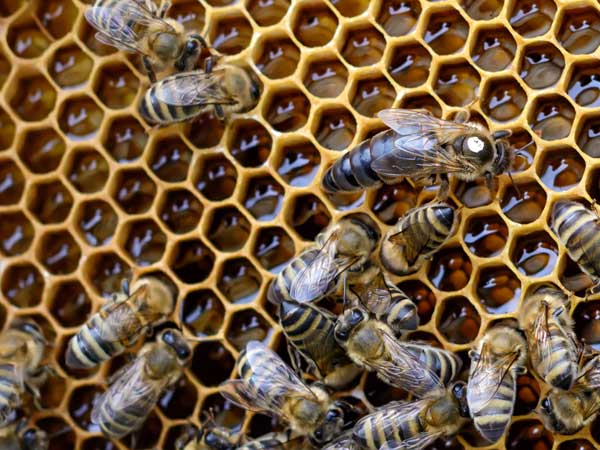
If I’m even a bit careless, a new queen  will emerge, leading to a swarm, which would be a serious setback. To prevent this, I need to remove potential queens before the worker bees can develop them. Each frame must be taken out, and queen cells are removed. Inside these cells are royal jelly and larvae destined to become  queens. I usually crush these cells, but when I have the time, I carefully remove them intact, take them home in a container, and use them for health purposes.

It’s incredibly fresh. It’s remarkable that eating this while working prevents fatigue. To keep bees out, I slightly open a part of  the cloth cover and, using the hive tool (an essential beekeeping tool), pop the removed queen cells into my mouth. A unique tartness and  milky flavor spread across my palate, which I enjoy and consume often. The difference is significant; after eating this, the drive home is noticeably easier. Fresh royal jelly seems to have an energizing effect—I never feel drowsy; instead, my mind feels sharp and alert.  This time, since my wife has a shoulder injury, I plan to give her some of the queen cells I brought back. It seems to relieve pain, suggesting it may also have analgesic properties.

Royal jelly is truly a mysterious substance. Young worker bees consume pollen and secrete royal jelly from their hypopharyngeal glands. When this  is fed to larvae, their ovaries develop abnormally, transforming them into queen bees capable of laying eggs equivalent to their body weight  each day. Additionally, their lifespan extends to 3-4 years, compared to just a few months for worker bees. There are virtually no other organisms  that undergo such drastic changes simply due to differences in diet. Scientifically, royal jelly remains a mystery; even after analysis, it consists of common compounds, and the specific ingredient that  induces the transformation into a queen bee is completely unknown. It’s said that anyone who discovers this mechanism would immediately  be awarded a Nobel Prize.


الهلام الملكي الطازج

مع الارتفاع الملحوظ في درجات الحرارة مؤخرًا، بدأت شتّى الأزهار بالتفتح، وازدادت حركة النحل نشاطًا واندفاعًا، حتى غدا المشهد حول الخلايا يعجّ بالدوران الحيوي كل يوم. ومع هذا الانتعاش الطبيعي، يتضاعف عمل مربّي النحل تلقائيًا، إذ تصبح عمليات التفقد الدورية للخلايا لمنع عملية التطريد ضرورة لا يمكن إهمالها، وهو ما أقوم به كل عشرة أيام دون انقطاع.

فأيّ تهاون بسيط قد يسمح بظهور ملكة جديدة، الأمر الذي يؤدي مباشرةً إلى تطريد السرب وخسارة كبيرة. ولتفادي ذلك، عليّ إزالة بيوت الملكات قبل أن يعتني بها النحل العامل ويطوّرها. أخرج الإطارات واحدًا تلو الآخر، وأزيل بيوت الملكات التي تحتوي بداخلها على يرقات تُغذّى بالهلام الملكي لتصبح ملكات مستقبلية.

عادةً ما أتلف هذه البيوت، لكن عندما يسمح الوقت، أحافظ عليها كما هي وأصطحبها معي إلى المنزل في وعاء خاص، لأستفيد منها صحيًا. والحق أنّ نضارتها مدهشة. فمن المثير للدهشة أنّ تناول الهلام الملكي أثناء العمل يبدّد التعب تمامًا. أفتح جزءًا بسيطًا من غطاء الخلية لمنع دخول النحل، ثم ألتقط بيوت الملكات بأداة النحل الخاصة، وأتناولها مباشرةً. تنتشر في الفم نكهة حمضية لطيفة تمتزج بقوام حليبي مميز، وهو طعم أفضّله وأتناوله باستمرار. والفرق واضح؛ فقيادة السيارة في طريق العودة تصبح أسهل بكثير، إذ أشعر بطاقة منتعشة وصفاء ذهني يمنع أي إحساس بالنعاس.

وبما أنّ زوجتي تعاني مؤخرًا من إصابة في كتفها، فقد أخذت بعض بيوت الملكات لها أيضًا. يبدو أنّها تخفف الألم، مما يرجّح امتلاكها خواصًا مسكّنة.

إنّ الهلام الملكي مادة تبهر كل من يتأمل خصائصها. فالنحلات العاملات اليافعات يتناولن حبوب اللقاح، ثم يفرزن الهلام الملكي من غدد خاصة في الرأس. وعندما يُقدّم هذا الغذاء لليرقات، تتطور مبايضها بشكل غير اعتيادي، لتتحول إلى ملكات قادرات على وضع كمية من البيض تعادل وزن أجسامهن يوميًا، وتعيش الملكة 3 إلى 4 سنوات، مقارنةً بعمر لا يتجاوز بضعة أشهر للنحل العامل.

لا يكاد يوجد في عالم الكائنات مثال آخر يُحدث فيه الغذاء وحده مثل هذا التحوّل الجذري. ورغم التحليل العلمي الدقيق، لا يزال الهلام الملكي لغزًا؛ إذ يتكون من مركّبات طبيعية شائعة، لكن المكوّن المسؤول عن تحويل اليرقة إلى ملكة لا يزال مجهولًا كليًا. ويقال إنّ من يكتشف هذه الآلية سيحصل لا محالة على جائزة نوبل.
The Arrival of Swarming Season Again - Part 2

The Arrival of Swarming Season Again – Part 2

Happy New Year! I hope this year will be another great one. Here in New Zealand, being near the International Date Line, is among the first countries in the world to welcome the New Year. I’ve heard  that there are tours specifically designed for foreign tourists to witness the first sunrise of the year. The sentiment of welcoming a new  year seems to be universal, transcending time and place. At the stroke of midnight, firecrackers burst all at once, and people gather with family  and friends to celebrate a prosperous New Year. I find the New Year in the Southern Hemisphere, opposite to Japan’s season, to have its own  unique charm, which I deeply enjoy.

(Continuing from the year-end blog) As I’ve mentioned in this blog before, honeybees ensure the survival of their species by raising  multiple new queens when necessary. Ultimately, only one strong queen is crowned to reign. The others are either killed by their  peers or defeated in battles between queens, with the victor becoming the new ruler (though on rare occasions, two queens may coexist  within a single colony).

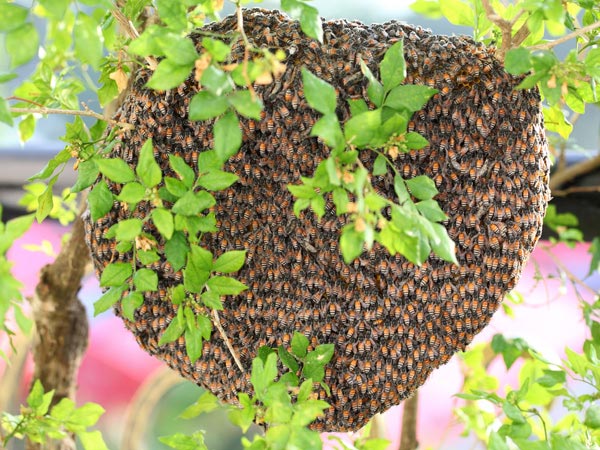
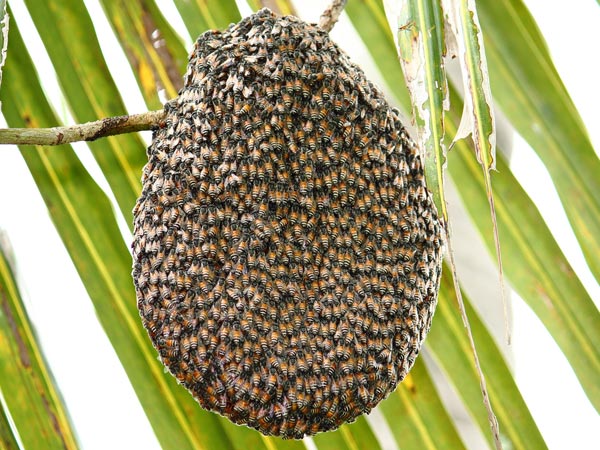
Just before this happens, the old queen departs, taking half of the colony with her in a phenomenon known as swarming. During swarming,  the bees inevitably settle on a nearby, relatively low tree, clustering around the queen to form a bee ball for about an hour before flying off to a new location. Yet, there is a remarkable degree of planning behind this action.
 Even at the stage of forming the bee ball,  scout bees have already scouted out and chosen a new location for the hive.

At my apiary, which operates within wild manuka forests for the purpose of harvesting manuka honey, capturing swarms on low trees is  relatively easy. Swarming typically occurs on calm, sunny days without wind. Interestingly, the queen bee is nothing more than an egg-laying machine created by the worker bees. Sovereignty truly rests  with the colony. The worker bees take the lead, and the hive operates as a highly organized society that seems far more advanced than human democracy.


عودة موسم التطريد مجددًا – الجزء الثاني

كل عام وأنتم بخير. أتمنى أن يكون هذا العام عامًا آخر حافلًا بالخير والنجاح. فهنا في نيوزيلندا، القريبة من خط التاريخ الدولي، نُعدّ من أوائل دول العالم استقبالًا للعام الجديد. وقد سمعتُ عن جولات سياحية خاصة تُنظم للأجانب لمشاهدة أول شروق للشمس في السنة. ويبدو أن الشعور بالترحيب ببداية عامٍ جديد هو شعورٌ إنساني عالمي، يتجاوز الزمان والمكان. فعند حلول منتصف الليل، تنفجر الألعاب النارية في وقت واحد، ويتجمع الناس مع عائلاتهم وأصدقائهم للاحتفال متمنّين عامًا مزدهرًا. أجد لاحتفالات العام الجديد في نصف الكرة الجنوبي — المعاكس تمامًا لمواسم اليابان — سحرًا خاصًا يبعث على البهجة.

(استكمالًا لمدونة نهاية العام) كما ذكرت سابقًا، يضمن نحل العسل بقاء نوعه من خلال تربية عدة ملكات جديدة عند الحاجة. وفي النهاية، لا تُتوَّج إلا ملكة واحدة قوية. أما الباقيات، فإما تُقضى عليهن من قِبل العاملات، أو يهلكن في معارك شرسة بين الملكات، لتتربع المنتصرة على العرش — رغم أن بقاء ملكتين في خلية واحدة قد يحدث نادرًا.

وقبيل هذه المرحلة، تغادر الملكة القديمة الخلية مصطحبةً معها نصف أفراد المستعمرة في ظاهرة تُعرف بـ التطريد. وخلال التطريد، تستقرّ النحل عادة على شجرة منخفضة قريبة، متجمعة حول الملكة في كتلة تُسمى “كرة النحل”، تبقى هكذا لنحو ساعة قبل الإقلاع نحو موطن جديد. إلّا أنّ ما يبدو عشوائيًا يخضع في الحقيقة لقدر كبير من التخطيط الدقيق. فحتى أثناء تكوّن كرة النحل، تكون شغالات الاستطلاع قد قامت بالفعل باستكشاف مواقع متعددة واختيار الأفضل منها للخلية الجديدة.

وباعتبار أن منحلنا يقع وسط غابات المانوكا الطبيعية — المخصصة لإنتاج عسل المانوكا — فإن التقاط أسراب التطريد على الأشجار المنخفضة مهمة سهلة نسبيًا. ويحدث التطريد غالبًا في أيام مشمسة هادئة بلا رياح.

والمُلفت أن الملكة ليست سوى آلة لوضع البيض صنعها النحل العامل. أما السلطة الحقيقية فهي بيد المستعمرة ذاتها. فالعاملات هنّ من يوجِّهن، ويعملن بتناغم في نظام اجتماعي بالغ التنظيم يبدو — بكل صدق — أكثر تطورًا من الكثير من نماذج الديمقراطية البشرية.

The Arrival of Swarming Season Again - Part 1

The Arrival of Swarming Season Again – Part 1

As the year draws to a close, I can’t help but feel how quickly time passes while writing this blog. Each day, we dedicate ourselves to producing  genuine, functional honey that can truly benefit our customers’ health. From the bottom of my heart, I wish you all a wonderful New Year.

Here in New Zealand’s North Island, the arrival of northerly winds and warm air masses from the South Pacific has brought sudden  summer-like weather. The bees, benefiting from an abundance of nectar sources, are now at their most active, with colony sizes nearing  their peak at an estimated 50,000 to 60,000 bees per hive. Inside the hives, overcrowding is becoming an issue, raising the risk of swarming.  If left unchecked, swarming could result in half the colony departing with their honey stores, which would be a significant loss for beekeepers.

To prevent this, large brood cells known as queen cells, which are used to raise new queens, must be removed as soon as they are found.  Additionally, extra hive boxes must be added to ensure there is enough space. Each hive box contains ten frames, and it is essential  to inspect each one carefully to check for the presence of queen cells.

Queen cells are several times larger than ordinary cells, making them relatively easy to find. However, with tens of thousands of  bees covering each frame, the task is far from simple. To inspect a frame, it must be gently removed and then shaken vigorously up and down to  dislodge the bees back into the hive. Once the bees have cleared, queen cells become visible. Swarming season often coincides with the nectar flow, a period of high bee activity, making this task all the more challenging due to the  huge number of bees present.

Each frame must be carefully inspected to ensure no queen cells are missed. Even a single overlooked queen  cell can lead to the emergence of a new queen within approximately two weeks. The worker bees feed the larva royal jelly, rapidly raising it to queen status. Queen cells are not limited to just one per colony; the bees often create multiple cells. This is likely to ensure the certainty of  a queen’s successful emergence. (To be continued)


عودة موسم التطريد مجددًا – الجزء الأول

مع اقتراب نهاية العام، يراودني شعورٌ عميق بمدى سرعة انقضاء الوقت كلما شرعت في كتابة هذه السطور. فنحن نكرّس أيامنا لإنتاج عسلٍ حقيقي بخصائص وظيفية عالية، قادر على الإسهام فعليًا في صحة عملائنا. ومن قلبي، أتمنى لكم عامًا جديدًا مليئًا بالخير والطمأنينة.

هنا في الجزيرة الشمالية من نيوزيلندا، أدّى اندفاع الرياح الشمالية وكتل الهواء الدافئة القادمة من جنوب المحيط الهادئ إلى ظهور طقس صيفي مفاجئ. وقد ازدهرت أسراب النحل بفضل وفرة مصادر الرحيق، وبلغ نشاطها ذروته، حيث يقترب عدد أفراد الخلية الواحدة من خمسين إلى ستين ألف نحلة. وداخل الخلايا، بدأت علامات الازدحام بالظهور، مما يرفع من احتمالية حدوث التطريد. وإذا وقع التطريد من دون تدخّل، فقد تغادر نصفُ المستعمرة حاملةً معها مخزون العسل — وهو خسارة كبيرة لأي مربّي نحل.

ولمنع ذلك، يجب إزالة بيوت الملكات — وهي خلايا كبيرة تُربّى فيها الملكات الجديدة — فور العثور عليها. كما ينبغي إضافة صناديق جديدة إلى الخلية لتوفير مساحة كافية. يحتوي كل صندوق على عشرة إطارات، ويجب فحص كل إطار بعناية للتأكد من خلوّه من بيوت الملكات.

تتميّز بيوت الملكات بحجمها الأكبر مقارنة بالخلايا العادية، مما يجعل التعرف عليها سهلًا نسبيًا. إلا أن عشرات الآلاف من النحل الذي يغطي كل إطار يجعل المهمة معقّدة. ولإجراء الفحص، يجب سحب الإطار برفق ثم هزّه بقوة صعودًا وهبوطًا لإسقاط النحل داخل الخلية. بعد أن تتنحّى النحل بعيدًا، تصبح بيوت الملكات واضحة للعين.

يأتي موسم التطريد غالبًا متزامنًا مع فترة جريان الرحيق، حين يكون النحل في أقصى درجات النشاط، مما يجعل المهمة أكثر صعوبة بسبب العدد الهائل للنحل. ولهذا السبب، ينبغي فحص كل إطار بدقة متناهية لضمان عدم إغفال أي بيت ملكي واحد. إذ إن بيتًا واحدًا قد يكفي لظهور ملكة جديدة خلال أسبوعين تقريبًا. فاليرقات، عندما تُغذّى بغذاء الملكات، تنمو بسرعة لتصبح ملكات. ولا تكتفي المستعمرة ببيت ملكي واحد، بل تنشئ عادة عدة بيوت، ضمانًا لنجاح عملية إنتاج ملكة جديدة.

(يتبع…)

The Honey Bees of the Original Hive

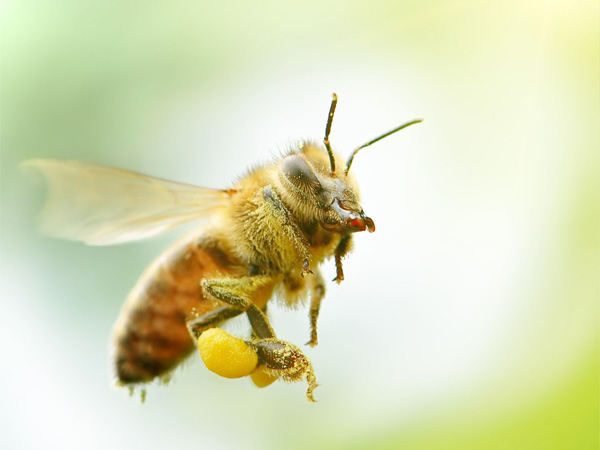
The recently swarmed colony that I housed in a hive has been on my mind, so I decided to check on it. I observed that worker bees were  already collecting pollen, filling their “pollen baskets”—the specialized structures on their hind legs—with granular pollen and returning to the  hive. I saw several bees entering through the hive entrance, confirming that they are actively functioning. Next, I inspected the original hive where the swarm had occurred. I found a large queen cell left on the frame, its cap neatly cut, indicating that  a new queen had emerged from it. Although I tried to locate the new queen, she was difficult to find. Not wanting to disturb the colony further,  I gently closed the hive and left it as is.

The swarming colony, which constitutes about half of the total population, takes half of the stored honey and fills its “honey stomach” before  leaving the hive, making the original hive appear rather empty. However, since it is the nectar flow season, the bees are continuously bringing  in nectar. The new queen will begin laying eggs after mating, so it probably won’t take long to recover and return to its original state. As I mentioned before, mating takes place around 20 to 30 meters above the ground, where male bees from various colonies gather and wait for the queen to arrive.

After the queen bee completes mating and returns to the hive, she focuses solely on egg-laying, producing around 2,000 eggs per day,  which is roughly equivalent to her own body weight. However, there is always a risk that she could be eaten by birds or meet an unfortunate  fate during mating, so she must return to the hive safely in order to be considered fully mature. Fortunately, she typically returns without incident,  so there is no cause for concern. In any case, this time of year is busy for the bees, as there is an abundance of nectar, and they are focused on  increasing the colony’s population.


نحل الخلية الأصلية

ظلّت المستعمرة الجديدة، التي آويتها في خلية بعد انقسام السرب مؤخرًا، تشغل ذهني، فقررت تفقدها. لاحظت أن العاملات قد بدأن بالفعل بجمع حبوب اللقاح، وملء “سلال اللقاح” — وهي البُنى المتخصصة على أرجلها الخلفية — بحبوب لقاح دقيقة وملونة، وهنّ يعدن بها إلى الخلية. رأيت العديد منهن يدخلن عبر مدخل الخلية، مما يؤكد أن النشاط يسير على نحوٍ طبيعي. بعد ذلك، تفقدت الخلية الأصلية التي حدث فيها الانقسام. وجدت خلية ملكة كبيرة على الإطار، وقد فُتح غطاؤها بعناية، مما يدل على أن ملكة جديدة قد خرجت منها. حاولت العثور على الملكة الجديدة، لكنها كانت صعبة التمييز. ولألا أزعج المستعمرة أكثر، أغلقت الخلية برفق وتركتها على حالها.

عند مغادرة السرب، الذي يُشكّل نحو نصف عدد النحل في المستعمرة، يحمل النحل معه نصف ما تم تخزينه من العسل في “معدة العسل” الخاصة به، فتبدو الخلية الأصلية شبه فارغة. لكن بما أن موسم تدفق الرحيق قد بدأ، فإن العاملات لا يتوقفن عن جلب الرحيق باستمرار. وما إن تتزاوج الملكة الجديدة، حتى تبدأ بوضع البيوض، لذا من المرجح أن الخلية ستتعافى بسرعة وتستعيد نشاطها السابق.

كما ذكرت سابقًا، تتم عملية التزاوج على ارتفاع يتراوح بين 20 و30 مترًا فوق الأرض، حيث يجتمع الذكور من مستعمرات مختلفة في الهواء منتظرين وصول الملكة. بعد أن تُكمل الملكة رحلتها وتعود إلى الخلية، تكرّس حياتها لوضع البيوض فقط — إذ تنتج نحو ألفي بيضة يوميًا، أي ما يعادل تقريبًا وزن جسدها. ومع ذلك، يبقى هناك خطر أن تلتهمها الطيور أو تتعرض لمكروه أثناء الطيران، لذا لا تُعتبر ملكة ناضجة تمامًا إلا بعد عودتها بسلام إلى الخلية. ولحسن الحظ، فإنها غالبًا ما تعود دون أي حادث، فلا داعي للقلق.

على أي حال، يُعتبر هذا الوقت من العام موسمًا مزدحمًا للنحل، حيث يفيض الرحيق في الطبيعة، ويتركز كل جهدهم على بناء القوة وزيادة عدد المستعمرة.

My Hunch Comes True!

A large high-pressure system has come from the Australian continent, and the weather has been stable lately. Until yesterday, strong spring  winds had been blowing, but today is particularly calm and warm. I had a feeling that something might happen on a day like this, and that intuition  turned out to be correct. Yes, the beekeeping phenomenon known as swarming occurred. A swarm of bees hung down in a large mass from the grapevine trellis near the hive, forming a tight cluster. If I didn’t act quickly, they might  escape, so I swiftly prepared an empty hive and fixed it directly beneath the cluster of bees. I then shook the branch where the bees were hanging  to dislodge them.  Since the queen is usually in the middle of the swarm, once she is inside, the rest will follow—and just like that, a new colony can be established.

As I have mentioned about swarming before, when the hive becomes full of stored honey and larvae, the bees begin preparing for a split.  To create a new queen, the bees construct queen cells, which are special brood cells where the queen will develop. They feed the larvae royal  jelly to ensure that the queen will grow. At this stage, the old queen, along with nearly half of the bees in the hive, will leave to form a new colony.  They often have the habit of temporarily settling on a nearby shrub or tree before leaving. By capturing this swarm and housing  it, you can successfully increase the number of colonies. Swarming colonies, in particular, tend to stay in the hive once captured and will usually grow the colony steadily. These swarms tend to establish  themselves as strong, independent colonies, as they work hard to become self-sufficient. 

It is possible to artificially create a queen bee to increase the number of colonies, but swarms that occur naturally tend to have much stronger  colony strength. However, if swarming happens too frequently, the entire colony can become weakened. Therefore, it is important not to neglect  regular hive inspections. When queen cells are found, they must be removed. Even with careful attention, situations like the one I encountered  today are common. Fortunately, I discovered the swarm early this time, so it was a lucky situation. Warm, windless spring days require special caution.

If the queen bee is not in the swarm that has fallen, the worker bees will not enter the hive. Instead, they will fly around and reassemble near  the queen bee, so the same process must be repeated to capture them. If this isn’t done quickly, the scout bees, which have already located  a new potential home, will lead the swarm away, so prompt action is crucial. Once the bees are safely housed in the hive, it’s a relief. From  there, as long as the hive is managed normally, there shouldn’t be any issues. During the swarming season, nectar sources are abundant, and  the colony will naturally build itself. The original hive will produce a new queen, and after mating, she will begin laying eggs, allowing the colony  to develop as a regular hive again.


تحقّق حدسي!

امتدّ مرتفعٌ جويّ كبير قادم من القارة الأسترالية، فاستقرّ الطقس في الأيام الأخيرة. وحتى يوم أمس، كانت رياح الربيع القوية تهبّ باستمرار، أمّا اليوم فكان هادئًا ودافئًا على نحوٍ لافت. كان لديّ شعور بأن شيئًا ما سيحدث في يوم كهذا، وقد صدق حدسي بالفعل. نعم، لقد وقع ذلك المشهد المعروف في عالم تربية النحل باسم التطريد.

تجمّع سربٌ من النحل في كتلة كبيرة متدلّية من تعريشة كرمة العنب القريبة من الخلية، مشكّلًا عنقودًا متماسكًا. لو لم أتحرّك بسرعة، لكان من الممكن أن يفرّ السرب. لذا سارعتُ إلى تجهيز خليةٍ فارغة وثبّتُها مباشرةً أسفل تجمع النحل، ثم هززتُ الغصن الذي كانوا معلّقين به لإسقاطهم. وبما أنّ الملكة تكون عادةً في قلب السرب، فما إن تدخل الخلية حتى يتبعها الباقون، وبهذا تتأسس مستعمرة جديدة بسلاسة.

كما ذكرتُ سابقًا، عندما تمتلئ الخلية بالعسل واليرقات، يبدأ النحل بالتحضير للانقسام. ولإنتاج ملكة جديدة، يبني النحل بيوتًا خاصة تُعرف ببيوت الملكات، حيث تُغذّى اليرقات بغذاء ملكات النحل لضمان نموّ الملكة. في هذه المرحلة، تغادر الملكة القديمة مع ما يقارب نصف أفراد المستعمرة لتشكيل مجتمع جديد. وغالبًا ما تستقر مؤقتًا على شجيرة أو شجرة قريبة قبل المغادرة. وإذا تم التقاط هذا السرب وإيواؤه، يمكن زيادة عدد المستعمرات بنجاح. تتميّز أسراب التطريد بأنها تميل إلى الاستقرار داخل الخلية بعد التقاطها، وتنمو بثبات، لتتحوّل إلى مستعمرات قوية ومستقلة تسعى بجدّ للاعتماد على نفسها.

صحيح أنّه يمكن زيادة عدد الخلايا اصطناعيًا عبر إنتاج ملكات، إلا أنّ الأسراب التي تتكوّن طبيعيًا غالبًا ما تمتلك قوة وحيوية أكبر. غير أنّ تكرار التطريد بشكل مفرط قد يُضعف المستعمرة بأكملها، لذا لا بدّ من الفحص الدوري للخلية. وعند العثور على بيوت ملكات، يجب إزالتها. ومع ذلك، حتى مع أقصى درجات العناية، فإن مواقف كهذه شائعة. ولحسن الحظ، اكتشفتُ السرب مبكرًا هذه المرة، فكان يومًا موفقًا. إنّ أيام الربيع الدافئة والخالية من الرياح تتطلّب حذرًا خاصًا.

إذا لم تكن الملكة ضمن السرب الذي سقط في الخلية، فلن يدخل النحل العامل إليها، بل سيظلّ يحوم ويعيد التجمّع بالقرب من الملكة، ما يستدعي تكرار العملية. وإن لم يتم ذلك بسرعة، فإن نحل الكشّافة، الذي يكون قد حدّد موقعًا جديدًا، سيقود السرب إلى الرحيل. لذلك، فإن السرعة عامل حاسم. وما إن يستقرّ النحل بأمان داخل الخلية، حتى يسود شعور بالاطمئنان. بعد ذلك، ومع إدارة طبيعية للخلية، لا ينبغي أن تظهر مشكلات. ففي موسم التطريد، تكون مصادر الرحيق وفيرة، وتبني المستعمرة نفسها تلقائيًا. أمّا الخلية الأصلية، فستنتج ملكة جديدة، وبعد تزاوجها تبدأ بوضع البيض، لتعود المستعمرة إلى نموّها الطبيعي من جديد.

An Unexpected Accident

During the nectar flow season, it is necessary to regularly inspect the hives to prevent swarming (colony division) and carefully check for the  production of new queen bees. Still, oversights are inevitable. Just yesterday, three swarms occurred all at once, resulting in a significant loss. It happened because of a moment of carelessness. Misfortunes never come singly.
While driving down the highway at around 120 km/h, I suddenly heard a strange noise coming from the rear,  accompanied by a metallic clattering sound. I assumed the truck’s rear wheel mudguard had come loose but continued driving nonetheless.

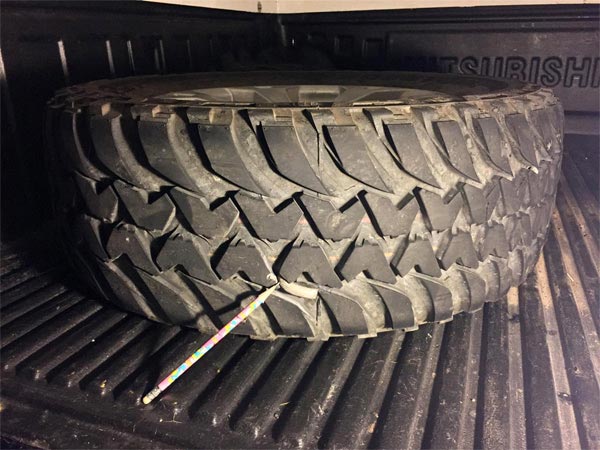
After a while, the rear of the vehicle, despite carrying only a light load, began swaying gently from side to side. I pulled into a gas station and parked  to inspect the issue, only to find a flat tire. A piece of chain, over 10 mm in diameter, was lodged in the rear tire. It was likely a broken piece of  chain used to secure the cargo of another truck, which the front tire lifted and then punctured the rear tire. I replaced the flat with the spare tire and continued on my way, but it was a holiday, meaning no repair shops were open. To make matters  worse, I was headed to the most distant apiary, so I could only pray that another puncture wouldn’t occur. Fortunately, I made it back home without further issues, but working under such conditions is truly exhausting and inefficient.  I was reminded that safety and security are fundamental to everything we do.


حادث غير متوقَّع

خلال موسم تدفّق الرحيق، يصبح من الضروري فحص خلايا النحل بانتظام، وذلك لمنع ظاهرة التطريد (انقسام المستعمرة) ومراقبة تكوّن ملكات جديدة بعناية. ومع ذلك، تبقى الهفوات أمرًا لا مفرّ منه. فبالأمس فقط، حدثت ثلاث حالات تطريد دفعةً واحدة، ما أسفر عن خسارة كبيرة. وكان السبب لحظة واحدة من قلة الانتباه. وكما يُقال، فإن المصائب لا تأتي فرادى.

وأثناء قيادتي على الطريق السريع بسرعة تقارب 120 كيلومترًا في الساعة، سمعت فجأة صوتًا غريبًا صادرًا من الخلف، مصحوبًا بارتطام معدني غير مألوف. ظننت في البداية أن واقي الطين للعجلة الخلفية قد ارتخى، فتابعت القيادة دون توقّف.

بعد فترة قصيرة، بدأت مؤخرة السيارة — رغم أنها لم تكن محمّلة إلا بحمولة خفيفة — تتمايل بهدوء يمينًا ويسارًا. عندها دخلت إلى محطة وقود وتوقّفت لتفقّد الأمر، لأكتشف أن الإطار الخلفي قد فرغ تمامًا من الهواء. كانت قطعة سلسلة معدنية يزيد قطرها على 10 مليمترات مغروسة في الإطار. وعلى الأرجح، كانت جزءًا مكسورًا من سلسلة تُستخدم لتثبيت حمولة شاحنة أخرى، التقطها الإطار الأمامي أولًا، ثم اخترقت الإطار الخلفي.

قمت بتبديل الإطار التالف بالإطار الاحتياطي، وتابعت طريقي. لكن لسوء الحظ، كان ذلك يوم عطلة، ولم تكن أي ورش إصلاح مفتوحة. والأسوأ من ذلك أنني كنت متجهًا إلى أبعد المناحل، فلم يكن أمامي سوى أن أرجو ألا يتكرر العطب مرة أخرى.

لحسن الحظ، وصلت إلى المنزل بسلام دون حادث إضافي. لكن العمل في مثل هذه الظروف مرهق للغاية، ويُفقد الكفاءة والتركيز. وقد ذكّرني هذا الموقف مرة أخرى بأن السلامة والأمان ليسا تفصيلًا ثانويًا، بل هما الأساس الذي يقوم عليه كل ما نقوم به.