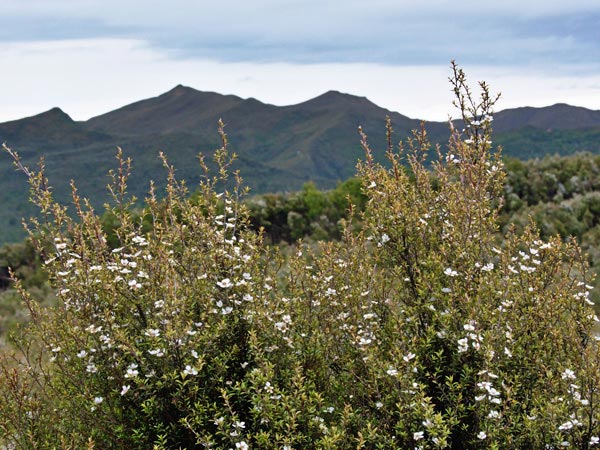
Manuka honey is made when worker bees collect nectar from the flowers of the Manuka tree and bring it back to the hive, where much of it becomes stored as winter honey. Perhaps due to the bees’ instinct, they continuously gather nectar until it is full, never satisfied with what they have. This behavior is likely driven by their survival instinct. In Japan, it is commonly stated online that “Manuka flowers bloom from spring to summer.” However, this is not consistent, as it varies greatly depending on the natural environment, the type of Manuka tree, and its age. While spring is typically the main blooming period, some trees bloom before spring even begins, making it quite unpredictable. Forecasting the bloom period is always challenging, and this makes planning difficult for beekeepers.
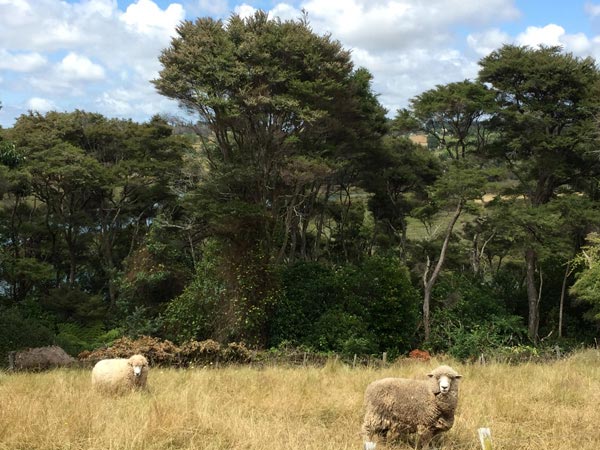
There is a tree called “Kanuka” that closely resembles the Manuka tree (the photo shows a Kanuka tree in my woodland). Both Manuka and Kanuka are terms from the Māori language, but they can be distinguished by a few characteristics. Kanuka tends to grow taller, and its leaves are not as stiff as those of Manuka. The flowering period of Kanuka is slightly later than that of Manuka. Unlike Manuka, Kanuka doesn’t have any distinct medicinal properties. The Māori people have historically utilized various parts of the Manuka tree, such as its seeds, bark, roots, and leaf stems, benefiting from its medicinal properties. However, Kanuka has not been noted for such uses. There were reports in the past suggesting that Kanuka honey might have some level of activity, but this is not certain.
يُنتَج عسل المانوكا عندما تجمع شغّالات النحل الرحيق من أزهار شجرة المانوكا وتعيده إلى الخلية، حيث يُخزَّن جزء كبير منه كغذاء شتوي. وربما بدافع الغريزة الفطرية، تواصل النحل جمع الرحيق بلا انقطاع حتى تمتلئ الخلايا، وكأن الاكتفاء ليس خيارًا لديها. ويُرجَّح أن هذا السلوك نابع من غريزة البقاء المتأصلة في هذه الكائنات الدقيقة.
في اليابان، يُتداول كثيرًا عبر الإنترنت أن «أزهار المانوكا تتفتح من الربيع إلى الصيف». غير أن هذا التوصيف يفتقر إلى الدقة، إذ يختلف موسم الإزهار بشكل كبير تبعًا للبيئة الطبيعية، ونوع شجرة المانوكا، وعمرها. صحيح أن الربيع يُعد عمومًا الفترة الرئيسية للإزهار، إلا أن بعض الأشجار تبدأ بالإزهار حتى قبل حلول الربيع، ما يجعل التنبؤ بهذه الفترة أمرًا بالغ الصعوبة. ولهذا السبب، يظل التخطيط المسبق تحديًا دائمًا لمربي النحل.
إلى جانب المانوكا، توجد شجرة تُعرف باسم كانوكا (Kanuka)، وهي شبيهة بها إلى حدٍّ كبير (وتُظهر الصورة شجرة كانوكا في أرضي الحرجية). كلا الاسمين—مانوكا وكانوكا—ينحدران من لغة الماوري، إلا أن التمييز بين الشجرتين ممكن من خلال بعض السمات الواضحة. فالكانوكا تميل إلى النمو بارتفاع أكبر، كما أن أوراقها أقل صلابة مقارنة بأوراق المانوكا. ويأتي موسم إزهار الكانوكا متأخرًا قليلًا عن موسم المانوكا.
وعلى عكس المانوكا، لا تُعرف الكانوكا بامتلاكها خصائص علاجية مميزة. فقد استخدم شعب الماوري تاريخيًا أجزاء متعددة من شجرة المانوكا—من البذور واللحاء إلى الجذور وسيقان الأوراق—استفادةً من خصائصها الطبية. أما الكانوكا، فلم تُسجَّل لها استخدامات مماثلة في هذا السياق.
وقد ظهرت في الماضي بعض التقارير التي أشارت إلى احتمال امتلاك عسل الكانوكا قدرًا من النشاط الحيوي، إلا أن هذه الادعاءات لم تُحسم بشكل علمي قاطع حتى اليوم.