Honey」カテゴリーアーカイブ

Matured Honey Made by Honey Bees

Matured Honey Made by Honey Bees

Lately, this blog has become quite argumentative. In reality, I don’t have the time to write such overly logical arguments. During this season, the bees are fully engaged in the production of fully matured honey, working hard to concentrate the nectar. They must quickly remove moisture from the nectar and bring the sugar content to over 80% to prevent fermentation. Yeast feeds on sugar, multiplying and causing fermentation, which means the bees cannot use fermented nectar as an energy source for winter. From each beehive, I can hear the buzzing of the bees creating a whirlwind.

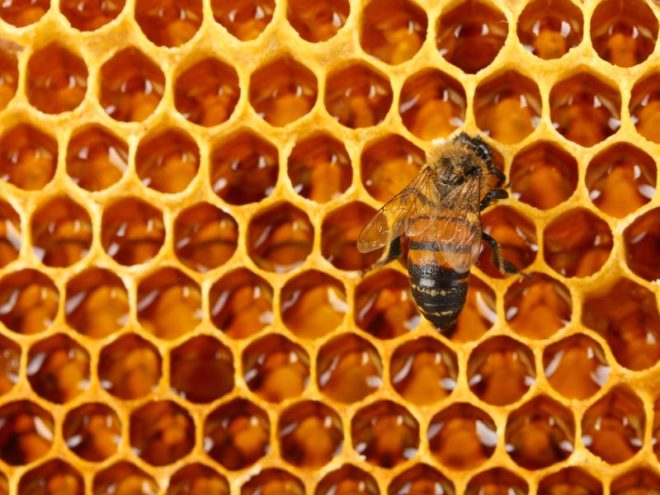
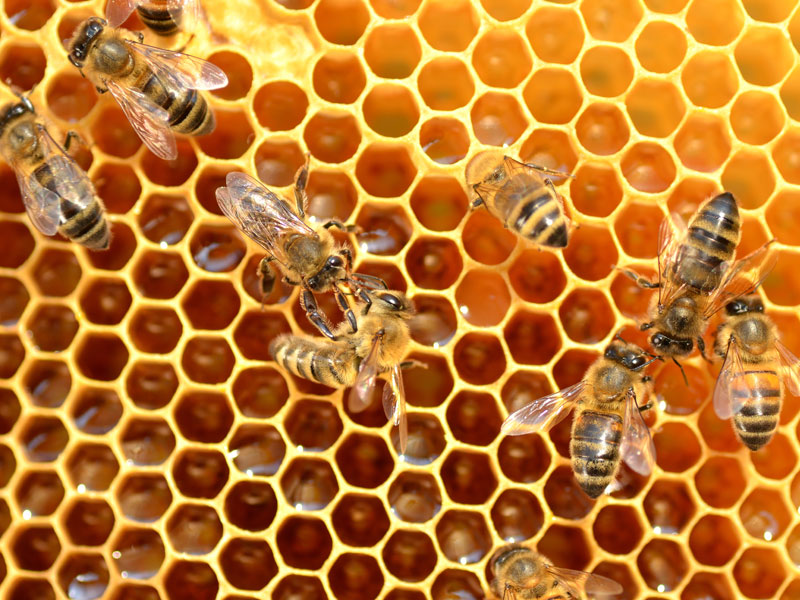
The bees change the angle of their wings and vibrate themvigorously to generate heat and airflow, desperately working to dehydrate the nectar. The high-concentration nectar produced in this way is sealed with a wax called a honey cap, secreted from the thymus, to block humidity, and is stored as winter food. Therefore, it is essential to support the hives to prevent moisture from entering. In this way, we beekeepers end up taking this precious honey for ourselves.

When thinking about this, it’s clear that human actions are the worst. However, there is a bit of beekeeping philosophy involved. We always  leave behind enough honey for the bees to survive the winter. Most beekeepers, however, extract and squeeze out almost all of the honey. Since the bees would die from this, they are given sugar  water (syrup) as a substitute to survive until the following spring. Even the cells that are far from producing fully matured honey and haven’t  been capped are squeezed out. This watery honey is heated and concentrated, which causes the essential enzymes that are beneficial to  humans to lose their activity. Since enzymes are proteins, they undergo irreversible denaturation when heated. In other words, while ice can  melt back into water, a boiled egg cannot return to being a raw egg.

Heat-processed honey is no longer the same as raw honey. To use a simple analogy, the nutritional difference is as significant  as that between tuna sashimi and canned tuna. Products like these, mass-produced under the name of Manuka honey, are now sold not  only through online shopping but also in department stores and supermarkets. Compared to my products, they are truly “similar yet fundamentally different.” Moreover, taking honey meant for the bees’ winter survival (essentially stealing it) and replacing it with syrup is far from a wise practice.  Thinking of the bees’ health, this is something that should never be done. Needless to say, the health of the customers who use our products  originates from the health of the bees.


🐝 العسل الناضج الذي تصنعه النحلات

في الآونة الأخيرة، أصبح هذا المدوّنة نوعًا من الجدل. في الواقع، ليس لدي الوقت لكتابة نقاشات منطقية مطوّلة بهذا القدر. في هذا الموسم، تنكب النّحل بلا كلل على إنتاج العسل الناضج بالكامل، وتعمل بجدّ لتركيز الرحيق. فتحتاج بسرعة إلى إزالة الرطوبة من الرحيق وجلب نسبة السكر إلى أكثر من 80% لتجنّب التخمّر. فالخميرة تتغذى على السكر، وتتكاثر محدثة التخمّر، ما يجعل النحل غير قادر على استخدام الرحيق المُخمّر كمصدر للطاقة في الشتاء. ومن كل خلية، أسمع زقزقة النحل وهي تُحدث زوبعة صغيرة داخل الإطار.

تُغيّـر النحلات زاوية أجنحتهنّ ويهزنها بحيويّة لإنتاج الحرارة وتدفق الهواء، ويعملن بشدّة لإزالة الرطوبة من الرحيق. الرحيق المكثّف الناتج يُغَلَّف بشمعٍ يُعرف بـ “غطاء العسل” (honey cap)، يتم إفرازه من الغدّة وتُوضع طبقة لمنع الرطوبة، ويُخزن كغذاء لشتاء الخلية. لذا، من الضروري دعم الخلايا لمنع دخول الرطوبة. بهذه الطريقة، ينتهي بنا الأمر نحن مربي النحل أن نأخذ هذا العسل الثمين لأنفسنا.

وعند التفكير في هذا، يتوضّح أن فعل الإنسان قد يكون الأسوأ. لكن، هنا تدخل فلسفة تربية النحل. فـنحن دائمًا نترك قدرًا كافياً من العسل ليستمرّ النحل في الشتاء. ومع ذلك، فإن معظم مربي النحل يستخرجون ويعصرون تقريبًا كل العسل. وبما أن النحل سيموت من ذلك، يُعطى “شراب سكري” (syrup) بديلًا ليبقى حيًا حتى الربيع التالي. بل حتى خلايا لم تصل بعد إلى إنتاج العسل الناضج ولم تُغطّ بعد تُعصر. وهذا العسل المائي يُسخّن ويُركز، ما يسبّب فقدان الإنزيمات الأساسية التي تفيد الإنسان. فالإنزيمات هي بروتينات، وتخضع لتغيّر بنيوي لا رجعة فيه عند تسخينها. بعبارة أخرى، بينما يمكن أن يذوب الثلج ليعود ماء، لا يمكن للبيضة المسلوقة أن تعود إلى بيضة نيئة.

العسل المعالج بالحرارة ليس بعده نفس العسل الخام. لتبسيط الأمر، فرق التغذية فيه كبير مثل فرق “ساشيمي التونا” مقابل “تونا معبّأ في علبة”. المنتجات التي تُنتج بكميات ضخمة تحت اسم عسل المانوكا تُباع الآن ليس فقط عبر التسوق الإلكتروني، بل أيضاً في المتاجر الكبرى والسوبرماركت. مقارنةً بمنتجاتي، فهي حقًا “مشابهة لكن مختلفة جوهريًا”. وعلاوة على ذلك، أن تأخذ عسلًا مخصصًا لبقاء النحل في الشتاء (أي سرقة في الواقع) وتبدله بشراب سكري هو بعيد كل البعد عن ممارسة الحكمة. ولأجل صحة النحل، لا ينبغي أن يُفعل ذلك قط. ومن البديهي أن صحة العملاء الذين يستخدمون منتجاتنا تنبع من صحة النحل.
Sugar Content and Fermentation of Honey

Sugar Content and Fermentation of Honey

Last time, we discussed fermented foods and related topics. Honey with a sugar content of 80% remains unchanged almost indefinitely,  but if even a small amount of moisture is added, it begins to ferment due to microorganisms. The reason bees store honey is that it is essential  for their survival as food during the winter months when nectar is no longer available. In the absence of nectar during winter, honeybees rely on their stored honey as an energy source. However, if the sugar concentration in  the stored honey is too low, it can ferment as mentioned earlier.

Yeast and other microorganisms feed on the honey, causing fermentation,  which depletes the honey’s sugar content and renders it unusable as food for the bees. When honey is freshly harvested, it contains high moisture content, making it unsuitable for long-term storage. To preserve it, bees use their  body heat and fanning wings to reduce the moisture content, increasing the sugar concentration to over 80%. Once this level is reached,  they seal the honey with a wax cap secreted from their thoracic glands. Bees instinctively know that at this sugar concentration, the honey  can be stored without spoilage. There’s even a story that honey discovered in a temple from ancient Roman times was found to be almost unchanged, which speaks to  honey’s remarkable preservative properties.

The nectar collected by bees during the honey flow season is enzymatically processed by worker bees inside the hive. Enzymes secreted from  their salivary glands break down disaccharides into glucose and fructose, resulting in monosaccharides. Monosaccharides can be absorbed  directly by the body, whereas disaccharides must first be broken down into monosaccharides before absorption. This process requires a  significant amount of calcium, energy, and vitamin B1. According to one theory, the amount of calcium required to break down a single sugar cube used in coffee is equivalent to the calcium  found in more than 10 bottles of milk.

Sugar takes time to break down, and once it is, it can be absorbed without limit. In contrast, honey is rapidly absorbed initially, but once a certain  amount is taken into the bloodstream, further absorption stops. This is why glucose drips are commonly administered in hospitals  directly into the bloodstream—since glucose is a monosaccharide, it can be immediately used as energy, unlike sugar, which tends to accumulate in the body. As a result, honey is beneficial for quick recovery from fatigue, as it provides a rapid energy boost without the same risk of overaccumulation as sugar.

We frequently receive inquiries about diabetes from our customers. While honey does contain sugars and can have an impact, it is not the same  as regular sugar. Under a doctor’s guidance, even diabetic patients may be able to use honey. In New Zealand, honey is also commonly used  as a sugar substitute in women’s diets, contributing to healthier alternatives for managing weight.


🍯 محتوى السكر وتخمّر العسل عندما يصبح العلم حكمة الطبيعة

لقد تحدثنا في المرة السابقة عن الأطعمة المخمّرة وما يرتبط بها. يُعد العسل الذي يحتوي على نسبة سكر تبلغ ٨٠٪ مادةً مستقرة لا تتغير تقريبًا مع مرور الزمن، لكن إضافة قدرٍ ضئيلٍ من الرطوبة كافٍ لبدء عملية التخمّر بفعل الكائنات الدقيقة.

النحل يدّخر هذا العسل لأنه مصدر الحياة في فصل الشتاء، حين تختفي الأزهار ويتوقف الرحيق عن الجريان. ففي تلك الفترة القاسية، يعتمد النحل على ما خزّنه من عسل كمصدرٍ للطاقة، لكن إذا كانت نسبة السكر منخفضة، يبدأ العسل بالتخمّر، فتستهلك الخمائر محتواه من السكر، فيفقد قيمته كمصدرٍ غذائي ويصبح غير صالحٍ للبقاء.

عند جني العسل حديثًا، يكون محتواه من الرطوبة مرتفعًا، مما يجعله غير مناسبٍ للتخزين الطويل. ولذلك يعمل النحل بذكاءٍ مدهش على تقليل هذه الرطوبة باستخدام حرارة أجسادهم وحركة أجنحتهم المستمرة، حتى ترتفع نسبة السكر إلى أكثر من ٨٠٪. وعند بلوغ هذه المرحلة، يُغلق النحل العسل بطبقةٍ من الشمع تفرزها غدده الصدرية، وكأنه يختم كنزًا خالدًا.

وقد رُوي أن عسلًا اكتُشف في أحد المعابد الرومانية القديمة بقي على حاله تقريبًا بعد آلاف السنين، وهو دليلٌ ساطع على القوة الحافظة التي أودعتها الطبيعة في هذا الإكسير الذهبي. في موسم التدفق، يقوم النحل العامل داخل الخلية بمعالجة الرحيق إنزيميًا؛ فتقوم الإنزيمات المفرزة من غددها اللعابية بتفكيك السكريات الثنائية إلى الجلوكوز والفركتوز، وهما سكريان أحاديان يسهل امتصاصهما مباشرة في الجسم. بينما يتطلب امتصاص السكريات الثنائية طاقةً وكالسيوم وفيتامين B1 لتفكيكها أولًا، حتى قيل إن تفكيك مكعب سكرٍ واحد يحتاج إلى كمية كالسيوم تعادل ما في عشرة زجاجات من الحليب!

إن امتصاص السكر يستغرق وقتًا طويلًا ويستمر دون حدود، بينما يُمتص العسل بسرعةٍ مذهلة، ثم يتوقف الامتصاص عند حدٍّ آمنٍ طبيعي. ولهذا السبب يُستخدم الجلوكوز في المستشفيات كحقنٍ مباشرٍ للطاقة، فهو سكرٌ أحادي يمكن للجسم استهلاكه فورًا، في حين أن السكر العادي يتراكم بسهولة داخل الخلايا.

لهذا، يُعتبر العسل مصدرًا مثاليًا للطاقة الفورية والتعافي من الإجهاد، دون المخاطر التي ترافق تراكم السكريات الصناعية. كثيرًا ما نتلقى استفساراتٍ من عملائنا حول مرض السكري. ورغم أن العسل يحتوي على سكريات، إلا أنه يختلف جوهريًا عن السكر الأبيض. وبتوجيهٍ من الأطباء، يمكن حتى لمرضى السكري استخدامه باعتدال. وفي نيوزيلندا، تعتمد العديد من النساء على العسل كبديلٍ طبيعيٍ للسكر في نظامٍ غذائي صحي يوازن بين الجمال والعافية.

How to Make Shuto (Fermented Fish Sauce)

Continuing from previous blog, I ordered bonito directly via online shopping and requested that the internal organs remain untouched. Typically,  large fish arrive with the innards removed, likely to better preserve freshness. When I opened the fish’s belly, the clean, plump organs  came out intact—a clear sign of freshness. There are various ways to prepare shutō (fermented fish sauce), but I have two methods of my own. First, it’s crucial  to remove the gallbladder, which contains bitter components, while the fish is still fresh. If forgotten, removing it after fermentation becomes quite challenging.

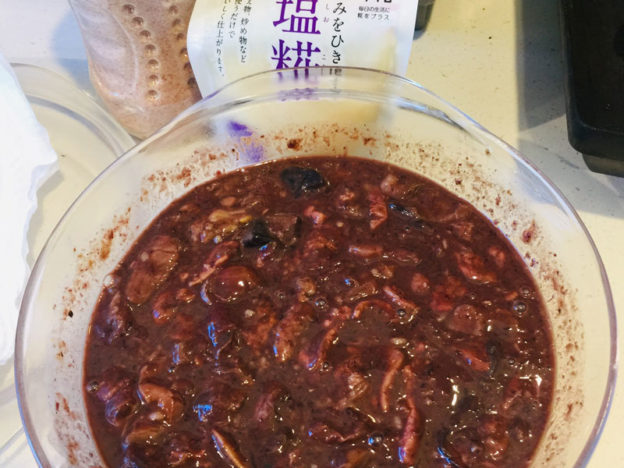
Then, the innards are either sprinkled with rock salt and left to ferment for two weeks as is, or alternatively, they are removed immediately,  the digestive tract contents are cleaned out, cut into appropriate sizes, and mixed with rock salt, sake, and mirin for direct pickling. Personally, I find it tastier to first lightly pickle the innards for two weeks in their natural state and then proceed to the main pickling stage  after fermentation. This process seems to enhance the depth of flavor. In essence, the method involves removing the innards, discarding the  gallbladder, and pickling them with just salt. After two weeks in the refrigerator, the contents of the digestive tract are removed, and the innards are prepared for the main pickling stage.  The fermentation speed can be adjusted depending on the amount of rock salt used. I prefer using a slightly higher salt concentration to allow  for a slower and more thorough aging process.

The advantage of pre-pickling is that the innards are pickled as they are, without washing them in water after being removed from the belly.  By fermenting all the contents of the digestive tract and the blood together, it creates an exceptionally deep and rich flavor. In fact, depending  on the contents of the intestinal tract, it’s often better not to remove them. For instance, when the fish has eaten a large amount of krill, allowing  it to ferment as is produces a more delicious result. After fermentation, the innards are cut into appropriate sizes, and as previously mentioned, sake and mirin are added for further fermentation  over an additional week. Katsuo (bonito) is a fish with a high blood content, and this blood, when fermented, transforms into a rich fish sauce,  adding even more depth to the flavor. When making shutō, the balance of salt is crucial. I prefer to use rock salt, as refined  salt tends to be overly salty without any sweetness or mellowness. Once the shutō is prepared, I portion it out for eating, making  sure to stir it thoroughly each time to incorporate air.

This method allows the shutō to remain delicious for up to a month after it’s made. As the fermentation progresses, the initial saltiness  gradually fades. Additionally, dissolving sake lees in Japanese sake or using shio-koji during the fermentation process enhances the aroma and  gives the final product a milder. Manuka honey also develops higher activity levels and a smoother flavor when it is allowed to ripen further in the hive after reaching full maturity.  While this process is unrelated to fermentation of shutō, raw honey gains depth and richness over time. It has a unique quality that sets it apart from heat-treated and mass-produced products.


ريقة إعداد الشوتو (صلصة أحشاء السمك المخمّرة) — برؤية حرفية راقية

استكمالًا للمقال السابق، قمت بطلب سمك الكاتسو (البونيتو) مباشرة عبر الشراء الإلكتروني، مع طلب خاص بعدم إزالة الأحشاء. عادةً ما تصل الأسماك الكبيرة بعد تنظيفها من الداخل حفاظًا على الطزاجة، لكن عند فتح بطن السمكة هذه المرة، ظهرت الأحشاء كاملة، نظيفة وممتلئة، في دليل واضح على جودة استثنائية وحداثة الصيد.

توجد طرق متعددة لتحضير الشوتو، لكن لدي طريقتان خاصتان. الخطوة الأهم هي إزالة المرارة فورًا بينما تكون السمكة طازجة، إذ تحتوي على مركبات شديدة المرارة، وإهمال هذه الخطوة يجعل إزالتها بعد التخمير شبه مستحيلة.

بعد ذلك، تُتبع إحدى طريقتين: إما رشّ الأحشاء بالملح الصخري وتركها لتتخمّر كما هي لمدة أسبوعين، أو إزالة الأحشاء مباشرة، تنظيف محتويات القناة الهضمية، تقطيعها إلى أحجام مناسبة، ثم تخليلها فورًا بالملح الصخري مع الساكي والميرين.

شخصيًا، أفضّل الطريقة الأولى، أي التخليل الخفيف لمدة أسبوعين دون تنظيف، ثم الانتقال إلى مرحلة التخليل الأساسية. هذه الخطوة المسبقة تضيف عمقًا وتعقيدًا أكبر للنكهة. باختصار، يتم استخراج الأحشاء، إزالة المرارة فقط، ثم تخليلها بالملح وحده. بعد أسبوعين في الثلاجة، تُزال محتويات الجهاز الهضمي، وتبدأ مرحلة التخمير الرئيسية.

يمكن التحكم في سرعة التخمير حسب كمية الملح المستخدم، وأنا أميل إلى استخدام تركيز أعلى قليلًا لإطالة فترة التعتيق ومنح النكهة نضجًا أعمق. ميزة هذه الطريقة أن الأحشاء لا تُغسل بالماء بعد إخراجها، بل تُخمّر مع الدم ومحتويات الجهاز الهضمي، ما ينتج طعمًا غنيًا وكثيفًا للغاية. في بعض الحالات، يكون من الأفضل عدم إزالة هذه المحتويات، خاصة إذا كانت السمكة قد تغذّت على كميات كبيرة من الكريل، إذ يضفي ذلك مذاقًا أكثر تميّزًا.

بعد انتهاء التخمير الأولي، تُقطّع الأحشاء وتُضاف كمية من الساكي والميرين، ثم تُترك لتتخمّر مجددًا لمدة أسبوع إضافي. سمك الكاتسو غني بالدم، وهذا الدم عند تخميره يتحوّل إلى صلصة بحرية عميقة الطابع، تعزّز من تعقيد النكهة.

التوازن الدقيق للملح عنصر حاسم في نجاح الشوتو. أفضل استخدام الملح الصخري، لأن الملح المكرر يعطي ملوحة حادة تفتقر إلى الاستدارة والنعومة. بعد اكتمال التحضير، يُقسّم الشوتو إلى حصص صغيرة، مع الحرص على تقليبه جيدًا في كل مرة لإدخال الهواء وتحسين النكهة.

بهذه الطريقة، يبقى الشوتو في ذروة مذاقه لمدة تصل إلى شهر، ومع تقدّم التخمير تخف حدّة الملوحة تدريجيًا. كما أن إضافة تفل الساكي المذاب في الساكي، أو استخدام الشيو-كوجي أثناء التخمير، يمنح العطر نعومة ورقيًا إضافيًا.

وعلى نحو موازٍ، فإن عسل المانوكا، رغم أنه لا يخضع للتخمير، يزداد نشاطًا وعمقًا عندما يُترك لينضج تمامًا داخل الخلية. العسل الخام، بمرور الوقت، يكتسب ثراءً ونكهة متعدّدة الطبقات، وهي خصائص لا يمكن مقارنتها بالمنتجات المعالجة حراريًا أو المنتجة على نطاق واسع. إنها قيمة الأصالة، والصبر، والاحترام العميق للطبيعة — وهي فلسفة واحدة، سواء في المطبخ أو في الخلية.

The Importance of Providing Stored Honey

The Importance of Providing Stored Honey

It seems the summer dearth is approaching, with increasingly frequent sunny and dry days. If this continues, the dryness will intensify, causing  cracks in the ground. Flowers within the apiary are rapidly diminishing, making it difficult for the bees to collect nectar and pollen for food.  Within a specific period of this dry season, frames with fully matured honey-filled cells are removed from the hives to harvest the Manuka honey. However, since  removing these frames leaves the hive without food, we replace them with frames containing polyfloral honey, harvested outside the  Manuka season, labeled and stored by hive. True to their nature, bees will collect and store nectar as long as there are flowers available,  though they only need about four frames’ worth of food to get through the winter.

In this respect, beekeeping in the warm, snow-free climate of northern North Island is truly beneficial. This allows bees to have their own  stored honey in the hive even when nectar is scarce in the environment, enabling them to live peacefully without stress. Many beekeepers  extract and sell all the honey, then supplement the bees’ diet with sugar syrup, but I choose not to do this. Feeding sugar syrup puts  unnecessary strain on the bees, leading to quicker fatigue. From my experience, colonies that rely on their own stored honey in the  winter are much stronger come spring compared to those fed with syrup. Another crucial point, as I’ve mentioned before, is to use only  honey from the same hive for feeding, never from other colonies, as this is essential for preventing the spread of disease.

In Japan, it’s surprising to see that beekeeping supply stores commonly sell empty comb frames called karasuhai—(empty combs without  stored honey, pollen, pupae, larvae, or eggs). This is likely because Japan allows the use of antibiotics and antibacterial agents to treat  and prevent bee infections. In New Zealand, however, the Ministry for Primary Industries (formerly the Ministry of Agriculture) regulates  against this kind of sale, as it could foster the spread of bee diseases. If any infectious disease is detected, both the hive and the bees  must be incinerated, and there’s a legal requirement to report these details to the Ministry. After the honey flow season ends, beekeepers  begin to harvest while also preparing for the next spring, ensuring the bees stay healthy and active through the winter. Supporting bee health  year-round is a central role of the beekeeper.


🍯 أهمية توفير العسل المخزَّن للنحل حين تتجلى الرحمة حتى في أصغر تفاصيل الطبيعة

يبدو أنّ موسم الجفاف الصيفي قد بدأ يقترب، فالأيام المشمسة والجافة تتزايد، وإذا استمر الحال على هذا النحو، ستزداد الأرض تشققًا وتقلّ الأزهار شيئًا فشيئًا داخل المِنحل، حتى يجد النحل صعوبة في جمع الرحيق وحبوب اللقاح اللازمة لغذائه.

في فترة محددة من هذا الموسم الجاف، يتم استخراج الإطارات الممتلئة بالعسل الناضج بالكامل لجني عسل المانوكا. لكن لأن إزالة هذه الإطارات تعني حرمان الخلية من طعامها، نضع بدلًا منها إطاراتٍ تحتوي على عسلٍ متعدد الأزهار، جُمع قبل موسم المانوكا وخُزِّن بعناية لكل خلية على حدة.

بطبيعتها، لا تتوقف النحل عن جمع الرحيق ما دامت الزهور متوفرة، لكنها تحتاج فقط إلى ما يعادل أربعة إطاراتٍ من العسل لتجاوز فصل الشتاء بسلام. وفي هذا السياق، تُعدّ تربية النحل في مناخ الجزء الشمالي الدافئ من الجزيرة الشمالية لنيوزيلندا نعمةً حقيقية، إذ يمنح النحل فرصة للاحتفاظ بعسله الخاص داخل الخلية حتى في أوقات شحّ الرحيق، ليعيش في طمأنينةٍ بعيدًا عن التوتر والإجهاد.

كثيرٌ من مربي النحل يستخرجون كل العسل لبيعه، ثم يطعمون النحل محلول السكر الصناعي، أما أنا فلا أفعل ذلك. فمثل هذا الغذاء يرهق النحل ويُضعف مناعته مع مرور الوقت. ومن خلال خبرتي، أدركت أن المستعمرات التي تتغذى على عسلها الطبيعي المخزَّن تخرج من الشتاء أكثر قوةً ونشاطًا من تلك التي اعتادت على الشراب السكري.

وهناك أمرٌ آخر لا يقلّ أهمية: حين نحتاج لإعادة تغذية الخلية، لا نستخدم إلا عسلها الخاص، وليس من خلايا أخرى، حتى لا تنتقل الأمراض بين المستعمرات.

في اليابان، يثير دهشتي أن متاجر مستلزمات تربية النحل تبيع ما يُعرف باسم كاراسوهاي — إطارات فارغة لا تحتوي على عسلٍ أو حبوب لقاح أو يرقاتٍ أو بيض. وربما يعود ذلك إلى سماح القوانين هناك باستخدام المضادات الحيوية لعلاج الأمراض التي تصيب النحل. أما في نيوزيلندا، فتفرض وزارة الصناعات الأولية (التي كانت تُعرف سابقًا بوزارة الزراعة) قيودًا صارمة تمنع بيع مثل هذه الإطارات، لأنها قد تساهم في انتشار العدوى بين خلايا النحل.

وإذا اكتُشفت أي إصابةٍ معدية، فإن القانون يلزم المربي بحرق الخلية والنحل معًا وإبلاغ الوزارة بالتفاصيل فورًا. وعقب انتهاء موسم الأزهار، يبدأ مربو النحل بجني العسل وفي الوقت نفسه بالتحضير للربيع القادم، حرصًا على أن تبقى خلاياهم قويةً وصحية طوال الشتاء.

إنّ دعم صحة النحل على مدار العام هو جوهر رسالة مربي النحل الحقيقي — رسالةٌ تقوم على الرحمة، والانضباط، والإخلاص للطبيعة.
The Pohutukawa Tree

The Pohutukawa Tree

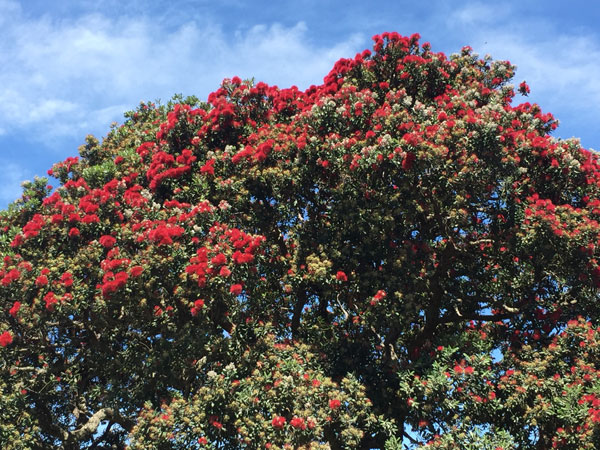
The tree shown in the image is called Pohutukawa, a name derived from the Maori language. As Christmas approaches, it bursts into bloom with  vibrant red flowers. Because of this, the British settlers gave it the name “Christmas Tree.” The flower’s shape resembles a larger version of a thistle bloom. These trees are commonly found along coastal areas and can grow into  magnificent giants. Their branches spread out horizontally from the base, and their height is impressive.

I often think how grand it would be to  have one of these trees in a home garden. During the nectar flow season, bees swarm around these flowers, creating a lively buzz. At the base of the petals, especially in the morning,  there is an abundance of clear nectar that tastes subtly sweet with a pleasant aroma when tasted. Honey made from Pohutukawa nectar  crystallizes into a pure white form, with a refined sweetness and a rich fragrance. Compared to honey from clover or other sources, it  offers not just sweetness but a flavor that remains enjoyable and never gets tired of eating.

Since Pohutukawa trees thrive along the coastline, they are constantly exposed to sea breezes, which imparts a slight saltiness to the  nectar—a distinctive characteristic of this honey. Placing beehives under these trees results in honey with exceptional purity. As my home is  close to the coast, our bees often collect nectar from these trees as well. I recall my wife once buying “salt candy” from a local Japanese grocery store. It had a unique sweetness that stood out.

When I was a child, my  mother used to celebrate my birthdays by making oshiruko (sweet red bean soup) or amazake (sweet sake) and would always add a pinch of  salt at the end, saying it enhanced the sweetness. Being a child, I was puzzled by the relationship between salt and sweetness. Pohutukawa  honey shares this characteristic—its taste is refined and absolutely delicious. My mother is now 101 years old, living each day with remarkable vitality, which I attribute to the benefits of bee products. While  Pohutukawa honey doesn’t possess the notable functional properties of Manuka honey, it is undeniably one of the most flavorful honeys I’ve ever tasted.


الشجرة الظاهرة في الصورة تُسمّى بوهوتوكاوَا، وهي تسمية تعود إلى لغة الماوري. ومع اقتراب موسم عيد الميلاد، تتزيّن الشجرة بأزهار حمراء متألّقة، مما دفع المستوطنين البريطانيين قديمًا لإطلاق اسم “شجرة عيد الميلاد” عليها. وتشبه أزهارها في شكلها زهور الشوك، ولكن بحجم أكبر وأكثر جمالًا. تنتشر هذه الأشجار على السواحل، وتنمو لتصبح عملاقة في هيئتها؛ ففروعها تمتد أفقيًا من قاعدة الجذع، ويرتفع تاجها بشكل يلفت الأنظار.

وكثيرًا ما أتخيّل كم سيكون مدهشًا أن تتزيّن بها حدائق المنازل؛ إذ تتحول الشجرة في موسم تدفّق الرحيق إلى مركز يفيض بالحياة، حيث تحوم النحل حول أزهارها بإيقاعٍ حيّ نابض. وعند قاعدة البتلات، وخصوصًا في ساعات الصباح الأولى، يتجمع رحيق صافٍ بنكهة لطيفة وحلاوة خفيفة وعطر تعبق به الحواس. أما العسل المستخرج من رحيق بوهوتوكاوَا، فيتبلور إلى لون أبيض نقي، بطعم راقٍ وعطرٍ غني، وهو عسل يتجاوز في تميّزه عسل البرسيم وغيره؛ إذ لا يقتصر على الحلاوة المجردة، بل يحمل نكهة تبقى ممتعة ولا يُملّ منها.

وبسبب نمو هذه الأشجار على السواحل، تتعرّض باستمرار لنسيم البحر، مما يضفي على رحيقها لمسةً لطيفة من الملوحة—وهي سمة خاصة تُميّز هذا النوع من العسل. وعند وضع خلايا النحل تحتها، نحصل على عسلٍ بالغ النقاء. وبسبب قرب منزلي من الساحل، كثيرًا ما يتغذّى نحلنا على رحيق هذه الشجرة كذلك.

أتذكّر أن زوجتي اشترت ذات مرة “حلوى مالحة” من متجر ياباني محلي، وكانت تحمل حلاوة فريدة لا تُنسى. وعندما كنت طفلًا، كانت والدتي—التي كانت تحتفل بعيد ميلادي بصنع الأوشيروكو أو الأمازاكي—تضيف دومًا رشّة صغيرة من الملح في النهاية، مؤكدة أن ذلك يزيد الحلاوة. وكنتُ أستغرب حينها العلاقة بين الملح والحلاوة. عسل البوهوتوكاوَا يشترك في هذه الخاصية؛ فطعمه راقٍ ولذيذ بشكل استثنائي.

واليوم تبلغ والدتي 101 عام، وما زالت تتمتع بنشاط مدهش، وأعزو ذلك إلى فضل منتجات النحل. ورغم أن عسل البوهوتوكاوَا لا يملك الخصائص الوظيفية البارزة التي يمتاز بها عسل المانوكا، إلا أنه—وبلا شك—واحد من أرقى وأشهى أنواع العسل التي تذوّقتها في حياتي.

Our Strong Manuka Honey

Our Manuka Honey

(Continuing from the previous blog) When it goes this far, this is no longer honey. True raw honey contains many enzymes and is rich in impurities. It also includes  a significant amount of pollen collected from a variety of flowers during foraging, which adds the essence of multiple blooms. These elements  are rich in various amino acids, which are crucial for the human body since proteins are composed of amino acid chains. Additionally, raw honey is abundant in minerals. In my apiary, even after the frames are fully capped, I continue to manage them by leaving them with the bees for a while.

This is because I expect the activity of methylglyoxal (MGO), a unique component of Manuka honey, to enhance under the conditions  within the hive. While I can’t go into further detail as it is trade secrets, it’s important to note that MGO does not originally  exist in Manuka nectar; it is a derivative of its precursor, dihydroxyacetone. Therefore, our honey is fundamentally different from the supermarket varieties. When I began production here 23 years ago (in 1995),  a time when the name Manuka honey was virtually unknown in Japan, many customers who only knew supermarket honey tasted our  products and likely wondered, ‘What on earth have I been eating until now?’ In fact, I received such feedback quite frequently back then.


عسل المانوكا لدينا

(استمرارًا للمدونة السابقة) عندما يصل العسل إلى هذه المرحلة، فإنه لم يعد مجرد عسل. العسل الخام الحقيقي يحتوي على العديد من الإنزيمات وغني بالشوائب الطبيعية. كما يحتوي على كمية كبيرة من حبوب اللقاح التي تم جمعها من مجموعة متنوعة من الأزهار أثناء الرعي، مما يضيف جوهر أزهار متعددة. هذه العناصر غنية بالأحماض الأمينية المتنوعة، وهي ضرورية لجسم الإنسان، حيث تتكون البروتينات من سلاسل الأحماض الأمينية. بالإضافة إلى ذلك، العسل الخام غني بالمعادن. في مرباي، حتى بعد أن تُغلق الإطارات بالكامل بالشمع، أواصل إدارتها بتركها مع النحل لفترة من الوقت.

وذلك لأنني أتوقع زيادة نشاط ميثيلغلايوكسال (MGO)، المكون الفريد لعسل المانوكا، في ظل ظروف الخلية. رغم أنني لا أستطيع الخوض في التفاصيل لكونها أسرار تجارية، من المهم ملاحظة أن الـ MGO لا يوجد أصلاً في رحيق المانوكا؛ فهو مشتق من مركب سابق له، ثنائي هيدروكسي أسيتون. لذلك، يختلف عسلنا جوهريًا عن الأنواع الموجودة في الأسواق. عندما بدأت الإنتاج هنا منذ 23 عامًا (في عام 1995)، في وقت كان فيه اسم عسل المانوكا شبه مجهول في اليابان، كان العديد من العملاء الذين اعتادوا على عسل السوبرماركت عند تذوق منتجاتنا يتساءلون على الأرجح: “ما الذي كنت أتناوله طوال هذا الوقت؟” في الواقع، كنت أتلقى مثل هذه التعليقات بشكل متكرر آنذاك.
Especially for Inexpensive Honey

Especially for Inexpensive Honey

Generally, inexpensive honey sold in stores can hardly be called honey at all. These mass-produced products undergo various processes,  from dehydration, decolorization, and deodorization to impurity removal and coloring, resulting in uniform. First, let’s talk about dehydration. If honey with high moisture content is left as it is, the sugar will serve as food for fungi, leading to fermentation  and loss of sweetness. However, bees are well aware of this, so they diligently create airflow with their wings to evaporate the moisture using  their body heat. During the season, the sound of this wing flapping can be heard from hives everywhere.

The purpose of this dehydration process is to prepare honey as a food source for winter. If fermentation occurs, the energy-rich sugars  would decrease, which would be problematic for the bees. Thus, when the sugar content rises to about 80% and the honey is capped, it  becomes a complete honey that is inhospitable to any microorganisms. In commercial beekeeping, however, this natural dehydration process takes time and is not cost-effective. As a result, even honey that is  still somewhat watery is harvested and heated to reduce moisture. Deodorization is necessary for uniformity in the food industry, and the same goes for decolorization. Sometimes, the aroma is added later  using essences. 

Furthermore, impurity removal especially of pollen is necessary because pollen can act as a seed crystal, leading to various crystal  formations that affect the product’s appearance, taste, and consistency. Honey varies in color due to its origin, natural environment, and plant source. When different types of honey are mixed and don’t look  particularly appealing in color, artificial coloring can be used as a solution.


العسل الفاخر مقابل العسل التجاري

عادةً، العسل الرخيص المتوافر في الأسواق لا يُمكن اعتباره عسلًا حقيقيًا. هذه المنتجات الصناعية تمر بعدة عمليات مثل التجفيف، وإزالة اللون والرائحة، وتنقية الشوائب، وإضافة ألوان صناعية، لتحقيق مظهر متجانس. دعونا نبدأ بعملية التجفيف. العسل الذي يحتوي على نسبة عالية من الرطوبة يمكن أن يتخمّر لأن السكر يصبح غذاءً للفطريات، مما يقلل من حلاوته. ولكن النحل، بحكم طبيعته، يخلق تيارات هواء بأجنحته لتبخير الرطوبة باستخدام حرارة جسده. خلال موسم الإنتاج، يمكن سماع خفق الأجنحة من كل الخلايا.

التجفيف الطبيعي ضروري لتحضير العسل كمصدر غذائي للنحل في الشتاء. إذا حدث التخمّر، تنخفض نسبة السكر، مما يقلل الطاقة المتاحة للنحل. عندما تصل نسبة السكر إلى حوالي ٨٠٪ ويُغطّى العسل بالشمع، يصبح منتجًا مستقرًا ومقاومًا لأي كائنات دقيقة.

في الإنتاج التجاري، هذه العملية الطبيعية تستغرق وقتًا طويلًا وليست مجدية اقتصاديًا، لذلك غالبًا ما يُحصَد العسل وهو لا يزال سائلاً جزئيًا ويتم تسخينه لتقليل الرطوبة. كما تُجرى عمليات إزالة الرائحة واللون لضمان التجانس في صناعة الأغذية، وأحيانًا تُضاف الروائح الصناعية لاحقًا. إزالة الشوائب، وخصوصًا حبوب اللقاح، مهمة أيضًا، لأن حبوب اللقاح قد تعمل كنواة بلورية تسبب تكوّن بلورات غير منتظمة تؤثر على المظهر والطعم والقوام.

أخيرًا، يختلف لون العسل الطبيعي حسب مصدره وبيئته والنباتات التي جمع منها الرحيق. عند خلط أنواع مختلفة من العسل، إذا كان اللون غير جذاب بصريًا، قد تُضاف ألوان صناعية لتحقيق مظهر متجانس.

The Current State of Mass-Produced Honey

In the previous blog, I briefly touched on fully matured honey which the frames are entirely capped.  Such patient practices, however, are generally uncommon in commercial beekeeping. Even among products sold under the name “honey,” there is a significant quality gap. Most of the inexpensive honey found in supermarkets is almost  entirely sourced from China. These products are remarkably uniform in color, and when you hold the container up to the light, you can clearly see the scenery on the other side. Such products can hardly be called honey anymore.

Simply, the nectar collected by bees are extracted before it has matured, while the frames are still uncapped and the moisture  content is high. The honey is separated using a centrifuge at this stage. With such low sugar content, it’s prone to fermentation and could become alcoholic over time. To prevent this, heat is applied forcibly to evaporate the excess moisture. The honey is then passed through filters to completely remove impurities such as pollen. For nectar with strong flavors, deodorization and  decolorization processes are also performed. Each batch is further heated and blended to standardize characteristics such as color, aroma, and  viscosity, effectively transforming it into a uniform product.

In extreme cases, liquid sugar made by mixing acid with sugar and heating it—known as isomerized sugar—is used as a filler. Isomerized sugar,  being in the same monosaccharide state as honey, is convenient for bulking. These standardized products are then marketed and sold as honey. The difference between such products and our honey is as vast as night and day, yet these products are labeled and sold as “natural  honey” in some cases. It’s truly astonishing and leaves one at a loss for words.


الواقع الحالي للعسل المُنتَج على نطاق واسع

في المقال السابق، أشرتُ بإيجاز إلى العسل الناضج تمامًا، ذلك العسل الذي تُغلق فيه أقراص الشمع بالكامل بعد اكتمال النضج. غير أن هذا النهج القائم على الصبر والانتظار يُعدّ استثناءً نادرًا في تربية النحل التجارية الحديثة. وحتى بين المنتجات التي تُباع تحت مسمّى «عسل»، توجد فجوة هائلة في الجودة لا يمكن تجاهلها.

إن معظم أنواع العسل منخفضة السعر المتوافرة في المتاجر الكبرى مصدرها—في الغالب—الصين. وتمتاز هذه المنتجات بتجانس لافت في اللون، لدرجة أنك إذا رفعت العبوة أمام الضوء استطعت رؤية المشهد خلفها بوضوح. ومن الصعب، في الحقيقة، أن نطلق على مثل هذه السوائل اسم «عسل» بالمعنى الحقيقي للكلمة.

في هذه الممارسات، يُستخرج الرحيق الذي جمعته النحلات قبل أن يكتمل نضجه، أي بينما تكون الأقراص لا تزال غير مختومة، ويكون محتوى الرطوبة مرتفعًا. وفي هذه المرحلة، يُفصل السائل باستخدام أجهزة الطرد المركزي. وبسبب انخفاض نسبة السكريات، يصبح هذا «العسل» عرضة للتخمّر، وقد يتحول بمرور الوقت إلى مادة كحولية.

ولمنع ذلك، يُعرَّض السائل لحرارة قسرية لتبخير الرطوبة الزائدة. ثم يُمرَّر عبر فلاتر دقيقة لإزالة كل الشوائب، بما في ذلك حبوب اللقاح. وفي حالات الرحيق ذي النكهة القوية، تُجرى أيضًا عمليات لإزالة الروائح وتفتيح اللون. بعد ذلك، تُسخَّن كل دفعة مرة أخرى وتُخلط بدُفعات أخرى، بهدف توحيد اللون، والرائحة، واللزوجة—وبذلك يتحول المنتج إلى مادة قياسية بلا هوية.

وفي أكثر الحالات تطرفًا، يُستخدم ما يُعرف بـ السكر المتماكب (Isomerized Sugar)، وهو سائل سكري يُنتَج عبر خلط السكر بالأحماض وتسخينه، ليُستعمل كحشو. وبما أن هذا السكر يوجد في الحالة نفسها من السكريات الأحادية الموجودة في العسل، فإنه يُعدّ مادة «مناسبة» لزيادة الحجم. وهكذا، تُسوَّق هذه المنتجات الموحّدة وتُباع على أنها عسل.

إن الفارق بين مثل هذه المنتجات وبين عسلنا الحقيقي يشبه الفارق بين الليل والنهار. ومع ذلك، لا تزال هذه السوائل تُوسم في بعض الأحيان بعبارة «عسل طبيعي»، وتُطرح في الأسواق على هذا الأساس. إنه أمر يثير الدهشة حقًا، ويترك المرء عاجزًا عن إيجاد الكلمات المناسبة لوصفه.

What Modern People Really Need

Humans, throughout their million-year history, have survived by natural selection, inheriting traits that inherently protect against disease. 

So why have we been driven into such an abnormal situation? The likely causes include the prolonged misuse of our bodies—such as extreme physical stress (including psychological stress)—continuous  consumption of harmful substances beyond tolerable limits, or the fundamental deprivation of essential elements needed to maintain health.  These unnatural factors, accumulated over time, seem to have compromised the health maintenance systems that humanity painstakingly  developed throughout its long history. As a result, we are witnessing an alarming prevalence of disease.

Honey has been used by humans for health maintenance since the dawn of humanity. In today’s society, where stress seems to be ever-present,  life can be truly challenging. I believe that the intake of natural substances is particularly essential for modern people. From this perspective, I choose to avoid artificial beekeeping systems, such as large-scale commercial operations, and instead focus on harvesting  products through methods that respect the bees’ natural ecology. Ultimately, since humans are made of the very same elements found on this Earth,  I firmly believe that coexisting with nature is fundamentally important.


ما الذي يحتاجه الإنسان المعاصر حقًا

على امتداد تاريخٍ يتجاوز مليون عام، استطاع الإنسان البقاء بفضل الانتقاء الطبيعي، حاملًا في جيناته خصائص تمنحه حماية فطرية ضد الأمراض.

لكن… كيف وصلنا إلى هذا الوضع غير الطبيعي الذي نعيشه اليوم؟ يبدو أن السبب يعود إلى الاستخدام الخاطئ والمفرط لأجسادنا عبر فترات طويلة—سواء من خلال الإجهاد الجسدي والنفسي الشديد، أو الاستهلاك المستمر لمواد ضارة تتجاوز قدرة أجسامنا على التحمل، أو الحرمان من العناصر الأساسية التي تحفظ الصحة. هذه العوامل غير الطبيعية، حين تتراكم عبر الزمن، تُضعف الأنظمة الدقيقة التي طوّرها الإنسان خلال رحلته الطويلة للحفاظ على صحته. ولهذا نشهد اليوم هذا الانتشار المقلق للأمراض.

منذ فجر التاريخ، استخدم الإنسان العسل للحفاظ على توازنه الصحي. وفي عالمنا المعاصر، حيث يبدو أن التوتر أصبح جزءًا لا ينفصل عن الحياة اليومية، باتت الحياة أكثر تعقيدًا وصعوبة. ولهذا أؤمن بأن تناول المواد الطبيعية أصبح ضرورة ملحّة للإنسان الحديث.

ومن هذا المنطلق، اخترت أن أبتعد عن نظم تربية النحل الصناعية واسعة النطاق، وأركز بدلاً من ذلك على إنتاج يعتمد على احترام البيئة الطبيعية للنحل، لضمان منتجات تحمل جوهر الطبيعة الحقيقية دون تدخل مفتعل.

وفي النهاية، طالما أن الإنسان مكوّن من العناصر نفسها التي يتكون منها هذا الكوكب، فإنني أؤمن بعمق بأن التعايش مع الطبيعة ليس خيارًا، بل هو أساس الوجود ذاته.