From the Field of Manuka Honey」カテゴリーアーカイブ

Our Strong Manuka Honey

Our Manuka Honey

(Continuing from the previous blog) When it goes this far, this is no longer honey. True raw honey contains many enzymes and is rich in impurities. It also includes  a significant amount of pollen collected from a variety of flowers during foraging, which adds the essence of multiple blooms. These elements  are rich in various amino acids, which are crucial for the human body since proteins are composed of amino acid chains. Additionally, raw honey is abundant in minerals. In my apiary, even after the frames are fully capped, I continue to manage them by leaving them with the bees for a while.

This is because I expect the activity of methylglyoxal (MGO), a unique component of Manuka honey, to enhance under the conditions  within the hive. While I can’t go into further detail as it is trade secrets, it’s important to note that MGO does not originally  exist in Manuka nectar; it is a derivative of its precursor, dihydroxyacetone. Therefore, our honey is fundamentally different from the supermarket varieties. When I began production here 23 years ago (in 1995),  a time when the name Manuka honey was virtually unknown in Japan, many customers who only knew supermarket honey tasted our  products and likely wondered, ‘What on earth have I been eating until now?’ In fact, I received such feedback quite frequently back then.


عسل المانوكا لدينا

(استمرارًا للمدونة السابقة) عندما يصل العسل إلى هذه المرحلة، فإنه لم يعد مجرد عسل. العسل الخام الحقيقي يحتوي على العديد من الإنزيمات وغني بالشوائب الطبيعية. كما يحتوي على كمية كبيرة من حبوب اللقاح التي تم جمعها من مجموعة متنوعة من الأزهار أثناء الرعي، مما يضيف جوهر أزهار متعددة. هذه العناصر غنية بالأحماض الأمينية المتنوعة، وهي ضرورية لجسم الإنسان، حيث تتكون البروتينات من سلاسل الأحماض الأمينية. بالإضافة إلى ذلك، العسل الخام غني بالمعادن. في مرباي، حتى بعد أن تُغلق الإطارات بالكامل بالشمع، أواصل إدارتها بتركها مع النحل لفترة من الوقت.

وذلك لأنني أتوقع زيادة نشاط ميثيلغلايوكسال (MGO)، المكون الفريد لعسل المانوكا، في ظل ظروف الخلية. رغم أنني لا أستطيع الخوض في التفاصيل لكونها أسرار تجارية، من المهم ملاحظة أن الـ MGO لا يوجد أصلاً في رحيق المانوكا؛ فهو مشتق من مركب سابق له، ثنائي هيدروكسي أسيتون. لذلك، يختلف عسلنا جوهريًا عن الأنواع الموجودة في الأسواق. عندما بدأت الإنتاج هنا منذ 23 عامًا (في عام 1995)، في وقت كان فيه اسم عسل المانوكا شبه مجهول في اليابان، كان العديد من العملاء الذين اعتادوا على عسل السوبرماركت عند تذوق منتجاتنا يتساءلون على الأرجح: “ما الذي كنت أتناوله طوال هذا الوقت؟” في الواقع، كنت أتلقى مثل هذه التعليقات بشكل متكرر آنذاك.
Especially for Inexpensive Honey

Especially for Inexpensive Honey

Generally, inexpensive honey sold in stores can hardly be called honey at all. These mass-produced products undergo various processes,  from dehydration, decolorization, and deodorization to impurity removal and coloring, resulting in uniform. First, let’s talk about dehydration. If honey with high moisture content is left as it is, the sugar will serve as food for fungi, leading to fermentation  and loss of sweetness. However, bees are well aware of this, so they diligently create airflow with their wings to evaporate the moisture using  their body heat. During the season, the sound of this wing flapping can be heard from hives everywhere.

The purpose of this dehydration process is to prepare honey as a food source for winter. If fermentation occurs, the energy-rich sugars  would decrease, which would be problematic for the bees. Thus, when the sugar content rises to about 80% and the honey is capped, it  becomes a complete honey that is inhospitable to any microorganisms. In commercial beekeeping, however, this natural dehydration process takes time and is not cost-effective. As a result, even honey that is  still somewhat watery is harvested and heated to reduce moisture. Deodorization is necessary for uniformity in the food industry, and the same goes for decolorization. Sometimes, the aroma is added later  using essences. 

Furthermore, impurity removal especially of pollen is necessary because pollen can act as a seed crystal, leading to various crystal  formations that affect the product’s appearance, taste, and consistency. Honey varies in color due to its origin, natural environment, and plant source. When different types of honey are mixed and don’t look  particularly appealing in color, artificial coloring can be used as a solution.


العسل الفاخر مقابل العسل التجاري

عادةً، العسل الرخيص المتوافر في الأسواق لا يُمكن اعتباره عسلًا حقيقيًا. هذه المنتجات الصناعية تمر بعدة عمليات مثل التجفيف، وإزالة اللون والرائحة، وتنقية الشوائب، وإضافة ألوان صناعية، لتحقيق مظهر متجانس. دعونا نبدأ بعملية التجفيف. العسل الذي يحتوي على نسبة عالية من الرطوبة يمكن أن يتخمّر لأن السكر يصبح غذاءً للفطريات، مما يقلل من حلاوته. ولكن النحل، بحكم طبيعته، يخلق تيارات هواء بأجنحته لتبخير الرطوبة باستخدام حرارة جسده. خلال موسم الإنتاج، يمكن سماع خفق الأجنحة من كل الخلايا.

التجفيف الطبيعي ضروري لتحضير العسل كمصدر غذائي للنحل في الشتاء. إذا حدث التخمّر، تنخفض نسبة السكر، مما يقلل الطاقة المتاحة للنحل. عندما تصل نسبة السكر إلى حوالي ٨٠٪ ويُغطّى العسل بالشمع، يصبح منتجًا مستقرًا ومقاومًا لأي كائنات دقيقة.

في الإنتاج التجاري، هذه العملية الطبيعية تستغرق وقتًا طويلًا وليست مجدية اقتصاديًا، لذلك غالبًا ما يُحصَد العسل وهو لا يزال سائلاً جزئيًا ويتم تسخينه لتقليل الرطوبة. كما تُجرى عمليات إزالة الرائحة واللون لضمان التجانس في صناعة الأغذية، وأحيانًا تُضاف الروائح الصناعية لاحقًا. إزالة الشوائب، وخصوصًا حبوب اللقاح، مهمة أيضًا، لأن حبوب اللقاح قد تعمل كنواة بلورية تسبب تكوّن بلورات غير منتظمة تؤثر على المظهر والطعم والقوام.

أخيرًا، يختلف لون العسل الطبيعي حسب مصدره وبيئته والنباتات التي جمع منها الرحيق. عند خلط أنواع مختلفة من العسل، إذا كان اللون غير جذاب بصريًا، قد تُضاف ألوان صناعية لتحقيق مظهر متجانس.

The Current State of Mass-Produced Honey

In the previous blog, I briefly touched on fully matured honey which the frames are entirely capped.  Such patient practices, however, are generally uncommon in commercial beekeeping. Even among products sold under the name “honey,” there is a significant quality gap. Most of the inexpensive honey found in supermarkets is almost  entirely sourced from China. These products are remarkably uniform in color, and when you hold the container up to the light, you can clearly see the scenery on the other side. Such products can hardly be called honey anymore.

Simply, the nectar collected by bees are extracted before it has matured, while the frames are still uncapped and the moisture  content is high. The honey is separated using a centrifuge at this stage. With such low sugar content, it’s prone to fermentation and could become alcoholic over time. To prevent this, heat is applied forcibly to evaporate the excess moisture. The honey is then passed through filters to completely remove impurities such as pollen. For nectar with strong flavors, deodorization and  decolorization processes are also performed. Each batch is further heated and blended to standardize characteristics such as color, aroma, and  viscosity, effectively transforming it into a uniform product.

In extreme cases, liquid sugar made by mixing acid with sugar and heating it—known as isomerized sugar—is used as a filler. Isomerized sugar,  being in the same monosaccharide state as honey, is convenient for bulking. These standardized products are then marketed and sold as honey. The difference between such products and our honey is as vast as night and day, yet these products are labeled and sold as “natural  honey” in some cases. It’s truly astonishing and leaves one at a loss for words.


الواقع الحالي للعسل المُنتَج على نطاق واسع

في المقال السابق، أشرتُ بإيجاز إلى العسل الناضج تمامًا، ذلك العسل الذي تُغلق فيه أقراص الشمع بالكامل بعد اكتمال النضج. غير أن هذا النهج القائم على الصبر والانتظار يُعدّ استثناءً نادرًا في تربية النحل التجارية الحديثة. وحتى بين المنتجات التي تُباع تحت مسمّى «عسل»، توجد فجوة هائلة في الجودة لا يمكن تجاهلها.

إن معظم أنواع العسل منخفضة السعر المتوافرة في المتاجر الكبرى مصدرها—في الغالب—الصين. وتمتاز هذه المنتجات بتجانس لافت في اللون، لدرجة أنك إذا رفعت العبوة أمام الضوء استطعت رؤية المشهد خلفها بوضوح. ومن الصعب، في الحقيقة، أن نطلق على مثل هذه السوائل اسم «عسل» بالمعنى الحقيقي للكلمة.

في هذه الممارسات، يُستخرج الرحيق الذي جمعته النحلات قبل أن يكتمل نضجه، أي بينما تكون الأقراص لا تزال غير مختومة، ويكون محتوى الرطوبة مرتفعًا. وفي هذه المرحلة، يُفصل السائل باستخدام أجهزة الطرد المركزي. وبسبب انخفاض نسبة السكريات، يصبح هذا «العسل» عرضة للتخمّر، وقد يتحول بمرور الوقت إلى مادة كحولية.

ولمنع ذلك، يُعرَّض السائل لحرارة قسرية لتبخير الرطوبة الزائدة. ثم يُمرَّر عبر فلاتر دقيقة لإزالة كل الشوائب، بما في ذلك حبوب اللقاح. وفي حالات الرحيق ذي النكهة القوية، تُجرى أيضًا عمليات لإزالة الروائح وتفتيح اللون. بعد ذلك، تُسخَّن كل دفعة مرة أخرى وتُخلط بدُفعات أخرى، بهدف توحيد اللون، والرائحة، واللزوجة—وبذلك يتحول المنتج إلى مادة قياسية بلا هوية.

وفي أكثر الحالات تطرفًا، يُستخدم ما يُعرف بـ السكر المتماكب (Isomerized Sugar)، وهو سائل سكري يُنتَج عبر خلط السكر بالأحماض وتسخينه، ليُستعمل كحشو. وبما أن هذا السكر يوجد في الحالة نفسها من السكريات الأحادية الموجودة في العسل، فإنه يُعدّ مادة «مناسبة» لزيادة الحجم. وهكذا، تُسوَّق هذه المنتجات الموحّدة وتُباع على أنها عسل.

إن الفارق بين مثل هذه المنتجات وبين عسلنا الحقيقي يشبه الفارق بين الليل والنهار. ومع ذلك، لا تزال هذه السوائل تُوسم في بعض الأحيان بعبارة «عسل طبيعي»، وتُطرح في الأسواق على هذا الأساس. إنه أمر يثير الدهشة حقًا، ويترك المرء عاجزًا عن إيجاد الكلمات المناسبة لوصفه.

Support for Naturally Occurring Manuka Forests

Support for Naturally Occurring Manuka Forests

Managing a beekeeping site involves not only the care of honeybees but also the support of the naturally occurring Manuka forests. Originally,  Manuka trees are resilient to poor soils and prefer acidic soils, making them unsuitable for agricultural land. Management of the natural forests is carried out during the off-season. There isn’t a specific management method, but we need to be careful about the ferns that grow alongside the Manuka trees, as they have a strong  ability to propagate. Additionally, there is a low shrub known as the tobacco tree, which has large leaves resembling tobacco leaves. This plant is  also very vigorous in its growth, and if left unchecked, it can easily become overgrown. Therefore, the removal of these two plants is particularly important.

Additionally, as I mentioned before, there is a thorny grass called gorse that was introduced by the British, which can reach up to 2 meters in height.  This plant produces the first flowers in winter when there are no other flowers, and its pollen becomes a valuable food source for bees.  However, if left unchecked, it can become so dense that it prevents human access, making it necessary to remove it before that happens. For cutting down tobacco trees, a bush cutter equipped with a circular saw on the end, powered by a 30cc engine, can be used. In the case  of ferns, since their bases are thick, a chainsaw is more effective. Moreover, Manuka trees over 20 years old are also gradually cut down to allow sunlight to reach the forest floor, enabling the seeds of the  Manuka to fall and regenerate naturally.

Additionally, in the case of gorse, the thorns are so severe that cutting it down is quite labor-intensive, so herbicides are usually used.  However, I have decided not to use any chemicals in the beehives for any reason. It goes without saying that such substances are not beneficial for the bees.


دعم الغابات الطبيعية لشجر المانوكا

إنّ إدارة موقع تربية النحل لا تقتصر على رعاية النحل فحسب، بل تمتد لتشمل العناية بالغابات الطبيعية لشجر المانوكا. فهذا الشجر يتميز بقدرته الفريدة على النمو في التربة الفقيرة وميوله للتربة الحمضية، ما يجعله غير مناسب للأراضي الزراعية التقليدية. وتُجرى أعمال إدارة الغابات خلال الموسم غير الإنتاجي، دون وجود منهج واحد محدد، إلا أنّ هناك عناصر نباتية تستوجب العناية الدقيقة.

فمن بين هذه النباتات السرخسيّات التي تنمو بين أشجار المانوكا، وتمتاز بقدرة عالية على الانتشار، مما يستوجب السيطرة عليها باستمرار. كذلك يوجد شجيرة قصيرة تُعرف باسم شجرة التبغ، ذات أوراق كبيرة تشبه أوراق التبغ، وتُعد بدورها ذات قوة نمو كبيرة، إذ يمكنها أن تهيمن سريعًا على المكان إذا تُركت دون إزالة، لذلك يصبح التخلص من هذين النباتين أمرًا بالغ الأهمية.

أما بالنسبة لنبتة الأدغال الشائكة (Gorse) التي جلبها البريطانيون، فهي تُعد من أكثر النباتات تحديًا، إذ قد يصل ارتفاعها إلى مترين. وتزهر هذه النبتة أولًا في الشتاء عندما تختفي معظم الأزهار الأخرى، ويصبح لقاحها مصدرًا غذائيًا ثمينًا للنحل. ومع ذلك، فإن تركها دون سيطرة يؤدي إلى كثافة شديدة تعيق دخول الإنسان إلى المنطقة، مما يفرض إزالتها قبل تفاقم الوضع.

ولإزالة شجرة التبغ، يمكن استخدام آلة قطع الأدغال المزودة بنصل دائري ومحرك بقوة 30 سم³، بينما يكون المنشار أكثر فاعلية في التعامل مع السرخسيات ذات القواعد السميكة. كما تتم إزالة أشجار المانوكا التي تجاوز عمرها عشرين عامًا تدريجيًا، وذلك للسماح لأشعة الشمس بالوصول إلى أرض الغابة كي تتساقط البذور وتتجدد الأشجار طبيعيًا.

أما نبات الـ Gorse، فكثيرًا ما تُستخدم المبيدات لإزالته نظرًا لحدة أشواكه وصعوبة التعامل معه. لكنني اخترت عدم استخدام أي مواد كيميائية إطلاقًا في أي من مواقع المناحل، مهما كانت الظروف. فمن الواضح أنّ مثل هذه المواد لا تفيد النحل، بل قد تضر بصحته ونظامه الحيوي الدقيق، وهذا ما لا يمكن القبول به.

Hive Tools and Propolis

Hive Tools and Propolis

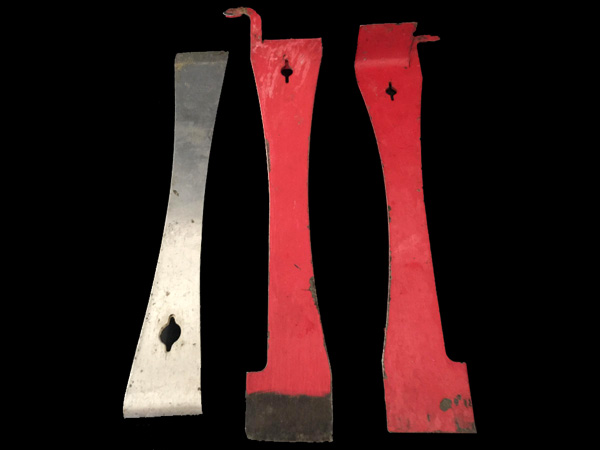
Inspecting the inside of a hive requires removing each frame one by one while carefully observing and checking various aspects. Each box  contains 10 frames, which are extracted using a tool essential for beekeeping known as a hive tool. During the active season, however, the  frames often become stuck due to the adhesion of propolis wax, making it impossible to remove them without the tool.

When a hive has a significant amount of propolis attached, this sticky substance can greatly reduce the efficiency of a beekeeper’s work. In the  past, before propolis was widely recognized for its health benefits, this troublesome material was often discarded. Nowadays, propolis sells for a premium,
beekeepers take care to store it. Once enough has been accumulated, they either sell it or produce extract solutions for sale.

Propolis raw material can be easily extracted using ethyl alcohol, and the extract is diluted with water for consumption. Depending  on the plant origin, the color, taste, and aroma can vary significantly. That said, propolis collected by European honeybees (the common type of  honeybee) is generally consistent in its characteristics. However, propolis collected by Africanized bees in Brazil is remarkably distinctive. In terms of color, there are seven color variations. In the past, I purchased raw propolis from beekeepers across Brazil and was astonished by how vastly different  it could be depending on the region. I plan to provide a more detailed explanation of these differences in future discussions.


أدوات الخلايا والبروبوليس

إن فحص داخل خلية النحل يتطلّب إزالة كل إطارٍ من بين الإطارات العشرة داخل الصندوق بعناية، ومراقبة العديد من الجوانب أثناء ذلك. ويُستخدم لهذا الغرض أداة أساسية في تربية النحل تُعرف باسم أداة الخلية. وخلال مواسم النشاط، تلتصق الإطارات ببعضها بسبب تراكم شمع البروبوليس، مما يجعل من المستحيل تقريبًا سحبها دون استخدام هذه الأداة.

وعندما تحتوي الخلية على كميات كبيرة من البروبوليس، تصبح هذه المادة اللزجة سببًا في إبطاء عمل النحال وتقليل كفاءته بشكل ملحوظ. وفي الماضي، قبل أن يُعرف البروبوليس بقيمته الصحية العالية، كان كثيرون يعتبرونه مادة مزعجة يتم التخلص منها. أما اليوم، وبعد أن أصبح البروبوليس يُباع بأسعار مرتفعة، أصبح النحالون يحتفظون به بعناية، وما إن تتراكم كمية كافية منه حتى يقوموا ببيعه أو تحويله إلى مستخلصات تُعرض في الأسواق.

ويمكن استخراج مادة البروبوليس الخام بسهولة باستخدام الإيثانول، ثم يُخفف المستخلص بالماء للاستهلاك. وتختلف ألوانه ونكهاته وروائحه بشكل كبير بحسب مصادر النباتات التي تجمع منها النحلات هذه المادة. ومع ذلك، فإن بروبوليس نحل العسل الأوروبي—وهو النوع الأكثر انتشارًا—يتميّز عادةً بخصائص متقاربة.

أما البروبوليس الذي تجمعه النحلات الإفريقية المهجّنة في البرازيل، فهو فريد من نوعه بكل معنى الكلمة. إذ توجد منه سبعة ألوان مختلفة، ولكل لون خصائص مذهلة. وقد سبق لي أن اشتريت بروبوليسًا خامًا من نحّالين في مختلف مناطق البرازيل، وكنت مدهوشًا من الاختلافات الشاسعة بين منطقة وأخرى.

سأتناول هذه الفروقات المذهلة بمزيد من التفصيل في مقالات قادمة.

The Honey Bees of the Original Hive

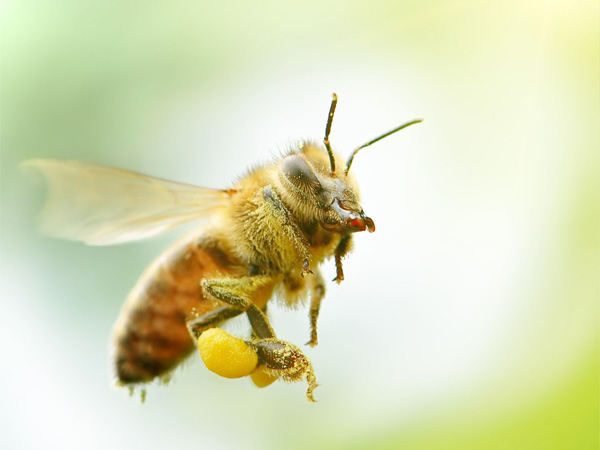
The recently swarmed colony that I housed in a hive has been on my mind, so I decided to check on it. I observed that worker bees were  already collecting pollen, filling their “pollen baskets”—the specialized structures on their hind legs—with granular pollen and returning to the  hive. I saw several bees entering through the hive entrance, confirming that they are actively functioning. Next, I inspected the original hive where the swarm had occurred. I found a large queen cell left on the frame, its cap neatly cut, indicating that  a new queen had emerged from it. Although I tried to locate the new queen, she was difficult to find. Not wanting to disturb the colony further,  I gently closed the hive and left it as is.

The swarming colony, which constitutes about half of the total population, takes half of the stored honey and fills its “honey stomach” before  leaving the hive, making the original hive appear rather empty. However, since it is the nectar flow season, the bees are continuously bringing  in nectar. The new queen will begin laying eggs after mating, so it probably won’t take long to recover and return to its original state. As I mentioned before, mating takes place around 20 to 30 meters above the ground, where male bees from various colonies gather and wait for the queen to arrive.

After the queen bee completes mating and returns to the hive, she focuses solely on egg-laying, producing around 2,000 eggs per day,  which is roughly equivalent to her own body weight. However, there is always a risk that she could be eaten by birds or meet an unfortunate  fate during mating, so she must return to the hive safely in order to be considered fully mature. Fortunately, she typically returns without incident,  so there is no cause for concern. In any case, this time of year is busy for the bees, as there is an abundance of nectar, and they are focused on  increasing the colony’s population.


نحل الخلية الأصلية

ظلّت المستعمرة الجديدة، التي آويتها في خلية بعد انقسام السرب مؤخرًا، تشغل ذهني، فقررت تفقدها. لاحظت أن العاملات قد بدأن بالفعل بجمع حبوب اللقاح، وملء “سلال اللقاح” — وهي البُنى المتخصصة على أرجلها الخلفية — بحبوب لقاح دقيقة وملونة، وهنّ يعدن بها إلى الخلية. رأيت العديد منهن يدخلن عبر مدخل الخلية، مما يؤكد أن النشاط يسير على نحوٍ طبيعي. بعد ذلك، تفقدت الخلية الأصلية التي حدث فيها الانقسام. وجدت خلية ملكة كبيرة على الإطار، وقد فُتح غطاؤها بعناية، مما يدل على أن ملكة جديدة قد خرجت منها. حاولت العثور على الملكة الجديدة، لكنها كانت صعبة التمييز. ولألا أزعج المستعمرة أكثر، أغلقت الخلية برفق وتركتها على حالها.

عند مغادرة السرب، الذي يُشكّل نحو نصف عدد النحل في المستعمرة، يحمل النحل معه نصف ما تم تخزينه من العسل في “معدة العسل” الخاصة به، فتبدو الخلية الأصلية شبه فارغة. لكن بما أن موسم تدفق الرحيق قد بدأ، فإن العاملات لا يتوقفن عن جلب الرحيق باستمرار. وما إن تتزاوج الملكة الجديدة، حتى تبدأ بوضع البيوض، لذا من المرجح أن الخلية ستتعافى بسرعة وتستعيد نشاطها السابق.

كما ذكرت سابقًا، تتم عملية التزاوج على ارتفاع يتراوح بين 20 و30 مترًا فوق الأرض، حيث يجتمع الذكور من مستعمرات مختلفة في الهواء منتظرين وصول الملكة. بعد أن تُكمل الملكة رحلتها وتعود إلى الخلية، تكرّس حياتها لوضع البيوض فقط — إذ تنتج نحو ألفي بيضة يوميًا، أي ما يعادل تقريبًا وزن جسدها. ومع ذلك، يبقى هناك خطر أن تلتهمها الطيور أو تتعرض لمكروه أثناء الطيران، لذا لا تُعتبر ملكة ناضجة تمامًا إلا بعد عودتها بسلام إلى الخلية. ولحسن الحظ، فإنها غالبًا ما تعود دون أي حادث، فلا داعي للقلق.

على أي حال، يُعتبر هذا الوقت من العام موسمًا مزدحمًا للنحل، حيث يفيض الرحيق في الطبيعة، ويتركز كل جهدهم على بناء القوة وزيادة عدد المستعمرة.

My Hunch Comes True!

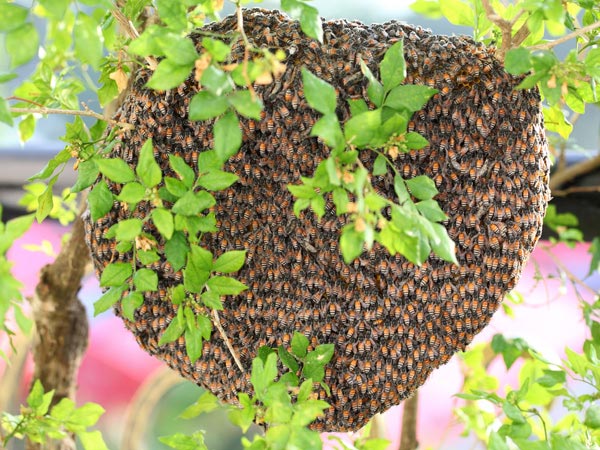
A large high-pressure system has come from the Australian continent, and the weather has been stable lately. Until yesterday, strong spring  winds had been blowing, but today is particularly calm and warm. I had a feeling that something might happen on a day like this, and that intuition  turned out to be correct. Yes, the beekeeping phenomenon known as swarming occurred. A swarm of bees hung down in a large mass from the grapevine trellis near the hive, forming a tight cluster. If I didn’t act quickly, they might  escape, so I swiftly prepared an empty hive and fixed it directly beneath the cluster of bees. I then shook the branch where the bees were hanging  to dislodge them.  Since the queen is usually in the middle of the swarm, once she is inside, the rest will follow—and just like that, a new colony can be established.

As I have mentioned about swarming before, when the hive becomes full of stored honey and larvae, the bees begin preparing for a split.  To create a new queen, the bees construct queen cells, which are special brood cells where the queen will develop. They feed the larvae royal  jelly to ensure that the queen will grow. At this stage, the old queen, along with nearly half of the bees in the hive, will leave to form a new colony.  They often have the habit of temporarily settling on a nearby shrub or tree before leaving. By capturing this swarm and housing  it, you can successfully increase the number of colonies. Swarming colonies, in particular, tend to stay in the hive once captured and will usually grow the colony steadily. These swarms tend to establish  themselves as strong, independent colonies, as they work hard to become self-sufficient. 

It is possible to artificially create a queen bee to increase the number of colonies, but swarms that occur naturally tend to have much stronger  colony strength. However, if swarming happens too frequently, the entire colony can become weakened. Therefore, it is important not to neglect  regular hive inspections. When queen cells are found, they must be removed. Even with careful attention, situations like the one I encountered  today are common. Fortunately, I discovered the swarm early this time, so it was a lucky situation. Warm, windless spring days require special caution.

If the queen bee is not in the swarm that has fallen, the worker bees will not enter the hive. Instead, they will fly around and reassemble near  the queen bee, so the same process must be repeated to capture them. If this isn’t done quickly, the scout bees, which have already located  a new potential home, will lead the swarm away, so prompt action is crucial. Once the bees are safely housed in the hive, it’s a relief. From  there, as long as the hive is managed normally, there shouldn’t be any issues. During the swarming season, nectar sources are abundant, and  the colony will naturally build itself. The original hive will produce a new queen, and after mating, she will begin laying eggs, allowing the colony  to develop as a regular hive again.


تحقّق حدسي!

امتدّ مرتفعٌ جويّ كبير قادم من القارة الأسترالية، فاستقرّ الطقس في الأيام الأخيرة. وحتى يوم أمس، كانت رياح الربيع القوية تهبّ باستمرار، أمّا اليوم فكان هادئًا ودافئًا على نحوٍ لافت. كان لديّ شعور بأن شيئًا ما سيحدث في يوم كهذا، وقد صدق حدسي بالفعل. نعم، لقد وقع ذلك المشهد المعروف في عالم تربية النحل باسم التطريد.

تجمّع سربٌ من النحل في كتلة كبيرة متدلّية من تعريشة كرمة العنب القريبة من الخلية، مشكّلًا عنقودًا متماسكًا. لو لم أتحرّك بسرعة، لكان من الممكن أن يفرّ السرب. لذا سارعتُ إلى تجهيز خليةٍ فارغة وثبّتُها مباشرةً أسفل تجمع النحل، ثم هززتُ الغصن الذي كانوا معلّقين به لإسقاطهم. وبما أنّ الملكة تكون عادةً في قلب السرب، فما إن تدخل الخلية حتى يتبعها الباقون، وبهذا تتأسس مستعمرة جديدة بسلاسة.

كما ذكرتُ سابقًا، عندما تمتلئ الخلية بالعسل واليرقات، يبدأ النحل بالتحضير للانقسام. ولإنتاج ملكة جديدة، يبني النحل بيوتًا خاصة تُعرف ببيوت الملكات، حيث تُغذّى اليرقات بغذاء ملكات النحل لضمان نموّ الملكة. في هذه المرحلة، تغادر الملكة القديمة مع ما يقارب نصف أفراد المستعمرة لتشكيل مجتمع جديد. وغالبًا ما تستقر مؤقتًا على شجيرة أو شجرة قريبة قبل المغادرة. وإذا تم التقاط هذا السرب وإيواؤه، يمكن زيادة عدد المستعمرات بنجاح. تتميّز أسراب التطريد بأنها تميل إلى الاستقرار داخل الخلية بعد التقاطها، وتنمو بثبات، لتتحوّل إلى مستعمرات قوية ومستقلة تسعى بجدّ للاعتماد على نفسها.

صحيح أنّه يمكن زيادة عدد الخلايا اصطناعيًا عبر إنتاج ملكات، إلا أنّ الأسراب التي تتكوّن طبيعيًا غالبًا ما تمتلك قوة وحيوية أكبر. غير أنّ تكرار التطريد بشكل مفرط قد يُضعف المستعمرة بأكملها، لذا لا بدّ من الفحص الدوري للخلية. وعند العثور على بيوت ملكات، يجب إزالتها. ومع ذلك، حتى مع أقصى درجات العناية، فإن مواقف كهذه شائعة. ولحسن الحظ، اكتشفتُ السرب مبكرًا هذه المرة، فكان يومًا موفقًا. إنّ أيام الربيع الدافئة والخالية من الرياح تتطلّب حذرًا خاصًا.

إذا لم تكن الملكة ضمن السرب الذي سقط في الخلية، فلن يدخل النحل العامل إليها، بل سيظلّ يحوم ويعيد التجمّع بالقرب من الملكة، ما يستدعي تكرار العملية. وإن لم يتم ذلك بسرعة، فإن نحل الكشّافة، الذي يكون قد حدّد موقعًا جديدًا، سيقود السرب إلى الرحيل. لذلك، فإن السرعة عامل حاسم. وما إن يستقرّ النحل بأمان داخل الخلية، حتى يسود شعور بالاطمئنان. بعد ذلك، ومع إدارة طبيعية للخلية، لا ينبغي أن تظهر مشكلات. ففي موسم التطريد، تكون مصادر الرحيق وفيرة، وتبني المستعمرة نفسها تلقائيًا. أمّا الخلية الأصلية، فستنتج ملكة جديدة، وبعد تزاوجها تبدأ بوضع البيض، لتعود المستعمرة إلى نموّها الطبيعي من جديد.

An Unexpected Accident

During the nectar flow season, it is necessary to regularly inspect the hives to prevent swarming (colony division) and carefully check for the  production of new queen bees. Still, oversights are inevitable. Just yesterday, three swarms occurred all at once, resulting in a significant loss. It happened because of a moment of carelessness. Misfortunes never come singly.
While driving down the highway at around 120 km/h, I suddenly heard a strange noise coming from the rear,  accompanied by a metallic clattering sound. I assumed the truck’s rear wheel mudguard had come loose but continued driving nonetheless.

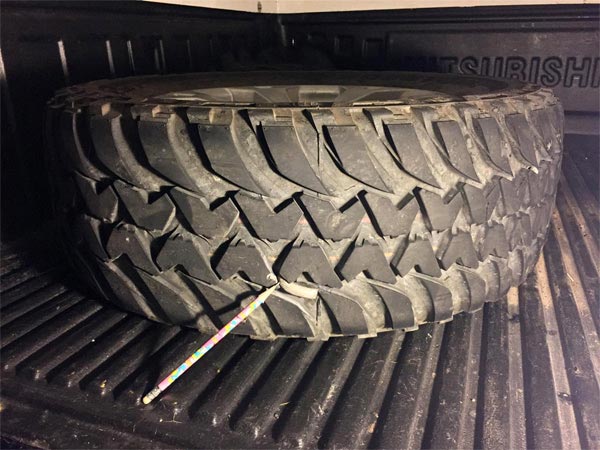
After a while, the rear of the vehicle, despite carrying only a light load, began swaying gently from side to side. I pulled into a gas station and parked  to inspect the issue, only to find a flat tire. A piece of chain, over 10 mm in diameter, was lodged in the rear tire. It was likely a broken piece of  chain used to secure the cargo of another truck, which the front tire lifted and then punctured the rear tire. I replaced the flat with the spare tire and continued on my way, but it was a holiday, meaning no repair shops were open. To make matters  worse, I was headed to the most distant apiary, so I could only pray that another puncture wouldn’t occur. Fortunately, I made it back home without further issues, but working under such conditions is truly exhausting and inefficient.  I was reminded that safety and security are fundamental to everything we do.


حادث غير متوقَّع

خلال موسم تدفّق الرحيق، يصبح من الضروري فحص خلايا النحل بانتظام، وذلك لمنع ظاهرة التطريد (انقسام المستعمرة) ومراقبة تكوّن ملكات جديدة بعناية. ومع ذلك، تبقى الهفوات أمرًا لا مفرّ منه. فبالأمس فقط، حدثت ثلاث حالات تطريد دفعةً واحدة، ما أسفر عن خسارة كبيرة. وكان السبب لحظة واحدة من قلة الانتباه. وكما يُقال، فإن المصائب لا تأتي فرادى.

وأثناء قيادتي على الطريق السريع بسرعة تقارب 120 كيلومترًا في الساعة، سمعت فجأة صوتًا غريبًا صادرًا من الخلف، مصحوبًا بارتطام معدني غير مألوف. ظننت في البداية أن واقي الطين للعجلة الخلفية قد ارتخى، فتابعت القيادة دون توقّف.

بعد فترة قصيرة، بدأت مؤخرة السيارة — رغم أنها لم تكن محمّلة إلا بحمولة خفيفة — تتمايل بهدوء يمينًا ويسارًا. عندها دخلت إلى محطة وقود وتوقّفت لتفقّد الأمر، لأكتشف أن الإطار الخلفي قد فرغ تمامًا من الهواء. كانت قطعة سلسلة معدنية يزيد قطرها على 10 مليمترات مغروسة في الإطار. وعلى الأرجح، كانت جزءًا مكسورًا من سلسلة تُستخدم لتثبيت حمولة شاحنة أخرى، التقطها الإطار الأمامي أولًا، ثم اخترقت الإطار الخلفي.

قمت بتبديل الإطار التالف بالإطار الاحتياطي، وتابعت طريقي. لكن لسوء الحظ، كان ذلك يوم عطلة، ولم تكن أي ورش إصلاح مفتوحة. والأسوأ من ذلك أنني كنت متجهًا إلى أبعد المناحل، فلم يكن أمامي سوى أن أرجو ألا يتكرر العطب مرة أخرى.

لحسن الحظ، وصلت إلى المنزل بسلام دون حادث إضافي. لكن العمل في مثل هذه الظروف مرهق للغاية، ويُفقد الكفاءة والتركيز. وقد ذكّرني هذا الموقف مرة أخرى بأن السلامة والأمان ليسا تفصيلًا ثانويًا، بل هما الأساس الذي يقوم عليه كل ما نقوم به.