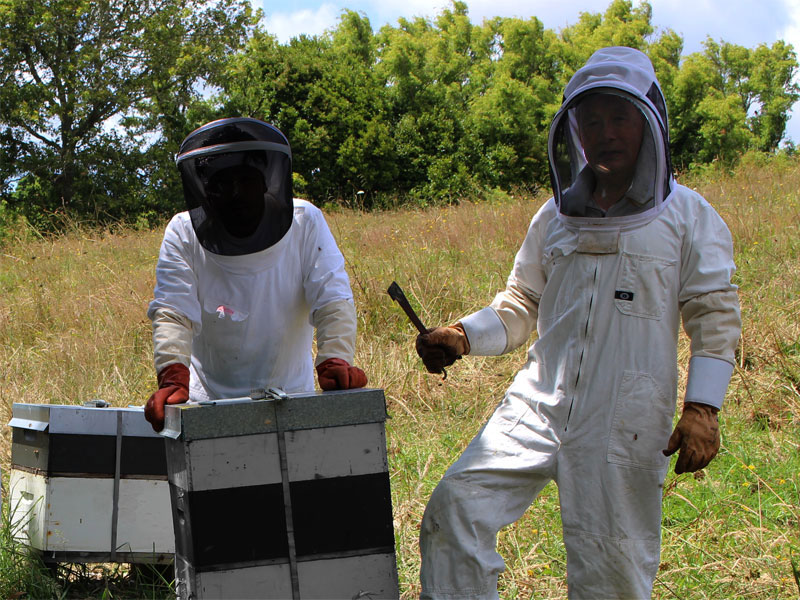
From the Field of Manuka Honey」カテゴリーアーカイブ

What I Want to Pass on to the Next Generation (Final Blog)

What I Want to Pass on to the Next Generation (Final Blog)

A while ago, the world-renowned conductor “Seiji Ozawa” said something about his grandchild that left a lasting impression on me. “Lately, I’vebecome more emotional, and when I see my grandchild, I’m moved to tears. I guess that’s what life is all about.” It was a surprising statement, not something I would have expected from someone with his temperament. I found myself thinking, “So, even Ozawa has aged.”

I don’t particularly know much about him, except that he lived abroad for a long time and dedicated himself to his musical training. But for some reason, every word of his resonated with me, and I remember it well. He seems to be nine years older than me, and recently he’s started to look more aged, having dealt with various illnesses.

I, too, have lived abroad for a long time, though I’ve achieved neither the accomplishments nor the fame of Seiji Ozawa. But like him, I’ve been
working hard to survive in a foreign land. Looking back, so much has happened, too much really. But now it all feels like a fleeting moment, and I often fall into self-doubt, thinking I haven’t really accomplished anything. However, I can only feel gratitude for the fact that I have been able to live freely as I pleased.

My son and his wife recently came to New Zealand with their two children. Both of my grandchildren are truly adorable, and the eight-month-old girl, whom I was seeing for the first time, was especially charming. As I was spending time with them, Seiji Ozawa’s words came to mind. These sweet grandchildren are just beginning their lives. When I think about all the challenges they will face, I find myself overwhelmed with tears. This must be the life Ozawa was referring to.

Even though I am much younger than Ozawa, I couldn’t help but reflect on how sentimental I’ve become. Life abroad, with no one to rely on, is incredibly tough. That must have been what Ozawa was trying to convey. I never want my grandchildren to experience the same hardships. Yet, at the same time, without hardship, a person doesn’t develop true character.


🌿 ما أود أن أورثه للأجيال القادمة

قال المايسترو العالمي سييجي أوزاوا ذات مرة شيئًا عن حفيده ظلّ عالقًا في ذهني إلى اليوم: “في الآونة الأخيرة أصبحت أكثر عاطفية، وعندما أرى حفيدي تدمع عيناي… أعتقد أن هذا هو جوهر الحياة.” كانت كلماته مفاجئة بالنسبة لي — لم أتوقعها من رجلٍ يتميز بالقوة والانضباط مثله. لكنها لامست قلبي بعمق، وجعلتني أفكر: “حتى أوزاوا، مع مرور الزمن، أصبح أكثر إنسانية.”

لا أعرف الكثير عنه سوى أنه عاش في الخارج لفترة طويلة، وكرّس حياته لفنه وتدريبه الموسيقي. ومع ذلك، لا تزال كلماته ترنّ في ذاكرتي. يبدو أنه يكبرني بتسع سنوات، وقد بدا عليه مؤخرًا أثر العمر والمرض. أما أنا، فقد قضيت أيضًا سنوات طويلة في الغربة، لا أملك لا مجده ولا شهرته، لكنني، مثله، ناضلت لأعيش وأواصل طريقي في أرضٍ بعيدة عن الوطن. وحين ألتفت إلى الوراء، أرى أنني مررت بالكثير، ربما أكثر مما أحتمل، ومع ذلك، كل ذلك يبدو اليوم كأنه لحظة عابرة. أحيانًا أشكّ في نفسي، وأقول: “هل أنجزتُ حقًا ما كنت أطمح إليه؟” لكن في النهاية، لا أشعر إلا بالامتنان لأنني عشت حياتي بحرية وصدق مع نفسي.

مؤخرًا، جاء ابني وزوجته إلى نيوزيلندا مع طفليهما. إنهما غاليان جدًا على قلبي، وخصوصًا حفيدتي الصغيرة ذات الثمانية أشهر التي رأيتها للمرة الأولى — لقد أسرت قلبي بابتسامتها البريئة. وأثناء وجودي معهم، تذكرت كلمات أوزاوا. هذان الطفلان الجميلان يبدآن حياتهما الآن، وحين أفكر في طريقهما الطويل وما قد يواجهانه من تحديات، أشعر بدموعي تنهمر دون وعي. عندها فهمت ما كان أوزاوا يقصده حين قال: “هذا هو جوهر الحياة.”

ورغم أنني أصغر سنًا منه، أدركت كم أصبحت أنا أيضًا أكثر عاطفية وتأملًا. الحياة في الغربة صعبة للغاية، لا سيما حين لا تجد من تعتمد عليه، وأظن أن هذا بالضبط ما كان أوزاوا يحاول التعبير عنه. لا أريد لأحفادي أن يعيشوا نفس القسوة التي مررت بها، لكنني في الوقت نفسه أعلم أن من دون المعاناة، لا يُبنى الإنسان الحقيقي. فالحياة ليست طريقًا ممهّدًا، بل رحلة يتعلم فيها المرء كيف يكون قويًا، وكيف يزرع في قلبه الامتنان والجمال رغم الصعاب.
Matured Honey Made by Honey Bees

Matured Honey Made by Honey Bees

Lately, this blog has become quite argumentative. In reality, I don’t have the time to write such overly logical arguments. During this season, the bees are fully engaged in the production of fully matured honey, working hard to concentrate the nectar. They must quickly remove moisture from the nectar and bring the sugar content to over 80% to prevent fermentation. Yeast feeds on sugar, multiplying and causing fermentation, which means the bees cannot use fermented nectar as an energy source for winter. From each beehive, I can hear the buzzing of the bees creating a whirlwind.

The bees change the angle of their wings and vibrate themvigorously to generate heat and airflow, desperately working to dehydrate the nectar. The high-concentration nectar produced in this way is sealed with a wax called a honey cap, secreted from the thymus, to block humidity, and is stored as winter food. Therefore, it is essential to support the hives to prevent moisture from entering. In this way, we beekeepers end up taking this precious honey for ourselves.

When thinking about this, it’s clear that human actions are the worst. However, there is a bit of beekeeping philosophy involved. We always  leave behind enough honey for the bees to survive the winter. Most beekeepers, however, extract and squeeze out almost all of the honey. Since the bees would die from this, they are given sugar  water (syrup) as a substitute to survive until the following spring. Even the cells that are far from producing fully matured honey and haven’t  been capped are squeezed out. This watery honey is heated and concentrated, which causes the essential enzymes that are beneficial to  humans to lose their activity. Since enzymes are proteins, they undergo irreversible denaturation when heated. In other words, while ice can  melt back into water, a boiled egg cannot return to being a raw egg.

Heat-processed honey is no longer the same as raw honey. To use a simple analogy, the nutritional difference is as significant  as that between tuna sashimi and canned tuna. Products like these, mass-produced under the name of Manuka honey, are now sold not  only through online shopping but also in department stores and supermarkets. Compared to my products, they are truly “similar yet fundamentally different.” Moreover, taking honey meant for the bees’ winter survival (essentially stealing it) and replacing it with syrup is far from a wise practice.  Thinking of the bees’ health, this is something that should never be done. Needless to say, the health of the customers who use our products  originates from the health of the bees.


🐝 العسل الناضج الذي تصنعه النحلات

في الآونة الأخيرة، أصبح هذا المدوّنة نوعًا من الجدل. في الواقع، ليس لدي الوقت لكتابة نقاشات منطقية مطوّلة بهذا القدر. في هذا الموسم، تنكب النّحل بلا كلل على إنتاج العسل الناضج بالكامل، وتعمل بجدّ لتركيز الرحيق. فتحتاج بسرعة إلى إزالة الرطوبة من الرحيق وجلب نسبة السكر إلى أكثر من 80% لتجنّب التخمّر. فالخميرة تتغذى على السكر، وتتكاثر محدثة التخمّر، ما يجعل النحل غير قادر على استخدام الرحيق المُخمّر كمصدر للطاقة في الشتاء. ومن كل خلية، أسمع زقزقة النحل وهي تُحدث زوبعة صغيرة داخل الإطار.

تُغيّـر النحلات زاوية أجنحتهنّ ويهزنها بحيويّة لإنتاج الحرارة وتدفق الهواء، ويعملن بشدّة لإزالة الرطوبة من الرحيق. الرحيق المكثّف الناتج يُغَلَّف بشمعٍ يُعرف بـ “غطاء العسل” (honey cap)، يتم إفرازه من الغدّة وتُوضع طبقة لمنع الرطوبة، ويُخزن كغذاء لشتاء الخلية. لذا، من الضروري دعم الخلايا لمنع دخول الرطوبة. بهذه الطريقة، ينتهي بنا الأمر نحن مربي النحل أن نأخذ هذا العسل الثمين لأنفسنا.

وعند التفكير في هذا، يتوضّح أن فعل الإنسان قد يكون الأسوأ. لكن، هنا تدخل فلسفة تربية النحل. فـنحن دائمًا نترك قدرًا كافياً من العسل ليستمرّ النحل في الشتاء. ومع ذلك، فإن معظم مربي النحل يستخرجون ويعصرون تقريبًا كل العسل. وبما أن النحل سيموت من ذلك، يُعطى “شراب سكري” (syrup) بديلًا ليبقى حيًا حتى الربيع التالي. بل حتى خلايا لم تصل بعد إلى إنتاج العسل الناضج ولم تُغطّ بعد تُعصر. وهذا العسل المائي يُسخّن ويُركز، ما يسبّب فقدان الإنزيمات الأساسية التي تفيد الإنسان. فالإنزيمات هي بروتينات، وتخضع لتغيّر بنيوي لا رجعة فيه عند تسخينها. بعبارة أخرى، بينما يمكن أن يذوب الثلج ليعود ماء، لا يمكن للبيضة المسلوقة أن تعود إلى بيضة نيئة.

العسل المعالج بالحرارة ليس بعده نفس العسل الخام. لتبسيط الأمر، فرق التغذية فيه كبير مثل فرق “ساشيمي التونا” مقابل “تونا معبّأ في علبة”. المنتجات التي تُنتج بكميات ضخمة تحت اسم عسل المانوكا تُباع الآن ليس فقط عبر التسوق الإلكتروني، بل أيضاً في المتاجر الكبرى والسوبرماركت. مقارنةً بمنتجاتي، فهي حقًا “مشابهة لكن مختلفة جوهريًا”. وعلاوة على ذلك، أن تأخذ عسلًا مخصصًا لبقاء النحل في الشتاء (أي سرقة في الواقع) وتبدله بشراب سكري هو بعيد كل البعد عن ممارسة الحكمة. ولأجل صحة النحل، لا ينبغي أن يُفعل ذلك قط. ومن البديهي أن صحة العملاء الذين يستخدمون منتجاتنا تنبع من صحة النحل.
The Ecology of Varroa destructor

The Ecology of Varroa destructor

(Continuing from last blog) When honeybees come into contact with this pesticide, its components stick to their bodies and are carried throughout the hive. This must  typically be removed within 3 to 5 weeks because mites have a tendency to develop resistance to the pesticide. To prevent this resistance  from forming, we must use different pesticides with varying mechanisms of action in a flexible and rotating manner. However, since the mites’  survival is at stake, achieving complete eradication is extremely difficult.

Moreover, various viral diseases transmitted by these pests can  sometimes spread within the hive, so caution is always necessary. This mite did not originally exist in New Zealand, but it has invaded over  the past 10 years, and its route of entry remains unknown. It is said to have started with the Asian honeybee and spread to the European  honeybee through Siberia, but the details are still unclear.

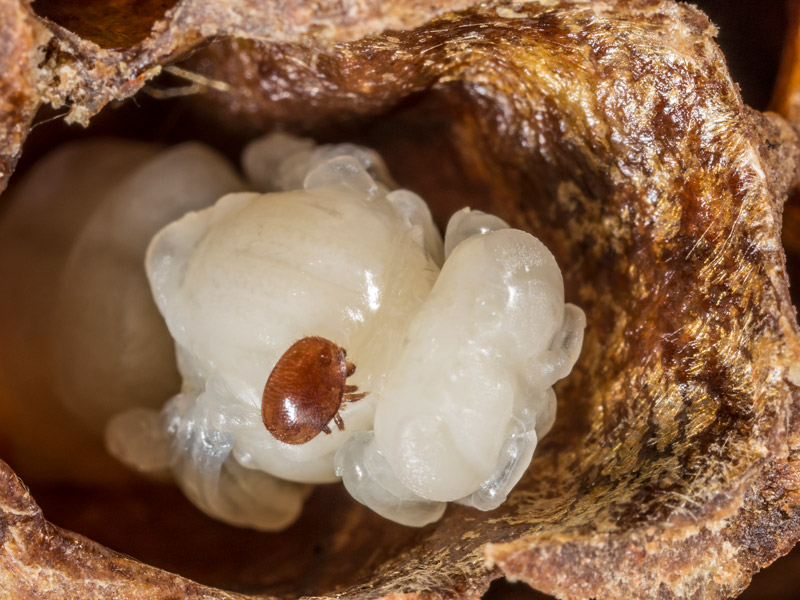
This mite initially parasitizes adult bees, feeding on their body fluids. However, it eventually detaches from the adult bees and attaches to  the larvae inside the hive, where it begins laying eggs and reproducing. It tends to especially target drone larvae. Inside the brood cells,  the mites mate, and the male mites die, similar to male honeybees. After developing inside the brood cells, the newly matured  mites attach themselves to adult bees, emerging with them and continuing to feed on their body fluids. Once they are capable of laying eggs,  they detach and invade the brood cells of honeybee larvae, continuing this life cycle.

Therefore, this parasite spends its entire life within  the hive, with a female’s lifespan being around two months. Meanwhile, the honeybees, whose body fluids have been drained, suffer from  poor development and are susceptible to various mite-borne infections, making this parasite a natural enemy of honeybees and a constant  challenge for beekeepers every season.


🐝 علم البيئة لعثّة الفاروا المدمّرة

(تتمّة للمدوّنة السابقة)
عندما تتلامس النحلات مع هذه المبيدات، تلتصق مكوّناتها بأجسامها وتنتقل إلى داخل الخلية بأكملها. عادةً يجب إزالة هذه المواد خلال فترة تتراوح بين ثلاثة إلى خمسة أسابيع، لأن هذا العثّ يميل إلى تطوير مقاومة للمبيد مع مرور الوقت. ولمنع تشكّل هذه المقاومة، يجب استخدام أنواع مختلفة من المبيدات بآليات عمل متنوّعة وبأسلوب متناوب ومرن. ومع ذلك، وبما أن بقاء هذا الطفيل على المحك، فإن القضاء التام عليه أمر في غاية الصعوبة.

إضافةً إلى ذلك، يمكن أن تنتشر داخل الخلية أمراض فيروسية متعدّدة ينقلها هذا العثّ، مما يستدعي الحذر الدائم. لم يكن هذا العثّ موجودًا أصلاً في نيوزيلندا، لكنه غزاها خلال السنوات العشر الماضية، ولا يزال طريق دخوله غير معروف. ويُقال إنه بدأ مع نحل العسل الآسيوي، ثم انتقل إلى نحل العسل الأوروبي عبر سيبيريا، غير أن التفاصيل الدقيقة تبقى غامضة.

يبدأ هذا العثّ حياته بالتطفّل على النحل البالغ، متغذّياً على سوائل جسده. لكنه سرعان ما ينفصل عنه ويلتصق بيرقات النحل داخل الخلية، حيث يبدأ بوضع البيوض والتكاثر. ويميل إلى استهداف يرقات الذكور بشكل خاص. داخل خلايا الحضنة، يتزاوج العثّ، ويموت الذكر بعد ذلك، تمامًا كما يحدث مع ذكور النحل. وبعد أن تنمو اليرقات داخل تلك الخلايا، تخرج إناث العثّ الناضجة مع النحل البالغ، وتستمر بالتغذّي على سوائل جسده. وحين تصبح قادرة على وضع البيض، تنفصل لتغزو خلايا يرقات جديدة، وتُعيد دورة حياتها.

وهكذا، يعيش هذا الطفيل كامل حياته داخل الخلية، حيث يبلغ عمر الأنثى حوالي شهرين. وفي المقابل، تعاني النحلات التي استُنزفت سوائل أجسامها من ضعف في النمو وتصبح عرضة لمختلف الأمراض التي ينقلها العثّ. إنه عدوّ طبيعي للنحل، وتحدٍّ متكرّر يواجهه مربّو النحل كل موسم — تذكير دائم بأن التوازن بين الإنسان والطبيعة لا يتحقق إلا من خلال الفهم العميق والاحترام المتبادل لكل أشكال الحياة.
From Tool Making ~ Homemade Spot Welder

From Tool Making ~ Homemade Spot Welder

(Continuing from last blog) Regarding the homemade spot welder, the transformer used requires the removal of the secondary coil that  generates high voltage. This coil must be replaced with one that provides low voltage and high current for use in spot welding. Initially,  I thought about cutting the secondary coil itself with a saw or angle grinder without removing the core, but since the coil was wound so tightly,  it couldn’t be easily extracted without first drilling holes to create gaps. Simply hammering it didn’t work. After quite a bit of trouble, I ended  up cutting through the core of both transformers with a hacksaw, which made the removal of the secondary coil much easier.

I planned to purchase a high current cable for the secondary coil on the output side and wind it several times around the space where  the high-voltage coil had been removed. While flexible cables made of thin twisted wires are convenient, they are expensive, especially for thicker  types, and the core wires tend to be relatively thin compared to the overall thickness. To ensure a stable supply of high current, I decided it would  be better to use solid copper wire. I chose a 6.4 mm diameter copper wire, coated for insulation. I found a 2-meter copper wire for about $25 (around 1700 yen) and purchased one. Since the wire was stiff, I softened it by heating it thoroughly  with a gas burner until it became easy to bend. For insulation, I applied two coats of enamel paint and allowed it to dry, then wrapped it with  tape to create a double layer of insulation.

I wanted to wind this copper wire as the secondary coil around the cores of two transformers in series, but winding it directly posed a risk  of damaging the insulation tape. To avoid this, I made a wooden mold the same size as the transformer core, fixed it in place with a vise,  and began winding the wire. Since the wire, being almost like a 6.4 mm copper rod, was difficult to wind smoothly even after softening, I had to  hammer it into shape using a rubber mallet. In the end, I managed to wrap it three times around one transformer and two and a half times  around the other, which was the best I could do. After finishing the coils, I removed them from the mold and fitted each onto the corresponding transformer. However, the sharp edges of  the cores posed a risk of damaging the insulation upon contact. To address this, I used an angle grinder to round off the corners of the cores,  which allowed the coils to fit properly without damaging the insulation.

Now, I need to test if everything works properly. Although I still have to weld the cut transformer cores, I decided to perform a test before that.  Since the cores were still cut, I placed an anvil on top of them as a weight and then connected the power. Of course, I checked  the continuity and insulation with a tester beforehand. Here, unlike Japan’s 100V system, we use 240V, so I had to be extra cautious  to avoid the risk of electric shock. After thoroughly checking everything, I connected the primary coils in parallel and planned to measure  the voltage across the secondary coils in series. With great caution, I flipped the power switch, and the moment I did, there was an incredibly loud “BANG!”


⚙️ من صناعة الأدوات إلى بناء جهاز لحام نقطي منزلي

(تتمّة للمدوّنة السابقة)
في ما يتعلّق بجهاز اللحام النقطي الذي صنعته بنفسي، كان من الضروري تعديل المحوّل الكهربائي المستخدم فيه. فقد قمت بإزالة الملفّ الثانوي الذي يولّد الجهد العالي، واستبدلته بملفّ جديد يمنح جهداً منخفضاً وتياراً عالياً مناسباً لعمليّة اللحام النقطي. في البداية، فكّرت في قطع الملفّ الثانوي مباشرةً باستخدام منشار أو آلة صنفرة من دون تفكيك النواة الحديدية، لكن تبيّن أن الملفّ ملفوف بإحكام شديد، بحيث لا يمكن استخراجه بسهولة من دون حفر ثقوب صغيرة لخلق فراغات. ولم يُجدِ الطَرق بالمطرقة نفعاً. وبعد معاناة طويلة، اضطررت في النهاية إلى قطع نواة المحوّلين بمنشار يدوي، مما سهّل كثيراً إزالة الملفّ الثانوي.

بعد ذلك، خطّطت لشراء كابل تيار عالٍ لتكوين الملفّ الجديد في جانب الإخراج، ولفّه عدّة مرات في المساحة التي أُزيل منها الملفّ عالي الجهد. الكابلات المرنة المصنوعة من أسلاك دقيقة ملتوية مريحة في الاستخدام، لكنها باهظة الثمن، وخاصة الأنواع السميكة منها، كما أن الأسلاك الداخلية فيها غالباً ما تكون أرقّ من المتوقع. ولضمان تيار مستقرّ وقوي، قرّرت استخدام سلك نحاسي صلب بدلاً من الكابلات المرنة. اخترت سلكاً نحاسياً بقطر 6.4 ملم، معزولاً بطبقة واقية. وجدت قطعة بطول مترين بسعر يقارب 25 دولاراً أمريكياً (حوالي 1700 ين ياباني)، فاشتريتها. ولأن السلك كان صلباً جداً، سخّنته جيداً بواسطة موقد غاز حتى أصبح ليناً وسهل التشكيل. بعد ذلك، غطيته بطبقتين من طلاء المينا العازل، وانتظرت حتى يجف تماماً، ثم لففته بشريط لاصق لتأمين عزل مزدوج.

كنت أعتزم لفّ هذا السلك حول نواتي محوّلين موصولين على التوالي. لكن لفّه مباشرةً كان قد يسبّب تلفاً للعزل، لذلك صنعت قالباً خشبياً مطابقاً لحجم النواة، وثبّته في ملزمة معدنية، وبدأت اللفّ. ومع ذلك، حتى بعد التسخين، بقي السلك النحاسي بقطره الكبير صعب التشكيل، فاضطررت لاستخدام مطرقة مطاطية لتقويمه أثناء اللفّ. وفي النهاية، تمكّنت من لفّه ثلاث مرات حول أحد المحوّلين ومرتين ونصف حول الآخر، وهو الحدّ الأقصى الممكن. بعد الانتهاء من اللفّ، أزلت الملفّات من القالب وثبّتها على النوى الحديدية المقابلة. لكن حواف النوى كانت حادّة، مما قد يتلف العزل عند الملامسة. لذلك استخدمت آلة الصنفرة لتدوير زوايا النوى بلطف، مما سمح بتركيب الملفّات بإحكام ومن دون أي ضرر.

بقي الآن اختبار ما إذا كان كل شيء يعمل كما يجب. على الرغم من أنني لم أقم بعد بلحام النوى المقطوعة، قرّرت إجراء اختبار مبدئي. وضعت قطعة معدنية ثقيلة فوق النوى كوزن ثابت، ثم وصلت الكهرباء، بعد أن تحقّقت بعناية من سلامة العزل واستمرارية التيار بواسطة جهاز الفحص. يجب أن أشير هنا إلى أن نظام الكهرباء لدينا في نيوزيلندا يعمل بجهد 240 فولت، على عكس النظام الياباني الذي يعمل بجهد 100 فولت، مما يجعل العمل أكثر خطورة ويتطلّب أقصى درجات الحذر لتجنّب الصدمات الكهربائية. بعد مراجعة كل شيء بدقّة، وصلت الملفات الأولية على التوازي، واستعددت لقياس الجهد على الملفات الثانوية المتّصلة على التوالي.

ثم، بكل حذر، أدرْت مفتاح التشغيل… وفجأة، دوّى صوت انفجار قوي — “بانغ!” — ملأ المكان، ليذكّرني مجدداً بأن طريق الابتكار لا يخلو من المغامرة، وأن كل تجربة، مهما بدت محفوفة بالمخاطر، تقرّبنا خطوة من الإتقان الحقيقي.
What is Honey as a Primary Product?

What is Honey as a Primary Product?

Although it has become less common, some customers still caution that cheaper honey might be diluted with syrup. This concern is  especially prevalent among older individuals. It wouldn’t be surprising if such practices occurred just after World War II when sugar was  a scarce commodity, and such “honey” was likely sold during that time. When we first started selling Manuka honey 25 years ago, we often received questions like, “The viscosity and crystallization of honey vary,  even from the same flower. Does this mean the production methods differ?” Defining “production” in this context is quite challenging.  The honey we handle is, in fact, a true primary product, much like fresh produce.

The inexpensive honey found in supermarkets is quite different from the raw honey we handle, even though they are both sold as honey.  Almost all of those products undergo various forms of processing. It’s not an exaggeration to say that the majority of these honeys come  from foreign countries, particularly China. These products often undergo several treatments to standardize their characteristics and ensure consistency across batches.

What gets added to honey is part of each company’s proprietary methods, but generally, it involves “invert sugar,” which is derived by  hydrolyzing sucrose (table sugar) or starches such as corn starch into “high-fructose corn syrup.” By adding a sucrose solution and acid,  and applying heat, the mixture breaks down into glucose and fructose. These simple sugars are ideal for increasing the volume of honey.  According to the laws at the time, it was permissible to increase honey volume by up to 20% without requiring a label indicating such an addition.  Therefore, products could still be labeled as “pure honey.” However, in reality, many of these products contained far more than 20% additives,  yet they were often sold under the label of “pure honey.”

Furthermore, many of these honeys are harvested prematurely to increase production. Instead of waiting for the honey to fully ripen  (where the nectar brought back by the worker bees, which initially contains a high water content, is evaporated by the fanning of house  bees until its sugar content reaches over 80-85%, and then sealed with a wax cap), the honey is often artificially heated to evaporate water and increase sugar concentration. The honey produced and collected in this way undergoes various processes to fit the commercial standards unique to Japan, such as  deodorization, decolorization, and the addition of various substances. This highly processed industrial honey is fundamentally different from  the raw honey we handle. While processed honey is a secondary product, our honey is a primary product, completely unprocessed and  natural. In fact, some customers at the time even questioned us, saying, “Your honey is so different from what’s sold in supermarkets that it seems fake.”

Looking back on those times, I truly believe that today’s generation of customers has a far more refined palate. Meanwhile, the major  honey manufacturers that once sold what could be called “syrup honey” likely have no regrets about it. It seems that this lack of reflection  persists, as even now, there are many cases where they shamelessly sell heated and processed blended honey under the name “Manuka honey.”


🍯 ما هو العسل كمنتج أساسي؟

على الرغم من أن هذا الأمر أصبح أقل شيوعاً اليوم، إلا أن بعض العملاء لا يزالون يحذرون من احتمال خلط العسل الرخيص بالشراب أو السكر. ويُلاحظ هذا القلق بشكل خاص بين كبار السن، وهو أمر منطقي، خاصة إذا نظرنا إلى فترة ما بعد الحرب العالمية الثانية، عندما كان السكر نادراً، وكان من المحتمل أن يتم بيع عسل مماثل مخلوطاً بالسكر في ذلك الوقت.

عندما بدأنا بيع عسل المانوكا قبل 25 عاماً، كنا نتلقى أسئلة متكررة مثل: “يختلف لزوجة العسل وتبلوره حتى من نفس الزهرة. هل هذا يعني أن طرق الإنتاج تختلف؟” في هذا السياق، من الصعب جداً تعريف معنى “الإنتاج”. العسل الذي نتعامل معه هو في الحقيقة منتج أساسي حقيقي، يشبه إلى حد كبير المنتجات الزراعية الطازجة. العسل الرخيص الذي يُباع في المتاجر يختلف تماماً عن العسل الخام الذي نتعامل معه، على الرغم من أنهما يُباعان تحت اسم العسل. فمعظم هذه المنتجات تخضع لمراحل معالجة متعددة، وغالباً ما تأتي من دول أجنبية، وبالأخص الصين، حيث يتم تعديل خصائص العسل لتصبح متجانسة وسلسة عبر الدفعات المختلفة.

ما يُضاف إلى العسل يختلف بحسب أسلوب كل شركة، لكنه غالباً يشمل السكريات المقلوبة المستخلصة من هضم السكروز أو النشا (مثل شراب الذرة عالي الفركتوز). يتم إضافة محلول سكروز مع حمض، ثم تسخينه، لتتحلل المركبات إلى جلوكوز وفركتوز، وهي سكريات بسيطة تزيد من حجم العسل. وفقاً للقوانين في ذلك الوقت، كان مسموحاً زيادة حجم العسل بنسبة تصل إلى 20٪ من دون وضع ملصق يشير لذلك، وبالتالي يمكن تسمية المنتج بـ “العسل النقي”. لكن في الواقع، احتوى العديد من هذه المنتجات على إضافات تتجاوز بكثير 20٪، ومع ذلك كانت تُباع غالباً تحت اسم “العسل النقي”. بالإضافة إلى ذلك، يتم جني الكثير من هذه الأنواع قبل نضجها الكامل لزيادة الإنتاج. بدلاً من انتظار نضج العسل الطبيعي (حيث يقوم النحل العامل بتقليص محتوى الماء في الرحيق حتى تتجاوز نسبة السكر 80–85٪ ويُغلق بغطاء شمعي)، يتم تسخينه صناعياً لتسريع تبخر الماء وزيادة تركيز السكر. ثم يخضع العسل للعديد من العمليات التجارية مثل إزالة الروائح، تبييض اللون، وإضافة مواد أخرى لتلبية المعايير الصناعية اليابانية.

هذا العسل المعالج بشكل صناعي يختلف جذرياً عن العسل الخام الذي نتعامل معه. بينما يُعتبر العسل الصناعي منتجاً ثانوياً، فإن عسلنا هو منتج أساسي، طبيعي تماماً وغير معالج. وفي الواقع، بعض العملاء آنذاك تساءلوا وقالوا: “عسلُكم مختلف جداً عن المعروض في المتاجر، حتى يبدو وكأنه مزيف.” عند النظر إلى الوراء، أؤمن بأن جيل العملاء الحالي يملك ذوقاً أكثر رقة وتميّزاً. وفي المقابل، يبدو أن الشركات الكبرى التي باعت في السابق ما يمكن تسميته بـ “عسل الشراب” لا تشعر بالندم، وما زالت بعض الحالات حتى اليوم تُباع فيها أنواع عسل مُسخنة ومعالجة تحت اسم “عسل مانوكا”، دون خجل.
How Are “Fermentation” and “Decay” Different?

How Are “Fermentation” and “Decay” Different?

Last time, I talked about dried meat made in the countryside of Brazil. Drying meat isn’t very common in Japan. However, when  we think about dried fish, which is commonly eaten in Japan, it doesn’t seem too unfamiliar. Whether it’s fish or meat, there’s no doubt  that the key point lies in the salt content. In the West, the focus is on meat as salted products, whereas in Japan, it’s fish and vegetables,  but fundamentally, the process isn’t all that different. Even with pickled foods, if the salt content isn’t balanced correctly, it can end  up spoiling instead of preserving. This all comes down to the salt concentration. If done well, it results in fermentation, but if done poorly, it leads to decay.

So, are “fermentation” and “decay” really different? These two names are merely labels created from a human point of view. If it’s beneficial to humans, we call it fermentation; if it isn’t, we call it decay.  Fermentation refers to something that smells good, tastes delicious, and is safe without toxins. Salt concentration  plays a major role in this. I previously mentioned dried meat made in the countryside of Brazil, which is often swarmed by flies,  but despite that, it doesn’t spoil and can be eaten deliciously. While harmful bacteria certainly attach to the fly-covered meat, these  bacteria cannot proliferate due to the high salt content and sunlight exposure, ultimately rendering it safe as food. Therefore,  both fermentation and decay are quite arbitrary terms, invented by humans. The distinction is abstract and heavily influenced  by the local food culture of each region.

In Japan, familiar examples of this concept are natto and kusaya. To foreigners, these are clearly seen as spoiled. On the  other hand, consider Sweden’s surströmming (fermented herring in a can), known as the world’s smelliest food, and Korea’s hongeohoe  (fermented skate), which ranks second globally in terms of odor—there are countless examples like these. From a Japanese perspective,  it might seem obvious that such foods are spoiled, yet each has its own cultural significance in terms of cuisine. Ultimately, all of these  processes are driven by microorganisms that cause various changes. If the result is delicious, we call it fermentation; if it tastes bad,  we call it decay. It’s really a highly subjective distinction.

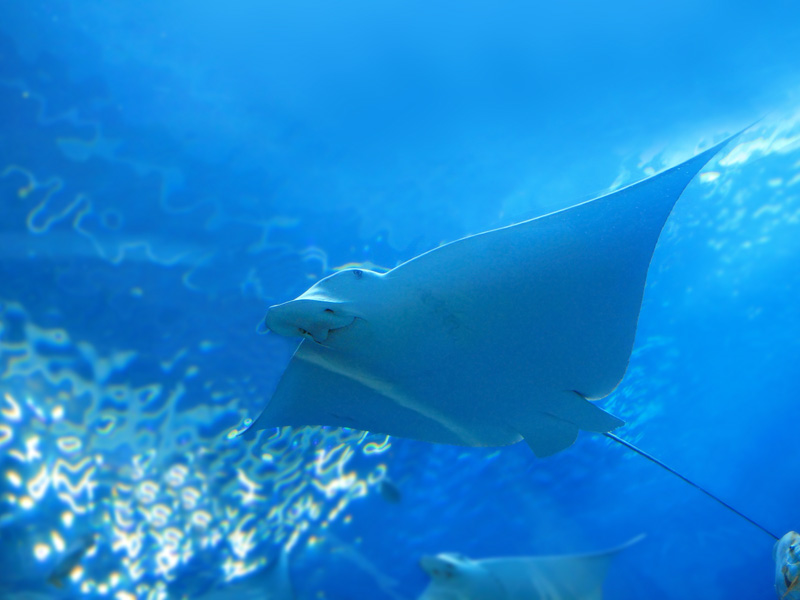
My father often used to say, “There’s nothing dirty about delicious food.” It makes me think of him, even though he passed away 30 years ago.  I remember once when I caught a 40-kilogram stingray at a nearby beach. I brought home only the edible parts and, not knowing  how to make hongeohoe (fermented skate), I processed it into fish cakes like kamaboko or hanpen. It took a lot of time. Catching it was a huge challenge, and I decided I never wanted to take the life of that kind of fish again. Proteins are made up of chains of amino acids. When enzymes from microorganisms break those chains, amino acids are released, and that’s  what gives the food its umami flavor.

Fermented foods are unique to each country, making them extremely interesting. However, Manuka honey, being a fully mature  raw honey with a sugar concentration of over 80%, is inhospitable to microorganisms. Interestingly, if diluted with water, it can ferment and turn into alcohol.


🍯 كيف يختلف “التخمير” عن “الفساد”؟

في المرة السابقة، تحدثت عن اللحوم المجففة المصنوعة في الريف البرازيلي. تجفيف اللحوم ليس شائعاً جداً في اليابان، لكن عند التفكير في الأسماك المجففة، التي تُستهلك كثيراً في اليابان، يبدو الأمر مألوفاً أكثر. سواء تعلق الأمر باللحوم أو الأسماك، لا شك أن العامل الأساسي يكمن في محتوى الملح. في الغرب، التركيز يكون على اللحوم كمنتجات مملحة، أما في اليابان، فالأمر يتعلق بالأسماك والخضروات، ولكن جوهرياً، العملية ليست مختلفة كثيراً. حتى في الأطعمة المخمرة، إذا لم يكن تركيز الملح متوازناً بشكل صحيح، قد ينتهي الأمر بالفساد بدلاً من الحفظ. النتيجة تعتمد على تركيز الملح: إذا تم بشكل جيد، يحدث التخمير، وإذا تم بشكل سيئ، يحدث الفساد.

إذن، هل “التخمير” و “الفساد” مختلفان حقاً؟ هذان الاسمان مجرد تسميات بشرية. إذا كان المنتج مفيداً للإنسان، نسميه تخميراً؛ وإذا لم يكن كذلك، نسميه فساداً. يشير التخمير إلى شيء ذو رائحة طيبة، طعمه لذيذ وآمن بدون سموم. وتركيز الملح يلعب دوراً رئيسياً في ذلك.

ذكرت سابقاً اللحوم المجففة في الريف البرازيلي، التي غالباً ما تغزوها الذباب، لكنها لا تفسد وتظل صالحة للأكل. فعلى الرغم من وجود البكتيريا الضارة على اللحم المغطى بالذباب، إلا أن هذه البكتيريا لا تستطيع التكاثر بسبب التركيز العالي للملح والتعرض لأشعة الشمس، ما يجعل الطعام آمناً. لذلك، فالتخمير والفساد مصطلحان اختراعهما البشر. التمييز بينهما نسبي ويتأثر كثيراً بثقافة الطعام المحلية.

في اليابان، أمثلة مألوفة هي ناتو وكوسايا. للغربيين، قد تبدو هذه الأطعمة فاسدة. أما في السويد، فهناك السورسترومينغ (الرنجة المخمرة في علب) المعروف برائحة قوية جداً، وفي كوريا الهونجيوهو (سمك الشوك المخمر) الذي يحتل المرتبة الثانية عالمياً من حيث الرائحة. من منظور ياباني، قد يبدو واضحاً أنها “فاسدة”، لكن كل منها له أهمية ثقافية وطهوية خاصة به.

في النهاية، كل هذه العمليات تدار بواسطة الكائنات الدقيقة التي تسبب تغييرات متنوعة. إذا كانت النتيجة لذيذة، نسميها تخميراً؛ وإذا كانت النتيجة سيئة، نسميها فساداً. إنه تمييز ذاتي للغاية يعتمد على الخبرة والثقافة. كان والدي يقول دائماً: “لا شيء قذر في الطعام اللذيذ.” أتذكره كثيراً رغم مرور 30 عاماً على وفاته.

أتذكر مرة حين اصطدت سمكة شوك وزنها 40 كجم على شاطئ قريب. أخذت الأجزاء الصالحة للأكل فقط، ولعدم معرفتي بكيفية صنع الهونجيوهو، حولتها إلى كعكات سمك مثل كامابوكو أو هانبن. استغرق الأمر وقتاً طويلاً. البروتينات تتكون من سلاسل الأحماض الأمينية، وعندما تقوم الإنزيمات الدقيقة بتفكيك هذه السلاسل، تتحرر الأحماض الأمينية، وهذا ما يمنح الطعام مذاقه الغني بـ الأومامي. تعد الأطعمة المخمرة فريدة لكل بلد، مما يجعلها ممتعة للغاية. ومع ذلك، عسل المانوكا، كعسل خام مكتمل النضج وبتركيز سكر يزيد عن 80٪، عديم الاستقبال للكائنات الدقيقة. ومن المثير للاهتمام أنه إذا تم تخفيفه بالماء، يمكن أن يختمر ويتحول إلى كحول.
Burning and Disinfecting Bee Hives

Burning and Disinfecting Bee Hives

Last time, I talked a bit about adding more hives as the nectar flow season approaches, since the colonies increase in number, and conversely,  reducing the number of hives as autumn approaches. This is in preparation for the coming cold. The goal is to make the space inside the hives  as small as possible to help retain warmth within the colony. However, as mentioned before, this time of year is characterized by significant  fluctuations in temperature. Just when it seems like winter is really settling in, the temperature suddenly rises to summer-like levels, making  this task far from straightforward. Everything must be handled by carefully observing the strength of each individual colony.

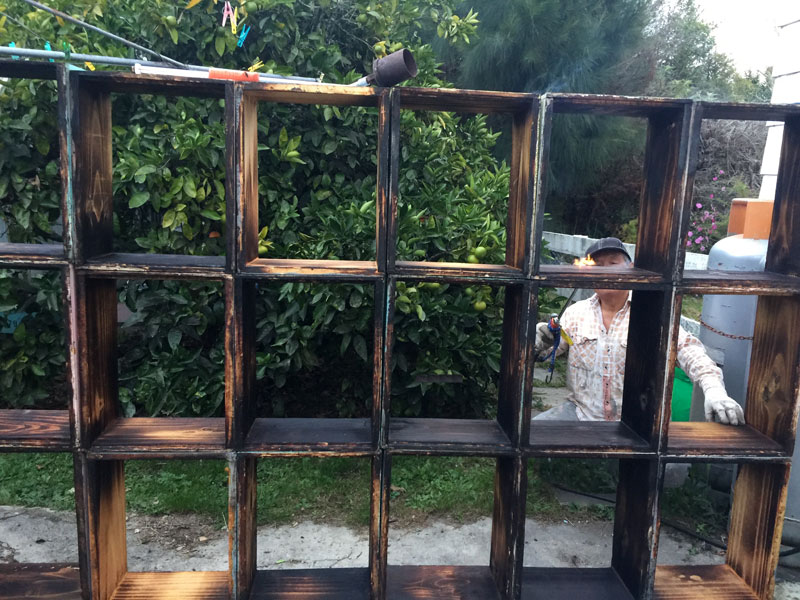
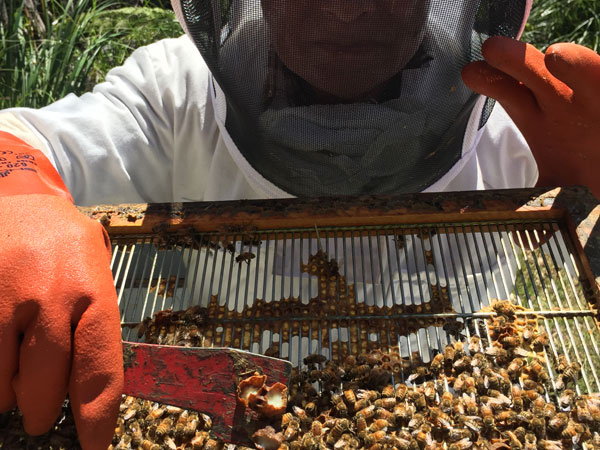
The hives removed from the apiary are checked by their identification numbers and then transported to the storage facility.  Using a hive tool, an essential tool for beekeepers, the wax and propolis attached to each hive are scraped off. The wax collecting on  the sheet below is gathered, heated, and stored as beeswax. After removing a certain amount of residue, the hives are scorched with  a gas burner until scorched, disinfecting and sterilizing them. The temperature of the large burner exceeds 2000°C, and its flame  reaches up to one meter, which easily eradicates pests like wax moths and mites. At the same time, it helps maintain the  cleanliness of the hives by protecting them from diseases caused by viruses and fungi.

This process is also applied to new hives.  We have confirmed that when the surface of a hive box is scorched, pests such as mites and wax moths tend to avoid it, likely due to the  carbon residue, which appears to have a repellent effect. Additionally, from experience, we know that carbonized hives do not provide  a suitable environment for the growth of viruses and fungi, and the risk of mold development due to humidity during the upcoming rainy season is significantly reduced. Normally, beekeepers here don’t manage their hives this thoroughly, and I’ve never heard of it being done. However, to my surprise,  when I visited a beekeeping supply store recently, I saw that they’ve started selling hives that have already been scorched in an electric kiln— something that didn’t exist in the past.

According to the store clerk, these hives supposedly reduce the occurrence of pests and diseases. I even wondered if they had copied  my method. However, simply scorching the hive slightly in an electric kiln leaves me skeptical about its effectiveness. The bees in my  freshly scorched hives turn completely black, almost like a different species, but I’ve never had any issues with diseases or pests from  these bees. Eventually, the black bees return to their normal color, but since carbon is used in purification systems like activated charcoal,  I’ve come to believe that it benefits the bees’ living environment. Of course, the dark color of my Manuka honey has nothing to do with this carbon process. (Haha)


🔥 حرق وتعقيم خلايا النحل في المرة السابقة، تحدثت قليلاً عن إضافة خلايا نحل جديدة مع اقتراب موسم تدفق الرحيق، حيث تزداد أعداد المستعمرات، وبالعكس، تقليل عدد الخلايا مع اقتراب الخريف تحسباً للبرد القادم. الهدف هو تصغير المساحة داخل الخلايا قدر الإمكان للحفاظ على دفء المستعمرة.

لكن كما ذكرت سابقاً، هذا الوقت من السنة يشهد تقلبات كبيرة في درجات الحرارة. حين يبدو أن الشتاء قد استقر تماماً، ترتفع درجات الحرارة فجأة لتصل إلى مستويات صيفية، مما يجعل هذه المهمة بعيدة عن البساطة. كل شيء يجب التعامل معه بمراقبة دقيقة لقوة كل مستعمرة على حدة.

يتم فحص الخلايا التي تُزال من المنحل بواسطة أرقام التعريف الخاصة بها، ثم تُنقل إلى المستودع. باستخدام أداة الخلايا، وهي أداة أساسية للنحالين، يتم كشط الشمع والبروبوليس الملتصق بكل خلية. يُجمع الشمع المتساقط على الصفائح السفلى، ويُسخن ثم يُخزن كـ شمع نحل.

بعد إزالة كمية معينة من البقايا، يتم حرق الخلايا باستخدام موقد غازي حتى تتحمر تماماً، مما يعقمها ويطهرها. تصل درجة حرارة الموقد الكبيرة إلى أكثر من 2000°م، ويصل لهبها إلى متر واحد، ما يضمن القضاء التام على الآفات مثل فراش الشمع والعث، وفي الوقت نفسه يحافظ على نظافة الخلايا وحمايتها من الأمراض الفيروسية والفطرية. يُطبق هذا الأسلوب أيضاً على الخلايا الجديدة. لقد لاحظنا أنه عند تحميص سطح صندوق الخلية، تتجنب الآفات مثل العث وفراش الشمع المكان، ربما بسبب بقايا الكربون التي يبدو أن لها تأثيراً طاردًا. وبالإضافة إلى ذلك، ومن خلال التجربة، نعلم أن الخلايا المحترقة بالكربون لا توفر بيئة مناسبة لنمو الفيروسات والفطريات، ويقل خطر تكون العفن نتيجة الرطوبة خلال موسم الأمطار القادم بشكل ملحوظ.

عادة، النحالون هنا لا يديرون خلاياهم بهذا المستوى من الدقة، ولم أسمع عن تطبيق هذا الأسلوب من قبل. لكن، لدهشتي، عندما زرت مؤخراً متجر مستلزمات النحل، رأيت أنهم بدأوا بيع خلايا تم تحميصها مسبقاً في فرن كهربائي—شيء لم يكن موجوداً في الماضي.

بحسب موظف المتجر، هذه الخلايا تقلل من انتشار الآفات والأمراض. حتى أنني تساءلت إن كانوا نسخوا طريقتي. مع ذلك، مجرد تحميص بسيط في فرن كهربائي يجعلني متشككاً في فعاليته. فالنحل في خلاياي المحترقة حديثاً يصبح أسود تماماً، وكأنها نوع مختلف، ومع ذلك لم أواجه أي مشاكل تتعلق بالأمراض أو الآفات. في النهاية، تعود النحل السوداء إلى لونها الطبيعي، لكن الكربون في أنظمة التطهير مثل الفحم النشط، يبدو أنه يفيد بيئة عيش النحل. بالطبع، لون عسلي المانوكا الغامق لا علاقة له بهذه العملية الكربونية. (هاها)
Adjusting the Number of Hive Boxes

Adjusting the Number of Hive Boxes

The Manuka nectar season has ended, and the Manuka honey harvest is expected to yield about the same as an average year.  As the days pass, the sound of insects in the evening has become more prominent. In Japan, this might be referred to as the “Mid-Autumn Moon.”  On nights with the supermoon, when the moon is closest to the Earth, the dry, clear sky after continuous sunny weather makes it bright  enough to read a newspaper by moonlight.

As for the upcoming beekeeping tasks, the process will reverse from spring when the hive boxes were stacked up as the flowers began to bloom.  Gradually, the number of hive boxes will be reduced. As the temperature drops, the space inside the hives must be minimized. Finally,  the four- or five-box hives will be reduced to a single box in preparation for winter.

At this time of year, the temperature fluctuates significantly from day to day, so it’s important to carefully assess the condition of each colony  before removing the additional hive boxes (vertical boxes). This is necessary to maintain warmth inside the hives. For weaker colonies,  the extra boxes (stacked hive boxes) are removed. While daytime temperatures may be tolerable, nighttime temperatures drop sharply,  so it’s essential to reduce the bees’ living space to improve their ability to retain heat.

On the other hand, if the space is reduced too quickly for stronger colonies, they may become overcrowded, and such drastic changes  to their living environment could harm their health. During winter, the number of bees in each colony decreases dramatically, from  60,000 bees per colony during the nectar flow season to fewer than 10,000. This happens because the queen bee reduces egg-laying,  a natural response due to the decrease in nectar sources. At this time of year, temperatures can suddenly drop or rise to summer-like levels.  When air masses come from the south, the temperature drops rapidly.

Conversely, when air masses from the South Pacific near the equator move in, it becomes surprisingly warm. In Japan, this is known  as “Sankan-shion” (three cold days, four warm days), which refers to a weather pattern where, during winter, three consecutive cold days are  followed by four warmer days, with this cycle repeating every seven days. However, here, the current season is the exact opposite of that.  This makes adjusting the number of hive boxes particularly difficult depending on the year. If it gets too cold, the temperature inside the hive drops, causing the bees to lose energy, which can lead to various diseases due to weakened immunity.

On the other hand, if the bees become more active and the space inside the hive is too small, the internal temperature can rise, which increases  the risk of swarming, the worst-case scenario. Like any work involving nature, beekeeping requires constant communication with  the unpredictable forces of nature, demanding quick and sensitive responses. By continuously sensing the changes in nature and communicating with the bees through trial and error, we can produce high-quality Manuka honey.


📦 تعديل عدد صناديق خلايا النحل

انتهى موسم رحيق المانوكا، ومن المتوقع أن حصاد عسل المانوكا سيكون مشابهاً تقريباً لمعدل السنوات العادية. مع مرور الأيام، أصبح صوت الحشرات في المساء أكثر وضوحاً. في اليابان، قد يُشار إلى هذا باسم “قمر منتصف الخريف”. في الليالي التي يظهر فيها القمر العملاق، عندما يكون القمر الأقرب إلى الأرض، يصبح السماء الصافية الجافة بعد أيام متواصلة من الطقس المشمس مضيئة بما يكفي لقراءة الصحف بضوء القمر.

بالنسبة لمهام النحل القادمة، فإن العملية ستكون عكس موسم الربيع، عندما كانت صناديق الخلايا مكدسة مع بداية تفتح الأزهار. تدريجياً، سيتم تقليل عدد صناديق الخلايا. ومع انخفاض درجات الحرارة، يجب تصغير المساحة داخل الخلايا. في النهاية، سيتم تقليل الخلايا المكدسة المكونة من أربع أو خمس صناديق إلى صندوق واحد استعداداً للشتاء.

في هذا الوقت من السنة، تتقلب درجات الحرارة بشكل كبير من يوم لآخر، لذا من المهم تقييم حالة كل مستعمرة بعناية قبل إزالة الصناديق الإضافية (الصناديق العمودية). هذا ضروري للحفاظ على دفء الخلايا. بالنسبة للمستعمرات الضعيفة، يتم إزالة الصناديق الإضافية. ورغم أن درجات الحرارة النهارية قد تكون مقبولة، إلا أن درجات الحرارة الليلية تنخفض بشكل حاد، لذا من الضروري تقليل مساحة معيشة النحل لتعزيز قدرتهم على الاحتفاظ بالحرارة.

من ناحية أخرى، إذا تم تقليص المساحة بسرعة كبيرة للمستعمرات القوية، فقد يصبح النحل مكتظاً للغاية، وقد يؤدي هذا التغير الجذري في بيئتهم إلى الإضرار بصحتهم. خلال الشتاء، يقل عدد النحل في كل مستعمرة بشكل كبير، من حوالي 60,000 نحلة في موسم تدفق الرحيق إلى أقل من 10,000 نحلة. يحدث هذا لأن ملكة النحل تقلل من وضع البيض، استجابة طبيعية نتيجة انخفاض مصادر الرحيق.

في هذا الوقت من السنة، يمكن أن تنخفض درجات الحرارة فجأة أو ترتفع لمستويات صيفية. عندما تأتي كتل هوائية من الجنوب، تنخفض درجات الحرارة بسرعة. بالمقابل، عندما تتحرك كتل هوائية من جنوب المحيط الهادئ قرب خط الاستواء، تصبح الأجواء دافئة بشكل مفاجئ. في اليابان، يُعرف هذا باسم “سانكان-شين” (ثلاثة أيام باردة، أربعة أيام دافئة)، وهو نمط من الطقس خلال الشتاء حيث تتبع ثلاثة أيام باردة أربعة أيام دافئة، وتتكرر هذه الدورة كل سبعة أيام.

لكن هنا، الموسم الحالي عكس ذلك تماماً. هذا يجعل تعديل عدد صناديق الخلايا صعباً بشكل خاص حسب السنة. إذا أصبح الجو بارداً جداً، تنخفض درجة الحرارة داخل الخلية، مما يؤدي إلى فقدان النحل للطاقة، ويمكن أن يؤدي إلى أمراض مختلفة نتيجة ضعف المناعة. من ناحية أخرى، إذا أصبح النحل أكثر نشاطاً وكانت المساحة داخل الخلية صغيرة جداً، قد ترتفع درجة الحرارة الداخلية، مما يزيد من خطر التكتل أو التفرد، وهو أسوأ السيناريوهات.

مثل أي عمل مرتبط بالطبيعة، تربية النحل تتطلب التواصل المستمر مع قوى الطبيعة غير المتوقعة، مما يستدعي ردود أفعال سريعة وحساسة. من خلال الإحساس المستمر بتغيرات الطبيعة والتواصل مع النحل عبر التجربة والخطأ، يمكننا إنتاج عسل مانوكا عالي الجودة يعكس طبيعة المكان وروح المستعمرة.
Insect Repellent Spray with Natural Herbs

Insect Repellent Spray with Natural Herbs

Last time, we discussed how the components of herbs like pyrethrum and thyme are used in insecticides for Varroa destructor. Ethyl alcohol is used to extract these active ingredients, and it seems that alcohol is often employed for extracting plant components in perfumes as well.  Alcohol is also used for the extraction of propolis. The method is very simple: after drying the herbs or medicinal plants you want to extract,  place them in a container and fill it with alcohol, letting it sit for a while so the essence can dissolve. I learned that lemongrass is used as an ingredient in insect repellent sprays, so I decided to try making my own.

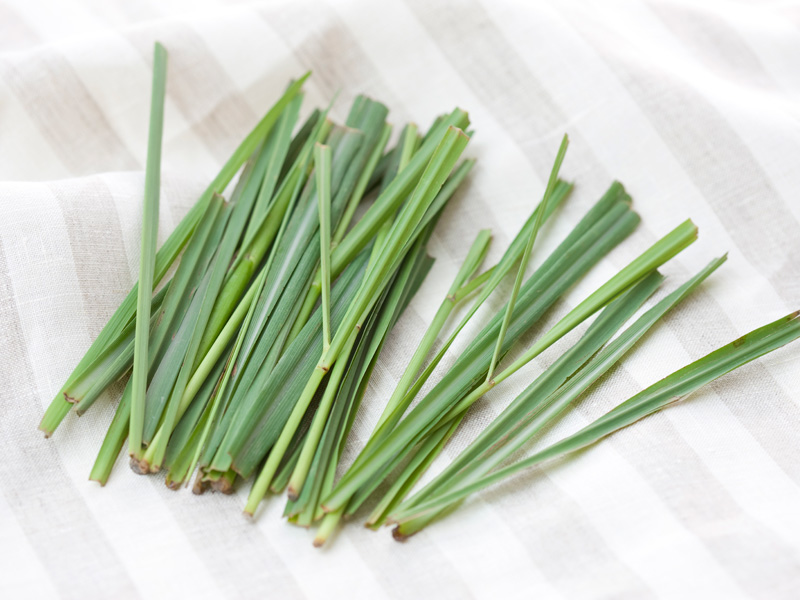
Since I have plenty of lemongrass growing in my garden like a weed, I quickly cut some, bundled it up, and hung it upside down on the terrace.  After about two weeks, I decided to use it. Lemongrass belongs to the Poaceae family, the same botanical family as rice, and it is  a plant that closely resembles Japanese pampas grass. Lemongrass is essential in Thai dishes like Tom Yum Kung. If you soak it in  alcohol for about two weeks, extracting its components is quite simple. This applies not only to lemongrass but also to many herbs and  medicinal plants—most essences can be extracted using ethanol (ethyl alcohol). Lemongrass, in particular, is known to repel mosquitoes,  and by dissolving my homemade alcohol essence in water and using a spray bottle, I can create a great insect repellent.

Alcohol completely dissolves in water, allowing for flexible concentration adjustments, and I hang it from various trees in my garden.  This way, no matter where I am in the garden, I have insect repellent nearby, which is very convenient. Recently, I haven’t been bothered  by pesky mosquitoes even in the evening. In beekeeping, the work can only be done after all the worker bees have returned to the hive, making this spray an essential item at that time,  and it has been very useful. While it’s true that you can buy anything with money, there’s a special joy and satisfaction that comes from  making something yourself, especially when it proves to be useful.

That’s why I enjoy repairing and creating things whenever  I have the time; if I can create or fix something that works well, I often feel more attached to it than to something I purchased.


🌿 بخاخ طارد الحشرات بالأعشاب الطبيعية

في المرة السابقة، تحدثنا عن كيفية استخدام مكونات الأعشاب مثل البيرثروم والزعتر في المبيدات الخاصة بـ Varroa destructor. يتم استخدام الكحول الإيثيلي لاستخراج هذه المكونات الفعالة، ويبدو أن الكحول غالبًا ما يُستخدم أيضًا في استخلاص مكونات النباتات للعطور. يُستخدم الكحول أيضًا لاستخراج البروبوليس. الطريقة بسيطة للغاية: بعد تجفيف الأعشاب أو النباتات الطبية المراد استخراجها، توضع في وعاء ويُملأ بالكحول ويُترك لبعض الوقت حتى يتم امتصاص جوهر المكونات.

تعلمت أن عشب الليمون (Lemongrass) يُستخدم كمكون في بخاخات طارد الحشرات، فقررت تجربة صنع بخاخي الخاص. نظرًا لوجود الكثير من عشب الليمون في حديقتي كنبات بري، قمت بقص كمية منه بسرعة، وربطها، وعلقتها رأسًا على عقب على التراس. بعد حوالي أسبوعين، قررت استخدامه. ينتمي عشب الليمون إلى عائلة الحشائش (Poaceae)، نفس العائلة النباتية للأرز، ويشبه إلى حد كبير عشب البامبا الياباني.

يُعد عشب الليمون عنصرًا أساسيًا في الأطباق التايلاندية مثل Tom Yum Kung. إذا تم نقعه في الكحول لمدة أسبوعين تقريبًا، يصبح استخراج مكوناته سهلاً للغاية. ينطبق هذا ليس فقط على عشب الليمون، بل على العديد من الأعشاب والنباتات الطبية—حيث يمكن استخراج معظم الزيوت العطرية باستخدام الإيثانول (الكحول الإيثيلي). يُعرف عشب الليمون بقدرته على صد البعوض، ومن خلال إذابة مستخلص الكحول المنزلي في الماء واستخدام زجاجة رذاذ، يمكنني صنع بخاخ طارد حشرات فعال جدًا.

يمتزج الكحول تمامًا مع الماء، مما يسمح بتعديل التركيز بحرية. أعلقه على أشجار مختلفة في حديقتي، وبهذه الطريقة، أمتلك دائمًا طارد حشرات بالقرب مني في أي مكان في الحديقة، مما يجعل الأمر مريحًا للغاية. مؤخرًا، لم أعد أعاني من البعوض المزعج حتى في المساء.

في تربية النحل، لا يمكن القيام بالعمل إلا بعد عودة جميع العاملات إلى الخلية، لذا يُعد هذا البخاخ عنصرًا أساسيًا في ذلك الوقت، وقد كان مفيدًا جدًا. صحيح أنه يمكنك شراء أي شيء بالمال، لكن هناك فرحة ورضا خاص عندما تصنع شيئًا بنفسك ويكون مفيدًا بالفعل. لهذا السبب، أستمتع بالإصلاح والابتكار كلما أتيحت لي الفرصة؛ فعندما أتمكن من صنع أو إصلاح شيء يعمل جيدًا، غالبًا ما أشعر بارتباط أكبر به مقارنة بأي شيء اشتريته.
Information We Share with Our Customers

Information We Share with Our Customers

Our customers have an exceptionally high repeat purchase rate, which is truly the greatest joy for us. We are deeply grateful  for your continued patronage and expectations for our products, and we feel a great sense of responsibility at the production site. Today,  I would like to share part of an email that we send to customers each time they make a purchase. “At this time of year, the bees are in good spirits due to their abundant honey stores, and they are delicate and adorable.  They are unlikely to sting anyone.”

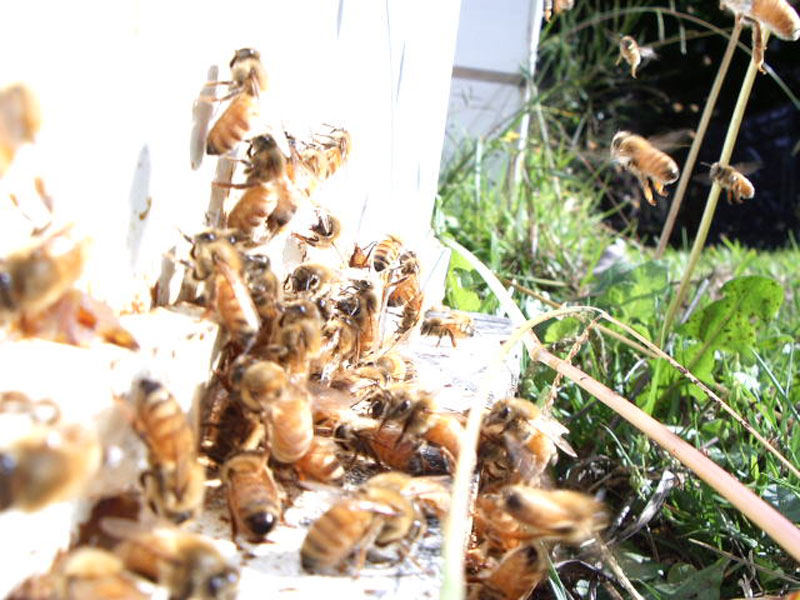
In the photos you see, the area where the bees are concentrated is called the “entrance.” At this time of year, there are frequent mass  attacks by carnivorous hornets, which often results in the worker bees being killed and their larvae stolen. To protect them, we only open  the entrance to the size of a matchbox. The first level of the hive is the queen’s domain, primarily for laying eggs and rearing the brood.  The second level is called the “queen excluder,” where a grid prevents the larger queen from passing through, making it a designated  storage area for the worker bees’ honey. During the peak of the nectar flow, third and fourth levels are added. Our practice is stationary beekeeping, but in Japan’s migratory beekeeping, where beekeepers follow blooming flowers, you won’t see  such multi-level hives due to the scarcity of nectar sources.

By the way, the reason we tilt the hive forward is to prevent rainwater from entering. The surface of the hive becomes yellowish in places,  mainly due to the propolis resin that the bees collect from coniferous forests. They use this resin to coat the inside of the hive for  sterilization purposes. Compared to Brazilian propolis, New Zealand propolis has a less appealing color and scent due to the difference in  origin plants and bee species, making it less pleasant to consume. As for the Strong Manuka Honey, although it’s something we face every year, we are always concerned about the level of antibacterial  activity. Even with products from the exact same region, the activity level can vary greatly from year to year—sometimes it’s very high, and  other times it doesn’t show at all. It’s truly a mystery.

The mechanism behind the production of active substances is still not well understood, and since there is no solution for this, we have  no choice but to accept these outcomes as natural products of the great outdoors. To use a somewhat grand expression, it truly feels  like we are doing our best and then leaving the rest to fate. In the end, the final determinants of quality and quantity are  nothing other than the weather and the health of the bees. I pray that we will be able to harvest good bee products again next season.  We are committed to providing as many customers as possible with products that satisfy them, all while being mindful of the environment here in New Zealand. The above is just a small portion, but we tailor the information and content we share with each customer based on their purchase frequency  and timing. Providing accurate information related to our products is a fundamental part of our company’s policy.


📧 المعلومات التي نشاركها مع عملائنا

يتمتع عملاؤنا بمعدل شراء متكرر استثنائي للغاية، وهذا حقًا يمثل أعظم سعادة لنا. نحن ممتنون بعمق لدعمكم المستمر وتوقعاتكم العالية تجاه منتجاتنا، ونشعر بمسؤولية كبيرة في موقع الإنتاج. اليوم، أود أن أشارك جزءًا من البريد الإلكتروني الذي نرسله للعملاء في كل مرة يقومون فيها بالشراء: “في هذا الوقت من السنة، تكون النحل في حالة معنوية عالية نظرًا لوفرة مخزون العسل لديهم، وهم رقيقون ولطيفون للغاية. من غير المرجح أن يلسعوا أي شخص.”

في الصور التي ترونها، تُعرف المنطقة التي يتركز فيها النحل باسم “المدخل”. في هذا الوقت من السنة، تحدث غالبًا هجمات جماعية من الدبابير المفترسة، والتي تؤدي غالبًا إلى قتل العاملات وسرقة يرقات النحل. لحمايتهم، نقوم بفتح المدخل فقط بحجم علبة الكبريت.

المستوى الأول من الخلية هو مملكة الملكة، ويُخصص أساسًا لوضع البيض وتربية اليرقات. المستوى الثاني يسمى فاصل الملكة، حيث يمنع الشبك مرور الملكة الكبيرة، مما يجعلها منطقة مخصصة لتخزين عسل العاملات. أثناء ذروة تدفق الرحيق، يتم إضافة المستويين الثالث والرابع. ممارستنا هي تربية النحل الثابتة، أما في اليابان، في تربية النحل المتنقلة حيث يتبع النحالون الأزهار المتفتحة، فلن ترى خلايا متعددة المستويات بسبب ندرة مصادر الرحيق.

وبالمناسبة، السبب في إمالة الخلية للأمام هو لمنع دخول مياه الأمطار. يصبح سطح الخلية أصفر اللون في بعض الأماكن، ويرجع ذلك بشكل رئيسي إلى راتنج البروبوليس الذي يجمعه النحل من الغابات الصنوبرية. يستخدم النحل هذا الراتنج لتغطية داخل الخلية لأغراض التعقيم.

مقارنة بالبروبوليس البرازيلي، يتميز بروبوليس نيوزيلندا بلون ورائحة أقل جاذبية بسبب اختلاف النباتات الأصلية وأنواع النحل، مما يجعله أقل متعة عند الاستهلاك. أما بالنسبة لـ Strong Manuka Honey، فرغم أنه أمر نواجهه كل عام، إلا أننا دائمًا نشعر بالقلق بشأن مستوى النشاط المضاد للبكتيريا. حتى بالنسبة للمنتجات من نفس المنطقة بالضبط، يمكن أن يختلف مستوى النشاط بشكل كبير من سنة إلى أخرى—في بعض الأحيان يكون عاليًا جدًا، وفي أحيان أخرى قد لا يظهر على الإطلاق. إنه لغز حقيقي.

الآلية وراء إنتاج المواد الفعالة لا تزال غير مفهومة جيدًا، وبما أنه لا يوجد حل لذلك، لا مفر لنا سوى قبول هذه النتائج كمنتجات طبيعية من أحضان الطبيعة. للتعبير بطريقة فخمة، يبدو حقًا وكأننا نبذل قصارى جهدنا ثم نترك الباقي للقدر. في النهاية، العوامل النهائية لتحديد الجودة والكمية ليست سوى الطقس وصحة النحل. أدعو الله أن نتمكن من حصاد منتجات نحل جيدة مرة أخرى في الموسم القادم. نحن ملتزمون بتوفير منتجات ترضي أكبر عدد ممكن من عملائنا، مع مراعاة البيئة هنا في نيوزيلندا. ما سبق هو مجرد جزء صغير، ولكننا نخصص المعلومات والمحتوى الذي نشاركه مع كل عميل وفقًا لتكرار الشراء وتوقيته. إن توفير معلومات دقيقة تتعلق بمنتجاتنا يعد جزءًا أساسيًا من سياسة شركتنا.
When Drought Continues

When Drought Continues

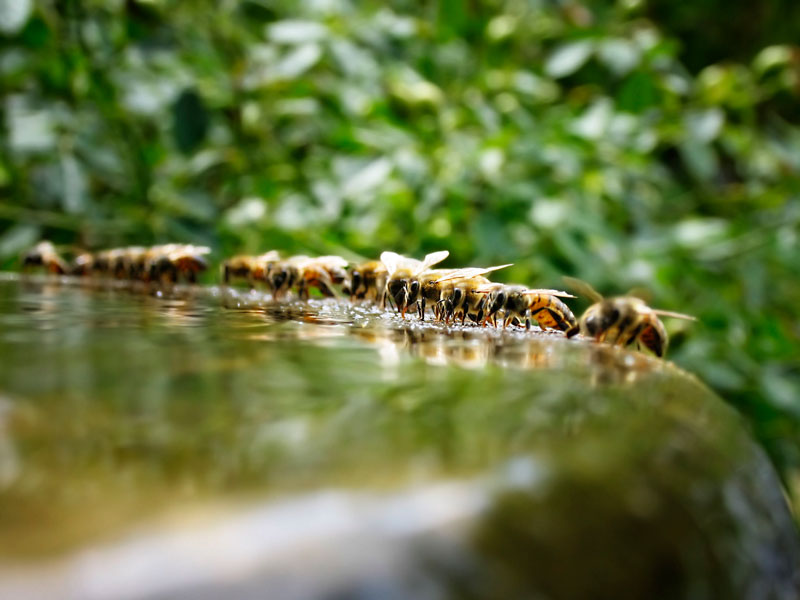
We’ve had weeks of drought, and both my garden and apiary are suffering from deepening cracks in the ground. The water in the pond  we built at the apiary has dried up, so the bees are forced to fly to distant streams to find water. This wastes their energy, so I try to  bring water to the apiary ourselves to prevent them from becoming exhausted. The water level in the pool at my home has also dropped by  half. My wife tried to clean it by vacuuming the leaves from the bottom, but she noticed that the bees were gathering on the floating  vacuum hose to drink water. She grumbled to herself that, since our lives are sustained by these bees, we couldn’t possibly chase them away  just to clean the pool.

Luckily, a hurricane is moving south from the equator, and it looks like it might hit our area here in the North Island directly. We’re hoping  it brings much-needed rain. Even if we get a lot of rain, the dry ground will absorb it all, so there’s no risk of flooding, and the more rain,  the better for us. Since the property is large, I grow vegetables and fruit trees, but the daily watering makes the water bill expensive, and just  sprinkling with a hose doesn’t do much good. On the bright side, the lack of rain means the grapes, which are almost ready to harvest, are  developing a higher sugar content. I’m also excited because this year I’ve been trying to grow seedless grapes. Last year, we had a lot of damage  because the bird netting I put up was poorly done.

Here, we have a troublesome bird that resembles a bulbul and runs around like a mouse. It sneaks through the smallest gaps to attack crops just as they start to sweeten, so I’ve sealed everything with nets. However, knowing this bird,  I can’t let my guard down. If I don’t pick the tomatoes as soon as they start ripening, they’ll be full of holes from being pecked. Luckily, it seems  unable to pierce through tougher-skinned fruits like watermelon.

This year’s lack of rain has me hoping for some really sweet watermelons. With so much to do every day, time flies by so quickly that  I sometimes end up putting off my main work. It’s not quite like saying, “One day you’re born, the next you’re in a coffin,” but it feels close.  I often find myself wondering, “What have I been doing all this time?” Time in nature moves so swiftly that a human life can feel like it’s over in an instant.


🌵 عندما يستمر الجفاف

لقد مرّت أسابيع من الجفاف، وتعاني كل من حديقتي ومزرعة النحل من تشققات عميقة في الأرض. لقد جفت المياه في البركة التي أنشأناها في المزرعة، لذا اضطرت النحل للطيران لمسافات بعيدة للوصول إلى المياه. هذا يهدر طاقتها، لذلك أحاول توفير الماء للمزرعة بأنفسنا لتجنب إرهاقها.

كما انخفض مستوى المياه في بركة المنزل إلى النصف. حاولت زوجتي تنظيفها باستخدام المكنسة الكهربائية لإزالة الأوراق من القاع، لكنها لاحظت أن النحل يتجمع على خرطوم المكنسة العائم لشرب الماء. تمتمت لنفسها أنه بما أن حياتنا تعتمد على هؤلاء النحل، فلا يمكننا طردهم لمجرد تنظيف البركة.

لحسن الحظ، هناك إعصار يتحرك جنوبًا من خط الاستواء، ويبدو أنه قد يضرب منطقتنا في الجزيرة الشمالية مباشرة. نحن نأمل أن يجلب المطر المنشود بشدة. حتى لو هطلت كميات كبيرة من الأمطار، فإن الأرض الجافة ستمتصها كلها، فلا يوجد خطر في حدوث فيضانات، وكلما زاد المطر كان أفضل لنا.

نظرًا لأن الممتلكات واسعة، أزرع الخضروات وأشجار الفاكهة، لكن الري اليومي يجعل فاتورة المياه باهظة، ولا يكفي مجرد الرش بالخرطوم. من الجانب الإيجابي، فإن نقص الأمطار يجعل العنب، الذي يوشك على الحصاد، يتطور بمحتوى أعلى من السكر. أنا متحمس أيضًا لأنني هذا العام أحاول زراعة العنب الخالي من البذور. في العام الماضي، تعرضنا للعديد من الأضرار بسبب سوء تركيب شبكات الطيور.

هنا، لدينا طائر مزعج يشبه البلبل ويتحرك مثل الفأر. يتسلل من أصغر الفجوات لمهاجمة المحاصيل بمجرد أن تبدأ في التحلية، لذلك قمت بسد كل شيء بالشبكات. ومع ذلك، ومع معرفتي بهذا الطائر، لا يمكنني التهاون أبدًا. إذا لم أجمع الطماطم فور بدء نضجها، ستصبح مليئة بالثقوب بسبب النقر. ولحسن الحظ، يبدو أنه غير قادر على اختراق الفواكه ذات القشرة الصلبة مثل البطيخ.

نقص الأمطار هذا العام يجعلني آمل في الحصول على بطيخ حلو جدًا. مع كل هذه المهام اليومية، يمر الوقت بسرعة كبيرة لدرجة أنني أؤجل أحيانًا عملي الأساسي. ليس الأمر تمامًا كما لو قلت: “في يوم تولد، وفي اليوم التالي تكون في التابوت”، لكنه قريب من هذا الشعور. كثيرًا ما أجد نفسي أتساءل: “ماذا كنت أفعل طوال هذا الوقت؟” فزمن الطبيعة يمر بسرعة، حتى أن الحياة البشرية قد تشعر وكأنها انتهت في لحظة.
Chemical Use and the Future of Beekeeping

Chemical Use and the Future of Beekeeping

(Continuing from the previous blog) Antibiotics and other antimicrobial drugs, including broad-spectrum antibiotics, have the downside  of attacking not only harmful bacteria but also beneficial microorganisms in the human body. In contrast, natural bioactive substances  like Manuka honey and propolis seem to have fewer such drawbacks, which I believe is their biggest difference compared to  synthetic antibiotics. Furthermore, while many antibiotics work through enzyme-level mechanisms (such as bactericidal or bacteriostatic actions),  natural active substances are composed of complex compounds that interact in a multifaceted way, making it more difficult for bacteria to develop resistance structures.

Considering these points, it seems far wiser to return to nature and make it our ally rather than being caught up in the endless, fierce battle  between drugs and microorganisms. Since humans are made from the materials found on Earth, it only makes sense to align ourselves with nature. I’ve written at length, but the fact remains: if we hadn’t overused medications, these severe problems wouldn’t have arisen in the first place.  The ongoing war between drugs and microorganisms brings no real benefit. Only pharmaceutical companies, which continuously produce  new drugs in response to emerging resistant bacteria, seem to profit from this unending cycle.

It’s truly a never-ending game of cat and mouse. I’m not entirely against the use of medications—antibiotics, steroids, and other drugs  are undeniably effective in emergency and life-saving situations. However, becoming overly dependent on them leads to numerous  unforeseen problems. These antimicrobial drugs should be reserved for critical situations, not overused, but the reality is that we’ve  already overstepped this boundary. As a result, we’re running out of effective medications to combat resistant bacteria. Some even say  this battle ultimately favors microorganisms, with humanity facing inevitable defeat.

Given all of this, I believe that practicing beekeeping without the use of drugs, as is done in New Zealand, is the right approach.  In other countries, beekeeping with the use of medications may seem to temporarily solve bee-related diseases, but in the long run,  I believe this is merely an illusion for beekeepers. When we consider that these drugs can enter the human body through bee products  and other agricultural products, I can’t help but think that, in the end, the overuse of drugs will lead to unfortunate consequences.


استخدام المواد الكيميائية ومستقبل تربية النحل

(متابعة للمدونة السابقة) المضادات الحيوية وغيرها من الأدوية المضادة للميكروبات، بما في ذلك المضادات الحيوية واسعة الطيف، لها جانب سلبي يتمثل في أنها تهاجم ليس فقط البكتيريا الضارة بل أيضًا الكائنات الدقيقة المفيدة في جسم الإنسان. في المقابل، تبدو المواد البيولوجية النشطة الطبيعية مثل عسل المانوكا و البروبوليس أقل عرضة لمثل هذه الأضرار، وأعتقد أن هذا هو أكبر اختلاف لها مقارنة بالمضادات الحيوية الاصطناعية. علاوة على ذلك، بينما تعمل العديد من المضادات الحيوية من خلال آليات على مستوى الإنزيمات (مثل العمل القاتل للبكتيريا أو المثبط لها)، فإن المواد النشطة الطبيعية تتكون من مركبات معقدة تتفاعل بطرق متعددة الأبعاد، مما يصعّب على البكتيريا تطوير مقاومة ضدها.

بالنظر إلى هذه النقاط، يبدو من الحكمة أكثر العودة إلى الطبيعة وجعلها حليفًا لنا بدلاً من الانخراط في المعركة المستمرة والعنيفة بين الأدوية والكائنات الدقيقة. بما أن الإنسان مصنوع من المواد الموجودة على الأرض، فمن المنطقي أن نتناغم مع الطبيعة. لقد كتبت مطولًا، لكن الحقيقة تبقى: لو لم نبالغ في استخدام الأدوية، لما ظهرت هذه المشاكل الخطيرة من الأساس. الحرب المستمرة بين الأدوية والكائنات الدقيقة لا تحقق أي فائدة حقيقية. يبدو أن الشركات الدوائية وحدها هي المستفيدة من هذه الدورة التي لا تنتهي، إذ تنتج أدوية جديدة باستمرار لمواجهة البكتيريا المقاومة الناشئة.

إنها حقًا لعبة القط والفأر التي لا تنتهي. أنا لست ضد استخدام الأدوية بالكامل—فالمضادات الحيوية والستيرويدات وغيرها من الأدوية فعّالة بلا شك في الحالات الطارئة والمنقذة للحياة. ومع ذلك، فإن الاعتماد المفرط عليها يؤدي إلى العديد من المشاكل غير المتوقعة. يجب أن تُحتفظ هذه الأدوية المضادة للميكروبات للحالات الحرجة، وليس للإفراط في استخدامها، لكن الواقع هو أننا تجاوزنا هذا الحد بالفعل. نتيجة لذلك، بدأنا نفقد الأدوية الفعّالة لمحاربة البكتيريا المقاومة. ويقول البعض إن هذه المعركة تنتهي في صالح الكائنات الدقيقة، مع مواجهة البشر لهزيمة محتومة.

بالنظر لكل ذلك، أعتقد أن ممارسة تربية النحل بدون استخدام الأدوية، كما هو الحال في نيوزيلندا، هو النهج الصحيح. في بلدان أخرى، قد يبدو أن تربية النحل باستخدام الأدوية تحل مؤقتًا الأمراض المتعلقة بالنحل، لكن على المدى الطويل، أرى أن هذا مجرد وهم للنحالين. وعندما نأخذ في الاعتبار أن هذه الأدوية يمكن أن تدخل جسم الإنسان عبر منتجات النحل وغيرها من المنتجات الزراعية، لا يسعني إلا أن أفكر أنه في النهاية، سيؤدي الإفراط في استخدام الأدوية إلى عواقب مؤسفة.
Removal of Queen Cells

Removal of Queen Cells

Last time, I wrote about swarming and how it poses a risk for beekeepers, and that preventing it requires removing queen cells before  new queens can develop. However, given that the work is done amidst tens of thousands of bees, completely eliminating all queen  cells is an almost superhuman task, even for the most skilled beekeepers. Most queen cells are easy to spot, but some are quietly built in the  less noticeable corners of the frames. These are the ones that tend to be overlooked. For the bees, removing every newly formed queen cell is a matter of survival, as beekeepers systematically destroy their carefully raised  future queens. 

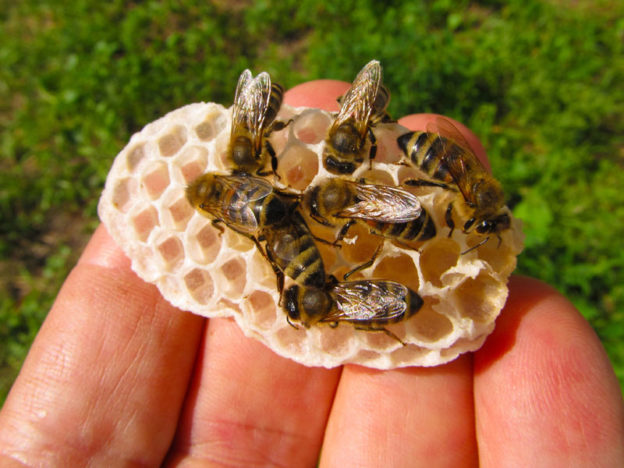
This is purely my imagination, but I can’t help but feel that bees have evolved with a sort of intelligence encoded in their DNA, allowing  them to secretly nurture new queens without human detection. I’ve often come across queen cells that are cleverly concealed, almost  camouflaged, in ways that are hard to spot at a glance. It almost seems like a product of evolutionary adaptation, developed over generations  of being managed by humans. These queen cells are removed using a hive tool, an essential beekeeping tool. Often, I find them filled with a generous amount of  royal jelly (see image). I gather this jelly, and during the drive home, I pop the entire comb cell into my mouth. Royal jelly has a unique, intense  tartness and a stimulating taste and aroma.

Eating this royal jelly while driving prevents drowsiness, no matter how tired I am. Combining it with Manuka honey offers synergistic  health benefits, something I’ve personally experienced and confirmed through reports from long-term customers. Incidentally, with swarming, if you’re fortunate enough to catch a swarm at the right moment, it’s possible to add an extra colony.  There are various other methods to increase bee colonies, but the most common is to separate a group and create a queenless state,   thereby stimulating the development of a new queen.


إزالة بيوت الملكات

في المرة السابقة تحدثتُ عن ظاهرة التطريد وكيف تشكل خطرًا حقيقيًا على مربي النحل، وأن الوقاية منها تتطلّب إزالة بيوت الملكات قبل أن تكتمل فيها تربية ملكات جديدة. غير أن أداء هذا العمل وسط عشرات الآلاف من النحل يجعل مهمة إزالة جميع بيوت الملكات مهمة شبه مستحيلة، حتى بالنسبة لأكثر المربين مهارة وخبرة. فمعظم بيوت الملكات يسهل رؤيتها، لكن بعضها يُشيَّد بخفاء في الزوايا غير الظاهرة من الإطارات — وهذه بالتحديد هي التي يسهل التغافل عنها. وبالنسبة للنحل، فإن إزالة كل بيت ملكة جديد هو معركة بقاء، لأن المربي يقوم بشكل منهجي بتدمير الملكات المستقبلية التي عملت الشغالات على تربيتها بعناية.

وقد يكون هذا من نسج خيالي، لكنني لا أستطيع إلا أن أشعر بأن للنحل قدرًا من “الذكاء الوراثي” المتراكم في شيفرته الجينية؛ ذكاء يسمح له بتربية ملكات جديدة بعيدًا عن أعين البشر. فكثيرًا ما أصادف بيوت ملكات مبنية بطريقة ماكرة، مموّهة، تكاد تتخفّى حتى عن العين المدققة. ويبدو الأمر وكأنه سلوك تطوري تشكّل عبر أجيال طويلة من التفاعل مع الإنسان. ويتم إزالة هذه البيوت باستخدام أداة أساسية في تربية النحل تُسمّى أداة الخلية (Hive Tool).

غالبًا ما أجد هذه البيوت ممتلئة بكمية وفيرة من الهلام الملكي (رويال جيلي). وعندما أعود بالسيارة إلى المنزل، أضع كامل الخلية الصغيرة في فمي. يتميز الهلام الملكي بطعمٍ حاد منعش، ونكهةٍ عطرية نفاذة لا تشبه أي شيء آخر.

وأثناء القيادة، أتناول هذا الهلام الملكي، فيزول الشعور بالنعاس تمامًا مهما بلغ الإرهاق، وكأن له قدرة طبيعية على تنشيط الحواس وإعادة صفاء الذهن. وعند دمجه مع عسل المانوكا، تنشأ فائدة صحية متعاظمة، وقد اختبرت هذا الأثر بنفسي وتلقيت عنه تأكيدات عديدة عبر السنوات من عملاء يستخدمون منتجاتنا بانتظام.

ومن الجدير بالذكر أنه في حالات التطريد، إن حالفك الحظ وتمكنت من التقاط الطرد في اللحظة المناسبة، يصبح بالإمكان إضافة خلية جديدة تمامًا. وهناك طرق متعددة لزيادة عدد الطوائف، إلا أن أكثرها شيوعًا هو فصل مجموعة من النحل وخلق حالة “عديمة الملكة”، مما يحفّز النحل على تطوير ملكة جديدة بطريقة طبيعية ومدروسة.

The Arrival of Swarming Season Again - Part 2

The Arrival of Swarming Season Again – Part 2

Happy New Year! I hope this year will be another great one. Here in New Zealand, being near the International Date Line, is among the first countries in the world to welcome the New Year. I’ve heard  that there are tours specifically designed for foreign tourists to witness the first sunrise of the year. The sentiment of welcoming a new  year seems to be universal, transcending time and place. At the stroke of midnight, firecrackers burst all at once, and people gather with family  and friends to celebrate a prosperous New Year. I find the New Year in the Southern Hemisphere, opposite to Japan’s season, to have its own  unique charm, which I deeply enjoy.

(Continuing from the year-end blog) As I’ve mentioned in this blog before, honeybees ensure the survival of their species by raising  multiple new queens when necessary. Ultimately, only one strong queen is crowned to reign. The others are either killed by their  peers or defeated in battles between queens, with the victor becoming the new ruler (though on rare occasions, two queens may coexist  within a single colony).

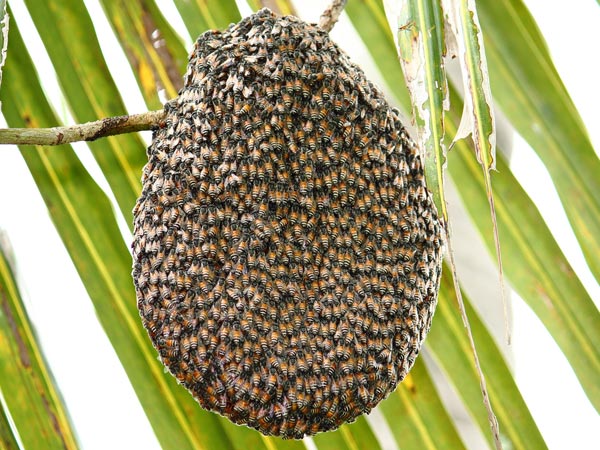
Just before this happens, the old queen departs, taking half of the colony with her in a phenomenon known as swarming. During swarming,  the bees inevitably settle on a nearby, relatively low tree, clustering around the queen to form a bee ball for about an hour before flying off to a new location. Yet, there is a remarkable degree of planning behind this action.
 Even at the stage of forming the bee ball,  scout bees have already scouted out and chosen a new location for the hive.

At my apiary, which operates within wild manuka forests for the purpose of harvesting manuka honey, capturing swarms on low trees is  relatively easy. Swarming typically occurs on calm, sunny days without wind. Interestingly, the queen bee is nothing more than an egg-laying machine created by the worker bees. Sovereignty truly rests  with the colony. The worker bees take the lead, and the hive operates as a highly organized society that seems far more advanced than human democracy.


عودة موسم التطريد مجددًا – الجزء الثاني

كل عام وأنتم بخير. أتمنى أن يكون هذا العام عامًا آخر حافلًا بالخير والنجاح. فهنا في نيوزيلندا، القريبة من خط التاريخ الدولي، نُعدّ من أوائل دول العالم استقبالًا للعام الجديد. وقد سمعتُ عن جولات سياحية خاصة تُنظم للأجانب لمشاهدة أول شروق للشمس في السنة. ويبدو أن الشعور بالترحيب ببداية عامٍ جديد هو شعورٌ إنساني عالمي، يتجاوز الزمان والمكان. فعند حلول منتصف الليل، تنفجر الألعاب النارية في وقت واحد، ويتجمع الناس مع عائلاتهم وأصدقائهم للاحتفال متمنّين عامًا مزدهرًا. أجد لاحتفالات العام الجديد في نصف الكرة الجنوبي — المعاكس تمامًا لمواسم اليابان — سحرًا خاصًا يبعث على البهجة.

(استكمالًا لمدونة نهاية العام) كما ذكرت سابقًا، يضمن نحل العسل بقاء نوعه من خلال تربية عدة ملكات جديدة عند الحاجة. وفي النهاية، لا تُتوَّج إلا ملكة واحدة قوية. أما الباقيات، فإما تُقضى عليهن من قِبل العاملات، أو يهلكن في معارك شرسة بين الملكات، لتتربع المنتصرة على العرش — رغم أن بقاء ملكتين في خلية واحدة قد يحدث نادرًا.

وقبيل هذه المرحلة، تغادر الملكة القديمة الخلية مصطحبةً معها نصف أفراد المستعمرة في ظاهرة تُعرف بـ التطريد. وخلال التطريد، تستقرّ النحل عادة على شجرة منخفضة قريبة، متجمعة حول الملكة في كتلة تُسمى “كرة النحل”، تبقى هكذا لنحو ساعة قبل الإقلاع نحو موطن جديد. إلّا أنّ ما يبدو عشوائيًا يخضع في الحقيقة لقدر كبير من التخطيط الدقيق. فحتى أثناء تكوّن كرة النحل، تكون شغالات الاستطلاع قد قامت بالفعل باستكشاف مواقع متعددة واختيار الأفضل منها للخلية الجديدة.

وباعتبار أن منحلنا يقع وسط غابات المانوكا الطبيعية — المخصصة لإنتاج عسل المانوكا — فإن التقاط أسراب التطريد على الأشجار المنخفضة مهمة سهلة نسبيًا. ويحدث التطريد غالبًا في أيام مشمسة هادئة بلا رياح.

والمُلفت أن الملكة ليست سوى آلة لوضع البيض صنعها النحل العامل. أما السلطة الحقيقية فهي بيد المستعمرة ذاتها. فالعاملات هنّ من يوجِّهن، ويعملن بتناغم في نظام اجتماعي بالغ التنظيم يبدو — بكل صدق — أكثر تطورًا من الكثير من نماذج الديمقراطية البشرية.

The Arrival of Swarming Season Again - Part 1

The Arrival of Swarming Season Again – Part 1

As the year draws to a close, I can’t help but feel how quickly time passes while writing this blog. Each day, we dedicate ourselves to producing  genuine, functional honey that can truly benefit our customers’ health. From the bottom of my heart, I wish you all a wonderful New Year.

Here in New Zealand’s North Island, the arrival of northerly winds and warm air masses from the South Pacific has brought sudden  summer-like weather. The bees, benefiting from an abundance of nectar sources, are now at their most active, with colony sizes nearing  their peak at an estimated 50,000 to 60,000 bees per hive. Inside the hives, overcrowding is becoming an issue, raising the risk of swarming.  If left unchecked, swarming could result in half the colony departing with their honey stores, which would be a significant loss for beekeepers.

To prevent this, large brood cells known as queen cells, which are used to raise new queens, must be removed as soon as they are found.  Additionally, extra hive boxes must be added to ensure there is enough space. Each hive box contains ten frames, and it is essential  to inspect each one carefully to check for the presence of queen cells.

Queen cells are several times larger than ordinary cells, making them relatively easy to find. However, with tens of thousands of  bees covering each frame, the task is far from simple. To inspect a frame, it must be gently removed and then shaken vigorously up and down to  dislodge the bees back into the hive. Once the bees have cleared, queen cells become visible. Swarming season often coincides with the nectar flow, a period of high bee activity, making this task all the more challenging due to the  huge number of bees present.

Each frame must be carefully inspected to ensure no queen cells are missed. Even a single overlooked queen  cell can lead to the emergence of a new queen within approximately two weeks. The worker bees feed the larva royal jelly, rapidly raising it to queen status. Queen cells are not limited to just one per colony; the bees often create multiple cells. This is likely to ensure the certainty of  a queen’s successful emergence. (To be continued)


عودة موسم التطريد مجددًا – الجزء الأول

مع اقتراب نهاية العام، يراودني شعورٌ عميق بمدى سرعة انقضاء الوقت كلما شرعت في كتابة هذه السطور. فنحن نكرّس أيامنا لإنتاج عسلٍ حقيقي بخصائص وظيفية عالية، قادر على الإسهام فعليًا في صحة عملائنا. ومن قلبي، أتمنى لكم عامًا جديدًا مليئًا بالخير والطمأنينة.

هنا في الجزيرة الشمالية من نيوزيلندا، أدّى اندفاع الرياح الشمالية وكتل الهواء الدافئة القادمة من جنوب المحيط الهادئ إلى ظهور طقس صيفي مفاجئ. وقد ازدهرت أسراب النحل بفضل وفرة مصادر الرحيق، وبلغ نشاطها ذروته، حيث يقترب عدد أفراد الخلية الواحدة من خمسين إلى ستين ألف نحلة. وداخل الخلايا، بدأت علامات الازدحام بالظهور، مما يرفع من احتمالية حدوث التطريد. وإذا وقع التطريد من دون تدخّل، فقد تغادر نصفُ المستعمرة حاملةً معها مخزون العسل — وهو خسارة كبيرة لأي مربّي نحل.

ولمنع ذلك، يجب إزالة بيوت الملكات — وهي خلايا كبيرة تُربّى فيها الملكات الجديدة — فور العثور عليها. كما ينبغي إضافة صناديق جديدة إلى الخلية لتوفير مساحة كافية. يحتوي كل صندوق على عشرة إطارات، ويجب فحص كل إطار بعناية للتأكد من خلوّه من بيوت الملكات.

تتميّز بيوت الملكات بحجمها الأكبر مقارنة بالخلايا العادية، مما يجعل التعرف عليها سهلًا نسبيًا. إلا أن عشرات الآلاف من النحل الذي يغطي كل إطار يجعل المهمة معقّدة. ولإجراء الفحص، يجب سحب الإطار برفق ثم هزّه بقوة صعودًا وهبوطًا لإسقاط النحل داخل الخلية. بعد أن تتنحّى النحل بعيدًا، تصبح بيوت الملكات واضحة للعين.

يأتي موسم التطريد غالبًا متزامنًا مع فترة جريان الرحيق، حين يكون النحل في أقصى درجات النشاط، مما يجعل المهمة أكثر صعوبة بسبب العدد الهائل للنحل. ولهذا السبب، ينبغي فحص كل إطار بدقة متناهية لضمان عدم إغفال أي بيت ملكي واحد. إذ إن بيتًا واحدًا قد يكفي لظهور ملكة جديدة خلال أسبوعين تقريبًا. فاليرقات، عندما تُغذّى بغذاء الملكات، تنمو بسرعة لتصبح ملكات. ولا تكتفي المستعمرة ببيت ملكي واحد، بل تنشئ عادة عدة بيوت، ضمانًا لنجاح عملية إنتاج ملكة جديدة.

(يتبع…)

Information Manupulation of Manuka Honey

The Distorted Truth about Manuka Honey

There are countless websites about manuka honey nowadays. However, most of them say nearly the same things, with little value or  meaningful differences. This suggests that the authors likely have no real knowledge of manuka honey, simply cutting and pasting from  various sites to create a patchwork article. Recently, one of our sales staff sent me an online article from a famous weekly magazine. After reading it, I found it was just  another typical, unremarkable article you could find anywhere.

Many of these websites nearly always include a description of the manuka tree, saying something like, “In the Maori language,  ‘manuka’ means ‘tree of resurrection’ or ‘healing tree.’” It’s likely that someone wrote this convincing story simply to promote their own  product, and now numerous sites have copied this catchy phrase. I have lived here since 1995 and have friendships with Maori people, but I’ve never once heard words like “resurrection” or “healing”  associated with manuka. When I mention it, the Maori people laugh. So I haven’t comfirmed it.

This is a classic example of the Japanese tendency to create “stories” with added meaning. A similar case can be seen in how  the Japanese call an apartment building a “mansion.” In English, a mansion refers to a large, luxurious home, and phrases like  “one-room mansion” would make anyone, not just the Maori, laugh. Yet, in Japan, “mansion” has become the standard term for an apartment,  It seems that “tree of resurrection” or “healing tree” will eventually become accepted terms for manuka, just like “mansion” in Japan. But errors  should be corrected before they become fixed in common use.

In the online world, anyone can write anything, yet there’s no accountability—if you believe it, that’s on you. The claims about the activity  level of manuka honey are often unreliable, with many sites confidently selling it based on verified information. The more they boast of  XX Association certification or “major brand,” the more dubious these claims tend to be. One might call it freedom, as is typical of the  internet, but I know well that consumers aren’t that easily misled. Terms like “resurrection,” “healing,” “XX Association certification,” or “major brand” have nothing to do with me. My only purpose as  a beekeeper is to take pride in my work, knowing that our customers keep coming back to purchase our products at a premium,  without needing any convincing words.


    الحقيقة المشوّهة حول عسل مانوكا

في عصرنا هذا، تملأ الإنترنت مئات المواقع التي تتحدث عن عسل المانوكا، لكن أغلبها يردد العبارات نفسها، دون عمقٍ أو معرفةٍ حقيقية. يبدو واضحاً أن كتّاب هذه المقالات لا يملكون فهماً حقيقياً لطبيعة العسل، بل يجمعون النصوص من هنا وهناك ليكوّنوا مقالاً سطحياً لا روح فيه. أرسل لي أحد موظفينا مؤخراً مقالاً منشوراً في مجلة مشهورة، وبعد قراءته أدركت أنه ليس سوى نسخة أخرى من المقالات المكرّرة المنتشرة في كل مكان.

غالباً ما تبدأ هذه المواقع بوصف شجرة المانوكا، وتتحدث عن أصل الكلمة في لغة الماوري، زاعمين أنها تعني “شجرة القيامة” أو “شجرة الشفاء”. من الواضح أن هذه القصة وُضعت لترويج منتج ما، ثم تكررت بلا تدقيق حتى أصبحت “حقيقة” يتداولها الجميع.

لقد عشت في نيوزيلندا منذ عام 1995، ولدي صداقات عميقة مع أبناء الماوري، لكنني لم أسمع يوماً من أحدهم تلك الكلمات عن “القيامة” أو “الشفاء”. وعندما أذكر لهم ذلك، يضحكون بدهشة. إنها سمة يابانية مألوفة – الميل إلى نسج القصص وإضفاء المعاني الرومانسية على الأشياء. ومثال ذلك ما نراه في اليابان حين يُطلقون على شقة صغيرة اسم “قصر” (Mansion)، بينما في الإنجليزية تعني الكلمة قصراً فخماً واسعاً، مما يثير ابتسامة من يسمع تعبير “قصر من غرفة واحدة”. ومع ذلك، أصبح المصطلح مألوفاً في اليابان، وقد يحدث الشيء نفسه مع “شجرة القيامة” و”شجرة الشفاء” إن لم تُصحح المعلومة.

في عالم الإنترنت، يستطيع أي شخص كتابة ما يشاء دون مسؤولية. إذا صدقته، فاللوم عليك. حتى الادعاءات المتعلقة بمستوى نشاط عسل المانوكا غالباً ما تكون غير دقيقة، رغم أن المواقع تعرضها بثقة وكأنها حقائق مثبتة. وكلما زعموا أن منتجاتهم “معتمدة من جمعية كذا” أو “من علامة تجارية كبرى”، ازددت شكاً في مصداقيتهم.

ربما يُعتبر ذلك من حرية الإنترنت، لكنني أعلم جيداً أن المستهلكين الأذكياء لا يُخدعون بسهولة. أما أنا، فلا علاقة لي بهذه الشعارات الرنانة: “القيامة”، “الشفاء”، “الاعتماد”، أو “العلامة الكبرى”.

رسالتي أبسط من ذلك بكثير – أنا نحّال أعتز بعملي، ويكفيني أن عملائي يعودون لشراء منتجاتي مراراً، ليس بالكلمات البراقة، بل بالجودة الحقيقية التي يلمسونها بأنفسهم.
The Export and Reality of Manuka Honey

The Export and Reality of Manuka Honey

As I mentioned before, as global demand for manuka honey rises, production has been struggling to keep up. Naturally, this leads to price  increases, but the potential decline in quality is concerning. In the past, there was an international scandal over misleading labeling on exported manuka honey, resulting in a major producer losing  a lawsuit. Yet, even after that, some local companies continue to use misleading labels, undoubtedly damaging the reputation of  New Zealand’s agricultural products. The government, slow to act, has finally stepped in with regulations, realizing that if this continues,  it could seriously impact the credibility of New Zealand’s agricultural exports.

The production of Manuka honey in our country is not large compared to other agricultural products; however, if such a small-scale product  leads to a loss of trust in our country’s agricultural products as a whole, it would be a serious issue for an agricultural nation. In fact, there  are already many instances that can be recognized as signs of this. For this reason, the government has decided that as long as it is exported  under the name “Manuka honey,” it must be derived from the nectar of the Manuka tree. This can be easily determined by analyzing  the specific component levels in Manuka nectar.

From our perspective, this is quite obvious. However, for many businesses that have mixed and sold other types of honey to increase  their product volume, this presents a significant problem. This issue is serious not only for New Zealand but also for the countries  to which we export, including Japan’s distributors. This is especially true for large manufacturers, as their products will be greatly affected by this regulation. It is only natural that selling counterfeit products would eventually lead to such consequences. The major suppliers, who have previously  made seemingly credible claims, will ultimately face the collapse of their reputations. The effects of this situation are expected to be felt in  Japan from this autumn onwards.


تصدير وواقع عسل المانوكا

كما ذكرت سابقًا، مع ارتفاع الطلب العالمي على عسل المانوكا، أصبح الإنتاج يكافح لمواكبة هذا الطلب. بطبيعة الحال، يؤدي ذلك إلى ارتفاع الأسعار، لكن الانخفاض المحتمل في الجودة يثير القلق. في الماضي، كان هناك فضيحة دولية حول التسمية المضللة لعسل المانوكا المصدر، مما أدى إلى خسارة أحد المنتجين الرئيسيين في دعوى قضائية. ومع ذلك، حتى بعد ذلك، لا تزال بعض الشركات المحلية تستخدم تسميات مضللة، مما يلحق الضرر بلا شك بسمعة المنتجات الزراعية النيوزيلندية. أخيرًا، تدخلت الحكومة ببطء بوضع لوائح، مدركة أنه إذا استمر هذا الوضع، فقد يؤثر بشكل خطير على مصداقية الصادرات الزراعية النيوزيلندية.

إنتاج عسل المانوكا في بلدنا ليس كبيرًا مقارنة بالمنتجات الزراعية الأخرى؛ ومع ذلك، إذا أدى منتج صغير الحجم كهذا إلى فقدان الثقة في المنتجات الزراعية الوطنية بشكل عام، فسيكون ذلك قضية خطيرة لدولة زراعية. في الواقع، هناك بالفعل العديد من الحالات التي يمكن التعرف عليها كعلامات على ذلك. لهذا السبب، قررت الحكومة أنه طالما تم تصديره باسم “عسل المانوكا”، يجب أن يكون مشتقًا من رحيق شجرة المانوكا. ويمكن تحديد ذلك بسهولة من خلال تحليل مستويات المكونات الخاصة في رحيق المانوكا.

من وجهة نظرنا، هذا أمر واضح تمامًا. ومع ذلك، بالنسبة للعديد من الشركات التي قامت بخلط وبيع أنواع أخرى من العسل لزيادة حجم منتجاتها، يمثل هذا مشكلة كبيرة. هذه القضية خطيرة ليس فقط بالنسبة لنيوزيلندا، بل أيضًا للدول التي نصدر إليها، بما في ذلك الموزعون في اليابان. ويكون الأمر أكثر تأثيرًا على الشركات المصنعة الكبرى، حيث ستتأثر منتجاتها بشكل كبير بهذه اللوائح. من الطبيعي أن يؤدي بيع المنتجات المقلدة في النهاية إلى مثل هذه العواقب. سيواجه الموردون الرئيسيون، الذين قدموا سابقًا ادعاءات تبدو موثوقة، انهيار سمعتهم في النهاية. ومن المتوقع أن تبدأ آثار هذا الوضع في الظهور في اليابان اعتبارًا من هذا الخريف.
Learning from the Beliefs of the Māori People

Learning from the Beliefs of the Māori People

(Continuing from the previous blog) I’d like to touch a bit more on the beekeeping practices here. Personally, I strongly agree with the indigenous  Maori perspective. As humans, we are part of the Earth’s makeup, one among many living creatures, and should coexist with nature; actions  that contradict this coexistence are, in my view, ultimately misguided. The belief that “There are various gods in the natural world, watching  over us” reflects an ancient wisdom and respect for nature. Straying from or ignoring these principles is unwise, as humans may not be as capable as we think. As I mentioned in a previous blog (August 30, 2017), if bees here are infected with American foulbrood, the law mandates burning them  along with their hive as a preventative measure.

It’s painful to have to kill a colony of bees that one has raised with such care, and I work hard to prevent this outcome. This kind of  difficult reality isn’t unique to beekeeping; occasionally, similar harsh practices exsist elsewhere. Around 20 years ago, reports emerged  from the South Island about sheep farmers throwing sheep off cliffs into the sea when meat prices dropped or  the wool market collapsed, or when sheep fell ill. Sharks along the coast developed a taste for these sheep, which eventually led to attacks on humans. Such practices are often seen among British descent. I understand the tough circumstances of sheep farming, but in Maori culture, such actions would be unthinkable.  The Maori hold a deep respect for the natural gods, fearing that such actions would offend them. Tossing sheep off cliffs into  the sea, with the harm ultimately rebounding on humans, is really just two sides of the same coin.

Disposable beekeeping is no different. Abandoned hives inevitably become breeding grounds for disease, which eventually spreads to  infect one’s own healthy colonies. The Maori deeply understand that actions that go against the will of nature’s gods will ultimately come back to  affect us. In contrast, many Westerners may reflect a superficial devotion to monotheism. This concept reminds me, perhaps not coincidentally,  of the atomic bombings of Hiroshima and Nagasaki. And it’s worth noting, Nagasaki was a city with a significant Christian population… Tonight, I ended up staying up late replying to inquiries from my customers. Now, I’ll brush my teeth and rub Manuka honey onto my gums,  as I’ve done daily for over 20 years. Thanks to this routine, I have zero cavities, healthy and firm pinkish-white gums, and gleaming teeth— a habit that has contributed greatly to my overall vitality.


التعلم من معتقدات شعب الماوري

(متابعة للمدونة السابقة) أود أن أتطرق قليلًا إلى ممارسات تربية النحل هنا. شخصيًا، أتفق بشدة مع منظور شعب الماوري الأصلي. كبشر، نحن جزء من تكوين الأرض، واحد من بين العديد من الكائنات الحية، ويجب أن نتعايش مع الطبيعة؛ الأعمال التي تتناقض مع هذا التعايش، في رأيي، تعتبر في النهاية غير حكيمة. الاعتقاد بأن “هناك آلهة متعددة في العالم الطبيعي تراقبنا” يعكس حكمة قديمة واحترامًا للطبيعة. الابتعاد عن هذه المبادئ أو تجاهلها ليس حكيمًا، لأن البشر قد لا يكونون قادرين كما نظن. كما ذكرت في مدونة سابقة (30 أغسطس 2017)، إذا أصيبت النحل هنا بمرض العفن الأمريكي، تفرض القانون حرقها مع الخلية كإجراء وقائي.

من المؤلم قتل مستعمرة من النحل تم تربيتها بعناية كبيرة، وأبذل جهدًا لمنع حدوث ذلك. هذا النوع من الواقع الصعب ليس فريدًا في تربية النحل فقط؛ أحيانًا توجد ممارسات قاسية مشابهة في أماكن أخرى. قبل حوالي 20 عامًا، ظهرت تقارير من الجزيرة الجنوبية عن مزارعي الأغنام الذين كانوا يقذفون الأغنام من المنحدرات إلى البحر عند انخفاض أسعار اللحوم أو انهيار سوق الصوف، أو عندما تمرض الأغنام. وأسماك القرش على طول الساحل تطورت لديها شهية لهذه الأغنام، مما أدى في النهاية إلى هجمات على البشر. غالبًا ما تُرى مثل هذه الممارسات بين منحدرين من أصل بريطاني. أنا أفهم الظروف الصعبة لتربية الأغنام، لكن في ثقافة الماوري، كانت مثل هذه الأفعال لا يمكن تصورها. الماوري يحترمون الآلهة الطبيعية بعمق، ويخشون أن تسبب هذه الأعمال إغضابها. قذف الأغنام من المنحدرات إلى البحر، مع الضرر الذي ينعكس في النهاية على البشر، هو في الحقيقة وجهان لعملة واحدة.

تربية النحل القابلة للتخلص لا تختلف عن ذلك. فالخلایا المهجورة تصبح حتمًا بؤرًا لتفشي الأمراض، والتي تنتشر في النهاية لتصيب المستعمرات السليمة الخاصة بك. يفهم الماوري بعمق أن الأفعال التي تتعارض مع إرادة آلهة الطبيعة ستعود في النهاية لتؤثر علينا. بالمقابل، قد يظهر الكثير من الغربيين ولاءً سطحيًا للديانة التوحيدية. يذكرني هذا المفهوم، وربما ليس صدفة، بالقصف الذري على هيروشيما وناجازاكي. ومن الجدير بالذكر، أن ناجازاكي كانت مدينة بها عدد كبير من المسيحيين…

الليلة، بقيت مستيقظًا للرد على استفسارات زبائني. الآن، سأفرش أسناني وأدلك عسل المانوكا على لثتي، كما أفعل يوميًا منذ أكثر من 20 عامًا. بفضل هذا الروتين، لا أعاني من أي تجاويف، ولثتي صحية وصلبة باللون الوردي الأبيض، وأسنان لامعة—عادة أسهمت بشكل كبير في حيويتي العامة.

Manuka nectar secretion is reaching its final stage

In the height of summer here, the nectar secretion from Manuka trees has gradually nearing its final stage, and  many frames filled with honey that are completely capped. (sealed with wax by the bees after moisture removal)  The honey has nearly reached  full maturity. Many beekeepers have already finished harvesting and extracting honey, storing it in large containers. However, I haven’t done that yet. The honey still needs further maturation, and rushing to remove it from the hive isn’t ideal.  Keeping honey in the natural hive environment is best, especially to maximize the activity of methylglyoxal (MGO), the unique component  of Manuka honey, which requires a certain amount of time.

I believe that keeping the honey within the hive environment for a certain period is the best way to allow dihydroxyacetone (DHA),  the precursor to MGO in manuka nectar, to gradually transform into MGO. Typically, commercial producers focused on high-volume production don’t apply this level of care. They harvest mixed honey, which  includes manuka, kanuka, and clover, then submit it to laboratories for analysis. Once they obtain a numerical result for active compounds,  they go straight to product commercialization. Such an approach makes it impossible to achieve a high-activity product.  It’s easier and more productive that way.  As long as they make a profit, they seem uninterested in going beyond that. This attitude is especially prevalent among large-scale beekeepers. In contrast, many small-scale beekeepers tend to approach their work with a more artisan-like mindset.  In the future, I hope to form a group of such beekeepers to focus on improving quality, clearly setting our products apart from those of large-scale producers.


إفراز رحيق المانوكا يقترب من مرحلته النهائية

في ذروة الصيف هنا، بدأ إفراز رحيق أشجار المانوكا يقترب تدريجياً من مرحلته الأخيرة، وقد امتلأت العديد من الإطارات بالعسل المختوم تماماً بطبقة الشمع التي يغلقها النحل بعد إزالة الرطوبة، مما يدل على أن العسل قد بلغ درجة عالية من النضج.

لقد أنهى العديد من مربي النحل عملية الحصاد واستخراج العسل وتخزينه في حاويات كبيرة، لكنني لم أفعل ذلك بعد. فالعسل لا يزال بحاجة إلى مزيد من الوقت لينضج، والاستعجال في إخراجه من الخلية ليس أمراً مثالياً.

الاحتفاظ بالعسل داخل بيئته الطبيعية في الخلية هو الخيار الأفضل، وخاصةً لتعظيم نشاط مركّب الميثيل غلايُوكزال (MGO)، وهو العنصر الفريد الذي يميّز عسل المانوكا، إذ يحتاج هذا المركّب إلى فترة زمنية محددة ليبلغ ذروة فعاليته. إنني أؤمن بأن إبقاء العسل داخل الخلية لفترة معينة هو الطريقة المثلى لتمكين مادة الديهيدروكسي أسيتون (DHA)، وهي المادة الأساسية المكوّنة للـ MGO في رحيق المانوكا، من التحوّل التدريجي إلى الشكل النشط منه.

عادةً لا يُبدي المنتجون التجاريون، الذين يركّزون على الإنتاج الواسع، هذا القدر من العناية. فهم يحصدون العسل المختلط الذي يحتوي على المانوكا والكانوكا والنفل، ثم يرسلون العينات إلى المختبرات لتحليلها. وبمجرّد حصولهم على الأرقام الخاصة بالمكوّنات الفعالة، يباشرون فوراً في عملية التسويق التجاري.

بهذه الطريقة، يستحيل الوصول إلى منتج عالي النشاط والفعالية. لكن الأمر بالنسبة لهم أسهل وأكثر ربحية، وماداموا يحققون أرباحاً، فلا يبدو أنهم يهتمون بتجاوز ذلك. هذا النهج شائع خصوصاً بين مربي النحل على نطاق واسع، بينما يميل العديد من مربي النحل الصغار إلى تبنّي عقلية الحرفيّ المتمرس، الذي يضع الجودة قبل الكمية.

وفي المستقبل، آمل أن أؤسس مجموعة من هؤلاء المربين لتركيز جهودنا على رفع مستوى الجودة، وجعل منتجاتنا متميّزة بوضوح عن تلك التي ينتجها مربّو النحل الكبار.

About the Expiration Date of Manuka Honey

Raw honey remains unchanged for an extremely long time, and it’s well-known that honey found in Greece from over 1,000 years ago  has shown no alterations. Therefore, I did not include them on the labels.  However, after receiving feedback from customers, I inquired with the Consumer Affairs Agency, only to learn that  honey must have an expiration date displayed. Despite explaining our production process in detail, they insisted that all honey must have this labeling. Ultimately, if the Consumer Affairs Agency were to acknowledge our position, it would be necessary a clear distinction between  processed honey and raw honey. This reflects the authorities’ laziness in treating all honey as one category.  This kind of mindset allows substandard products to flourish, become the mainstream, and ultimately fixate a false image of honey in the public’s mind. It makes me question the very purpose of the Consumer Affairs Agency. Currently, our products have been required to include expiration dates, which feels somewhat forced. While I will  continue to seek improvements over time, it is frustrating and a waste of valuable time.


حول تاريخ انتهاء عسل المانوكا

يبقى العسل الخام ثابتًا وغير متغير لفترة طويلة جدًا، ومن المعروف أن العسل الذي عُثر عليه في اليونان قبل أكثر من ألف عام لم يتغير إطلاقًا. لهذا السبب، لم أضع في البداية تاريخ انتهاء الصلاحية على الملصقات. ومع ذلك، وبعد تلقي ملاحظات من العملاء، تواصلت مع وكالة شؤون المستهلكين، لأكتشف أن القوانين تفرض ضرورة وجود تاريخ انتهاء الصلاحية على جميع أنواع العسل.

ورغم أنني شرحتُ بالتفصيل عملية إنتاجنا الطبيعية، أصرّت الوكالة على وجوب وضع هذا البيان على كل عبوة من العسل. وفي الواقع، لو كانت الوكالة تعترف بالفارق بين العسل الخام والعسل المعالج، لكان من الضروري التمييز بينهما بوضوح. لكن هذا الموقف يعكس نوعًا من الكسل الإداري، حيث يتم التعامل مع جميع أنواع العسل كما لو كانت شيئًا واحدًا.

إن هذا التفكير يفتح المجال أمام المنتجات الرديئة لتنتشر وتصبح هي المعيار السائد، مما يُكرّس صورة خاطئة عن العسل في أذهان الناس. وأمام ذلك، أتساءل عن الغاية الحقيقية من وجود وكالة شؤون المستهلكين أصلًا. في الوقت الحالي، اضطررنا إلى وضع تواريخ انتهاء الصلاحية على منتجاتنا، رغم أن ذلك يبدو إجراءً شكليًا أكثر من كونه ضروريًا. ومع أنني سأواصل السعي لتحسين هذا الوضع بمرور الوقت، إلا أن الأمر يظل مزعجًا ويشكل هدرًا للوقت الثمين.