About Honey Bees」カテゴリーアーカイブ

Drought Conditions in New Zealand's Summer

Drought Conditions in New Zealand’s Summer

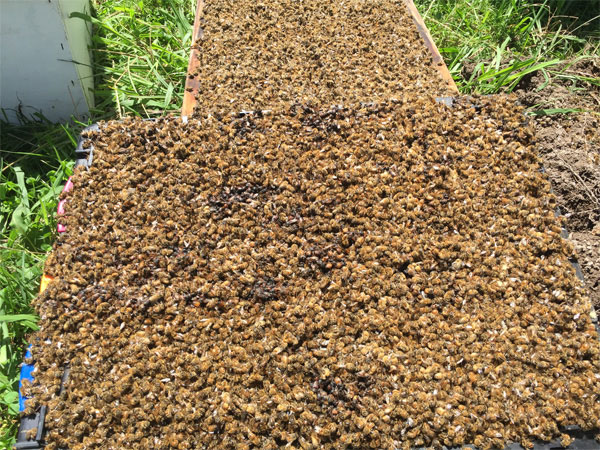
The intense heat continues every day, without a drop of rain falling for an extended period. This didn’t happen before; it’s clearly  abnormal weather caused by global warming. As we enter the summer dearth, the bees are becoming quite agitated due to the decline in  nectar and food sources. Every time I check the hives, their behavior becomes more extreme. Their usual calmness is gone, and they’ve  become aggressive, frequently launching attacks to protect their stored honey and guarding against robbing bees from other colonies.  We operate our apiary on the hills of a mountainous area with good airflow, providing highly active Manuka nectar sources. From  experience, I’ve learned that this trend is stronger in Manuka trees growing in harsh, nutrient-poor soils.

It seems that in harsh natural environments, bees naturally develop stronger instincts for self-defense, producing nectar with higher  activity levels. To obtain highly active Manuka honey, the crucial factor lies in the concentration of dihydroxyacetone (DHA)— the precursor to the active component methylglyoxal (MGO)—present in the nectar. Due to the drought, the bees have to travel down  300 meters to the stream for drinking water and then make the long ascent back, resulting in a significant expenditure of energy.

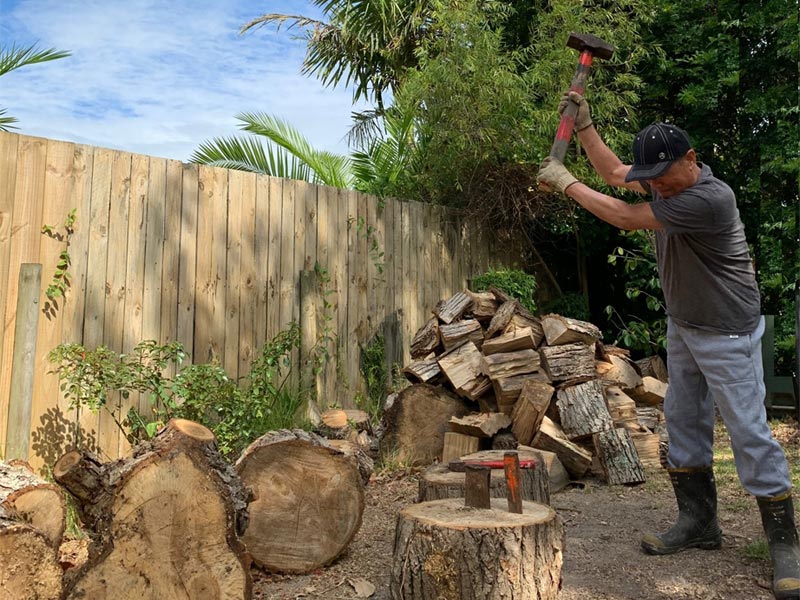
The bees rely on stored honey as their energy source, so I load water onto the pickup truck and place it near the hives as often as possible.  However, with this scorching heat, the water quickly evaporates. Surviving in such harsh natural conditions isn’t easy, but the bees are fighting hard to endure. Day after day, the heat persists, and now water restrictions have been imposed, so washing cars or watering the garden openly is no longer  possible. Cracks have appeared in the ground, cutting through the roots of garden trees, so I’m dealing with removing some of the dead ones.  Due to abnormal weather patterns, winter seems to arrive as soon as summer ends, so I take advantage of this dry season to sweat it out chopping  firewood. My British neighbor, looking exasperated, mutters, “How can you manage this in such unbearable heat?”

I have experienced the power of Manuka throughout the seasons, and I wish to continue living a life enriched by its natural benefits. With Manuka’s strength, I believe in a lifestyle that not only fascinates others but also supports a healthier life, leaving no room for illness. Above all, the provider must  set an example. The president of TCN and all staff members have an obligation to prove that they are free from illness. Moreover, the over 1,200 Customer Feedback clearly highlight the effectiveness of the products. None of these reviews involve  the ‘review for points’ schemes that are common in online sales.

These are genuine comments from our dedicated customers.  Such feedback is truly empowering and a great support for us. As a producer, I have a strong desire to see as many customers as possible enjoy vibrant days thanks to the benefits provided by honeybees.


الظروف الجافة خلال صيف نيوزيلندا

تستمر الحرارة الشديدة يوميًا دون هطول أي قطرات من المطر لفترات ممتدة. هذا لم يكن يحدث من قبل؛ فهو بلا شك مناخ غير طبيعي ناجم عن الاحتباس الحراري. ومع دخولنا فصل الصيف الجاف، تصبح النحل في حالة توتر نتيجة نقص الرحيق ومصادر الغذاء. في كل مرة أفحص فيها الخلايا، تزداد سلوكياتهم تطرفًا؛ فقد اختفت هدوءهم المعتاد وأصبحوا عدوانيين، يهاجمون بشكل متكرر لحماية عسلهم المخزون والدفاع عن أنفسهم من النحل الآخر الذي يحاول السرقة.

يدار مربّاي على تلال منطقة جبلية تتميز بتدفق هواء جيد، مع توفير مصادر رحيق مانوكا عالية النشاط. ومن خلال تجربتي، لاحظت أن هذه الظاهرة تكون أقوى لدى أشجار المانوكا التي تنمو في تربة فقيرة المغذيات وقاسية. يبدو أنه في البيئات الطبيعية القاسية، تطور النحل غريزة دفاعية أقوى، مما يؤدي إلى إنتاج رحيق يحتوي على مستويات أعلى من النشاط.

للحصول على عسل مانوكا عالي النشاط، العامل الحاسم يكمن في تركيز الـديهيدروكسي أسيتون (DHA)، وهو المادة الأولية لمكون الميثيلغليوكسال (MGO) الفعال، في الرحيق. بسبب الجفاف، يضطر النحل للسفر نحو ٣٠٠ متر للوصول إلى المياه والعودة مرة أخرى، ما يستهلك طاقة كبيرة. يعتمد النحل على العسل المخزن كمصدر للطاقة، لذلك أقوم بتحميل المياه على الشاحنة ووضعها بالقرب من الخلايا بأقصى قدر ممكن. ومع ذلك، في ظل هذا الحر القارس، تتبخر المياه بسرعة. الحياة في مثل هذه الظروف القاسية ليست سهلة، لكن النحل يقاوم بصبر ويكافح من أجل البقاء.

تستمر الحرارة يومًا بعد يوم، وقد فُرضت الآن قيود على المياه، فلا يمكن غسل السيارات أو ري الحدائق بحرية. ظهرت تشققات في الأرض تمتد حتى جذور الأشجار، مما اضطرني لإزالة بعض الأشجار المتضررة. بسبب الطقس غير الطبيعي، يبدو أن الشتاء يصل مباشرة بعد الصيف، لذلك أستغل هذا الموسم الجاف في قطع الحطب. جارتي البريطانية، وهي تبدو مستاءة، تمتمت قائلة: “كيف يمكنك التحمل في هذه الحرارة القاسية؟” لقد شهدت قوة المانوكا على مدار الفصول، وأتمنى الاستمرار في حياة غنية بفوائدها الطبيعية. بفضل قوة المانوكا، أؤمن بأسلوب حياة لا يقتصر على إثارة الإعجاب فحسب، بل يدعم أيضًا صحة أفضل ويترك مجالًا أقل للمرض. والأهم من ذلك، يجب أن يكون المزود قدوة حية. رئيس شركة TCN وجميع الموظفين ملتزمون بإثبات خلوهم من الأمراض.

علاوة على ذلك، تبرز أكثر من ١٢٠٠ مراجعة من العملاء بوضوح فعالية المنتجات. هذه التعليقات حقيقية تمامًا، وليست مرتبطة بأي برامج “مكافآت بالنقاط” الشائعة في المبيعات عبر الإنترنت. هذه التعليقات الصادقة من عملائنا المخلصين تمنحنا دعمًا هائلًا وقوة دافعة. وبصفتي منتجًا، لدي رغبة قوية في رؤية أكبر عدد ممكن من العملاء يتمتعون بأيام مليئة بالحيوية بفضل فوائد النحل والعسل الطبيعي.

Matured Honey Made by Honey Bees

Matured Honey Made by Honey Bees

Lately, this blog has become quite argumentative. In reality, I don’t have the time to write such overly logical arguments. During this season, the bees are fully engaged in the production of fully matured honey, working hard to concentrate the nectar. They must quickly remove moisture from the nectar and bring the sugar content to over 80% to prevent fermentation. Yeast feeds on sugar, multiplying and causing fermentation, which means the bees cannot use fermented nectar as an energy source for winter. From each beehive, I can hear the buzzing of the bees creating a whirlwind.

The bees change the angle of their wings and vibrate themvigorously to generate heat and airflow, desperately working to dehydrate the nectar. The high-concentration nectar produced in this way is sealed with a wax called a honey cap, secreted from the thymus, to block humidity, and is stored as winter food. Therefore, it is essential to support the hives to prevent moisture from entering. In this way, we beekeepers end up taking this precious honey for ourselves.

When thinking about this, it’s clear that human actions are the worst. However, there is a bit of beekeeping philosophy involved. We always  leave behind enough honey for the bees to survive the winter. Most beekeepers, however, extract and squeeze out almost all of the honey. Since the bees would die from this, they are given sugar  water (syrup) as a substitute to survive until the following spring. Even the cells that are far from producing fully matured honey and haven’t  been capped are squeezed out. This watery honey is heated and concentrated, which causes the essential enzymes that are beneficial to  humans to lose their activity. Since enzymes are proteins, they undergo irreversible denaturation when heated. In other words, while ice can  melt back into water, a boiled egg cannot return to being a raw egg.

Heat-processed honey is no longer the same as raw honey. To use a simple analogy, the nutritional difference is as significant  as that between tuna sashimi and canned tuna. Products like these, mass-produced under the name of Manuka honey, are now sold not  only through online shopping but also in department stores and supermarkets. Compared to my products, they are truly “similar yet fundamentally different.” Moreover, taking honey meant for the bees’ winter survival (essentially stealing it) and replacing it with syrup is far from a wise practice.  Thinking of the bees’ health, this is something that should never be done. Needless to say, the health of the customers who use our products  originates from the health of the bees.


🐝 العسل الناضج الذي تصنعه النحلات

في الآونة الأخيرة، أصبح هذا المدوّنة نوعًا من الجدل. في الواقع، ليس لدي الوقت لكتابة نقاشات منطقية مطوّلة بهذا القدر. في هذا الموسم، تنكب النّحل بلا كلل على إنتاج العسل الناضج بالكامل، وتعمل بجدّ لتركيز الرحيق. فتحتاج بسرعة إلى إزالة الرطوبة من الرحيق وجلب نسبة السكر إلى أكثر من 80% لتجنّب التخمّر. فالخميرة تتغذى على السكر، وتتكاثر محدثة التخمّر، ما يجعل النحل غير قادر على استخدام الرحيق المُخمّر كمصدر للطاقة في الشتاء. ومن كل خلية، أسمع زقزقة النحل وهي تُحدث زوبعة صغيرة داخل الإطار.

تُغيّـر النحلات زاوية أجنحتهنّ ويهزنها بحيويّة لإنتاج الحرارة وتدفق الهواء، ويعملن بشدّة لإزالة الرطوبة من الرحيق. الرحيق المكثّف الناتج يُغَلَّف بشمعٍ يُعرف بـ “غطاء العسل” (honey cap)، يتم إفرازه من الغدّة وتُوضع طبقة لمنع الرطوبة، ويُخزن كغذاء لشتاء الخلية. لذا، من الضروري دعم الخلايا لمنع دخول الرطوبة. بهذه الطريقة، ينتهي بنا الأمر نحن مربي النحل أن نأخذ هذا العسل الثمين لأنفسنا.

وعند التفكير في هذا، يتوضّح أن فعل الإنسان قد يكون الأسوأ. لكن، هنا تدخل فلسفة تربية النحل. فـنحن دائمًا نترك قدرًا كافياً من العسل ليستمرّ النحل في الشتاء. ومع ذلك، فإن معظم مربي النحل يستخرجون ويعصرون تقريبًا كل العسل. وبما أن النحل سيموت من ذلك، يُعطى “شراب سكري” (syrup) بديلًا ليبقى حيًا حتى الربيع التالي. بل حتى خلايا لم تصل بعد إلى إنتاج العسل الناضج ولم تُغطّ بعد تُعصر. وهذا العسل المائي يُسخّن ويُركز، ما يسبّب فقدان الإنزيمات الأساسية التي تفيد الإنسان. فالإنزيمات هي بروتينات، وتخضع لتغيّر بنيوي لا رجعة فيه عند تسخينها. بعبارة أخرى، بينما يمكن أن يذوب الثلج ليعود ماء، لا يمكن للبيضة المسلوقة أن تعود إلى بيضة نيئة.

العسل المعالج بالحرارة ليس بعده نفس العسل الخام. لتبسيط الأمر، فرق التغذية فيه كبير مثل فرق “ساشيمي التونا” مقابل “تونا معبّأ في علبة”. المنتجات التي تُنتج بكميات ضخمة تحت اسم عسل المانوكا تُباع الآن ليس فقط عبر التسوق الإلكتروني، بل أيضاً في المتاجر الكبرى والسوبرماركت. مقارنةً بمنتجاتي، فهي حقًا “مشابهة لكن مختلفة جوهريًا”. وعلاوة على ذلك، أن تأخذ عسلًا مخصصًا لبقاء النحل في الشتاء (أي سرقة في الواقع) وتبدله بشراب سكري هو بعيد كل البعد عن ممارسة الحكمة. ولأجل صحة النحل، لا ينبغي أن يُفعل ذلك قط. ومن البديهي أن صحة العملاء الذين يستخدمون منتجاتنا تنبع من صحة النحل.
The Ecology of Varroa destructor

The Ecology of Varroa destructor

(Continuing from last blog) When honeybees come into contact with this pesticide, its components stick to their bodies and are carried throughout the hive. This must  typically be removed within 3 to 5 weeks because mites have a tendency to develop resistance to the pesticide. To prevent this resistance  from forming, we must use different pesticides with varying mechanisms of action in a flexible and rotating manner. However, since the mites’  survival is at stake, achieving complete eradication is extremely difficult.

Moreover, various viral diseases transmitted by these pests can  sometimes spread within the hive, so caution is always necessary. This mite did not originally exist in New Zealand, but it has invaded over  the past 10 years, and its route of entry remains unknown. It is said to have started with the Asian honeybee and spread to the European  honeybee through Siberia, but the details are still unclear.

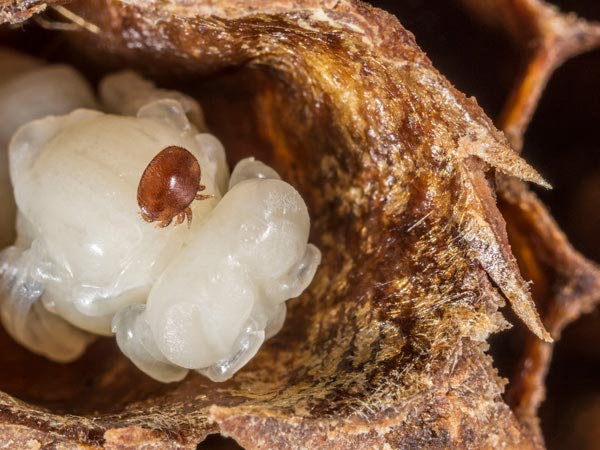
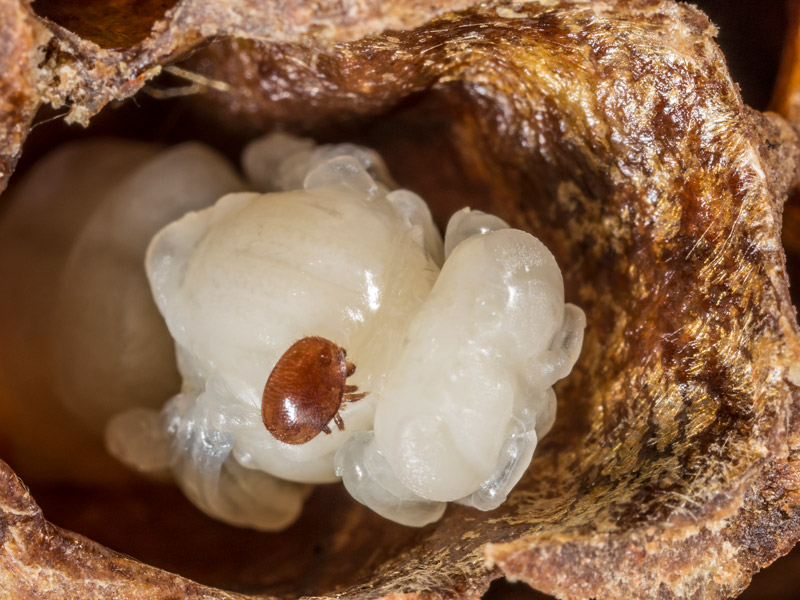
This mite initially parasitizes adult bees, feeding on their body fluids. However, it eventually detaches from the adult bees and attaches to  the larvae inside the hive, where it begins laying eggs and reproducing. It tends to especially target drone larvae. Inside the brood cells,  the mites mate, and the male mites die, similar to male honeybees. After developing inside the brood cells, the newly matured  mites attach themselves to adult bees, emerging with them and continuing to feed on their body fluids. Once they are capable of laying eggs,  they detach and invade the brood cells of honeybee larvae, continuing this life cycle.

Therefore, this parasite spends its entire life within  the hive, with a female’s lifespan being around two months. Meanwhile, the honeybees, whose body fluids have been drained, suffer from  poor development and are susceptible to various mite-borne infections, making this parasite a natural enemy of honeybees and a constant  challenge for beekeepers every season.


🐝 علم البيئة لعثّة الفاروا المدمّرة

(تتمّة للمدوّنة السابقة)
عندما تتلامس النحلات مع هذه المبيدات، تلتصق مكوّناتها بأجسامها وتنتقل إلى داخل الخلية بأكملها. عادةً يجب إزالة هذه المواد خلال فترة تتراوح بين ثلاثة إلى خمسة أسابيع، لأن هذا العثّ يميل إلى تطوير مقاومة للمبيد مع مرور الوقت. ولمنع تشكّل هذه المقاومة، يجب استخدام أنواع مختلفة من المبيدات بآليات عمل متنوّعة وبأسلوب متناوب ومرن. ومع ذلك، وبما أن بقاء هذا الطفيل على المحك، فإن القضاء التام عليه أمر في غاية الصعوبة.

إضافةً إلى ذلك، يمكن أن تنتشر داخل الخلية أمراض فيروسية متعدّدة ينقلها هذا العثّ، مما يستدعي الحذر الدائم. لم يكن هذا العثّ موجودًا أصلاً في نيوزيلندا، لكنه غزاها خلال السنوات العشر الماضية، ولا يزال طريق دخوله غير معروف. ويُقال إنه بدأ مع نحل العسل الآسيوي، ثم انتقل إلى نحل العسل الأوروبي عبر سيبيريا، غير أن التفاصيل الدقيقة تبقى غامضة.

يبدأ هذا العثّ حياته بالتطفّل على النحل البالغ، متغذّياً على سوائل جسده. لكنه سرعان ما ينفصل عنه ويلتصق بيرقات النحل داخل الخلية، حيث يبدأ بوضع البيوض والتكاثر. ويميل إلى استهداف يرقات الذكور بشكل خاص. داخل خلايا الحضنة، يتزاوج العثّ، ويموت الذكر بعد ذلك، تمامًا كما يحدث مع ذكور النحل. وبعد أن تنمو اليرقات داخل تلك الخلايا، تخرج إناث العثّ الناضجة مع النحل البالغ، وتستمر بالتغذّي على سوائل جسده. وحين تصبح قادرة على وضع البيض، تنفصل لتغزو خلايا يرقات جديدة، وتُعيد دورة حياتها.

وهكذا، يعيش هذا الطفيل كامل حياته داخل الخلية، حيث يبلغ عمر الأنثى حوالي شهرين. وفي المقابل، تعاني النحلات التي استُنزفت سوائل أجسامها من ضعف في النمو وتصبح عرضة لمختلف الأمراض التي ينقلها العثّ. إنه عدوّ طبيعي للنحل، وتحدٍّ متكرّر يواجهه مربّو النحل كل موسم — تذكير دائم بأن التوازن بين الإنسان والطبيعة لا يتحقق إلا من خلال الفهم العميق والاحترام المتبادل لكل أشكال الحياة.
Beautiful yet Troubling Spring

Beautiful yet Troubling Spring

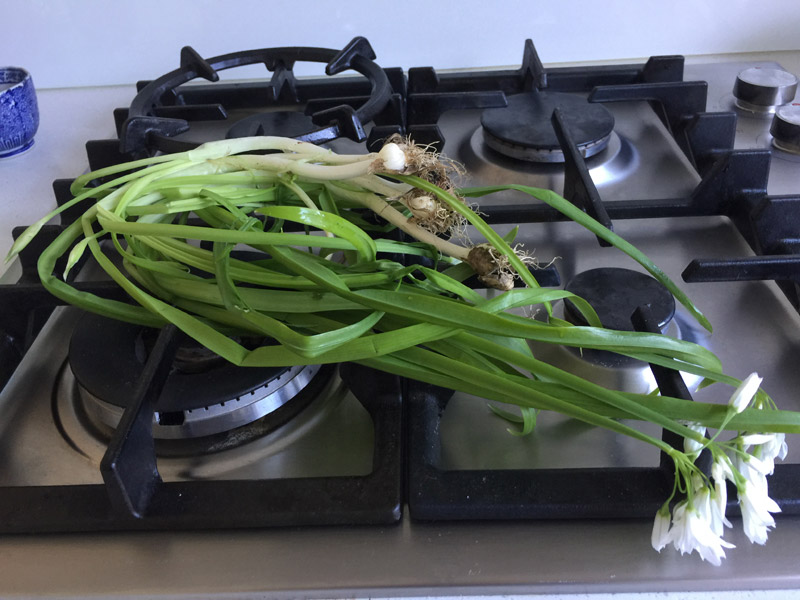
When I go to the apiary, I find myself naturally focusing only on the bees—it’s part of the business, but it puts me in a state of intense  concentration. This single-minded focus takes so much energy that eventually, I have to lie back and gaze up at the sky to rest. Only then do  I start noticing everything around me and sensing the arrival of spring with all five senses. The humming of bees in flight, the tender green  leaves of plants and trees, the fresh scent of the spring breeze, and the birds chirping—all these things come into view when I lay down in  the apiary. Right in front of me, a wild garlic plant with pure white, delicate flowers blooms.Seeing how much it has grown brings me joy.  As I gently pull up the root, a pure white bulb appears, accompanied by well-developed roots.

I want to finish the hive inspections early so I can go gather wild garlic, but the inspections are crucial this time of year. As  temperatures rise, Varroa mites, which are a major enemy of honeybees, can quickly become a serious issue. This spring, there’s a particular  concern about an increase in their numbers, so preventive measures are essential. In beekeeping, taking proactive measures is essential. The first priority is replacing the queen bee. A queen with diminished egg-laying ability leads to a decline in colony strength, weakening  their defense against natural predators and reducing immunity to various diseases. Another approach is the selective use of insecticides. Although chemical pesticides are fast-acting, I avoid them because they can contaminate the honey and cause significant  harm to the bees themselves.

For pest control, I use insecticides derived from natural herbal ingredients. Typically, mite control measures are implemented only after  their numbers have increased to a certain extent. However, I believe this approach is too late; I act immediately upon spotting mites.  As spring approaches, the queen bee instinctively lays drones to ensure the continuation of the species. When I open the drone cells within the hive,  I often find mites attacking the larvae. The larvae are pure white, making it easy to spot the small black mites.  As soon as I find even one, I immediately apply an insecticide.  There are various types of organic insecticides available, one of which is a ribbon soaked in insecticide. This product primarily utilizes  extracts from pyrethrum flowers. I hang two of these ribbons between the frames in each hive, preferably in areas where the bees are concentrated. (To be continued)


الربيع الجميل… لكنه مثقلٌ بالهموم

عندما أتوجه إلى مربيّاتي، أجد نفسي بطبيعة الحال مركزاً بالكامل على النحل — إنها جزء من العمل، لكن هذا التركيز العميق يستنزف طاقتي حتى أضطر لاحقاً إلى الاستلقاء والنظر إلى السماء للراحة. ومن هناك، تبدأ الحواس الخمس في التقاط قدوم فصل الربيع: طنين النحل في الهواء، أوراق النباتات والشجر خضراء وناعمة، نسيم الربيع العَذب، وزقزقة الطيور — كلّ ذلك يحيط بي بينما أستلقي وسط مربيّات النحل. أمامي، تنبُت نبات الثوم البري بأزهاره البيضاء النقية الرقيقة، وعندما أقتلع الجذر بلطف يظهر بصلة بيضاء نقية وجذور متشعبة.

أرغب في إنهاء فحص الخلايا باكراً حتى أتمكن من جمع الثوم البري البري، لكنّ الفحص في هذا الوقت من السنة أمر حيويّ. فمع ارتفاع درجات الحرارة، تزداد خطورة عدّوى Varroa mite، العدوّ الكبير للنحل. هذا الربيع، هناك قلق خاص من تزايد أعدادها، لذا فإنّ اتخاذ تدابير وقائية أمرٌ أساسيّ. في تربية النحل، المبادرة هي المفتاح. أولوية الأولى هي استبدال الملكة. فالملكة ذات القدرة على وضع البيض المنخفضة تؤدّي إلى ضعف القوّة في الخلية، ما يقلّل دفاعاتها ضدّ المعتدين الطبيعيين ويُضعف مناعتها ضدّ الأمراض.

ومن النهج الأخرى هو الاستخدام الانتقائي للمبيدات. رغم أنّ المبيدات الكيميائية سريعة المفعول، إلّا أنني أتجنّبها كي لا تلوّث العسل أو تُلحق ضرراً بالنحل نفسه. لذلك أعتمد في مكافحة الآفات على مستخلصات طبيعية من الأعشاب. في العادة تُطبق التدابير عند ازدياد الأعداد، لكنني أعتقد أنّ هذا التأخّر يُعدُّ متأخّراً؛ فأنا أتصرف فور اكتشاف أول عثة. ومع حلول الربيع، تضع الملكة النحل الذكوري لضمان استمرار النوع، وعند فتحي لخلايا الذكور أرى كثيراً العثٍّ يهاجم اليرقات البيضاء النقيّة، وتُرى العثّات السوداء الصغيرة بوضوح. وبمجرد رؤيتي لإحدى هذه العثّات، أضع المبيد فوراً. هناك أنواعٌ مختلفة من المبيدات العضوية، ومن أحدها شريط مشبّع بالمبيد يُعلّق بين الإطارات في كل خلية، ويفضّل وضعه في المناطق التي تتركّز فيها النحلات.
Rainy Days and Honey Bees

Rainy Days and Honey Bees

As winter truly begins, each day becomes cold and rainy. This weather is particularly challenging for the bees in New Zealand.  They, being a female-dominated group, are especially sensitive to humidity and drops in temperature. They cannot even go outside  to gather nectar and pollen. However, the rainy season here differs somewhat from Japan’s rainy season. Instead of constant, all-day rain,  it often alternates between rain and clear skies every hour. When it starts raining, it can pour heavily, accompanied by strong winds, but  once the rain clouds pass, the sun shines as if nothing had happened, creating this cycle.

When the rain stops, the bees fly out of the hive, and as it begins to rain again, they return to the hive. Some manage to come  back with their legs packed full of pollen in a remarkably short time. It’s truly impressive to see how they find flowers in such weather. In this way, they gather nectar and pollen whenever the opportunity arises. Since their work is so quick, there must be nearby flowers,  likely wildflowers. At this time of year, food sources are scarce, leading the queen bee to reduce her egg-laying. If there isn’t enough food,  increasing the population wouldn’t be sustainable. However, this doesn’t mean she stops laying eggs entirely; it’s crucial to nurture the  next generation that will be active come spring. Maintaining a temperature of about 35°C is essential for the development of the young bees.

The bees obtain energy by consuming stored honey, and they also vibrate their wings in a way that isn’t for flying but rather to activate their  muscles and generate heat. While stored honey is essential as food, it also plays a crucial role in creating a nurturing environment for  raising their young. This energy source allows them to convert glucose from the honey into heat. In Japan, there is a native species known as the Japanese honeybee.

Although they are not present in this region, Japanese honeybees can generate heat up to 40°C. This ability is crucial for their defense against  predators like hornets. When a hornet invades their hive, Japanese honeybees will swarm around it, using their collective body heat to  raise the temperature and effectively kill the intruder. In contrast, Western honeybees do not have the same capacity to generate such  high temperatures. Their primary functions for heat generation include evaporating the moisture from the collected nectar and providing warmth for raising their young.


🌧️ أيام المطر ونحل العسل حين تختبر الطبيعة صبر الجمال

مع بداية الشتاء الحقيقي، تصبح الأيام باردة وممطرة على نحوٍ متواصل، وهو طقسٌ قاسٍ على نحل العسل في نيوزيلندا. فهذه الكائنات الأنثوية الحسّاسة بطبيعتها، تتأثر كثيرًا بالرطوبة وانخفاض الحرارة، ولا تستطيع الخروج لجمع الرحيق أو حبوب اللقاح. لكن موسم الأمطار هنا يختلف عن موسمها في اليابان. فبدلًا من المطر المستمر طوال اليوم، تتناوب السماء بين المطر والصفاء كل ساعة تقريبًا. حين تهطل الأمطار، تكون غزيرة مصحوبة برياحٍ قوية، لكن ما إن تمرّ الغيوم حتى تعود الشمس لتشرق كأن شيئًا لم يحدث.

ما إن يتوقف المطر، حتى تنطلق النحلات خارج الخلية، وعندما يعود الهطول، يسرعن إلى الداخل من جديد. ومن المدهش أن بعضهن يعدن في وقتٍ قصير وأرجلهن محمّلة بحبوب اللقاح، وكأنهن يعرفن تمامًا أين تختبئ الأزهار رغم الطقس المتقلّب. هكذا تستغل النحلات كل لحظة صفاءٍ لجمع الرحيق وحبوب اللقاح، وربما تأتي هذه الأزهار من نباتاتٍ برية قريبة لا تتأثر بالفصول.

في هذا الوقت من السنة، تقلّ مصادر الغذاء، فتخفّض الملكة وتيرة وضع البيض حفاظًا على توازن المستعمرة. فكثرة النسل دون غذاءٍ كافٍ تعني الفناء، ومع ذلك لا تتوقف الملكة تمامًا، إذ لا بد من إعداد الجيل الذي سيحمل الحياة من جديد مع قدوم الربيع. ولنمو اليرقات، من الضروري الحفاظ على حرارةٍ تقارب ٣٥ درجة مئوية داخل الخلية.

تستمدّ النحلات طاقتهن من العسل المخزَّن، ويحرّكن أجنحتهن بطريقة لا تهدف للطيران، بل لتوليد الدفء عبر الاهتزاز. فالعسل لا يُعد طعامًا فحسب، بل مصدرًا للطاقة التي تبعث الحياة في الخلية. من خلال الجلوكوز الموجود فيه، يحوّلن الغذاء إلى حرارةٍ تحفظ الأمل. وفي اليابان، يوجد نوعٌ أصيل من النحل يُعرف بـ«نحل اليابان». رغم غيابه عن هذه المنطقة، إلا أنه يمتلك قدرةً مذهلة على رفع حرارة جسده حتى ٤٠ درجة مئوية، وهي قدرةٌ يستخدمها للدفاع ضد أعدائه، خصوصًا الدبابير المفترسة. فعندما تهاجم دَبْرَة خلية النحل الياباني، تحيطها العاملات وتستخدم حرارتهن الجماعية لقتلها في لحظاتٍ معدودة.

أما نحل العسل الغربي، فلا يملك هذه القوة الحرارية نفسها، ويقتصر دوره في توليد الحرارة على تبخير الرحيق وتدفئة الأجيال الناشئة. لكن في كلتا الحالتين، يظلّ هذا العالم الصغير مرآةً لانسجامٍ عظيم بين العمل والغريزة، بين الحياة والمطر، بين البرد والعسل.
Sugar Content and Fermentation of Honey

Sugar Content and Fermentation of Honey

Last time, we discussed fermented foods and related topics. Honey with a sugar content of 80% remains unchanged almost indefinitely,  but if even a small amount of moisture is added, it begins to ferment due to microorganisms. The reason bees store honey is that it is essential  for their survival as food during the winter months when nectar is no longer available. In the absence of nectar during winter, honeybees rely on their stored honey as an energy source. However, if the sugar concentration in  the stored honey is too low, it can ferment as mentioned earlier.

Yeast and other microorganisms feed on the honey, causing fermentation,  which depletes the honey’s sugar content and renders it unusable as food for the bees. When honey is freshly harvested, it contains high moisture content, making it unsuitable for long-term storage. To preserve it, bees use their  body heat and fanning wings to reduce the moisture content, increasing the sugar concentration to over 80%. Once this level is reached,  they seal the honey with a wax cap secreted from their thoracic glands. Bees instinctively know that at this sugar concentration, the honey  can be stored without spoilage. There’s even a story that honey discovered in a temple from ancient Roman times was found to be almost unchanged, which speaks to  honey’s remarkable preservative properties.

The nectar collected by bees during the honey flow season is enzymatically processed by worker bees inside the hive. Enzymes secreted from  their salivary glands break down disaccharides into glucose and fructose, resulting in monosaccharides. Monosaccharides can be absorbed  directly by the body, whereas disaccharides must first be broken down into monosaccharides before absorption. This process requires a  significant amount of calcium, energy, and vitamin B1. According to one theory, the amount of calcium required to break down a single sugar cube used in coffee is equivalent to the calcium  found in more than 10 bottles of milk.

Sugar takes time to break down, and once it is, it can be absorbed without limit. In contrast, honey is rapidly absorbed initially, but once a certain  amount is taken into the bloodstream, further absorption stops. This is why glucose drips are commonly administered in hospitals  directly into the bloodstream—since glucose is a monosaccharide, it can be immediately used as energy, unlike sugar, which tends to accumulate in the body. As a result, honey is beneficial for quick recovery from fatigue, as it provides a rapid energy boost without the same risk of overaccumulation as sugar.

We frequently receive inquiries about diabetes from our customers. While honey does contain sugars and can have an impact, it is not the same  as regular sugar. Under a doctor’s guidance, even diabetic patients may be able to use honey. In New Zealand, honey is also commonly used  as a sugar substitute in women’s diets, contributing to healthier alternatives for managing weight.


🍯 محتوى السكر وتخمّر العسل عندما يصبح العلم حكمة الطبيعة

لقد تحدثنا في المرة السابقة عن الأطعمة المخمّرة وما يرتبط بها. يُعد العسل الذي يحتوي على نسبة سكر تبلغ ٨٠٪ مادةً مستقرة لا تتغير تقريبًا مع مرور الزمن، لكن إضافة قدرٍ ضئيلٍ من الرطوبة كافٍ لبدء عملية التخمّر بفعل الكائنات الدقيقة.

النحل يدّخر هذا العسل لأنه مصدر الحياة في فصل الشتاء، حين تختفي الأزهار ويتوقف الرحيق عن الجريان. ففي تلك الفترة القاسية، يعتمد النحل على ما خزّنه من عسل كمصدرٍ للطاقة، لكن إذا كانت نسبة السكر منخفضة، يبدأ العسل بالتخمّر، فتستهلك الخمائر محتواه من السكر، فيفقد قيمته كمصدرٍ غذائي ويصبح غير صالحٍ للبقاء.

عند جني العسل حديثًا، يكون محتواه من الرطوبة مرتفعًا، مما يجعله غير مناسبٍ للتخزين الطويل. ولذلك يعمل النحل بذكاءٍ مدهش على تقليل هذه الرطوبة باستخدام حرارة أجسادهم وحركة أجنحتهم المستمرة، حتى ترتفع نسبة السكر إلى أكثر من ٨٠٪. وعند بلوغ هذه المرحلة، يُغلق النحل العسل بطبقةٍ من الشمع تفرزها غدده الصدرية، وكأنه يختم كنزًا خالدًا.

وقد رُوي أن عسلًا اكتُشف في أحد المعابد الرومانية القديمة بقي على حاله تقريبًا بعد آلاف السنين، وهو دليلٌ ساطع على القوة الحافظة التي أودعتها الطبيعة في هذا الإكسير الذهبي. في موسم التدفق، يقوم النحل العامل داخل الخلية بمعالجة الرحيق إنزيميًا؛ فتقوم الإنزيمات المفرزة من غددها اللعابية بتفكيك السكريات الثنائية إلى الجلوكوز والفركتوز، وهما سكريان أحاديان يسهل امتصاصهما مباشرة في الجسم. بينما يتطلب امتصاص السكريات الثنائية طاقةً وكالسيوم وفيتامين B1 لتفكيكها أولًا، حتى قيل إن تفكيك مكعب سكرٍ واحد يحتاج إلى كمية كالسيوم تعادل ما في عشرة زجاجات من الحليب!

إن امتصاص السكر يستغرق وقتًا طويلًا ويستمر دون حدود، بينما يُمتص العسل بسرعةٍ مذهلة، ثم يتوقف الامتصاص عند حدٍّ آمنٍ طبيعي. ولهذا السبب يُستخدم الجلوكوز في المستشفيات كحقنٍ مباشرٍ للطاقة، فهو سكرٌ أحادي يمكن للجسم استهلاكه فورًا، في حين أن السكر العادي يتراكم بسهولة داخل الخلايا.

لهذا، يُعتبر العسل مصدرًا مثاليًا للطاقة الفورية والتعافي من الإجهاد، دون المخاطر التي ترافق تراكم السكريات الصناعية. كثيرًا ما نتلقى استفساراتٍ من عملائنا حول مرض السكري. ورغم أن العسل يحتوي على سكريات، إلا أنه يختلف جوهريًا عن السكر الأبيض. وبتوجيهٍ من الأطباء، يمكن حتى لمرضى السكري استخدامه باعتدال. وفي نيوزيلندا، تعتمد العديد من النساء على العسل كبديلٍ طبيعيٍ للسكر في نظامٍ غذائي صحي يوازن بين الجمال والعافية.
Burning and Disinfecting Bee Hives

Burning and Disinfecting Bee Hives

Last time, I talked a bit about adding more hives as the nectar flow season approaches, since the colonies increase in number, and conversely,  reducing the number of hives as autumn approaches. This is in preparation for the coming cold. The goal is to make the space inside the hives  as small as possible to help retain warmth within the colony. However, as mentioned before, this time of year is characterized by significant  fluctuations in temperature. Just when it seems like winter is really settling in, the temperature suddenly rises to summer-like levels, making  this task far from straightforward. Everything must be handled by carefully observing the strength of each individual colony.

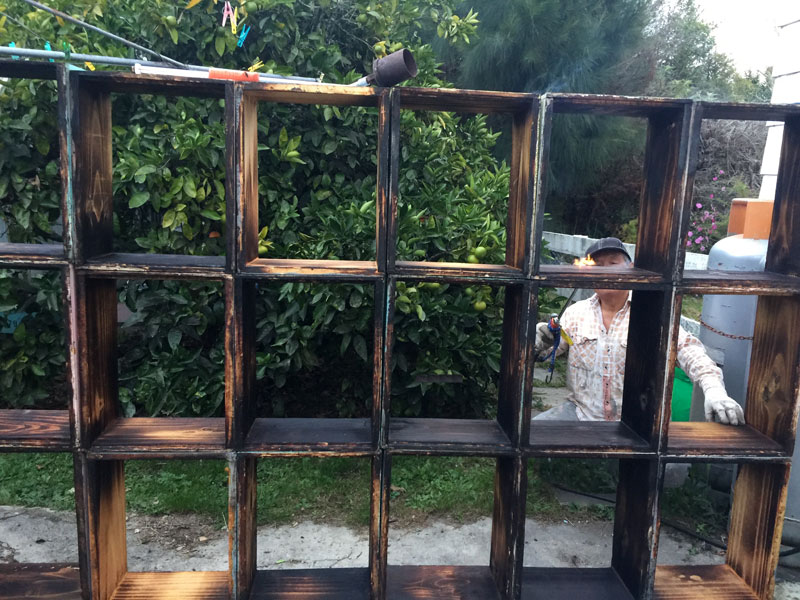
The hives removed from the apiary are checked by their identification numbers and then transported to the storage facility.  Using a hive tool, an essential tool for beekeepers, the wax and propolis attached to each hive are scraped off. The wax collecting on  the sheet below is gathered, heated, and stored as beeswax. After removing a certain amount of residue, the hives are scorched with  a gas burner until scorched, disinfecting and sterilizing them. The temperature of the large burner exceeds 2000°C, and its flame  reaches up to one meter, which easily eradicates pests like wax moths and mites. At the same time, it helps maintain the  cleanliness of the hives by protecting them from diseases caused by viruses and fungi.

This process is also applied to new hives.  We have confirmed that when the surface of a hive box is scorched, pests such as mites and wax moths tend to avoid it, likely due to the  carbon residue, which appears to have a repellent effect. Additionally, from experience, we know that carbonized hives do not provide  a suitable environment for the growth of viruses and fungi, and the risk of mold development due to humidity during the upcoming rainy season is significantly reduced. Normally, beekeepers here don’t manage their hives this thoroughly, and I’ve never heard of it being done. However, to my surprise,  when I visited a beekeeping supply store recently, I saw that they’ve started selling hives that have already been scorched in an electric kiln— something that didn’t exist in the past.

According to the store clerk, these hives supposedly reduce the occurrence of pests and diseases. I even wondered if they had copied  my method. However, simply scorching the hive slightly in an electric kiln leaves me skeptical about its effectiveness. The bees in my  freshly scorched hives turn completely black, almost like a different species, but I’ve never had any issues with diseases or pests from  these bees. Eventually, the black bees return to their normal color, but since carbon is used in purification systems like activated charcoal,  I’ve come to believe that it benefits the bees’ living environment. Of course, the dark color of my Manuka honey has nothing to do with this carbon process. (Haha)


🔥 حرق وتعقيم خلايا النحل في المرة السابقة، تحدثت قليلاً عن إضافة خلايا نحل جديدة مع اقتراب موسم تدفق الرحيق، حيث تزداد أعداد المستعمرات، وبالعكس، تقليل عدد الخلايا مع اقتراب الخريف تحسباً للبرد القادم. الهدف هو تصغير المساحة داخل الخلايا قدر الإمكان للحفاظ على دفء المستعمرة.

لكن كما ذكرت سابقاً، هذا الوقت من السنة يشهد تقلبات كبيرة في درجات الحرارة. حين يبدو أن الشتاء قد استقر تماماً، ترتفع درجات الحرارة فجأة لتصل إلى مستويات صيفية، مما يجعل هذه المهمة بعيدة عن البساطة. كل شيء يجب التعامل معه بمراقبة دقيقة لقوة كل مستعمرة على حدة.

يتم فحص الخلايا التي تُزال من المنحل بواسطة أرقام التعريف الخاصة بها، ثم تُنقل إلى المستودع. باستخدام أداة الخلايا، وهي أداة أساسية للنحالين، يتم كشط الشمع والبروبوليس الملتصق بكل خلية. يُجمع الشمع المتساقط على الصفائح السفلى، ويُسخن ثم يُخزن كـ شمع نحل.

بعد إزالة كمية معينة من البقايا، يتم حرق الخلايا باستخدام موقد غازي حتى تتحمر تماماً، مما يعقمها ويطهرها. تصل درجة حرارة الموقد الكبيرة إلى أكثر من 2000°م، ويصل لهبها إلى متر واحد، ما يضمن القضاء التام على الآفات مثل فراش الشمع والعث، وفي الوقت نفسه يحافظ على نظافة الخلايا وحمايتها من الأمراض الفيروسية والفطرية. يُطبق هذا الأسلوب أيضاً على الخلايا الجديدة. لقد لاحظنا أنه عند تحميص سطح صندوق الخلية، تتجنب الآفات مثل العث وفراش الشمع المكان، ربما بسبب بقايا الكربون التي يبدو أن لها تأثيراً طاردًا. وبالإضافة إلى ذلك، ومن خلال التجربة، نعلم أن الخلايا المحترقة بالكربون لا توفر بيئة مناسبة لنمو الفيروسات والفطريات، ويقل خطر تكون العفن نتيجة الرطوبة خلال موسم الأمطار القادم بشكل ملحوظ.

عادة، النحالون هنا لا يديرون خلاياهم بهذا المستوى من الدقة، ولم أسمع عن تطبيق هذا الأسلوب من قبل. لكن، لدهشتي، عندما زرت مؤخراً متجر مستلزمات النحل، رأيت أنهم بدأوا بيع خلايا تم تحميصها مسبقاً في فرن كهربائي—شيء لم يكن موجوداً في الماضي.

بحسب موظف المتجر، هذه الخلايا تقلل من انتشار الآفات والأمراض. حتى أنني تساءلت إن كانوا نسخوا طريقتي. مع ذلك، مجرد تحميص بسيط في فرن كهربائي يجعلني متشككاً في فعاليته. فالنحل في خلاياي المحترقة حديثاً يصبح أسود تماماً، وكأنها نوع مختلف، ومع ذلك لم أواجه أي مشاكل تتعلق بالأمراض أو الآفات. في النهاية، تعود النحل السوداء إلى لونها الطبيعي، لكن الكربون في أنظمة التطهير مثل الفحم النشط، يبدو أنه يفيد بيئة عيش النحل. بالطبع، لون عسلي المانوكا الغامق لا علاقة له بهذه العملية الكربونية. (هاها)
The Relationship Between Insects and Herbs

The Relationship Between Insects and Herbs

Previously, I discussed how honeybees and other pollinating insects naturally visit to medicinal plants and herbs. This preference  is likely because herbs and medicinal plants contain elements with antibacterial and repellent properties—their scents deter certain insects  and birds, and their bitterness helps protect the plants from being eaten. Honeybees appear to utilize these effects. Inside the hive, the bees  maintain an optimal living environment through their body heat. The hive, with its stores of honey, pollen, royal jelly, and beeswax, is a  treasure trove to other wildlife and insects. Particularly in the harsh winter season, the hive becomes a paradise, an ideal refuge for survival.

For honeybees, survival depends on protecting themselves against a wide range of external threats, from ants, mites, spiders, cockroaches,  and wildlife of various sizes, to microorganisms like mold. These threats are numerous, and honeybees must effectively counter each  of them, using the wisdom accumulated over tens of millions of years. Propolis is one of their defenses; by mixing resin from plants  with enzymes in their saliva, honeybees create a powerful antimicrobial barrier within the hive. They instinctively know, through genetic  memory, which tree resins are most effective in inhibiting microbial growth, helping them keep their hive environment safe and healthy.

I often spend extended time tending to my garden. As evening approaches, mosquitoes start biting, so I spray exposed skin with  insect repellent. Since I dislike chemical-based products, I use an organic repellent instead.The scent of the spray reminds me of a Thai  restaurant, and when I checked the ingredients, I saw that lemongrass was the main component. It’s very effective in keeping mosquitoes  away. Additionally, when storing honey-filled frames temporarily in a shed, I sprinkle cinnamon powder around them to deter ants and  rodents. Cinnamon, derived from the bark of the camphor tree. I also use herbal treatments, like  thyme or pyrethrum, to combat mites, a natural enemy of honeybees. I avoid petroleum-based products as they can harm the bees and  potentially impact the quality of the honey, which is simply unacceptable.


🌿 العلاقة بين الحشرات والأعشاب حين تلتقي الحكمة القديمة بعطر الطبيعة

في مقالاتٍ سابقة، تحدّثت عن كيف أنّ نحل العسل وسائر الحشرات الملقّحة تنجذب بطبيعتها إلى النباتات الطبية والأعشاب العطرية. ويبدو أنّ هذا الميل ليس صدفة، فالأعشاب والنباتات العلاجية تحتوي على عناصر ذات خصائص مضادّة للبكتيريا وطاردة للحشرات، وروائحها النفّاذة تبعد بعض الطيور والكائنات، بينما تعمل مرارتها كدرعٍ يحميها من أن تُؤكل.

يبدو أنّ النحل يدرك هذه القوة بالفطرة، ويستفيد من خصائصها في حياته اليومية داخل الخلية. ففي الداخل، يحافظ النحل على حرارةٍ مثالية للحياة، وتصبح الخلية — بما فيها من عسلٍ وغذاء ملكيٍّ وحبوب لقاحٍ وشمع — كنزًا طبيعيًا يجذب الكائنات الأخرى الباحثة عن الغذاء. وخلال قسوة الشتاء، تتحول هذه الخلية الصغيرة إلى جنةٍ دافئة، ملاذٍ آمنٍ يمنح الحياة معنى الاستمرار.

لكنّ بقاء النحل يعتمد على حمايته لنفسه من أعداءٍ كُثُر: من النمل والعُثّ والعناكب والصراصير والكائنات البرية، إلى الكائنات الدقيقة كالعفن والبكتيريا. وبحكمةٍ تراكمت عبر عشرات ملايين السنين، ابتكر النحل دفاعه الأهم: العكبر (البروبوليس)، وهو مزيج يصنعه من راتنجات الأشجار ممزوجة بإنزيماتٍ من لعابه، ليكوّن بذلك حاجزًا قويًّا مضادًا للبكتيريا داخل الخلية. ومن خلال ذاكرته الوراثية، يعرف النحل أيّ الأشجار تمنحه الراتنج الأكثر فعالية، ليحافظ على بيئته نقيةً وصحية.

أما أنا، فقضاء الوقت في حديقتي جزءٌ من حياتي اليومية. وحين يحلّ المساء وتبدأ البعوض في الظهور، أرَشّ القليل من طارد الحشرات على بشرتي المكشوفة. لكنني لا أطيق المستحضرات الكيماوية، لذا أختار دائمًا طاردًا عضويًا طبيعيًا، تفوح منه رائحة تُذكّرني بمطعمٍ تايلندي دافئ — وحين تأملت المكوّنات، وجدت أن العشبة الرئيسة هي عشبة الليمون (الليمون جراس)، المشهورة بقدرتها الفعالة على إبعاد البعوض.

وعندما أُخزّن الإطارات المملوءة بالعسل مؤقتًا في المستودع، أنثر حولها مسحوق القرفة لإبعاد النمل والقوارض. فالقرفة، المستخرجة من لحاء شجرة الكافور، تعمل كدرعٍ عطريٍّ طبيعي. كما أستخدم أعشابًا أخرى مثل الزعتر والبيثروم (أزهار الأقحوان) لمحاربة العُثّ، العدوّ الطبيعي لنحل العسل. أتجنّب تمامًا أي منتجٍ يحتوي على مشتقاتٍ بترولية، فذلك قد يؤذي النحل ويؤثر في نقاء العسل، وهو أمر لا يمكنني القبول به أبدًا، لأنّ النقاء في عالم النحل ليس خيارًا، بل عقيدة حياة.

Bees Love Herbs

The food here is generally British-inspired and not particularly flavorful. So, if you come here with high culinary expectations, you might be  disappointed. As I’ve mentioned before, when living abroad, it’s essential to create your own enjoyment—otherwise, life can end up feeling dull. I believe that enjoyment is something you generate yourself, not something given by others.  Each country has its own unique food culture, and finding enjoyment in meals we consume multiple times a day is particularly important.

In our household, we use spices to add an accent to dishes that might otherwise become repetitive. As I’ve mentioned before, I grow and  use various types of herbs, including chili peppers. Even with the same ingredients, different herbs can transform a dish, bringing a fresh  flavor to the table. I keep at least ten types of herbs planted year-round, so I always have them on hand. Around this time, many  herbs are blooming or producing seeds. Since most are annuals, I cut the stems from the base, bundle them upside down to dry thoroughly,  then harvest the seeds by tapping them with a mallet over newspaper to use for planting next year. I crush the dried leaves into powder and  store them in empty cans, making it easy to add a touch of spice to dishes whenever I need it.

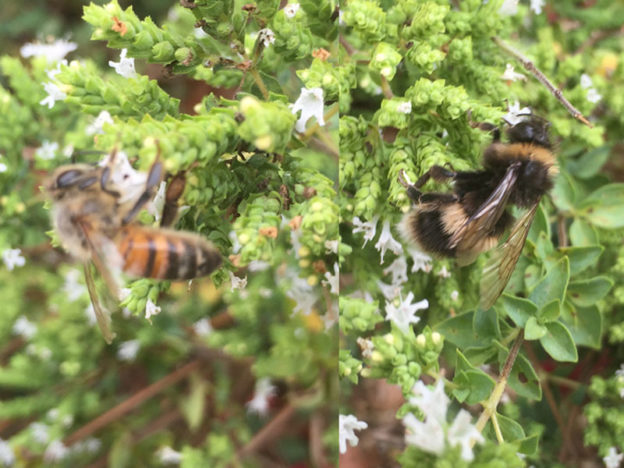
Bees, such as honeybees, bumblebees, and carpenter bees swarm around herb blossoms; they simply love these flowers. The image here shows  a honeybee and a carpenter bee. Carpenter bees are particularly plump and large, with long hair covering their entire bodies.  They fly around with a loud buzzing sound, and as children, we called them “kumambachi,” thinking, “Being stung by such a huge bee  would be dreadful.” However, contrary to this belief, carpenter bees are unthreatening. They’re surprisingly gentle—they’ll land on your hand.

The bees in the image are gathered around oregano flowers, a herb often used in pizza. Bees, especially flower bees, seem to have a particular preference for herb blossoms, likely finding value in  bringing the nectar and propolis from these herbs back to their hives. African bees in Brazil also show a preference for herbs and medicinal  plants, especially subspecies of rosemary, locally known as “alecrim.” Propolis derived from this herb is highly potent, containing  a beneficial component called Artepillin C. It’s as if they are genetically programmed to know the value of herbs. This is similar to how bees naturally visit to the medicinal Manuka tree for producing Manuka honey.


النحل يعشق الأعشاب

يُعتبر الطعام هنا مستوحًى إلى حدٍ كبير من المطبخ البريطاني، ولا يتميّز بنكهات قوية أو تنوعٍ واسع. لذلك، من يأتي إلى هذا المكان بتوقعاتٍ عالية تجاه المذاق، قد يُصاب بخيبة أمل طفيفة. وكما ذكرتُ سابقًا، فإن العيش في بلدٍ أجنبي يتطلّب أن نصنع متعتنا بأنفسنا، لأنّ الحياة من دون ذلك قد تبدو باهتة ومملة. أنا أؤمن أن السعادة لا تُمنَح من الآخرين، بل تنبع من داخلنا نحن. ولكل دولة ثقافتها الغذائية الخاصة، ومن المهم أن نجد في وجباتنا اليومية مصدرًا للبهجة والانسجام.

في منزلنا، نستخدم التوابل لإضفاء لمسة مميزة على الأطباق كي لا تصبح رتيبة. كما ذكرتُ من قبل، أزرع وأستخدم أنواعًا مختلفة من الأعشاب، بما في ذلك الفلفل الحار. فحتى عندما تكون المكونات نفسها، يمكن للأعشاب المختلفة أن تغيّر الطعم كليًا وتمنح الطبق نكهة جديدة منعشة. أزرع على الأقل عشرة أنواع من الأعشاب طوال العام، لذلك فهي متوفّرة دائمًا في متناول يدي. وفي هذا الوقت من السنة، تبدأ معظم الأعشاب بالتزهير أو إنتاج البذور.

وبما أن أغلبها نباتات سنوية، أقوم بقطع السيقان من القاعدة، وأربطها لتجفّ رأسًا على عقب، ثم أستخلص البذور منها عبر طرقها بلطف فوق صحيفة لأستخدمها في الزراعة للموسم القادم. أما الأوراق المجففة فأطحنها وأحتفظ بها في علب معدنية فارغة، لتكون جاهزة لإضافة نكهةٍ مميزة إلى أي طبق في أي وقت.

تجذب أزهار الأعشاب النحل بمختلف أنواعه — من نحل العسل إلى النحل الطنان وحتى نحل الخشب — فهي ببساطة تعشق هذه الزهور. في الصورة يظهر نحل العسل ونحل الخشب؛ الأخير يتميز بجسمه الممتلئ وكثافة الشعر الذي يغطيه بالكامل، ويصدر أثناء طيرانه طنينًا مرتفعًا يملأ المكان. كنا في طفولتنا نُسميه كومامباتشي، ونظن أن لسعته ستكون مؤلمة للغاية إن حدثت. لكن في الحقيقة، نحل الخشب مسالم جدًا، ولا يُظهر أي عدوانية، بل قد يحطّ بهدوء على يدك دون خوف.

النحل في الصورة يتجمّع حول أزهار الأوريجانو، وهي عشبة تُستخدم كثيرًا في إعداد البيتزا. ويبدو أن النحل، خصوصًا نحل الأزهار، يُفضّل أزهار الأعشاب بشكل خاص، فهو يدرك — بفطرته — القيمة التي يحملها الرحيق والعكبر المستخلص من هذه النباتات. حتى النحل الإفريقي في البرازيل يُظهر ميلاً مشابهًا نحو الأعشاب والنباتات الطبية، وخاصة فصائل إكليل الجبل المعروفة محليًا باسم أليكرِيم. ويُعتبر العكبر المستخرج من هذه العشبة غنيًا بمادة فعالة تُدعى أرتيبيلين C، وهي من أقوى المكونات الطبيعية المعززة للصحة.

وكأن النحل مبرمج وراثيًا ليفهم قيمة الأعشاب. وهذا يشبه تمامًا انجذاب النحل الطبيعي نحو شجرة المانوكا الطبية لإنتاج عسل المانوكا الشهير الذي يجسد توازن الطبيعة في أنقى صوره.
When Drought Continues

When Drought Continues

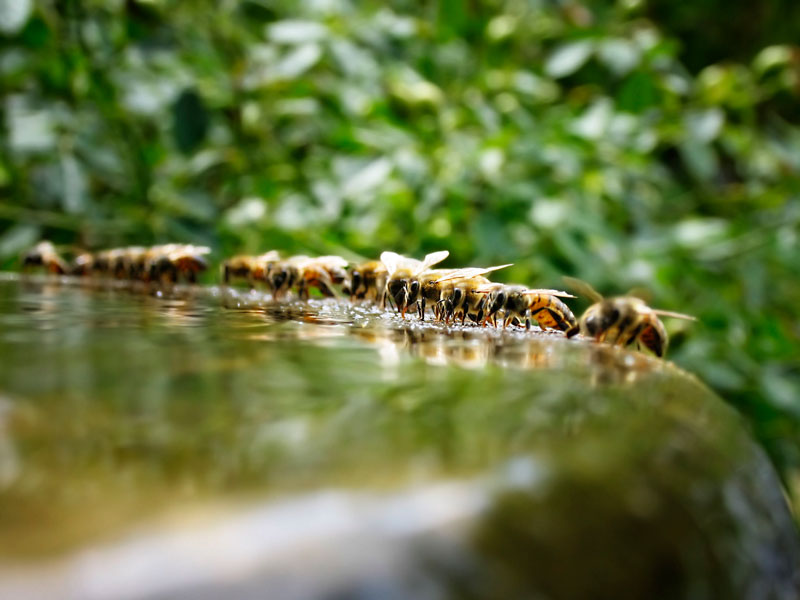
We’ve had weeks of drought, and both my garden and apiary are suffering from deepening cracks in the ground. The water in the pond  we built at the apiary has dried up, so the bees are forced to fly to distant streams to find water. This wastes their energy, so I try to  bring water to the apiary ourselves to prevent them from becoming exhausted. The water level in the pool at my home has also dropped by  half. My wife tried to clean it by vacuuming the leaves from the bottom, but she noticed that the bees were gathering on the floating  vacuum hose to drink water. She grumbled to herself that, since our lives are sustained by these bees, we couldn’t possibly chase them away  just to clean the pool.

Luckily, a hurricane is moving south from the equator, and it looks like it might hit our area here in the North Island directly. We’re hoping  it brings much-needed rain. Even if we get a lot of rain, the dry ground will absorb it all, so there’s no risk of flooding, and the more rain,  the better for us. Since the property is large, I grow vegetables and fruit trees, but the daily watering makes the water bill expensive, and just  sprinkling with a hose doesn’t do much good. On the bright side, the lack of rain means the grapes, which are almost ready to harvest, are  developing a higher sugar content. I’m also excited because this year I’ve been trying to grow seedless grapes. Last year, we had a lot of damage  because the bird netting I put up was poorly done.

Here, we have a troublesome bird that resembles a bulbul and runs around like a mouse. It sneaks through the smallest gaps to attack crops just as they start to sweeten, so I’ve sealed everything with nets. However, knowing this bird,  I can’t let my guard down. If I don’t pick the tomatoes as soon as they start ripening, they’ll be full of holes from being pecked. Luckily, it seems  unable to pierce through tougher-skinned fruits like watermelon.

This year’s lack of rain has me hoping for some really sweet watermelons. With so much to do every day, time flies by so quickly that  I sometimes end up putting off my main work. It’s not quite like saying, “One day you’re born, the next you’re in a coffin,” but it feels close.  I often find myself wondering, “What have I been doing all this time?” Time in nature moves so swiftly that a human life can feel like it’s over in an instant.


🌵 عندما يستمر الجفاف

لقد مرّت أسابيع من الجفاف، وتعاني كل من حديقتي ومزرعة النحل من تشققات عميقة في الأرض. لقد جفت المياه في البركة التي أنشأناها في المزرعة، لذا اضطرت النحل للطيران لمسافات بعيدة للوصول إلى المياه. هذا يهدر طاقتها، لذلك أحاول توفير الماء للمزرعة بأنفسنا لتجنب إرهاقها.

كما انخفض مستوى المياه في بركة المنزل إلى النصف. حاولت زوجتي تنظيفها باستخدام المكنسة الكهربائية لإزالة الأوراق من القاع، لكنها لاحظت أن النحل يتجمع على خرطوم المكنسة العائم لشرب الماء. تمتمت لنفسها أنه بما أن حياتنا تعتمد على هؤلاء النحل، فلا يمكننا طردهم لمجرد تنظيف البركة.

لحسن الحظ، هناك إعصار يتحرك جنوبًا من خط الاستواء، ويبدو أنه قد يضرب منطقتنا في الجزيرة الشمالية مباشرة. نحن نأمل أن يجلب المطر المنشود بشدة. حتى لو هطلت كميات كبيرة من الأمطار، فإن الأرض الجافة ستمتصها كلها، فلا يوجد خطر في حدوث فيضانات، وكلما زاد المطر كان أفضل لنا.

نظرًا لأن الممتلكات واسعة، أزرع الخضروات وأشجار الفاكهة، لكن الري اليومي يجعل فاتورة المياه باهظة، ولا يكفي مجرد الرش بالخرطوم. من الجانب الإيجابي، فإن نقص الأمطار يجعل العنب، الذي يوشك على الحصاد، يتطور بمحتوى أعلى من السكر. أنا متحمس أيضًا لأنني هذا العام أحاول زراعة العنب الخالي من البذور. في العام الماضي، تعرضنا للعديد من الأضرار بسبب سوء تركيب شبكات الطيور.

هنا، لدينا طائر مزعج يشبه البلبل ويتحرك مثل الفأر. يتسلل من أصغر الفجوات لمهاجمة المحاصيل بمجرد أن تبدأ في التحلية، لذلك قمت بسد كل شيء بالشبكات. ومع ذلك، ومع معرفتي بهذا الطائر، لا يمكنني التهاون أبدًا. إذا لم أجمع الطماطم فور بدء نضجها، ستصبح مليئة بالثقوب بسبب النقر. ولحسن الحظ، يبدو أنه غير قادر على اختراق الفواكه ذات القشرة الصلبة مثل البطيخ.

نقص الأمطار هذا العام يجعلني آمل في الحصول على بطيخ حلو جدًا. مع كل هذه المهام اليومية، يمر الوقت بسرعة كبيرة لدرجة أنني أؤجل أحيانًا عملي الأساسي. ليس الأمر تمامًا كما لو قلت: “في يوم تولد، وفي اليوم التالي تكون في التابوت”، لكنه قريب من هذا الشعور. كثيرًا ما أجد نفسي أتساءل: “ماذا كنت أفعل طوال هذا الوقت؟” فزمن الطبيعة يمر بسرعة، حتى أن الحياة البشرية قد تشعر وكأنها انتهت في لحظة.

The Use of Antibiotics in Bees

Last time, I briefly mentioned the use of antibiotics to honeybees, and I’d like to write a bit more on this topic. In many  honey-producing countries, the use of antibiotics isn’t strictly regulated, regardless of whether the country is developing or developed.  New Zealand is one of the few nations where their use is prohibited. This could become a long discussion, but to summarize, New Zealand  was formed from a part of the continent known as Zealandia, which rose from the ocean floor in ancient times, resulting in significantly less  biodiversity compared to other countries.

In New Zealand’s natural environment, the introduction of foreign plants and animals is strictly regulated by the Ministry for Primary Industries  (formerly the Ministry of Agriculture). The use of chemicals in beekeeping, particularly antibiotics, is strictly prohibited. When it comes to  beekeeping, there is no way to cure an infection once it occurs, so affected hives must be immediately incinerated, and a report detailing  the outbreak area must be submitted. If the use of chemicals were permitted, it might be possible to restore hives through treatment if  a disease were to arise. However, I believe that the current regulations imposed by the authorities are the right approach.  Of course, infections can potentially be managed with the use of antibiotics.

However, reliance on medications (and this applies not only to beekeeping but also to other industries) inevitably leads to the emergence of  microorganisms that are resistant to these treatments, as living organisms will evolve to ensure their survival. In human, a good example would be  drug-resistant hospital-acquired bacteria, which have now become widespread in medical institutions, which result from the overuse of antibiotics. In the U.S., for instance, one of the first tasks in beekeeping after wintering is to feed bees with antibiotics to significantly reduce the risk of  infections. This practice is also common in Japan, where there are no regulations on the use of antibiotics in beekeeping. Recently,  there have been numerous issues concerning food safety in countries like China and throughout Southeast Asia, which has led to  a general perception among consumers that domestically produced goods are safer.

When it comes to bee products, this belief is a significant misconception. Honey and other bee products from my operation are exported to the  head office, where they undergo antibiotic testing during customs clearance.  All imported foods are subject to the same rules: if levels of residual antibiotics or other substances exceed the limits set by Japan’s  Ministry of Health, Labour and Welfare quarantine stations, the import will not be approved. However, there are no such restrictions on honey produced domestically in Japan, making it potentially riskier compared  to imports. The general idea that domestic products are safer is likely a misconception, and I believe this applies to other food products as well.


استخدام المضادات الحيوية في تربية النحل

ذكرتُ في المرة السابقة بإيجاز موضوع استخدام المضادات الحيوية في تربية النحل، وأود اليوم التعمّق قليلًا في هذا الجانب المهم. في العديد من الدول المنتجة للعسل، لا توجد قيود صارمة على استخدام المضادات الحيوية، سواء كانت تلك الدول متقدمة أو نامية. أما نيوزيلندا، فهي من القلة النادرة من الدول التي تحظر استخدامها تمامًا، وذلك لاعتبارات بيئية وصحية عميقة الجذور.

نشأت نيوزيلندا من جزء من القارة القديمة المعروفة باسم زيلانديا، والتي ارتفعت من قاع المحيط في العصور السحيقة، مما جعل تنوعها البيولوجي محدودًا مقارنةً ببقية دول العالم. وفي هذا النظام البيئي الفريد، تُشرف وزارة الصناعات الأولية (التي كانت تُعرف سابقًا بوزارة الزراعة) بصرامة على منع إدخال النباتات أو الحيوانات الأجنبية، كما تحظر تمامًا استخدام المواد الكيميائية — وخاصة المضادات الحيوية — في تربية النحل.

وعند حدوث عدوى في أحد المناحل، لا يُسمح بعلاجها بالأدوية كما في الدول الأخرى، بل يجب إحراق الخلايا المصابة فورًا، مع تقديم تقرير رسمي يوضح موقع انتشار العدوى. قد يبدو هذا الإجراء قاسيًا، لكنني أرى أنه النهج الصحيح الذي يحافظ على نقاء البيئة وصحة النحل على المدى الطويل. صحيح أن استخدام الأدوية قد يعالج المشكلة مؤقتًا، لكن الاعتماد عليها يقود في النهاية إلى ظهور كائنات دقيقة مقاومة، تمامًا كما يحدث في المجال الطبي مع البكتيريا المقاومة للمضادات الحيوية التي أصبحت منتشرة في المستشفيات حول العالم بسبب الإفراط في استخدامها.

في الولايات المتحدة، من الممارسات الشائعة بعد موسم الشتاء أن يُعطى النحل جرعات من المضادات الحيوية لتقليل خطر العدوى بشكل كبير. أما في اليابان، فالأمر مشابه، حيث لا توجد قوانين تقيّد استخدام هذه المواد في تربية النحل. ومع تزايد القلق حول سلامة الغذاء في بعض الدول مثل الصين ودول جنوب شرق آسيا، نشأ لدى العديد من المستهلكين انطباع بأن المنتجات المحلية أكثر أمانًا. إلا أن هذا الاعتقاد، عندما يتعلق الأمر بمنتجات النحل، هو تصور خاطئ إلى حد كبير.

فالعسل ومنتجات النحل التي نُنتجها تُصدَّر إلى المقر الرئيسي وتخضع لاختبارات دقيقة لرصد أي آثار للمضادات الحيوية أثناء التخليص الجمركي. وجميع الأغذية المستوردة إلى اليابان تُعامل بالقواعد نفسها: ففي حال تجاوزت نسبة بقايا المضادات أو أي مواد أخرى الحدود المسموح بها من قِبل وزارة الصحة والعمل والرفاهية اليابانية، فإن دخولها إلى البلاد يُمنع تمامًا. لكن المفارقة هي أنه لا توجد قيود مماثلة على العسل المنتج محليًا في اليابان، مما يجعله — من الناحية الواقعية — أكثر عرضة للمخاطر مقارنة بالمستورد.

إن الفكرة السائدة بأن المنتجات المحلية أكثر أمانًا هي، في رأيي، وهمٌ تسويقي لا حقيقة علمية، وينطبق هذا على العديد من الأغذية الأخرى أيضًا. فالسلامة الحقيقية لا تأتي من الموقع الجغرافي للإنتاج، بل من النزاهة، والالتزام بالمعايير، والاحترام العميق للطبيعة.
The Importance of Providing Stored Honey

The Importance of Providing Stored Honey

It seems the summer dearth is approaching, with increasingly frequent sunny and dry days. If this continues, the dryness will intensify, causing  cracks in the ground. Flowers within the apiary are rapidly diminishing, making it difficult for the bees to collect nectar and pollen for food.  Within a specific period of this dry season, frames with fully matured honey-filled cells are removed from the hives to harvest the Manuka honey. However, since  removing these frames leaves the hive without food, we replace them with frames containing polyfloral honey, harvested outside the  Manuka season, labeled and stored by hive. True to their nature, bees will collect and store nectar as long as there are flowers available,  though they only need about four frames’ worth of food to get through the winter.

In this respect, beekeeping in the warm, snow-free climate of northern North Island is truly beneficial. This allows bees to have their own  stored honey in the hive even when nectar is scarce in the environment, enabling them to live peacefully without stress. Many beekeepers  extract and sell all the honey, then supplement the bees’ diet with sugar syrup, but I choose not to do this. Feeding sugar syrup puts  unnecessary strain on the bees, leading to quicker fatigue. From my experience, colonies that rely on their own stored honey in the  winter are much stronger come spring compared to those fed with syrup. Another crucial point, as I’ve mentioned before, is to use only  honey from the same hive for feeding, never from other colonies, as this is essential for preventing the spread of disease.

In Japan, it’s surprising to see that beekeeping supply stores commonly sell empty comb frames called karasuhai—(empty combs without  stored honey, pollen, pupae, larvae, or eggs). This is likely because Japan allows the use of antibiotics and antibacterial agents to treat  and prevent bee infections. In New Zealand, however, the Ministry for Primary Industries (formerly the Ministry of Agriculture) regulates  against this kind of sale, as it could foster the spread of bee diseases. If any infectious disease is detected, both the hive and the bees  must be incinerated, and there’s a legal requirement to report these details to the Ministry. After the honey flow season ends, beekeepers  begin to harvest while also preparing for the next spring, ensuring the bees stay healthy and active through the winter. Supporting bee health  year-round is a central role of the beekeeper.


🍯 أهمية توفير العسل المخزَّن للنحل حين تتجلى الرحمة حتى في أصغر تفاصيل الطبيعة

يبدو أنّ موسم الجفاف الصيفي قد بدأ يقترب، فالأيام المشمسة والجافة تتزايد، وإذا استمر الحال على هذا النحو، ستزداد الأرض تشققًا وتقلّ الأزهار شيئًا فشيئًا داخل المِنحل، حتى يجد النحل صعوبة في جمع الرحيق وحبوب اللقاح اللازمة لغذائه.

في فترة محددة من هذا الموسم الجاف، يتم استخراج الإطارات الممتلئة بالعسل الناضج بالكامل لجني عسل المانوكا. لكن لأن إزالة هذه الإطارات تعني حرمان الخلية من طعامها، نضع بدلًا منها إطاراتٍ تحتوي على عسلٍ متعدد الأزهار، جُمع قبل موسم المانوكا وخُزِّن بعناية لكل خلية على حدة.

بطبيعتها، لا تتوقف النحل عن جمع الرحيق ما دامت الزهور متوفرة، لكنها تحتاج فقط إلى ما يعادل أربعة إطاراتٍ من العسل لتجاوز فصل الشتاء بسلام. وفي هذا السياق، تُعدّ تربية النحل في مناخ الجزء الشمالي الدافئ من الجزيرة الشمالية لنيوزيلندا نعمةً حقيقية، إذ يمنح النحل فرصة للاحتفاظ بعسله الخاص داخل الخلية حتى في أوقات شحّ الرحيق، ليعيش في طمأنينةٍ بعيدًا عن التوتر والإجهاد.

كثيرٌ من مربي النحل يستخرجون كل العسل لبيعه، ثم يطعمون النحل محلول السكر الصناعي، أما أنا فلا أفعل ذلك. فمثل هذا الغذاء يرهق النحل ويُضعف مناعته مع مرور الوقت. ومن خلال خبرتي، أدركت أن المستعمرات التي تتغذى على عسلها الطبيعي المخزَّن تخرج من الشتاء أكثر قوةً ونشاطًا من تلك التي اعتادت على الشراب السكري.

وهناك أمرٌ آخر لا يقلّ أهمية: حين نحتاج لإعادة تغذية الخلية، لا نستخدم إلا عسلها الخاص، وليس من خلايا أخرى، حتى لا تنتقل الأمراض بين المستعمرات.

في اليابان، يثير دهشتي أن متاجر مستلزمات تربية النحل تبيع ما يُعرف باسم كاراسوهاي — إطارات فارغة لا تحتوي على عسلٍ أو حبوب لقاح أو يرقاتٍ أو بيض. وربما يعود ذلك إلى سماح القوانين هناك باستخدام المضادات الحيوية لعلاج الأمراض التي تصيب النحل. أما في نيوزيلندا، فتفرض وزارة الصناعات الأولية (التي كانت تُعرف سابقًا بوزارة الزراعة) قيودًا صارمة تمنع بيع مثل هذه الإطارات، لأنها قد تساهم في انتشار العدوى بين خلايا النحل.

وإذا اكتُشفت أي إصابةٍ معدية، فإن القانون يلزم المربي بحرق الخلية والنحل معًا وإبلاغ الوزارة بالتفاصيل فورًا. وعقب انتهاء موسم الأزهار، يبدأ مربو النحل بجني العسل وفي الوقت نفسه بالتحضير للربيع القادم، حرصًا على أن تبقى خلاياهم قويةً وصحية طوال الشتاء.

إنّ دعم صحة النحل على مدار العام هو جوهر رسالة مربي النحل الحقيقي — رسالةٌ تقوم على الرحمة، والانضباط، والإخلاص للطبيعة.

Manuka Flowers in Japan

The honey flow season for Manuka generally peaks in the summer, though it varies significantly by region and by Manuka tree variety.  In New Zealand, if you wish to see Manuka flowers, there are even varieties that bloom in mid-winter.  The most spectacular blooming occurs during the Manuka season, which also differs depending on the region and type of Manuka tree. The flowers range in color from white to pink, with some striking mutations that approach red. These are sold as ornamental  garden varieties, but they secrete very little nectar. To obtain high-activity Manuka honey, the flowers must be white and have single petals.

The Incanum variety, known for its high activity, has pure white flowers. Manuka flowers with even a hint of pink are less likely to produce  functional Manuka honey. In areas where pink flowers bloom, even placing beehives there would not yield honey with the desired properties. Once, I was having coffee at the Starbucks in my hometown’s Hamamatsu Castle Park. Japanese-style public restroom nearby,  I noticed a potted Manuka plant in full bloom in the flower bed. I remember feeling unexpectedly delighted by this discovery—it was a  double-flowered variety with red blossoms. It seems these ornamental, cultivated Manuka plants are also available in Japan. The encounter  lifted my spirits, and my thoughts wandered back to New Zealand… I was wondering if the hives set up in the Manuka forest were thriving, with the bees in good health.

I often find myself wondering if they have enough food to last through the winter’s chill… My thoughts would drift from the sweltering  heat of Hamamatsu Castle Park to the beekeeping site deep in the mountains of New Zealand in midwinter. As I mentioned before on this blog, beekeeping falls under the classification of animal husbandry. It’s said that when you raise living  creatures, you can’t completely distance yourself from them, and beekeeping is no exception, though the degree may vary. It’s only natural that  I worry about their well-being. Each time significant weather changes occur—be it heavy rain or strong winds—I feel anxious, but  whenever I see them buzzing happily around the apiary, I always breathe a sigh of relief. I believe this sentiment is shared by cattle and sheep herders as well.


🌸 زهور المانوكا في اليابان حيث تلتقي نقـاء الطبيعة اليابانية بعراقة أرض نيوزيلندا

يبلغ موسم ازدهار المانوكا ذروته عادةً في فصل الصيف، إلا أنّ توقيته يختلف باختلاف المناطق وأنواع أشجار المانوكا. وفي نيوزيلندا، يمكن مشاهدة بعض الأنواع وهي تتفتح حتى في منتصف الشتاء، لكن أروع مشاهد الإزهار تكون خلال موسم المانوكا الرئيسي، الذي تختلف ألوان زهره بين الأبيض النقي والوردي، وأحيانًا تظهر طفرات نادرة تميل إلى الأحمر.

تُزرع هذه الأنواع الجميلة لأغراض الزينة، غير أنها تفرز القليل جدًا من الرحيق. أما العسل النشط عالي الجودة فلا يمكن الحصول عليه إلا من زهورٍ بيضاءَ ذات بتلةٍ واحدة. فصيلة Incanum، المعروفة بنشاطها العالي، تُزهر بزهورٍ بيضاء ناصعة؛ أما الزهور التي تميل إلى الوردي، فنادراً ما تنتج عسلاً يحمل الخصائص العلاجية الحقيقية للمانوكا.

في إحدى المرات، كنت أحتسي قهوتي في مقهى “ستاربكس” المطلّ على حديقة قلعة هاماماتسو في مسقط رأسي، وبالقرب من دورة المياه العامة ذات الطراز الياباني، لفت انتباهي وجود نبتة مانوكا مزروعة في أصيصٍ صغيرٍ وقد تفتحت أزهارها الحمراء المزدوجة. غمرتني سعادة مفاجئة، وكأن جزءًا من نيوزيلندا قد حضر إليّ في تلك اللحظة. علمت لاحقًا أن هذه الأنواع الزخرفية متاحة أيضًا في اليابان، وكانت تلك اللحظة كافية لتعيدني بالذاكرة إلى غابات المانوكا في نيوزيلندا… تسللت إلى ذهني صور المناحل هناك بين الجبال،

أتساءل: هل النحل بخير؟ هل لديهم ما يكفي من الغذاء لمواجهة برد الشتاء القارس؟ وأنا في حرارة هاماماتسو، وجدت أفكاري تحلّق بعيدًا نحو برد نيوزيلندا الأبيض، حيث يعمل النحل في صمتٍ متناسقٍ مع الطبيعة. كما ذكرت سابقًا، تربية النحل تندرج ضمن فئة تربية الماشية، وحين تعتني بمخلوقاتٍ حية، لا يمكنك أن تنأى بنفسك عنها تمامًا — فثمة رابط خفيّ يربطك بها. كلما تغيّر الطقس — مطر غزير أو رياح عاصفة — يتملكني القلق، لكن حين أراها تحلّق بفرحٍ حول المِنحل، أتنفس الصعداء ويغمرني شعور بالطمأنينة.

أعتقد أن هذا الشعور تشترك فيه جميع الكائنات التي ترعى حياةً أخرى — سواء أكان مربّي نحلٍ أم راعي ماشيةٍ أو غنم. إنها رابطة الرحمة والمسؤولية، التي تجعل الإنسان يدرك أنه جزءٌ من دورة الحياة ذاتها، وليس مجرد مراقبٍ من بعيد.
Removal of Queen Cells

Removal of Queen Cells

Last time, I wrote about swarming and how it poses a risk for beekeepers, and that preventing it requires removing queen cells before  new queens can develop. However, given that the work is done amidst tens of thousands of bees, completely eliminating all queen  cells is an almost superhuman task, even for the most skilled beekeepers. Most queen cells are easy to spot, but some are quietly built in the  less noticeable corners of the frames. These are the ones that tend to be overlooked. For the bees, removing every newly formed queen cell is a matter of survival, as beekeepers systematically destroy their carefully raised  future queens. 

This is purely my imagination, but I can’t help but feel that bees have evolved with a sort of intelligence encoded in their DNA, allowing  them to secretly nurture new queens without human detection. I’ve often come across queen cells that are cleverly concealed, almost  camouflaged, in ways that are hard to spot at a glance. It almost seems like a product of evolutionary adaptation, developed over generations  of being managed by humans. These queen cells are removed using a hive tool, an essential beekeeping tool. Often, I find them filled with a generous amount of  royal jelly (see image). I gather this jelly, and during the drive home, I pop the entire comb cell into my mouth. Royal jelly has a unique, intense  tartness and a stimulating taste and aroma.

Eating this royal jelly while driving prevents drowsiness, no matter how tired I am. Combining it with Manuka honey offers synergistic  health benefits, something I’ve personally experienced and confirmed through reports from long-term customers. Incidentally, with swarming, if you’re fortunate enough to catch a swarm at the right moment, it’s possible to add an extra colony.  There are various other methods to increase bee colonies, but the most common is to separate a group and create a queenless state,   thereby stimulating the development of a new queen.


إزالة بيوت الملكات

في المرة السابقة تحدثتُ عن ظاهرة التطريد وكيف تشكل خطرًا حقيقيًا على مربي النحل، وأن الوقاية منها تتطلّب إزالة بيوت الملكات قبل أن تكتمل فيها تربية ملكات جديدة. غير أن أداء هذا العمل وسط عشرات الآلاف من النحل يجعل مهمة إزالة جميع بيوت الملكات مهمة شبه مستحيلة، حتى بالنسبة لأكثر المربين مهارة وخبرة. فمعظم بيوت الملكات يسهل رؤيتها، لكن بعضها يُشيَّد بخفاء في الزوايا غير الظاهرة من الإطارات — وهذه بالتحديد هي التي يسهل التغافل عنها. وبالنسبة للنحل، فإن إزالة كل بيت ملكة جديد هو معركة بقاء، لأن المربي يقوم بشكل منهجي بتدمير الملكات المستقبلية التي عملت الشغالات على تربيتها بعناية.

وقد يكون هذا من نسج خيالي، لكنني لا أستطيع إلا أن أشعر بأن للنحل قدرًا من “الذكاء الوراثي” المتراكم في شيفرته الجينية؛ ذكاء يسمح له بتربية ملكات جديدة بعيدًا عن أعين البشر. فكثيرًا ما أصادف بيوت ملكات مبنية بطريقة ماكرة، مموّهة، تكاد تتخفّى حتى عن العين المدققة. ويبدو الأمر وكأنه سلوك تطوري تشكّل عبر أجيال طويلة من التفاعل مع الإنسان. ويتم إزالة هذه البيوت باستخدام أداة أساسية في تربية النحل تُسمّى أداة الخلية (Hive Tool).

غالبًا ما أجد هذه البيوت ممتلئة بكمية وفيرة من الهلام الملكي (رويال جيلي). وعندما أعود بالسيارة إلى المنزل، أضع كامل الخلية الصغيرة في فمي. يتميز الهلام الملكي بطعمٍ حاد منعش، ونكهةٍ عطرية نفاذة لا تشبه أي شيء آخر.

وأثناء القيادة، أتناول هذا الهلام الملكي، فيزول الشعور بالنعاس تمامًا مهما بلغ الإرهاق، وكأن له قدرة طبيعية على تنشيط الحواس وإعادة صفاء الذهن. وعند دمجه مع عسل المانوكا، تنشأ فائدة صحية متعاظمة، وقد اختبرت هذا الأثر بنفسي وتلقيت عنه تأكيدات عديدة عبر السنوات من عملاء يستخدمون منتجاتنا بانتظام.

ومن الجدير بالذكر أنه في حالات التطريد، إن حالفك الحظ وتمكنت من التقاط الطرد في اللحظة المناسبة، يصبح بالإمكان إضافة خلية جديدة تمامًا. وهناك طرق متعددة لزيادة عدد الطوائف، إلا أن أكثرها شيوعًا هو فصل مجموعة من النحل وخلق حالة “عديمة الملكة”، مما يحفّز النحل على تطوير ملكة جديدة بطريقة طبيعية ومدروسة.

Damage to Bees from Mites – Part 2

I previously mentioned the honeybee pest, Varroa destructor. While we address it using insect repellents made from herbal ingredients,  there are cases where herbs alone are not effective, and chemical agents are used. The Ministry for Primary Industries (MPI), formerly the  Department of Agriculture, has strictly regulated on the use of chemicals in beekeeping. I have previously written a brief overview of American Foulbrood, the most feared disease among beekeepers, which causes the death of honeybee larvae.This disease is a highly  concerning infectious condition for beekeepers worldwide. In Western countries and Japan, antibiotics are commonly used in beekeeping.  However, in New Zealand, the use of antibacterial drugs is strictly prohibited by law.

New Zealand is one of the few countries in the world with such a policy, and I strongly support it. This is because the use of antibiotics almost  inevitably leads to the emergence of drug-resistant bacteria, creating a never-ending cycle of drugs versus bacteria. Additionally, the spread  of antibiotic-resistant genes across bacterial species, potentially even invading the human microbiome, presents a very serious issue.

I have written about this topic before on my blog, but the use of antibiotics in beekeeping ultimately results in these substances being incorporated  into the human body through products like honey. While the use of antibiotics can temporarily solve bee infections, I believe we cannot rely on  drugs as a permanent solution. Additionally, New Zealand’s approach to beekeeping, which avoids the use of antibiotics, serves as a major  selling point, differentiating its bee products from those of other countries. This, in turn, contributes to the country’s export competitiveness,  making the government’s actions highly prudent.


أضرار العثّ على النحل – الجزء الثاني

سبق أن أشرتُ إلى أحد أخطر آفات نحل العسل، وهو الفاروا المدمّرة (Varroa destructor). وعلى الرغم من اعتمادنا في الأساس على مواد طاردة مصنوعة من مكوّنات عشبية، إلا أن هناك حالات لا تكون فيها الأعشاب وحدها كافية، مما يضطر بعض المربين إلى استخدام عوامل كيميائية.

في نيوزيلندا، تخضع تربية النحل لرقابة صارمة من قبل وزارة الصناعات الأولية (MPI)، المعروفة سابقًا بوزارة الزراعة، حيث تُفرض قيود دقيقة على استخدام المواد الكيميائية. وقد سبق لي أن كتبتُ بإيجاز عن مرض تعفّن الحضنة الأمريكي، وهو أكثر الأمراض إثارة للخوف بين مربي النحل، إذ يؤدي إلى موت يرقات النحل ويُعد من أخطر الأمراض المعدية في هذا المجال على مستوى العالم.

في العديد من الدول الغربية، وكذلك في اليابان، يُستخدم العلاج بالمضادات الحيوية على نطاق واسع في تربية النحل. أما في نيوزيلندا، فإن استخدام أي أدوية مضادة للبكتيريا في تربية النحل محظور قانونًا بشكل صارم.

وتُعد نيوزيلندا من الدول القليلة في العالم التي تعتمد هذه السياسة، وأنا أؤيدها بشدة. فاللجوء إلى المضادات الحيوية يقود، في معظم الحالات، إلى ظهور بكتيريا مقاومة للأدوية، مما يخلق حلقة لا تنتهي من الصراع بين العقاقير والميكروبات. إضافة إلى ذلك، فإن انتقال الجينات المقاومة للمضادات الحيوية بين أنواع البكتيريا المختلفة—وإمكانية تسللها إلى الميكروبيوم البشري—يمثل خطرًا بالغ الجدية على الصحة العامة.

لقد تناولتُ هذا الموضوع سابقًا في مدونتي، لكن يجدر التأكيد على أن استخدام المضادات الحيوية في تربية النحل يؤدي في نهاية المطاف إلى دخول هذه المواد إلى جسم الإنسان عبر منتجات مثل العسل. ورغم أن المضادات الحيوية قد توفّر حلًا مؤقتًا لأمراض النحل، فإنني أؤمن بأن الاعتماد على الأدوية لا يمكن أن يشكّل حلًا دائمًا أو مستدامًا.

وعلى النقيض من ذلك، فإن نهج نيوزيلندا في تربية النحل—القائم على الامتناع التام عن استخدام المضادات الحيوية—يشكّل نقطة قوة جوهرية تميّز منتجاتها من منتجات الدول الأخرى. وهذا التميّز لا يعزز ثقة المستهلك فحسب، بل يسهم أيضًا في رفع القدرة التنافسية للصادرات الوطنية، ما يجعل سياسات الحكومة في هذا المجال مثالًا واضحًا على الحكمة وبُعد النظر.

Damage to Bees from Mites – Part 1

At the apiary where I base my work, I have placed about 50 colonies of bees that I raised this year. Since it’s the harvesting season, I became  distracted by work at other apiaries and ended up neglecting the hives for about three weeks, which was a mistake. Mite damage was observed. This season tends to have a high incidence of mite infestations, so I had hung herbal-based ribbons in the hives as a mite deterrent. However,  I noticed that mites resistant to the active ingredients in these herbs had emerged. To effectively prevent mite infestations, it’s important to  periodically use deterrents with different active ingredients. This is because mites, with their rapid generational turnover, quickly develop resistance.

The insecticide I used this time was something I hadn’t used in this apiary for a long time, so I thought it would be safe. Unfortunately, A careless  attitude led to damage. After applying the pesticide, I should have immediately checked its effectiveness. In the end, I had to quickly  replace it with a different pesticide that had a different active ingredient, which helped to reduce the damage. However, the mite infestation  spread rapidly and unexpectedly, resulting in piles of dead mites. It was truly frightening. It’s truly frustrating to see a carefully raised colony suffer a setback. As I mentioned earlier, there are discussions  about introducing spiders, natural predators of mites, to combat this issue, and it would be a blessing if this could provide a solution. However,  using natural enemies requires considerable caution and time for research and verification. If done recklessly, it could have a significant  impact on the ecosystem, so the process of implementing such a solution naturally takes time. 


أضرار العثّ على النحل – الجزء الأول

في المنحل الذي أُقيم فيه عملي، وضعت هذا العام نحو خمسين خلية نحل قمت بتربيتها بعناية. وبما أن الموسم كان موسم جني العسل، انشغلتُ بأعمال في مناحل أخرى، الأمر الذي أدى—عن غير قصد—إلى إهمال هذه الخلايا لمدة تقارب ثلاثة أسابيع. وكان ذلك خطأً واضحًا. عند عودتي، لاحظت ظهور أضرار ناجمة عن العثّ.

يُعرف هذا الموسم بارتفاع معدلات الإصابة بالعثّ، ولذلك كنت قد علّقت في الخلايا شرائط طاردة تعتمد على مكوّنات عشبية. غير أنني سرعان ما أدركت أن سلالات من العثّ أصبحت مقاومة للمواد الفعّالة الموجودة في تلك الأعشاب. وللوقاية الفعّالة من العثّ، من الضروري تغيير المواد الطاردة بشكل دوري واستخدام مركّبات ذات مواد فعّالة مختلفة، إذ إن العثّ—بفضل سرعة تعاقب أجياله—يطوّر مقاومة في وقت قصير جدًا.

المبيد الذي استخدمته هذه المرة لم يكن قد استُخدم في هذا المنحل منذ فترة طويلة، ولذلك افترضتُ أنه سيكون آمنًا وفعّالًا. إلا أن هذا الافتراض، المقرون بنوع من التراخي، أدى إلى نتائج مؤسفة. كان ينبغي عليّ التحقق فورًا من فعالية المبيد بعد استخدامه. وفي نهاية المطاف، اضطررت إلى استبداله بسرعة بمبيد آخر ذي مادة فعّالة مختلفة، الأمر الذي ساهم في الحد من الأضرار.

ومع ذلك، كانت سرعة انتشار العثّ غير متوقعة، ووجدت أكوامًا من العثّ النافق داخل الخلايا—مشهدًا كان صادمًا بحق. إن رؤية خلية نحل تمّت تربيتها بعناية تتعرض لمثل هذا التراجع أمر يبعث على الإحباط العميق.

وكما ذكرت سابقًا، تُناقش حاليًا إمكانية إدخال العناكب، بوصفها أعداءً طبيعيين للعثّ، كوسيلة لمكافحة هذه المشكلة. ولو أمكن أن يشكّل ذلك حلًا مستدامًا، لكان نعمة حقيقية. غير أن استخدام الأعداء الطبيعيين يتطلب قدرًا كبيرًا من الحذر، ووقتًا طويلًا للبحث والتحقق. فأي تطبيق متسرّع قد يُحدث تأثيرات جسيمة على النظام البيئي ككل، ولهذا فإن السير في هذا الاتجاه يستدعي صبرًا والتزامًا علميًا عميقًا.

Natural Enemies of Varroa destructor

The Varroa destructor mite was originally associated with the Eastern honeybee. It is said to have been introduced to Siberia,  where it began parasitizing the Western honeybee and eventually spread across Europe. It is said to have arrived in New Zealand over 10 years ago, although the  exact route of entry is unclear. It is speculated that the mite entered via the importation of queen bees and other bees. This 1–2 millimeter mite invades the brood cell during the pupal stage and feeds on the pupae’s bodily fluids. As a result, the adult bee that emerges may suffer from deformities, be unable to fly, or lose its ability to perform essential tasks such as  nursing the next generation of bees. 

Moreover, since they transmit viral diseases, they are true enemy of honeybees.
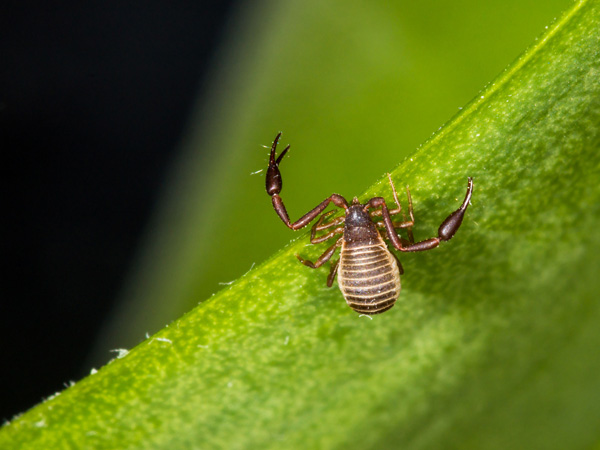
 Various methods for controlling  this pest have been proposed, but complete eradication is incredibly difficult. Ultimately, the best defense against the mite is to nurture strong,  healthy colonies of bees. Currently, there is ongoing research into introducing natural predators of the mite, such as a species of mite-eating spider called Chelifer.  This spider is very small and resembles a scorpion. The tips of its pincers contain venom, which paralyzes the mites. It is said that a single  Chelifer can consume up to 10 mites per day. Since these spiders are unaffected by the chemical pesticides used against the mites, they  are being considered for use in combination with these treatments. 


🐝 الأعداء الطبيعيون لعثّ الفاروا (Varroa destructor)

كان عثّ الفاروا في الأصل مرتبطًا بنحل العسل الشرقي، ويُقال إنه انتقل إلى سيبيريا حيث بدأ في التطفل على نحل العسل الغربي، ثم انتشر لاحقًا في أوروبا. ويُعتقد أنه وصل إلى نيوزيلندا قبل أكثر من عشر سنوات، رغم أن طريق دخوله الدقيق لا يزال غير معروف. ويُرجَّح أنه دخل عبر استيراد ملكات النحل أو النحل العامل.

هذا العثّ الصغير، الذي لا يتجاوز طوله 1–2 مليمتر، يغزو خلايا الحضنة في مرحلة العذراء ويتغذى على سوائل جسمها. ونتيجة لذلك، قد تخرج نحلات بالغة مشوهة، غير قادرة على الطيران، أو تفقد قدرتها على أداء المهام الأساسية مثل رعاية الجيل القادم من النحل.

علاوة على ذلك، ينقل هذا العثّ أمراضًا فيروسية، مما يجعله العدو الحقيقي للنحل. ورغم اقتراح العديد من طرق المكافحة، إلا أن القضاء التام عليه يكاد يكون مستحيلاً. في النهاية، تبقى أفضل وسيلة للدفاع هي تربية مستعمرات قوية وصحية من النحل.

حاليًا، تُجرى أبحاث حول إدخال أعداء طبيعيين للعثّ، مثل نوع من العناكب الصغيرة يُعرف باسم شليفِر (Chelifer)، يشبه العقرب في شكله. تحتوي أطراف مخالبه على سمّ يشلّ العثّ، ويُقال إن عنكبوتًا واحدًا يمكنه القضاء على ما يصل إلى عشرة عثّات في اليوم الواحد. ونظرًا لأن هذه العناكب لا تتأثر بالمبيدات الكيميائية المستخدمة ضد العثّ، فهي تُعتبر خيارًا واعدًا لاستخدامها بالتوازي مع وسائل المكافحة الأخرى، في سبيل تحقيق توازن طبيعي يحافظ على صحة النحل وجودة إنتاج العسل.

Varroa destructor

This year, the heat has arrived early, and it seems there will be little rain. With the rising temperatures comes an increase in troublesome  pests—the mites (Varroa destructor) that attach to honeybees. Maintaining strong colonies can minimize the damage, but it’s not easy to keep  all colonies strong, so the use of insecticides becomes necessary. There are two types of treatments available, but I choose not to use chemical agents. Instead, I rely on pyrethrum-based products. The reasons  are simple: chemical agents inevitably harm the honeybees themselves and lead to the development of resistance in the mites, rendering the treatment ineffective. I hang ribbons coated with pyrethrum’s active ingredient between the frames in each hive, using two ribbons per hive box. Since this season  requires stacking three tiers, each colony ends up needing six ribbons, making the task quite labor-intensive. (To be continued)


فاروا ديستركتور – Varroa destructor

هذا العام، حلّت موجة الحر مبكرًا، ويبدو أن الأمطار ستكون قليلة. ومع ارتفاع درجات الحرارة، تبدأ معاناة النحل مع أحد أكثر الآفات إزعاجًا — وهي العثّة فاروا ديستركتور التي تلتصق بالنحل وتمتص قوّته.

إن الحفاظ على مستعمرات قوية يمكن أن يخفف من الضرر، غير أن إبقاء جميع المستعمرات في حالة مثالية أمر بالغ الصعوبة، مما يجعل استخدام المبيدات أمرًا لا مفر منه في كثير من الأحيان. توجد طريقتان للعلاج، لكنني أختار تجنّب العوامل الكيميائية. بدلاً من ذلك، أستخدم منتجات قائمة على البيريثروم — وهو مستخلص طبيعي من أزهار الأقحوان — لما له من توازن بين الفعالية واللطف على الكائنات.

السبب بسيط وواضح: فالعوامل الكيميائية تضرّ بالنحل نفسه، وتُكسب العثّة مقاومة بمرور الوقت، مما يجعل العلاج بلا جدوى في النهاية. لذلك، أعلّق شرائط مشبعة بالمادة الفعالة للبيريثروم بين الإطارات داخل كل خلية — شريطان في كل صندوق من صناديق الخلية. وبما أن هذا الموسم يتطلب ترتيب ثلاث طبقات من الصناديق، تحتاج كل مستعمرة إلى ستة شرائط، مما يجعل العمل شاقًا ومضنيًا. (يتبع…)