About Experienced Beekeeper」カテゴリーアーカイブ

Information We Share with Our Customers

Information We Share with Our Customers

Our customers have an exceptionally high repeat purchase rate, which is truly the greatest joy for us. We are deeply grateful  for your continued patronage and expectations for our products, and we feel a great sense of responsibility at the production site. Today,  I would like to share part of an email that we send to customers each time they make a purchase. “At this time of year, the bees are in good spirits due to their abundant honey stores, and they are delicate and adorable.  They are unlikely to sting anyone.”

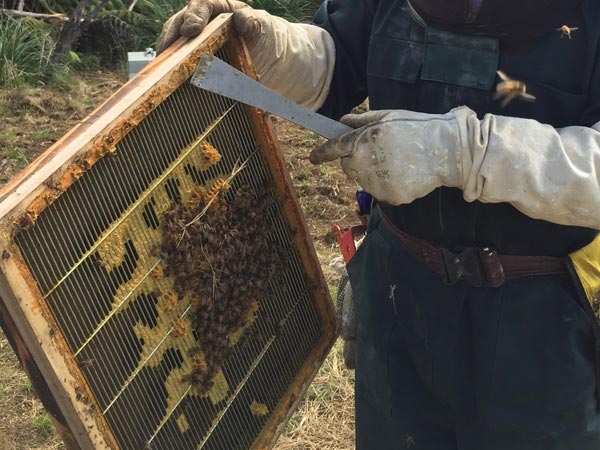
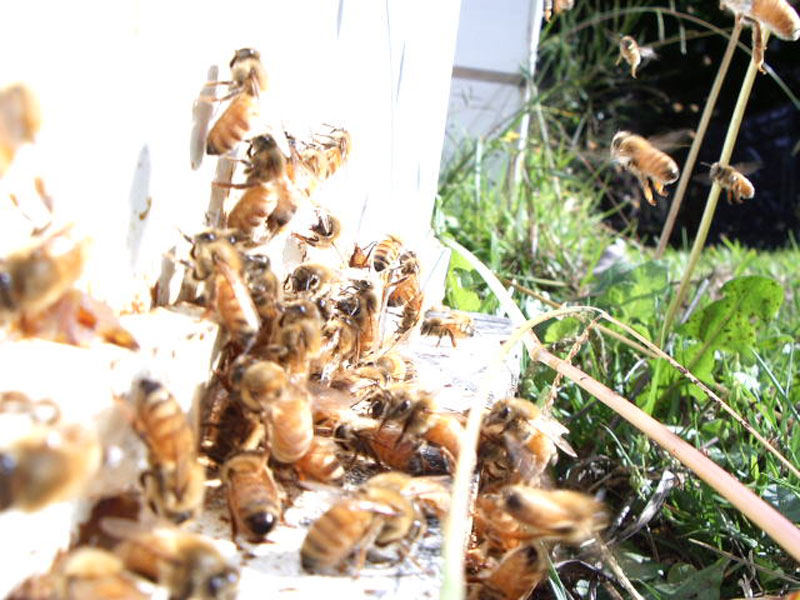
In the photos you see, the area where the bees are concentrated is called the “entrance.” At this time of year, there are frequent mass  attacks by carnivorous hornets, which often results in the worker bees being killed and their larvae stolen. To protect them, we only open  the entrance to the size of a matchbox. The first level of the hive is the queen’s domain, primarily for laying eggs and rearing the brood.  The second level is called the “queen excluder,” where a grid prevents the larger queen from passing through, making it a designated  storage area for the worker bees’ honey. During the peak of the nectar flow, third and fourth levels are added. Our practice is stationary beekeeping, but in Japan’s migratory beekeeping, where beekeepers follow blooming flowers, you won’t see  such multi-level hives due to the scarcity of nectar sources.

By the way, the reason we tilt the hive forward is to prevent rainwater from entering. The surface of the hive becomes yellowish in places,  mainly due to the propolis resin that the bees collect from coniferous forests. They use this resin to coat the inside of the hive for  sterilization purposes. Compared to Brazilian propolis, New Zealand propolis has a less appealing color and scent due to the difference in  origin plants and bee species, making it less pleasant to consume. As for the Strong Manuka Honey, although it’s something we face every year, we are always concerned about the level of antibacterial  activity. Even with products from the exact same region, the activity level can vary greatly from year to year—sometimes it’s very high, and  other times it doesn’t show at all. It’s truly a mystery.

The mechanism behind the production of active substances is still not well understood, and since there is no solution for this, we have  no choice but to accept these outcomes as natural products of the great outdoors. To use a somewhat grand expression, it truly feels  like we are doing our best and then leaving the rest to fate. In the end, the final determinants of quality and quantity are  nothing other than the weather and the health of the bees. I pray that we will be able to harvest good bee products again next season.  We are committed to providing as many customers as possible with products that satisfy them, all while being mindful of the environment here in New Zealand. The above is just a small portion, but we tailor the information and content we share with each customer based on their purchase frequency  and timing. Providing accurate information related to our products is a fundamental part of our company’s policy.


📧 المعلومات التي نشاركها مع عملائنا

يتمتع عملاؤنا بمعدل شراء متكرر استثنائي للغاية، وهذا حقًا يمثل أعظم سعادة لنا. نحن ممتنون بعمق لدعمكم المستمر وتوقعاتكم العالية تجاه منتجاتنا، ونشعر بمسؤولية كبيرة في موقع الإنتاج. اليوم، أود أن أشارك جزءًا من البريد الإلكتروني الذي نرسله للعملاء في كل مرة يقومون فيها بالشراء: “في هذا الوقت من السنة، تكون النحل في حالة معنوية عالية نظرًا لوفرة مخزون العسل لديهم، وهم رقيقون ولطيفون للغاية. من غير المرجح أن يلسعوا أي شخص.”

في الصور التي ترونها، تُعرف المنطقة التي يتركز فيها النحل باسم “المدخل”. في هذا الوقت من السنة، تحدث غالبًا هجمات جماعية من الدبابير المفترسة، والتي تؤدي غالبًا إلى قتل العاملات وسرقة يرقات النحل. لحمايتهم، نقوم بفتح المدخل فقط بحجم علبة الكبريت.

المستوى الأول من الخلية هو مملكة الملكة، ويُخصص أساسًا لوضع البيض وتربية اليرقات. المستوى الثاني يسمى فاصل الملكة، حيث يمنع الشبك مرور الملكة الكبيرة، مما يجعلها منطقة مخصصة لتخزين عسل العاملات. أثناء ذروة تدفق الرحيق، يتم إضافة المستويين الثالث والرابع. ممارستنا هي تربية النحل الثابتة، أما في اليابان، في تربية النحل المتنقلة حيث يتبع النحالون الأزهار المتفتحة، فلن ترى خلايا متعددة المستويات بسبب ندرة مصادر الرحيق.

وبالمناسبة، السبب في إمالة الخلية للأمام هو لمنع دخول مياه الأمطار. يصبح سطح الخلية أصفر اللون في بعض الأماكن، ويرجع ذلك بشكل رئيسي إلى راتنج البروبوليس الذي يجمعه النحل من الغابات الصنوبرية. يستخدم النحل هذا الراتنج لتغطية داخل الخلية لأغراض التعقيم.

مقارنة بالبروبوليس البرازيلي، يتميز بروبوليس نيوزيلندا بلون ورائحة أقل جاذبية بسبب اختلاف النباتات الأصلية وأنواع النحل، مما يجعله أقل متعة عند الاستهلاك. أما بالنسبة لـ Strong Manuka Honey، فرغم أنه أمر نواجهه كل عام، إلا أننا دائمًا نشعر بالقلق بشأن مستوى النشاط المضاد للبكتيريا. حتى بالنسبة للمنتجات من نفس المنطقة بالضبط، يمكن أن يختلف مستوى النشاط بشكل كبير من سنة إلى أخرى—في بعض الأحيان يكون عاليًا جدًا، وفي أحيان أخرى قد لا يظهر على الإطلاق. إنه لغز حقيقي.

الآلية وراء إنتاج المواد الفعالة لا تزال غير مفهومة جيدًا، وبما أنه لا يوجد حل لذلك، لا مفر لنا سوى قبول هذه النتائج كمنتجات طبيعية من أحضان الطبيعة. للتعبير بطريقة فخمة، يبدو حقًا وكأننا نبذل قصارى جهدنا ثم نترك الباقي للقدر. في النهاية، العوامل النهائية لتحديد الجودة والكمية ليست سوى الطقس وصحة النحل. أدعو الله أن نتمكن من حصاد منتجات نحل جيدة مرة أخرى في الموسم القادم. نحن ملتزمون بتوفير منتجات ترضي أكبر عدد ممكن من عملائنا، مع مراعاة البيئة هنا في نيوزيلندا. ما سبق هو مجرد جزء صغير، ولكننا نخصص المعلومات والمحتوى الذي نشاركه مع كل عميل وفقًا لتكرار الشراء وتوقيته. إن توفير معلومات دقيقة تتعلق بمنتجاتنا يعد جزءًا أساسيًا من سياسة شركتنا.
Amazon Chili

This story takes place about 30 years ago when my nephew decided to visit Brazil during his summer vacation to experience playing soccer  He joined the youth divisions of two well-known club teams in Rio de Janeiro. He split his time between the two teams, training with  one in the morning and the other in the afternoon. Back in Japan, he had been playing as a goalkeeper since elementary school, so he focused on the same position and practiced hard for nearly a month. Both clubs were highly competitive, and it was kept a secret that he was practicing with two different teams to avoid any issues. The coach was quite strict, and they trained intensively every day. My nephew worked hard and improved a lot, so before returning to Japan,  I decided to visit former classmates who had settled in the Amazon.

From the airport in Rio, Manaus, the capital of Amazonas state, is located 2,800 km away, which is roughly the distance  between Japan and the Philippines. We flew to an airport about 1,200 km upstream from the mouth of the Amazon River in Manaus. From there, we flew another 800 km to the town of Santarém, and then took a riverboat for 130 km downstream to our destination,  Monte Alegre, where several of our former classmates lived. We spent about a week there, staying with my old friends. While I had visited the Amazon region numerous times both during my student days and after moving to Brazil, it was a new experience for my  nephew and son. This trip gave them a real sense of Brazil’s vastness and the immensity of the Amazon River, which felt more like an ocean. Though  it was a short journey, it seemed to be an enjoyable and memorable one for them.

We enjoyed various dishes in the Amazon, most of which were topped with mustard oil. Its intense spiciness and fruity, distinctive aroma  left a lasting impression on me. The chili peppers used were referred to as “Amazon peppers.” Though I eventually forgot about them, my  son later brought home some chili peppers he had “borrowed” from someone’s garden. He said, “These smell just like the ‘Amazon peppers.’” Let’s see… , I took a sniff, and immediately, the distinctive heat and humidity of the  tropical rainforest came flooding back. It was exactly like the “Amazon peppers” I had experienced there. However, the peppers from the  Amazon were much smaller—only about a third of the size.

Later, when Windows 95 was released and the internet rapidly became widespread, I searched for this chili pepper and learned the following,  as now documented on Wikipedia:

The heat level of habanero peppers is approximately 300,000 Scoville Heat Units (SHU), with a Guinness World Record entry submitted by GNS  Spices Inc. in 1994 at 577,000 SHU. Its origin is believed to be from Central to South America, with the highest likelihood being the Amazon Basin  or its nearby coastal regions. From there, it is thought to have spread to the Yucatán Peninsula.

What we tasted in the Amazon turned out to be what is now called “habanero,” later recognized in the Guinness Book of World Records as the  world’s hottest chili pepper. It was likely a wild or ancestral variety of this renowned pepper.

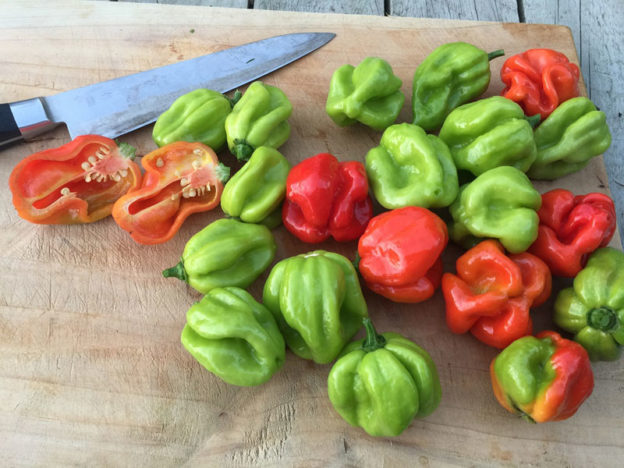
At our home, meals are still prepared in a Brazilian style with influences from African and Mediterranean cuisine. This “Amazon pepper” is  incredibly spicy, but its citrusy, fruity aroma enhances dishes and serves as an essential accent. We grow it every year, and as you can see from the photo, this year’s harvest produced many large peppers. I plan to process and share them with  my son and his wife, as well as other family members. Though it’s really spicy, it’s fascinating placing Manuka honey on the tongue afterward magically neutralizes the heat.


فلفل الأمازون الحار

تعود هذه القصة إلى ما يقارب ثلاثين عامًا مضت، حين قرّر ابن أختي قضاء عطلته الصيفية في البرازيل لتجربة لعب كرة القدم هناك. انضمّ إلى الفِرق الشابة في ناديين مشهورين بمدينة ريو دي جانيرو، يتدرّب مع أحدهما في الصباح، ومع الآخر في المساء — في سرية تامة، حتى لا يُثار أي خلاف بين الناديين. كان مدرّبوه صارمين للغاية، لكنّ حماسه الصادق مكّنه من التطوّر السريع، حتى أصبح حارس مرمى واعدًا كما كان في اليابان منذ طفولته.

وقبل عودته إلى اليابان، قرّرتُ أن أستغل الفرصة لزيارة بعض أصدقائي القدامى الذين استقرّوا في منطقة الأمازون. تبعد مدينة ماناوس، عاصمة ولاية الأمازون، نحو ٢٨٠٠ كيلومتر عن ريو دي جانيرو، أي ما يعادل تقريبًا المسافة بين اليابان والفلبين. ومن هناك، واصلنا الرحلة إلى بلدة سانتاريم، ثم استقللنا قاربًا نهريًا لمسافة ١٣٠ كيلومترًا على طول نهر الأمازون، إلى وجهتنا النهائية مونتي أليغري، حيث يعيش عدد من زملائي القدامى.

أقمنا هناك نحو أسبوع، نستمتع بضيافتهم ودفء صداقتهم القديمة. كانت هذه الزيارة بالنسبة لابني وابن أختي تجربة فريدة، أعطتهما إحساسًا عميقًا باتساع البرازيل وجلال نهر الأمازون، الذي يشبه البحر في ضخامته وسكونه. ورغم قِصر الرحلة، إلا أنها تركت في نفوسهم أثرًا لا يُنسى.

في الأمازون، تذوّقنا أطباقًا عديدة، جميعها كانت تُقدَّم مع زيت الخردل الحار، ذلك الزيت الذي يمتاز بحرارته القوية ورائحته الفاكهية المميزة. أما الفلفل المستخدم، فكان يُعرف محليًا باسم “فلفل الأمازون”. بقي طعمه في ذاكرتي لسنوات، حتى جاء يوم عاد فيه ابني إلى المنزل حاملًا بعض ثمار الفلفل قال إنه “استعارها” من حديقة أحدهم. قال لي مبتسمًا: “رائحتها تمامًا كرائحة فلفل الأمازون!” وحين شممتها، غمرني فجأة دفء الغابات الاستوائية ورطوبتها العطرة — كانت نفس الرائحة، ونفس الحرارة المتوهجة، لكن حجم الفلفل كان أصغر بنحو الثلث.

ومع ظهور نظام ويندوز 95 وانتشار الإنترنت لاحقًا، بحثت عن هذا الفلفل على الشبكة، فاكتشفت أنه هو ما يُعرف اليوم باسم “الهَبَنيرو”، الذي دخل موسوعة غينيس للأرقام القياسية كأحد أشد أنواع الفلفل حرارة في العالم، بقوة تصل إلى ٥٧٧,٠٠٠ وحدة سكوفيل. ويُعتقد أن موطنه الأصلي يمتد من أمريكا الوسطى إلى أمريكا الجنوبية، وخاصة حوض الأمازون ومناطقه الساحلية القريبة، ومن هناك انتقل إلى شبه جزيرة يوكاتان.

ما تذوّقناه في تلك الرحلة كان على الأرجح سلالة برّية قديمة من فلفل الهَبَنيرو، تحمل في نكهتها الأولى جوهر الطبيعة الأمازونية الخام. واليوم، ما زالت مائدتنا في المنزل متأثرة بالمطبخ البرازيلي الذي يمزج بين النكهات الإفريقية والمتوسطية. يُعدّ هذا الفلفل الحار جدًا — رغم لذعته القوية — مكوّنًا أساسيًا يمنح الأطباق عبيرًا فاكهيًا لاذعًا ولمسةً من الحيوية. نزرعه كل عام، وقد كانت حصادته هذا الموسم وافرة بشكل لافت. أخطط لتجفيفه ومعالجته وتقاسمه مع ابني وزوجته وبقية العائلة.

ورغم حرارته التي تكاد تلسع اللسان، فإن لمسة من عسل المانوكا النقي كفيلة بأن تُبدّد ذلك اللهيب بلُطفٍ سحري، كما لو أن الطبيعة نفسها تُعيد التوازن بين النار والعسل، بين حرارة الحياة وصفاء الشفاء.