投稿者「staff」のアーカイブ

Antibiotic Resistance Genes and the Future – Part 2

(Continuing from the previous blog) Chemical agents, particularly antibiotics, include a wide variety of artificial antibacterial drugs.  Their mechanisms of action target specific features unique to bacteria that humans lack, exhibiting selective toxicity and,  therefore, being considered generally harmless to the human body. For example, most bacteria have a cell wall that forms a protective barrier against the external environment. Human cells, however, lack this cell wall,  allowing these drugs to selectively target bacteria. The active components of antibiotics bind to enzymes involved in the final stage of bacterial  cell wall synthesis (penicillin-binding proteins specific to bacteria). This binding inhibits cell wall synthesis, compromising the protective barrier  of bacteria. As a result, the bacteria lose their ability to withstand osmotic pressure and undergo lysis.

Additionally, some antibacterial agents act on the enzymes within bacterial ribosomes, which are responsible for protein synthesis, thereby  inhibiting this vital process (e.g., macrolide antibiotics). Others interfere with bacterial DNA replication, a critical step for bacterial growth and  cell division, by targeting enzymes necessary for copying DNA. For example, DNA transcription inhibitors like fluoroquinolone antibiotics act on  DNA gyrase, an enzyme essential for DNA replication. These mechanisms demonstrate selective toxicity by targeting bacterial structures that differ from those of humans. Such artificial antibacterial agents, whether fully synthetic or semi-synthetic, achieve selective toxicity by targeting features that either do not exist  in humans or differ structurally. Consequently, they are deemed harmless to humans and animals. Could this really be true?


جينات مقاومة المضادات الحيوية والمستقبل – الجزء الثاني

(استكمالًا للمقال السابق)

تشمل العوامل الكيميائية، وعلى رأسها المضادات الحيوية، طيفًا واسعًا من الأدوية الاصطناعية المضادة للبكتيريا. وتُصمَّم آليات عملها بحيث تستهدف خصائص بنيوية أو وظيفية توجد في البكتيريا ولا توجد في الإنسان، وهو ما يُعرف بمفهوم السُّمية الانتقائية. وبناءً على هذا المفهوم، يُفترض أن تكون هذه الأدوية غير ضارة نسبيًا بجسم الإنسان.

فعلى سبيل المثال، تمتلك معظم البكتيريا جدارًا خلويًا يشكّل درعًا واقيًا لها من البيئة الخارجية، في حين تفتقر الخلايا البشرية إلى هذا الجدار. هذا الاختلاف الجوهري يسمح للمضادات الحيوية باستهداف البكتيريا بشكل انتقائي. إذ ترتبط المواد الفعّالة في هذه الأدوية بإنزيمات تشارك في المرحلة النهائية من بناء الجدار الخلوي البكتيري، والمعروفة باسم بروتينات الارتباط بالبنسلين (Penicillin-Binding Proteins)، وهي إنزيمات خاصة بالبكتيريا. يؤدي هذا الارتباط إلى تعطيل تكوين الجدار الخلوي، فتفقد البكتيريا قدرتها على مقاومة الضغط الأسموزي، مما يفضي في النهاية إلى تحللها وموتها.

ومن ناحية أخرى، تعمل بعض العوامل المضادة للبكتيريا على الريبوسومات البكتيرية، وهي المسؤولة عن تصنيع البروتينات، فتثبط هذه العملية الحيوية (كما في حالة مضادات الماكرولايد). وهناك فئة أخرى تتدخل في تضاعف الحمض النووي البكتيري، وهي خطوة أساسية لنمو البكتيريا وانقسامها، وذلك عبر استهداف إنزيمات ضرورية لنسخ الـDNA. ومن الأمثلة على ذلك مضادات الفلوروكينولون، التي تؤثر في إنزيم DNA gyrase، وهو عنصر محوري في عملية تضاعف المادة الوراثية.

تُبرز هذه الآليات كيف تحقق العوامل المضادة للبكتيريا سُميّة انتقائية من خلال استهداف بُنى أو وظائف تختلف جذريًا بين البكتيريا والإنسان. ولهذا السبب، تُصنَّف هذه الأدوية—سواء كانت اصطناعية بالكامل أو شبه اصطناعية—على أنها آمنة نسبيًا للبشر والحيوانات.

لكن السؤال الجوهري الذي يفرض نفسه هنا، وبنبرة تتجاوز الإطار العلمي إلى التأمل العميق، هو: هل هذا الافتراض صحيح فعلًا؟
Antibiotic Resistance Genes and the Future – Part 1

When it comes to eradicating Helicobacter pylori, nearly all medical institutions rely on antibiotics and antimicrobial drugs. While the increase  in drug-resistant bacteria is a significant concern, the larger issue lies in the spread of drug-resistant genes. These genes transcend  bacterial species, propagating across a wide range of microorganisms. The reality is that what is proliferating is not merely drug-resistant bacteria themselves but the resistance genes they carry. Bacteria are simply carriers of these genes.

As mentioned previously, the possibility that these antibiotic resistance genes could spread into the human microbiome is deeply concerning  and suggests the potential for a very serious situation. Virtually all medical procedures, regardless of scale, rely on the availability of antimicrobial drugs.  In many cases, the emergence of drug-resistant bacteria would adversely affect all surgical procedures. The careless overuse of antimicrobial  agents poses a threat to the survival of humanity itself, and this is something that governments must consider with the utmost seriousness. Therefore, it is essential to acknowledge the existence and significance of natural bioactive substances with mechanisms distinct from  those of conventional drugs. These substances are likely to play an increasingly critical role in the future.


جينات مقاومة المضادات الحيوية والمستقبل – الجزء الأول

في ما يتعلق بالقضاء على بكتيريا الملوية البوابية (Helicobacter pylori)، تعتمد الغالبية العظمى من المؤسسات الطبية على المضادات الحيوية والعوامل المضادة للميكروبات. ورغم أن ازدياد البكتيريا المقاومة للأدوية يُعدّ مشكلة خطيرة بحد ذاته، فإن الإشكالية الأعمق تكمن في انتشار جينات مقاومة المضادات الحيوية. فهذه الجينات لا تقتصر على نوع واحد من البكتيريا، بل تتجاوز الحدود البيولوجية، وتنتقل بين طيف واسع من الكائنات الدقيقة. بعبارة أدق، ما يتكاثر فعليًا ليس البكتيريا المقاومة وحدها، بل الجينات المقاومة التي تحملها؛ أما البكتيريا فليست سوى أوعية ناقلة لها.

وكما ذُكر سابقًا، فإن احتمال تسلل هذه الجينات المقاومة إلى الميكروبيوم البشري يبعث على قلق بالغ، وينذر بإمكانية تطور وضع بالغ الخطورة. فمعظم الإجراءات الطبية، مهما بلغ حجمها أو تعقيدها، تقوم أساسًا على توفر أدوية مضادة للميكروبات. وفي حال انتشار البكتيريا المقاومة على نطاق واسع، فإن ذلك قد يؤثر سلبًا على جميع العمليات الجراحية دون استثناء.

إن الاستخدام غير المنضبط والمفرط للعوامل المضادة للميكروبات لا يشكّل تهديدًا صحيًا فحسب، بل قد يرقى إلى خطر يمسّ بقاء البشرية نفسها—وهو أمر يتوجب على الحكومات التعامل معه بأقصى درجات الجدية والمسؤولية. ومن هنا، تبرز ضرورة الاعتراف بقيمة المواد الفعّالة الطبيعية التي تعمل بآليات مختلفة عن الأدوية التقليدية. فهذه المواد مرشحة لأن تؤدي دورًا محوريًا ومتزايد الأهمية في المستقبل، بوصفها خيارًا أكثر انسجامًا مع الطبيعة وأكثر استدامة لصحة الإنسان.

What Modern People Really Need

Humans, throughout their million-year history, have survived by natural selection, inheriting traits that inherently protect against disease. 

So why have we been driven into such an abnormal situation? The likely causes include the prolonged misuse of our bodies—such as extreme physical stress (including psychological stress)—continuous  consumption of harmful substances beyond tolerable limits, or the fundamental deprivation of essential elements needed to maintain health.  These unnatural factors, accumulated over time, seem to have compromised the health maintenance systems that humanity painstakingly  developed throughout its long history. As a result, we are witnessing an alarming prevalence of disease.

Honey has been used by humans for health maintenance since the dawn of humanity. In today’s society, where stress seems to be ever-present,  life can be truly challenging. I believe that the intake of natural substances is particularly essential for modern people. From this perspective, I choose to avoid artificial beekeeping systems, such as large-scale commercial operations, and instead focus on harvesting  products through methods that respect the bees’ natural ecology. Ultimately, since humans are made of the very same elements found on this Earth,  I firmly believe that coexisting with nature is fundamentally important.


ما الذي يحتاجه الإنسان المعاصر حقًا

على امتداد تاريخٍ يتجاوز مليون عام، استطاع الإنسان البقاء بفضل الانتقاء الطبيعي، حاملًا في جيناته خصائص تمنحه حماية فطرية ضد الأمراض.

لكن… كيف وصلنا إلى هذا الوضع غير الطبيعي الذي نعيشه اليوم؟ يبدو أن السبب يعود إلى الاستخدام الخاطئ والمفرط لأجسادنا عبر فترات طويلة—سواء من خلال الإجهاد الجسدي والنفسي الشديد، أو الاستهلاك المستمر لمواد ضارة تتجاوز قدرة أجسامنا على التحمل، أو الحرمان من العناصر الأساسية التي تحفظ الصحة. هذه العوامل غير الطبيعية، حين تتراكم عبر الزمن، تُضعف الأنظمة الدقيقة التي طوّرها الإنسان خلال رحلته الطويلة للحفاظ على صحته. ولهذا نشهد اليوم هذا الانتشار المقلق للأمراض.

منذ فجر التاريخ، استخدم الإنسان العسل للحفاظ على توازنه الصحي. وفي عالمنا المعاصر، حيث يبدو أن التوتر أصبح جزءًا لا ينفصل عن الحياة اليومية، باتت الحياة أكثر تعقيدًا وصعوبة. ولهذا أؤمن بأن تناول المواد الطبيعية أصبح ضرورة ملحّة للإنسان الحديث.

ومن هذا المنطلق، اخترت أن أبتعد عن نظم تربية النحل الصناعية واسعة النطاق، وأركز بدلاً من ذلك على إنتاج يعتمد على احترام البيئة الطبيعية للنحل، لضمان منتجات تحمل جوهر الطبيعة الحقيقية دون تدخل مفتعل.

وفي النهاية، طالما أن الإنسان مكوّن من العناصر نفسها التي يتكون منها هذا الكوكب، فإنني أؤمن بعمق بأن التعايش مع الطبيعة ليس خيارًا، بل هو أساس الوجود ذاته.

What Can Be Expected from Natural Active Substances

What Can Be Expected from Natural Active Substances

Among our customers, some face various health issues. It is believed that all diseases are caused by cell death, which leads to the damage  of tissues, organs, and internal systems. On the other hand, cell death, as part of metabolism, encourages the regeneration of new cells.  At this point, what becomes crucial is that for regeneration to occur, the dead cells must be removed. If this process does not happen, metabolism  cannot progress smoothly. It is thought that the core of the healing system is precisely this mechanism of eliminating dead cells.

By quickly eliminating dead cells and promoting the regeneration of new cells, tissues, organs, and internal systems can be repaired, ultimately  leading to the healing and prevention of various diseases. It is said that the macrophages, which govern this process, are the core of the  body’s natural healing ability. While it is inevitable that the activity of macrophages decreases with age, it has been confirmed, based on reports from many of our customers,  that the activation of macrophages can be greatly enhanced by natural active substances, which significantly contribute to health maintenance.  These reports bring immense joy and serve as a powerful motivator for producers, becoming the driving force behind our efforts and the foundation for future activities.


ما الذي يمكن توقّعه من المواد الطبيعية الفعّالة

بين عملائنا من يواجهون مشكلات صحية متنوعة. ويُعتقد أن جميع الأمراض تنشأ من موت الخلايا، والذي يؤدي بدوره إلى تضرّر الأنسجة والأعضاء والأنظمة الداخلية. وفي المقابل، فإن موت الخلايا—بوصفه جزءًا من عملية الأيض—يحفّز تجدد الخلايا الجديدة. وفي هذه المرحلة بالذات، يصبح من بالغ الأهمية أن يتم التخلص من الخلايا الميتة. فإذا لم تُزَل هذه الخلايا، فلن تتمكّن عملية الأيض من التقدّم بسلاسة. ويُنظر إلى هذه الآلية، أي آلية التخلص من الخلايا التالفة، باعتبارها جوهر منظومة الشفاء الطبيعية في الجسم.

فعندما تُزال الخلايا الميتة بسرعة ويُشجَّع تجدد الخلايا الجديدة، يمكن إصلاح الأنسجة والأعضاء والأنظمة الحيوية، مما يؤدي في النهاية إلى الشفاء والوقاية من مختلف الأمراض. ويُقال إن البلعميات الكبيرة (Macrophages)، التي تتحكم بهذا المسار الحيوي، تمثل جوهر القدرة الطبيعية للجسم على الشفاء.

ومع التقدم في العمر، من الطبيعي أن تنخفض نشاطات البلعميات. غير أن ما تأكد لنا من خلال تقارير عديدة من عملائنا هو أن المواد الطبيعية الفعّالة قادرة على تعزيز نشاط البلعميات بصورة ملحوظة، مما يسهم بعمق في الحفاظ على الصحة واستعادة التوازن الحيوي.

إن هذه الشهادات التي تردنا من عملائنا تمنحنا سعادة كبيرة وتُعد دافعًا قويًا للمُنتجين، فهي تشكل الركيزة الأساسية لالتزامنا المستقبلي، وتمنحنا طاقة متجددة لمواصلة رسالتنا.

Common Inquiries from Our Customers

At our company, we often receive inquiries from customers regarding Helicobacter pylori (H. pylori). The World Health Organization (WHO)  has officially designated H. pylori as a definitive carcinogen, issuing warnings worldwide. Among bacteria, H. pylori is the only one recognized as a carcinogenic agent. This highlights the significant danger posed by H. pylori infection, which must be taken seriously. I believe its risk level should be considered  with past public health crises such as asbestos. Complicating matters further, the success rate of eradicating this bacterium with antibiotics and other antimicrobial agents has been steadily  declining, as drug-resistant strains have become increasingly prevalent. Bacteria that acquire resistance to one antimicrobial agent are more likely  to develop resistance to others as well, a phenomenon known as cross-resistance.

H. pylori that cannot be eradicated by medication can essentially be regarded as a complete carcinogen. Therefore, it is necessary for  governments and medical institutions to take this bacterium more seriously. Particularly in Japan, which stands out among developed nations  for the high prevalence of H. pylori, it is estimated that at least half the population is infected. Until fairly recently, the causes of the progression from gastritis to gastric ulcers and eventually gastric cancer were unknown. The discovery of  H. pylori confirmed that persistent infection with this bacterium is responsible for most cases of chronic gastritis. In Japan, the overuse of antibiotics and antimicrobial agents in medical settings poses a significant problem. As long as such medications  continue to be used indiscriminately, the emergence of highly drug-resistant strains of bacteria, such as H. pylori, is inevitable. The lack of  effective treatments for these resistant strains represents a critical threat to public health.


الاستفسارات الأكثر شيوعًا من عملائنا — رؤية راقية للصحة والوقاية

تتلقّى شركتنا بشكل متكرر استفسارات من العملاء حول بكتيريا هيليكوباكتر بيلوري (H. pylori). وقد صنّفت منظمة الصحة العالمية (WHO) هذه البكتيريا رسميًا كمسرطن مؤكّد، وأصدرت تحذيرات عالمية بشأنها. وهي البكتيريا الوحيدة المعروفة حتى اليوم التي تم الاعتراف بها كعامل مسرطن بحدّ ذاته، ما يبرز خطورة العدوى بها ويدعو إلى التعامل معها بأقصى درجات الجدية. بل يمكن القول إن مستوى المخاطر المرتبطة بها يوازي أزمات صحية كبرى شهدها الماضي، مثل مشكلة الأسبستوس.

تزداد خطورة الوضع مع التراجع المستمر في معدلات نجاح القضاء على هذه البكتيريا باستخدام المضادات الحيوية والعوامل المضادة للميكروبات، وذلك نتيجة الانتشار المتسارع للسلالات المقاومة للأدوية. فالبكتيريا التي تكتسب مقاومة لعقار واحد تكون أكثر عرضة لتطوير مقاومة متقاطعة تجاه أدوية أخرى، وهو ما يُعرف بـ«المقاومة المتصالبة».

إن بكتيريا H. pylori التي لا يمكن القضاء عليها بالعلاج الدوائي يمكن اعتبارها، من الناحية العملية، عاملًا مسرطنًا كاملًا. ومن هذا المنطلق، يصبح من الضروري أن تتعامل الحكومات والمؤسسات الطبية مع هذه البكتيريا بجدية أكبر. ويُعدّ الوضع في اليابان مقلقًا بشكل خاص، إذ تُسجَّل فيها واحدة من أعلى نسب الإصابة بين الدول المتقدمة، حيث يُقدَّر أن ما لا يقل عن نصف السكان مصابون بها.

حتى وقت قريب نسبيًا، لم تكن أسباب تطور التهاب المعدة إلى قرحة ثم إلى سرطان المعدة مفهومة بشكل واضح. غير أن اكتشاف H. pylori أثبت أن العدوى المزمنة بهذه البكتيريا هي العامل الرئيسي وراء معظم حالات التهاب المعدة المزمن. وفي اليابان، يُشكّل الإفراط في استخدام المضادات الحيوية والعوامل المضادة للميكروبات داخل المنظومة الطبية مشكلة خطيرة بحدّ ذاتها. فطالما استمر الاستخدام العشوائي لهذه الأدوية، فإن ظهور سلالات شديدة المقاومة، مثل H. pylori، يبقى أمرًا لا مفر منه.

إن غياب العلاجات الفعّالة لمواجهة هذه السلالات المقاومة لا يمثّل مجرد تحدٍّ طبي، بل تهديدًا حقيقيًا للصحة العامة، يستدعي إعادة التفكير في أساليب الوقاية والعلاج من منظور أكثر حكمة واستدامة.

The Safest Natural Active Substances

Fungi continuously produce toxic substances to protect themselves from external threats (other fungi). Penicillin, discovered by Fleming in  1928 from the mold Penicillium, was the world’s first antibiotic. Unlike other fungi, molds remain in one place as they grow, making the  production of toxic substances against external threats (other fungi) particularly notable. Most antibiotics and antimicrobial agents utilize antibacterial substances derived from soil bacteria or take inspiration from their structures  to chemically synthesize new drugs (antibiotics). In this sense, one could argue that they share similarities with natural bioactive substances.

Many bacteria are killed by antibiotics. However, once patients start using the developed antibiotic, its effectiveness becomes finite. This is  because when bacteria are exposed to an antibiotic, most are killed or their growth is inhibited. Yet, if even a small number of bacteria survive,  they have likely acquired resistance mechanisms against that antibiotic. Given favorable conditions, these resistant bacteria can multiply. In recent years, many antibiotics have been developed through semi-synthetic or fully synthetic methods. However, they must continuously  compete with drug-resistant bacteria, which adapt (or evolve) to acquire resistance.

It is no exaggeration to say that the human body survives thanks to the 100 trillion bacteria that inhabit the intestines. As mentioned earlier,  synthetic antimicrobial agents attack many beneficial bacteria as well, meaning their toxicity is far from harmless and is, in fact, highly harmful to  the human body. Considering this, the battle between synthetic antimicrobial agents and bacteria is unending, and pharmaceutical companies  remain secure through the constant sale of new drugs. However, the emergence of drug-resistant bacteria and the significant side effects cannot be overlooked. In the end, utilizing natural active substances seems to be the safest approach, and there seems to be no other way but to ally ourselves with nature.


أكثر المواد النشطة أمانًا بطبيعتها — فلسفة راقية متصالحة مع الطبيعة

تنتج الفطريات بطبيعتها مواد سامة بشكل مستمر كآلية دفاعية ضد الأخطار الخارجية، ولا سيما الفطريات الأخرى المنافسة لها. ويُعدّ اكتشاف البنسلين عام 1928 على يد فليمنغ من فطر Penicillium أول مضاد حيوي في تاريخ البشرية. وبخلاف كثير من الكائنات الدقيقة الأخرى، تنمو الفطريات العَفِنية في مكان ثابت، ما يجعل اعتمادها على إفراز المواد السامة للدفاع عن نفسها أمرًا بالغ الأهمية.

تعتمد معظم المضادات الحيوية والعوامل المضادة للميكروبات اليوم على مواد فعّالة مستخلصة من بكتيريا التربة، أو على تراكيب كيميائية مستوحاة منها، ثم تُعاد صياغتها صناعيًا. ومن هذا المنظور، يمكن القول إن هذه الأدوية تشترك في جوهرها مع المواد الحيوية النشطة ذات الأصل الطبيعي.

صحيح أن المضادات الحيوية قادرة على القضاء على عدد كبير من البكتيريا، إلا أن فعاليتها ليست دائمة. فمع بدء استخدامها، تتعرض البكتيريا لضغط انتقائي؛ تُقتل الغالبية أو يُثبَّط نموها، لكن القليل الذي ينجو غالبًا ما يكتسب آليات مقاومة. وفي ظل ظروف مناسبة، تتكاثر هذه السلالات المقاومة بسرعة. ولهذا السبب، ورغم التطور المستمر في تصنيع مضادات حيوية شبه صناعية أو صناعية بالكامل، فإن سباق التسلح بينها وبين البكتيريا المقاومة لا ينتهي.

ليس من المبالغة القول إن جسم الإنسان يعيش ويتوازن بفضل ما يقارب مئة تريليون بكتيريا تقطن الأمعاء. فالعوامل المضادة للميكروبات المصنّعة لا تفرّق بين البكتيريا الضارة والنافعة، بل تهاجم الاثنين معًا، ما يجعل آثارها بعيدة كل البعد عن كونها آمنة، بل قد تكون مؤذية للجسم على المدى الطويل. ومن هنا، تبدو المعركة بين الأدوية الصناعية والبكتيريا معركة لا نهاية لها، بينما تستمر شركات الأدوية في طرح مركبات جديدة في السوق.

في المقابل، لا يمكن تجاهل المخاطر المتزايدة للبكتيريا المقاومة ولا الآثار الجانبية العميقة لتلك الأدوية. وفي ضوء ذلك، يبدو أن العودة إلى المواد النشطة الطبيعية، والتعايش الواعي مع قوى الطبيعة بدل محاربتها، هو الخيار الأكثر أمانًا ورقيًا — بل وربما الطريق الوحيد المستدام لصحة الإنسان.

Differences Between Manuka and Kanuka Trees

Manuka honey is made when worker bees collect nectar from the flowers of the Manuka tree and bring it back to the hive, where much of it  becomes stored as winter honey. Perhaps due to the bees’ instinct, they continuously gather nectar until it is full, never satisfied with what they  have. This behavior is likely driven by their survival instinct. In Japan, it is commonly stated online that “Manuka flowers bloom from spring to summer.” However, this is not consistent, as it varies greatly  depending on the natural environment, the type of Manuka tree, and its age. While spring is typically the main blooming period, some trees bloom  before spring even begins, making it quite unpredictable. Forecasting the bloom period is always challenging, and this makes planning difficult for beekeepers.

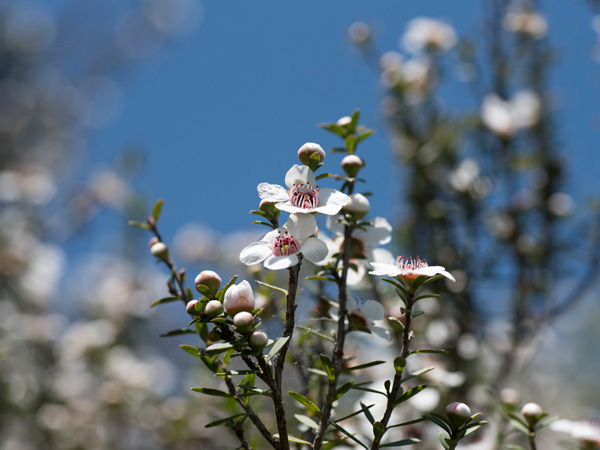
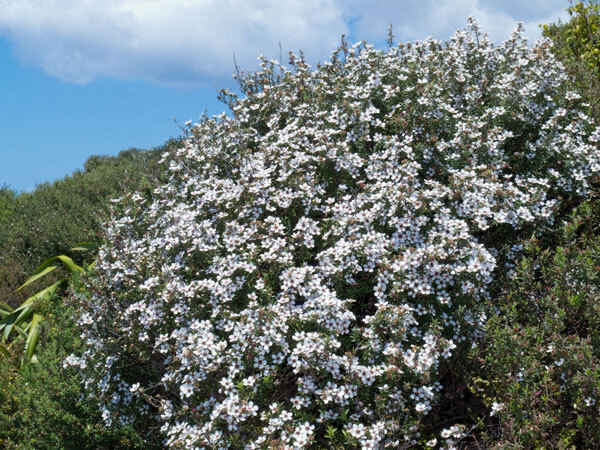
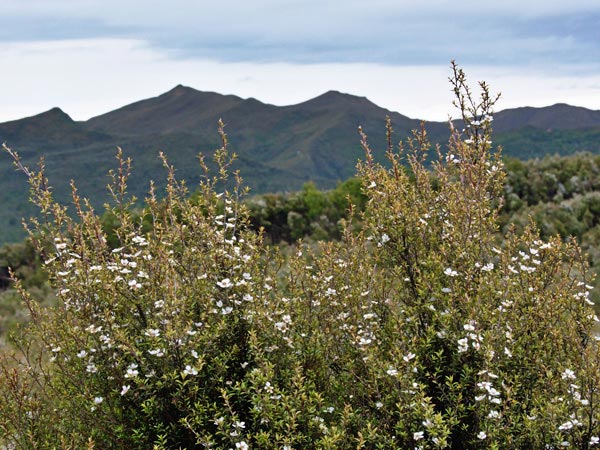
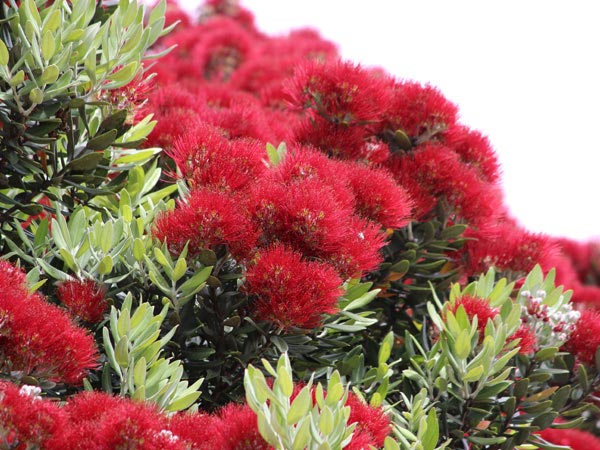
There is a tree called “Kanuka” that closely resembles the Manuka tree (the photo shows a Kanuka tree in my woodland). Both Manuka and  Kanuka are terms from the Māori language, but they can be distinguished by a few characteristics. Kanuka tends to grow taller,  and its leaves are not as stiff as those of Manuka. The flowering period of Kanuka is slightly later than that of Manuka. Unlike Manuka,  Kanuka doesn’t have any distinct medicinal properties. The Māori people have historically utilized various parts of the Manuka tree, such as its seeds, bark, roots, and leaf stems, benefiting from its  medicinal properties. However, Kanuka has not been noted for such uses. There were reports in the past suggesting that Kanuka honey might  have some level of activity, but this is not certain.


الاختلافات بين شجرتَي المانوكا والكانوكا

يُنتَج عسل المانوكا عندما تجمع شغّالات النحل الرحيق من أزهار شجرة المانوكا وتعيده إلى الخلية، حيث يُخزَّن جزء كبير منه كغذاء شتوي. وربما بدافع الغريزة الفطرية، تواصل النحل جمع الرحيق بلا انقطاع حتى تمتلئ الخلايا، وكأن الاكتفاء ليس خيارًا لديها. ويُرجَّح أن هذا السلوك نابع من غريزة البقاء المتأصلة في هذه الكائنات الدقيقة.

في اليابان، يُتداول كثيرًا عبر الإنترنت أن «أزهار المانوكا تتفتح من الربيع إلى الصيف». غير أن هذا التوصيف يفتقر إلى الدقة، إذ يختلف موسم الإزهار بشكل كبير تبعًا للبيئة الطبيعية، ونوع شجرة المانوكا، وعمرها. صحيح أن الربيع يُعد عمومًا الفترة الرئيسية للإزهار، إلا أن بعض الأشجار تبدأ بالإزهار حتى قبل حلول الربيع، ما يجعل التنبؤ بهذه الفترة أمرًا بالغ الصعوبة. ولهذا السبب، يظل التخطيط المسبق تحديًا دائمًا لمربي النحل.

إلى جانب المانوكا، توجد شجرة تُعرف باسم كانوكا (Kanuka)، وهي شبيهة بها إلى حدٍّ كبير (وتُظهر الصورة شجرة كانوكا في أرضي الحرجية). كلا الاسمين—مانوكا وكانوكا—ينحدران من لغة الماوري، إلا أن التمييز بين الشجرتين ممكن من خلال بعض السمات الواضحة. فالكانوكا تميل إلى النمو بارتفاع أكبر، كما أن أوراقها أقل صلابة مقارنة بأوراق المانوكا. ويأتي موسم إزهار الكانوكا متأخرًا قليلًا عن موسم المانوكا.

وعلى عكس المانوكا، لا تُعرف الكانوكا بامتلاكها خصائص علاجية مميزة. فقد استخدم شعب الماوري تاريخيًا أجزاء متعددة من شجرة المانوكا—من البذور واللحاء إلى الجذور وسيقان الأوراق—استفادةً من خصائصها الطبية. أما الكانوكا، فلم تُسجَّل لها استخدامات مماثلة في هذا السياق.

وقد ظهرت في الماضي بعض التقارير التي أشارت إلى احتمال امتلاك عسل الكانوكا قدرًا من النشاط الحيوي، إلا أن هذه الادعاءات لم تُحسم بشكل علمي قاطع حتى اليوم.

Hive Tools and Propolis

Hive Tools and Propolis

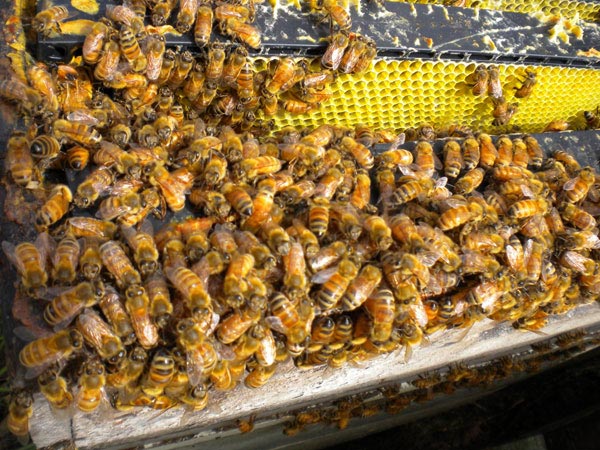
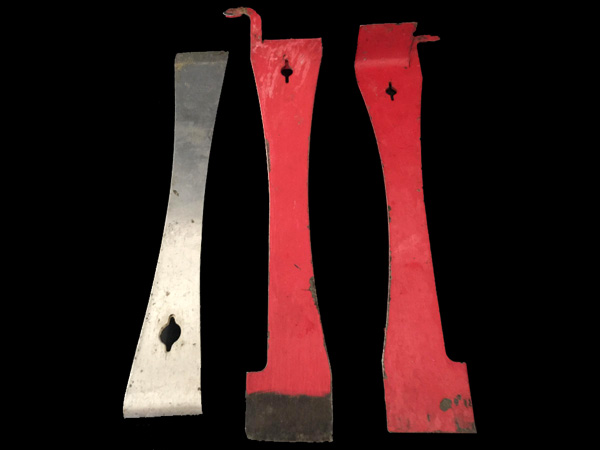
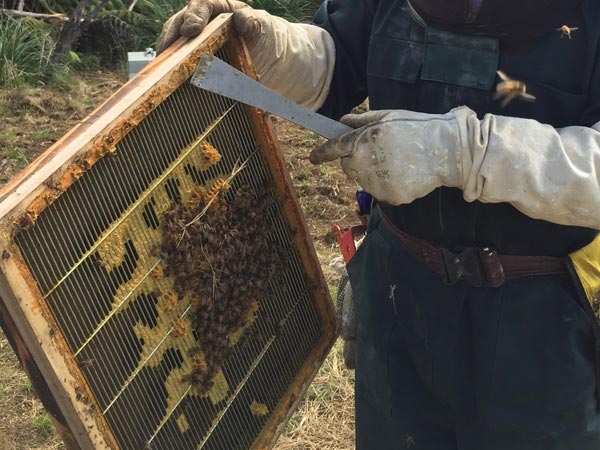
Inspecting the inside of a hive requires removing each frame one by one while carefully observing and checking various aspects. Each box  contains 10 frames, which are extracted using a tool essential for beekeeping known as a hive tool. During the active season, however, the  frames often become stuck due to the adhesion of propolis wax, making it impossible to remove them without the tool.

When a hive has a significant amount of propolis attached, this sticky substance can greatly reduce the efficiency of a beekeeper’s work. In the  past, before propolis was widely recognized for its health benefits, this troublesome material was often discarded. Nowadays, propolis sells for a premium,
beekeepers take care to store it. Once enough has been accumulated, they either sell it or produce extract solutions for sale.

Propolis raw material can be easily extracted using ethyl alcohol, and the extract is diluted with water for consumption. Depending  on the plant origin, the color, taste, and aroma can vary significantly. That said, propolis collected by European honeybees (the common type of  honeybee) is generally consistent in its characteristics. However, propolis collected by Africanized bees in Brazil is remarkably distinctive. In terms of color, there are seven color variations. In the past, I purchased raw propolis from beekeepers across Brazil and was astonished by how vastly different  it could be depending on the region. I plan to provide a more detailed explanation of these differences in future discussions.


أدوات الخلايا والبروبوليس

إن فحص داخل خلية النحل يتطلّب إزالة كل إطارٍ من بين الإطارات العشرة داخل الصندوق بعناية، ومراقبة العديد من الجوانب أثناء ذلك. ويُستخدم لهذا الغرض أداة أساسية في تربية النحل تُعرف باسم أداة الخلية. وخلال مواسم النشاط، تلتصق الإطارات ببعضها بسبب تراكم شمع البروبوليس، مما يجعل من المستحيل تقريبًا سحبها دون استخدام هذه الأداة.

وعندما تحتوي الخلية على كميات كبيرة من البروبوليس، تصبح هذه المادة اللزجة سببًا في إبطاء عمل النحال وتقليل كفاءته بشكل ملحوظ. وفي الماضي، قبل أن يُعرف البروبوليس بقيمته الصحية العالية، كان كثيرون يعتبرونه مادة مزعجة يتم التخلص منها. أما اليوم، وبعد أن أصبح البروبوليس يُباع بأسعار مرتفعة، أصبح النحالون يحتفظون به بعناية، وما إن تتراكم كمية كافية منه حتى يقوموا ببيعه أو تحويله إلى مستخلصات تُعرض في الأسواق.

ويمكن استخراج مادة البروبوليس الخام بسهولة باستخدام الإيثانول، ثم يُخفف المستخلص بالماء للاستهلاك. وتختلف ألوانه ونكهاته وروائحه بشكل كبير بحسب مصادر النباتات التي تجمع منها النحلات هذه المادة. ومع ذلك، فإن بروبوليس نحل العسل الأوروبي—وهو النوع الأكثر انتشارًا—يتميّز عادةً بخصائص متقاربة.

أما البروبوليس الذي تجمعه النحلات الإفريقية المهجّنة في البرازيل، فهو فريد من نوعه بكل معنى الكلمة. إذ توجد منه سبعة ألوان مختلفة، ولكل لون خصائص مذهلة. وقد سبق لي أن اشتريت بروبوليسًا خامًا من نحّالين في مختلف مناطق البرازيل، وكنت مدهوشًا من الاختلافات الشاسعة بين منطقة وأخرى.

سأتناول هذه الفروقات المذهلة بمزيد من التفصيل في مقالات قادمة.

The Honey Bees of the Original Hive

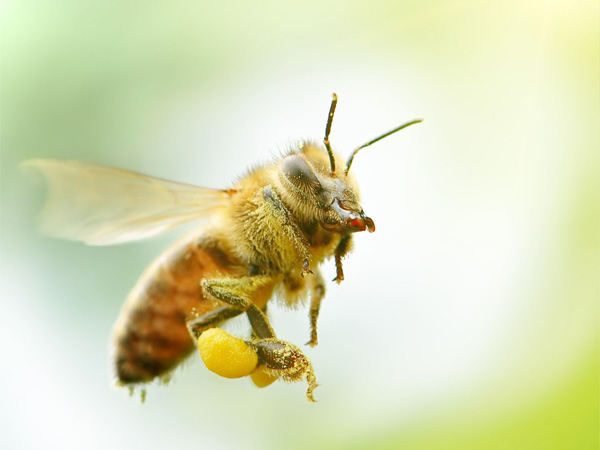
The recently swarmed colony that I housed in a hive has been on my mind, so I decided to check on it. I observed that worker bees were  already collecting pollen, filling their “pollen baskets”—the specialized structures on their hind legs—with granular pollen and returning to the  hive. I saw several bees entering through the hive entrance, confirming that they are actively functioning. Next, I inspected the original hive where the swarm had occurred. I found a large queen cell left on the frame, its cap neatly cut, indicating that  a new queen had emerged from it. Although I tried to locate the new queen, she was difficult to find. Not wanting to disturb the colony further,  I gently closed the hive and left it as is.

The swarming colony, which constitutes about half of the total population, takes half of the stored honey and fills its “honey stomach” before  leaving the hive, making the original hive appear rather empty. However, since it is the nectar flow season, the bees are continuously bringing  in nectar. The new queen will begin laying eggs after mating, so it probably won’t take long to recover and return to its original state. As I mentioned before, mating takes place around 20 to 30 meters above the ground, where male bees from various colonies gather and wait for the queen to arrive.

After the queen bee completes mating and returns to the hive, she focuses solely on egg-laying, producing around 2,000 eggs per day,  which is roughly equivalent to her own body weight. However, there is always a risk that she could be eaten by birds or meet an unfortunate  fate during mating, so she must return to the hive safely in order to be considered fully mature. Fortunately, she typically returns without incident,  so there is no cause for concern. In any case, this time of year is busy for the bees, as there is an abundance of nectar, and they are focused on  increasing the colony’s population.


نحل الخلية الأصلية

ظلّت المستعمرة الجديدة، التي آويتها في خلية بعد انقسام السرب مؤخرًا، تشغل ذهني، فقررت تفقدها. لاحظت أن العاملات قد بدأن بالفعل بجمع حبوب اللقاح، وملء “سلال اللقاح” — وهي البُنى المتخصصة على أرجلها الخلفية — بحبوب لقاح دقيقة وملونة، وهنّ يعدن بها إلى الخلية. رأيت العديد منهن يدخلن عبر مدخل الخلية، مما يؤكد أن النشاط يسير على نحوٍ طبيعي. بعد ذلك، تفقدت الخلية الأصلية التي حدث فيها الانقسام. وجدت خلية ملكة كبيرة على الإطار، وقد فُتح غطاؤها بعناية، مما يدل على أن ملكة جديدة قد خرجت منها. حاولت العثور على الملكة الجديدة، لكنها كانت صعبة التمييز. ولألا أزعج المستعمرة أكثر، أغلقت الخلية برفق وتركتها على حالها.

عند مغادرة السرب، الذي يُشكّل نحو نصف عدد النحل في المستعمرة، يحمل النحل معه نصف ما تم تخزينه من العسل في “معدة العسل” الخاصة به، فتبدو الخلية الأصلية شبه فارغة. لكن بما أن موسم تدفق الرحيق قد بدأ، فإن العاملات لا يتوقفن عن جلب الرحيق باستمرار. وما إن تتزاوج الملكة الجديدة، حتى تبدأ بوضع البيوض، لذا من المرجح أن الخلية ستتعافى بسرعة وتستعيد نشاطها السابق.

كما ذكرت سابقًا، تتم عملية التزاوج على ارتفاع يتراوح بين 20 و30 مترًا فوق الأرض، حيث يجتمع الذكور من مستعمرات مختلفة في الهواء منتظرين وصول الملكة. بعد أن تُكمل الملكة رحلتها وتعود إلى الخلية، تكرّس حياتها لوضع البيوض فقط — إذ تنتج نحو ألفي بيضة يوميًا، أي ما يعادل تقريبًا وزن جسدها. ومع ذلك، يبقى هناك خطر أن تلتهمها الطيور أو تتعرض لمكروه أثناء الطيران، لذا لا تُعتبر ملكة ناضجة تمامًا إلا بعد عودتها بسلام إلى الخلية. ولحسن الحظ، فإنها غالبًا ما تعود دون أي حادث، فلا داعي للقلق.

على أي حال، يُعتبر هذا الوقت من العام موسمًا مزدحمًا للنحل، حيث يفيض الرحيق في الطبيعة، ويتركز كل جهدهم على بناء القوة وزيادة عدد المستعمرة.

Medicinal Components of Manuka Trees

Continuing from the previous entry, the Māori people, the indigenous inhabitants of New Zealand, have various traditional methods of  utilizing the medicinal properties of the Manuka tree, some of which are quite unique. First, they dig a relatively deep hole and gather dry Manuka wood to start a fire. Since Manuka trees contain enough oils to produce essential oils,  the wood ignites quickly. After the fire burns for a while, two thick logs are placed parallel across the hole. Then, branches with fresh  Manuka leaves attached are thrown in, creating a large amount of smoke. At this point, the person straddles the logs (without wearing anything  on their lower body) and allows the smoke to be directed onto the affected area. This is an old folk remedy used for treating stubborn hemorrhoids and  gynecological diseases, a method I learned about from the Māori people.

I’m fortunately not someone who suffers from hemorrhoids, so I haven’t tried it myself, but I’ve heard that it works quickly. For those reading this  blog who are struggling to find a cure for hemorrhoids, feel free to give it a try. However, if you do, please bring a shovel and accompany me to our  beekeeping farm. It’s in a remote mountain area where there are no people, except for wild animals, so there’s no need to worry! (laughs)


المكوّنات الطبية لشجرة المانوكا

استكمالًا لما ورد في المقال السابق، يمتلك شعب الماوري، السكان الأصليون لنيوزيلندا، تقاليد عريقة وفريدة في الاستفادة من الخصائص العلاجية لشجرة المانوكا. من بين هذه الأساليب ما يُعدّ مميزًا بحق. يبدأ الأمر بحفر حفرة عميقة نسبيًا، ثم تُجمع أخشاب المانوكا الجافة لإشعال النار. وبما أن شجرة المانوكا غنية بالزيوت الطبيعية التي تُستخلص منها الزيوت العطرية، فإن الخشب يشتعل بسرعة وسهولة. وبعد أن تتوهّج النار، توضع جذعتان سميكتان بشكل متوازٍ فوق الحفرة، ثم تُلقى أغصان المانوكا الطازجة بأوراقها الخضراء، فتتصاعد سحب كثيفة من الدخان العطري.

في هذه اللحظة، يجلس الشخص فوق الجذعين (من دون ارتداء أي ملابس في الجزء السفلي من الجسد)، بحيث يتجه الدخان مباشرة إلى الموضع المصاب. ويُعدّ هذا العلاج الشعبي القديم وسيلة فعّالة لعلاج حالات البواسير المستعصية وبعض الأمراض النسائية، وقد تعرّفتُ إلى هذه الطريقة مباشرة من شعب الماوري أنفسهم.

ولحسن الحظ، لستُ ممّن يعانون من البواسير، لذلك لم أجرّب هذا العلاج بنفسي، غير أنني سمعت مرارًا أنه يعطي نتائج سريعة. ولمن يقرأ هذه السطور ويعاني من هذه المشكلة دون أن يجد علاجًا فعّالًا، يمكنه أن يجرّب هذه الطريقة. ولكن إن قررت ذلك، فأحضِر معك مجرفة وتعال برفقتي إلى مزرعة تربية النحل الخاصة بنا. فهي تقع في منطقة جبلية نائية، لا يسكنها أحد سوى الحيوانات البرية، لذا لا داعي للقلق إطلاقًا! (ضحك)

Natural Enemies of Varroa destructor

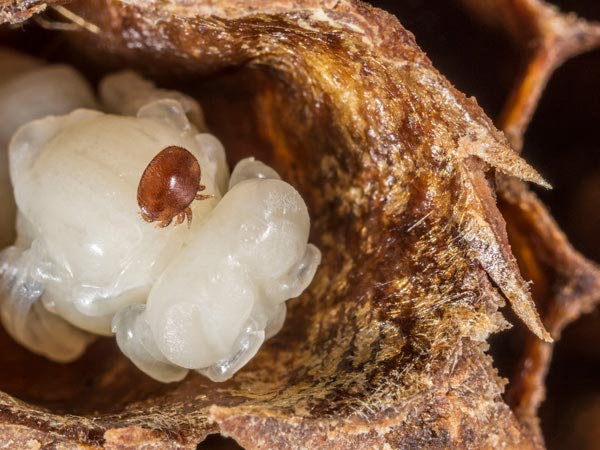
The Varroa destructor mite was originally associated with the Eastern honeybee. It is said to have been introduced to Siberia,  where it began parasitizing the Western honeybee and eventually spread across Europe. It is said to have arrived in New Zealand over 10 years ago, although the  exact route of entry is unclear. It is speculated that the mite entered via the importation of queen bees and other bees. This 1–2 millimeter mite invades the brood cell during the pupal stage and feeds on the pupae’s bodily fluids. As a result, the adult bee that emerges may suffer from deformities, be unable to fly, or lose its ability to perform essential tasks such as  nursing the next generation of bees. 

Moreover, since they transmit viral diseases, they are true enemy of honeybees.
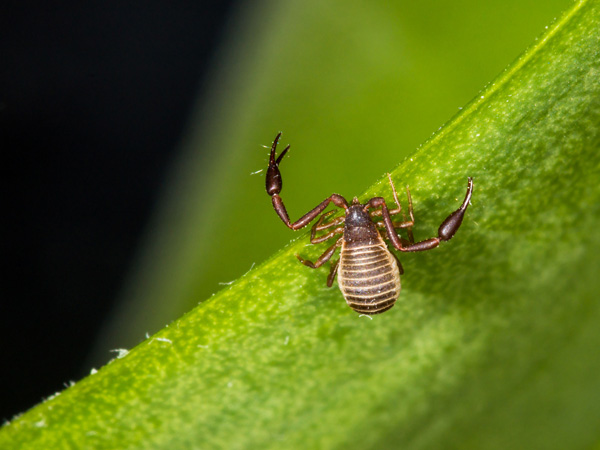
 Various methods for controlling  this pest have been proposed, but complete eradication is incredibly difficult. Ultimately, the best defense against the mite is to nurture strong,  healthy colonies of bees. Currently, there is ongoing research into introducing natural predators of the mite, such as a species of mite-eating spider called Chelifer.  This spider is very small and resembles a scorpion. The tips of its pincers contain venom, which paralyzes the mites. It is said that a single  Chelifer can consume up to 10 mites per day. Since these spiders are unaffected by the chemical pesticides used against the mites, they  are being considered for use in combination with these treatments. 


🐝 الأعداء الطبيعيون لعثّ الفاروا (Varroa destructor)

كان عثّ الفاروا في الأصل مرتبطًا بنحل العسل الشرقي، ويُقال إنه انتقل إلى سيبيريا حيث بدأ في التطفل على نحل العسل الغربي، ثم انتشر لاحقًا في أوروبا. ويُعتقد أنه وصل إلى نيوزيلندا قبل أكثر من عشر سنوات، رغم أن طريق دخوله الدقيق لا يزال غير معروف. ويُرجَّح أنه دخل عبر استيراد ملكات النحل أو النحل العامل.

هذا العثّ الصغير، الذي لا يتجاوز طوله 1–2 مليمتر، يغزو خلايا الحضنة في مرحلة العذراء ويتغذى على سوائل جسمها. ونتيجة لذلك، قد تخرج نحلات بالغة مشوهة، غير قادرة على الطيران، أو تفقد قدرتها على أداء المهام الأساسية مثل رعاية الجيل القادم من النحل.

علاوة على ذلك، ينقل هذا العثّ أمراضًا فيروسية، مما يجعله العدو الحقيقي للنحل. ورغم اقتراح العديد من طرق المكافحة، إلا أن القضاء التام عليه يكاد يكون مستحيلاً. في النهاية، تبقى أفضل وسيلة للدفاع هي تربية مستعمرات قوية وصحية من النحل.

حاليًا، تُجرى أبحاث حول إدخال أعداء طبيعيين للعثّ، مثل نوع من العناكب الصغيرة يُعرف باسم شليفِر (Chelifer)، يشبه العقرب في شكله. تحتوي أطراف مخالبه على سمّ يشلّ العثّ، ويُقال إن عنكبوتًا واحدًا يمكنه القضاء على ما يصل إلى عشرة عثّات في اليوم الواحد. ونظرًا لأن هذه العناكب لا تتأثر بالمبيدات الكيميائية المستخدمة ضد العثّ، فهي تُعتبر خيارًا واعدًا لاستخدامها بالتوازي مع وسائل المكافحة الأخرى، في سبيل تحقيق توازن طبيعي يحافظ على صحة النحل وجودة إنتاج العسل.

Varroa destructor

This year, the heat has arrived early, and it seems there will be little rain. With the rising temperatures comes an increase in troublesome  pests—the mites (Varroa destructor) that attach to honeybees. Maintaining strong colonies can minimize the damage, but it’s not easy to keep  all colonies strong, so the use of insecticides becomes necessary. There are two types of treatments available, but I choose not to use chemical agents. Instead, I rely on pyrethrum-based products. The reasons  are simple: chemical agents inevitably harm the honeybees themselves and lead to the development of resistance in the mites, rendering the treatment ineffective. I hang ribbons coated with pyrethrum’s active ingredient between the frames in each hive, using two ribbons per hive box. Since this season  requires stacking three tiers, each colony ends up needing six ribbons, making the task quite labor-intensive. (To be continued)


فاروا ديستركتور – Varroa destructor

هذا العام، حلّت موجة الحر مبكرًا، ويبدو أن الأمطار ستكون قليلة. ومع ارتفاع درجات الحرارة، تبدأ معاناة النحل مع أحد أكثر الآفات إزعاجًا — وهي العثّة فاروا ديستركتور التي تلتصق بالنحل وتمتص قوّته.

إن الحفاظ على مستعمرات قوية يمكن أن يخفف من الضرر، غير أن إبقاء جميع المستعمرات في حالة مثالية أمر بالغ الصعوبة، مما يجعل استخدام المبيدات أمرًا لا مفر منه في كثير من الأحيان. توجد طريقتان للعلاج، لكنني أختار تجنّب العوامل الكيميائية. بدلاً من ذلك، أستخدم منتجات قائمة على البيريثروم — وهو مستخلص طبيعي من أزهار الأقحوان — لما له من توازن بين الفعالية واللطف على الكائنات.

السبب بسيط وواضح: فالعوامل الكيميائية تضرّ بالنحل نفسه، وتُكسب العثّة مقاومة بمرور الوقت، مما يجعل العلاج بلا جدوى في النهاية. لذلك، أعلّق شرائط مشبعة بالمادة الفعالة للبيريثروم بين الإطارات داخل كل خلية — شريطان في كل صندوق من صناديق الخلية. وبما أن هذا الموسم يتطلب ترتيب ثلاث طبقات من الصناديق، تحتاج كل مستعمرة إلى ستة شرائط، مما يجعل العمل شاقًا ومضنيًا. (يتبع…)

My Hunch Comes True!

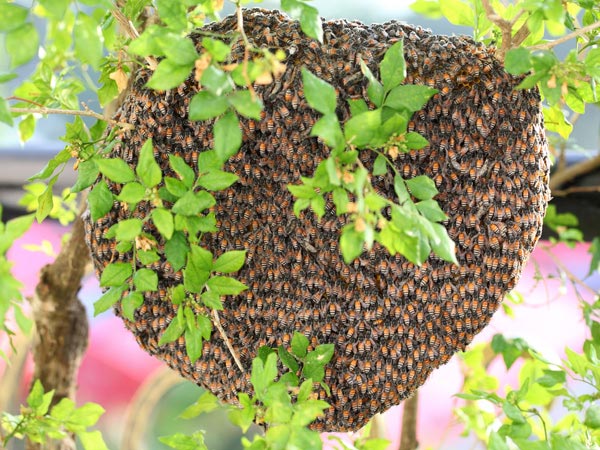
A large high-pressure system has come from the Australian continent, and the weather has been stable lately. Until yesterday, strong spring  winds had been blowing, but today is particularly calm and warm. I had a feeling that something might happen on a day like this, and that intuition  turned out to be correct. Yes, the beekeeping phenomenon known as swarming occurred. A swarm of bees hung down in a large mass from the grapevine trellis near the hive, forming a tight cluster. If I didn’t act quickly, they might  escape, so I swiftly prepared an empty hive and fixed it directly beneath the cluster of bees. I then shook the branch where the bees were hanging  to dislodge them.  Since the queen is usually in the middle of the swarm, once she is inside, the rest will follow—and just like that, a new colony can be established.

As I have mentioned about swarming before, when the hive becomes full of stored honey and larvae, the bees begin preparing for a split.  To create a new queen, the bees construct queen cells, which are special brood cells where the queen will develop. They feed the larvae royal  jelly to ensure that the queen will grow. At this stage, the old queen, along with nearly half of the bees in the hive, will leave to form a new colony.  They often have the habit of temporarily settling on a nearby shrub or tree before leaving. By capturing this swarm and housing  it, you can successfully increase the number of colonies. Swarming colonies, in particular, tend to stay in the hive once captured and will usually grow the colony steadily. These swarms tend to establish  themselves as strong, independent colonies, as they work hard to become self-sufficient. 

It is possible to artificially create a queen bee to increase the number of colonies, but swarms that occur naturally tend to have much stronger  colony strength. However, if swarming happens too frequently, the entire colony can become weakened. Therefore, it is important not to neglect  regular hive inspections. When queen cells are found, they must be removed. Even with careful attention, situations like the one I encountered  today are common. Fortunately, I discovered the swarm early this time, so it was a lucky situation. Warm, windless spring days require special caution.

If the queen bee is not in the swarm that has fallen, the worker bees will not enter the hive. Instead, they will fly around and reassemble near  the queen bee, so the same process must be repeated to capture them. If this isn’t done quickly, the scout bees, which have already located  a new potential home, will lead the swarm away, so prompt action is crucial. Once the bees are safely housed in the hive, it’s a relief. From  there, as long as the hive is managed normally, there shouldn’t be any issues. During the swarming season, nectar sources are abundant, and  the colony will naturally build itself. The original hive will produce a new queen, and after mating, she will begin laying eggs, allowing the colony  to develop as a regular hive again.


تحقّق حدسي!

امتدّ مرتفعٌ جويّ كبير قادم من القارة الأسترالية، فاستقرّ الطقس في الأيام الأخيرة. وحتى يوم أمس، كانت رياح الربيع القوية تهبّ باستمرار، أمّا اليوم فكان هادئًا ودافئًا على نحوٍ لافت. كان لديّ شعور بأن شيئًا ما سيحدث في يوم كهذا، وقد صدق حدسي بالفعل. نعم، لقد وقع ذلك المشهد المعروف في عالم تربية النحل باسم التطريد.

تجمّع سربٌ من النحل في كتلة كبيرة متدلّية من تعريشة كرمة العنب القريبة من الخلية، مشكّلًا عنقودًا متماسكًا. لو لم أتحرّك بسرعة، لكان من الممكن أن يفرّ السرب. لذا سارعتُ إلى تجهيز خليةٍ فارغة وثبّتُها مباشرةً أسفل تجمع النحل، ثم هززتُ الغصن الذي كانوا معلّقين به لإسقاطهم. وبما أنّ الملكة تكون عادةً في قلب السرب، فما إن تدخل الخلية حتى يتبعها الباقون، وبهذا تتأسس مستعمرة جديدة بسلاسة.

كما ذكرتُ سابقًا، عندما تمتلئ الخلية بالعسل واليرقات، يبدأ النحل بالتحضير للانقسام. ولإنتاج ملكة جديدة، يبني النحل بيوتًا خاصة تُعرف ببيوت الملكات، حيث تُغذّى اليرقات بغذاء ملكات النحل لضمان نموّ الملكة. في هذه المرحلة، تغادر الملكة القديمة مع ما يقارب نصف أفراد المستعمرة لتشكيل مجتمع جديد. وغالبًا ما تستقر مؤقتًا على شجيرة أو شجرة قريبة قبل المغادرة. وإذا تم التقاط هذا السرب وإيواؤه، يمكن زيادة عدد المستعمرات بنجاح. تتميّز أسراب التطريد بأنها تميل إلى الاستقرار داخل الخلية بعد التقاطها، وتنمو بثبات، لتتحوّل إلى مستعمرات قوية ومستقلة تسعى بجدّ للاعتماد على نفسها.

صحيح أنّه يمكن زيادة عدد الخلايا اصطناعيًا عبر إنتاج ملكات، إلا أنّ الأسراب التي تتكوّن طبيعيًا غالبًا ما تمتلك قوة وحيوية أكبر. غير أنّ تكرار التطريد بشكل مفرط قد يُضعف المستعمرة بأكملها، لذا لا بدّ من الفحص الدوري للخلية. وعند العثور على بيوت ملكات، يجب إزالتها. ومع ذلك، حتى مع أقصى درجات العناية، فإن مواقف كهذه شائعة. ولحسن الحظ، اكتشفتُ السرب مبكرًا هذه المرة، فكان يومًا موفقًا. إنّ أيام الربيع الدافئة والخالية من الرياح تتطلّب حذرًا خاصًا.

إذا لم تكن الملكة ضمن السرب الذي سقط في الخلية، فلن يدخل النحل العامل إليها، بل سيظلّ يحوم ويعيد التجمّع بالقرب من الملكة، ما يستدعي تكرار العملية. وإن لم يتم ذلك بسرعة، فإن نحل الكشّافة، الذي يكون قد حدّد موقعًا جديدًا، سيقود السرب إلى الرحيل. لذلك، فإن السرعة عامل حاسم. وما إن يستقرّ النحل بأمان داخل الخلية، حتى يسود شعور بالاطمئنان. بعد ذلك، ومع إدارة طبيعية للخلية، لا ينبغي أن تظهر مشكلات. ففي موسم التطريد، تكون مصادر الرحيق وفيرة، وتبني المستعمرة نفسها تلقائيًا. أمّا الخلية الأصلية، فستنتج ملكة جديدة، وبعد تزاوجها تبدأ بوضع البيض، لتعود المستعمرة إلى نموّها الطبيعي من جديد.

An Unexpected Accident

During the nectar flow season, it is necessary to regularly inspect the hives to prevent swarming (colony division) and carefully check for the  production of new queen bees. Still, oversights are inevitable. Just yesterday, three swarms occurred all at once, resulting in a significant loss. It happened because of a moment of carelessness. Misfortunes never come singly.
While driving down the highway at around 120 km/h, I suddenly heard a strange noise coming from the rear,  accompanied by a metallic clattering sound. I assumed the truck’s rear wheel mudguard had come loose but continued driving nonetheless.

After a while, the rear of the vehicle, despite carrying only a light load, began swaying gently from side to side. I pulled into a gas station and parked  to inspect the issue, only to find a flat tire. A piece of chain, over 10 mm in diameter, was lodged in the rear tire. It was likely a broken piece of  chain used to secure the cargo of another truck, which the front tire lifted and then punctured the rear tire. I replaced the flat with the spare tire and continued on my way, but it was a holiday, meaning no repair shops were open. To make matters  worse, I was headed to the most distant apiary, so I could only pray that another puncture wouldn’t occur. Fortunately, I made it back home without further issues, but working under such conditions is truly exhausting and inefficient.  I was reminded that safety and security are fundamental to everything we do.


حادث غير متوقَّع

خلال موسم تدفّق الرحيق، يصبح من الضروري فحص خلايا النحل بانتظام، وذلك لمنع ظاهرة التطريد (انقسام المستعمرة) ومراقبة تكوّن ملكات جديدة بعناية. ومع ذلك، تبقى الهفوات أمرًا لا مفرّ منه. فبالأمس فقط، حدثت ثلاث حالات تطريد دفعةً واحدة، ما أسفر عن خسارة كبيرة. وكان السبب لحظة واحدة من قلة الانتباه. وكما يُقال، فإن المصائب لا تأتي فرادى.

وأثناء قيادتي على الطريق السريع بسرعة تقارب 120 كيلومترًا في الساعة، سمعت فجأة صوتًا غريبًا صادرًا من الخلف، مصحوبًا بارتطام معدني غير مألوف. ظننت في البداية أن واقي الطين للعجلة الخلفية قد ارتخى، فتابعت القيادة دون توقّف.

بعد فترة قصيرة، بدأت مؤخرة السيارة — رغم أنها لم تكن محمّلة إلا بحمولة خفيفة — تتمايل بهدوء يمينًا ويسارًا. عندها دخلت إلى محطة وقود وتوقّفت لتفقّد الأمر، لأكتشف أن الإطار الخلفي قد فرغ تمامًا من الهواء. كانت قطعة سلسلة معدنية يزيد قطرها على 10 مليمترات مغروسة في الإطار. وعلى الأرجح، كانت جزءًا مكسورًا من سلسلة تُستخدم لتثبيت حمولة شاحنة أخرى، التقطها الإطار الأمامي أولًا، ثم اخترقت الإطار الخلفي.

قمت بتبديل الإطار التالف بالإطار الاحتياطي، وتابعت طريقي. لكن لسوء الحظ، كان ذلك يوم عطلة، ولم تكن أي ورش إصلاح مفتوحة. والأسوأ من ذلك أنني كنت متجهًا إلى أبعد المناحل، فلم يكن أمامي سوى أن أرجو ألا يتكرر العطب مرة أخرى.

لحسن الحظ، وصلت إلى المنزل بسلام دون حادث إضافي. لكن العمل في مثل هذه الظروف مرهق للغاية، ويُفقد الكفاءة والتركيز. وقد ذكّرني هذا الموقف مرة أخرى بأن السلامة والأمان ليسا تفصيلًا ثانويًا، بل هما الأساس الذي يقوم عليه كل ما نقوم به.

Talk About Bee Products

Today, I would like to write a bit about the mixsing of bee products. As mentioned before, bee products include honey, propolis, royal jelly,  pollen, and beeswax. The combination of these products has been confirmed through many customer reports to increase their activity levels,  making them very beneficial for maintaining health. This is a culmination of the wisdom of honeybees, who have survived for at least 40 million years. These bee products are stored in very small spaces, so it is entirely possible that they naturally mixed with one another during storage.

As a result, these substances could potentially change into something that is disadvantageous for the bees. However, after an unimaginably long  period of time, this issue has likely been resolved, and these substances have evolved into ones that are beneficial for the bees. Therefore,  I always recommend to our customers the mixing and combining of various products. Regarding the mixing, our Manuka honey has a very strong activity level, and its unique compound, methylglyoxal (MGO), is a highly reactive  substance. If it is consistently taken out with a metal spoon, the activity level may weaken. It is best to use a wooden, plastic, or porcelain spoon to preserve its potency.

To take a spoonful of honey, transfer it into a small container (such as a cup) that is not made of metal, and then add about 10 drops of propolis  extract using a dropper. Use the same spoon to mix the two, as they combine very well and easily. It is most efficient to consume them using the same spoon. The way to take a mixture of propolis extract and Manuka honey depends on your physical condition at the time and often involves some trial and  error. But as you get used to it, you’ll naturally figure out the right amount and ratio for yourself.

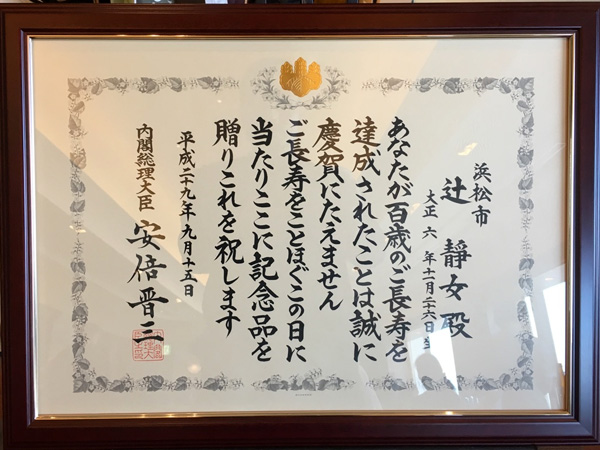
My mother has been consuming a mixture of bee products for many years. Her mind is still sharp, and  she recently celebrated her 100th birthday in good health. I believe this is closely related to her longevity. I have personally observed that the  combination of honey and propolis extract is particularly beneficial for people with reduced physical strength or the elderly.


🐝 حديث عن منتجات النحل

اليوم أود أن أتحدث قليلًا عن مزج منتجات النحل. كما ذُكر سابقًا، تشمل منتجات النحل كلاً من العسل، والبروبوليس (العكبر)، والهلام الملكي، وحبوب اللقاح، وشمع النحل. لقد تم التأكد من أن الجمع بين هذه المنتجات يزيد من فعاليتها الحيوية، بناءً على العديد من التقارير التي وردتنا من العملاء على مر السنين، مما يجعلها ذات فائدة كبيرة في الحفاظ على الصحة والعافية.

إنها خلاصة حكمة النحل الذي استطاع البقاء على وجه الأرض لأكثر من أربعين مليون سنة. تُخزَّن هذه المواد في خلايا صغيرة جدًا داخل الخلية، ومن الطبيعي أن تختلط أحيانًا ببعضها البعض أثناء التخزين. وعلى الرغم من أن هذا المزج كان يمكن أن يُحدث مواد غير مفيدة للنحل، إلا أن ملايين السنين من التطور جعلت هذه المواد تتوازن لتتحول إلى عناصر نافعة له. لذلك، أوصي دائمًا عملاءنا بتجربة مزج منتجات النحل المختلفة معًا للاستفادة القصوى منها.

أما بالنسبة للمزج، فإن عسل المانوكا الذي نقدمه يتميز بنشاط قوي للغاية، ويحتوي على مركب فريد يُعرف باسم الميثيل غلايوكسال (MGO)، وهو مادة عالية التفاعل. ولهذا السبب، فإن استخدام ملعقة معدنية بشكل متكرر قد يُضعف من قوة هذا النشاط، ويُفضل استخدام ملعقة خشبية أو بلاستيكية أو خزفية للحفاظ على فعاليته.

لتحضير مزيجٍ فعّال، خذ ملعقة من العسل وضعها في وعاء صغير غير معدني (مثل كوب صغير)، ثم أضف حوالي عشر قطرات من مستخلص البروبوليس باستخدام القطارة. استخدم نفس الملعقة لتحريك المزيج جيدًا حتى يتجانس، ثم تناوله مباشرةً. إنها الطريقة الأكثر كفاءة للاستفادة من خصائص المادتين معًا.

تختلف الجرعة والنسبة المثالية حسب الحالة الصحية للفرد، وقد تتطلب بعض التجربة في البداية، لكن مع الوقت، ستتعرف على الكمية المناسبة لجسمك بشكل طبيعي. أما والدتي، فقد اعتادت منذ سنوات طويلة على تناول مزيجٍ من منتجات النحل. ولا تزال حتى اليوم تتمتع بعقل متقد وبصحة ممتازة، وقد احتفلت مؤخرًا بعامها المئة بفضل الله. وأعتقد أن هذا الارتباط الوثيق بين منتجات النحل وصحتها الطويلة الأمد ليس محض صدفة. لقد لاحظت بنفسي أن مزيج العسل ومستخلص البروبوليس مفيد بشكل خاص لكبار السن أو لمن يعانون من ضعف في القوة البدنية.

The Amazing Power of Propolis

Today, I’d like to talk a little about propolis. Propolis is a substance that honeybees bring into the hive, made from plant resins. Its plant origins are diverse, and there is no single  specific source. Honeybees instinctively recognize the vitality of trees and bring these resins back to the hive. The hive itself is a densely packed living space, measuring less than 50 centimeters in both width and length. During the nectar flow season,  over 50,000 bees, led by the queen, live together in this confined area. In such overcrowded conditions, the outbreak of a disease could lead to  rapid infection and the complete collapse of the colony. However, such events rarely occur unless under extraordinary circumstances.

The bees live peacefully, each carrying out their individual missions. This harmonious coexistence is thought to be supported by the active properties of propolis. The resin brought back to the hive is applied to various locations inside, with large amounts concentrated near the hive entrance.  In older, long-unused hives, the bees accumulate propolis at the entrance, creating a narrow tunnel just wide enough for a single bee to  pass through. Foraging bees returning from outside must pass through this tunnel, during which their bodies come into contact with the  propolis. It is believed that this contact helps disinfect them. In addition, if a predator larger than a bee enters the hive, the bees collectively attack it with their stingers and successfully eliminate the intruder.

However, if the carcass of an intruder cannot be removed from the hive, it would eventually begin to decompose. To prevent this, the bees coat  the body with large amounts of propolis, halting the decomposition process and mummifying it. Inside the hive, propolis is found everywhere, particularly in crevices, effectively sealing off the interior from the external environment. By coating the  interior with propolis, it is believed that bees inhibit the growth of harmful bacteria. A study analyzing the DNA of bees found in amber estimated to be 40 million years old revealed that their DNA is almost identical to that of  modern bees. This indicates that bees have not undergone significant evolutionary changes since ancient times. While most plants and animals have evolved by altering their DNA sequences to adapt to environmental changes, bees have not needed to  make such adaptations.

Over an unimaginably long period, honeybees have repeatedly overcome numerous challenges, surviving virtually unchanged for over 40 million years.  This is thought to indicate that the interior of their hive, protected by substances like propolis, has been safeguarded from external threats, removing the need to adapt or evolve their proteins (DNA) to changing circumstances. This theory suggests that honeybees are exceptionally unique  creatures, so it may be natural that their ways remain beyond the full comprehension of human wisdom.


القوة المدهشة للبروبوليس

اليوم، أودّ أن أتوقف قليلًا عند البروبوليس—تلك المادة الاستثنائية التي يجلبها نحل العسل إلى داخل الخلية، والمصنوعة من راتنجات نباتية متنوعة. إن أصول البروبوليس النباتية متعددة، ولا يمكن إرجاعها إلى مصدر واحد بعينه. فالنحل، بدافع غريزته الفطرية، يتعرّف على حيوية الأشجار وقوة حياتها، ثم يحمل تلك الراتنجات الثمينة عائدًا بها إلى الخلية.

الخلية نفسها فضاء معيشي شديد الاكتظاظ، لا يتجاوز طوله وعرضه خمسين سنتيمترًا. وخلال موسم تدفق الرحيق، تعيش داخل هذا الحيز المحدود أكثر من خمسين ألف نحلة، تقودها الملكة، في نظام بالغ الدقة والتناغم. وفي مثل هذه الظروف، قد يؤدي تفشّي أي مرض إلى عدوى سريعة وانهيار كامل للمستعمرة. ومع ذلك، فإن مثل هذه الكوارث نادرة الحدوث، ولا تقع إلا في ظروف استثنائية للغاية.

يعيش النحل في سلام، يؤدي كل فرد فيه مهمته الخاصة بانضباط مذهل. ويُعتقد أن هذا التعايش المتناغم تحميه الخصائص الفعّالة للبروبوليس. فالراتنج الذي يُعاد إلى الخلية يُطلى به العديد من المواضع الداخلية، وتتركّز كميات كبيرة منه عند مدخل الخلية تحديدًا.

وفي الخلايا القديمة التي لم تُستخدم لفترات طويلة، يقوم النحل بتجميع البروبوليس عند المدخل، مكوّنين نفقًا ضيقًا لا يسمح بالمرور إلا لنحلة واحدة. وعندما تعود النحلات السارحات من الخارج، لا بدّ لهن من المرور عبر هذا النفق، حيث تلامس أجسادهن البروبوليس. ويُعتقد أن هذا الاحتكاك يعمل كعملية تطهير طبيعية.

وإذا تسلل إلى الخلية كائن مفترس أكبر من النحلة، فإن النحل يهاجمه جماعيًا بلسعاته حتى يتم القضاء عليه. غير أنه في الحالات التي يتعذر فيها إخراج جثة الدخيل من الخلية، فإن تحللها قد يشكّل خطرًا جسيمًا. ولتفادي ذلك، يقوم النحل بتغليف الجثة بكميات كبيرة من البروبوليس، مما يوقف عملية التحلل ويحوّلها إلى ما يشبه التحنيط.

داخل الخلية، يوجد البروبوليس في كل مكان، ولا سيما في الشقوق والفجوات، حيث يعمل كحاجز يعزل الداخل عن العالم الخارجي. ومن خلال طلاء المساحات الداخلية بهذه المادة، يُعتقد أن النحل يحدّ من نمو البكتيريا الضارة ويحافظ على بيئة داخلية نقية ومستقرة.

وقد كشفت دراسة حلّلت الحمض النووي لنحل وُجد محفوظًا في الكهرمان ويُقدَّر عمره بنحو أربعين مليون عام، أن تركيبه الوراثي يكاد يكون مطابقًا لحمض النحل المعاصر. وهذا الاكتشاف يشير إلى أن النحل لم يطرأ عليه تطور جوهري منذ عصور سحيقة. ففي حين قامت معظم الكائنات الحية—نباتات وحيوانات—بتغيير تسلسلاتها الوراثية للتكيف مع التحولات البيئية، لم يكن النحل بحاجة إلى مثل هذه التعديلات.

وعلى مدى زمن لا يمكن للعقل البشري تصوره، واجه نحل العسل تحديات لا حصر لها، وتمكن من تجاوزها، محافظًا على بنيته الأساسية لما يزيد على أربعين مليون سنة. ويُعتقد أن هذا الثبات يعود إلى أن البيئة الداخلية للخلية—المحصّنة بمواد مثل البروبوليس—قد حُميت من التهديدات الخارجية، مما ألغى الحاجة إلى تطور بروتيناته أو تعديل حمضه النووي استجابةً للمتغيرات.

وتقودنا هذه الرؤية إلى استنتاج مفاده أن نحل العسل كائن فريد على نحو استثنائي، وأن بقاء بعض أسراره خارج حدود الفهم الإنساني الكامل أمر طبيعي، بل وربما دليل على عمق حكمته الكامنة.