投稿者「staff」のアーカイブ

About Brazil – Part 2

Brazilians are incredibly kind-hearted, and the country is home to the largest number of Catholic believers in the world. Its post-independence history, like that of all Latin American nations, spans only about 200 years. Unlike  Protestant-dominated America, Brazil’s way of thinking is fundamentally different. In my view, if I were to describe it unfavorably, Catholicism can feel earthy and somewhat lax, lacking the strictness often associated with  Protestantism. On the positive side, however, Catholicism carries a sense of tradition and historical depth, and the people living within its  influence often exhibit a personal kindness or a strong sense of compassion. That said, this very nature may hinder the country’s potential for national development.

To put it simply, could it be said that Protestants tend to be more hardworking? Looking at the world, countries with a large Catholic  population, like those in Latin America, are typically characterized by poverty and slower economic development. While it’s true that “poverty  dulls the mind,” I am not suggesting that wealthy nations are necessarily superior in terms of their citizens’ qualities. For example, I once had a very capable subordinate who was like my right-hand.

His wife had four young children. Whenever I remember this, I can’t help but recall a scene from the great director  Akira Kurosawa’s Dodes’ka-den (Toho release, October 31, 1970, based on the novel by Shūgorō Yamamoto). The scene features a poor family,  portrayed by Shinsuke Minami, which always reminds me of the struggles he faced. In this film, there are many children, and it’s impossible  to tell who belongs to whom. One day, the oldest child is bullied by the neighborhood kids, saying, “Everyone says I’m not my father’s son.”

The father, played by Shinsuke Minami, stared at the child for a moment, then returned to his usual calm expression.  Next time you meet him, ask him this—what about you? Who do you belong to… no one knows! Upon hearing this, the youngest daughter,  a little girl, proudly declared, “I’m my big brother’s child!” and everyone burst into laughter, returning to their usual peaceful family scene. (To be continued)


عن البرازيل – الجزء الثاني

يتميّز البرازيليون بطيبة قلب فطرية، ويحتضن هذا البلد أكبر عدد من أتباع الديانة الكاثوليكية في العالم. أما تاريخه بعد الاستقلال، وكحال سائر دول أميركا اللاتينية، فلا يتجاوز قرنين من الزمن. وعلى خلاف الولايات المتحدة ذات الجذور البروتستانتية، فإن طريقة التفكير في البرازيل مختلفة جذريًا.

ومن منظور شخصي، وإذا أردنا توصيف الأمر بقدر من الصراحة، قد تبدو الكاثوليكية أقل صرامة، أكثر قربًا من الأرض والحياة اليومية، مقارنة بالانضباط الذي يميّز الفكر البروتستانتي. غير أن لهذا الطابع وجهه المشرق أيضًا؛ إذ تحمل الكاثوليكية عبق التاريخ وعمق التقاليد، ويغلب على من يعيشون في ظلها لطف إنساني وتعاطف صادق مع الآخرين.

ومع ذلك، فإن هذه الطبيعة ذاتها قد تشكّل عائقًا أمام تطوّر الدولة على المستوى الوطني. وبعبارة مبسّطة، ألا يمكن القول إن المجتمعات البروتستانتية تميل إلى العمل بجدٍّ أكبر؟ فحين نتأمل المشهد العالمي، نجد أن الدول ذات الغالبية الكاثوليكية، ولا سيما في أميركا اللاتينية، غالبًا ما تعاني من الفقر وبطء النمو الاقتصادي.

ومع أن المقولة الشائعة تقول إن «الفقر يقيّد الفكر»، فإنني لا أزعم أن غنى الدول يجعل شعوبها أسمى بالضرورة من حيث القيم أو الكفاءة. فقد سبق لي، على سبيل المثال، أن عملت مع مساعد بالغ الكفاءة، كان بمثابة يدي اليمنى…

كانت زوجته ترعى أربعة أطفال صغار. وكلما استحضرت هذه الذكرى، لا يسعني إلا أن أستعيد مشهدًا عالقًا في الذاكرة من فيلم المخرج العظيم أكيرا كوروساوا «دوديسكادِن» (إنتاج توهو، 31 أكتوبر 1970، عن رواية لشيغورو ياماموتو).

في ذلك المشهد، تظهر عائلة فقيرة يجسّدها الممثل شينسوكي مينامي، عائلة تعكس بعمق قسوة الحياة وبساطتها في آنٍ واحد. كان في الفيلم عدد كبير من الأطفال، إلى حدّ يصعب معه تمييز من ينتمي إلى من.

وذات يوم، يتعرّض الابن الأكبر للتنمّر من أطفال الحي، قائلين له:

«الجميع يقول إنك لست ابن أبيك».

تأمّل الأب، الذي أدّى دوره شينسوكي مينامي، الطفل للحظات، ثم عاد إلى ملامحه الهادئة المعهودة وقال بهدوء عميق:

«في المرة القادمة التي تراه فيها، اسأله هذا: وأنت… لمن تنتمي؟ في النهاية، لا أحد يعرف».

عندها، أعلنت الابنة الصغرى، وهي طفلة صغيرة، بكل فخر وبراءة: «أنا ابنة أخي الكبير!»

فانفجر الجميع بالضحك، وعادت العائلة إلى مشهدها اليومي الوادع، حيث الفقر لا يلغي الدفء، ولا القسوة تمحو الإنسانية.

يتبع…
About Brazil

Last time, I briefly touched on how climate can influence national characteristics, which reminded me of a joke a Brazilian friend once told me. According to him, “Jesus Christ distributed humanity remarkably equally across the Earth.” His reasoning was that Brazil enjoys an ideal climate,  is free from natural disasters like typhoons and earthquakes, has a long coastline rich in marine resources, and boasts fertile, vast lands 24 times  the size of Japan. Furthermore, beneath this land lies an abundance of natural resources.

From the perspective of other nations, it’s an enviable paradise.  However, the Brazilians who inhabit this blessed land, he joked, are lazy and not particularly smart. That’s why God’s actions are precise and fair. Hearing this joke in Portuguese, while sipping on a fiery spirit called cachaça—a rum distilled from sugarcane—at a street corner bar operating  in broad daylight, makes it all the more amusing and oddly convincing. Looking back, I can’t help but think that my eventual decision to settle in Brazil alone right after graduation, might have been  unexpectedly influenced by the Brazilian temperament of being able to laugh at and poke fun at their own country.

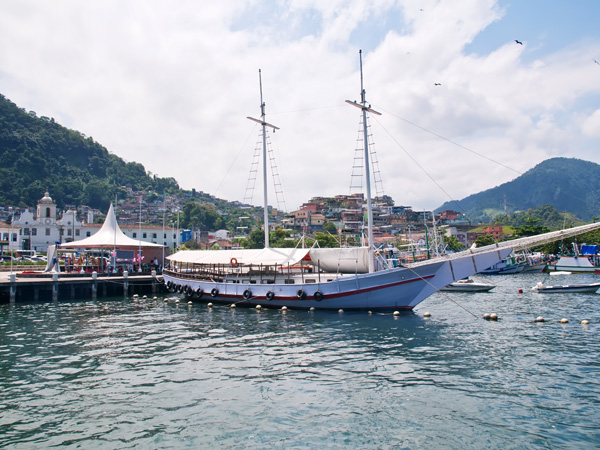
Life in Brazil since then has been filled with a variety of experiences. I recall a small town called Angra dos Reis, located on the Tropic of  Capricorn, halfway between Rio de Janeiro and São Paulo. One time, my family boarded a fishing boat from its harbor to participate in a two-day fishing tour. Among the passengers was an elderly  Japanese-Brazilian gentleman who had lived in Brazil for 50 years. While fishing, he shared many stories with my family. What left a lasting impression on me was his remark: “I’ve been living here for 50 years, and not once during that time have I felt that this country has improved.”

More than 20 years passed before I eventually relocated to New Zealand, but I couldn’t help being surprised at myself when I found the  very same words coming out of my mouth. I was now saying to my nieces and nephews visiting from Japan what that elderly gentleman had once said to my family. Ultimately, this journey led me to New Zealand, where I had met Dr. Peter Molan, a renowned authority on Manuka honey.  This encounter became the turning point that inspired me to begin its production.


عن البرازيل

في المرة السابقة، تطرّقتُ بإيجاز إلى كيفية تأثير المناخ في تكوين الطابع القومي، وهو ما أعاد إلى ذاكرتي طرفةً كان قد رواها لي صديق برازيلي ذات يوم. بحسب قوله، فإن «السيد المسيح وزّع البشر على الأرض بعدلٍ مدهش». وكان تفسيره لذلك أن البرازيل تنعم بمناخٍ مثالي، وتكاد تخلو من الكوارث الطبيعية مثل الأعاصير والزلازل، وتمتلك شريطًا ساحليًا طويلًا غنيًا بالثروات البحرية، إضافة إلى أراضٍ شاسعة وخصبة تعادل أربعةً وعشرين ضعف مساحة اليابان. وفوق ذلك كله، تختزن هذه الأرض في باطنها ثروةً هائلة من الموارد الطبيعية.

من منظور بقية دول العالم، تبدو البرازيل جنةً يُحسد أهلها عليها. لكن، وكما قال صديقي مازحًا، فإن البرازيليين الذين يعيشون فوق هذه الأرض المباركة «كسالى نوعًا ما، وليسوا أذكى الشعوب»، ولهذا فإن عدل الخالق — في رأيه — كان دقيقًا ومتوازنًا!

سماع هذه النكتة باللغة البرتغالية، وأنا أحتسي شراب الكاشاسا القوي — وهو نوع من الروم المقطّر من قصب السكر — في حانةٍ شعبية عند ناصية شارع تعمل في وضح النهار، جعلها تبدو أكثر طرافة وإقناعًا على نحوٍ غريب.

وعندما أعود بذاكرتي إلى الوراء، لا يسعني إلا أن أتساءل إن كان قراري بالانتقال إلى البرازيل وحدي مباشرةً بعد التخرّج قد تأثّر، من حيث لا أشعر، بتلك الروح البرازيلية الفريدة… روحٍ قادرة على الضحك من الذات، والسخرية من الوطن بمحبةٍ وخفّة ظل.

منذ ذلك الحين، كانت حياتي في البرازيل زاخرة بتجارب متنوّعة لا تُنسى. أتذكّر بلدة صغيرة تُدعى أنغرا دوس ريس، تقع على مدار الجدي، في منتصف الطريق بين ريو دي جانيرو وساو باولو. في إحدى المرات، استقلّت عائلتي قارب صيد من مينائها للمشاركة في رحلة صيد استمرّت يومين.

كان من بين الركّاب رجل مسن من أصول يابانية-برازيلية، أمضى خمسين عامًا من حياته في البرازيل. وأثناء الصيد، راح يشاركنا حكاياته وتجربته الطويلة. إلا أنّ عبارة واحدة قالها ظلّت عالقة في ذاكرتي حتى اليوم: «عشت هنا خمسين عامًا، ولم أشعر مرّة واحدة أنّ هذا البلد قد تحسّن.» مرّ أكثر من عشرين عامًا بعد ذلك، قبل أن أنتقل أخيرًا إلى نيوزيلندا. وكم كانت دهشتي كبيرة حين وجدت الكلمات نفسها تخرج من فمي دون وعي. كنت أقولها هذه المرّة لأبناء إخوتي وأخواتي القادمين من اليابان، تمامًا كما قالها ذلك الرجل المسن لعائلتي ذات يوم.

وفي نهاية هذا المسار الطويل، قادني القدر إلى نيوزيلندا، حيث التقيت بالدكتور بيتر مولان، المرجع العالمي المرموق في أبحاث عسل المانوكا. كان هذا اللقاء نقطة التحوّل الحاسمة في حياتي—الشرارة التي أوقدت شغفي، وألهمتني أن أبدأ مسيرتي في إنتاج عسل المانوكا، ليس كمنتج فحسب، بل كفلسفة حياة تجسّد الانسجام بين الإنسان والطبيعة في أنقى صوره.

Climate, Soil, and Culture of the Country

Climate, Soil, and Culture of the Country

The winter here is cold and rainy, so the climate is certainly not ideal. There are people in the neighborhood who have moved here from the  UK. The reasons for their relocation are diverse, but the common opinion is that New Zealand is bright and has a good climate. This refers to the period from spring until just before winter begins, and I personally dislike the long winter here. However, I find it strange  that none of the many immigrants from the UK ever complain about it. The climate in the UK must be quite bad, I suppose.

According to my daughter, who recently returned from a trip around the world, the weather in the UK is always gloomy, the food is not particulary delicious,  and people live quietly in small houses — she says she could never live there. Now that she mentioned it, many of the British people here seem to complain a lot and come across as stingy. But I must admit, their sense of humor is quite entertaining — they seem to spend the entire day joking around. It almost feels like 80% of their communication is done through jokes. I’ve never been to the UK myself, but perhaps they rely on humor to lift their spirits because the weather is so depressing.

It seems to me that climate deeply shapes a country’s culture. Having lived in Brazil for a long time, I can say it’s truly a wonderful place,  with a calm, pleasant climate and no worries about earthquakes or typhoons. Time passes slowly, and you could say it feels like  living in a comfortable, lukewarm bath—perfectly suited to the rhythms of bossa nova and lambada. Japan, on the other hand, is quite different.

A tropical depression forms far to the south over the ocean, developing into a typhoon as it heads toward the Philippines and Taiwan.  Then, almost mysteriously, it shifts 90 degrees to strike across Japan, reaching peak intensity at that point. The transition between the  seasons is more intense here than in most countries, making even wardrobe changes a busy task. Added to this are customary practices  like oseibo and ochugen. Furthermore, the Meteorological Agency warns of a 70% chance of a major earthquake occurring within the next  30 years. The Tokaido Shinkansen alone operates 400 trains per day under JR Central, highlighting the fast-paced and stressful lives that  Japanese people lead. 


المناخ والتربة وثقافة البلاد

يتميز الشتاء هنا بالبرودة وكثرة الأمطار، مما يجعل المناخ بعيدًا عن المثالية. وقد انتقل بعض السكان المجاورين إلينا من المملكة المتحدة، ولكلٍّ منهم أسبابه الخاصة، إلا أنّ الرأي المشترك بينهم هو أن نيوزيلندا مشرقة وتتمتع بطقس لطيف — والمقصود بذلك هو الفترة الممتدة من الربيع وحتى بداية الشتاء. أمّا بالنسبة لي، فأجد الشتاء الطويل هنا أمرًا غير محبّب، ومع ذلك يثير دهشتي أنّ أحدًا من المهاجرين البريطانيين لا يشتكي منه، مما يجعلني أظن أن المناخ في المملكة المتحدة لا بد أن يكون أشدّ قسوة.

وتقول ابنتي — وقد عادت مؤخرًا من رحلة حول العالم — إنّ الطقس هناك دائم الكآبة، والطعام ليس لذيذًا على نحو خاص، وأن الناس يعيشون بهدوء في منازل صغيرة؛ وتضيف بأنها لا يمكن أن تتخيل نفسها تعيش هناك. وبالفعل، كثير من البريطانيين هنا يبدون كثيري التذمر ويميلون إلى التحفظ في الإنفاق. ومع ذلك، فهم يتمتعون بروح فكاهة لافتة، ويقضون يومهم تقريبًا بين النكات، حتى يكاد المرء يشعر أن 80% من أحاديثهم تعتمد على الدعابة. ولست قد زرت المملكة المتحدة بنفسي، ولكن ربما تكون الفكاهة لديهم وسيلة لتخفيف وطأة الطقس الكئيب.

إنّ المناخ، في نظري، يشكل روح الثقافة في أي بلد. فبعد أن عشت سنوات طويلة في البرازيل، أستطيع القول إنها بلد رائع؛ بمناخ لطيف هادئ، لا زلازل فيه ولا أعاصير. يمضي الزمن هناك ببطء ونعومة، حتى يخال المرء أنه يعيش في حمّام دافئ مريح — إيقاع يتماشى تمامًا مع البوسا نوفا واللامبادا. أمّا اليابان، فهي عالم مختلف تمامًا.

فعندما يتشكل منخفض استوائي بعيدًا في الجنوب فوق المحيط، يبدأ رحلته نحو الفلبين وتايوان، ثم ينحرف فجأة بزاوية 90 درجة ليضرب اليابان بقوة، فيبلغ ذروته عند وصوله. ويُعدّ الانتقال بين الفصول في اليابان أشدّ وضوحًا من معظم دول العالم، حتى إن تبديل الملابس الموسمية يصبح مهمة بحد ذاتها. ويضاف إلى ذلك تقاليد موسمية مثل الأوسيبو والأوتشوغن. كما تصدر وكالة الأرصاد تحذيرات مستمرة من احتمال 70% لوقوع زلزال كبير خلال الثلاثين عامًا المقبلة. ويكفي مثال واحد: تسيّر شركة JR Central وحدها 400 قطار يوميًا على خط توكايدو شينكانسن — دلالة واضحة على الوتيرة السريعة الضاغطة التي يعيشها الشعب الياباني.

The Export and Reality of Manuka Honey

The Export and Reality of Manuka Honey

As I mentioned before, as global demand for manuka honey rises, production has been struggling to keep up. Naturally, this leads to price  increases, but the potential decline in quality is concerning. In the past, there was an international scandal over misleading labeling on exported manuka honey, resulting in a major producer losing  a lawsuit. Yet, even after that, some local companies continue to use misleading labels, undoubtedly damaging the reputation of  New Zealand’s agricultural products. The government, slow to act, has finally stepped in with regulations, realizing that if this continues,  it could seriously impact the credibility of New Zealand’s agricultural exports.

The production of Manuka honey in our country is not large compared to other agricultural products; however, if such a small-scale product  leads to a loss of trust in our country’s agricultural products as a whole, it would be a serious issue for an agricultural nation. In fact, there  are already many instances that can be recognized as signs of this. For this reason, the government has decided that as long as it is exported  under the name “Manuka honey,” it must be derived from the nectar of the Manuka tree. This can be easily determined by analyzing  the specific component levels in Manuka nectar.

From our perspective, this is quite obvious. However, for many businesses that have mixed and sold other types of honey to increase  their product volume, this presents a significant problem. This issue is serious not only for New Zealand but also for the countries  to which we export, including Japan’s distributors. This is especially true for large manufacturers, as their products will be greatly affected by this regulation. It is only natural that selling counterfeit products would eventually lead to such consequences. The major suppliers, who have previously  made seemingly credible claims, will ultimately face the collapse of their reputations. The effects of this situation are expected to be felt in  Japan from this autumn onwards.


تصدير وواقع عسل المانوكا

كما ذكرت سابقًا، مع ارتفاع الطلب العالمي على عسل المانوكا، أصبح الإنتاج يكافح لمواكبة هذا الطلب. بطبيعة الحال، يؤدي ذلك إلى ارتفاع الأسعار، لكن الانخفاض المحتمل في الجودة يثير القلق. في الماضي، كان هناك فضيحة دولية حول التسمية المضللة لعسل المانوكا المصدر، مما أدى إلى خسارة أحد المنتجين الرئيسيين في دعوى قضائية. ومع ذلك، حتى بعد ذلك، لا تزال بعض الشركات المحلية تستخدم تسميات مضللة، مما يلحق الضرر بلا شك بسمعة المنتجات الزراعية النيوزيلندية. أخيرًا، تدخلت الحكومة ببطء بوضع لوائح، مدركة أنه إذا استمر هذا الوضع، فقد يؤثر بشكل خطير على مصداقية الصادرات الزراعية النيوزيلندية.

إنتاج عسل المانوكا في بلدنا ليس كبيرًا مقارنة بالمنتجات الزراعية الأخرى؛ ومع ذلك، إذا أدى منتج صغير الحجم كهذا إلى فقدان الثقة في المنتجات الزراعية الوطنية بشكل عام، فسيكون ذلك قضية خطيرة لدولة زراعية. في الواقع، هناك بالفعل العديد من الحالات التي يمكن التعرف عليها كعلامات على ذلك. لهذا السبب، قررت الحكومة أنه طالما تم تصديره باسم “عسل المانوكا”، يجب أن يكون مشتقًا من رحيق شجرة المانوكا. ويمكن تحديد ذلك بسهولة من خلال تحليل مستويات المكونات الخاصة في رحيق المانوكا.

من وجهة نظرنا، هذا أمر واضح تمامًا. ومع ذلك، بالنسبة للعديد من الشركات التي قامت بخلط وبيع أنواع أخرى من العسل لزيادة حجم منتجاتها، يمثل هذا مشكلة كبيرة. هذه القضية خطيرة ليس فقط بالنسبة لنيوزيلندا، بل أيضًا للدول التي نصدر إليها، بما في ذلك الموزعون في اليابان. ويكون الأمر أكثر تأثيرًا على الشركات المصنعة الكبرى، حيث ستتأثر منتجاتها بشكل كبير بهذه اللوائح. من الطبيعي أن يؤدي بيع المنتجات المقلدة في النهاية إلى مثل هذه العواقب. سيواجه الموردون الرئيسيون، الذين قدموا سابقًا ادعاءات تبدو موثوقة، انهيار سمعتهم في النهاية. ومن المتوقع أن تبدأ آثار هذا الوضع في الظهور في اليابان اعتبارًا من هذا الخريف.
Learning from the Beliefs of the Māori People

Learning from the Beliefs of the Māori People

(Continuing from the previous blog) I’d like to touch a bit more on the beekeeping practices here. Personally, I strongly agree with the indigenous  Maori perspective. As humans, we are part of the Earth’s makeup, one among many living creatures, and should coexist with nature; actions  that contradict this coexistence are, in my view, ultimately misguided. The belief that “There are various gods in the natural world, watching  over us” reflects an ancient wisdom and respect for nature. Straying from or ignoring these principles is unwise, as humans may not be as capable as we think. As I mentioned in a previous blog (August 30, 2017), if bees here are infected with American foulbrood, the law mandates burning them  along with their hive as a preventative measure.

It’s painful to have to kill a colony of bees that one has raised with such care, and I work hard to prevent this outcome. This kind of  difficult reality isn’t unique to beekeeping; occasionally, similar harsh practices exsist elsewhere. Around 20 years ago, reports emerged  from the South Island about sheep farmers throwing sheep off cliffs into the sea when meat prices dropped or  the wool market collapsed, or when sheep fell ill. Sharks along the coast developed a taste for these sheep, which eventually led to attacks on humans. Such practices are often seen among British descent. I understand the tough circumstances of sheep farming, but in Maori culture, such actions would be unthinkable.  The Maori hold a deep respect for the natural gods, fearing that such actions would offend them. Tossing sheep off cliffs into  the sea, with the harm ultimately rebounding on humans, is really just two sides of the same coin.

Disposable beekeeping is no different. Abandoned hives inevitably become breeding grounds for disease, which eventually spreads to  infect one’s own healthy colonies. The Maori deeply understand that actions that go against the will of nature’s gods will ultimately come back to  affect us. In contrast, many Westerners may reflect a superficial devotion to monotheism. This concept reminds me, perhaps not coincidentally,  of the atomic bombings of Hiroshima and Nagasaki. And it’s worth noting, Nagasaki was a city with a significant Christian population… Tonight, I ended up staying up late replying to inquiries from my customers. Now, I’ll brush my teeth and rub Manuka honey onto my gums,  as I’ve done daily for over 20 years. Thanks to this routine, I have zero cavities, healthy and firm pinkish-white gums, and gleaming teeth— a habit that has contributed greatly to my overall vitality.


التعلم من معتقدات شعب الماوري

(متابعة للمدونة السابقة) أود أن أتطرق قليلًا إلى ممارسات تربية النحل هنا. شخصيًا، أتفق بشدة مع منظور شعب الماوري الأصلي. كبشر، نحن جزء من تكوين الأرض، واحد من بين العديد من الكائنات الحية، ويجب أن نتعايش مع الطبيعة؛ الأعمال التي تتناقض مع هذا التعايش، في رأيي، تعتبر في النهاية غير حكيمة. الاعتقاد بأن “هناك آلهة متعددة في العالم الطبيعي تراقبنا” يعكس حكمة قديمة واحترامًا للطبيعة. الابتعاد عن هذه المبادئ أو تجاهلها ليس حكيمًا، لأن البشر قد لا يكونون قادرين كما نظن. كما ذكرت في مدونة سابقة (30 أغسطس 2017)، إذا أصيبت النحل هنا بمرض العفن الأمريكي، تفرض القانون حرقها مع الخلية كإجراء وقائي.

من المؤلم قتل مستعمرة من النحل تم تربيتها بعناية كبيرة، وأبذل جهدًا لمنع حدوث ذلك. هذا النوع من الواقع الصعب ليس فريدًا في تربية النحل فقط؛ أحيانًا توجد ممارسات قاسية مشابهة في أماكن أخرى. قبل حوالي 20 عامًا، ظهرت تقارير من الجزيرة الجنوبية عن مزارعي الأغنام الذين كانوا يقذفون الأغنام من المنحدرات إلى البحر عند انخفاض أسعار اللحوم أو انهيار سوق الصوف، أو عندما تمرض الأغنام. وأسماك القرش على طول الساحل تطورت لديها شهية لهذه الأغنام، مما أدى في النهاية إلى هجمات على البشر. غالبًا ما تُرى مثل هذه الممارسات بين منحدرين من أصل بريطاني. أنا أفهم الظروف الصعبة لتربية الأغنام، لكن في ثقافة الماوري، كانت مثل هذه الأفعال لا يمكن تصورها. الماوري يحترمون الآلهة الطبيعية بعمق، ويخشون أن تسبب هذه الأعمال إغضابها. قذف الأغنام من المنحدرات إلى البحر، مع الضرر الذي ينعكس في النهاية على البشر، هو في الحقيقة وجهان لعملة واحدة.

تربية النحل القابلة للتخلص لا تختلف عن ذلك. فالخلایا المهجورة تصبح حتمًا بؤرًا لتفشي الأمراض، والتي تنتشر في النهاية لتصيب المستعمرات السليمة الخاصة بك. يفهم الماوري بعمق أن الأفعال التي تتعارض مع إرادة آلهة الطبيعة ستعود في النهاية لتؤثر علينا. بالمقابل، قد يظهر الكثير من الغربيين ولاءً سطحيًا للديانة التوحيدية. يذكرني هذا المفهوم، وربما ليس صدفة، بالقصف الذري على هيروشيما وناجازاكي. ومن الجدير بالذكر، أن ناجازاكي كانت مدينة بها عدد كبير من المسيحيين…

الليلة، بقيت مستيقظًا للرد على استفسارات زبائني. الآن، سأفرش أسناني وأدلك عسل المانوكا على لثتي، كما أفعل يوميًا منذ أكثر من 20 عامًا. بفضل هذا الروتين، لا أعاني من أي تجاويف، ولثتي صحية وصلبة باللون الوردي الأبيض، وأسنان لامعة—عادة أسهمت بشكل كبير في حيويتي العامة.

Differences in Beekeeping Between Kiwis and the Māori

Commercial beekeeping in New Zealand can be broadly divided into two perspectives: that of the Kiwis, who are of British descent, and  that of the indigenous Māori. There seems to be a fundamental difference in their ways of thinking. Kiwis are monotheists who believe in Jesus  Christ, while the Māori live under many gods that they believe exist in nature (similar to Shinto in Japan). In some ways, Kiwi beekeeping is quite rational.

For example, in the case of Kiwis, when the honey flow season ends and the bees stop bringing in nectar, weak colonies are discarded, and  only the strong ones are selected for wintering to prepare for the next season. In other words, it is a disposable approach. On the other hand,  the Māori never adopt such methods. They make every effort to feed even the weakest colonies, hoping they can become strong by the next season. While this might simply be seen as a difference between hunting and farming cultures, the Māori worldview does not allow for  a monotheistic perspective like that of the Kiwis, as they live under many gods of the natural world.

The Māori people came to this land from Tahiti, and recent DNA analysis has revealed that their roots trace back to Taiwan. Therefore,  I feel that their way of thinking has a very Japanese quality to it. In terms of beekeeping, the approach is rooted in a deep respect for  the gods of nature and a philosophy of coexisting with the honeybees. This greatly differs from the disposable approach of Kiwis. As I mentioned in this blog previously (September 25, 2017), over 70% of Japan’s land is covered by natural forests, which is rare in the world.

Most of the mountainous forests in New Zealand have been converted into pastures, destroyed by immigrants who settled here from  England for sheep and cattle farming. In a blog post (March 20, 2018), I touched on the topic of slash-and-burn agriculture in the Amazon rainforest, and I believe that this disposable approach to beekeeping shares fundamental similarities with such exploitative agricultural practices. In recent years, New Zealand’s manuka honey has gained international recognition. While beekeeping practices focus on efficiency and  yield, it remains questionable whether this is accompanied by quality.


الاختلافات في تربية النحل بين الكيوي والماوري

تنقسم تربية النحل التجارية في نيوزيلندا إلى منظورين رئيسيين: منظور الكيوي ذوي الأصول البريطانية، ومنظور شعب الماوري الأصلي. ويبدو أن هناك اختلافًا جوهريًا في طريقة تفكير كلٍ منهما. فالكيوي يؤمنون بإله واحد هو المسيح، بينما يعيش شعب الماوري في ظل إيمان بآلهة متعددة تتجلى في مظاهر الطبيعة، وهي رؤية تشبه إلى حد كبير ديانة الشنتو في اليابان. ومن هذا المنطلق، يمكن القول إن تربية النحل لدى الكيوي تتسم بالعقلانية البحتة.

على سبيل المثال، عند انتهاء موسم تدفق الرحيق وتوقف النحل عن جمعه، يقوم مربّو النحل من الكيوي بالتخلّص من الطوائف الضعيفة، ويختارون فقط القوية منها لتجاوز فصل الشتاء استعدادًا للموسم التالي — نهجٌ يقوم على مبدأ الاستبدال لا الحفظ. أمّا شعب الماوري، فلا يتبنّون مثل هذا الأسلوب مطلقًا؛ بل يسعون بكل جهد لتغذية حتى أضعف الطوائف على أمل أن تقوى وتزدهر في الموسم القادم. وقد يُنظر إلى هذا الفرق على أنه مجرد اختلاف بين ثقافة الصيد والزراعة، لكن في جوهره، ينبع من رؤية الماوري الكونية التي ترفض المفهوم الأحادي للإله، وتقوم على التعايش مع أرواح الطبيعة وآلهتها المتعددة.

جاء شعب الماوري إلى هذه الأرض من تاهيتي، وكشفت التحليلات الجينية الحديثة أن أصولهم تعود إلى تايوان، مما يجعل طريقة تفكيرهم قريبة جدًا من الروح اليابانية. وفي مجال تربية النحل، تتجلى فلسفتهم في الاحترام العميق لآلهة الطبيعة وفي الرغبة في التعايش المتناغم مع النحل. وهذا يختلف جذريًا عن النهج النفعي القائم على الاستبدال لدى الكيوي.

وكما ذكرتُ في إحدى مقالاتي السابقة (25 سبتمبر 2017)، فإن أكثر من 70٪ من أراضي اليابان ما زالت مغطاة بالغابات الطبيعية، وهو أمر نادر في عالم اليوم. أما في نيوزيلندا، فقد تحوّلت معظم الغابات الجبلية إلى مراعي، بعد أن دمرها المهاجرون الإنجليز لأجل تربية الأغنام والأبقار. وقد تطرقتُ في تدوينة سابقة (20 مارس 2018) إلى موضوع الزراعة الحارقة في غابات الأمازون، وأرى أن نهج تربية النحل القائم على الاستبدال يشترك في جوهره مع ذلك النمط من الزراعة الاستغلالية.

وفي السنوات الأخيرة، نال عسل المانوكا النيوزيلندي شهرة عالمية واسعة، إلا أن السؤال الجوهري يبقى: هل تسير الكمية والإنتاجية العالية جنبًا إلى جنب مع الجودة الحقيقية؟ ذلك أن روح الماوري، القائمة على التقديس والانسجام مع الطبيعة، هي التي تمنح العسل قيمته الأصيلة، لا مجرد الكفاءة أو المردود التجاري.
High-Activity Manuka Honey

High-Activating Manuka Honey

In the past, we’ve occasionally received comments from our customers saying things like, “I’ll be visiting New Zealand on a tour soon, so I’m  planning to take this opportunity to buy a bulk supply of affordable, high-quality Manuka honey locally.” Naturally, visiting the source itself would  lead one to think this way, and it’s understandable. However, this situation is similar to the pumpkin story we discussed before. Even if this  customer were an expert in honey, it would be very difficult to achieve this goal.

Whenever we launch a new lot of products, we check by comparing other local products for reference, so we understand this well.  The Manuka honey sold at airports or in city souvenir shops is typically mass-produced, blended with other honey, and has to be heated and  processed. This type of honey cannot be expected to provide the desired functional benefits. Souvenir shops offer guides proper rebates for  directing customers there, and shops targeting tourists at the airport have completely different pricing.

In the end, these products are priced specifically for tourists, and the costs of rebates paid to guides, among other expenses, are ultimately  borne by the travelers themselves. So, what about supermarkets where locals shop? While they do carry Manuka honey as a sweetener,  they don’t stock high-grade products that offer functional benefits. All such products are allocated for export, and even if supermarkets  could source them, they wouldn’t be feasible to sell there due to the price.

Thus, customers returning from New Zealand often report that “There were no high-activity Manuka honey products available locally,  and in terms of price and trust, it’s actually better to buy in Japan.” Therefore, the idea of taking advantage of a price difference as a tourist is  unrealistic, and it’s wiser to spend precious time enjoying the trip rather than expecting to secure premium products there. If high-quality  products were so readily accessible during these visits, there would be no reason for us, as producers from Japan, to exist in the market.


عسل مانوكا عالي النشاط

في الماضي، كنا نتلقى أحيانًا تعليقات من عملائنا تقول مثل: “سأزور نيوزيلندا في جولة قريبًا، لذلك أخطط لاستغلال هذه الفرصة لشراء كمية كبيرة من عسل مانوكا عالي الجودة وبسعر معقول من المصدر المحلي.” من الطبيعي أن يدفع زيارة المصدر نفسه المرء للتفكير بهذه الطريقة، وهذا مفهوم تمامًا. ومع ذلك، هذه الحالة تشبه قصة اليقطين التي ناقشناها سابقًا. حتى لو كان هذا العميل خبيرًا في العسل، سيكون من الصعب جدًا تحقيق هذا الهدف.

عند إطلاق دفعة جديدة من المنتجات، نقوم دائمًا بالمقارنة مع منتجات محلية أخرى كمرجع، لذا نحن نفهم هذا جيدًا. العسل المانوكا الذي يُباع في المطارات أو في متاجر الهدايا التذكارية في المدن غالبًا ما يكون منتجًا بكميات كبيرة، ممزوجًا بأنواع أخرى من العسل، ويجب تسخينه ومعالجته. لا يمكن توقع أن يوفر هذا النوع من العسل الفوائد الوظيفية المرجوة. تقدم متاجر الهدايا التذكارية خصومات مناسبة للمرشدين لتوجيه الزبائن إليها، والمتاجر التي تستهدف السياح في المطارات لها تسعيرات مختلفة تمامًا.

في النهاية، تُسعر هذه المنتجات خصيصًا للسياح، وتتحمل التكاليف النهائية للخصومات المدفوعة للمرشدين، وغيرها من المصاريف، من قبل المسافرين أنفسهم. فماذا عن السوبرماركت الذي يتسوق فيه السكان المحليون؟ بينما يحملون عسل المانوكا كمحلي، إلا أنهم لا يخزنون المنتجات عالية الجودة التي توفر فوائد وظيفية. جميع هذه المنتجات مخصصة للتصدير، وحتى لو تمكنت السوبرماركت من الحصول عليها، فلن يكون من الممكن بيعها هناك بسبب السعر.

لذلك، غالبًا ما يبلغ العملاء العائدون من نيوزيلندا أن “لم تتوفر منتجات عسل مانوكا عالية النشاط محليًا، ومن حيث السعر والثقة، من الأفضل شراؤها في اليابان.” وبالتالي، فإن فكرة استغلال فرق السعر كسائح غير واقعية، ومن الحكمة قضاء الوقت الثمين في الاستمتاع بالرحلة بدلًا من توقع الحصول على منتجات مميزة هناك. إذا كانت المنتجات عالية الجودة متاحة بسهولة خلال هذه الزيارات، فلن يكون هناك سبب لوجودنا نحن المنتجين من اليابان في السوق.
Foxes and I

Foxes and I

My childhood was filled with endless days of play, and it would not be an exaggeration to say that I grew up freely and unrestrained  in the rural countryside of western Shizuoka Prefecture. As I mentioned before, I truly believed that foxes could trick humans. This was because the adults around me enjoyed telling convincing lies to scare us. For example, they would say things like this: “Not long ago, someone went up the mountain to collect firewood and loaded it onto a cart. They started heading home, but no matter how far  they walked, they never reached their house. When dawn broke, they realized that they had been going in circles the whole time, and the tracks left  on the ground formed a perfect loop.”

“I must have been deceived by a fox.” Or, “An old lady living nearby stepped into a cesspit, saying, ‘The water is just right.'” Hearing such stories, I truly believed that foxes were terrifying creatures—the most fearsome beings in this world. I became so frightened that I told my father about it, and even he said, “That might be true,” which pushed my fear to its limit. Seeing my distress,  my father finally scolded me, saying, “How could a four-legged creature possibly deceive a human?” Even so, I remained half-convinced, and since the idea of being tricked still scared me, I made sure to always return home before nightfall.  My friends, who also feared foxfire, must have felt the same way, always heading home as the sun set.

I clearly remember visiting the Hamamatsu City Zoo when it first opened, around the time I was about to enter elementary school. I went there with  my cousin, who lived in the city, and an aunt from my extended family.  As a child, I was amazed to see so many different kinds of animals existing in this world. As we walked through the zoo, observing one creature after  another, I suddenly noticed smelly and filthy small animal. When I asked my older cousin what it was, she told me it was a fox. I had never been more confused than at that moment.

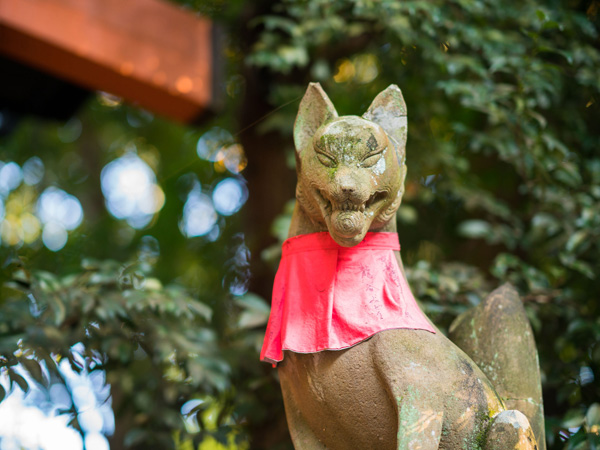
Thirty years passed, and after temporarily returning to Japan from South America, I got married and went on my honeymoon to Kyoto and Nara.  During the trip, we stopped by a shrine. At this Inari Shrine, foxes were enshrined with great dignity as messengers of the gods.  As I kept looking at it, I started to feel irritated. So, I took the shrine guidebook I was holding in one hand and slapped the  side of the fox statue’s face with it. My newlywed wife, witnessing this, was utterly shocked. Seeing her reaction, I began telling her just how much trouble foxes had caused me in my childhood For some reason, she listened to my ridiculous story with a surprisingly serious expression.

Since then, my wife has accompanied this ridiculous husband without complaint, even on trips to South America and Oceania. From her  perspective, it might very well be an enormous inconvenience. However, this way of life, rooted in nature, is my basic. Gathering deadwood in the mountain to make charcoal, then grilling the thigh meat of  a freshly caught edible frog—such flavors were so unbelievably delicious that I could hardly believe anything in the world  could taste better. It is an experience I will never forget.

Damage to Bees from Mites – Part 2

I previously mentioned the honeybee pest, Varroa destructor. While we address it using insect repellents made from herbal ingredients,  there are cases where herbs alone are not effective, and chemical agents are used. The Ministry for Primary Industries (MPI), formerly the  Department of Agriculture, has strictly regulated on the use of chemicals in beekeeping. I have previously written a brief overview of American Foulbrood, the most feared disease among beekeepers, which causes the death of honeybee larvae.This disease is a highly  concerning infectious condition for beekeepers worldwide. In Western countries and Japan, antibiotics are commonly used in beekeeping.  However, in New Zealand, the use of antibacterial drugs is strictly prohibited by law.

New Zealand is one of the few countries in the world with such a policy, and I strongly support it. This is because the use of antibiotics almost  inevitably leads to the emergence of drug-resistant bacteria, creating a never-ending cycle of drugs versus bacteria. Additionally, the spread  of antibiotic-resistant genes across bacterial species, potentially even invading the human microbiome, presents a very serious issue.

I have written about this topic before on my blog, but the use of antibiotics in beekeeping ultimately results in these substances being incorporated  into the human body through products like honey. While the use of antibiotics can temporarily solve bee infections, I believe we cannot rely on  drugs as a permanent solution. Additionally, New Zealand’s approach to beekeeping, which avoids the use of antibiotics, serves as a major  selling point, differentiating its bee products from those of other countries. This, in turn, contributes to the country’s export competitiveness,  making the government’s actions highly prudent.


أضرار العثّ على النحل – الجزء الثاني

سبق أن أشرتُ إلى أحد أخطر آفات نحل العسل، وهو الفاروا المدمّرة (Varroa destructor). وعلى الرغم من اعتمادنا في الأساس على مواد طاردة مصنوعة من مكوّنات عشبية، إلا أن هناك حالات لا تكون فيها الأعشاب وحدها كافية، مما يضطر بعض المربين إلى استخدام عوامل كيميائية.

في نيوزيلندا، تخضع تربية النحل لرقابة صارمة من قبل وزارة الصناعات الأولية (MPI)، المعروفة سابقًا بوزارة الزراعة، حيث تُفرض قيود دقيقة على استخدام المواد الكيميائية. وقد سبق لي أن كتبتُ بإيجاز عن مرض تعفّن الحضنة الأمريكي، وهو أكثر الأمراض إثارة للخوف بين مربي النحل، إذ يؤدي إلى موت يرقات النحل ويُعد من أخطر الأمراض المعدية في هذا المجال على مستوى العالم.

في العديد من الدول الغربية، وكذلك في اليابان، يُستخدم العلاج بالمضادات الحيوية على نطاق واسع في تربية النحل. أما في نيوزيلندا، فإن استخدام أي أدوية مضادة للبكتيريا في تربية النحل محظور قانونًا بشكل صارم.

وتُعد نيوزيلندا من الدول القليلة في العالم التي تعتمد هذه السياسة، وأنا أؤيدها بشدة. فاللجوء إلى المضادات الحيوية يقود، في معظم الحالات، إلى ظهور بكتيريا مقاومة للأدوية، مما يخلق حلقة لا تنتهي من الصراع بين العقاقير والميكروبات. إضافة إلى ذلك، فإن انتقال الجينات المقاومة للمضادات الحيوية بين أنواع البكتيريا المختلفة—وإمكانية تسللها إلى الميكروبيوم البشري—يمثل خطرًا بالغ الجدية على الصحة العامة.

لقد تناولتُ هذا الموضوع سابقًا في مدونتي، لكن يجدر التأكيد على أن استخدام المضادات الحيوية في تربية النحل يؤدي في نهاية المطاف إلى دخول هذه المواد إلى جسم الإنسان عبر منتجات مثل العسل. ورغم أن المضادات الحيوية قد توفّر حلًا مؤقتًا لأمراض النحل، فإنني أؤمن بأن الاعتماد على الأدوية لا يمكن أن يشكّل حلًا دائمًا أو مستدامًا.

وعلى النقيض من ذلك، فإن نهج نيوزيلندا في تربية النحل—القائم على الامتناع التام عن استخدام المضادات الحيوية—يشكّل نقطة قوة جوهرية تميّز منتجاتها من منتجات الدول الأخرى. وهذا التميّز لا يعزز ثقة المستهلك فحسب، بل يسهم أيضًا في رفع القدرة التنافسية للصادرات الوطنية، ما يجعل سياسات الحكومة في هذا المجال مثالًا واضحًا على الحكمة وبُعد النظر.

Damage to Bees from Mites – Part 1

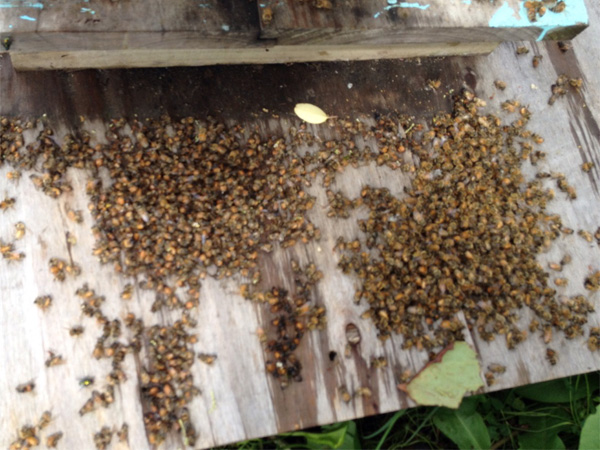
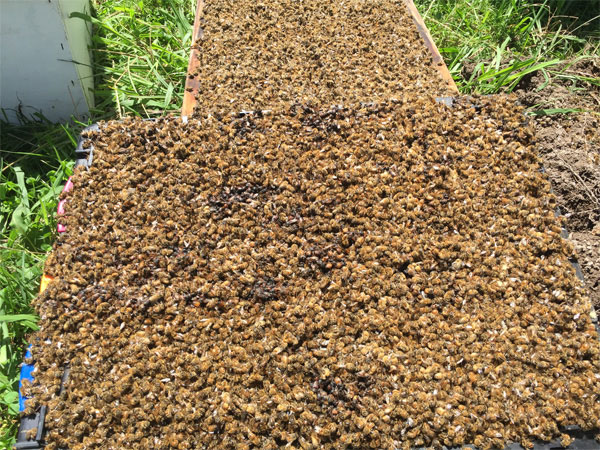
At the apiary where I base my work, I have placed about 50 colonies of bees that I raised this year. Since it’s the harvesting season, I became  distracted by work at other apiaries and ended up neglecting the hives for about three weeks, which was a mistake. Mite damage was observed. This season tends to have a high incidence of mite infestations, so I had hung herbal-based ribbons in the hives as a mite deterrent. However,  I noticed that mites resistant to the active ingredients in these herbs had emerged. To effectively prevent mite infestations, it’s important to  periodically use deterrents with different active ingredients. This is because mites, with their rapid generational turnover, quickly develop resistance.

The insecticide I used this time was something I hadn’t used in this apiary for a long time, so I thought it would be safe. Unfortunately, A careless  attitude led to damage. After applying the pesticide, I should have immediately checked its effectiveness. In the end, I had to quickly  replace it with a different pesticide that had a different active ingredient, which helped to reduce the damage. However, the mite infestation  spread rapidly and unexpectedly, resulting in piles of dead mites. It was truly frightening. It’s truly frustrating to see a carefully raised colony suffer a setback. As I mentioned earlier, there are discussions  about introducing spiders, natural predators of mites, to combat this issue, and it would be a blessing if this could provide a solution. However,  using natural enemies requires considerable caution and time for research and verification. If done recklessly, it could have a significant  impact on the ecosystem, so the process of implementing such a solution naturally takes time. 


أضرار العثّ على النحل – الجزء الأول

في المنحل الذي أُقيم فيه عملي، وضعت هذا العام نحو خمسين خلية نحل قمت بتربيتها بعناية. وبما أن الموسم كان موسم جني العسل، انشغلتُ بأعمال في مناحل أخرى، الأمر الذي أدى—عن غير قصد—إلى إهمال هذه الخلايا لمدة تقارب ثلاثة أسابيع. وكان ذلك خطأً واضحًا. عند عودتي، لاحظت ظهور أضرار ناجمة عن العثّ.

يُعرف هذا الموسم بارتفاع معدلات الإصابة بالعثّ، ولذلك كنت قد علّقت في الخلايا شرائط طاردة تعتمد على مكوّنات عشبية. غير أنني سرعان ما أدركت أن سلالات من العثّ أصبحت مقاومة للمواد الفعّالة الموجودة في تلك الأعشاب. وللوقاية الفعّالة من العثّ، من الضروري تغيير المواد الطاردة بشكل دوري واستخدام مركّبات ذات مواد فعّالة مختلفة، إذ إن العثّ—بفضل سرعة تعاقب أجياله—يطوّر مقاومة في وقت قصير جدًا.

المبيد الذي استخدمته هذه المرة لم يكن قد استُخدم في هذا المنحل منذ فترة طويلة، ولذلك افترضتُ أنه سيكون آمنًا وفعّالًا. إلا أن هذا الافتراض، المقرون بنوع من التراخي، أدى إلى نتائج مؤسفة. كان ينبغي عليّ التحقق فورًا من فعالية المبيد بعد استخدامه. وفي نهاية المطاف، اضطررت إلى استبداله بسرعة بمبيد آخر ذي مادة فعّالة مختلفة، الأمر الذي ساهم في الحد من الأضرار.

ومع ذلك، كانت سرعة انتشار العثّ غير متوقعة، ووجدت أكوامًا من العثّ النافق داخل الخلايا—مشهدًا كان صادمًا بحق. إن رؤية خلية نحل تمّت تربيتها بعناية تتعرض لمثل هذا التراجع أمر يبعث على الإحباط العميق.

وكما ذكرت سابقًا، تُناقش حاليًا إمكانية إدخال العناكب، بوصفها أعداءً طبيعيين للعثّ، كوسيلة لمكافحة هذه المشكلة. ولو أمكن أن يشكّل ذلك حلًا مستدامًا، لكان نعمة حقيقية. غير أن استخدام الأعداء الطبيعيين يتطلب قدرًا كبيرًا من الحذر، ووقتًا طويلًا للبحث والتحقق. فأي تطبيق متسرّع قد يُحدث تأثيرات جسيمة على النظام البيئي ككل، ولهذا فإن السير في هذا الاتجاه يستدعي صبرًا والتزامًا علميًا عميقًا.

Manuka nectar secretion is reaching its final stage

In the height of summer here, the nectar secretion from Manuka trees has gradually nearing its final stage, and  many frames filled with honey that are completely capped. (sealed with wax by the bees after moisture removal)  The honey has nearly reached  full maturity. Many beekeepers have already finished harvesting and extracting honey, storing it in large containers. However, I haven’t done that yet. The honey still needs further maturation, and rushing to remove it from the hive isn’t ideal.  Keeping honey in the natural hive environment is best, especially to maximize the activity of methylglyoxal (MGO), the unique component  of Manuka honey, which requires a certain amount of time.

I believe that keeping the honey within the hive environment for a certain period is the best way to allow dihydroxyacetone (DHA),  the precursor to MGO in manuka nectar, to gradually transform into MGO. Typically, commercial producers focused on high-volume production don’t apply this level of care. They harvest mixed honey, which  includes manuka, kanuka, and clover, then submit it to laboratories for analysis. Once they obtain a numerical result for active compounds,  they go straight to product commercialization. Such an approach makes it impossible to achieve a high-activity product.  It’s easier and more productive that way.  As long as they make a profit, they seem uninterested in going beyond that. This attitude is especially prevalent among large-scale beekeepers. In contrast, many small-scale beekeepers tend to approach their work with a more artisan-like mindset.  In the future, I hope to form a group of such beekeepers to focus on improving quality, clearly setting our products apart from those of large-scale producers.


إفراز رحيق المانوكا يقترب من مرحلته النهائية

في ذروة الصيف هنا، بدأ إفراز رحيق أشجار المانوكا يقترب تدريجياً من مرحلته الأخيرة، وقد امتلأت العديد من الإطارات بالعسل المختوم تماماً بطبقة الشمع التي يغلقها النحل بعد إزالة الرطوبة، مما يدل على أن العسل قد بلغ درجة عالية من النضج.

لقد أنهى العديد من مربي النحل عملية الحصاد واستخراج العسل وتخزينه في حاويات كبيرة، لكنني لم أفعل ذلك بعد. فالعسل لا يزال بحاجة إلى مزيد من الوقت لينضج، والاستعجال في إخراجه من الخلية ليس أمراً مثالياً.

الاحتفاظ بالعسل داخل بيئته الطبيعية في الخلية هو الخيار الأفضل، وخاصةً لتعظيم نشاط مركّب الميثيل غلايُوكزال (MGO)، وهو العنصر الفريد الذي يميّز عسل المانوكا، إذ يحتاج هذا المركّب إلى فترة زمنية محددة ليبلغ ذروة فعاليته. إنني أؤمن بأن إبقاء العسل داخل الخلية لفترة معينة هو الطريقة المثلى لتمكين مادة الديهيدروكسي أسيتون (DHA)، وهي المادة الأساسية المكوّنة للـ MGO في رحيق المانوكا، من التحوّل التدريجي إلى الشكل النشط منه.

عادةً لا يُبدي المنتجون التجاريون، الذين يركّزون على الإنتاج الواسع، هذا القدر من العناية. فهم يحصدون العسل المختلط الذي يحتوي على المانوكا والكانوكا والنفل، ثم يرسلون العينات إلى المختبرات لتحليلها. وبمجرّد حصولهم على الأرقام الخاصة بالمكوّنات الفعالة، يباشرون فوراً في عملية التسويق التجاري.

بهذه الطريقة، يستحيل الوصول إلى منتج عالي النشاط والفعالية. لكن الأمر بالنسبة لهم أسهل وأكثر ربحية، وماداموا يحققون أرباحاً، فلا يبدو أنهم يهتمون بتجاوز ذلك. هذا النهج شائع خصوصاً بين مربي النحل على نطاق واسع، بينما يميل العديد من مربي النحل الصغار إلى تبنّي عقلية الحرفيّ المتمرس، الذي يضع الجودة قبل الكمية.

وفي المستقبل، آمل أن أؤسس مجموعة من هؤلاء المربين لتركيز جهودنا على رفع مستوى الجودة، وجعل منتجاتنا متميّزة بوضوح عن تلك التي ينتجها مربّو النحل الكبار.

About the Expiration Date of Manuka Honey

Raw honey remains unchanged for an extremely long time, and it’s well-known that honey found in Greece from over 1,000 years ago  has shown no alterations. Therefore, I did not include them on the labels.  However, after receiving feedback from customers, I inquired with the Consumer Affairs Agency, only to learn that  honey must have an expiration date displayed. Despite explaining our production process in detail, they insisted that all honey must have this labeling. Ultimately, if the Consumer Affairs Agency were to acknowledge our position, it would be necessary a clear distinction between  processed honey and raw honey. This reflects the authorities’ laziness in treating all honey as one category.  This kind of mindset allows substandard products to flourish, become the mainstream, and ultimately fixate a false image of honey in the public’s mind. It makes me question the very purpose of the Consumer Affairs Agency. Currently, our products have been required to include expiration dates, which feels somewhat forced. While I will  continue to seek improvements over time, it is frustrating and a waste of valuable time.


حول تاريخ انتهاء عسل المانوكا

يبقى العسل الخام ثابتًا وغير متغير لفترة طويلة جدًا، ومن المعروف أن العسل الذي عُثر عليه في اليونان قبل أكثر من ألف عام لم يتغير إطلاقًا. لهذا السبب، لم أضع في البداية تاريخ انتهاء الصلاحية على الملصقات. ومع ذلك، وبعد تلقي ملاحظات من العملاء، تواصلت مع وكالة شؤون المستهلكين، لأكتشف أن القوانين تفرض ضرورة وجود تاريخ انتهاء الصلاحية على جميع أنواع العسل.

ورغم أنني شرحتُ بالتفصيل عملية إنتاجنا الطبيعية، أصرّت الوكالة على وجوب وضع هذا البيان على كل عبوة من العسل. وفي الواقع، لو كانت الوكالة تعترف بالفارق بين العسل الخام والعسل المعالج، لكان من الضروري التمييز بينهما بوضوح. لكن هذا الموقف يعكس نوعًا من الكسل الإداري، حيث يتم التعامل مع جميع أنواع العسل كما لو كانت شيئًا واحدًا.

إن هذا التفكير يفتح المجال أمام المنتجات الرديئة لتنتشر وتصبح هي المعيار السائد، مما يُكرّس صورة خاطئة عن العسل في أذهان الناس. وأمام ذلك، أتساءل عن الغاية الحقيقية من وجود وكالة شؤون المستهلكين أصلًا. في الوقت الحالي، اضطررنا إلى وضع تواريخ انتهاء الصلاحية على منتجاتنا، رغم أن ذلك يبدو إجراءً شكليًا أكثر من كونه ضروريًا. ومع أنني سأواصل السعي لتحسين هذا الوضع بمرور الوقت، إلا أن الأمر يظل مزعجًا ويشكل هدرًا للوقت الثمين.
Our Strong Manuka Honey

Our Manuka Honey

(Continuing from the previous blog) When it goes this far, this is no longer honey. True raw honey contains many enzymes and is rich in impurities. It also includes  a significant amount of pollen collected from a variety of flowers during foraging, which adds the essence of multiple blooms. These elements  are rich in various amino acids, which are crucial for the human body since proteins are composed of amino acid chains. Additionally, raw honey is abundant in minerals. In my apiary, even after the frames are fully capped, I continue to manage them by leaving them with the bees for a while.

This is because I expect the activity of methylglyoxal (MGO), a unique component of Manuka honey, to enhance under the conditions  within the hive. While I can’t go into further detail as it is trade secrets, it’s important to note that MGO does not originally  exist in Manuka nectar; it is a derivative of its precursor, dihydroxyacetone. Therefore, our honey is fundamentally different from the supermarket varieties. When I began production here 23 years ago (in 1995),  a time when the name Manuka honey was virtually unknown in Japan, many customers who only knew supermarket honey tasted our  products and likely wondered, ‘What on earth have I been eating until now?’ In fact, I received such feedback quite frequently back then.


عسل المانوكا لدينا

(استمرارًا للمدونة السابقة) عندما يصل العسل إلى هذه المرحلة، فإنه لم يعد مجرد عسل. العسل الخام الحقيقي يحتوي على العديد من الإنزيمات وغني بالشوائب الطبيعية. كما يحتوي على كمية كبيرة من حبوب اللقاح التي تم جمعها من مجموعة متنوعة من الأزهار أثناء الرعي، مما يضيف جوهر أزهار متعددة. هذه العناصر غنية بالأحماض الأمينية المتنوعة، وهي ضرورية لجسم الإنسان، حيث تتكون البروتينات من سلاسل الأحماض الأمينية. بالإضافة إلى ذلك، العسل الخام غني بالمعادن. في مرباي، حتى بعد أن تُغلق الإطارات بالكامل بالشمع، أواصل إدارتها بتركها مع النحل لفترة من الوقت.

وذلك لأنني أتوقع زيادة نشاط ميثيلغلايوكسال (MGO)، المكون الفريد لعسل المانوكا، في ظل ظروف الخلية. رغم أنني لا أستطيع الخوض في التفاصيل لكونها أسرار تجارية، من المهم ملاحظة أن الـ MGO لا يوجد أصلاً في رحيق المانوكا؛ فهو مشتق من مركب سابق له، ثنائي هيدروكسي أسيتون. لذلك، يختلف عسلنا جوهريًا عن الأنواع الموجودة في الأسواق. عندما بدأت الإنتاج هنا منذ 23 عامًا (في عام 1995)، في وقت كان فيه اسم عسل المانوكا شبه مجهول في اليابان، كان العديد من العملاء الذين اعتادوا على عسل السوبرماركت عند تذوق منتجاتنا يتساءلون على الأرجح: “ما الذي كنت أتناوله طوال هذا الوقت؟” في الواقع، كنت أتلقى مثل هذه التعليقات بشكل متكرر آنذاك.
Especially for Inexpensive Honey

Especially for Inexpensive Honey

Generally, inexpensive honey sold in stores can hardly be called honey at all. These mass-produced products undergo various processes,  from dehydration, decolorization, and deodorization to impurity removal and coloring, resulting in uniform. First, let’s talk about dehydration. If honey with high moisture content is left as it is, the sugar will serve as food for fungi, leading to fermentation  and loss of sweetness. However, bees are well aware of this, so they diligently create airflow with their wings to evaporate the moisture using  their body heat. During the season, the sound of this wing flapping can be heard from hives everywhere.

The purpose of this dehydration process is to prepare honey as a food source for winter. If fermentation occurs, the energy-rich sugars  would decrease, which would be problematic for the bees. Thus, when the sugar content rises to about 80% and the honey is capped, it  becomes a complete honey that is inhospitable to any microorganisms. In commercial beekeeping, however, this natural dehydration process takes time and is not cost-effective. As a result, even honey that is  still somewhat watery is harvested and heated to reduce moisture. Deodorization is necessary for uniformity in the food industry, and the same goes for decolorization. Sometimes, the aroma is added later  using essences. 

Furthermore, impurity removal especially of pollen is necessary because pollen can act as a seed crystal, leading to various crystal  formations that affect the product’s appearance, taste, and consistency. Honey varies in color due to its origin, natural environment, and plant source. When different types of honey are mixed and don’t look  particularly appealing in color, artificial coloring can be used as a solution.


العسل الفاخر مقابل العسل التجاري

عادةً، العسل الرخيص المتوافر في الأسواق لا يُمكن اعتباره عسلًا حقيقيًا. هذه المنتجات الصناعية تمر بعدة عمليات مثل التجفيف، وإزالة اللون والرائحة، وتنقية الشوائب، وإضافة ألوان صناعية، لتحقيق مظهر متجانس. دعونا نبدأ بعملية التجفيف. العسل الذي يحتوي على نسبة عالية من الرطوبة يمكن أن يتخمّر لأن السكر يصبح غذاءً للفطريات، مما يقلل من حلاوته. ولكن النحل، بحكم طبيعته، يخلق تيارات هواء بأجنحته لتبخير الرطوبة باستخدام حرارة جسده. خلال موسم الإنتاج، يمكن سماع خفق الأجنحة من كل الخلايا.

التجفيف الطبيعي ضروري لتحضير العسل كمصدر غذائي للنحل في الشتاء. إذا حدث التخمّر، تنخفض نسبة السكر، مما يقلل الطاقة المتاحة للنحل. عندما تصل نسبة السكر إلى حوالي ٨٠٪ ويُغطّى العسل بالشمع، يصبح منتجًا مستقرًا ومقاومًا لأي كائنات دقيقة.

في الإنتاج التجاري، هذه العملية الطبيعية تستغرق وقتًا طويلًا وليست مجدية اقتصاديًا، لذلك غالبًا ما يُحصَد العسل وهو لا يزال سائلاً جزئيًا ويتم تسخينه لتقليل الرطوبة. كما تُجرى عمليات إزالة الرائحة واللون لضمان التجانس في صناعة الأغذية، وأحيانًا تُضاف الروائح الصناعية لاحقًا. إزالة الشوائب، وخصوصًا حبوب اللقاح، مهمة أيضًا، لأن حبوب اللقاح قد تعمل كنواة بلورية تسبب تكوّن بلورات غير منتظمة تؤثر على المظهر والطعم والقوام.

أخيرًا، يختلف لون العسل الطبيعي حسب مصدره وبيئته والنباتات التي جمع منها الرحيق. عند خلط أنواع مختلفة من العسل، إذا كان اللون غير جذاب بصريًا، قد تُضاف ألوان صناعية لتحقيق مظهر متجانس.

The Current State of Mass-Produced Honey

In the previous blog, I briefly touched on fully matured honey which the frames are entirely capped.  Such patient practices, however, are generally uncommon in commercial beekeeping. Even among products sold under the name “honey,” there is a significant quality gap. Most of the inexpensive honey found in supermarkets is almost  entirely sourced from China. These products are remarkably uniform in color, and when you hold the container up to the light, you can clearly see the scenery on the other side. Such products can hardly be called honey anymore.

Simply, the nectar collected by bees are extracted before it has matured, while the frames are still uncapped and the moisture  content is high. The honey is separated using a centrifuge at this stage. With such low sugar content, it’s prone to fermentation and could become alcoholic over time. To prevent this, heat is applied forcibly to evaporate the excess moisture. The honey is then passed through filters to completely remove impurities such as pollen. For nectar with strong flavors, deodorization and  decolorization processes are also performed. Each batch is further heated and blended to standardize characteristics such as color, aroma, and  viscosity, effectively transforming it into a uniform product.

In extreme cases, liquid sugar made by mixing acid with sugar and heating it—known as isomerized sugar—is used as a filler. Isomerized sugar,  being in the same monosaccharide state as honey, is convenient for bulking. These standardized products are then marketed and sold as honey. The difference between such products and our honey is as vast as night and day, yet these products are labeled and sold as “natural  honey” in some cases. It’s truly astonishing and leaves one at a loss for words.


الواقع الحالي للعسل المُنتَج على نطاق واسع

في المقال السابق، أشرتُ بإيجاز إلى العسل الناضج تمامًا، ذلك العسل الذي تُغلق فيه أقراص الشمع بالكامل بعد اكتمال النضج. غير أن هذا النهج القائم على الصبر والانتظار يُعدّ استثناءً نادرًا في تربية النحل التجارية الحديثة. وحتى بين المنتجات التي تُباع تحت مسمّى «عسل»، توجد فجوة هائلة في الجودة لا يمكن تجاهلها.

إن معظم أنواع العسل منخفضة السعر المتوافرة في المتاجر الكبرى مصدرها—في الغالب—الصين. وتمتاز هذه المنتجات بتجانس لافت في اللون، لدرجة أنك إذا رفعت العبوة أمام الضوء استطعت رؤية المشهد خلفها بوضوح. ومن الصعب، في الحقيقة، أن نطلق على مثل هذه السوائل اسم «عسل» بالمعنى الحقيقي للكلمة.

في هذه الممارسات، يُستخرج الرحيق الذي جمعته النحلات قبل أن يكتمل نضجه، أي بينما تكون الأقراص لا تزال غير مختومة، ويكون محتوى الرطوبة مرتفعًا. وفي هذه المرحلة، يُفصل السائل باستخدام أجهزة الطرد المركزي. وبسبب انخفاض نسبة السكريات، يصبح هذا «العسل» عرضة للتخمّر، وقد يتحول بمرور الوقت إلى مادة كحولية.

ولمنع ذلك، يُعرَّض السائل لحرارة قسرية لتبخير الرطوبة الزائدة. ثم يُمرَّر عبر فلاتر دقيقة لإزالة كل الشوائب، بما في ذلك حبوب اللقاح. وفي حالات الرحيق ذي النكهة القوية، تُجرى أيضًا عمليات لإزالة الروائح وتفتيح اللون. بعد ذلك، تُسخَّن كل دفعة مرة أخرى وتُخلط بدُفعات أخرى، بهدف توحيد اللون، والرائحة، واللزوجة—وبذلك يتحول المنتج إلى مادة قياسية بلا هوية.

وفي أكثر الحالات تطرفًا، يُستخدم ما يُعرف بـ السكر المتماكب (Isomerized Sugar)، وهو سائل سكري يُنتَج عبر خلط السكر بالأحماض وتسخينه، ليُستعمل كحشو. وبما أن هذا السكر يوجد في الحالة نفسها من السكريات الأحادية الموجودة في العسل، فإنه يُعدّ مادة «مناسبة» لزيادة الحجم. وهكذا، تُسوَّق هذه المنتجات الموحّدة وتُباع على أنها عسل.

إن الفارق بين مثل هذه المنتجات وبين عسلنا الحقيقي يشبه الفارق بين الليل والنهار. ومع ذلك، لا تزال هذه السوائل تُوسم في بعض الأحيان بعبارة «عسل طبيعي»، وتُطرح في الأسواق على هذا الأساس. إنه أمر يثير الدهشة حقًا، ويترك المرء عاجزًا عن إيجاد الكلمات المناسبة لوصفه.

Support for Naturally Occurring Manuka Forests

Support for Naturally Occurring Manuka Forests

Managing a beekeeping site involves not only the care of honeybees but also the support of the naturally occurring Manuka forests. Originally,  Manuka trees are resilient to poor soils and prefer acidic soils, making them unsuitable for agricultural land. Management of the natural forests is carried out during the off-season. There isn’t a specific management method, but we need to be careful about the ferns that grow alongside the Manuka trees, as they have a strong  ability to propagate. Additionally, there is a low shrub known as the tobacco tree, which has large leaves resembling tobacco leaves. This plant is  also very vigorous in its growth, and if left unchecked, it can easily become overgrown. Therefore, the removal of these two plants is particularly important.

Additionally, as I mentioned before, there is a thorny grass called gorse that was introduced by the British, which can reach up to 2 meters in height.  This plant produces the first flowers in winter when there are no other flowers, and its pollen becomes a valuable food source for bees.  However, if left unchecked, it can become so dense that it prevents human access, making it necessary to remove it before that happens. For cutting down tobacco trees, a bush cutter equipped with a circular saw on the end, powered by a 30cc engine, can be used. In the case  of ferns, since their bases are thick, a chainsaw is more effective. Moreover, Manuka trees over 20 years old are also gradually cut down to allow sunlight to reach the forest floor, enabling the seeds of the  Manuka to fall and regenerate naturally.

Additionally, in the case of gorse, the thorns are so severe that cutting it down is quite labor-intensive, so herbicides are usually used.  However, I have decided not to use any chemicals in the beehives for any reason. It goes without saying that such substances are not beneficial for the bees.


دعم الغابات الطبيعية لشجر المانوكا

إنّ إدارة موقع تربية النحل لا تقتصر على رعاية النحل فحسب، بل تمتد لتشمل العناية بالغابات الطبيعية لشجر المانوكا. فهذا الشجر يتميز بقدرته الفريدة على النمو في التربة الفقيرة وميوله للتربة الحمضية، ما يجعله غير مناسب للأراضي الزراعية التقليدية. وتُجرى أعمال إدارة الغابات خلال الموسم غير الإنتاجي، دون وجود منهج واحد محدد، إلا أنّ هناك عناصر نباتية تستوجب العناية الدقيقة.

فمن بين هذه النباتات السرخسيّات التي تنمو بين أشجار المانوكا، وتمتاز بقدرة عالية على الانتشار، مما يستوجب السيطرة عليها باستمرار. كذلك يوجد شجيرة قصيرة تُعرف باسم شجرة التبغ، ذات أوراق كبيرة تشبه أوراق التبغ، وتُعد بدورها ذات قوة نمو كبيرة، إذ يمكنها أن تهيمن سريعًا على المكان إذا تُركت دون إزالة، لذلك يصبح التخلص من هذين النباتين أمرًا بالغ الأهمية.

أما بالنسبة لنبتة الأدغال الشائكة (Gorse) التي جلبها البريطانيون، فهي تُعد من أكثر النباتات تحديًا، إذ قد يصل ارتفاعها إلى مترين. وتزهر هذه النبتة أولًا في الشتاء عندما تختفي معظم الأزهار الأخرى، ويصبح لقاحها مصدرًا غذائيًا ثمينًا للنحل. ومع ذلك، فإن تركها دون سيطرة يؤدي إلى كثافة شديدة تعيق دخول الإنسان إلى المنطقة، مما يفرض إزالتها قبل تفاقم الوضع.

ولإزالة شجرة التبغ، يمكن استخدام آلة قطع الأدغال المزودة بنصل دائري ومحرك بقوة 30 سم³، بينما يكون المنشار أكثر فاعلية في التعامل مع السرخسيات ذات القواعد السميكة. كما تتم إزالة أشجار المانوكا التي تجاوز عمرها عشرين عامًا تدريجيًا، وذلك للسماح لأشعة الشمس بالوصول إلى أرض الغابة كي تتساقط البذور وتتجدد الأشجار طبيعيًا.

أما نبات الـ Gorse، فكثيرًا ما تُستخدم المبيدات لإزالته نظرًا لحدة أشواكه وصعوبة التعامل معه. لكنني اخترت عدم استخدام أي مواد كيميائية إطلاقًا في أي من مواقع المناحل، مهما كانت الظروف. فمن الواضح أنّ مثل هذه المواد لا تفيد النحل، بل قد تضر بصحته ونظامه الحيوي الدقيق، وهذا ما لا يمكن القبول به.

Dr. Peter Molan and Me - Part 2

Dr. Peter Molan and Me – Part 2

I recall meeting Dr. Molan and seeing microscopic photographs illustrating the active properties of Manuka MGO against  MRSA (Methicillin-Resistant Staphylococcus aureus). Although I have some knowledge of microbiology, I was truly astonished by the  natural power displayed. I was struck by how incredible the potency of natural active substances can be. This experience became the catalyst  for starting Manuka honey production in this region.

(This may already be a topic of discussion in your region) I later learned that the active MGO in active raw Manuka honey has become  significant news, particularly in European academic circles. This includes its efficacy against VRE (Vancomycin-Resistant Enterococci) and  VRSA (Vancomycin-Resistant Staphylococcus aureus), which even the world-renowned antibiotic vancomycin—considered the strongest for  over 30 years—has been powerless against.

The discovery of antibiotics undoubtedly brought immense benefits to humanity, leading to a long era where antibiotics were considered a universal remedy.
However, this overreliance now appears to be leading us to the dawn of an era where humanity faces profoundly serious challenges.


الجزء الثاني – الدكتور بيتر مولان وأنا

أتذكّر جيدًا لقائي بالدكتور بيتر مولان ورؤيتي للصور الميكروسكوبية التي عرضت الخصائص الفاعلة لمادة الـ MGO في عسل المانوكا ضد بكتيريا MRSA ‏(العنقودية الذهبية المقاومة للميثيسيلين). وعلى الرغم من امتلاكي قدرًا من المعرفة في علم الأحياء الدقيقة، فقد أبهرتني القوة الطبيعية الهائلة التي كشفتها تلك الصور، وأدركت حينها مدى روعة الفعالية التي يمكن أن تمتلكها المواد النشطة ذات الأصل الطبيعي. لقد كان ذلك اللقاء نقطة التحوّل التي دفعتني لبدء إنتاج عسل المانوكا في هذه المنطقة.

ولعل هذا الموضوع مطروحٌ بالفعل في محيطكم، غير أنّني علمت لاحقًا أنّ مادة MGO النشطة في عسل المانوكا الخام قد أصبحت محورًا مهمًا في الأوساط الأكاديمية الأوروبية، خصوصًا فيما يتعلق بفعاليتها تجاه VRE ‏(العقديات المعوية المقاومة للفانكومايسين) و VRSA ‏(العنقودية الذهبية المقاومة للفانكومايسين) — وهما السلالتان اللتان عجز أمامهما حتى المضاد الحيوي الشهير فانكومايسين، الذي عُدّ لأكثر من ثلاثة عقود أقوى مضاد حيوي في العالم.

لقد شكّل اكتشاف المضادات الحيوية بلا شك نقلة نوعية عظيمة في تاريخ البشرية، وأدخلنا مرحلة طويلة ظُنّ فيها أنّ المضادات الحيوية هي العلاج الأمثل لكل داء. إلا أنّ الإفراط في الاعتماد عليها يقودنا اليوم إلى بداية عصر جديد، تلوح في أفقه تحديات صحية بالغة الخطورة قد تواجه الإنسانية جمعاء.

Dr. Peter Molan and Me - Part 1

Dr. Peter Molan and Me – Part 1

Dr. Peter Molan, my mentor, the late Dr. Peter Molan, former professor at the national University of Waikato and a leading researcher of active substances derived from  the Manuka tree, also published papers expressing concern about the issues mentioned above (as referenced in yesterday’s blog). Living in  New Zealand, I was fortunate to have opportunities to speak with him personally. The more I listened to Dr. Molan, the more astonished I  became at the remarkable active substances that exist naturally.

The beneficial components of Manuka exhibit exceptional activity. While our New Zealand office website primarily focuses  on the much-discussed Helicobacter pylori bacteria, its activity is not limited to this. Notably, Manuka’s active substances are  relevant against hospital-acquired infections, such as MRSA (Methicillin-Resistant Staphylococcus aureus), which emerged due to the  overuse of cephalosporin antibiotics, as well as VRE (Vancomycin-Resistant Enterococci) and VRSA (Vancomycin-Resistant Staphylococcus  aureus), both resistant even to vancomycin, considered the most potent antibiotic.

While a healthy body with a strong immune system can typically defend itself against these bacteria, individuals with weakened immune systems  can become extremely problematic due to the lack of effective treatments. It is essential to recognize that these drug-resistant  bacteria have emerged as a direct result of the misuse of antimicrobial agents.  Therefore, active substances with entirely different mechanisms of action bear no relation to this issue.


الدكتور بيتر مولان وأنا – الجزء الأول

كان أستاذي ومرشدي، الراحل الدكتور بيتر مولان—الأستاذ السابق في جامعة وايكاتو الوطنية وأحد أبرز الباحثين في المواد الفعّالة المستخلصة من شجرة المانوكا—قد نشر أيضًا عددًا من الأبحاث التي أعرب فيها عن قلقه بشأن القضايا التي ذكرتها سابقًا (كما أشرتُ في مقال الأمس). وبحكم إقامتي في نيوزيلندا، حالفني الحظ بأن ألتقيه مرارًا وأتبادل معه الحديث مباشرة. وكلما استمعت إليه أكثر، ازداد اندهاشي من هذه المواد الطبيعية ذات الفعالية المذهلة التي أودعتها الطبيعة في شجرة المانوكا.

إن المكونات النشطة في المانوكا تتمتع بقدرات استثنائية. ورغم أنّ موقع مكتبنا في نيوزيلندا يركّز بصورة أساسية على بكتيريا هيليكوباكتر بيلوري الشهيرة، إلا أن فعالية المانوكا لا تقتصر على هذا المجال فحسب. فالمواد الفعّالة في المانوكا ذات صلة أيضًا بالالتهابات المستعصية التي تُكتسب داخل المستشفيات، مثل MRSA (المكورات العنقودية الذهبية المقاومة للميثيسيلين)، وهي بكتيريا ظهرت نتيجة الإفراط في استخدام مضادات السيفالوسبورين، إضافة إلى VRE (المعويات المقاومة للفانكومايسين) و VRSA (المكورات العنقودية الذهبية المقاومة للفانكومايسين)، وهما نوعان يتمتعان بمقاومة حتى لأقوى المضادات الحيوية المعروفة، وهو الفانكومايسين.

وبينما يستطيع الجسم السليم ذو المناعة القوية مواجهة هذه البكتيريا عادة، إلا أن الأفراد الذين يعانون ضعفًا في المناعة قد يواجهون مخاطر كبيرة بسبب غياب العلاجات الفعّالة. ومن الضروري إدراك أنّ هذه البكتيريا المقاومة للأدوية هي نتاج مباشر للاستخدام الخاطئ والمفرط للمضادات الحيوية.

ولذلك، فإن المواد الطبيعية النشطة—ذات آليات العمل المختلفة تمامًا—لا علاقة لها بهذه المشكلة ولا تسهم في ظهور مثل هذه السلالات المقاومة.

Things to Avoid in Excessive Use

Things to Avoid in Excessive Use

The human digestive system hosts an astronomically diverse array of bacteria, and food is broken down through chemical changes  facilitated by these bacteria, allowing nutrients to be absorbed through the intestinal wall. It would be ideal if antimicrobial agents, such as  antibiotics, targeted only the specific bacteria. However, such drugs do not exist, and particularly the antimicrobial agents used today have a  broad-spectrum activity, meaning they affect a wide range of bacterial species.

In other words, antimicrobial agents indiscriminately target not only harmful bacteria but also beneficial ones. As a result, they cause significant  damage to the important intestinal flora (the microbial ecosystem in the gut). While there are individual differences, there is no effective way  to reverse this damage. The side effects of antimicrobial drugs can lead to severe gastrointestinal disorders, preventing the absorption of  essential energy sources and nutrients, as well as hindering the elimination of undigested material and the proper transport of these substances.

The digestive system is, needless to say, essential for sustaining life. Since such crucial functions are regulated by  the intestinal microbiome, it is far from accurate to claim that antimicrobial agents are harmless to humans and animals. While I am not denying  the use of antibiotics, antimicrobial drugs, or steroid hormones, I believe their misuse should be avoided. These substances should be reserved  for when absolutely necessary and not used casually, as is often the case in medical settings in Japan.


ما يجب تجنّبه عند الاستخدام المفرط

يحتضن الجهاز الهضمي لدى الإنسان تنوّعًا مذهلاً من البكتيريا، وتُهضم الأغذية عبر تفاعلات كيميائية تقوم بها هذه البكتيريا، مما يسمح بامتصاص العناصر الغذائية عبر جدار الأمعاء. ومن المثالي لو استطاعت العوامل المضادة للميكروبات—مثل المضادات الحيوية—استهداف بكتيريا محددة فقط. غير أن هذا النوع من الأدوية غير موجود، خصوصًا أن معظم المضادات المستخدمة اليوم واسعة الطيف، أي أنها تعمل على طيف واسع من الأنواع البكتيرية.

بمعنى آخر، تستهدف المضادات الحيوية الضار والنافع دون تمييز، فتُحدث أضرارًا كبيرة في الفلورا المعوية المهمة (النظام البيئي الدقيق داخل الأمعاء). وعلى الرغم من وجود فروق فردية بين الأشخاص، لا توجد وسيلة فعالة حقًا لاستعادة هذا النظام البيئي بعد تضرّره.

إن الآثار الجانبية للمضادات الحيوية قد تؤدي إلى اضطرابات معوية حادة، مما يعيق امتصاص مصادر الطاقة والعناصر الغذائية الضرورية، ويُضعف التخلص من الفضلات غير المهضومة، ويؤثر على النقل السليم لهذه المواد داخل الأمعاء.

ومن البديهي أن الجهاز الهضمي هو أساس بقاء الإنسان. وبما أن وظائفه الحيوية تعتمد اعتمادًا مباشرًا على الميكروبيوم المعوي، فلا يمكن الادعاء بأن العوامل المضادة للميكروبات غير ضارة للإنسان أو الحيوان. ومع أنني لا أنكر ضرورة استخدام المضادات الحيوية أو الأدوية المضادة للميكروبات أو الهرمونات الستيرويدية في بعض الحالات، إلا أنني أرى أن سوء استخدامها يجب أن يُتجنّب. فهي مواد يجب اللجوء إليها عند الضرورة القصوى فقط، لا أن تُستخدم بشكل اعتيادي كما يحدث للأسف في الكثير من الممارسات الطبية داخل اليابان.

Antibiotic Resistance Genes and the Future – Part 3

(Continued from the previous blog) However, this mechanism ultimately leads to the emergence of antibiotic-resistant bacteria  due to the rapid generation turnover of bacteria (short generation time) and evolutionary changes, such as mutations in the drug target sites.  Additionally, genetic transfer through conjugation (the transmission of genetic information similar to sexual reproduction in higher organisms) or  transduction by bacteriophages (viruses that infect bacteria, facilitating the transfer of genetic material between bacteria) enables the rapid  horizontal gene transfer and recombination of genetic traits across bacterial species. This results in the inevitable emergence of bacteria that are  resistant to the toxic effects of antibiotics.

This is referred to as drug-resistant bacteria. For example, in the case of penicillin-based or cephalosporin-based antibiotics (which are modified  to target penicillin-resistant bacteria), some bacteria exposed to these antibiotics produce an enzyme called beta-lactamase. This enzyme  alters the antibiotic’s drug component, preventing it from binding to its target site, the PBP (penicillin-binding protein), by transforming  (evolving) to counteract the drug. Even with other antibiotics that operate through different mechanisms, similar processes occur, such as  bacteria producing enzymes or changing their target sites (for example, altering cell membrane permeability so that the drug cannot reach its intended target).

Ultimately, the issue lies not only in the perspective that these artificial bactericidal or bacteriostatic agents (which suppress bacterial growth)  lead to the emergence of multidrug-resistant bacteria but also in the fact that administering such drugs selects for bacteria capable of surviving even under these stressful conditions. Incidentally, one theory suggests that the pathogenic Escherichia coli O157 acquired its virulence factor, the Shiga toxin, through  transduction by a bacteriophage from Shigella, which naturally carries this toxin.


جينات مقاومة المضادات الحيوية والمستقبل – الجزء الثالث

(متابعة لما ورد في المقال السابق)

غير أن هذه الآليات، في جوهرها، تؤدي حتميًا إلى ظهور البكتيريا المقاومة للمضادات الحيوية. ويعود ذلك إلى سرعة دورة تكاثر البكتيريا وقِصر زمن الجيل الواحد، إضافةً إلى التغيرات التطورية مثل الطفرات التي تصيب مواقع تأثير الدواء.

علاوة على ذلك، فإن انتقال الجينات عبر الاقتران البكتيري—وهو شكل من أشكال تبادل المعلومات الوراثية يشبه التكاثر الجنسي في الكائنات العليا—أو عبر النقل بالعاثيات (وهي فيروسات تُصيب البكتيريا وتنقل المادة الوراثية بينها)، يسمح بانتقال أفقي سريع للجينات وإعادة تركيب الصفات الوراثية بين أنواع بكتيرية مختلفة. ونتيجةً لذلك، يصبح ظهور بكتيريا قادرة على مقاومة التأثيرات السامة للمضادات الحيوية أمرًا لا مفر منه.

ويُطلق على هذه الظاهرة اسم البكتيريا المقاومة للأدوية. فعلى سبيل المثال، في حالة المضادات الحيوية المعتمدة على البنسلين أو السيفالوسبورين—والتي طُوّرت أصلًا لمواجهة مقاومة البنسلين—تقوم بعض البكتيريا، عند تعرضها لهذه الأدوية، بإنتاج إنزيم يُعرف باسم بيتا-لاكتاماز. يعمل هذا الإنزيم على تعديل البنية الفعالة للدواء، مانعًا إياه من الارتباط بموقعه المستهدف، وهو بروتينات الارتباط بالبنسلين (PBP)، وذلك من خلال تطور مضاد يُبطل مفعول الدواء.

ولا يقتصر هذا الأمر على هذه الفئة من المضادات؛ فحتى الأدوية التي تعمل بآليات مختلفة تشهد ظواهر مشابهة، مثل قيام البكتيريا بإنتاج إنزيمات أخرى، أو تغيير مواقع الاستهداف، أو تعديل نفاذية الغشاء الخلوي بحيث لا يتمكن الدواء من الوصول إلى هدفه الأصلي.

في نهاية المطاف، لا تكمن المشكلة فقط في أن هذه العوامل الاصطناعية القاتلة للبكتيريا أو المثبِّطة لنموها تؤدي إلى ظهور بكتيريا متعددة المقاومة، بل في أن استخدام هذه الأدوية ذاته يُجري عملية انتقاء لصالح البكتيريا القادرة على البقاء حتى في أقسى البيئات.

ومن الجدير بالذكر، أن إحدى الفرضيات العلمية تشير إلى أن بكتيريا الإشريكية القولونية O157 اكتسبت عامل ضراوتها، وهو سم الشيغا، من خلال نقل وراثي بواسطة عاثية بكتيرية من بكتيريا الشيغيلا، التي تحمل هذا السم بطبيعتها.