投稿者「staff」のアーカイブ

Burning and Disinfecting Bee Hives

Burning and Disinfecting Bee Hives

Last time, I talked a bit about adding more hives as the nectar flow season approaches, since the colonies increase in number, and conversely,  reducing the number of hives as autumn approaches. This is in preparation for the coming cold. The goal is to make the space inside the hives  as small as possible to help retain warmth within the colony. However, as mentioned before, this time of year is characterized by significant  fluctuations in temperature. Just when it seems like winter is really settling in, the temperature suddenly rises to summer-like levels, making  this task far from straightforward. Everything must be handled by carefully observing the strength of each individual colony.

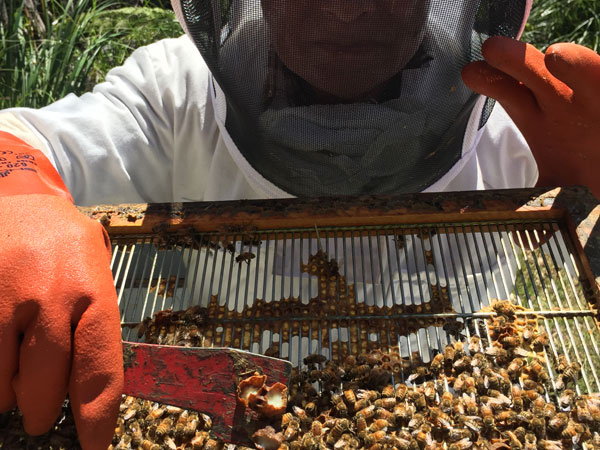
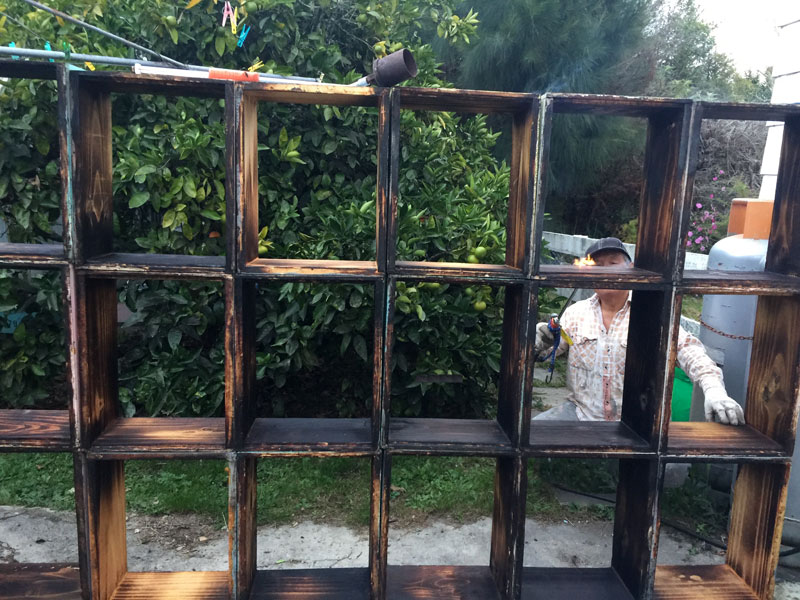
The hives removed from the apiary are checked by their identification numbers and then transported to the storage facility.  Using a hive tool, an essential tool for beekeepers, the wax and propolis attached to each hive are scraped off. The wax collecting on  the sheet below is gathered, heated, and stored as beeswax. After removing a certain amount of residue, the hives are scorched with  a gas burner until scorched, disinfecting and sterilizing them. The temperature of the large burner exceeds 2000°C, and its flame  reaches up to one meter, which easily eradicates pests like wax moths and mites. At the same time, it helps maintain the  cleanliness of the hives by protecting them from diseases caused by viruses and fungi.

This process is also applied to new hives.  We have confirmed that when the surface of a hive box is scorched, pests such as mites and wax moths tend to avoid it, likely due to the  carbon residue, which appears to have a repellent effect. Additionally, from experience, we know that carbonized hives do not provide  a suitable environment for the growth of viruses and fungi, and the risk of mold development due to humidity during the upcoming rainy season is significantly reduced. Normally, beekeepers here don’t manage their hives this thoroughly, and I’ve never heard of it being done. However, to my surprise,  when I visited a beekeeping supply store recently, I saw that they’ve started selling hives that have already been scorched in an electric kiln— something that didn’t exist in the past.

According to the store clerk, these hives supposedly reduce the occurrence of pests and diseases. I even wondered if they had copied  my method. However, simply scorching the hive slightly in an electric kiln leaves me skeptical about its effectiveness. The bees in my  freshly scorched hives turn completely black, almost like a different species, but I’ve never had any issues with diseases or pests from  these bees. Eventually, the black bees return to their normal color, but since carbon is used in purification systems like activated charcoal,  I’ve come to believe that it benefits the bees’ living environment. Of course, the dark color of my Manuka honey has nothing to do with this carbon process. (Haha)


🔥 حرق وتعقيم خلايا النحل في المرة السابقة، تحدثت قليلاً عن إضافة خلايا نحل جديدة مع اقتراب موسم تدفق الرحيق، حيث تزداد أعداد المستعمرات، وبالعكس، تقليل عدد الخلايا مع اقتراب الخريف تحسباً للبرد القادم. الهدف هو تصغير المساحة داخل الخلايا قدر الإمكان للحفاظ على دفء المستعمرة.

لكن كما ذكرت سابقاً، هذا الوقت من السنة يشهد تقلبات كبيرة في درجات الحرارة. حين يبدو أن الشتاء قد استقر تماماً، ترتفع درجات الحرارة فجأة لتصل إلى مستويات صيفية، مما يجعل هذه المهمة بعيدة عن البساطة. كل شيء يجب التعامل معه بمراقبة دقيقة لقوة كل مستعمرة على حدة.

يتم فحص الخلايا التي تُزال من المنحل بواسطة أرقام التعريف الخاصة بها، ثم تُنقل إلى المستودع. باستخدام أداة الخلايا، وهي أداة أساسية للنحالين، يتم كشط الشمع والبروبوليس الملتصق بكل خلية. يُجمع الشمع المتساقط على الصفائح السفلى، ويُسخن ثم يُخزن كـ شمع نحل.

بعد إزالة كمية معينة من البقايا، يتم حرق الخلايا باستخدام موقد غازي حتى تتحمر تماماً، مما يعقمها ويطهرها. تصل درجة حرارة الموقد الكبيرة إلى أكثر من 2000°م، ويصل لهبها إلى متر واحد، ما يضمن القضاء التام على الآفات مثل فراش الشمع والعث، وفي الوقت نفسه يحافظ على نظافة الخلايا وحمايتها من الأمراض الفيروسية والفطرية. يُطبق هذا الأسلوب أيضاً على الخلايا الجديدة. لقد لاحظنا أنه عند تحميص سطح صندوق الخلية، تتجنب الآفات مثل العث وفراش الشمع المكان، ربما بسبب بقايا الكربون التي يبدو أن لها تأثيراً طاردًا. وبالإضافة إلى ذلك، ومن خلال التجربة، نعلم أن الخلايا المحترقة بالكربون لا توفر بيئة مناسبة لنمو الفيروسات والفطريات، ويقل خطر تكون العفن نتيجة الرطوبة خلال موسم الأمطار القادم بشكل ملحوظ.

عادة، النحالون هنا لا يديرون خلاياهم بهذا المستوى من الدقة، ولم أسمع عن تطبيق هذا الأسلوب من قبل. لكن، لدهشتي، عندما زرت مؤخراً متجر مستلزمات النحل، رأيت أنهم بدأوا بيع خلايا تم تحميصها مسبقاً في فرن كهربائي—شيء لم يكن موجوداً في الماضي.

بحسب موظف المتجر، هذه الخلايا تقلل من انتشار الآفات والأمراض. حتى أنني تساءلت إن كانوا نسخوا طريقتي. مع ذلك، مجرد تحميص بسيط في فرن كهربائي يجعلني متشككاً في فعاليته. فالنحل في خلاياي المحترقة حديثاً يصبح أسود تماماً، وكأنها نوع مختلف، ومع ذلك لم أواجه أي مشاكل تتعلق بالأمراض أو الآفات. في النهاية، تعود النحل السوداء إلى لونها الطبيعي، لكن الكربون في أنظمة التطهير مثل الفحم النشط، يبدو أنه يفيد بيئة عيش النحل. بالطبع، لون عسلي المانوكا الغامق لا علاقة له بهذه العملية الكربونية. (هاها)
Adjusting the Number of Hive Boxes

Adjusting the Number of Hive Boxes

The Manuka nectar season has ended, and the Manuka honey harvest is expected to yield about the same as an average year.  As the days pass, the sound of insects in the evening has become more prominent. In Japan, this might be referred to as the “Mid-Autumn Moon.”  On nights with the supermoon, when the moon is closest to the Earth, the dry, clear sky after continuous sunny weather makes it bright  enough to read a newspaper by moonlight.

As for the upcoming beekeeping tasks, the process will reverse from spring when the hive boxes were stacked up as the flowers began to bloom.  Gradually, the number of hive boxes will be reduced. As the temperature drops, the space inside the hives must be minimized. Finally,  the four- or five-box hives will be reduced to a single box in preparation for winter.

At this time of year, the temperature fluctuates significantly from day to day, so it’s important to carefully assess the condition of each colony  before removing the additional hive boxes (vertical boxes). This is necessary to maintain warmth inside the hives. For weaker colonies,  the extra boxes (stacked hive boxes) are removed. While daytime temperatures may be tolerable, nighttime temperatures drop sharply,  so it’s essential to reduce the bees’ living space to improve their ability to retain heat.

On the other hand, if the space is reduced too quickly for stronger colonies, they may become overcrowded, and such drastic changes  to their living environment could harm their health. During winter, the number of bees in each colony decreases dramatically, from  60,000 bees per colony during the nectar flow season to fewer than 10,000. This happens because the queen bee reduces egg-laying,  a natural response due to the decrease in nectar sources. At this time of year, temperatures can suddenly drop or rise to summer-like levels.  When air masses come from the south, the temperature drops rapidly.

Conversely, when air masses from the South Pacific near the equator move in, it becomes surprisingly warm. In Japan, this is known  as “Sankan-shion” (three cold days, four warm days), which refers to a weather pattern where, during winter, three consecutive cold days are  followed by four warmer days, with this cycle repeating every seven days. However, here, the current season is the exact opposite of that.  This makes adjusting the number of hive boxes particularly difficult depending on the year. If it gets too cold, the temperature inside the hive drops, causing the bees to lose energy, which can lead to various diseases due to weakened immunity.

On the other hand, if the bees become more active and the space inside the hive is too small, the internal temperature can rise, which increases  the risk of swarming, the worst-case scenario. Like any work involving nature, beekeeping requires constant communication with  the unpredictable forces of nature, demanding quick and sensitive responses. By continuously sensing the changes in nature and communicating with the bees through trial and error, we can produce high-quality Manuka honey.


📦 تعديل عدد صناديق خلايا النحل

انتهى موسم رحيق المانوكا، ومن المتوقع أن حصاد عسل المانوكا سيكون مشابهاً تقريباً لمعدل السنوات العادية. مع مرور الأيام، أصبح صوت الحشرات في المساء أكثر وضوحاً. في اليابان، قد يُشار إلى هذا باسم “قمر منتصف الخريف”. في الليالي التي يظهر فيها القمر العملاق، عندما يكون القمر الأقرب إلى الأرض، يصبح السماء الصافية الجافة بعد أيام متواصلة من الطقس المشمس مضيئة بما يكفي لقراءة الصحف بضوء القمر.

بالنسبة لمهام النحل القادمة، فإن العملية ستكون عكس موسم الربيع، عندما كانت صناديق الخلايا مكدسة مع بداية تفتح الأزهار. تدريجياً، سيتم تقليل عدد صناديق الخلايا. ومع انخفاض درجات الحرارة، يجب تصغير المساحة داخل الخلايا. في النهاية، سيتم تقليل الخلايا المكدسة المكونة من أربع أو خمس صناديق إلى صندوق واحد استعداداً للشتاء.

في هذا الوقت من السنة، تتقلب درجات الحرارة بشكل كبير من يوم لآخر، لذا من المهم تقييم حالة كل مستعمرة بعناية قبل إزالة الصناديق الإضافية (الصناديق العمودية). هذا ضروري للحفاظ على دفء الخلايا. بالنسبة للمستعمرات الضعيفة، يتم إزالة الصناديق الإضافية. ورغم أن درجات الحرارة النهارية قد تكون مقبولة، إلا أن درجات الحرارة الليلية تنخفض بشكل حاد، لذا من الضروري تقليل مساحة معيشة النحل لتعزيز قدرتهم على الاحتفاظ بالحرارة.

من ناحية أخرى، إذا تم تقليص المساحة بسرعة كبيرة للمستعمرات القوية، فقد يصبح النحل مكتظاً للغاية، وقد يؤدي هذا التغير الجذري في بيئتهم إلى الإضرار بصحتهم. خلال الشتاء، يقل عدد النحل في كل مستعمرة بشكل كبير، من حوالي 60,000 نحلة في موسم تدفق الرحيق إلى أقل من 10,000 نحلة. يحدث هذا لأن ملكة النحل تقلل من وضع البيض، استجابة طبيعية نتيجة انخفاض مصادر الرحيق.

في هذا الوقت من السنة، يمكن أن تنخفض درجات الحرارة فجأة أو ترتفع لمستويات صيفية. عندما تأتي كتل هوائية من الجنوب، تنخفض درجات الحرارة بسرعة. بالمقابل، عندما تتحرك كتل هوائية من جنوب المحيط الهادئ قرب خط الاستواء، تصبح الأجواء دافئة بشكل مفاجئ. في اليابان، يُعرف هذا باسم “سانكان-شين” (ثلاثة أيام باردة، أربعة أيام دافئة)، وهو نمط من الطقس خلال الشتاء حيث تتبع ثلاثة أيام باردة أربعة أيام دافئة، وتتكرر هذه الدورة كل سبعة أيام.

لكن هنا، الموسم الحالي عكس ذلك تماماً. هذا يجعل تعديل عدد صناديق الخلايا صعباً بشكل خاص حسب السنة. إذا أصبح الجو بارداً جداً، تنخفض درجة الحرارة داخل الخلية، مما يؤدي إلى فقدان النحل للطاقة، ويمكن أن يؤدي إلى أمراض مختلفة نتيجة ضعف المناعة. من ناحية أخرى، إذا أصبح النحل أكثر نشاطاً وكانت المساحة داخل الخلية صغيرة جداً، قد ترتفع درجة الحرارة الداخلية، مما يزيد من خطر التكتل أو التفرد، وهو أسوأ السيناريوهات.

مثل أي عمل مرتبط بالطبيعة، تربية النحل تتطلب التواصل المستمر مع قوى الطبيعة غير المتوقعة، مما يستدعي ردود أفعال سريعة وحساسة. من خلال الإحساس المستمر بتغيرات الطبيعة والتواصل مع النحل عبر التجربة والخطأ، يمكننا إنتاج عسل مانوكا عالي الجودة يعكس طبيعة المكان وروح المستعمرة.
Insect Repellent Spray with Natural Herbs

Insect Repellent Spray with Natural Herbs

Last time, we discussed how the components of herbs like pyrethrum and thyme are used in insecticides for Varroa destructor. Ethyl alcohol is used to extract these active ingredients, and it seems that alcohol is often employed for extracting plant components in perfumes as well.  Alcohol is also used for the extraction of propolis. The method is very simple: after drying the herbs or medicinal plants you want to extract,  place them in a container and fill it with alcohol, letting it sit for a while so the essence can dissolve. I learned that lemongrass is used as an ingredient in insect repellent sprays, so I decided to try making my own.

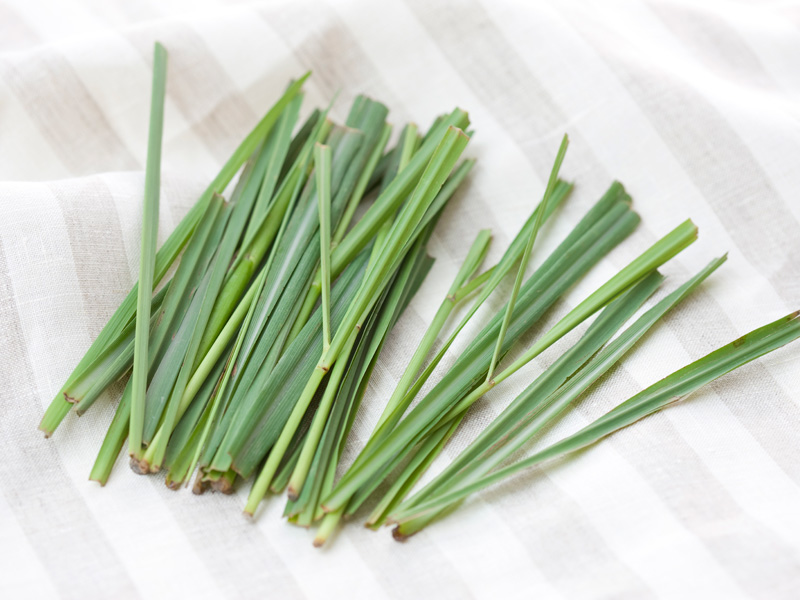
Since I have plenty of lemongrass growing in my garden like a weed, I quickly cut some, bundled it up, and hung it upside down on the terrace.  After about two weeks, I decided to use it. Lemongrass belongs to the Poaceae family, the same botanical family as rice, and it is  a plant that closely resembles Japanese pampas grass. Lemongrass is essential in Thai dishes like Tom Yum Kung. If you soak it in  alcohol for about two weeks, extracting its components is quite simple. This applies not only to lemongrass but also to many herbs and  medicinal plants—most essences can be extracted using ethanol (ethyl alcohol). Lemongrass, in particular, is known to repel mosquitoes,  and by dissolving my homemade alcohol essence in water and using a spray bottle, I can create a great insect repellent.

Alcohol completely dissolves in water, allowing for flexible concentration adjustments, and I hang it from various trees in my garden.  This way, no matter where I am in the garden, I have insect repellent nearby, which is very convenient. Recently, I haven’t been bothered  by pesky mosquitoes even in the evening. In beekeeping, the work can only be done after all the worker bees have returned to the hive, making this spray an essential item at that time,  and it has been very useful. While it’s true that you can buy anything with money, there’s a special joy and satisfaction that comes from  making something yourself, especially when it proves to be useful.

That’s why I enjoy repairing and creating things whenever  I have the time; if I can create or fix something that works well, I often feel more attached to it than to something I purchased.


🌿 بخاخ طارد الحشرات بالأعشاب الطبيعية

في المرة السابقة، تحدثنا عن كيفية استخدام مكونات الأعشاب مثل البيرثروم والزعتر في المبيدات الخاصة بـ Varroa destructor. يتم استخدام الكحول الإيثيلي لاستخراج هذه المكونات الفعالة، ويبدو أن الكحول غالبًا ما يُستخدم أيضًا في استخلاص مكونات النباتات للعطور. يُستخدم الكحول أيضًا لاستخراج البروبوليس. الطريقة بسيطة للغاية: بعد تجفيف الأعشاب أو النباتات الطبية المراد استخراجها، توضع في وعاء ويُملأ بالكحول ويُترك لبعض الوقت حتى يتم امتصاص جوهر المكونات.

تعلمت أن عشب الليمون (Lemongrass) يُستخدم كمكون في بخاخات طارد الحشرات، فقررت تجربة صنع بخاخي الخاص. نظرًا لوجود الكثير من عشب الليمون في حديقتي كنبات بري، قمت بقص كمية منه بسرعة، وربطها، وعلقتها رأسًا على عقب على التراس. بعد حوالي أسبوعين، قررت استخدامه. ينتمي عشب الليمون إلى عائلة الحشائش (Poaceae)، نفس العائلة النباتية للأرز، ويشبه إلى حد كبير عشب البامبا الياباني.

يُعد عشب الليمون عنصرًا أساسيًا في الأطباق التايلاندية مثل Tom Yum Kung. إذا تم نقعه في الكحول لمدة أسبوعين تقريبًا، يصبح استخراج مكوناته سهلاً للغاية. ينطبق هذا ليس فقط على عشب الليمون، بل على العديد من الأعشاب والنباتات الطبية—حيث يمكن استخراج معظم الزيوت العطرية باستخدام الإيثانول (الكحول الإيثيلي). يُعرف عشب الليمون بقدرته على صد البعوض، ومن خلال إذابة مستخلص الكحول المنزلي في الماء واستخدام زجاجة رذاذ، يمكنني صنع بخاخ طارد حشرات فعال جدًا.

يمتزج الكحول تمامًا مع الماء، مما يسمح بتعديل التركيز بحرية. أعلقه على أشجار مختلفة في حديقتي، وبهذه الطريقة، أمتلك دائمًا طارد حشرات بالقرب مني في أي مكان في الحديقة، مما يجعل الأمر مريحًا للغاية. مؤخرًا، لم أعد أعاني من البعوض المزعج حتى في المساء.

في تربية النحل، لا يمكن القيام بالعمل إلا بعد عودة جميع العاملات إلى الخلية، لذا يُعد هذا البخاخ عنصرًا أساسيًا في ذلك الوقت، وقد كان مفيدًا جدًا. صحيح أنه يمكنك شراء أي شيء بالمال، لكن هناك فرحة ورضا خاص عندما تصنع شيئًا بنفسك ويكون مفيدًا بالفعل. لهذا السبب، أستمتع بالإصلاح والابتكار كلما أتيحت لي الفرصة؛ فعندما أتمكن من صنع أو إصلاح شيء يعمل جيدًا، غالبًا ما أشعر بارتباط أكبر به مقارنة بأي شيء اشتريته.
The Relationship Between Insects and Herbs

The Relationship Between Insects and Herbs

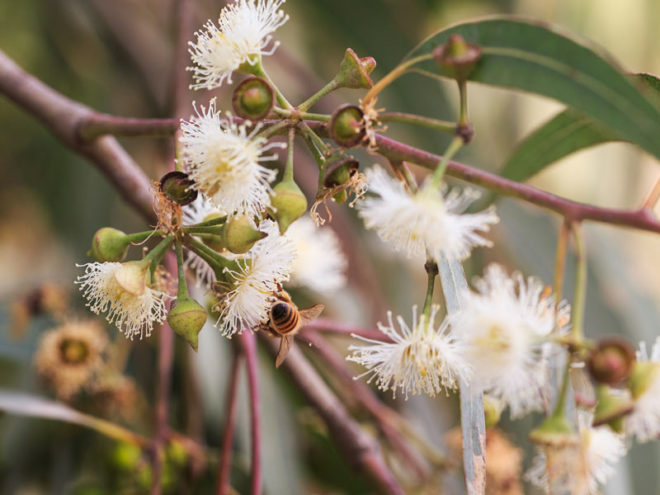
Previously, I discussed how honeybees and other pollinating insects naturally visit to medicinal plants and herbs. This preference  is likely because herbs and medicinal plants contain elements with antibacterial and repellent properties—their scents deter certain insects  and birds, and their bitterness helps protect the plants from being eaten. Honeybees appear to utilize these effects. Inside the hive, the bees  maintain an optimal living environment through their body heat. The hive, with its stores of honey, pollen, royal jelly, and beeswax, is a  treasure trove to other wildlife and insects. Particularly in the harsh winter season, the hive becomes a paradise, an ideal refuge for survival.

For honeybees, survival depends on protecting themselves against a wide range of external threats, from ants, mites, spiders, cockroaches,  and wildlife of various sizes, to microorganisms like mold. These threats are numerous, and honeybees must effectively counter each  of them, using the wisdom accumulated over tens of millions of years. Propolis is one of their defenses; by mixing resin from plants  with enzymes in their saliva, honeybees create a powerful antimicrobial barrier within the hive. They instinctively know, through genetic  memory, which tree resins are most effective in inhibiting microbial growth, helping them keep their hive environment safe and healthy.

I often spend extended time tending to my garden. As evening approaches, mosquitoes start biting, so I spray exposed skin with  insect repellent. Since I dislike chemical-based products, I use an organic repellent instead.The scent of the spray reminds me of a Thai  restaurant, and when I checked the ingredients, I saw that lemongrass was the main component. It’s very effective in keeping mosquitoes  away. Additionally, when storing honey-filled frames temporarily in a shed, I sprinkle cinnamon powder around them to deter ants and  rodents. Cinnamon, derived from the bark of the camphor tree. I also use herbal treatments, like  thyme or pyrethrum, to combat mites, a natural enemy of honeybees. I avoid petroleum-based products as they can harm the bees and  potentially impact the quality of the honey, which is simply unacceptable.


🌿 العلاقة بين الحشرات والأعشاب حين تلتقي الحكمة القديمة بعطر الطبيعة

في مقالاتٍ سابقة، تحدّثت عن كيف أنّ نحل العسل وسائر الحشرات الملقّحة تنجذب بطبيعتها إلى النباتات الطبية والأعشاب العطرية. ويبدو أنّ هذا الميل ليس صدفة، فالأعشاب والنباتات العلاجية تحتوي على عناصر ذات خصائص مضادّة للبكتيريا وطاردة للحشرات، وروائحها النفّاذة تبعد بعض الطيور والكائنات، بينما تعمل مرارتها كدرعٍ يحميها من أن تُؤكل.

يبدو أنّ النحل يدرك هذه القوة بالفطرة، ويستفيد من خصائصها في حياته اليومية داخل الخلية. ففي الداخل، يحافظ النحل على حرارةٍ مثالية للحياة، وتصبح الخلية — بما فيها من عسلٍ وغذاء ملكيٍّ وحبوب لقاحٍ وشمع — كنزًا طبيعيًا يجذب الكائنات الأخرى الباحثة عن الغذاء. وخلال قسوة الشتاء، تتحول هذه الخلية الصغيرة إلى جنةٍ دافئة، ملاذٍ آمنٍ يمنح الحياة معنى الاستمرار.

لكنّ بقاء النحل يعتمد على حمايته لنفسه من أعداءٍ كُثُر: من النمل والعُثّ والعناكب والصراصير والكائنات البرية، إلى الكائنات الدقيقة كالعفن والبكتيريا. وبحكمةٍ تراكمت عبر عشرات ملايين السنين، ابتكر النحل دفاعه الأهم: العكبر (البروبوليس)، وهو مزيج يصنعه من راتنجات الأشجار ممزوجة بإنزيماتٍ من لعابه، ليكوّن بذلك حاجزًا قويًّا مضادًا للبكتيريا داخل الخلية. ومن خلال ذاكرته الوراثية، يعرف النحل أيّ الأشجار تمنحه الراتنج الأكثر فعالية، ليحافظ على بيئته نقيةً وصحية.

أما أنا، فقضاء الوقت في حديقتي جزءٌ من حياتي اليومية. وحين يحلّ المساء وتبدأ البعوض في الظهور، أرَشّ القليل من طارد الحشرات على بشرتي المكشوفة. لكنني لا أطيق المستحضرات الكيماوية، لذا أختار دائمًا طاردًا عضويًا طبيعيًا، تفوح منه رائحة تُذكّرني بمطعمٍ تايلندي دافئ — وحين تأملت المكوّنات، وجدت أن العشبة الرئيسة هي عشبة الليمون (الليمون جراس)، المشهورة بقدرتها الفعالة على إبعاد البعوض.

وعندما أُخزّن الإطارات المملوءة بالعسل مؤقتًا في المستودع، أنثر حولها مسحوق القرفة لإبعاد النمل والقوارض. فالقرفة، المستخرجة من لحاء شجرة الكافور، تعمل كدرعٍ عطريٍّ طبيعي. كما أستخدم أعشابًا أخرى مثل الزعتر والبيثروم (أزهار الأقحوان) لمحاربة العُثّ، العدوّ الطبيعي لنحل العسل. أتجنّب تمامًا أي منتجٍ يحتوي على مشتقاتٍ بترولية، فذلك قد يؤذي النحل ويؤثر في نقاء العسل، وهو أمر لا يمكنني القبول به أبدًا، لأنّ النقاء في عالم النحل ليس خيارًا، بل عقيدة حياة.

Bees Love Herbs

The food here is generally British-inspired and not particularly flavorful. So, if you come here with high culinary expectations, you might be  disappointed. As I’ve mentioned before, when living abroad, it’s essential to create your own enjoyment—otherwise, life can end up feeling dull. I believe that enjoyment is something you generate yourself, not something given by others.  Each country has its own unique food culture, and finding enjoyment in meals we consume multiple times a day is particularly important.

In our household, we use spices to add an accent to dishes that might otherwise become repetitive. As I’ve mentioned before, I grow and  use various types of herbs, including chili peppers. Even with the same ingredients, different herbs can transform a dish, bringing a fresh  flavor to the table. I keep at least ten types of herbs planted year-round, so I always have them on hand. Around this time, many  herbs are blooming or producing seeds. Since most are annuals, I cut the stems from the base, bundle them upside down to dry thoroughly,  then harvest the seeds by tapping them with a mallet over newspaper to use for planting next year. I crush the dried leaves into powder and  store them in empty cans, making it easy to add a touch of spice to dishes whenever I need it.

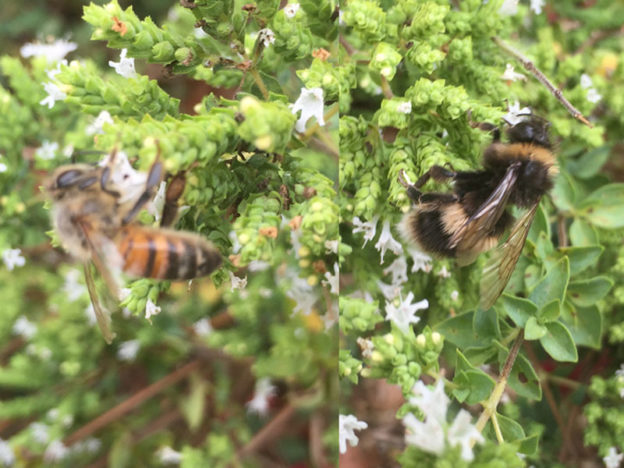
Bees, such as honeybees, bumblebees, and carpenter bees swarm around herb blossoms; they simply love these flowers. The image here shows  a honeybee and a carpenter bee. Carpenter bees are particularly plump and large, with long hair covering their entire bodies.  They fly around with a loud buzzing sound, and as children, we called them “kumambachi,” thinking, “Being stung by such a huge bee  would be dreadful.” However, contrary to this belief, carpenter bees are unthreatening. They’re surprisingly gentle—they’ll land on your hand.

The bees in the image are gathered around oregano flowers, a herb often used in pizza. Bees, especially flower bees, seem to have a particular preference for herb blossoms, likely finding value in  bringing the nectar and propolis from these herbs back to their hives. African bees in Brazil also show a preference for herbs and medicinal  plants, especially subspecies of rosemary, locally known as “alecrim.” Propolis derived from this herb is highly potent, containing  a beneficial component called Artepillin C. It’s as if they are genetically programmed to know the value of herbs. This is similar to how bees naturally visit to the medicinal Manuka tree for producing Manuka honey.


النحل يعشق الأعشاب

يُعتبر الطعام هنا مستوحًى إلى حدٍ كبير من المطبخ البريطاني، ولا يتميّز بنكهات قوية أو تنوعٍ واسع. لذلك، من يأتي إلى هذا المكان بتوقعاتٍ عالية تجاه المذاق، قد يُصاب بخيبة أمل طفيفة. وكما ذكرتُ سابقًا، فإن العيش في بلدٍ أجنبي يتطلّب أن نصنع متعتنا بأنفسنا، لأنّ الحياة من دون ذلك قد تبدو باهتة ومملة. أنا أؤمن أن السعادة لا تُمنَح من الآخرين، بل تنبع من داخلنا نحن. ولكل دولة ثقافتها الغذائية الخاصة، ومن المهم أن نجد في وجباتنا اليومية مصدرًا للبهجة والانسجام.

في منزلنا، نستخدم التوابل لإضفاء لمسة مميزة على الأطباق كي لا تصبح رتيبة. كما ذكرتُ من قبل، أزرع وأستخدم أنواعًا مختلفة من الأعشاب، بما في ذلك الفلفل الحار. فحتى عندما تكون المكونات نفسها، يمكن للأعشاب المختلفة أن تغيّر الطعم كليًا وتمنح الطبق نكهة جديدة منعشة. أزرع على الأقل عشرة أنواع من الأعشاب طوال العام، لذلك فهي متوفّرة دائمًا في متناول يدي. وفي هذا الوقت من السنة، تبدأ معظم الأعشاب بالتزهير أو إنتاج البذور.

وبما أن أغلبها نباتات سنوية، أقوم بقطع السيقان من القاعدة، وأربطها لتجفّ رأسًا على عقب، ثم أستخلص البذور منها عبر طرقها بلطف فوق صحيفة لأستخدمها في الزراعة للموسم القادم. أما الأوراق المجففة فأطحنها وأحتفظ بها في علب معدنية فارغة، لتكون جاهزة لإضافة نكهةٍ مميزة إلى أي طبق في أي وقت.

تجذب أزهار الأعشاب النحل بمختلف أنواعه — من نحل العسل إلى النحل الطنان وحتى نحل الخشب — فهي ببساطة تعشق هذه الزهور. في الصورة يظهر نحل العسل ونحل الخشب؛ الأخير يتميز بجسمه الممتلئ وكثافة الشعر الذي يغطيه بالكامل، ويصدر أثناء طيرانه طنينًا مرتفعًا يملأ المكان. كنا في طفولتنا نُسميه كومامباتشي، ونظن أن لسعته ستكون مؤلمة للغاية إن حدثت. لكن في الحقيقة، نحل الخشب مسالم جدًا، ولا يُظهر أي عدوانية، بل قد يحطّ بهدوء على يدك دون خوف.

النحل في الصورة يتجمّع حول أزهار الأوريجانو، وهي عشبة تُستخدم كثيرًا في إعداد البيتزا. ويبدو أن النحل، خصوصًا نحل الأزهار، يُفضّل أزهار الأعشاب بشكل خاص، فهو يدرك — بفطرته — القيمة التي يحملها الرحيق والعكبر المستخلص من هذه النباتات. حتى النحل الإفريقي في البرازيل يُظهر ميلاً مشابهًا نحو الأعشاب والنباتات الطبية، وخاصة فصائل إكليل الجبل المعروفة محليًا باسم أليكرِيم. ويُعتبر العكبر المستخرج من هذه العشبة غنيًا بمادة فعالة تُدعى أرتيبيلين C، وهي من أقوى المكونات الطبيعية المعززة للصحة.

وكأن النحل مبرمج وراثيًا ليفهم قيمة الأعشاب. وهذا يشبه تمامًا انجذاب النحل الطبيعي نحو شجرة المانوكا الطبية لإنتاج عسل المانوكا الشهير الذي يجسد توازن الطبيعة في أنقى صوره.
Information We Share with Our Customers

Information We Share with Our Customers

Our customers have an exceptionally high repeat purchase rate, which is truly the greatest joy for us. We are deeply grateful  for your continued patronage and expectations for our products, and we feel a great sense of responsibility at the production site. Today,  I would like to share part of an email that we send to customers each time they make a purchase. “At this time of year, the bees are in good spirits due to their abundant honey stores, and they are delicate and adorable.  They are unlikely to sting anyone.”

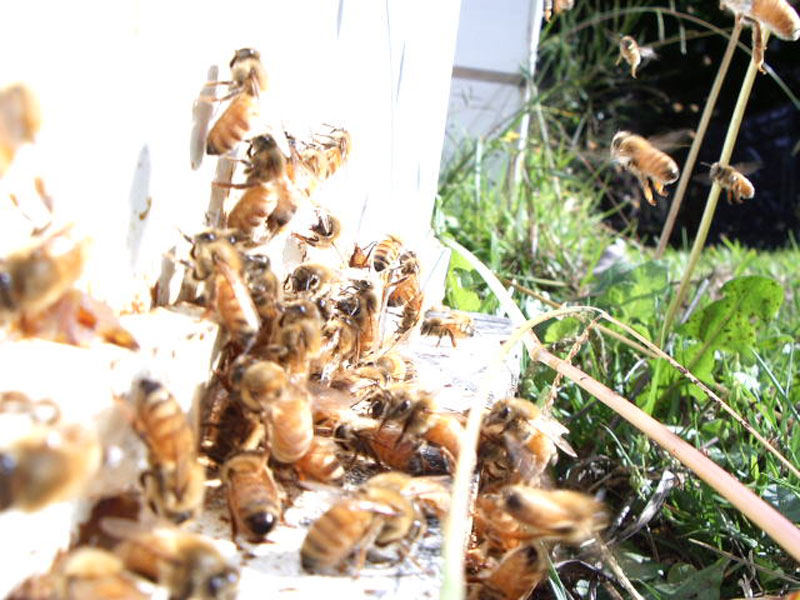
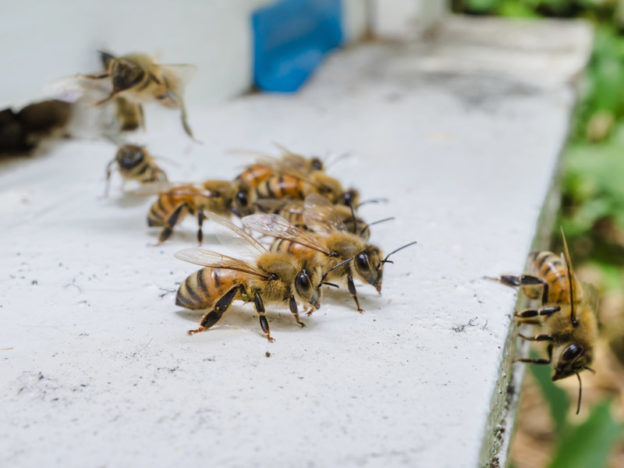
In the photos you see, the area where the bees are concentrated is called the “entrance.” At this time of year, there are frequent mass  attacks by carnivorous hornets, which often results in the worker bees being killed and their larvae stolen. To protect them, we only open  the entrance to the size of a matchbox. The first level of the hive is the queen’s domain, primarily for laying eggs and rearing the brood.  The second level is called the “queen excluder,” where a grid prevents the larger queen from passing through, making it a designated  storage area for the worker bees’ honey. During the peak of the nectar flow, third and fourth levels are added. Our practice is stationary beekeeping, but in Japan’s migratory beekeeping, where beekeepers follow blooming flowers, you won’t see  such multi-level hives due to the scarcity of nectar sources.

By the way, the reason we tilt the hive forward is to prevent rainwater from entering. The surface of the hive becomes yellowish in places,  mainly due to the propolis resin that the bees collect from coniferous forests. They use this resin to coat the inside of the hive for  sterilization purposes. Compared to Brazilian propolis, New Zealand propolis has a less appealing color and scent due to the difference in  origin plants and bee species, making it less pleasant to consume. As for the Strong Manuka Honey, although it’s something we face every year, we are always concerned about the level of antibacterial  activity. Even with products from the exact same region, the activity level can vary greatly from year to year—sometimes it’s very high, and  other times it doesn’t show at all. It’s truly a mystery.

The mechanism behind the production of active substances is still not well understood, and since there is no solution for this, we have  no choice but to accept these outcomes as natural products of the great outdoors. To use a somewhat grand expression, it truly feels  like we are doing our best and then leaving the rest to fate. In the end, the final determinants of quality and quantity are  nothing other than the weather and the health of the bees. I pray that we will be able to harvest good bee products again next season.  We are committed to providing as many customers as possible with products that satisfy them, all while being mindful of the environment here in New Zealand. The above is just a small portion, but we tailor the information and content we share with each customer based on their purchase frequency  and timing. Providing accurate information related to our products is a fundamental part of our company’s policy.


📧 المعلومات التي نشاركها مع عملائنا

يتمتع عملاؤنا بمعدل شراء متكرر استثنائي للغاية، وهذا حقًا يمثل أعظم سعادة لنا. نحن ممتنون بعمق لدعمكم المستمر وتوقعاتكم العالية تجاه منتجاتنا، ونشعر بمسؤولية كبيرة في موقع الإنتاج. اليوم، أود أن أشارك جزءًا من البريد الإلكتروني الذي نرسله للعملاء في كل مرة يقومون فيها بالشراء: “في هذا الوقت من السنة، تكون النحل في حالة معنوية عالية نظرًا لوفرة مخزون العسل لديهم، وهم رقيقون ولطيفون للغاية. من غير المرجح أن يلسعوا أي شخص.”

في الصور التي ترونها، تُعرف المنطقة التي يتركز فيها النحل باسم “المدخل”. في هذا الوقت من السنة، تحدث غالبًا هجمات جماعية من الدبابير المفترسة، والتي تؤدي غالبًا إلى قتل العاملات وسرقة يرقات النحل. لحمايتهم، نقوم بفتح المدخل فقط بحجم علبة الكبريت.

المستوى الأول من الخلية هو مملكة الملكة، ويُخصص أساسًا لوضع البيض وتربية اليرقات. المستوى الثاني يسمى فاصل الملكة، حيث يمنع الشبك مرور الملكة الكبيرة، مما يجعلها منطقة مخصصة لتخزين عسل العاملات. أثناء ذروة تدفق الرحيق، يتم إضافة المستويين الثالث والرابع. ممارستنا هي تربية النحل الثابتة، أما في اليابان، في تربية النحل المتنقلة حيث يتبع النحالون الأزهار المتفتحة، فلن ترى خلايا متعددة المستويات بسبب ندرة مصادر الرحيق.

وبالمناسبة، السبب في إمالة الخلية للأمام هو لمنع دخول مياه الأمطار. يصبح سطح الخلية أصفر اللون في بعض الأماكن، ويرجع ذلك بشكل رئيسي إلى راتنج البروبوليس الذي يجمعه النحل من الغابات الصنوبرية. يستخدم النحل هذا الراتنج لتغطية داخل الخلية لأغراض التعقيم.

مقارنة بالبروبوليس البرازيلي، يتميز بروبوليس نيوزيلندا بلون ورائحة أقل جاذبية بسبب اختلاف النباتات الأصلية وأنواع النحل، مما يجعله أقل متعة عند الاستهلاك. أما بالنسبة لـ Strong Manuka Honey، فرغم أنه أمر نواجهه كل عام، إلا أننا دائمًا نشعر بالقلق بشأن مستوى النشاط المضاد للبكتيريا. حتى بالنسبة للمنتجات من نفس المنطقة بالضبط، يمكن أن يختلف مستوى النشاط بشكل كبير من سنة إلى أخرى—في بعض الأحيان يكون عاليًا جدًا، وفي أحيان أخرى قد لا يظهر على الإطلاق. إنه لغز حقيقي.

الآلية وراء إنتاج المواد الفعالة لا تزال غير مفهومة جيدًا، وبما أنه لا يوجد حل لذلك، لا مفر لنا سوى قبول هذه النتائج كمنتجات طبيعية من أحضان الطبيعة. للتعبير بطريقة فخمة، يبدو حقًا وكأننا نبذل قصارى جهدنا ثم نترك الباقي للقدر. في النهاية، العوامل النهائية لتحديد الجودة والكمية ليست سوى الطقس وصحة النحل. أدعو الله أن نتمكن من حصاد منتجات نحل جيدة مرة أخرى في الموسم القادم. نحن ملتزمون بتوفير منتجات ترضي أكبر عدد ممكن من عملائنا، مع مراعاة البيئة هنا في نيوزيلندا. ما سبق هو مجرد جزء صغير، ولكننا نخصص المعلومات والمحتوى الذي نشاركه مع كل عميل وفقًا لتكرار الشراء وتوقيته. إن توفير معلومات دقيقة تتعلق بمنتجاتنا يعد جزءًا أساسيًا من سياسة شركتنا.

Amazon Chili

This story takes place about 30 years ago when my nephew decided to visit Brazil during his summer vacation to experience playing soccer  He joined the youth divisions of two well-known club teams in Rio de Janeiro. He split his time between the two teams, training with  one in the morning and the other in the afternoon. Back in Japan, he had been playing as a goalkeeper since elementary school, so he focused on the same position and practiced hard for nearly a month. Both clubs were highly competitive, and it was kept a secret that he was practicing with two different teams to avoid any issues. The coach was quite strict, and they trained intensively every day. My nephew worked hard and improved a lot, so before returning to Japan,  I decided to visit former classmates who had settled in the Amazon.

From the airport in Rio, Manaus, the capital of Amazonas state, is located 2,800 km away, which is roughly the distance  between Japan and the Philippines. We flew to an airport about 1,200 km upstream from the mouth of the Amazon River in Manaus. From there, we flew another 800 km to the town of Santarém, and then took a riverboat for 130 km downstream to our destination,  Monte Alegre, where several of our former classmates lived. We spent about a week there, staying with my old friends. While I had visited the Amazon region numerous times both during my student days and after moving to Brazil, it was a new experience for my  nephew and son. This trip gave them a real sense of Brazil’s vastness and the immensity of the Amazon River, which felt more like an ocean. Though  it was a short journey, it seemed to be an enjoyable and memorable one for them.

We enjoyed various dishes in the Amazon, most of which were topped with mustard oil. Its intense spiciness and fruity, distinctive aroma  left a lasting impression on me. The chili peppers used were referred to as “Amazon peppers.” Though I eventually forgot about them, my  son later brought home some chili peppers he had “borrowed” from someone’s garden. He said, “These smell just like the ‘Amazon peppers.’” Let’s see… , I took a sniff, and immediately, the distinctive heat and humidity of the  tropical rainforest came flooding back. It was exactly like the “Amazon peppers” I had experienced there. However, the peppers from the  Amazon were much smaller—only about a third of the size.

Later, when Windows 95 was released and the internet rapidly became widespread, I searched for this chili pepper and learned the following,  as now documented on Wikipedia:

The heat level of habanero peppers is approximately 300,000 Scoville Heat Units (SHU), with a Guinness World Record entry submitted by GNS  Spices Inc. in 1994 at 577,000 SHU. Its origin is believed to be from Central to South America, with the highest likelihood being the Amazon Basin  or its nearby coastal regions. From there, it is thought to have spread to the Yucatán Peninsula.

What we tasted in the Amazon turned out to be what is now called “habanero,” later recognized in the Guinness Book of World Records as the  world’s hottest chili pepper. It was likely a wild or ancestral variety of this renowned pepper.

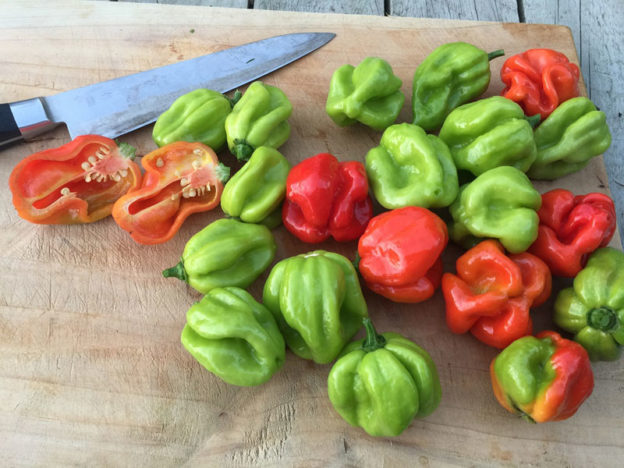
At our home, meals are still prepared in a Brazilian style with influences from African and Mediterranean cuisine. This “Amazon pepper” is  incredibly spicy, but its citrusy, fruity aroma enhances dishes and serves as an essential accent. We grow it every year, and as you can see from the photo, this year’s harvest produced many large peppers. I plan to process and share them with  my son and his wife, as well as other family members. Though it’s really spicy, it’s fascinating placing Manuka honey on the tongue afterward magically neutralizes the heat.


فلفل الأمازون الحار

تعود هذه القصة إلى ما يقارب ثلاثين عامًا مضت، حين قرّر ابن أختي قضاء عطلته الصيفية في البرازيل لتجربة لعب كرة القدم هناك. انضمّ إلى الفِرق الشابة في ناديين مشهورين بمدينة ريو دي جانيرو، يتدرّب مع أحدهما في الصباح، ومع الآخر في المساء — في سرية تامة، حتى لا يُثار أي خلاف بين الناديين. كان مدرّبوه صارمين للغاية، لكنّ حماسه الصادق مكّنه من التطوّر السريع، حتى أصبح حارس مرمى واعدًا كما كان في اليابان منذ طفولته.

وقبل عودته إلى اليابان، قرّرتُ أن أستغل الفرصة لزيارة بعض أصدقائي القدامى الذين استقرّوا في منطقة الأمازون. تبعد مدينة ماناوس، عاصمة ولاية الأمازون، نحو ٢٨٠٠ كيلومتر عن ريو دي جانيرو، أي ما يعادل تقريبًا المسافة بين اليابان والفلبين. ومن هناك، واصلنا الرحلة إلى بلدة سانتاريم، ثم استقللنا قاربًا نهريًا لمسافة ١٣٠ كيلومترًا على طول نهر الأمازون، إلى وجهتنا النهائية مونتي أليغري، حيث يعيش عدد من زملائي القدامى.

أقمنا هناك نحو أسبوع، نستمتع بضيافتهم ودفء صداقتهم القديمة. كانت هذه الزيارة بالنسبة لابني وابن أختي تجربة فريدة، أعطتهما إحساسًا عميقًا باتساع البرازيل وجلال نهر الأمازون، الذي يشبه البحر في ضخامته وسكونه. ورغم قِصر الرحلة، إلا أنها تركت في نفوسهم أثرًا لا يُنسى.

في الأمازون، تذوّقنا أطباقًا عديدة، جميعها كانت تُقدَّم مع زيت الخردل الحار، ذلك الزيت الذي يمتاز بحرارته القوية ورائحته الفاكهية المميزة. أما الفلفل المستخدم، فكان يُعرف محليًا باسم “فلفل الأمازون”. بقي طعمه في ذاكرتي لسنوات، حتى جاء يوم عاد فيه ابني إلى المنزل حاملًا بعض ثمار الفلفل قال إنه “استعارها” من حديقة أحدهم. قال لي مبتسمًا: “رائحتها تمامًا كرائحة فلفل الأمازون!” وحين شممتها، غمرني فجأة دفء الغابات الاستوائية ورطوبتها العطرة — كانت نفس الرائحة، ونفس الحرارة المتوهجة، لكن حجم الفلفل كان أصغر بنحو الثلث.

ومع ظهور نظام ويندوز 95 وانتشار الإنترنت لاحقًا، بحثت عن هذا الفلفل على الشبكة، فاكتشفت أنه هو ما يُعرف اليوم باسم “الهَبَنيرو”، الذي دخل موسوعة غينيس للأرقام القياسية كأحد أشد أنواع الفلفل حرارة في العالم، بقوة تصل إلى ٥٧٧,٠٠٠ وحدة سكوفيل. ويُعتقد أن موطنه الأصلي يمتد من أمريكا الوسطى إلى أمريكا الجنوبية، وخاصة حوض الأمازون ومناطقه الساحلية القريبة، ومن هناك انتقل إلى شبه جزيرة يوكاتان.

ما تذوّقناه في تلك الرحلة كان على الأرجح سلالة برّية قديمة من فلفل الهَبَنيرو، تحمل في نكهتها الأولى جوهر الطبيعة الأمازونية الخام. واليوم، ما زالت مائدتنا في المنزل متأثرة بالمطبخ البرازيلي الذي يمزج بين النكهات الإفريقية والمتوسطية. يُعدّ هذا الفلفل الحار جدًا — رغم لذعته القوية — مكوّنًا أساسيًا يمنح الأطباق عبيرًا فاكهيًا لاذعًا ولمسةً من الحيوية. نزرعه كل عام، وقد كانت حصادته هذا الموسم وافرة بشكل لافت. أخطط لتجفيفه ومعالجته وتقاسمه مع ابني وزوجته وبقية العائلة.

ورغم حرارته التي تكاد تلسع اللسان، فإن لمسة من عسل المانوكا النقي كفيلة بأن تُبدّد ذلك اللهيب بلُطفٍ سحري، كما لو أن الطبيعة نفسها تُعيد التوازن بين النار والعسل، بين حرارة الحياة وصفاء الشفاء.