
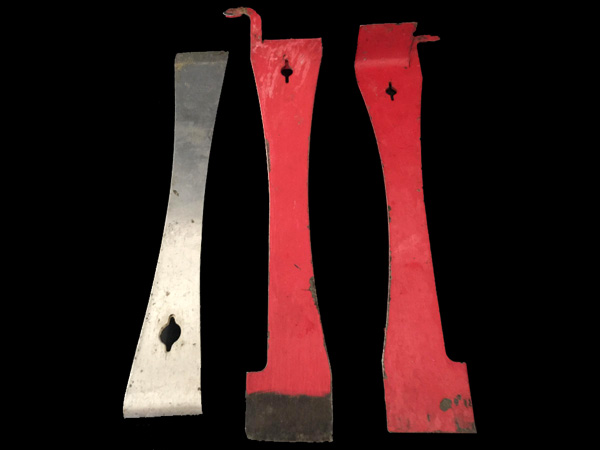
Inspecting the inside of a hive requires removing each frame one by one while carefully observing and checking various aspects. Each box contains 10 frames, which are extracted using a tool essential for beekeeping known as a hive tool. During the active season, however, the frames often become stuck due to the adhesion of propolis wax, making it impossible to remove them without the tool.
When a hive has a significant amount of propolis attached, this sticky substance can greatly reduce the efficiency of a beekeeper’s work. In the past, before propolis was widely recognized for its health benefits, this troublesome material was often discarded. Nowadays, propolis sells for a premium,
beekeepers take care to store it. Once enough has been accumulated, they either sell it or produce extract solutions for sale.
Propolis raw material can be easily extracted using ethyl alcohol, and the extract is diluted with water for consumption. Depending on the plant origin, the color, taste, and aroma can vary significantly. That said, propolis collected by European honeybees (the common type of honeybee) is generally consistent in its characteristics. However, propolis collected by Africanized bees in Brazil is remarkably distinctive. In terms of color, there are seven color variations. In the past, I purchased raw propolis from beekeepers across Brazil and was astonished by how vastly different it could be depending on the region. I plan to provide a more detailed explanation of these differences in future discussions.
إن فحص داخل خلية النحل يتطلّب إزالة كل إطارٍ من بين الإطارات العشرة داخل الصندوق بعناية، ومراقبة العديد من الجوانب أثناء ذلك. ويُستخدم لهذا الغرض أداة أساسية في تربية النحل تُعرف باسم أداة الخلية. وخلال مواسم النشاط، تلتصق الإطارات ببعضها بسبب تراكم شمع البروبوليس، مما يجعل من المستحيل تقريبًا سحبها دون استخدام هذه الأداة.
وعندما تحتوي الخلية على كميات كبيرة من البروبوليس، تصبح هذه المادة اللزجة سببًا في إبطاء عمل النحال وتقليل كفاءته بشكل ملحوظ. وفي الماضي، قبل أن يُعرف البروبوليس بقيمته الصحية العالية، كان كثيرون يعتبرونه مادة مزعجة يتم التخلص منها. أما اليوم، وبعد أن أصبح البروبوليس يُباع بأسعار مرتفعة، أصبح النحالون يحتفظون به بعناية، وما إن تتراكم كمية كافية منه حتى يقوموا ببيعه أو تحويله إلى مستخلصات تُعرض في الأسواق.
ويمكن استخراج مادة البروبوليس الخام بسهولة باستخدام الإيثانول، ثم يُخفف المستخلص بالماء للاستهلاك. وتختلف ألوانه ونكهاته وروائحه بشكل كبير بحسب مصادر النباتات التي تجمع منها النحلات هذه المادة. ومع ذلك، فإن بروبوليس نحل العسل الأوروبي—وهو النوع الأكثر انتشارًا—يتميّز عادةً بخصائص متقاربة.
أما البروبوليس الذي تجمعه النحلات الإفريقية المهجّنة في البرازيل، فهو فريد من نوعه بكل معنى الكلمة. إذ توجد منه سبعة ألوان مختلفة، ولكل لون خصائص مذهلة. وقد سبق لي أن اشتريت بروبوليسًا خامًا من نحّالين في مختلف مناطق البرازيل، وكنت مدهوشًا من الاختلافات الشاسعة بين منطقة وأخرى.
سأتناول هذه الفروقات المذهلة بمزيد من التفصيل في مقالات قادمة.