
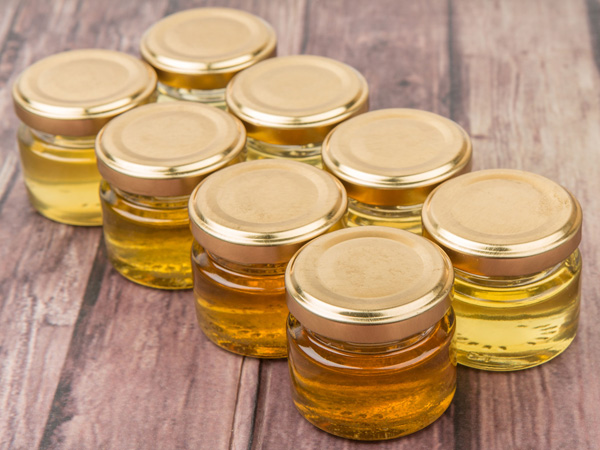
Generally, inexpensive honey sold in stores can hardly be called honey at all. These mass-produced products undergo various processes, from dehydration, decolorization, and deodorization to impurity removal and coloring, resulting in uniform. First, let’s talk about dehydration. If honey with high moisture content is left as it is, the sugar will serve as food for fungi, leading to fermentation and loss of sweetness. However, bees are well aware of this, so they diligently create airflow with their wings to evaporate the moisture using their body heat. During the season, the sound of this wing flapping can be heard from hives everywhere.
The purpose of this dehydration process is to prepare honey as a food source for winter. If fermentation occurs, the energy-rich sugars would decrease, which would be problematic for the bees. Thus, when the sugar content rises to about 80% and the honey is capped, it becomes a complete honey that is inhospitable to any microorganisms. In commercial beekeeping, however, this natural dehydration process takes time and is not cost-effective. As a result, even honey that is still somewhat watery is harvested and heated to reduce moisture. Deodorization is necessary for uniformity in the food industry, and the same goes for decolorization. Sometimes, the aroma is added later using essences.
Furthermore, impurity removal especially of pollen is necessary because pollen can act as a seed crystal, leading to various crystal formations that affect the product’s appearance, taste, and consistency. Honey varies in color due to its origin, natural environment, and plant source. When different types of honey are mixed and don’t look particularly appealing in color, artificial coloring can be used as a solution.
عادةً، العسل الرخيص المتوافر في الأسواق لا يُمكن اعتباره عسلًا حقيقيًا. هذه المنتجات الصناعية تمر بعدة عمليات مثل التجفيف، وإزالة اللون والرائحة، وتنقية الشوائب، وإضافة ألوان صناعية، لتحقيق مظهر متجانس. دعونا نبدأ بعملية التجفيف. العسل الذي يحتوي على نسبة عالية من الرطوبة يمكن أن يتخمّر لأن السكر يصبح غذاءً للفطريات، مما يقلل من حلاوته. ولكن النحل، بحكم طبيعته، يخلق تيارات هواء بأجنحته لتبخير الرطوبة باستخدام حرارة جسده. خلال موسم الإنتاج، يمكن سماع خفق الأجنحة من كل الخلايا.
التجفيف الطبيعي ضروري لتحضير العسل كمصدر غذائي للنحل في الشتاء. إذا حدث التخمّر، تنخفض نسبة السكر، مما يقلل الطاقة المتاحة للنحل. عندما تصل نسبة السكر إلى حوالي ٨٠٪ ويُغطّى العسل بالشمع، يصبح منتجًا مستقرًا ومقاومًا لأي كائنات دقيقة.
في الإنتاج التجاري، هذه العملية الطبيعية تستغرق وقتًا طويلًا وليست مجدية اقتصاديًا، لذلك غالبًا ما يُحصَد العسل وهو لا يزال سائلاً جزئيًا ويتم تسخينه لتقليل الرطوبة. كما تُجرى عمليات إزالة الرائحة واللون لضمان التجانس في صناعة الأغذية، وأحيانًا تُضاف الروائح الصناعية لاحقًا. إزالة الشوائب، وخصوصًا حبوب اللقاح، مهمة أيضًا، لأن حبوب اللقاح قد تعمل كنواة بلورية تسبب تكوّن بلورات غير منتظمة تؤثر على المظهر والطعم والقوام.
أخيرًا، يختلف لون العسل الطبيعي حسب مصدره وبيئته والنباتات التي جمع منها الرحيق. عند خلط أنواع مختلفة من العسل، إذا كان اللون غير جذاب بصريًا، قد تُضاف ألوان صناعية لتحقيق مظهر متجانس.