
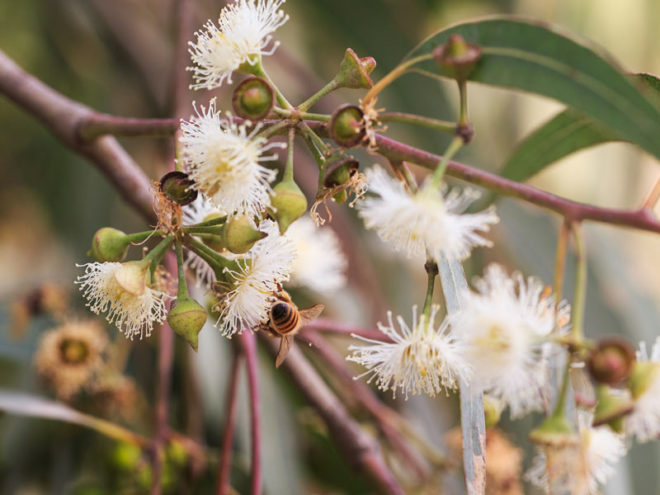
Previously, I discussed how honeybees and other pollinating insects naturally visit to medicinal plants and herbs. This preference is likely because herbs and medicinal plants contain elements with antibacterial and repellent properties—their scents deter certain insects and birds, and their bitterness helps protect the plants from being eaten. Honeybees appear to utilize these effects. Inside the hive, the bees maintain an optimal living environment through their body heat. The hive, with its stores of honey, pollen, royal jelly, and beeswax, is a treasure trove to other wildlife and insects. Particularly in the harsh winter season, the hive becomes a paradise, an ideal refuge for survival.
For honeybees, survival depends on protecting themselves against a wide range of external threats, from ants, mites, spiders, cockroaches, and wildlife of various sizes, to microorganisms like mold. These threats are numerous, and honeybees must effectively counter each of them, using the wisdom accumulated over tens of millions of years. Propolis is one of their defenses; by mixing resin from plants with enzymes in their saliva, honeybees create a powerful antimicrobial barrier within the hive. They instinctively know, through genetic memory, which tree resins are most effective in inhibiting microbial growth, helping them keep their hive environment safe and healthy.
I often spend extended time tending to my garden. As evening approaches, mosquitoes start biting, so I spray exposed skin with insect repellent. Since I dislike chemical-based products, I use an organic repellent instead.The scent of the spray reminds me of a Thai restaurant, and when I checked the ingredients, I saw that lemongrass was the main component. It’s very effective in keeping mosquitoes away. Additionally, when storing honey-filled frames temporarily in a shed, I sprinkle cinnamon powder around them to deter ants and rodents. Cinnamon, derived from the bark of the camphor tree. I also use herbal treatments, like thyme or pyrethrum, to combat mites, a natural enemy of honeybees. I avoid petroleum-based products as they can harm the bees and potentially impact the quality of the honey, which is simply unacceptable.
في مقالاتٍ سابقة، تحدّثت عن كيف أنّ نحل العسل وسائر الحشرات الملقّحة تنجذب بطبيعتها إلى النباتات الطبية والأعشاب العطرية. ويبدو أنّ هذا الميل ليس صدفة، فالأعشاب والنباتات العلاجية تحتوي على عناصر ذات خصائص مضادّة للبكتيريا وطاردة للحشرات، وروائحها النفّاذة تبعد بعض الطيور والكائنات، بينما تعمل مرارتها كدرعٍ يحميها من أن تُؤكل.
يبدو أنّ النحل يدرك هذه القوة بالفطرة، ويستفيد من خصائصها في حياته اليومية داخل الخلية. ففي الداخل، يحافظ النحل على حرارةٍ مثالية للحياة، وتصبح الخلية — بما فيها من عسلٍ وغذاء ملكيٍّ وحبوب لقاحٍ وشمع — كنزًا طبيعيًا يجذب الكائنات الأخرى الباحثة عن الغذاء. وخلال قسوة الشتاء، تتحول هذه الخلية الصغيرة إلى جنةٍ دافئة، ملاذٍ آمنٍ يمنح الحياة معنى الاستمرار.
لكنّ بقاء النحل يعتمد على حمايته لنفسه من أعداءٍ كُثُر: من النمل والعُثّ والعناكب والصراصير والكائنات البرية، إلى الكائنات الدقيقة كالعفن والبكتيريا. وبحكمةٍ تراكمت عبر عشرات ملايين السنين، ابتكر النحل دفاعه الأهم: العكبر (البروبوليس)، وهو مزيج يصنعه من راتنجات الأشجار ممزوجة بإنزيماتٍ من لعابه، ليكوّن بذلك حاجزًا قويًّا مضادًا للبكتيريا داخل الخلية. ومن خلال ذاكرته الوراثية، يعرف النحل أيّ الأشجار تمنحه الراتنج الأكثر فعالية، ليحافظ على بيئته نقيةً وصحية.
أما أنا، فقضاء الوقت في حديقتي جزءٌ من حياتي اليومية. وحين يحلّ المساء وتبدأ البعوض في الظهور، أرَشّ القليل من طارد الحشرات على بشرتي المكشوفة. لكنني لا أطيق المستحضرات الكيماوية، لذا أختار دائمًا طاردًا عضويًا طبيعيًا، تفوح منه رائحة تُذكّرني بمطعمٍ تايلندي دافئ — وحين تأملت المكوّنات، وجدت أن العشبة الرئيسة هي عشبة الليمون (الليمون جراس)، المشهورة بقدرتها الفعالة على إبعاد البعوض.
وعندما أُخزّن الإطارات المملوءة بالعسل مؤقتًا في المستودع، أنثر حولها مسحوق القرفة لإبعاد النمل والقوارض. فالقرفة، المستخرجة من لحاء شجرة الكافور، تعمل كدرعٍ عطريٍّ طبيعي. كما أستخدم أعشابًا أخرى مثل الزعتر والبيثروم (أزهار الأقحوان) لمحاربة العُثّ، العدوّ الطبيعي لنحل العسل. أتجنّب تمامًا أي منتجٍ يحتوي على مشتقاتٍ بترولية، فذلك قد يؤذي النحل ويؤثر في نقاء العسل، وهو أمر لا يمكنني القبول به أبدًا، لأنّ النقاء في عالم النحل ليس خيارًا، بل عقيدة حياة.