
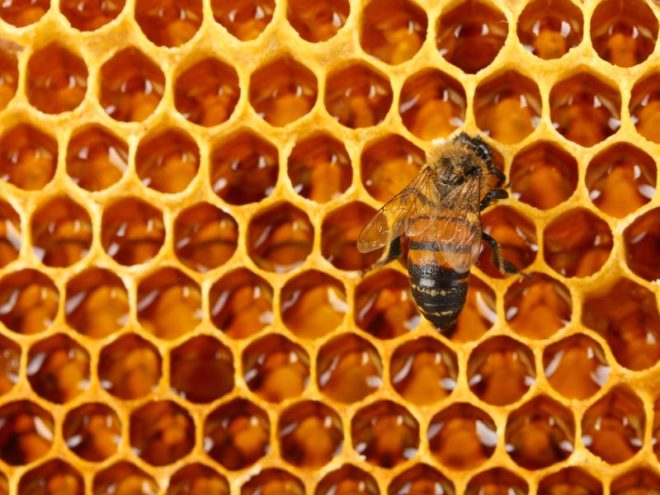
It seems the summer dearth is approaching, with increasingly frequent sunny and dry days. If this continues, the dryness will intensify, causing cracks in the ground. Flowers within the apiary are rapidly diminishing, making it difficult for the bees to collect nectar and pollen for food. Within a specific period of this dry season, frames with fully matured honey-filled cells are removed from the hives to harvest the Manuka honey. However, since removing these frames leaves the hive without food, we replace them with frames containing polyfloral honey, harvested outside the Manuka season, labeled and stored by hive. True to their nature, bees will collect and store nectar as long as there are flowers available, though they only need about four frames’ worth of food to get through the winter.
In this respect, beekeeping in the warm, snow-free climate of northern North Island is truly beneficial. This allows bees to have their own stored honey in the hive even when nectar is scarce in the environment, enabling them to live peacefully without stress. Many beekeepers extract and sell all the honey, then supplement the bees’ diet with sugar syrup, but I choose not to do this. Feeding sugar syrup puts unnecessary strain on the bees, leading to quicker fatigue. From my experience, colonies that rely on their own stored honey in the winter are much stronger come spring compared to those fed with syrup. Another crucial point, as I’ve mentioned before, is to use only honey from the same hive for feeding, never from other colonies, as this is essential for preventing the spread of disease.
In Japan, it’s surprising to see that beekeeping supply stores commonly sell empty comb frames called karasuhai—(empty combs without stored honey, pollen, pupae, larvae, or eggs). This is likely because Japan allows the use of antibiotics and antibacterial agents to treat and prevent bee infections. In New Zealand, however, the Ministry for Primary Industries (formerly the Ministry of Agriculture) regulates against this kind of sale, as it could foster the spread of bee diseases. If any infectious disease is detected, both the hive and the bees must be incinerated, and there’s a legal requirement to report these details to the Ministry. After the honey flow season ends, beekeepers begin to harvest while also preparing for the next spring, ensuring the bees stay healthy and active through the winter. Supporting bee health year-round is a central role of the beekeeper.
يبدو أنّ موسم الجفاف الصيفي قد بدأ يقترب، فالأيام المشمسة والجافة تتزايد، وإذا استمر الحال على هذا النحو، ستزداد الأرض تشققًا وتقلّ الأزهار شيئًا فشيئًا داخل المِنحل، حتى يجد النحل صعوبة في جمع الرحيق وحبوب اللقاح اللازمة لغذائه.
في فترة محددة من هذا الموسم الجاف، يتم استخراج الإطارات الممتلئة بالعسل الناضج بالكامل لجني عسل المانوكا. لكن لأن إزالة هذه الإطارات تعني حرمان الخلية من طعامها، نضع بدلًا منها إطاراتٍ تحتوي على عسلٍ متعدد الأزهار، جُمع قبل موسم المانوكا وخُزِّن بعناية لكل خلية على حدة.
بطبيعتها، لا تتوقف النحل عن جمع الرحيق ما دامت الزهور متوفرة، لكنها تحتاج فقط إلى ما يعادل أربعة إطاراتٍ من العسل لتجاوز فصل الشتاء بسلام. وفي هذا السياق، تُعدّ تربية النحل في مناخ الجزء الشمالي الدافئ من الجزيرة الشمالية لنيوزيلندا نعمةً حقيقية، إذ يمنح النحل فرصة للاحتفاظ بعسله الخاص داخل الخلية حتى في أوقات شحّ الرحيق، ليعيش في طمأنينةٍ بعيدًا عن التوتر والإجهاد.
كثيرٌ من مربي النحل يستخرجون كل العسل لبيعه، ثم يطعمون النحل محلول السكر الصناعي، أما أنا فلا أفعل ذلك. فمثل هذا الغذاء يرهق النحل ويُضعف مناعته مع مرور الوقت. ومن خلال خبرتي، أدركت أن المستعمرات التي تتغذى على عسلها الطبيعي المخزَّن تخرج من الشتاء أكثر قوةً ونشاطًا من تلك التي اعتادت على الشراب السكري.
وهناك أمرٌ آخر لا يقلّ أهمية: حين نحتاج لإعادة تغذية الخلية، لا نستخدم إلا عسلها الخاص، وليس من خلايا أخرى، حتى لا تنتقل الأمراض بين المستعمرات.
في اليابان، يثير دهشتي أن متاجر مستلزمات تربية النحل تبيع ما يُعرف باسم كاراسوهاي — إطارات فارغة لا تحتوي على عسلٍ أو حبوب لقاح أو يرقاتٍ أو بيض. وربما يعود ذلك إلى سماح القوانين هناك باستخدام المضادات الحيوية لعلاج الأمراض التي تصيب النحل. أما في نيوزيلندا، فتفرض وزارة الصناعات الأولية (التي كانت تُعرف سابقًا بوزارة الزراعة) قيودًا صارمة تمنع بيع مثل هذه الإطارات، لأنها قد تساهم في انتشار العدوى بين خلايا النحل.
وإذا اكتُشفت أي إصابةٍ معدية، فإن القانون يلزم المربي بحرق الخلية والنحل معًا وإبلاغ الوزارة بالتفاصيل فورًا. وعقب انتهاء موسم الأزهار، يبدأ مربو النحل بجني العسل وفي الوقت نفسه بالتحضير للربيع القادم، حرصًا على أن تبقى خلاياهم قويةً وصحية طوال الشتاء.
إنّ دعم صحة النحل على مدار العام هو جوهر رسالة مربي النحل الحقيقي — رسالةٌ تقوم على الرحمة، والانضباط، والإخلاص للطبيعة.