
The winter in New Zealand is cold and rainy, which is truly depressing. There are many people who have moved here from the UK, and the overwhelming majority of them say that the climate here is great. I haven’t been to the UK yet, but from what my daughter and others have told me, it rains a lot, the sky is always gray, it’s cold, and the food is not good. They say they really wouldn’t want to live there. Yet, many British people enjoy the climate here, so it must be quite bad over there. If the food is good here, there’s nothing more to ask for. However, this is exactly the same in Australia and Canada — we shouldn’t expect much from food in British cultural circles.
I think I’ve written about this before on this blog, but I believe that white people are less sensitive to taste compared to people of color. The 25 years I spent living in Brazil were in a melting pot of races, with people from all over the world mixed together. Among them, the influence of African culture is apparent in the cuisine, which has a distinct flavor, especially the use of various herbs for seasoning.
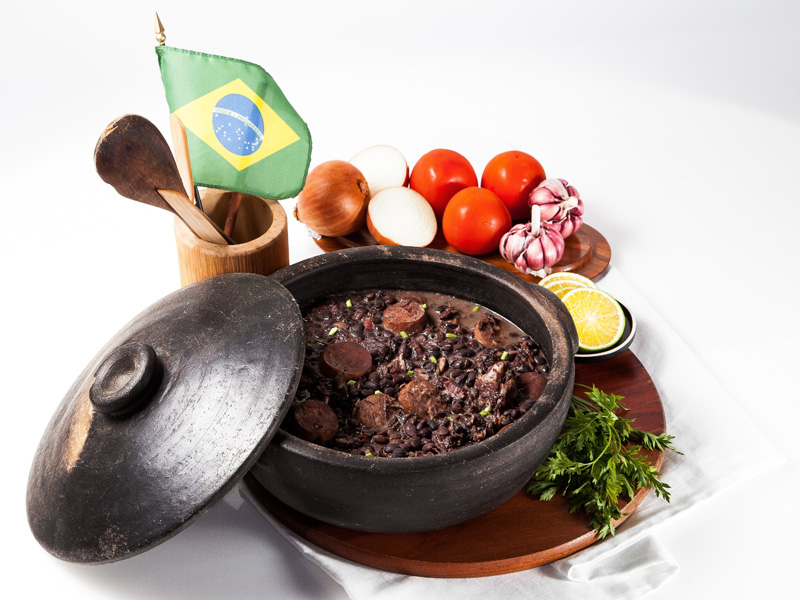
Originally, this began with the Portuguese bringing slaves from Africa, but the African cuisine that the slaves prepared was clearly much better than the Portuguese cuisine. In other words, the slaves were eating much better food than their masters. Typically, masters would not use certain parts of the animal, so for example, when pigs were butchered on coffee plantations, the slaves would get the hooves, snout, ears, face, tail, internal organs, skin fat, and reproductive organs, and they would prepare incredibly delicious dishes with their own methods of seasoning. Good food is something that everyone who eats it can appreciate and enjoy.
Eventually, the masters were captivated by the superior taste of these dishes and began incorporating them into their daily meals. This became established as Brazilian cuisine. The seasoning, in many ways, is closer to Japanese Kansai cuisine, often characterized by milder flavors. At first, this might feel a bit strange, but as one gets used to it, it becomes clear that the subtle flavors highlight the unique characteristics of each ingredient. As I mentioned earlier, even with pork dishes, the cuts considered premium, such as the loin, are easier to cook and are safe choices, but they are by no means the tastiest. The methods of preparation are also quite simple.
On the other hand, the leftover cuts that the servants received were a treasure trove of various umami components, and depending on the cooking method, they could be far more delicious than premium meats like loin. Behind this, there is a food culture passed down from parent to child, one that understands the characteristics of these ingredients. Considering these aspects, it becomes clear that every country and region has its own unique food culture. By understanding these, different ethnic groups can come to recognize and respect each other, forming the foundation for coexistence and mutual prosperity. Food culture is truly an important heritage of humanity.
إنّ شتاء نيوزيلندا بارد وماطر، وهو أمر يبعث على الانقباض والكآبة. ورغم ذلك، فالغالبية العظمى من المقيمين القادمين من المملكة المتحدة يرون أنّ المناخ هنا رائع بالمقارنة مع بلادهم. لم يسبق لي زيارة بريطانيا، غير أنّ ما سمعته من ابنتي ومن آخرين يؤكّد أن الأمطار لا تتوقف، والسماء رمادية على الدوام، والطقس بارد، والطعام لا يرقى إلى مستوى الذوق. ولذلك، يقولون إنهم لا يستطيعون العيش هناك مطلقًا. ومع ذلك، بما أنّ الكثير من البريطانيين يحبّون المناخ هنا، فلا بدّ أن يكون الوضع أشدّ سوءًا في وطنهم.
وإذا كان الطعام في مكانٍ ما لذيذًا، فلن يطلب المرء أكثر من ذلك. غير أنّ الأمر نفسه نجده في أستراليا وكندا؛ إذ لا ينبغي توقّع الكثير من المطابخ المتأثرة بالثقافة البريطانية.
وقد ذكرت سابقًا في هذا المدوّنة أنّ الشعوب البيضاء أقلّ حساسية للنكهات مقارنةً بالشعوب الملونة. فقد عشت 25 عامًا في البرازيل، في مجتمعٍ يمثّل بوتقة انصهار للأعراق المختلفة القادمة من أنحاء العالم كافة. ومن بين هذه الأعراق، تبدو البصمة الإفريقية واضحة في المطبخ البرازيلي، حيث يبرز استخدام الأعشاب والتوابل بمهارة لافتة.
لقد بدأ ذلك تاريخيًا حين جلب البرتغاليون العبيد من إفريقيا. غير أنّ الأطباق التي كان يعدّها العبيد كانت، بجدارة، ألذّ بكثير من الأطباق البرتغالية التقليدية. فقد كان الأسياد يعزفون عن استخدام بعض أجزاء الحيوان، فكان نصيب العبيد من ذبيحة الخنزير يشمل الحوافر والخطم والأذنين والرأس والذيل والأحشاء والدهن والخصى. وبرغم ذلك، فقد كانوا يبتكرون منها أطباقًا في غاية الروعة باستخدام خبراتهم في التتبيل والطبخ. فالطعام اللذيذ يستطيع أي إنسان تذوّقه وتقديره.
ومع مرور الوقت، انبهر الأسياد بالمذاق الفائق لهذه الأطباق، وبدأوا بتبنّيها في موائدهم اليومية، لتصبح بذلك جزءًا أصيلًا من المطبخ البرازيلي. ولعلّ ما يميّز هذا المطبخ هو قربه من أسلوب المطبخ الياباني في منطقة كانساي، بنكهاته الهادئة والرقيقة. قد تبدو هذه النكهات خفيفة في البداية، لكنها تكشف تدريجيًا عن قدرة فريدة على إبراز الطعم الحقيقي لكل مكوّن.
وكما ذكرت سابقًا، فإن الأجزاء الممتازة من لحم الخنزير، مثل الخاصرة، سهلة الطهي وذات مذاق مألوف، لكنها ليست بالضرورة الأطيب. أما الأجزاء التي كانت تُرك ليتناولها الخدم، فهي غنية بعناصر النكهة العميقة، ويمكن—وفق طريقة الطهو—أن تتفوق بدرجة كبيرة في لذّتها على قطع اللحم الممتازة.
إنّ خلف كلّ ذلك ثقافة غذائية متوارثة، تُعلِّم الجيل الجديد كيفية فهم خصائص كلّ مكوّن واستعماله بأفضل صورة. ومن هنا، ندرك أنّ لكلّ دولةٍ ومنطقةٍ ثقافة طعامٍ فريدة من نوعها. وعندما تتعرّف الشعوب على هذه الثقافات وتفهمها، تستطيع أن تحترم بعضها بعضًا، ممهدةً بذلك الطريق للتعايش والازدهار المشترك.
إنّ الثقافة الغذائية حقًا إرث إنساني بالغ الأهمية.