
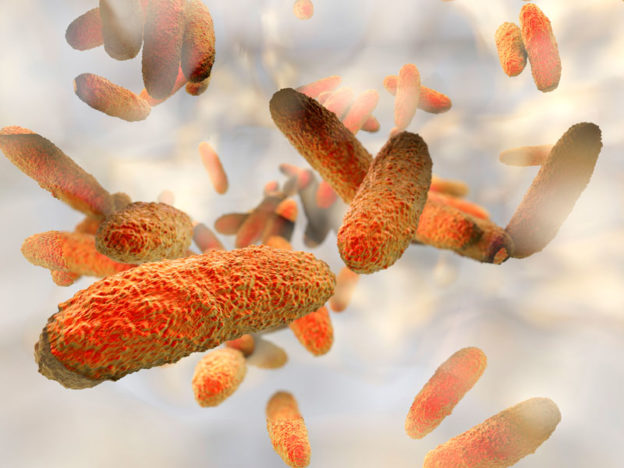
(Continuing from the previous entry) So, why must antibiotics and antimicrobial agents be regulated? As mentioned earlier, the overuse of antimicrobial drugs almost always leads to the emergence of drug-resistant bacteria. Once this happens, the bacteria no longer respond to the drug, rendering it ineffective. In particular, synthetic antibiotics work mostly through mechanisms at the enzyme level (such as bactericidal or bacteriostatic effects), and bacteria can “figure out” these mechanisms, altering their genes to develop resistance. Once resistance is established, bacteria can more easily acquire resistance to other types of antimicrobial agents, a phenomenon known as cross-resistance.
Currently, many countries, including one in Asia, are importing large quantities of older types of antibiotics and antimicrobial agents more frequently than before. These are widely used in agriculture and livestock, often mixed into fertilizers. As a result, the emergence of highly drug-resistant bacteria has become a significant problem. The mechanisms by which bacteria acquire resistance vary depending on the drug, but they often involve mechanisms such as inhibition of cell wall synthesis, inhibition of protein synthesis, and inhibition of DNA transcription (bactericidal and bacteriostatic effects). Since these mechanisms target structures that humans either do not have or have in a different form, these drugs are generally considered to be safe for humans and animals.
However, humans coexist with a vast variety of microorganisms using them to chemically transform, break down, and absorb food as nutrients. Many antimicrobial drugs are highly toxic to the targeted pathogens, but as a side effect, they also attack beneficial bacteria. Drug-resistant bacteria emerged as a result of the overuse of antimicrobial drugs. If they had not been overused, such problems would not have occured.
The emergence of multidrug-resistant bacteria that are ineffective against even the latest antibiotics has become a major issue. On the other hand, the increase in resistant genes is concerning, as bacteria are simply carriers of these genes. This is truly frightening. Especially in surgeries that rely on the existence of antibiotics, this presents a serious problem. These antibiotic-resistant genes can spread across species of bacteria. Considering that these genes could invade the human microbiota, it becomes an unimaginable problem.
(استكمالًا للمقال السابق)
فلماذا يجب تنظيم استخدام المضادات الحيوية والعوامل المضادة للميكروبات؟ كما ذُكر سابقًا، فإن الإفراط في استخدام هذه الأدوية يؤدي، في معظم الحالات، إلى ظهور بكتيريا مقاومة لها. وعندما يحدث ذلك، تفقد الأدوية فعاليتها، إذ لم تعد البكتيريا تستجيب لها.
وبشكل خاص، تعمل المضادات الحيوية الاصطناعية في الغالب على مستوى الإنزيمات، من خلال آليات مثل القضاء على البكتيريا أو تثبيط نموها. غير أن البكتيريا قادرة على “فهم” هذه الآليات، فتُغيّر من بنيتها الجينية لتكتسب مقاومة لها. وما إن تترسخ هذه المقاومة، حتى تصبح البكتيريا أكثر قابلية لاكتساب مقاومة لأنواع أخرى من العوامل المضادة للميكروبات، وهي ظاهرة تُعرف بـ المقاومة المتصالبة.
في الوقت الحاضر، تقوم العديد من الدول، بما في ذلك بعض الدول الآسيوية، باستيراد كميات كبيرة من المضادات الحيوية القديمة والمواد المضادة للميكروبات بوتيرة أعلى من السابق. وتُستخدم هذه المواد على نطاق واسع في الزراعة وتربية الماشية، وغالبًا ما تُخلط بالأسمدة. ونتيجة لذلك، أصبح ظهور بكتيريا شديدة المقاومة للأدوية مشكلة خطيرة على مستوى العالم.
تختلف آليات اكتساب البكتيريا للمقاومة باختلاف نوع الدواء، إلا أنها غالبًا ما تشمل تثبيط تخليق جدار الخلية، أو تثبيط تصنيع البروتينات، أو تثبيط نسخ الحمض النووي. وبما أن هذه الآليات تستهدف بُنى لا يمتلكها الإنسان، أو يمتلكها بشكل مختلف، فإن هذه الأدوية تُعد — من الناحية النظرية — آمنة نسبيًا للبشر والحيوانات.
إلا أن الإنسان يعيش في تعايش دقيق مع عدد هائل من الكائنات الدقيقة، يعتمد عليها في التحويل الكيميائي للغذاء، وتفكيكه، وامتصاصه كمصدر للطاقة. ورغم أن العديد من الأدوية المضادة للميكروبات تكون شديدة السُمّية للكائنات المستهدفة، فإنها — كأثر جانبي — تهاجم أيضًا البكتيريا النافعة. وهكذا، فإن ظهور البكتيريا المقاومة لم يكن إلا نتيجة مباشرة للإفراط في استخدام هذه الأدوية. ولو لم يُساء استخدامها، لما وصلنا إلى هذا الوضع.
لقد أصبح ظهور بكتيريا متعددة المقاومة، لا تتأثر حتى بأحدث المضادات الحيوية، قضية بالغة الخطورة. وعلى الجانب الآخر، يثير ازدياد الجينات المقاومة قلقًا أشد، إذ إن البكتيريا ليست سوى ناقلات لهذه الجينات. وهذه حقيقة مخيفة بحق.
ولا سيما في العمليات الجراحية التي تعتمد اعتمادًا أساسيًا على وجود مضادات حيوية فعالة، يمثل هذا الأمر تحديًا خطيرًا. فهذه الجينات المقاومة قادرة على الانتقال بين أنواع مختلفة من البكتيريا. وإذا ما تسللت إلى الميكروبيوم البشري، فإننا نكون أمام مشكلة تفوق التصور.