
Last time, I talked about dried meat made in the countryside of Brazil. Drying meat isn’t very common in Japan. However, when we think about dried fish, which is commonly eaten in Japan, it doesn’t seem too unfamiliar. Whether it’s fish or meat, there’s no doubt that the key point lies in the salt content. In the West, the focus is on meat as salted products, whereas in Japan, it’s fish and vegetables, but fundamentally, the process isn’t all that different. Even with pickled foods, if the salt content isn’t balanced correctly, it can end up spoiling instead of preserving. This all comes down to the salt concentration. If done well, it results in fermentation, but if done poorly, it leads to decay.
So, are “fermentation” and “decay” really different? These two names are merely labels created from a human point of view. If it’s beneficial to humans, we call it fermentation; if it isn’t, we call it decay. Fermentation refers to something that smells good, tastes delicious, and is safe without toxins. Salt concentration plays a major role in this. I previously mentioned dried meat made in the countryside of Brazil, which is often swarmed by flies, but despite that, it doesn’t spoil and can be eaten deliciously. While harmful bacteria certainly attach to the fly-covered meat, these bacteria cannot proliferate due to the high salt content and sunlight exposure, ultimately rendering it safe as food. Therefore, both fermentation and decay are quite arbitrary terms, invented by humans. The distinction is abstract and heavily influenced by the local food culture of each region.
In Japan, familiar examples of this concept are natto and kusaya. To foreigners, these are clearly seen as spoiled. On the other hand, consider Sweden’s surströmming (fermented herring in a can), known as the world’s smelliest food, and Korea’s hongeohoe (fermented skate), which ranks second globally in terms of odor—there are countless examples like these. From a Japanese perspective, it might seem obvious that such foods are spoiled, yet each has its own cultural significance in terms of cuisine. Ultimately, all of these processes are driven by microorganisms that cause various changes. If the result is delicious, we call it fermentation; if it tastes bad, we call it decay. It’s really a highly subjective distinction.
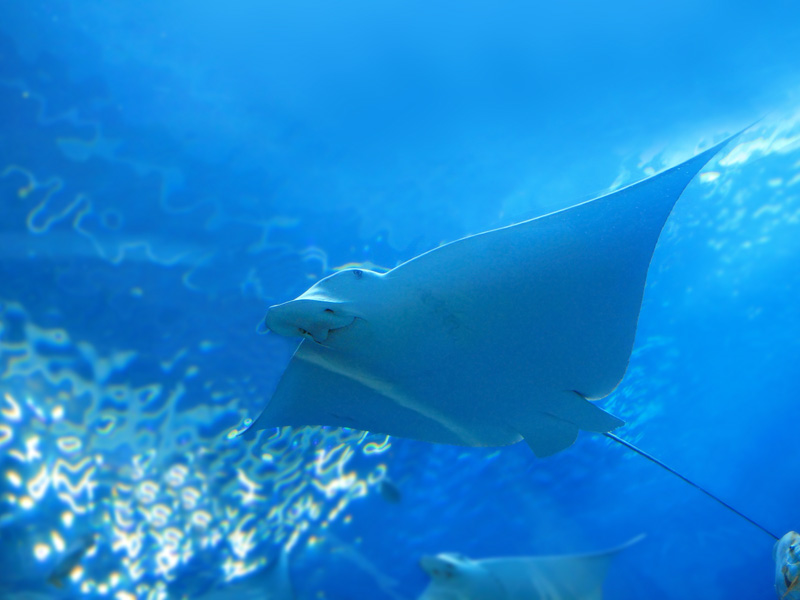
My father often used to say, “There’s nothing dirty about delicious food.” It makes me think of him, even though he passed away 30 years ago. I remember once when I caught a 40-kilogram stingray at a nearby beach. I brought home only the edible parts and, not knowing how to make hongeohoe (fermented skate), I processed it into fish cakes like kamaboko or hanpen. It took a lot of time. Catching it was a huge challenge, and I decided I never wanted to take the life of that kind of fish again. Proteins are made up of chains of amino acids. When enzymes from microorganisms break those chains, amino acids are released, and that’s what gives the food its umami flavor.
Fermented foods are unique to each country, making them extremely interesting. However, Manuka honey, being a fully mature raw honey with a sugar concentration of over 80%, is inhospitable to microorganisms. Interestingly, if diluted with water, it can ferment and turn into alcohol.
في المرة السابقة، تحدثت عن اللحوم المجففة المصنوعة في الريف البرازيلي. تجفيف اللحوم ليس شائعاً جداً في اليابان، لكن عند التفكير في الأسماك المجففة، التي تُستهلك كثيراً في اليابان، يبدو الأمر مألوفاً أكثر. سواء تعلق الأمر باللحوم أو الأسماك، لا شك أن العامل الأساسي يكمن في محتوى الملح. في الغرب، التركيز يكون على اللحوم كمنتجات مملحة، أما في اليابان، فالأمر يتعلق بالأسماك والخضروات، ولكن جوهرياً، العملية ليست مختلفة كثيراً. حتى في الأطعمة المخمرة، إذا لم يكن تركيز الملح متوازناً بشكل صحيح، قد ينتهي الأمر بالفساد بدلاً من الحفظ. النتيجة تعتمد على تركيز الملح: إذا تم بشكل جيد، يحدث التخمير، وإذا تم بشكل سيئ، يحدث الفساد.
إذن، هل “التخمير” و “الفساد” مختلفان حقاً؟ هذان الاسمان مجرد تسميات بشرية. إذا كان المنتج مفيداً للإنسان، نسميه تخميراً؛ وإذا لم يكن كذلك، نسميه فساداً. يشير التخمير إلى شيء ذو رائحة طيبة، طعمه لذيذ وآمن بدون سموم. وتركيز الملح يلعب دوراً رئيسياً في ذلك.
ذكرت سابقاً اللحوم المجففة في الريف البرازيلي، التي غالباً ما تغزوها الذباب، لكنها لا تفسد وتظل صالحة للأكل. فعلى الرغم من وجود البكتيريا الضارة على اللحم المغطى بالذباب، إلا أن هذه البكتيريا لا تستطيع التكاثر بسبب التركيز العالي للملح والتعرض لأشعة الشمس، ما يجعل الطعام آمناً. لذلك، فالتخمير والفساد مصطلحان اختراعهما البشر. التمييز بينهما نسبي ويتأثر كثيراً بثقافة الطعام المحلية.
في اليابان، أمثلة مألوفة هي ناتو وكوسايا. للغربيين، قد تبدو هذه الأطعمة فاسدة. أما في السويد، فهناك السورسترومينغ (الرنجة المخمرة في علب) المعروف برائحة قوية جداً، وفي كوريا الهونجيوهو (سمك الشوك المخمر) الذي يحتل المرتبة الثانية عالمياً من حيث الرائحة. من منظور ياباني، قد يبدو واضحاً أنها “فاسدة”، لكن كل منها له أهمية ثقافية وطهوية خاصة به.
في النهاية، كل هذه العمليات تدار بواسطة الكائنات الدقيقة التي تسبب تغييرات متنوعة. إذا كانت النتيجة لذيذة، نسميها تخميراً؛ وإذا كانت النتيجة سيئة، نسميها فساداً. إنه تمييز ذاتي للغاية يعتمد على الخبرة والثقافة. كان والدي يقول دائماً: “لا شيء قذر في الطعام اللذيذ.” أتذكره كثيراً رغم مرور 30 عاماً على وفاته.
أتذكر مرة حين اصطدت سمكة شوك وزنها 40 كجم على شاطئ قريب. أخذت الأجزاء الصالحة للأكل فقط، ولعدم معرفتي بكيفية صنع الهونجيوهو، حولتها إلى كعكات سمك مثل كامابوكو أو هانبن. استغرق الأمر وقتاً طويلاً. البروتينات تتكون من سلاسل الأحماض الأمينية، وعندما تقوم الإنزيمات الدقيقة بتفكيك هذه السلاسل، تتحرر الأحماض الأمينية، وهذا ما يمنح الطعام مذاقه الغني بـ الأومامي. تعد الأطعمة المخمرة فريدة لكل بلد، مما يجعلها ممتعة للغاية. ومع ذلك، عسل المانوكا، كعسل خام مكتمل النضج وبتركيز سكر يزيد عن 80٪، عديم الاستقبال للكائنات الدقيقة. ومن المثير للاهتمام أنه إذا تم تخفيفه بالماء، يمكن أن يختمر ويتحول إلى كحول.