
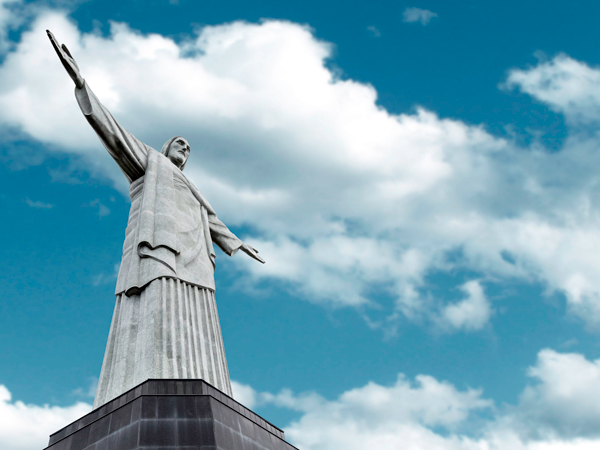
Brazilians are incredibly kind-hearted, and the country is home to the largest number of Catholic believers in the world. Its post-independence history, like that of all Latin American nations, spans only about 200 years. Unlike Protestant-dominated America, Brazil’s way of thinking is fundamentally different. In my view, if I were to describe it unfavorably, Catholicism can feel earthy and somewhat lax, lacking the strictness often associated with Protestantism. On the positive side, however, Catholicism carries a sense of tradition and historical depth, and the people living within its influence often exhibit a personal kindness or a strong sense of compassion. That said, this very nature may hinder the country’s potential for national development.
To put it simply, could it be said that Protestants tend to be more hardworking? Looking at the world, countries with a large Catholic population, like those in Latin America, are typically characterized by poverty and slower economic development. While it’s true that “poverty dulls the mind,” I am not suggesting that wealthy nations are necessarily superior in terms of their citizens’ qualities. For example, I once had a very capable subordinate who was like my right-hand.
His wife had four young children. Whenever I remember this, I can’t help but recall a scene from the great director Akira Kurosawa’s Dodes’ka-den (Toho release, October 31, 1970, based on the novel by Shūgorō Yamamoto). The scene features a poor family, portrayed by Shinsuke Minami, which always reminds me of the struggles he faced. In this film, there are many children, and it’s impossible to tell who belongs to whom. One day, the oldest child is bullied by the neighborhood kids, saying, “Everyone says I’m not my father’s son.”
The father, played by Shinsuke Minami, stared at the child for a moment, then returned to his usual calm expression. Next time you meet him, ask him this—what about you? Who do you belong to… no one knows! Upon hearing this, the youngest daughter, a little girl, proudly declared, “I’m my big brother’s child!” and everyone burst into laughter, returning to their usual peaceful family scene. (To be continued)
يتميّز البرازيليون بطيبة قلب فطرية، ويحتضن هذا البلد أكبر عدد من أتباع الديانة الكاثوليكية في العالم. أما تاريخه بعد الاستقلال، وكحال سائر دول أميركا اللاتينية، فلا يتجاوز قرنين من الزمن. وعلى خلاف الولايات المتحدة ذات الجذور البروتستانتية، فإن طريقة التفكير في البرازيل مختلفة جذريًا.
ومن منظور شخصي، وإذا أردنا توصيف الأمر بقدر من الصراحة، قد تبدو الكاثوليكية أقل صرامة، أكثر قربًا من الأرض والحياة اليومية، مقارنة بالانضباط الذي يميّز الفكر البروتستانتي. غير أن لهذا الطابع وجهه المشرق أيضًا؛ إذ تحمل الكاثوليكية عبق التاريخ وعمق التقاليد، ويغلب على من يعيشون في ظلها لطف إنساني وتعاطف صادق مع الآخرين.
ومع ذلك، فإن هذه الطبيعة ذاتها قد تشكّل عائقًا أمام تطوّر الدولة على المستوى الوطني. وبعبارة مبسّطة، ألا يمكن القول إن المجتمعات البروتستانتية تميل إلى العمل بجدٍّ أكبر؟ فحين نتأمل المشهد العالمي، نجد أن الدول ذات الغالبية الكاثوليكية، ولا سيما في أميركا اللاتينية، غالبًا ما تعاني من الفقر وبطء النمو الاقتصادي.
ومع أن المقولة الشائعة تقول إن «الفقر يقيّد الفكر»، فإنني لا أزعم أن غنى الدول يجعل شعوبها أسمى بالضرورة من حيث القيم أو الكفاءة. فقد سبق لي، على سبيل المثال، أن عملت مع مساعد بالغ الكفاءة، كان بمثابة يدي اليمنى…
كانت زوجته ترعى أربعة أطفال صغار. وكلما استحضرت هذه الذكرى، لا يسعني إلا أن أستعيد مشهدًا عالقًا في الذاكرة من فيلم المخرج العظيم أكيرا كوروساوا «دوديسكادِن» (إنتاج توهو، 31 أكتوبر 1970، عن رواية لشيغورو ياماموتو).
في ذلك المشهد، تظهر عائلة فقيرة يجسّدها الممثل شينسوكي مينامي، عائلة تعكس بعمق قسوة الحياة وبساطتها في آنٍ واحد. كان في الفيلم عدد كبير من الأطفال، إلى حدّ يصعب معه تمييز من ينتمي إلى من.
وذات يوم، يتعرّض الابن الأكبر للتنمّر من أطفال الحي، قائلين له:
«الجميع يقول إنك لست ابن أبيك».
تأمّل الأب، الذي أدّى دوره شينسوكي مينامي، الطفل للحظات، ثم عاد إلى ملامحه الهادئة المعهودة وقال بهدوء عميق:
«في المرة القادمة التي تراه فيها، اسأله هذا: وأنت… لمن تنتمي؟ في النهاية، لا أحد يعرف».
عندها، أعلنت الابنة الصغرى، وهي طفلة صغيرة، بكل فخر وبراءة: «أنا ابنة أخي الكبير!»
فانفجر الجميع بالضحك، وعادت العائلة إلى مشهدها اليومي الوادع، حيث الفقر لا يلغي الدفء، ولا القسوة تمحو الإنسانية.
يتبع…