
(Continuing from the previous blog) the Manuka wood is very dense and hard, so once it has burned down, the resulting charcoal becomes a hard type similar to Japan’s high-quality binchotan. It has a strong heat, making it ideal for grilling meat and fish over high, indirect heat. Now that the grilled meat has rested for about 20 minutes, it’s time for lunch. As usual, I have prepared salad and mashed potatoes for my daughter and wife. I quickly cut into the perfectly cooked meat. To my satisfaction, the roast beef reveals a beautiful medium doneness with a consistent, lovely pink color throughout. I had rubbed a generous amount of rock salt on it, and the saltiness is just perfect—thanks to the sweetness from the impurities in the rock salt. If I had used refined salt, its sharpness and saltiness would have made it inedible.
It lacks the mildness of rock salt. For this dish, I add chopped herbs such as onions, celery, bell peppers, and coriander, along with minced garlic, salted olives, and a squeeze of lime or lemon juice. Most of these vegetables and citrus fruits are from my garden, so they are free. The bread is Ciabatta Bread from a bakery inside a nearby supermarket, and I like this place because their baker makes delicious bread. Ciabatta originated in Italy, and it has become one of my favorites. When it comes to cooking beef, preferences vary from well-done to medium to rare. However, when I order medium-rare at a steakhouse or restaurant, I often find it served almost raw, with the inside barely cooked, which I find quite disappointing.
The color of a properly cooked steak is noticeably different from that of an undercooked one. Even though both are red, raw meat has a purplish hue.
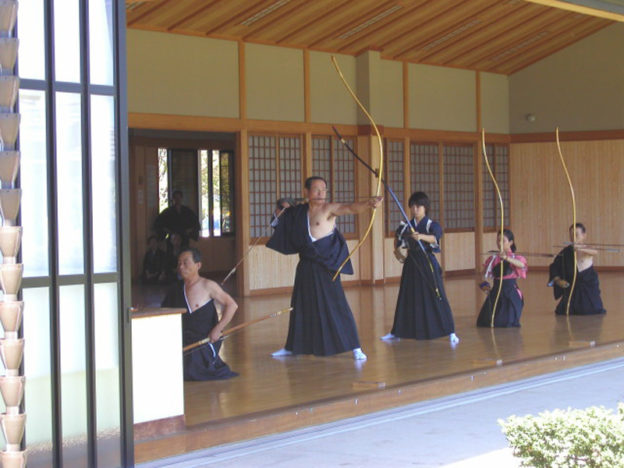
There may not be any bacteria inside the meat, but I think properly cooked, pink meat to be far more flavorful, and I’m not fond of undercooked steaks. Some time ago, perhaps due to my extended time living abroad, I became more interested in Japanese culture. For ten years, I traveled back and forth between Japan and New Zealand, and eventually joined a 300-year-old kyudo (Japanese archery) dojo in my hometown. Under the guidance of a renowned master teacher, I devoted myself to daily practice (the photo is from that time). One day, I went with fellow students to a specialty hamburger restaurant.
I vividly remember being quite surprised when the waiter asked, “How would you like your hamburger cooked?” Hamburgers are made by shaping ground meat, also known as hamburger steak, but despite the term “steak,” they are quite different. Once the meat is ground, it can easily be contaminated with various bacteria. Naturally, it’s not something that should be eaten rare; it should be thoroughly cooked. I was genuinely shocked to find that options like medium or rare hamburgers are available in Japan. After being away from Japan for so long, I still find myself surprised by many things.
خشب المانوكا كثيف وصلب للغاية، وعندما يكتمل احتراقه يتحوّل إلى فحم قاسٍ يشبه إلى حد كبير فحم البيتشوتان الياباني الفاخر. يمتاز بحرارة قوية ومستقرة، مما يجعله مثاليًا لشواء اللحم والسمك باستخدام حرارة عالية غير مباشرة.
وبعد أن تركت اللحم ليستريح لمدة تقارب العشرين دقيقة، حان وقت الغداء. كالعادة، أعددت السلطة والبطاطس المهروسة لابنتي وزوجتي. أبدأ بتقطيع اللحم المشوي المثالي، ولحسن رضاي تظهر لي قطعة روست بيف بدرجة نضج ميديوم متناسقة، بلون وردي جميل ينتشر بانتظام في كامل القطعة.
لقد قمتُ بدهنها بكمية وفيرة من ملح الصخور، وكانت الملوحة متوازنة على نحو رائع—بفضل الحلاوة الطبيعية القادمة من الشوائب العضوية الموجودة في ملح الصخور. أما لو استخدمتُ الملح المكرر، بحدّته وملوحته القاسية، لكانت النتيجة غير قابلة للأكل، إذ يفتقر إلى نعومة الملح الطبيعي ودفئه.
ولإكمال الطبق، أضيف خليطًا من الأعشاب والخضروات المفرومة: البصل، الكرفس، الفليفلة، الكزبرة، إلى جانب الثوم المهروس، والزيتون المملح، مع لمسة منعشة من عصير الليمون أو الليم الحامض. معظم هذه الخضروات والحمضيات من حديقة منزلي، مما يجعلها هدية مجانية من الطبيعة.
أما الخبز فهو خبز تشاباتا من مخبز داخل سوبرماركت قريب، وأحب هذا المكان لأن الخباز هناك يمتلك ذوقًا رفيعًا في صنع الخبز، فتكون منتجاته دائمًا لذيذة وطازجة. وعلى الرغم من أن أصل التشاباتا إيطالي، فقد أصبح من المخبوزات المفضلة لدي.
وعندما يتعلق الأمر بطهي اللحم البقري، تختلف الأذواق بين النضج الكامل، والمتوسط، والنادر. غير أنني عندما أطلب ميديام رير في أحد مطاعم الستيك، كثيرًا ما يُقدَّم لي شبه نيّئ، مع قلب داخلي لم يمسّه النضج، وهو أمر يبعث على خيبة الأمل حقًا.
يختلف لون شرائح اللحم المطهوة بإتقان اختلافًا واضحًا عن تلك غير الناضجة. فعلى الرغم من أن اللونين يبدوان محمرّين، إلا أن اللحم النيّئ يميل إلى درجة أرجوانية واضحة. قد لا تكون هناك بكتيريا داخل قطعة اللحم الكاملة، لكنني أجد أن اللحم المطهوّ جيدًا بلمسة وردية هو الأكثر نكهةً وعمقًا، ولهذا لست من محبّي الستيك غير الناضج.
منذ فترة ما، وربما بسبب سنواتي الطويلة التي قضيتها في الخارج، بدأت أزداد اهتمامًا بالثقافة اليابانية. على مدى عشرة أعوام، تنقّلت باستمرار بين اليابان ونيوزيلندا، ثم انضممت لاحقًا إلى دوجو للرماية اليابانية التقليدية (كيوودو) يعود تاريخه إلى ثلاثة قرون في مسقط رأسي. وتحت إشراف معلم كبير مشهود له بالمهارة، كرّست نفسي للممارسة اليومية بكل شغف (الصورة من تلك الفترة).
وذات يوم، ذهبت مع زملائي في الدوجو إلى مطعم متخصص في شرائح لحم البرغر. وما زلت أتذكر دهشتي حين سألني النادل: «كيف تفضل درجة نضج الهامبرغر؟»
فالبرغر يُحضّر من اللحم المفروم—وإن كان يسمى «ستيكًا» في بعض السياقات—إلا أنه يختلف تمامًا عن قطعة اللحم الكاملة. فعندما يُفرم اللحم، يصبح عرضة للتلوث بالبكتيريا من مختلف الأسطح التي يلامسها. ولذلك، من الطبيعي ألا يُؤكل نيّئًا أو نصف نيّئ؛ بل ينبغي طهيه تمامًا. وقد صدمت حقًا عندما اكتشفت أنه يمكن في اليابان طلب الهامبرغر بدرجة ميديام أو حتى رير.
وبعد سنوات طويلة بعيدًا عن اليابان، ما زلت حتى اليوم أُفاجأ بالعديد من التفاصيل والعادات التي كنتُ قد نسيتها.