
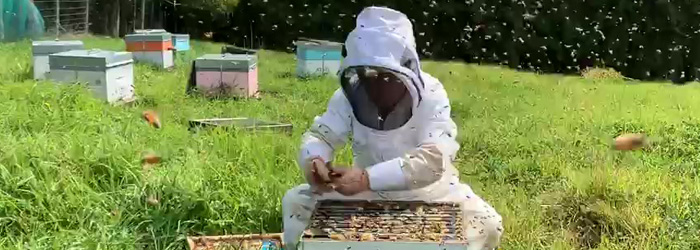
Like in Japan, beekeeping in New Zealand has changed significantly over the past few years. The introduction of queen bees infested with mites led to the global spread of Varroa destructor, a deadly enemy of honeybees, causing widespread disruption. This parasite has drastically reduced the honeybee population, impacting various sectors.
As an agricultural nation, New Zealand relies heavily on pollination for its crops. The decline in bee numbers has severely affected the yields of key export products such as kiwifruit, apples, corn, vegetables, and even pasture grass. It has been reaffirmed that the impact of the beekeeping industry on agriculture is far greater than expected.
New Zealand, originally an isolated island, had little interaction with external plants and animals aside from migratory birds. When the British introduced clover seeds for livestock grazing, they initially faced an inefficient system—since clover was an annual plant rather than a perennial, they had to import and sow seeds from Britain every year.
However, following a suggestion by Charles Darwin, famous for his theory of evolution, European honeybees were introduced to New Zealand. This allowed for local clover seed production, eliminating the need for annual imports. This event marked the beginning of New Zealand’s beekeeping industry, which would later become renowned for producing some of the world’s highest-quality honey.
Since then, the beekeeping industry in this region, where there are no natural enemies, had been developing smoothly. However, in recent years, it has faced a major crisis. Currently, by hanging mite-repellent ribbons inside the hive, we can somehow prevent damage, as the bees weaken when mites suck their body fluids.
However, the use of these ribbons has its limits. Continuous use for more than two months allows mites to develop resistance, making it ineffective.
As a result, New Zealand’s beekeeping industry is now at a significant turning point. Just as the issue of multidrug-resistant bacteria has become a global concern, the effectiveness of chemical treatments in beekeeping is proving to be similarly limited.
على غرار ما حدث في اليابان، شهد قطاع تربية النحل في نيوزيلندا تغيّرات جذرية خلال السنوات الأخيرة. فقد أدّى استقدام ملكات نحل مصابة بالطفيليات إلى الانتشار العالمي لآفة ڤاروا المدمّرة (Varroa destructor)، العدوّ الأخطر للنحل، مما تسبب باضطرابات واسعة النطاق. هذا الطفيلي امتصّ قوى مستعمرات النحل وأدّى إلى تراجع حاد في أعدادها، وهو ما ترك تأثيرًا بالغًا على مختلف القطاعات.
وباعتبار أن نيوزيلندا دولة زراعية تعتمد بشكل كبير على التلقيح الطبيعي في إنتاج محاصيلها، فقد انعكس انخفاض أعداد النحل بشكل مباشر على تراجع إنتاج العديد من السلع التصديرية الرئيسية، مثل فاكهة الكيوي، التفاح، الذرة، الخضروات، وحتى أعشاب المراعي. وقد تبيّن مجددًا أن الدور الذي تلعبه تربية النحل في دعم القطاع الزراعي أكبر بكثير مما كان متصورًا.
كانت نيوزيلندا، بحكم كونها جزيرة معزولة، في شبه انقطاع عن النباتات والحيوانات الخارجية، باستثناء بعض الطيور المهاجرة. وعندما جلب البريطانيون بذور البرسيم إلى البلاد لاستخدامها في مراعي الماشية، واجهوا مشكلة كبيرة؛ إذ كان البرسيم نباتًا حوليًا لا معمّرًا، ما اضطرهم إلى استيراد البذور سنويًا من بريطانيا. غير أنّ اقتراحًا من تشارلز داروين — صاحب نظرية التطوّر الشهيرة — غيّر المشهد بالكامل، إذ أوصى بإدخال النحل الأوروبي إلى نيوزيلندا. وقد أتاح ذلك إنتاج بذور البرسيم محليًا، منهياً الحاجة إلى الاستيراد السنوي. وهكذا وُلد قطاع تربية النحل في نيوزيلندا، الذي سيصبح لاحقًا موطنًا لأرقى أنواع العسل في العالم.
ومنذ ذلك الحين، ظل قطاع تربية النحل في هذه المنطقة — التي تخلو من الأعداء الطبيعيين — ينمو بصورة مستقرة ومزدهرة. غير أنّه في السنوات الأخيرة واجه أزمة حقيقية تهدد بنيته الأساسية. واليوم، لا نملك سوى تعليق شرائط طاردة للطفيليات داخل الخلية لحماية النحل قدر المستطاع، إذ إن هذه الطفيليات تمتص سوائل أجسام النحل وتضعف قوته، مما يجعل المستعمرة عرضة للانهيار.
غير أن لِهذه الأشرطة حدودًا لا يمكن تجاوزها؛ فاستمرار استخدامها لأكثر من شهرين يتيح لعثَّة الفاروا أن تطوّر مقاومة تجعلها تفقد فاعليتها تمامًا.ونتيجة لذلك، أصبحت صناعة تربية النحل في نيوزيلندا الآن عند نقطة تحول مهمة. تمامًا كما أصبح موضوع البكتيريا المقاومة للأدوية المتعددة مصدر قلق عالمي، يبدو أن فعالية العلاجات الكيميائية في تربية النحل محدودة بالمثل.
Regarding this issue, our New Zealand branch alternates the use of mite-repellent ribbons made from various natural herb-based ingredients. While their immediate effectiveness is lower compared to chemical treatments, they seem to offer longer-lasting protection against pests. Compared to New Zealand, open-field cultivation of vegetables and fruits is less common in Japan, where most crops are grown in greenhouses. This is part of a global trend, as such cultivation methods are less affected by weather, allowing for better planning and making them highly advantageous from a commercial perspective. However, since greenhouse cultivation isolates crops from the outside environment, it is challenging in achieving fruit set through insect pollination.
As a result, pollination-based cultivation—relying on the power of honeybees—becomes necessary. However, modern agriculture, with its increasing reliance on chemical fertilizers and pesticides, is causing significant harm to honeybees. In particular, the use of chemical fertilizers and pesticides in the confined environment of greenhouses creates immense stress for honeybees, essentially forcing them to live in a toxic atmosphere every day. Many beekeepers, dissatisfied with the egg-laying performance of their queen bees, have been competing to import highly productive queens from abroad. This has been the common approach among beekeepers in Japan and other developed nations. However, such a strategy is not sustainable in the long run.
Queen bees should be born naturally within their respective nectar source regions—Japanese queens in Japan, for example—raised by the worker bees of that area. This has been my firm belief throughout my 40 years as a beekeeper. Imported queens ultimately fail due to environmental differences, leading to a short commercial lifespan. As a result, beekeeping in highly artificial systems, like those in Japan and other developed countries, has lost its long-term viability. Many people imagine “queen bee” as a ruler reigning over her workers. Even professional beekeepers seem to have fallen into this misconception, forgetting the fundamental realities of beekeeping—though I am not sure why.
نتيجةً لذلك، تصبح الزراعة المعتمدة على التلقيح – بالاعتماد على قوة النحل – أمرًا ضروريًا. إلا أن الزراعة الحديثة، وزيادة الاعتماد على الأسمدة والمبيدات الكيميائية، تسبب ضررًا كبيرًا للنحل. وخصوصًا استخدام الأسمدة والمبيدات في البيوت المحمية المغلقة، الذي يخلق ضغطًا هائلًا على النحل، ويجبره عمليًا على العيش يوميًا في بيئة سامة. كما أن العديد من مربي النحل، غير راضين عن أداء بيض ملكات النحل، يتنافسون على استيراد ملكات عالية الإنتاجية من الخارج، وهو الأسلوب الشائع بين مربي النحل في اليابان والدول المتقدمة الأخرى. ومع ذلك، فإن هذه الاستراتيجية ليست مستدامة على المدى الطويل.
يجب أن تولد ملكات النحل بشكل طبيعي في مناطق مصدر الرحيق الخاصة بها – مثلًا الملكات اليابانية في اليابان – ويتم تربيتها بواسطة النحل العامل في تلك المنطقة. لقد كان هذا اعتقادي الراسخ طوال 40 عامًا من عملي في تربية النحل. فالملكات المستوردة تفشل في النهاية بسبب اختلاف البيئة، مما يؤدي إلى عمر تجاري قصير. ونتيجة لذلك، فقدت تربية النحل في الأنظمة الصناعية العالية، كما في اليابان والدول المتقدمة الأخرى، قابليتها على المدى الطويل. يتصور كثيرون ملكة النحل كحاكمة تسيطر على عمالها، وحتى بعض مربي النحل المحترفين يبدو أنهم وقعوا في هذا التصور الخاطئ، متناسين الحقائق الأساسية لتربية النحل – رغم أن السبب في ذلك ليس واضحًا دائمًا.
In a honeybee society, it is actually the worker bees that create the queen and control the colony. The queen exists only because the worker bees sustain her. This is a perfect example of the ideal principle of popular sovereignty in human society. I believe this applies to all living things. In short, the idea that simply replacing the leader will solve the problem is similar to the notion that “a people who forget the value of labor will perish.” I believe this principle also applies to human society. This truth extends beyond beekeeping; too many people have forgotten these basic principles. I am no exception, but every time I look into a beehive, I am reminded of it. We must show more compassion toward honeybees.
I believe that the prolonged exposure of honeybees to harsh artificial rearing conditions, combined with their rapid generational turnover, has altered their genetic information, reducing their natural resistance to predators and other threats. This is why we must return honeybees to a more natural state and adapt our beekeeping methods to coexist with them rather than control them. The same principle applies to harvesting high-activity Manuka honey—artificial beekeeping should be minimized, and only by allowing bees to operate naturally can we obtain truly high-quality honey. This conclusion comes from over 25 years of beekeeping experience here in New Zealand.
The current situation is merely the result of humans exploiting honeybees for their own convenience perspective. Considering this, it is clear that not only in beekeeping but in all aspects of life, humans must seriously rethink how to coexist with nature. I feels as if the honeybees themselves are sending us this message. The production of bee products is entering an increasingly difficult era. The market will see an expansion of various products, but rather than improving in quality, they are more likely to decline. In fact, signs of this trend are already emerging.
To assess the antibacterial activity of honey produced in New Zealand, particularly Manuka honey from different regions, I have been analyzing the antibacterial potency of various locally made products for some time. Particularly in the past two years, there has been a significant discrepancy between the labels on products and their actual contents, regardless of the manufacturer. When such products first started appearing, I felt a strong sense of crisis. However, in the end, customers are not so easily deceived. There is a clear answer—if a product does not deliver real results, customers will never accept it again.
On the other hand, our Strong Manuka Honey has received strong support from many customers. Once they try this product, it often becomes an essential part of their daily routine through health improvements. At the core of our business philosophy is a lifelong relationship with every customer who purchases our products. The Manuka honey and other bee products we produce in New Zealand are driven by a strong belief and dedication to supporting our customers in maintaining lifelong health. We hope you embrace the power of New Zealand’s pristine nature and enjoy a healthy, vibrant life.
أعتقد أن التعرض الطويل للنحل لظروف التربية الصناعية القاسية، إلى جانب دوران أجيالها السريع، قد غيّر معلوماتها الوراثية، مما قلل من مقاومتها الطبيعية للمفترسات والتهديدات الأخرى. لهذا السبب يجب أن نعيد النحل إلى حالته الطبيعية وأن نكيّف أساليب تربية النحل لدينا لتتعايش معه بدلاً من السيطرة عليه. نفس المبدأ ينطبق على جمع عسل المانوكا عالي النشاط—يجب تقليل التربية الصناعية، وفقط من خلال السماح للنحل بالعمل بشكل طبيعي يمكننا الحصول على عسل عالي الجودة حقًا. هذا الاستنتاج نابع من أكثر من 25 عامًا من الخبرة في تربية النحل هنا في نيوزيلندا.
الوضع الحالي هو مجرد نتيجة لاستغلال البشر للنحل من منظور الراحة الشخصية. وبالنظر إلى ذلك، يتضح أنه ليس فقط في تربية النحل، بل في جميع جوانب الحياة، يجب على البشر إعادة التفكير بجدية في كيفية التعايش مع الطبيعة. أشعر وكأن النحل نفسه يرسل لنا هذه الرسالة. لقد دخل إنتاج منتجات النحل عصرًا يزداد فيه صعوبة. سيرى السوق توسعًا في المنتجات المختلفة، لكن بدلًا من التحسن في الجودة، من المرجح أن تنخفض. وفي الواقع، بدأت علامات هذا الاتجاه تظهر بالفعل.
لتقييم النشاط المضاد للبكتيريا للعسل المنتج في نيوزيلندا، وخاصة عسل المانوكا من مناطق مختلفة، كنت أحلل فعالية العسل المضاد للبكتيريا للعديد من المنتجات المحلية لفترة من الزمن. وخصوصًا خلال العامين الماضيين، ظهرت فجوة كبيرة بين الملصقات على المنتجات ومحتوياتها الفعلية، بغض النظر عن الشركة المصنعة. وعندما بدأت هذه المنتجات بالظهور، شعرت بإحساس قوي بالخطر. ومع ذلك، في النهاية، العملاء ليسوا سهل الخداع. هناك إجابة واضحة—إذا لم يقدم المنتج نتائج حقيقية، فلن يقبله العملاء مرة أخرى أبدًا.
من ناحية أخرى، حصل عسل المانوكا القوي الخاص بنا على دعم كبير من العديد من العملاء. بمجرد تجربتهم لهذا المنتج، غالبًا ما يصبح جزءًا أساسيًا من روتينهم اليومي من خلال تحسين الصحة. في صميم فلسفة عملنا تكمن علاقة مدى الحياة مع كل عميل يشتري منتجاتنا. إن عسل المانوكا ومنتجات النحل الأخرى التي ننتجها في نيوزيلندا مدفوعة بإيمان قوي والتزام بدعم عملائنا في الحفاظ على الصحة مدى الحياة. نأمل أن تحتضنوا قوة طبيعة نيوزيلندا البكر وتستمتعوا بحياة صحية وحيوية.