
Since the development of antibiotics, particularly after 1940, humanity has made significant medical advancements. However, due to an overreliance on pharmaceuticals, the negative effects of drug side effects on the human body have become increasingly evident. At the same time, many pathogenic bacteria and organisms have developed multidrug resistance (MDR) to antibiotics and other antimicrobial agents, leading to a continuous rise in drug-resistant strains. As a result, there is growing concern that chemical drugs may not be a reliable solution in the future for protection against such bacteria and viruses.
This is because the generation time of pathogenic bacteria is extremely short, making the risk of emerging mutant strains constantly high. In reality, drug-resistant genes are being transmitted across bacterial species through mechanisms such as conjugation (a process where bacteria exchange genetic material, altering their traits) and transduction by bacteriophages (viruses that infect bacteria and introduce genetic material). In other words, the “evolution speed” of pathogens developing drug resistance surpasses the speed at which new antibacterial and antiviral drugs can be developed.
منذ اكتشاف المضادات الحيوية، ولا سيما بعد أربعينيات القرن الماضي، حقق الطب الحديث قفزات هائلة في حماية صحة الإنسان. غير أنّ الاعتماد المفرط على العقاقير الكيميائية أدّى مع مرور الزمن إلى تزايد الآثار الجانبية التي تُنهك الجسد وتُضعف مناعته الطبيعية.
وفي الوقت ذاته، طوّرت العديد من البكتيريا والكائنات المُمرِضة قدرة عالية على مقاومة الأدوية المتعددة (MDR)، مما أدّى إلى الارتفاع المستمر في السلالات المقاومة للعلاجات التقليدية. ولهذا تتزايد المخاوف اليوم من أنّ الاعتماد على الأدوية الكيميائية وحدها قد لا يكون الحل الآمن للمستقبل في مواجهة البكتيريا والفيروسات المتحوّرة.
ويعود ذلك إلى أن دورة حياة الميكروبات قصيرة للغاية، ما يجعل ظهور الطفرات الجينية احتمالية مستمرة ومتسارعة. وفي الواقع، تنتقل جينات المقاومة بين الأنواع البكتيرية عبر آليات معقّدة مثل الاقتران—وهو تبادل مباشر للمادة الوراثية يُغيّر خصائص البكتيريا—وعبر النواقل البكتيرية (العاثيات) التي تُدخل مواد وراثية جديدة داخل الخلية البكتيرية. وبكلمات أخرى، فإن وتيرة تطوّر الميكروبات نحو مقاومة الأدوية تفوق بكثير سرعة تطوير مضادات جديدة، مما يفرض تحدّيًا عالميًا يتطلّب حلولًا طبيعية موثوقة تفوق حدود الطب التقليدي.
The overuse of antibiotics in Japan’s medical field is a particularly serious issue. As long as antibiotics continue to be used indiscriminately, the emergence of highly drug-resistant bacteria, such as Helicobacter pylori (H. pylori), is inevitable. Since there are currently no effective treatments for these highly resistant bacteria, their spread poses a significant medical threat.
The greatest concern is that drug resistance genes are spreading across different bacterial species, beyond their original classification. It is said that the real issue is not just the increase in drug-resistant bacteria themselves, but rather the spread of drug resistance genes. Bacteria merely serve as carriers of these resistant genes. Additionally, in cancer cells, the emergence of drug-resistant cells that do not respond to treatment is also a major problem.
يُعدّ الإفراط في استخدام المضادات الحيوية داخل القطاع الطبي في اليابان مسألة بالغة الخطورة. فطالما استُخدمت هذه الأدوية بشكل عشوائي وغير منضبط، فإن ظهور بكتيريا شديدة المقاومة—مثل Helicobacter pylori—سيبقى نتيجة حتمية لا مفرّ منها. ومع غياب العلاجات الفعّالة القادرة على مواجهة هذه السلالات المقاومة، تتصاعد المخاطر الطبية التي قد تهدّد النظام الصحي بأكمله.
وتكمن الخطورة الأكبر في أنّ جينات المقاومة الدوائية باتت تنتشر بين أنواع بكتيرية مختلفة، متجاوزة حدود تصنيفها الأصلي. ويُقال إن المشكلة الحقيقية لا تتمثل فقط في تزايد أعداد البكتيريا المقاومة، بل في انتشار جينات المقاومة نفسها، بينما لا تُعدّ البكتيريا سوى “حاملًا” لهذه الشفرات الجينية الخطيرة.
وإلى جانب ذلك، تظهر المشكلة ذاتها في الخلايا السرطانية، حيث تنشأ خلايا مقاومة للأدوية تفقد معها العلاجات التقليدية فعاليتها، مما يشكّل تحدّيًا كبيرًا أمام الطب الحديث ويؤكد الحاجة المتنامية إلى حلول طبيعية موثوقة تتجاوز حدود العلاجات الكيميائية المعتادة.
For reference, here is an opinion from a medical expert:
■ Source: Dr. Arata Tomori / Physician (Internal Medicine & Dermatology) Official YouTube Channel Medical evidence shows that food is more effective than antibiotics
Unlike synthetic antimicrobial agents, naturally occurring antibacterial and antiviral substances do not generate resistance structures. It is suggested that this is because the source plants that produce these bioactive substances—such as the Manuka tree for Strong Manuka Honey and Manuka Oil, and the Eucalyptus tree for propolis extract—constantly update their immune defenses to survive in nature.
Pharmaceutical drugs have no choice but to develop new medications to combat emerging drug-resistant bacteria and cancer cells, leading to an endless battle against resistance. One major issue with synthetic drugs is their significant side effects on the human body. They indiscriminately attack a wide range of bacteria, causing damage even to beneficial microorganisms—one of their greatest drawbacks. In contrast, Strong Manuka Honey possesses natural mechanisms, and natural bioactive substances obtained from nature differ significantly from chemical drugs in that they do not pose these issues.
للاستئناس برأيٍ طبي موثوق، نورد هنا خلاصة رؤية أحد الخبراء:
■ المصدر:
الدكتور أراتا توموري
طبيب مختص في الباطنية والأمراض الجلدية
القناة الرسمية على موقع يوتيوب
النص بالعربية الفاخرة:
على خلاف المضادات الميكروبية الاصطناعية، فإن المواد الطبيعية ذات الخصائص المضادة للبكتيريا والفيروسات لا تولِّد بُنى مقاومة لدى الميكروبات. ويُعزى ذلك – كما تشير الدراسات – إلى أنّ النباتات التي تُنتج هذه المواد الحيوية، مثل شجرة المانوكا التي يُستخلص منها عسل المانوكا القوي وزيت المانوكا، وشجرة الأوكاليبتوس التي تُستخلص منها بروبوليس الإكستراكت، تقوم بتحديث منظومتها المناعية بصورة مستمرة لضمان بقائها في البيئات الطبيعية القاسية.
وبالمقابل، لا تملك الأدوية الصيدلانية خياراً سوى تطوير مركّبات جديدة لمواجهة البكتيريا المقاومة والسرطانات التي تكتسب خصائص دوائية مستحدثة، ما يؤدي إلى حلقة لا تنتهي من سباق المقاومة. ويتمثّل أحد أبرز الإشكالات في العقاقير الاصطناعية بآثارها الجانبية القوية على جسم الإنسان، إذ إنها تهاجم طيفاً واسعاً من البكتيريا دون تمييز، مسبِّبةً ضرراً حتى للبكتيريا النافعة، وهو ما يُعدّ من أكبر عيوبها.
أما عسل المانوكا القوي، فيعتمد على آليات طبيعية فريدة، وتختلف المواد الحيوية المستخرجة من الطبيعة جذرياً عن العقاقير الكيميائية في كونها لا تسبِّب هذه المشكلات، ولا تتعارض مع توازن الميكروبيوم أو وظائفه الحيوية.
The Difference Between Natural Active Substances and Chemical Drugs (Part 2)
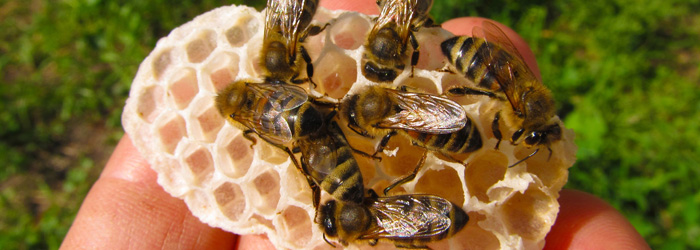
What are natural antibacterial active aubstances? Strong Manuka Honey is a highly potent natural antibacterial active substance derived from the Manuka tree, making it the most powerful honey of its kind. The Manuka tree has long been treasured by the indigenous Māori people of New Zealand, who have utilized its seeds, bark, and leaves in various ways as natural medicine due to its remarkable medicinal properties.
Naturally occurring antibacterial substances have a mechanism that prevents the emergence of drug-resistant bacteria. This is because the source plant that produces these antibacterial compounds—in this case, the Manuka tree—continuously updates its immune system to adapt to external threats and survive in nature. In contrast, synthetic antibiotics do not have this ability to evolve, meaning that new drug development is the only way to combat resistance. This is the major difference between natural antibacterial substances and pharmaceutical drugs.
There are many synthetic antibacterial agents among chemical drugs, including antibiotics. Their mechanism of action is based on selective toxicity, meaning they specifically target unique structures found only in bacteria, which humans do not possess. This is why these drugs are generally considered harmless to the human body. For example, many bacteria have a cell wall that acts as a barrier against the external environment. Human cells, however, do not have a cell wall, so drugs that target bacterial cell walls can selectively exert toxic effects on bacteria without harming human cells.
الاختلاف بين المواد الحيوية الطبيعية والأدوية الكيميائية – الجزء الثاني ما هي المواد الطبيعية ذات النشاط المضاد للبكتيريا؟
يُعدّ عسل المانوكا القوي واحداً من أقوى المواد الطبيعية ذات النشاط المضاد للبكتيريا، إذ يستمدّ فعاليته الاستثنائية من شجرة المانوكا، ليُصنَّف بوصفه العسل الأعلى قوةً من نوعه على الإطلاق. وقد أولى شعب الماوري الأصلي في نيوزيلندا شجرة المانوكا مكانة رفيعة عبر القرون، مستفيدين من بذورها ولحائها وأوراقها في تحضير علاجات طبيعية بفضل خصائصها الطبية البارزة.
إن المواد الطبيعية المضادة للبكتيريا تتميّز بآلية تحُول دون نشوء البكتيريا المقاومة للأدوية. ويعود ذلك إلى أن النبات الذي يُنتج هذه المركّبات—وفي هذه الحالة شجرة المانوكا—يقوم بتحديث منظومته المناعية بصورة مستمرة، متكيّفاً مع التهديدات الخارجية لضمان بقائه في الطبيعة. وعلى النقيض، تفتقر المضادات الحيوية الاصطناعية إلى هذه القدرة التطورية؛ ولا يبقى أمام العلم سوى تطوير أدوية جديدة للتغلّب على المقاومة. وهذا هو الفرق الجوهري بين المواد المضادة للبكتيريا الطبيعية والأدوية الصيدلانية.
وتشمل فئة الأدوية الكيميائية العديد من العوامل المضادة للبكتيريا، وعلى رأسها المضادات الحيوية. وتعتمد آلية عملها على «السمّية الانتقائية»، أي أنها تستهدف بُنى فريدة لا توجد إلا في البكتيريا، وليست موجودة في جسم الإنسان. ولهذا يُنظر إليها عادةً على أنها آمنة نسبياً على الخلايا البشرية. فعلى سبيل المثال، تمتلك الكثير من البكتيريا جداراً خلوياً يحميها من البيئة الخارجية، في حين تفتقر الخلايا البشرية إلى هذا الجدار، مما يسمح للأدوية الموجَّهة للجدار الخلوي بأن تعمل بفعالية ضد البكتيريا دون أن تُلحق ضرراً بخلايا الإنسان.
The active components of antibiotics work by binding to enzymes responsible for bacterial cell wall synthesis—specifically, penicillin-binding proteins (PBP). By inhibiting cell wall synthesis, the protective barrier of the bacteria is compromised. As a result, the bacteria cannot withstand osmotic pressure, leading to cell lysis (bursting) and ultimately causing their death.
Additionally, some antibiotics work by targeting bacterial ribosomal enzymes to inhibit protein synthesis. For example, macrolide antibiotics interfere with bacterial ribosomes, preventing them from producing essential proteins needed for growth and survival. Other antibiotics, such as DNA transcription inhibitors, act on bacterial DNA replication enzymes to block the copying of genetic material, preventing bacteria from multiplying. A well-known example is fluoroquinolone antibiotics, which inhibit the enzyme DNA gyrase, an essential component for bacterial DNA replication. All of these synthetic antibacterial agents achieve selective toxicity by targeting structures or functions that do not exist in human cells or differ significantly in structure from those found in humans. This ensures that only bacteria are affected while minimizing harm to human cells.
However, such mechanism of action ultimately leads to the emergence of antibiotic-resistant bacteria. This occurs due to the rapid turnover of bacterial generations, which undergo evolution through mutations that alter the drug target sites. Additionally, transformation via conjugation (the transfer of genetic information akin to sexual reproduction in higher organisms), or transduction by bacteriophages (viruses that infect bacteria and transfer genetic factors between different bacteria), causes genetic spread across bacterial species. This rapid transmission and recombination of genetic material result in the emergence of bacteria that do not sense the toxicity of antibiotics, giving rise to antibiotic-resistant bacteria.
تعمل المكوّنات النشطة في المضادات الحيوية من خلال الارتباط بالإنزيمات المسؤولة عن تصنيع الجدار الخلوي للبكتيريا، وتحديداً بروتينات الارتباط بالبنيسيلين (PBP). وعند تثبيط عملية بناء الجدار الخلوي، يفقد الغشاء الواقي وظيفته الحيوية، فلا تستطيع البكتيريا تحمّل الضغط الأسموزي، مما يؤدي إلى تحلّلها وانفجارها، وبالتالي موتها.
كما تستهدف بعض المضادات الحيوية إنزيمات الريبوسومات البكتيرية لتعطيل تصنيع البروتينات. على سبيل المثال، تعمل المضادات الحيوية من فئة الماكروليدات على تعطيل الريبوسومات البكتيرية، مانعةً إياها من إنتاج البروتينات الأساسية اللازمة للنمو والبقاء. وهناك أيضاً مضادات أخرى، مثل مثبّطات نسخ الـDNA، التي تعيق عمل الإنزيمات المسؤولة عن تكرار المادة الوراثية للبكتيريا، مما يمنعها من التكاثر. ويُعدّ الجيل الفلوروكينولوني مثالاً بارزاً على ذلك، إذ يثبّط إنزيم «DNA gyrase»، وهو عنصر أساسي في عملية تضاعف الـDNA البكتيري.
وتعتمد جميع هذه العوامل الكيميائية المضادة للبكتيريا على مبدأ «السمّية الانتقائية»، إذ تستهدف بُنى أو وظائف بيولوجية لا وجود لها في الخلايا البشرية أو تختلف عنها اختلافاً كبيراً في التركيب، مما يضمن القضاء على البكتيريا مع الحدّ الأدنى من التأثير على الخلايا الإنسانية.
غير أن هذه الآليات نفسها تُفضي، على المدى الطويل، إلى ظهور بكتيريا مقاومة للمضادات الحيوية. ويعود ذلك إلى قصر دورة حياة البكتيريا وسرعة تكاثرها، مما يتيح لها اكتساب طفرات جينية تغيّر مواقع ارتباط الدواء. إضافةً إلى ذلك، تسهم عمليات التحوّل الجيني مثل «الاقتران» —وهو انتقال المعلومات الوراثية بطريقة أشبه بالتكاثر في الكائنات الأعلى— وكذلك «النقل بالفيروسات الحالّة للبكتيريا» (البكتريوفاج)، في نقل العوامل الوراثية بين الأنواع المختلفة. ونتيجة لهذا الانتقال السريع وإعادة التركيب الوراثي، تتكوّن سلالات بكتيرية لا تستشعر سمّية المضادات الحيوية، لتنشأ بذلك البكتيريا المقاومة للأدوية.
For antibiotics such as penicillins and cephalosporins (which were developed to combat penicillin-resistant bacteria), the previously mentioned cell wall inhibitors (β-lactam antibiotics) are countered by bacterial adaptation. Some bacteria exposed to these drugs evolve to produce an enzyme called β-lactamase, which prevents the drug’s active component from binding to its target site, PBP (penicillin-binding protein), thereby neutralizing its effect. The same principle applies to other antibiotics with different mechanisms of action, where bacteria develop resistance through enzyme production or modifications to their target sites, such as changes in membrane permeability that prevent the drug from reaching its site of action.
Ultimately, rather than viewing these artificial bactericidal and bacteriostatic agents (which inhibit bacterial growth) as merely generating multidrug-resistant bacteria, the real issue seems to be that drug administration selects for bacteria that can survive even under such stress conditions. The late Dr. Peter Molan, a leading researcher in the study of bioactive compounds derived from the Manuka tree at the University of Waikato, also expressed concerns about this issue in his published papers. I was fortunate to have the opportunity to speak with Dr. Molan, and the more I listened to him, the more I was simply astonished by the existence of such remarkably potent natural antimicrobial substances.
في المضادات الحيوية من فئة البنسلينات والسيفالوسبورينات — وهي الأجيال المطوّرة لمواجهة البكتيريا المقاومة للبنسلين — تتغلب البكتيريا على آلية تثبيط بناء الجدار الخلوي (المضادات الحيوية من فئة β-lactam) من خلال التكيّف البيولوجي. إذ تطوّر بعض السلالات البكتيرية المعرّضة لهذه الأدوية القدرة على إنتاج إنزيم يُعرف باسم β-lactamase، وهو إنزيم يقوم بتعطيل المكوّن الفعّال في الدواء ومنعه من الارتباط بموقعه المستهدف، وهو بروتين الارتباط بالبنيسيلين (PBP)، مما يؤدي إلى إبطال فعاليته تماماً.
وينطبق المبدأ ذاته على المضادات الحيوية ذات آليات العمل المختلفة؛ إذ تطوّر البكتيريا مقاومةً عبر إنتاج إنزيمات معادِلة، أو من خلال تعديل مواقع الارتباط الدوائي، أو عبر تغييرات في نفاذية الغشاء الخلوي تمنع الدواء من الوصول إلى هدفه داخل الخلية.
وفي نهاية المطاف، لا يمكن النظر إلى العوامل الكيميائية القاتلة أو المثبِّطة لنمو البكتيريا باعتبارها مجرد محفّزات لظهور بكتيريا متعددة المقاومة فحسب، بل تكمن المشكلة الحقيقية في أن إعطاء هذه الأدوية يُخلّف انتقاءً طبيعيًا للسلالات القادرة على النجاة تحت الضغط الدوائي، مما يؤدي إلى انتشارها وتفوّقها.
وقد أشار إلى هذه القضية أيضاً الدكتور الراحل بيتر مولان — أحد أبرز الباحثين العالميين المتخصّصين في دراسة المركّبات الحيوية المستخلصة من شجرة المانوكا في جامعة وايكاتو — في عدد من أبحاثه المنشورة. لقد سعدتُ بالتحدث معه مباشرة، وكلما استمعت إلى شرحه، ازددتُ دهشة أمام وجود مواد طبيعية ذات قوة مضادة للميكروبات مذهلة إلى هذا الحد.
The bioactive compounds in Manuka honey possess exceptional antibacterial properties. In a previous article, I discussed its effects on Helicobacter pylori, but its efficacy extends to all pathogenic bacteria. Notably, it shows potential against hospital-acquired infections caused by drug-resistant bacteria such as MRSA (Methicillin-resistant Staphylococcus aureus), which emerged due to the overuse of cephalosporin antibiotics, and even VRE (Vancomycin-resistant Enterococci) and VRSA, which are resistant to vancomycin, considered one of the strongest antibiotics ever developed. While a healthy immune system can typically defend against these bacteria, they can pose serious threats to individuals with weakened immunity, for whom conventional treatment options are limited. However, the high-activity compound methylglyoxal (MGO), a unique component of our Strong Manuka Honey, has been confirmed to exhibit significant antibacterial activity against these resistant strains.
■Reference: Waikato University Biochemistry Research Institute
تتمتّع المركّبات الحيوية النشطة في عسل المانوكا بقدرات استثنائية مضادّة للبكتيريا. وقد تناولتُ في مقالٍ سابق تأثيره على بكتيريا Helicobacter pylori، غير أن فعاليته تمتد لتشمل جميع أنواع البكتيريا الممرِضة دون استثناء.
ومن أبرز ما يميّز عسل المانوكا ذي النشاط العالي قدرته المحتملة على مواجهة أنواع العدوى المكتسبة داخل المستشفيات، خصوصاً تلك الناجمة عن البكتيريا المقاومة للمضادات الحيوية، مثل MRSA (المكورات العنقودية الذهبية المقاومة للميثيسيلين) التي ظهرت نتيجة الإفراط في استخدام السيفالوسبورينات، بل ويتجاوز ذلك ليشمل السلالات شديدة المقاومة مثل VRE (العقديات المقاومة للفانكومايسين) و VRSA، وهي سلالات طوّرت مقاومة لأحد أقوى المضادات الحيوية التي عرفها الطب على الإطلاق.
ورغم أن جهاز المناعة السليم قادر غالباً على التصدي لهذه السلالات البكتيرية، فإنها قد تشكّل تهديداً خطيراً للأشخاص ذوي المناعة الضعيفة، حيث تكون الخيارات العلاجية التقليدية محدودة للغاية.
غير أنّ المكوّن الفعّال ميثيل غليوكسال (MGO) — وهو العنصر الحيوي الحصري في عسل Strong Manuka Honey — قد ثبتت فعاليته الكبيرة ضد هذه السلالات المقاومة، وفقاً لنتائج مؤكدة.
المرجع: معهد أبحاث الكيمياء الحيوية – جامعة وايكاتو
Waikato University Biochemistry Research Institute
https://www.axel-madsen.dk/files/Artikler/Waikato_Honey_Research_Unit-Honey_as_an_Antimicrobial_Agent.pdf
Findings from Microscope Images
I once had the opportunity to meet with a doctor and observe microscopic images demonstrating the antibacterial activity of Manuka MGO against MRSA (methicillin-resistant Staphylococcus aureus). Although I have some knowledge of microbiology, I was truly astonished by the power of this natural force. I was overwhelmed by the realization of just how remarkable a natural antibacterial substance can be. Even VRE (vancomycin-resistant enterococci) and VRSA (vancomycin-resistant Staphylococcus aureus), which are resistant to vancomycin—the world’s most powerful antibiotic with no recorded resistance for over 30 years—show notable susceptibility to MGO in active Manuka honey. I later learned that this has become a major topic in European academic circles.
The discovery of antibiotics has brought great benefits to humanity, leading to a long era of reliance on their effectiveness. However, this overdependence has led us to a turning point, where we now face significant challenges ahead. MGO, the key compound in active Manuka honey, was discovered only recently. As research progresses, it may lead to the establishment of a new treatment method. that could potentially replace conventional chemical antibiotics. This is because the antibacterial mechanism of active Manuka honey is completely different manner from synthetic drugs.
لقد سنحت لي الفرصة ذات يوم للقاء أحد الأطباء والاطلاع على صور مجهرية تُظهر القوة المضادة للبكتيريا التي يمتلكها مركّب MGO في عسل المانوكا النشط ضد بكتيريا MRSA (المكورات العنقودية الذهبية المقاومة للميثيسيلين).
وعلى الرغم من إلمامي بعلم الأحياء الدقيقة، فقد أدهشني ما شاهدته إلى درجةٍ جعلتني أعيد التفكير في حدود ما يمكن للطبيعة أن تقدّمه للبشر. لقد غمرتني الدهشة أمام قوة هذا العامل الحيوي الطبيعي، وإمكاناته التي تتجاوز كل التوقعات.
حتى سلالات VRE (المعوية المقاومة للفانكومايسين) و VRSA (المكورات العنقودية الذهبية المقاومة للفانكومايسين)—وهي بكتيريا استعصت على واحد من أقوى المضادات الحيوية في العالم لأكثر من ثلاثين عامًا دون تسجيل أي مقاومة—أظهرت حساسية ملحوظة أمام مركّب MGO الموجود في عسل المانوكا النشط. وقد علمت لاحقًا أن هذه النتائج أصبحت محور اهتمام كبير داخل الأوساط الأكاديمية الأوروبية.
إن اكتشاف المضادات الحيوية كان خيرًا عظيمًا للبشرية، وأطلق عصرًا طويلًا من الاعتماد عليها. ولكن الإفراط في استخدامها أوصل العالم اليوم إلى نقطة تحول مفصلية، وبدأت التحديات تتكشف أمامنا بوضوح. ومن المثير للاهتمام أن مركّب MGO—العنصر الحاسم في فعالية عسل المانوكا النشط—لم يُكتشف إلا حديثًا، ومع تطور الأبحاث يُتوقّع أن يفتح الباب أمام نمط علاجي جديد قد يغيّر فهمنا للعلاجات التقليدية، بل وربما يشكّل بديلًا نوعيًا للمضادات الحيوية الكيميائية.
ويرجع ذلك إلى أن آلية عمل عسل المانوكا النشط تختلف اختلافًا جذريًا عن آلية عمل العقاقير الاصطناعية، مما يمنحه مكانة فريدة قد تُعيد رسم ملامح الطب الوقائي والعلاجي في المستقبل.
Active Manuka honey, propolis extract, and fresh royal jelly each provide a direct intake of natural antimicrobial substances. Their source plants—Manuka trees for Manuka honey and eucalyptus trees for propolis—continuously update their immune mechanisms in response to microbial threats. Similarly, many antibiotics originate from antimicrobial compounds produced by soil bacteria. However, once pharmaceutical companies extract and utilize these compounds, their effectiveness becomes finite. As bacteria evolve, new drug development becomes necessary to maintain efficacy. In recent years, semi-synthetic and fully synthetic antibiotics have become more prevalent, yet they must constantly compete with drug-resistant bacteria that are continually undergoing genetic changes.
These artificial antimicrobial agents also target many beneficial bacteria, making their selective toxicity far from harmless to the human body— in fact, it can be highly detrimental. A healthy human gut contains an astonishing 500 trillion to 1,000 trillion microorganisms, far exceeding the body’s total of 60 trillion cells. It is estimated that over 500 different bacterial species coexist in the intestines, maintaining a delicate balance. Additionally, about one-third of the weight of human feces consists of bacteria, and the total weight of Intestinal fungi is said to reach approximately 2 kg—the equivalent of a four-month-old kitten. Recent studies have also revealed that a vast number of viruses parasitize these gut bacteria.
Food undergoes complex biochemical transformations by fungi, breaking down into amino acids before being absorbed as nutrients. This process sustains human physiological functions. Recent studies have revealed that over 70% of the body’s entire immune system—previously thought to be around 30%—is influenced by gut bacteria. This highlights the critical role of the gut flora, which functions as an essential organ for maintaining overall health.
Considering these factors, the battle between artificial antibiotics and fungi will never end. While pharmaceutical companies benefit from continuous new drug development, the side effects of these medications remain a significant concern. Ultimately, utilizing natural antimicrobial agents is the safest approach, as there is no better strategy than aligning with nature itself. I sincerely hope you will make good use of these natural antibacterial and antiviral substances to support your daily health.
يوفر كل من العسل النشط من مانوكا وخلاصة البروبوليس والجيل الملكي الطازج جرعة مباشرة من المركبات الطبيعية المضادة للميكروبات. فالمنابع النباتية لهذه المركبات—أشجار المانوكا بالنسبة للعسل وأشجار الأوكالبتوس بالنسبة للبروبوليس—تستمر في تحديث آليات مناعتها باستمرار استجابة للتهديدات الميكروبية.
بالمقابل، العديد من المضادات الحيوية مستمدة من المركبات المضادة للميكروبات التي تنتجها بكتيريا التربة. ومع ذلك، بعد أن تقوم شركات الأدوية باستخراج هذه المركبات واستخدامها، تصبح فعاليتها محدودة. ومع تطور البكتيريا، تصبح الحاجة لتطوير أدوية جديدة أمراً ضرورياً للحفاظ على الفعالية. في السنوات الأخيرة، أصبحت المضادات الحيوية شبه الاصطناعية والاصطناعية بالكامل أكثر شيوعاً، إلا أنها تواجه سباقًا دائمًا مع البكتيريا المقاومة للأدوية التي تخضع باستمرار لتغيرات جينية.
تستهدف هذه العوامل المضادة الميكروبية الاصطناعية أيضًا العديد من البكتيريا المفيدة، مما يجعل سمّيتها الانتقائية بعيدة كل البعد عن كونها غير ضارة للجسم البشري—بل قد تكون مضرة للغاية. يحتوي الأمعاء الصحية للإنسان على ما بين 500 تريليون و1,000 تريليون كائن مجهري، وهو عدد يفوق بكثير مجموع خلايا الجسم البالغة حوالي 60 تريليون خلية. ويُقدّر أن أكثر من 500 نوع بكتيري مختلف تتعايش في الأمعاء، محافظة على توازن دقيق.
بالإضافة إلى ذلك، يشكل وزن البكتيريا نحو ثلث وزن البراز البشري، ويُقال إن إجمالي وزن الفطريات المعوية يصل إلى حوالي 2 كغ—ما يعادل وزن قطة عمرها أربعة أشهر. وقد كشفت الدراسات الحديثة أيضًا أن عددًا هائلًا من الفيروسات يعيش متطفلاً على هذه البكتيريا المعوية.
تمر الأغذية بتحولات كيميائية حيوية معقدة بواسطة الفطريات، تتحلل إلى أحماض أمينية قبل امتصاصها كمواد غذائية، وهو ما يُبقي على الوظائف الفسيولوجية للإنسان. وتشير الدراسات الأخيرة إلى أن أكثر من 70% من جهاز المناعة البشري—الذي كان يُعتقد سابقًا أنه حوالي 30%—يتأثر بالبكتيريا المعوية، ما يبرز الدور الحيوي للفلورا المعوية باعتبارها عضوًا حيويًا للحفاظ على الصحة العامة.
بالنظر إلى هذه الحقائق، فإن الصراع بين المضادات الحيوية الاصطناعية والفطريات سيظل مستمرًا بلا نهاية. وعلى الرغم من استفادة شركات الأدوية من تطوير أدوية جديدة بشكل دائم، تبقى الآثار الجانبية لهذه الأدوية مصدر قلق كبير. وبالتالي، فإن استخدام المركبات الطبيعية المضادة للميكروبات يمثل النهج الأكثر أمانًا وفعالية، فليس هناك استراتيجية أفضل من التناغم مع الطبيعة نفسها. إنني أرجو بصدق أن تقوموا باستغلال هذه المركبات الطبيعية المضادة للبكتيريا والفيروسات لدعم صحتكم اليومية وتعزيز مناعتكم بشكل طبيعي وآمن.