
The mechanisms of action of these antimicrobial agents target areas that do not exist in the human body or those with different structures, making them supposedly harmless to humans and animals. However, I believe this is a significant misconception. The human intestinal tract hosts an enormous number of bacteria, ranging from 100 trillion to 1,000 trillion, which far exceeds the 60 trillion cells in the entire human body. The total weight of these bacteria amounts to about 2 kg, and it’s said that one-third of the weight of our excretions consists of bacteria. Carrying around 2 kg of bacteria is akin to having a four-month-old kitten living inside your abdomen.
Food is chemically transformed and broken down by these bacteria, allowing nutrients to be absorbed through the intestinal walls. This process is a vital function, and the gut flora (the ecosystem of microorganisms within the intestines) is absolutely essential for human health. Antimicrobial agents, including antibiotics, indiscriminately attack a wide range of microbial populations, including those in the gut. The notion that they are harmless to humans and animals is entirely wrong. It was once thought that about 30% of the body’s immune system was concentrated in the intestines, but recent research suggests that this figure might be over 70%.
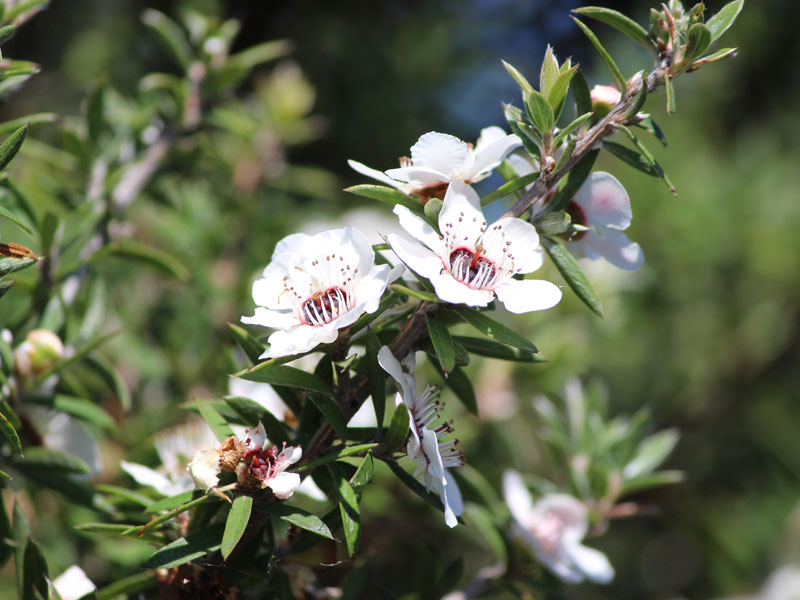
I have been providing propolis since 40 years ago when I lived in Brazil, and for the past 25 years, I’ve been offering Manuka honey since moving to New Zealand. During this time, I have received various consultations and reports from our customers. As a result, I have come to believe that human health (including pets) is determined by the microbial ecosystem within the intestines. If this ecosystem is healthy, one is unlikely to fall ill. I firmly feel that bee products are the only truly reliable means of maintaining homeostasis, and I hope that as many customers as possible will use these products to benefit their daily health. For a beekeeper like myself, nothing could be more fulfilling.
تستهدف آليات عمل هذه العوامل المضادّة للميكروبات بُنى لا وجود لها في جسم الإنسان، أو تفترق عنه في خصائصها البنيوية، وهو ما جعل البعض يعتقد أنّها آمنة بطبيعتها على الإنسان والحيوان. غير أنّني أرى في هذا الاعتقاد قدرًا كبيرًا من الخطأ.
فالقناة الهضمية لدى الإنسان تحتضن عددًا هائلًا من البكتيريا يتراوح بين 100 تريليون و1,000 تريليون، وهو رقم يفوق بكثير عدد خلايا جسم الإنسان البالغ نحو 60 تريليون خلية. ويبلغ الوزن الإجمالي لهذه البكتيريا حوالى 2 كيلوجرامات، حتى إنّ ثلث وزن الفضلات التي يطرحها الإنسان يتكوّن من البكتيريا. وحمل كل هذا الكمّ من البكتيريا أشبه بوجود هرّ صغير بعمر أربعة أشهر يعيش داخل أحشائك.
تتولّى هذه البكتيريا تحويل الطعام كيميائيًا وتفكيكه ليتسنّى امتصاص المغذّيات عبر جدار الأمعاء. وهذه العملية تُعدّ من أهمّ وظائف الجسم الحيوية، كما أنّ البيئة الميكروبية داخل الأمعاء تمثّل عنصرًا أساسيًا لا غنى عنه لصحة الإنسان. لكنَّ العوامل المضادّة للميكروبات—بما فيها المضادات الحيوية—تهاجم مجموعات واسعة من الكائنات الدقيقة دون تمييز، بما في ذلك تلك الموجودة في الأمعاء. ومن هنا، فإنّ الادعاء بأنها غير ضارة بالإنسان أو الحيوان ادعاء باطل تمامًا. ولوقتٍ طويل كان يُعتقد أنّ حوالى 30% من جهاز المناعة يتمركز في الأمعاء، غير أنّ الدراسات الحديثة تُشير إلى أنّ النسبة قد تتجاوز 70%.
لقد بدأت بتوفير البروبوليس منذ نحو أربعين عامًا عندما كنت أعيش في البرازيل، ومنذ خمسة وعشرين عامًا وأنا أقدّم عسل المانوكا بعد انتقالى إلى نيوزيلندا. وخلال هذه العقود تلقيت عددًا كبيرًا من الاستشارات والتقارير من عملائنا، ممّا رسّخ لديّ قناعة عميقة بأنّ صحة الإنسان—والحيوانات الأليفة أيضًا—تنبع من البيئة الميكروبية داخل الأمعاء. فإذا كانت هذه البيئة في حالة جيدة، نادرًا ما يمرض الإنسان.
وأؤمن إيمانًا راسخًا بأنّ منتجات النحل هي الوسيلة الطبيعية الأكثر كفاءة وموثوقية للحفاظ على التوازن الحيوي في الجسم. وآمل أن يستفيد أكبر عدد ممكن من الناس من هذه المنتجات في حياتهم اليومية، فبالنسبة لمربّي نحل مثلي، لا توجد سعادة تفوق رؤية هذا الأثر في صحة الناس.