
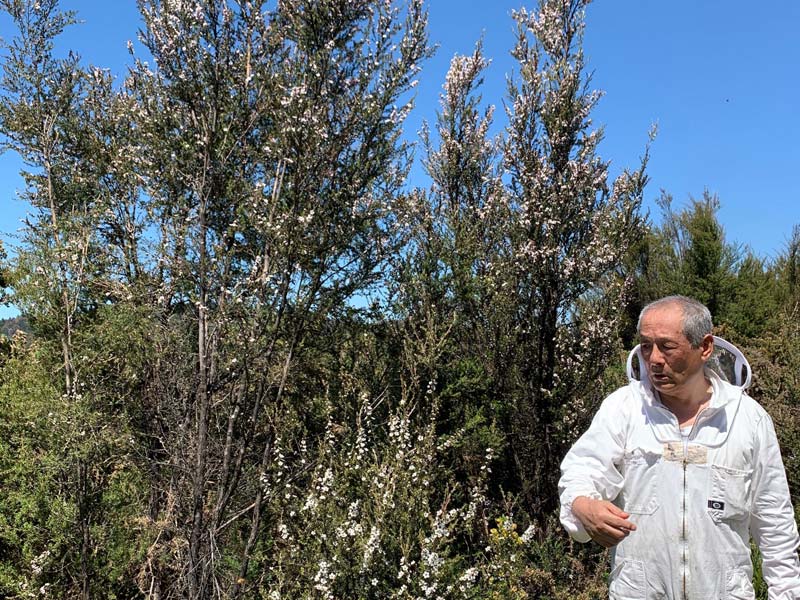
The first spring breeze has arrived, and the apiary has suddenly come to life under the bright spring sunlight. The bees are buzzing around energetically, clearly enjoying the arrival of spring. It’s not just the bees; all the plants are shaking their fresh green leaves in the spring breeze, and even the little stream near the apiary seems to flow more cheerfully. The arrival of spring brings blessings to all living things and feels like the start of a new year filled with hope. Here in New Zealand, it has been over 20 years since I began working with Manuka honey. During this time, I have received numerous reports and inquiries from many customers, including a significant number of healthcare professionals such as doctors, veterinarians, and pharmacists.
This is a story from some years ago. A customer once purchased every single one of our bee products, which left us wondering about the reason. Later, we learned that the customer was a university student conducting research on the antibacterial properties of bee products for their graduation thesis. Not long after, we received a call from a professor at a veterinary university in Tokyo, who had been supervising the student’s thesis. The professor shared that antibacterial tests conducted on our products had yielded astonishing results, and he wanted to discuss them further.
Our conversation deepened, and we began planning a book about bee products. However, during this time, the outbreak of BSE (mad cow disease) in the United States occurred, and the professor, who served as a chair for livestock-related issues, became deeply involved in addressing this crisis. Unfortunately, his health deteriorated due to overwork, and he passed away before the book could be completed. I had hoped to collaborate on a publication, where the professor would explain the scientific aspects of bee products while I would provide insights into the production process. Even now, I regret that we were unable to be realized.
The antibacterial and antiviral properties of bee products have been recognized and validated by many people throughout history. These benefits have been passed down from generation to generation and are even acknowledged epidemiologically. However, modern healthcare has shifted to a system where everything is entrusted to medical institutions, and the crucial concept of “healing one’s own illnesses” has been largely forgotten. It’s not uncommon to hear medical professionals say, “If honey or propolis could cure diseases, we wouldn’t need doctors.” Unfortunately, many of them are unwilling to explore or acknowledge anything outside their own field of study, often dismissing such possibilities.
For diseases whose causes remain unknown, the reliance on treatments such as anticancer drugs, antibiotics, other antimicrobial agents, steroids, and immunosuppressants—many of which are effectively toxins—is commonplace among medical professionals. One cannot help but wonder what basis these professionals have for dismissing honey and propolis so casually. Considering the many customers who come to our website as a last resort, fter being failed by the medical system, this truly speaks to the severity of the crisis
هنا في نيوزيلندا، مرّت أكثر من عشرين سنة منذ بدأت رحلتي مع عسل المانوكا. وخلال هذه السنوات، تلقيت عددًا هائلًا من التقارير والاستفسارات من عملائنا، ومن ضمنهم عدد كبير من المتخصصين في الرعاية الصحية—أطباء، وأطباء بيطريين، وصيادلة.
ومن القصص التي لا تزال راسخة في ذهني ما حدث قبل عدة أعوام، عندما قام أحد العملاء بشراء جميع منتجات النحل التي نقدّمها، مما أثار فضولنا حول الدافع وراء ذلك. وبعد مدة قصيرة، علمنا أن هذا العميل كان طالب جامعة يُجري بحثًا عن الخصائص المضادّة للجراثيم في منتجات النحل بهدف إعداد أطروحته للتخرج.
وبعد فترة وجيزة، تلقّيت اتصالًا من أستاذ في إحدى الجامعات البيطرية في طوكيو، كان يشرف على بحث ذلك الطالب. وقد شاركنا ذلك الأستاذ نتائج مذهلة كشفتها الاختبارات البكتريولوجية التي أجريت على منتجاتنا، وطلب التحدّث بتفصيل أكبر حول الموضوع.
تطورت أحاديثنا لاحقًا، وبدأنا التخطيط لتأليف كتاب حول منتجات النحل، على أن يوضّح الأستاذ الجانب العلمي بينما أتولى أنا الحديث عن جوانب الإنتاج. لكن في تلك الفترة اندلع انتشار مرض جنون البقر (BSE) في الولايات المتحدة، وكان الأستاذ يشغل منصب رئيس لجنة مختصة بقضايا الثروة الحيوانية. ومع ضغط العمل الهائل، تدهورت صحته للأسف، ورحل قبل أن يرى مشروع الكتاب النور. وحتى اليوم، أشعر بأسف عميق لأن هذا التعاون لم يكتمل.
لقد عُرفت الخصائص المضادّة للبكتيريا والفيروسات في منتجات النحل منذ العصور القديمة، وتوارثتها الأجيال، بل إنّ فعاليتها مثبتة حتى في الدراسات الوبائية. ومع ذلك، تغيّر وجه الطب الحديث إلى نظام يُفوَّض فيه كل شيء للمؤسسات الطبية، فتلاشت الفكرة الأساسية التي تقول إن “جسم الإنسان قادر على شفاء نفسه”. وليس نادرًا أن نسمع أطباءً يقولون: “لو كان العسل أو البروبوليس قادرين على علاج الأمراض، لما احتجنا إلى الأطباء.” لكنّ العديد منهم لا يرغب حتى في محاولة فهم ما يقع خارج نطاق تخصصه، ويكتفي برفضه مباشرة.
وفي الوقت ذاته، يعتمد الكثير من المتخصصين في الرعاية الصحية على علاجات لا تزال مجهولة السبب، ويستخدمون أدويةً مثل مضادات السرطان، والمضادات الحيوية، والعقاقير المضادّة للالتهابات، والستيرويدات، ومثبطات المناعة—وهي في جوهرها مواد سامة—ومع ذلك يتم وصفها بلا تردد. وحين نرى هذا، نتساءل: على أي أساس يتم رفض فعالية العسل والبروبوليس؟ إن العدد الكبير من العملاء الذين يصلون إلى موقعنا كملاذ أخير، بعد أن خذلهم النظام الطبي، هو دليل مؤسف على مدى عمق الأزمة الحالية.