
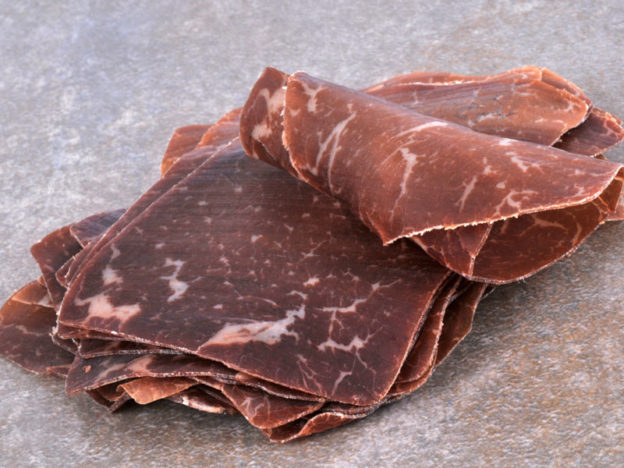
Last time, I talked about my homemade fermented foods. I also frequently make salted preserves, as they keep well. The outcome varies greatly depending on the time and salt concentration used. It reminds me of scenes I often encountered when traveling through rural Brazil in the past—where locals made dried meat. As a student visiting the area, I was puzzled when I first saw it. I thought, “What on earth are they drying?” When I got closer, I realized that they were hanging large cuts of beef, almost half a cow, over a log. In those villages, there was no electricity and certainly no refrigeration. They would butcher the cattle, then sun-dry the meat to produce dried beef for sale. The process involved slicing the thick meat diagonally with a knife, rubbing coarse rock salt into the cuts, and hanging it to dry. The dried meat prepared in the dry season started as thick and heavy cuts, but as the salt drew out moisture under the intense sun, it would eventually become thin, hard, and completely dried-out meat, ready to be shipped to nearby towns.
In the early stages of the drying process, the meat looks dirty and almost black from a distance, resembling blankets hanging out to dry. But upon closer inspection, the dark appearance is actually due to swarms of flies covering the meat. Witnessing this, one might think it completely inedible. However, after days of rubbing in salt and drying under the scorching sun, it’s remarkable that the fly eggs fail to develop, and the meat ultimately dries out completely. Eventually, it’s hung outside butcher shops, where it’s sold in pieces. I bought some, struggling to cut it with a knife for a meal, then soaked it in water to remove the excess salt until it became tender. After that, I thinly sliced it and stir-fried it together with onions, carrots, potatoes, garlic, and black pepper in oil. Thinking back on its production process, it’s almost unappetizing — but as my father used to say, “There’s no such thing as dirty food if it tastes good.” This is a perfect example of that.
So how does it taste? It’s hard to describe in just a few words—it’s complex, with a distinctive aroma unique to dried meat, and simply put, it’s incredibly delicious. Just like Manuka honey, dried meat that takes several months to a year from production to completion has a fully matured, deep flavor. The high salt concentration and intense sunlight break down the proteins, resulting in an abundance of umami-rich amino acids, which is the best explanation I can offer for its incredible taste. There’s hardly anything like it in this world. Even after moving to New Zealand, I couldn’t forget this flavor. I now try to recreate it using venison from butchers or friends who hunt, following the same method. When I eat it, I feel as though the South American landscape is right before my eyes, and nostalgia wells up within me. Of course, when I make it myself, I keep it covered in netting to keep the flies out. Manuka honey, on the other hand, doesn’t have the same transformative process. Trying to process it would diminish the value of pure raw honey. Manuka honey, I suppose, is best enjoyed as it is—a perfect product of nature.
في المرة السابقة، تحدّثتُ عن أطعمتـي المخمّرة المصنوعة في المنزل. كما أنني أُعدّ كثيرًا من المخللات المالحة، فهي تتميّز بطول مدة حفظها. والنتيجة تختلف اختلافًا كبيرًا تبعًا للوقت المستخدم وتركيز الملح، وهو ما يعيد إلى ذهني مشاهد طالما صادفتها خلال رحلاتي القديمة في الأرياف البرازيلية.
هناك، كان السكان المحليون يصنعون اللحم المجفف. وعندما شاهدت ذلك للمرة الأولى كطالب زائر، انتابني الذهول وقلت في نفسي: «ما الذي يقومون بتجفيفه بحق السماء؟»
وحين اقتربت، أدركت أنهم يعلّقون قطعًا ضخمة من لحم البقر — تكاد تكون نصف بقرة كاملة — على جذع خشبي. في تلك القرى لم تكن هناك كهرباء، ولا بالطبع أي وسيلة تبريد. كانوا يذبحون الماشية، ثم يتركون اللحم تحت أشعة الشمس ليجف، ليتحوّل إلى لحمٍ مجفف يُعدّ للبيع.
تبدأ العملية بتقطيع اللحم السميك قطوعًا مائلة بالسكين، ثم يُفرك بالملح الصخري الخشن، ويُعلّق ليجف. في موسم الجفاف، يكون اللحم في بدايته سميكًا وثقيلًا، لكن مع حرارة الشمس القاسية، يستخرج الملح الرطوبة من داخله، فيتحوّل تدريجيًا إلى شرائح رفيعة، قاسية، وجافة تمامًا، جاهزة أخيرًا للشحن إلى المدن القريبة.
إنها حكمة الحفظ البدائية، حيث يلتقي الزمن والملح والشمس ليصنعوا غذاءً يصمد — كما تصمد الذاكرة نفسها.
في المراحل الأولى من عملية التجفيف، يبدو اللحم من بعيد داكنًا ومتّسخًا، يكاد يميل إلى السواد، كأنه أغطية عُلّقت لتجف تحت الشمس. لكن عند الاقتراب، يتبيّن أن هذا اللون الغامق ليس إلا أسرابًا من الذباب التي تغطي سطح اللحم. مشهد كهذا كفيل بأن يجعل أي شخص يعتقد أن هذا الطعام غير صالح للأكل على الإطلاق.
ومع ذلك، وبعد أيام طويلة من فركه بالملح وتعريضه لأشعة الشمس الحارقة، يحدث ما يشبه المعجزة: لا تنمو بيوض الذباب، ويجف اللحم تمامًا حتى يفقد كل رطوبته. بعد ذلك يُعلّق خارج محال الجزّارين، ويُباع على هيئة قطع. اشتريتُ منه ذات مرة، وكان من الصعب تقطيعه بالسكين، ثم نقعته في الماء لإزالة فائض الملوحة حتى عاد طريًا. بعدها قطّعته شرائح رفيعة وقلّيته بالزيت مع البصل والجزر والبطاطا والثوم والفلفل الأسود.
حين تفكّر في عملية إنتاجه، قد يبدو الأمر غير مستساغ… لكن كما كان يقول والدي دائمًا: «لا يوجد طعام قذر إذا كان طعمه لذيذًا». وهذا اللحم خير دليل على ذلك.
أما عن الطعم؟ من الصعب اختصاره بكلمات قليلة. إنه طعم مركّب، يحمل عبيرًا فريدًا لا يشبه إلا اللحم المجفف نفسه، وببساطة… هو لذيذ إلى حدّ مدهش. تمامًا مثل عسل المانوكا، فإن اللحم المجفف الذي يستغرق إنتاجه من عدة أشهر إلى عام كامل يكتسب نكهة ناضجة وعميقة. فبفعل الملوحة العالية وأشعة الشمس القوية، تتحلّل البروتينات وتتحوّل إلى وفرة من الأحماض الأمينية الغنية بالأومامي، وهذا أفضل تفسير يمكنني تقديمه لهذا الطعم الاستثنائي.
لا يكاد يوجد شيء يشبهه في هذا العالم. وحتى بعد انتقالي إلى نيوزيلندا، لم أستطع نسيان تلك النكهة. واليوم أحاول إعادة ابتكارها باستخدام لحم الغزلان من الجزارين أو من أصدقاء الصيد، متّبعًا الطريقة ذاتها. وعندما أتذوّقه، أشعر وكأن مشاهد أمريكا الجنوبية ترتسم أمام عيني، ويغمرني الحنين.
وبالطبع، حين أصنعه بنفسي، أحرص على تغطيته بشِباك لحمايته من الذباب.
أما عسل المانوكا، فهو قصة مختلفة تمامًا. لا يحتاج إلى أي تحويل أو معالجة؛ فمحاولة تغييره لا تزيده إلا ابتعادًا عن قيمته الحقيقية. عسل المانوكا، في جوهره، يُجسّد الكمال حين يُستمتع به كما هو — منتج نقي أبدعته الطبيعة في أبهى صورها.