
This story takes place about 30 years ago when my nephew decided to visit Brazil during his summer vacation to experience playing soccer He joined the youth divisions of two well-known club teams in Rio de Janeiro. He split his time between the two teams, training with one in the morning and the other in the afternoon. Back in Japan, he had been playing as a goalkeeper since elementary school, so he focused on the same position and practiced hard for nearly a month. Both clubs were highly competitive, and it was kept a secret that he was practicing with two different teams to avoid any issues. The coach was quite strict, and they trained intensively every day. My nephew worked hard and improved a lot, so before returning to Japan, I decided to visit former classmates who had settled in the Amazon.
From the airport in Rio, Manaus, the capital of Amazonas state, is located 2,800 km away, which is roughly the distance between Japan and the Philippines. We flew to an airport about 1,200 km upstream from the mouth of the Amazon River in Manaus. From there, we flew another 800 km to the town of Santarém, and then took a riverboat for 130 km downstream to our destination, Monte Alegre, where several of our former classmates lived. We spent about a week there, staying with my old friends. While I had visited the Amazon region numerous times both during my student days and after moving to Brazil, it was a new experience for my nephew and son. This trip gave them a real sense of Brazil’s vastness and the immensity of the Amazon River, which felt more like an ocean. Though it was a short journey, it seemed to be an enjoyable and memorable one for them.
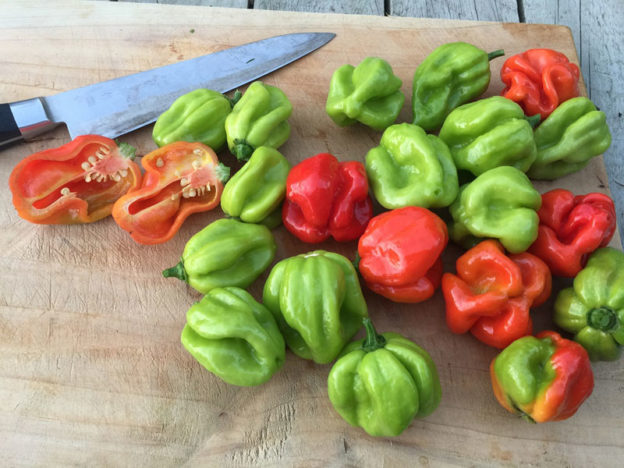
We enjoyed various dishes in the Amazon, most of which were topped with mustard oil. Its intense spiciness and fruity, distinctive aroma left a lasting impression on me. The chili peppers used were referred to as “Amazon peppers.” Though I eventually forgot about them, my son later brought home some chili peppers he had “borrowed” from someone’s garden. He said, “These smell just like the ‘Amazon peppers.’” Let’s see… , I took a sniff, and immediately, the distinctive heat and humidity of the tropical rainforest came flooding back. It was exactly like the “Amazon peppers” I had experienced there. However, the peppers from the Amazon were much smaller—only about a third of the size.
Later, when Windows 95 was released and the internet rapidly became widespread, I searched for this chili pepper and learned the following, as now documented on Wikipedia:
The heat level of habanero peppers is approximately 300,000 Scoville Heat Units (SHU), with a Guinness World Record entry submitted by GNS Spices Inc. in 1994 at 577,000 SHU. Its origin is believed to be from Central to South America, with the highest likelihood being the Amazon Basin or its nearby coastal regions. From there, it is thought to have spread to the Yucatán Peninsula.
What we tasted in the Amazon turned out to be what is now called “habanero,” later recognized in the Guinness Book of World Records as the world’s hottest chili pepper. It was likely a wild or ancestral variety of this renowned pepper.
At our home, meals are still prepared in a Brazilian style with influences from African and Mediterranean cuisine. This “Amazon pepper” is incredibly spicy, but its citrusy, fruity aroma enhances dishes and serves as an essential accent. We grow it every year, and as you can see from the photo, this year’s harvest produced many large peppers. I plan to process and share them with my son and his wife, as well as other family members. Though it’s really spicy, it’s fascinating placing Manuka honey on the tongue afterward magically neutralizes the heat.
تعود هذه القصة إلى ما يقارب ثلاثين عامًا مضت، حين قرّر ابن أختي قضاء عطلته الصيفية في البرازيل لتجربة لعب كرة القدم هناك. انضمّ إلى الفِرق الشابة في ناديين مشهورين بمدينة ريو دي جانيرو، يتدرّب مع أحدهما في الصباح، ومع الآخر في المساء — في سرية تامة، حتى لا يُثار أي خلاف بين الناديين. كان مدرّبوه صارمين للغاية، لكنّ حماسه الصادق مكّنه من التطوّر السريع، حتى أصبح حارس مرمى واعدًا كما كان في اليابان منذ طفولته.
وقبل عودته إلى اليابان، قرّرتُ أن أستغل الفرصة لزيارة بعض أصدقائي القدامى الذين استقرّوا في منطقة الأمازون. تبعد مدينة ماناوس، عاصمة ولاية الأمازون، نحو ٢٨٠٠ كيلومتر عن ريو دي جانيرو، أي ما يعادل تقريبًا المسافة بين اليابان والفلبين. ومن هناك، واصلنا الرحلة إلى بلدة سانتاريم، ثم استقللنا قاربًا نهريًا لمسافة ١٣٠ كيلومترًا على طول نهر الأمازون، إلى وجهتنا النهائية مونتي أليغري، حيث يعيش عدد من زملائي القدامى.
أقمنا هناك نحو أسبوع، نستمتع بضيافتهم ودفء صداقتهم القديمة. كانت هذه الزيارة بالنسبة لابني وابن أختي تجربة فريدة، أعطتهما إحساسًا عميقًا باتساع البرازيل وجلال نهر الأمازون، الذي يشبه البحر في ضخامته وسكونه. ورغم قِصر الرحلة، إلا أنها تركت في نفوسهم أثرًا لا يُنسى.
في الأمازون، تذوّقنا أطباقًا عديدة، جميعها كانت تُقدَّم مع زيت الخردل الحار، ذلك الزيت الذي يمتاز بحرارته القوية ورائحته الفاكهية المميزة. أما الفلفل المستخدم، فكان يُعرف محليًا باسم “فلفل الأمازون”. بقي طعمه في ذاكرتي لسنوات، حتى جاء يوم عاد فيه ابني إلى المنزل حاملًا بعض ثمار الفلفل قال إنه “استعارها” من حديقة أحدهم. قال لي مبتسمًا: “رائحتها تمامًا كرائحة فلفل الأمازون!” وحين شممتها، غمرني فجأة دفء الغابات الاستوائية ورطوبتها العطرة — كانت نفس الرائحة، ونفس الحرارة المتوهجة، لكن حجم الفلفل كان أصغر بنحو الثلث.
ومع ظهور نظام ويندوز 95 وانتشار الإنترنت لاحقًا، بحثت عن هذا الفلفل على الشبكة، فاكتشفت أنه هو ما يُعرف اليوم باسم “الهَبَنيرو”، الذي دخل موسوعة غينيس للأرقام القياسية كأحد أشد أنواع الفلفل حرارة في العالم، بقوة تصل إلى ٥٧٧,٠٠٠ وحدة سكوفيل. ويُعتقد أن موطنه الأصلي يمتد من أمريكا الوسطى إلى أمريكا الجنوبية، وخاصة حوض الأمازون ومناطقه الساحلية القريبة، ومن هناك انتقل إلى شبه جزيرة يوكاتان.
ما تذوّقناه في تلك الرحلة كان على الأرجح سلالة برّية قديمة من فلفل الهَبَنيرو، تحمل في نكهتها الأولى جوهر الطبيعة الأمازونية الخام. واليوم، ما زالت مائدتنا في المنزل متأثرة بالمطبخ البرازيلي الذي يمزج بين النكهات الإفريقية والمتوسطية. يُعدّ هذا الفلفل الحار جدًا — رغم لذعته القوية — مكوّنًا أساسيًا يمنح الأطباق عبيرًا فاكهيًا لاذعًا ولمسةً من الحيوية. نزرعه كل عام، وقد كانت حصادته هذا الموسم وافرة بشكل لافت. أخطط لتجفيفه ومعالجته وتقاسمه مع ابني وزوجته وبقية العائلة.
ورغم حرارته التي تكاد تلسع اللسان، فإن لمسة من عسل المانوكا النقي كفيلة بأن تُبدّد ذلك اللهيب بلُطفٍ سحري، كما لو أن الطبيعة نفسها تُعيد التوازن بين النار والعسل، بين حرارة الحياة وصفاء الشفاء.