
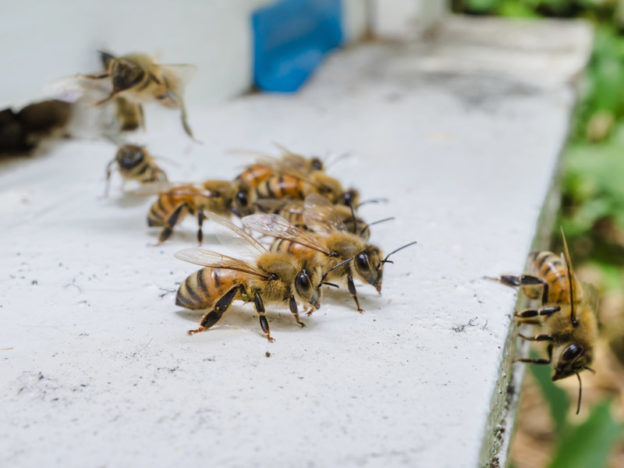
Last time, I briefly mentioned the use of antibiotics to honeybees, and I’d like to write a bit more on this topic. In many honey-producing countries, the use of antibiotics isn’t strictly regulated, regardless of whether the country is developing or developed. New Zealand is one of the few nations where their use is prohibited. This could become a long discussion, but to summarize, New Zealand was formed from a part of the continent known as Zealandia, which rose from the ocean floor in ancient times, resulting in significantly less biodiversity compared to other countries.
In New Zealand’s natural environment, the introduction of foreign plants and animals is strictly regulated by the Ministry for Primary Industries (formerly the Ministry of Agriculture). The use of chemicals in beekeeping, particularly antibiotics, is strictly prohibited. When it comes to beekeeping, there is no way to cure an infection once it occurs, so affected hives must be immediately incinerated, and a report detailing the outbreak area must be submitted. If the use of chemicals were permitted, it might be possible to restore hives through treatment if a disease were to arise. However, I believe that the current regulations imposed by the authorities are the right approach. Of course, infections can potentially be managed with the use of antibiotics.
However, reliance on medications (and this applies not only to beekeeping but also to other industries) inevitably leads to the emergence of microorganisms that are resistant to these treatments, as living organisms will evolve to ensure their survival. In human, a good example would be drug-resistant hospital-acquired bacteria, which have now become widespread in medical institutions, which result from the overuse of antibiotics. In the U.S., for instance, one of the first tasks in beekeeping after wintering is to feed bees with antibiotics to significantly reduce the risk of infections. This practice is also common in Japan, where there are no regulations on the use of antibiotics in beekeeping. Recently, there have been numerous issues concerning food safety in countries like China and throughout Southeast Asia, which has led to a general perception among consumers that domestically produced goods are safer.
When it comes to bee products, this belief is a significant misconception. Honey and other bee products from my operation are exported to the head office, where they undergo antibiotic testing during customs clearance. All imported foods are subject to the same rules: if levels of residual antibiotics or other substances exceed the limits set by Japan’s Ministry of Health, Labour and Welfare quarantine stations, the import will not be approved. However, there are no such restrictions on honey produced domestically in Japan, making it potentially riskier compared to imports. The general idea that domestic products are safer is likely a misconception, and I believe this applies to other food products as well.
ذكرتُ في المرة السابقة بإيجاز موضوع استخدام المضادات الحيوية في تربية النحل، وأود اليوم التعمّق قليلًا في هذا الجانب المهم. في العديد من الدول المنتجة للعسل، لا توجد قيود صارمة على استخدام المضادات الحيوية، سواء كانت تلك الدول متقدمة أو نامية. أما نيوزيلندا، فهي من القلة النادرة من الدول التي تحظر استخدامها تمامًا، وذلك لاعتبارات بيئية وصحية عميقة الجذور.
نشأت نيوزيلندا من جزء من القارة القديمة المعروفة باسم زيلانديا، والتي ارتفعت من قاع المحيط في العصور السحيقة، مما جعل تنوعها البيولوجي محدودًا مقارنةً ببقية دول العالم. وفي هذا النظام البيئي الفريد، تُشرف وزارة الصناعات الأولية (التي كانت تُعرف سابقًا بوزارة الزراعة) بصرامة على منع إدخال النباتات أو الحيوانات الأجنبية، كما تحظر تمامًا استخدام المواد الكيميائية — وخاصة المضادات الحيوية — في تربية النحل.
وعند حدوث عدوى في أحد المناحل، لا يُسمح بعلاجها بالأدوية كما في الدول الأخرى، بل يجب إحراق الخلايا المصابة فورًا، مع تقديم تقرير رسمي يوضح موقع انتشار العدوى. قد يبدو هذا الإجراء قاسيًا، لكنني أرى أنه النهج الصحيح الذي يحافظ على نقاء البيئة وصحة النحل على المدى الطويل. صحيح أن استخدام الأدوية قد يعالج المشكلة مؤقتًا، لكن الاعتماد عليها يقود في النهاية إلى ظهور كائنات دقيقة مقاومة، تمامًا كما يحدث في المجال الطبي مع البكتيريا المقاومة للمضادات الحيوية التي أصبحت منتشرة في المستشفيات حول العالم بسبب الإفراط في استخدامها.
في الولايات المتحدة، من الممارسات الشائعة بعد موسم الشتاء أن يُعطى النحل جرعات من المضادات الحيوية لتقليل خطر العدوى بشكل كبير. أما في اليابان، فالأمر مشابه، حيث لا توجد قوانين تقيّد استخدام هذه المواد في تربية النحل. ومع تزايد القلق حول سلامة الغذاء في بعض الدول مثل الصين ودول جنوب شرق آسيا، نشأ لدى العديد من المستهلكين انطباع بأن المنتجات المحلية أكثر أمانًا. إلا أن هذا الاعتقاد، عندما يتعلق الأمر بمنتجات النحل، هو تصور خاطئ إلى حد كبير.
فالعسل ومنتجات النحل التي نُنتجها تُصدَّر إلى المقر الرئيسي وتخضع لاختبارات دقيقة لرصد أي آثار للمضادات الحيوية أثناء التخليص الجمركي. وجميع الأغذية المستوردة إلى اليابان تُعامل بالقواعد نفسها: ففي حال تجاوزت نسبة بقايا المضادات أو أي مواد أخرى الحدود المسموح بها من قِبل وزارة الصحة والعمل والرفاهية اليابانية، فإن دخولها إلى البلاد يُمنع تمامًا. لكن المفارقة هي أنه لا توجد قيود مماثلة على العسل المنتج محليًا في اليابان، مما يجعله — من الناحية الواقعية — أكثر عرضة للمخاطر مقارنة بالمستورد.
إن الفكرة السائدة بأن المنتجات المحلية أكثر أمانًا هي، في رأيي، وهمٌ تسويقي لا حقيقة علمية، وينطبق هذا على العديد من الأغذية الأخرى أيضًا. فالسلامة الحقيقية لا تأتي من الموقع الجغرافي للإنتاج، بل من النزاهة، والالتزام بالمعايير، والاحترام العميق للطبيعة.