
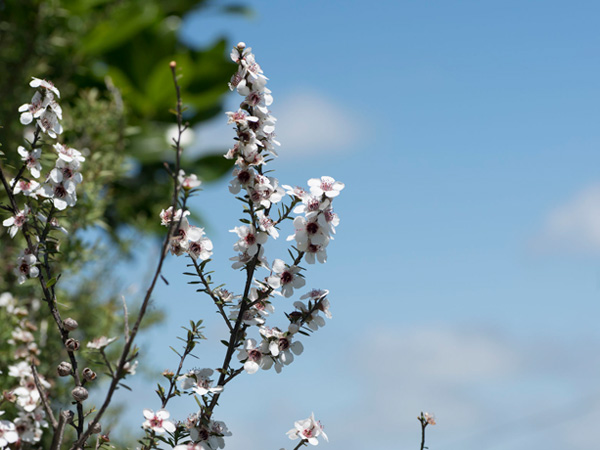
There are countless websites about manuka honey nowadays. However, most of them say nearly the same things, with little value or meaningful differences. This suggests that the authors likely have no real knowledge of manuka honey, simply cutting and pasting from various sites to create a patchwork article. Recently, one of our sales staff sent me an online article from a famous weekly magazine. After reading it, I found it was just another typical, unremarkable article you could find anywhere.
Many of these websites nearly always include a description of the manuka tree, saying something like, “In the Maori language, ‘manuka’ means ‘tree of resurrection’ or ‘healing tree.’” It’s likely that someone wrote this convincing story simply to promote their own product, and now numerous sites have copied this catchy phrase. I have lived here since 1995 and have friendships with Maori people, but I’ve never once heard words like “resurrection” or “healing” associated with manuka. When I mention it, the Maori people laugh. So I haven’t comfirmed it.
This is a classic example of the Japanese tendency to create “stories” with added meaning. A similar case can be seen in how the Japanese call an apartment building a “mansion.” In English, a mansion refers to a large, luxurious home, and phrases like “one-room mansion” would make anyone, not just the Maori, laugh. Yet, in Japan, “mansion” has become the standard term for an apartment, It seems that “tree of resurrection” or “healing tree” will eventually become accepted terms for manuka, just like “mansion” in Japan. But errors should be corrected before they become fixed in common use.
In the online world, anyone can write anything, yet there’s no accountability—if you believe it, that’s on you. The claims about the activity level of manuka honey are often unreliable, with many sites confidently selling it based on verified information. The more they boast of XX Association certification or “major brand,” the more dubious these claims tend to be. One might call it freedom, as is typical of the internet, but I know well that consumers aren’t that easily misled. Terms like “resurrection,” “healing,” “XX Association certification,” or “major brand” have nothing to do with me. My only purpose as a beekeeper is to take pride in my work, knowing that our customers keep coming back to purchase our products at a premium, without needing any convincing words.
في عصرنا هذا، تملأ الإنترنت مئات المواقع التي تتحدث عن عسل المانوكا، لكن أغلبها يردد العبارات نفسها، دون عمقٍ أو معرفةٍ حقيقية. يبدو واضحاً أن كتّاب هذه المقالات لا يملكون فهماً حقيقياً لطبيعة العسل، بل يجمعون النصوص من هنا وهناك ليكوّنوا مقالاً سطحياً لا روح فيه. أرسل لي أحد موظفينا مؤخراً مقالاً منشوراً في مجلة مشهورة، وبعد قراءته أدركت أنه ليس سوى نسخة أخرى من المقالات المكرّرة المنتشرة في كل مكان.
غالباً ما تبدأ هذه المواقع بوصف شجرة المانوكا، وتتحدث عن أصل الكلمة في لغة الماوري، زاعمين أنها تعني “شجرة القيامة” أو “شجرة الشفاء”. من الواضح أن هذه القصة وُضعت لترويج منتج ما، ثم تكررت بلا تدقيق حتى أصبحت “حقيقة” يتداولها الجميع.
لقد عشت في نيوزيلندا منذ عام 1995، ولدي صداقات عميقة مع أبناء الماوري، لكنني لم أسمع يوماً من أحدهم تلك الكلمات عن “القيامة” أو “الشفاء”. وعندما أذكر لهم ذلك، يضحكون بدهشة. إنها سمة يابانية مألوفة – الميل إلى نسج القصص وإضفاء المعاني الرومانسية على الأشياء. ومثال ذلك ما نراه في اليابان حين يُطلقون على شقة صغيرة اسم “قصر” (Mansion)، بينما في الإنجليزية تعني الكلمة قصراً فخماً واسعاً، مما يثير ابتسامة من يسمع تعبير “قصر من غرفة واحدة”. ومع ذلك، أصبح المصطلح مألوفاً في اليابان، وقد يحدث الشيء نفسه مع “شجرة القيامة” و”شجرة الشفاء” إن لم تُصحح المعلومة.
في عالم الإنترنت، يستطيع أي شخص كتابة ما يشاء دون مسؤولية. إذا صدقته، فاللوم عليك. حتى الادعاءات المتعلقة بمستوى نشاط عسل المانوكا غالباً ما تكون غير دقيقة، رغم أن المواقع تعرضها بثقة وكأنها حقائق مثبتة. وكلما زعموا أن منتجاتهم “معتمدة من جمعية كذا” أو “من علامة تجارية كبرى”، ازددت شكاً في مصداقيتهم.
ربما يُعتبر ذلك من حرية الإنترنت، لكنني أعلم جيداً أن المستهلكين الأذكياء لا يُخدعون بسهولة. أما أنا، فلا علاقة لي بهذه الشعارات الرنانة: “القيامة”، “الشفاء”، “الاعتماد”، أو “العلامة الكبرى”.
رسالتي أبسط من ذلك بكثير – أنا نحّال أعتز بعملي، ويكفيني أن عملائي يعودون لشراء منتجاتي مراراً، ليس بالكلمات البراقة، بل بالجودة الحقيقية التي يلمسونها بأنفسهم.