
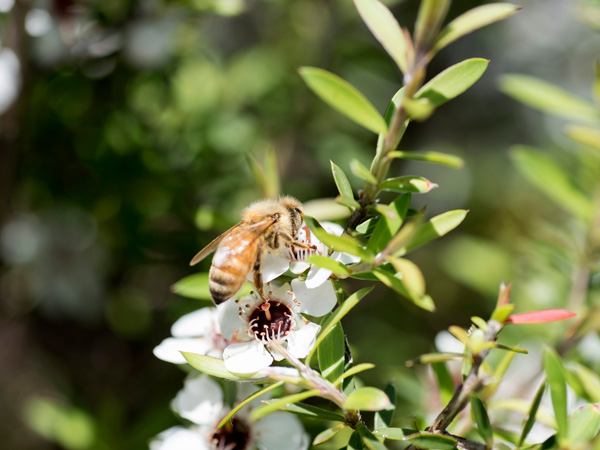
As I mentioned before, as global demand for manuka honey rises, production has been struggling to keep up. Naturally, this leads to price increases, but the potential decline in quality is concerning. In the past, there was an international scandal over misleading labeling on exported manuka honey, resulting in a major producer losing a lawsuit. Yet, even after that, some local companies continue to use misleading labels, undoubtedly damaging the reputation of New Zealand’s agricultural products. The government, slow to act, has finally stepped in with regulations, realizing that if this continues, it could seriously impact the credibility of New Zealand’s agricultural exports.
The production of Manuka honey in our country is not large compared to other agricultural products; however, if such a small-scale product leads to a loss of trust in our country’s agricultural products as a whole, it would be a serious issue for an agricultural nation. In fact, there are already many instances that can be recognized as signs of this. For this reason, the government has decided that as long as it is exported under the name “Manuka honey,” it must be derived from the nectar of the Manuka tree. This can be easily determined by analyzing the specific component levels in Manuka nectar.
From our perspective, this is quite obvious. However, for many businesses that have mixed and sold other types of honey to increase their product volume, this presents a significant problem. This issue is serious not only for New Zealand but also for the countries to which we export, including Japan’s distributors. This is especially true for large manufacturers, as their products will be greatly affected by this regulation. It is only natural that selling counterfeit products would eventually lead to such consequences. The major suppliers, who have previously made seemingly credible claims, will ultimately face the collapse of their reputations. The effects of this situation are expected to be felt in Japan from this autumn onwards.
كما ذكرت سابقًا، مع ارتفاع الطلب العالمي على عسل المانوكا، أصبح الإنتاج يكافح لمواكبة هذا الطلب. بطبيعة الحال، يؤدي ذلك إلى ارتفاع الأسعار، لكن الانخفاض المحتمل في الجودة يثير القلق. في الماضي، كان هناك فضيحة دولية حول التسمية المضللة لعسل المانوكا المصدر، مما أدى إلى خسارة أحد المنتجين الرئيسيين في دعوى قضائية. ومع ذلك، حتى بعد ذلك، لا تزال بعض الشركات المحلية تستخدم تسميات مضللة، مما يلحق الضرر بلا شك بسمعة المنتجات الزراعية النيوزيلندية. أخيرًا، تدخلت الحكومة ببطء بوضع لوائح، مدركة أنه إذا استمر هذا الوضع، فقد يؤثر بشكل خطير على مصداقية الصادرات الزراعية النيوزيلندية.
إنتاج عسل المانوكا في بلدنا ليس كبيرًا مقارنة بالمنتجات الزراعية الأخرى؛ ومع ذلك، إذا أدى منتج صغير الحجم كهذا إلى فقدان الثقة في المنتجات الزراعية الوطنية بشكل عام، فسيكون ذلك قضية خطيرة لدولة زراعية. في الواقع، هناك بالفعل العديد من الحالات التي يمكن التعرف عليها كعلامات على ذلك. لهذا السبب، قررت الحكومة أنه طالما تم تصديره باسم “عسل المانوكا”، يجب أن يكون مشتقًا من رحيق شجرة المانوكا. ويمكن تحديد ذلك بسهولة من خلال تحليل مستويات المكونات الخاصة في رحيق المانوكا.
من وجهة نظرنا، هذا أمر واضح تمامًا. ومع ذلك، بالنسبة للعديد من الشركات التي قامت بخلط وبيع أنواع أخرى من العسل لزيادة حجم منتجاتها، يمثل هذا مشكلة كبيرة. هذه القضية خطيرة ليس فقط بالنسبة لنيوزيلندا، بل أيضًا للدول التي نصدر إليها، بما في ذلك الموزعون في اليابان. ويكون الأمر أكثر تأثيرًا على الشركات المصنعة الكبرى، حيث ستتأثر منتجاتها بشكل كبير بهذه اللوائح. من الطبيعي أن يؤدي بيع المنتجات المقلدة في النهاية إلى مثل هذه العواقب. سيواجه الموردون الرئيسيون، الذين قدموا سابقًا ادعاءات تبدو موثوقة، انهيار سمعتهم في النهاية. ومن المتوقع أن تبدأ آثار هذا الوضع في الظهور في اليابان اعتبارًا من هذا الخريف.