
In the past, we’ve occasionally received comments from our customers saying things like, “I’ll be visiting New Zealand on a tour soon, so I’m planning to take this opportunity to buy a bulk supply of affordable, high-quality Manuka honey locally.” Naturally, visiting the source itself would lead one to think this way, and it’s understandable. However, this situation is similar to the pumpkin story we discussed before. Even if this customer were an expert in honey, it would be very difficult to achieve this goal.
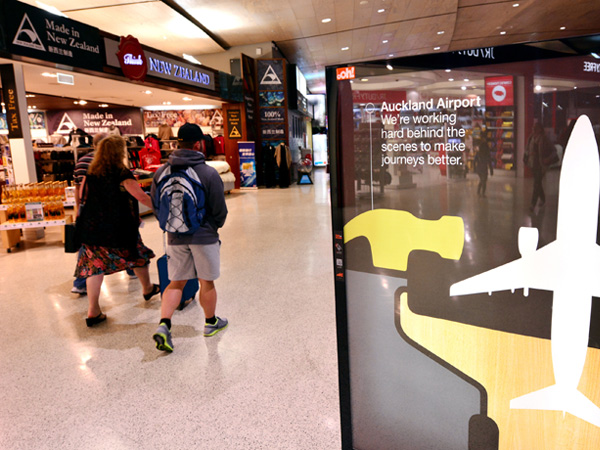
Whenever we launch a new lot of products, we check by comparing other local products for reference, so we understand this well. The Manuka honey sold at airports or in city souvenir shops is typically mass-produced, blended with other honey, and has to be heated and processed. This type of honey cannot be expected to provide the desired functional benefits. Souvenir shops offer guides proper rebates for directing customers there, and shops targeting tourists at the airport have completely different pricing.
In the end, these products are priced specifically for tourists, and the costs of rebates paid to guides, among other expenses, are ultimately borne by the travelers themselves. So, what about supermarkets where locals shop? While they do carry Manuka honey as a sweetener, they don’t stock high-grade products that offer functional benefits. All such products are allocated for export, and even if supermarkets could source them, they wouldn’t be feasible to sell there due to the price.
Thus, customers returning from New Zealand often report that “There were no high-activity Manuka honey products available locally, and in terms of price and trust, it’s actually better to buy in Japan.” Therefore, the idea of taking advantage of a price difference as a tourist is unrealistic, and it’s wiser to spend precious time enjoying the trip rather than expecting to secure premium products there. If high-quality products were so readily accessible during these visits, there would be no reason for us, as producers from Japan, to exist in the market.
في الماضي، كنا نتلقى أحيانًا تعليقات من عملائنا تقول مثل: “سأزور نيوزيلندا في جولة قريبًا، لذلك أخطط لاستغلال هذه الفرصة لشراء كمية كبيرة من عسل مانوكا عالي الجودة وبسعر معقول من المصدر المحلي.” من الطبيعي أن يدفع زيارة المصدر نفسه المرء للتفكير بهذه الطريقة، وهذا مفهوم تمامًا. ومع ذلك، هذه الحالة تشبه قصة اليقطين التي ناقشناها سابقًا. حتى لو كان هذا العميل خبيرًا في العسل، سيكون من الصعب جدًا تحقيق هذا الهدف.
عند إطلاق دفعة جديدة من المنتجات، نقوم دائمًا بالمقارنة مع منتجات محلية أخرى كمرجع، لذا نحن نفهم هذا جيدًا. العسل المانوكا الذي يُباع في المطارات أو في متاجر الهدايا التذكارية في المدن غالبًا ما يكون منتجًا بكميات كبيرة، ممزوجًا بأنواع أخرى من العسل، ويجب تسخينه ومعالجته. لا يمكن توقع أن يوفر هذا النوع من العسل الفوائد الوظيفية المرجوة. تقدم متاجر الهدايا التذكارية خصومات مناسبة للمرشدين لتوجيه الزبائن إليها، والمتاجر التي تستهدف السياح في المطارات لها تسعيرات مختلفة تمامًا.
في النهاية، تُسعر هذه المنتجات خصيصًا للسياح، وتتحمل التكاليف النهائية للخصومات المدفوعة للمرشدين، وغيرها من المصاريف، من قبل المسافرين أنفسهم. فماذا عن السوبرماركت الذي يتسوق فيه السكان المحليون؟ بينما يحملون عسل المانوكا كمحلي، إلا أنهم لا يخزنون المنتجات عالية الجودة التي توفر فوائد وظيفية. جميع هذه المنتجات مخصصة للتصدير، وحتى لو تمكنت السوبرماركت من الحصول عليها، فلن يكون من الممكن بيعها هناك بسبب السعر.
لذلك، غالبًا ما يبلغ العملاء العائدون من نيوزيلندا أن “لم تتوفر منتجات عسل مانوكا عالية النشاط محليًا، ومن حيث السعر والثقة، من الأفضل شراؤها في اليابان.” وبالتالي، فإن فكرة استغلال فرق السعر كسائح غير واقعية، ومن الحكمة قضاء الوقت الثمين في الاستمتاع بالرحلة بدلًا من توقع الحصول على منتجات مميزة هناك. إذا كانت المنتجات عالية الجودة متاحة بسهولة خلال هذه الزيارات، فلن يكون هناك سبب لوجودنا نحن المنتجين من اليابان في السوق.