
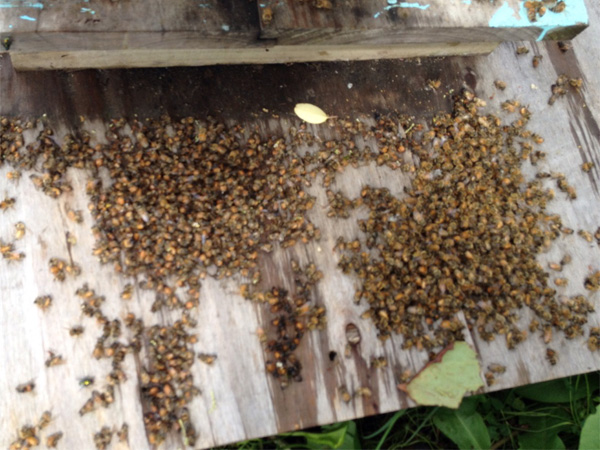
I previously mentioned the honeybee pest, Varroa destructor. While we address it using insect repellents made from herbal ingredients, there are cases where herbs alone are not effective, and chemical agents are used. The Ministry for Primary Industries (MPI), formerly the Department of Agriculture, has strictly regulated on the use of chemicals in beekeeping. I have previously written a brief overview of American Foulbrood, the most feared disease among beekeepers, which causes the death of honeybee larvae.This disease is a highly concerning infectious condition for beekeepers worldwide. In Western countries and Japan, antibiotics are commonly used in beekeeping. However, in New Zealand, the use of antibacterial drugs is strictly prohibited by law.
New Zealand is one of the few countries in the world with such a policy, and I strongly support it. This is because the use of antibiotics almost inevitably leads to the emergence of drug-resistant bacteria, creating a never-ending cycle of drugs versus bacteria. Additionally, the spread of antibiotic-resistant genes across bacterial species, potentially even invading the human microbiome, presents a very serious issue.
I have written about this topic before on my blog, but the use of antibiotics in beekeeping ultimately results in these substances being incorporated into the human body through products like honey. While the use of antibiotics can temporarily solve bee infections, I believe we cannot rely on drugs as a permanent solution. Additionally, New Zealand’s approach to beekeeping, which avoids the use of antibiotics, serves as a major selling point, differentiating its bee products from those of other countries. This, in turn, contributes to the country’s export competitiveness, making the government’s actions highly prudent.
سبق أن أشرتُ إلى أحد أخطر آفات نحل العسل، وهو الفاروا المدمّرة (Varroa destructor). وعلى الرغم من اعتمادنا في الأساس على مواد طاردة مصنوعة من مكوّنات عشبية، إلا أن هناك حالات لا تكون فيها الأعشاب وحدها كافية، مما يضطر بعض المربين إلى استخدام عوامل كيميائية.
في نيوزيلندا، تخضع تربية النحل لرقابة صارمة من قبل وزارة الصناعات الأولية (MPI)، المعروفة سابقًا بوزارة الزراعة، حيث تُفرض قيود دقيقة على استخدام المواد الكيميائية. وقد سبق لي أن كتبتُ بإيجاز عن مرض تعفّن الحضنة الأمريكي، وهو أكثر الأمراض إثارة للخوف بين مربي النحل، إذ يؤدي إلى موت يرقات النحل ويُعد من أخطر الأمراض المعدية في هذا المجال على مستوى العالم.
في العديد من الدول الغربية، وكذلك في اليابان، يُستخدم العلاج بالمضادات الحيوية على نطاق واسع في تربية النحل. أما في نيوزيلندا، فإن استخدام أي أدوية مضادة للبكتيريا في تربية النحل محظور قانونًا بشكل صارم.
وتُعد نيوزيلندا من الدول القليلة في العالم التي تعتمد هذه السياسة، وأنا أؤيدها بشدة. فاللجوء إلى المضادات الحيوية يقود، في معظم الحالات، إلى ظهور بكتيريا مقاومة للأدوية، مما يخلق حلقة لا تنتهي من الصراع بين العقاقير والميكروبات. إضافة إلى ذلك، فإن انتقال الجينات المقاومة للمضادات الحيوية بين أنواع البكتيريا المختلفة—وإمكانية تسللها إلى الميكروبيوم البشري—يمثل خطرًا بالغ الجدية على الصحة العامة.
لقد تناولتُ هذا الموضوع سابقًا في مدونتي، لكن يجدر التأكيد على أن استخدام المضادات الحيوية في تربية النحل يؤدي في نهاية المطاف إلى دخول هذه المواد إلى جسم الإنسان عبر منتجات مثل العسل. ورغم أن المضادات الحيوية قد توفّر حلًا مؤقتًا لأمراض النحل، فإنني أؤمن بأن الاعتماد على الأدوية لا يمكن أن يشكّل حلًا دائمًا أو مستدامًا.
وعلى النقيض من ذلك، فإن نهج نيوزيلندا في تربية النحل—القائم على الامتناع التام عن استخدام المضادات الحيوية—يشكّل نقطة قوة جوهرية تميّز منتجاتها من منتجات الدول الأخرى. وهذا التميّز لا يعزز ثقة المستهلك فحسب، بل يسهم أيضًا في رفع القدرة التنافسية للصادرات الوطنية، ما يجعل سياسات الحكومة في هذا المجال مثالًا واضحًا على الحكمة وبُعد النظر.