
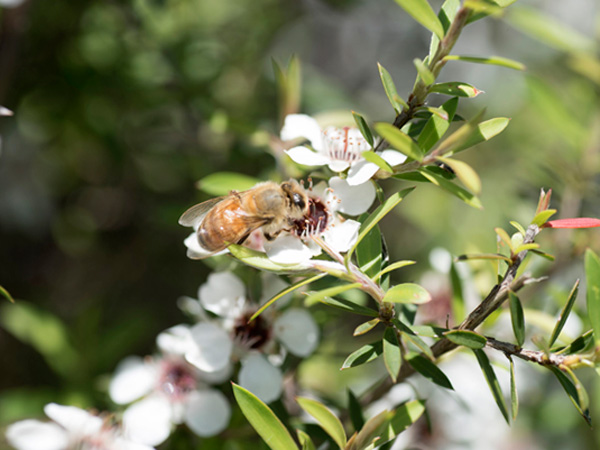
In the height of summer here, the nectar secretion from Manuka trees has gradually nearing its final stage, and many frames filled with honey that are completely capped. (sealed with wax by the bees after moisture removal) The honey has nearly reached full maturity. Many beekeepers have already finished harvesting and extracting honey, storing it in large containers. However, I haven’t done that yet. The honey still needs further maturation, and rushing to remove it from the hive isn’t ideal. Keeping honey in the natural hive environment is best, especially to maximize the activity of methylglyoxal (MGO), the unique component of Manuka honey, which requires a certain amount of time.
I believe that keeping the honey within the hive environment for a certain period is the best way to allow dihydroxyacetone (DHA), the precursor to MGO in manuka nectar, to gradually transform into MGO. Typically, commercial producers focused on high-volume production don’t apply this level of care. They harvest mixed honey, which includes manuka, kanuka, and clover, then submit it to laboratories for analysis. Once they obtain a numerical result for active compounds, they go straight to product commercialization. Such an approach makes it impossible to achieve a high-activity product. It’s easier and more productive that way. As long as they make a profit, they seem uninterested in going beyond that. This attitude is especially prevalent among large-scale beekeepers. In contrast, many small-scale beekeepers tend to approach their work with a more artisan-like mindset. In the future, I hope to form a group of such beekeepers to focus on improving quality, clearly setting our products apart from those of large-scale producers.
في ذروة الصيف هنا، بدأ إفراز رحيق أشجار المانوكا يقترب تدريجياً من مرحلته الأخيرة، وقد امتلأت العديد من الإطارات بالعسل المختوم تماماً بطبقة الشمع التي يغلقها النحل بعد إزالة الرطوبة، مما يدل على أن العسل قد بلغ درجة عالية من النضج.
لقد أنهى العديد من مربي النحل عملية الحصاد واستخراج العسل وتخزينه في حاويات كبيرة، لكنني لم أفعل ذلك بعد. فالعسل لا يزال بحاجة إلى مزيد من الوقت لينضج، والاستعجال في إخراجه من الخلية ليس أمراً مثالياً.
الاحتفاظ بالعسل داخل بيئته الطبيعية في الخلية هو الخيار الأفضل، وخاصةً لتعظيم نشاط مركّب الميثيل غلايُوكزال (MGO)، وهو العنصر الفريد الذي يميّز عسل المانوكا، إذ يحتاج هذا المركّب إلى فترة زمنية محددة ليبلغ ذروة فعاليته. إنني أؤمن بأن إبقاء العسل داخل الخلية لفترة معينة هو الطريقة المثلى لتمكين مادة الديهيدروكسي أسيتون (DHA)، وهي المادة الأساسية المكوّنة للـ MGO في رحيق المانوكا، من التحوّل التدريجي إلى الشكل النشط منه.
عادةً لا يُبدي المنتجون التجاريون، الذين يركّزون على الإنتاج الواسع، هذا القدر من العناية. فهم يحصدون العسل المختلط الذي يحتوي على المانوكا والكانوكا والنفل، ثم يرسلون العينات إلى المختبرات لتحليلها. وبمجرّد حصولهم على الأرقام الخاصة بالمكوّنات الفعالة، يباشرون فوراً في عملية التسويق التجاري.
بهذه الطريقة، يستحيل الوصول إلى منتج عالي النشاط والفعالية. لكن الأمر بالنسبة لهم أسهل وأكثر ربحية، وماداموا يحققون أرباحاً، فلا يبدو أنهم يهتمون بتجاوز ذلك. هذا النهج شائع خصوصاً بين مربي النحل على نطاق واسع، بينما يميل العديد من مربي النحل الصغار إلى تبنّي عقلية الحرفيّ المتمرس، الذي يضع الجودة قبل الكمية.
وفي المستقبل، آمل أن أؤسس مجموعة من هؤلاء المربين لتركيز جهودنا على رفع مستوى الجودة، وجعل منتجاتنا متميّزة بوضوح عن تلك التي ينتجها مربّو النحل الكبار.