
The Varroa destructor mite was originally associated with the Eastern honeybee. It is said to have been introduced to Siberia, where it began parasitizing the Western honeybee and eventually spread across Europe. It is said to have arrived in New Zealand over 10 years ago, although the exact route of entry is unclear. It is speculated that the mite entered via the importation of queen bees and other bees. This 1–2 millimeter mite invades the brood cell during the pupal stage and feeds on the pupae’s bodily fluids. As a result, the adult bee that emerges may suffer from deformities, be unable to fly, or lose its ability to perform essential tasks such as nursing the next generation of bees.
Moreover, since they transmit viral diseases, they are true enemy of honeybees.
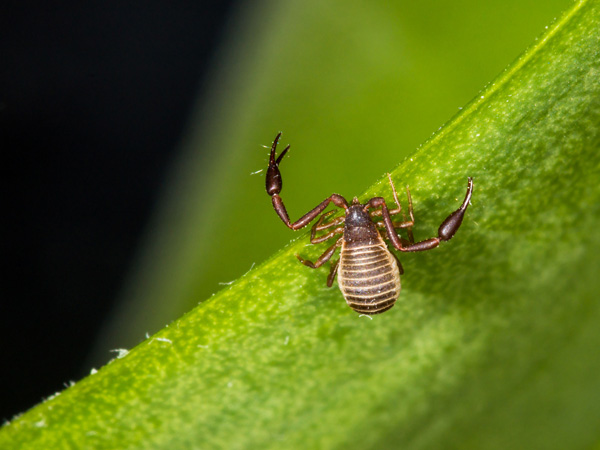
Various methods for controlling this pest have been proposed, but complete eradication is incredibly difficult. Ultimately, the best defense against the mite is to nurture strong, healthy colonies of bees. Currently, there is ongoing research into introducing natural predators of the mite, such as a species of mite-eating spider called Chelifer. This spider is very small and resembles a scorpion. The tips of its pincers contain venom, which paralyzes the mites. It is said that a single Chelifer can consume up to 10 mites per day. Since these spiders are unaffected by the chemical pesticides used against the mites, they are being considered for use in combination with these treatments.
كان عثّ الفاروا في الأصل مرتبطًا بنحل العسل الشرقي، ويُقال إنه انتقل إلى سيبيريا حيث بدأ في التطفل على نحل العسل الغربي، ثم انتشر لاحقًا في أوروبا. ويُعتقد أنه وصل إلى نيوزيلندا قبل أكثر من عشر سنوات، رغم أن طريق دخوله الدقيق لا يزال غير معروف. ويُرجَّح أنه دخل عبر استيراد ملكات النحل أو النحل العامل.
هذا العثّ الصغير، الذي لا يتجاوز طوله 1–2 مليمتر، يغزو خلايا الحضنة في مرحلة العذراء ويتغذى على سوائل جسمها. ونتيجة لذلك، قد تخرج نحلات بالغة مشوهة، غير قادرة على الطيران، أو تفقد قدرتها على أداء المهام الأساسية مثل رعاية الجيل القادم من النحل.
علاوة على ذلك، ينقل هذا العثّ أمراضًا فيروسية، مما يجعله العدو الحقيقي للنحل. ورغم اقتراح العديد من طرق المكافحة، إلا أن القضاء التام عليه يكاد يكون مستحيلاً. في النهاية، تبقى أفضل وسيلة للدفاع هي تربية مستعمرات قوية وصحية من النحل.
حاليًا، تُجرى أبحاث حول إدخال أعداء طبيعيين للعثّ، مثل نوع من العناكب الصغيرة يُعرف باسم شليفِر (Chelifer)، يشبه العقرب في شكله. تحتوي أطراف مخالبه على سمّ يشلّ العثّ، ويُقال إن عنكبوتًا واحدًا يمكنه القضاء على ما يصل إلى عشرة عثّات في اليوم الواحد. ونظرًا لأن هذه العناكب لا تتأثر بالمبيدات الكيميائية المستخدمة ضد العثّ، فهي تُعتبر خيارًا واعدًا لاستخدامها بالتوازي مع وسائل المكافحة الأخرى، في سبيل تحقيق توازن طبيعي يحافظ على صحة النحل وجودة إنتاج العسل.