New Zealand」タグアーカイブ

What I Want to Pass on to the Next Generation (Final Blog)

What I Want to Pass on to the Next Generation (Final Blog)

A while ago, the world-renowned conductor “Seiji Ozawa” said something about his grandchild that left a lasting impression on me. “Lately, I’vebecome more emotional, and when I see my grandchild, I’m moved to tears. I guess that’s what life is all about.” It was a surprising statement, not something I would have expected from someone with his temperament. I found myself thinking, “So, even Ozawa has aged.”

I don’t particularly know much about him, except that he lived abroad for a long time and dedicated himself to his musical training. But for some reason, every word of his resonated with me, and I remember it well. He seems to be nine years older than me, and recently he’s started to look more aged, having dealt with various illnesses.

I, too, have lived abroad for a long time, though I’ve achieved neither the accomplishments nor the fame of Seiji Ozawa. But like him, I’ve been
working hard to survive in a foreign land. Looking back, so much has happened, too much really. But now it all feels like a fleeting moment, and I often fall into self-doubt, thinking I haven’t really accomplished anything. However, I can only feel gratitude for the fact that I have been able to live freely as I pleased.

My son and his wife recently came to New Zealand with their two children. Both of my grandchildren are truly adorable, and the eight-month-old girl, whom I was seeing for the first time, was especially charming. As I was spending time with them, Seiji Ozawa’s words came to mind. These sweet grandchildren are just beginning their lives. When I think about all the challenges they will face, I find myself overwhelmed with tears. This must be the life Ozawa was referring to.

Even though I am much younger than Ozawa, I couldn’t help but reflect on how sentimental I’ve become. Life abroad, with no one to rely on, is incredibly tough. That must have been what Ozawa was trying to convey. I never want my grandchildren to experience the same hardships. Yet, at the same time, without hardship, a person doesn’t develop true character.


🌿 ما أود أن أورثه للأجيال القادمة

قال المايسترو العالمي سييجي أوزاوا ذات مرة شيئًا عن حفيده ظلّ عالقًا في ذهني إلى اليوم: “في الآونة الأخيرة أصبحت أكثر عاطفية، وعندما أرى حفيدي تدمع عيناي… أعتقد أن هذا هو جوهر الحياة.” كانت كلماته مفاجئة بالنسبة لي — لم أتوقعها من رجلٍ يتميز بالقوة والانضباط مثله. لكنها لامست قلبي بعمق، وجعلتني أفكر: “حتى أوزاوا، مع مرور الزمن، أصبح أكثر إنسانية.”

لا أعرف الكثير عنه سوى أنه عاش في الخارج لفترة طويلة، وكرّس حياته لفنه وتدريبه الموسيقي. ومع ذلك، لا تزال كلماته ترنّ في ذاكرتي. يبدو أنه يكبرني بتسع سنوات، وقد بدا عليه مؤخرًا أثر العمر والمرض. أما أنا، فقد قضيت أيضًا سنوات طويلة في الغربة، لا أملك لا مجده ولا شهرته، لكنني، مثله، ناضلت لأعيش وأواصل طريقي في أرضٍ بعيدة عن الوطن. وحين ألتفت إلى الوراء، أرى أنني مررت بالكثير، ربما أكثر مما أحتمل، ومع ذلك، كل ذلك يبدو اليوم كأنه لحظة عابرة. أحيانًا أشكّ في نفسي، وأقول: “هل أنجزتُ حقًا ما كنت أطمح إليه؟” لكن في النهاية، لا أشعر إلا بالامتنان لأنني عشت حياتي بحرية وصدق مع نفسي.

مؤخرًا، جاء ابني وزوجته إلى نيوزيلندا مع طفليهما. إنهما غاليان جدًا على قلبي، وخصوصًا حفيدتي الصغيرة ذات الثمانية أشهر التي رأيتها للمرة الأولى — لقد أسرت قلبي بابتسامتها البريئة. وأثناء وجودي معهم، تذكرت كلمات أوزاوا. هذان الطفلان الجميلان يبدآن حياتهما الآن، وحين أفكر في طريقهما الطويل وما قد يواجهانه من تحديات، أشعر بدموعي تنهمر دون وعي. عندها فهمت ما كان أوزاوا يقصده حين قال: “هذا هو جوهر الحياة.”

ورغم أنني أصغر سنًا منه، أدركت كم أصبحت أنا أيضًا أكثر عاطفية وتأملًا. الحياة في الغربة صعبة للغاية، لا سيما حين لا تجد من تعتمد عليه، وأظن أن هذا بالضبط ما كان أوزاوا يحاول التعبير عنه. لا أريد لأحفادي أن يعيشوا نفس القسوة التي مررت بها، لكنني في الوقت نفسه أعلم أن من دون المعاناة، لا يُبنى الإنسان الحقيقي. فالحياة ليست طريقًا ممهّدًا، بل رحلة يتعلم فيها المرء كيف يكون قويًا، وكيف يزرع في قلبه الامتنان والجمال رغم الصعاب.
Drought Conditions in New Zealand's Summer

Drought Conditions in New Zealand’s Summer

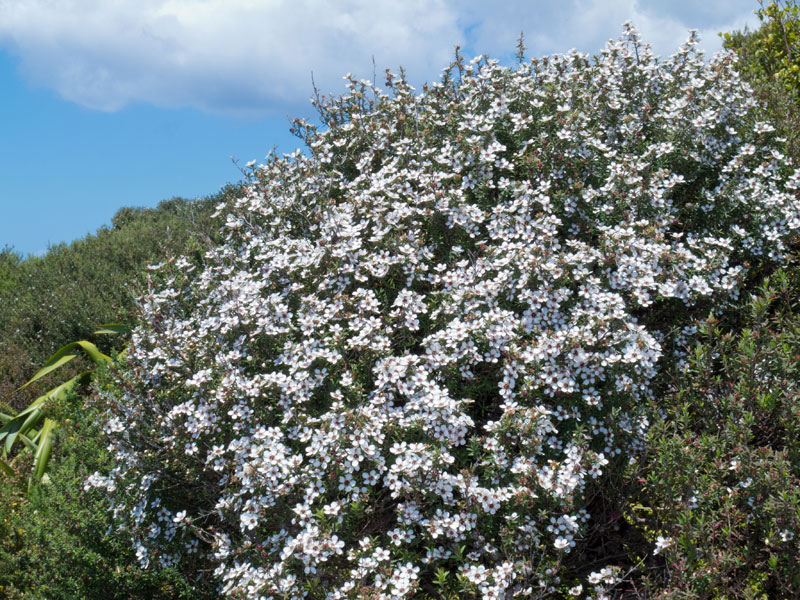
The intense heat continues every day, without a drop of rain falling for an extended period. This didn’t happen before; it’s clearly  abnormal weather caused by global warming. As we enter the summer dearth, the bees are becoming quite agitated due to the decline in  nectar and food sources. Every time I check the hives, their behavior becomes more extreme. Their usual calmness is gone, and they’ve  become aggressive, frequently launching attacks to protect their stored honey and guarding against robbing bees from other colonies.  We operate our apiary on the hills of a mountainous area with good airflow, providing highly active Manuka nectar sources. From  experience, I’ve learned that this trend is stronger in Manuka trees growing in harsh, nutrient-poor soils.

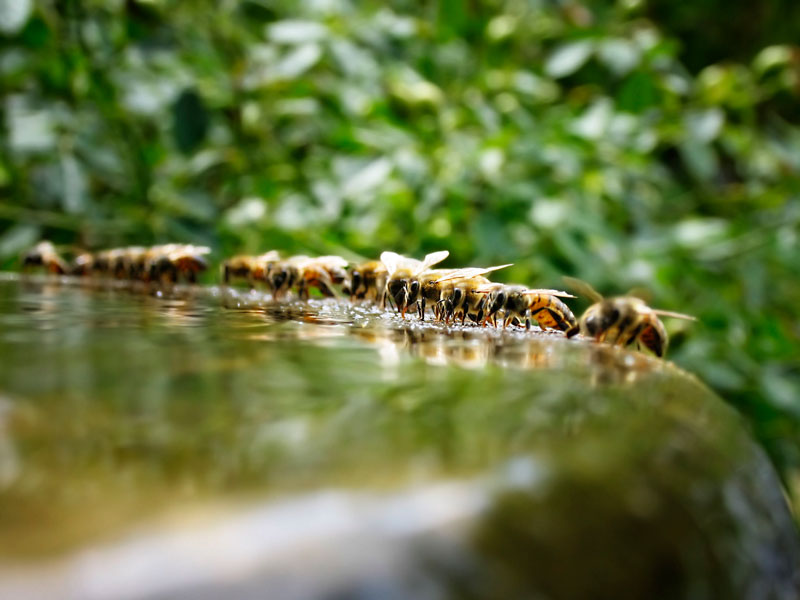
It seems that in harsh natural environments, bees naturally develop stronger instincts for self-defense, producing nectar with higher  activity levels. To obtain highly active Manuka honey, the crucial factor lies in the concentration of dihydroxyacetone (DHA)— the precursor to the active component methylglyoxal (MGO)—present in the nectar. Due to the drought, the bees have to travel down  300 meters to the stream for drinking water and then make the long ascent back, resulting in a significant expenditure of energy.

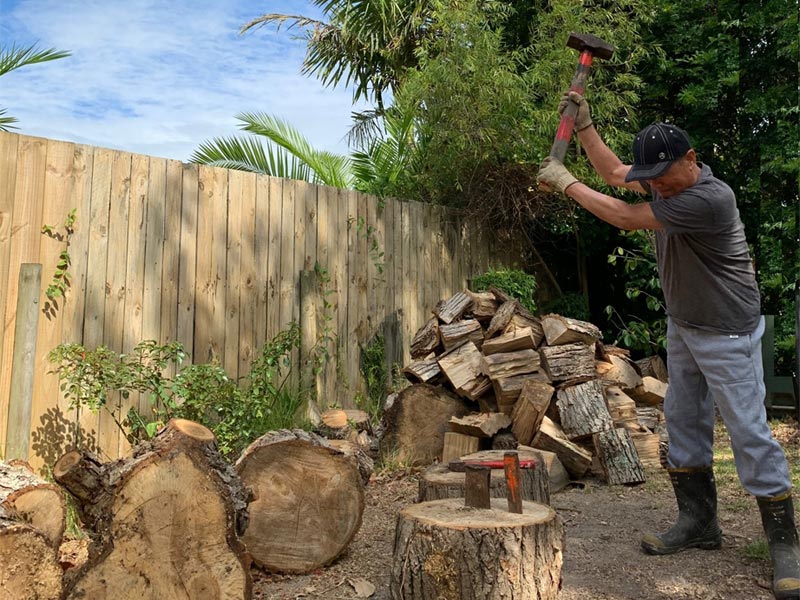
The bees rely on stored honey as their energy source, so I load water onto the pickup truck and place it near the hives as often as possible.  However, with this scorching heat, the water quickly evaporates. Surviving in such harsh natural conditions isn’t easy, but the bees are fighting hard to endure. Day after day, the heat persists, and now water restrictions have been imposed, so washing cars or watering the garden openly is no longer  possible. Cracks have appeared in the ground, cutting through the roots of garden trees, so I’m dealing with removing some of the dead ones.  Due to abnormal weather patterns, winter seems to arrive as soon as summer ends, so I take advantage of this dry season to sweat it out chopping  firewood. My British neighbor, looking exasperated, mutters, “How can you manage this in such unbearable heat?”

I have experienced the power of Manuka throughout the seasons, and I wish to continue living a life enriched by its natural benefits. With Manuka’s strength, I believe in a lifestyle that not only fascinates others but also supports a healthier life, leaving no room for illness. Above all, the provider must  set an example. The president of TCN and all staff members have an obligation to prove that they are free from illness. Moreover, the over 1,200 Customer Feedback clearly highlight the effectiveness of the products. None of these reviews involve  the ‘review for points’ schemes that are common in online sales.

These are genuine comments from our dedicated customers.  Such feedback is truly empowering and a great support for us. As a producer, I have a strong desire to see as many customers as possible enjoy vibrant days thanks to the benefits provided by honeybees.


الظروف الجافة خلال صيف نيوزيلندا

تستمر الحرارة الشديدة يوميًا دون هطول أي قطرات من المطر لفترات ممتدة. هذا لم يكن يحدث من قبل؛ فهو بلا شك مناخ غير طبيعي ناجم عن الاحتباس الحراري. ومع دخولنا فصل الصيف الجاف، تصبح النحل في حالة توتر نتيجة نقص الرحيق ومصادر الغذاء. في كل مرة أفحص فيها الخلايا، تزداد سلوكياتهم تطرفًا؛ فقد اختفت هدوءهم المعتاد وأصبحوا عدوانيين، يهاجمون بشكل متكرر لحماية عسلهم المخزون والدفاع عن أنفسهم من النحل الآخر الذي يحاول السرقة.

يدار مربّاي على تلال منطقة جبلية تتميز بتدفق هواء جيد، مع توفير مصادر رحيق مانوكا عالية النشاط. ومن خلال تجربتي، لاحظت أن هذه الظاهرة تكون أقوى لدى أشجار المانوكا التي تنمو في تربة فقيرة المغذيات وقاسية. يبدو أنه في البيئات الطبيعية القاسية، تطور النحل غريزة دفاعية أقوى، مما يؤدي إلى إنتاج رحيق يحتوي على مستويات أعلى من النشاط.

للحصول على عسل مانوكا عالي النشاط، العامل الحاسم يكمن في تركيز الـديهيدروكسي أسيتون (DHA)، وهو المادة الأولية لمكون الميثيلغليوكسال (MGO) الفعال، في الرحيق. بسبب الجفاف، يضطر النحل للسفر نحو ٣٠٠ متر للوصول إلى المياه والعودة مرة أخرى، ما يستهلك طاقة كبيرة. يعتمد النحل على العسل المخزن كمصدر للطاقة، لذلك أقوم بتحميل المياه على الشاحنة ووضعها بالقرب من الخلايا بأقصى قدر ممكن. ومع ذلك، في ظل هذا الحر القارس، تتبخر المياه بسرعة. الحياة في مثل هذه الظروف القاسية ليست سهلة، لكن النحل يقاوم بصبر ويكافح من أجل البقاء.

تستمر الحرارة يومًا بعد يوم، وقد فُرضت الآن قيود على المياه، فلا يمكن غسل السيارات أو ري الحدائق بحرية. ظهرت تشققات في الأرض تمتد حتى جذور الأشجار، مما اضطرني لإزالة بعض الأشجار المتضررة. بسبب الطقس غير الطبيعي، يبدو أن الشتاء يصل مباشرة بعد الصيف، لذلك أستغل هذا الموسم الجاف في قطع الحطب. جارتي البريطانية، وهي تبدو مستاءة، تمتمت قائلة: “كيف يمكنك التحمل في هذه الحرارة القاسية؟” لقد شهدت قوة المانوكا على مدار الفصول، وأتمنى الاستمرار في حياة غنية بفوائدها الطبيعية. بفضل قوة المانوكا، أؤمن بأسلوب حياة لا يقتصر على إثارة الإعجاب فحسب، بل يدعم أيضًا صحة أفضل ويترك مجالًا أقل للمرض. والأهم من ذلك، يجب أن يكون المزود قدوة حية. رئيس شركة TCN وجميع الموظفين ملتزمون بإثبات خلوهم من الأمراض.

علاوة على ذلك، تبرز أكثر من ١٢٠٠ مراجعة من العملاء بوضوح فعالية المنتجات. هذه التعليقات حقيقية تمامًا، وليست مرتبطة بأي برامج “مكافآت بالنقاط” الشائعة في المبيعات عبر الإنترنت. هذه التعليقات الصادقة من عملائنا المخلصين تمنحنا دعمًا هائلًا وقوة دافعة. وبصفتي منتجًا، لدي رغبة قوية في رؤية أكبر عدد ممكن من العملاء يتمتعون بأيام مليئة بالحيوية بفضل فوائد النحل والعسل الطبيعي.

Making Dried Cod (Part 2)

Making Dried Cod (Part 2)

Happy New Year, everyone! We look forward to your continued support for TCN and the TCN New Zealand office this year as well. To start the new year, let me return to the topic of cod from last time. When preparing cod, I use a cutting board made from the core wood of  a large cypress tree that had died in my garden, which I felled and crafted myself. Synthetic resin cutting boards may be convenient, but  they’re not for me. There’s just no comparison to a natural wood board—the feel when cutting vegetables or meat is entirely different, and  it feels cleaner. While resin boards may appear more hygienic, natural materials, formed from living cells, are superior. When hot water is  poured over the board after cooking, the fragrance of wood fills the air, and there’s a sense of its inherent antibacterial properties. With use,  the board gets knife marks, but these can simply be planed down to renew the surface.

With synthetic boards, you can’t plane them down, and knife marks tend to harbor bacteria. Recently, however, with climate change progressing,  even in New Zealand, there’s a worrying trend of coniferous trees like cedar and cypress suddenly dying due to the warming climate. Returning to the preparation process: once I’ve laid the plump fish on the cutting board and opened it, I generously sprinkle it with rock salt  and let it rest in the refrigerator overnight to draw out moisture. The next morning, I hang it in a well-ventilated, sunny spot. The moisture that  drains from the fish could be fermented into fish sauce, like nam pla, but I discard it since I already have plenty of homemade supply.  After a few days of drying, the flavor becomes richer and slightly fermented, making it delicious. For this dish, though, I wanted to add some wild onions picked at the apiary, so I decided to use whatever vegetables I had on hand in the  refrigerator. I start by thinly slicing potatoes, carrots, and garlic so they cook quickly, and sauté these first. Then I add onions and ginger to the mix.

Onions and garlic are packed with amino acids, so when sautéed together, they impart their flavors well into the potatoes and carrots. I prefer  cooking over high heat, and I use an industrial-sized gas burner that I typically use to sanitize beehives. Cooking outdoors with its intense heat,  I can get this done quickly. Right after that, I toss in the salt-cured cod, wild onions, mushrooms, and zucchini, finishing it off with the garden-grown chervil. It’s a quick, simple dish. The oils I use are a blend of rapeseed and olive oil, with only pepper for seasoning. The cod  provides the saltiness, which can make balancing the flavors a bit tricky. This dish closely resembles the Brazilian-style vegetable sauté with dried meat. To go with it, I prepare a rice dish similar to pilaf. I wash the rice,  drain it, and then add finely chopped onion and garlic to the pot, sautéing it well with oil. I then add rock salt and hot water to cook the rice.  This pairs perfectly with the cod and vegetable sauté, bringing out the best of each flavor.


صناعة سمك القدّ المُجفّف (الجزء الثاني)

كلّ عام وأنتم بخير. نتقدّم إليكم بأطيب التمنّيات بعام جديد يملؤه العافية، ونتطلّع إلى استمرار دعمكم الكريم لـ TCN ولمكتبها في نيوزيلندا. ومع بداية العام، أعود بكم إلى موضوع سمك القدّ الذي تحدّثت عنه سابقًا.

عند إعداد سمك القدّ، أستخدم لوح تقطيع مصنوعًا من قلب شجرة سرو ضخمة كانت قد ماتت في حديقة منزلي، فقمتُ بقطعها وصنع اللوح بنفسي. قد تكون ألواح الراتنج الصناعي عملية، لكنها لا تناسبني؛ فلا يمكن مقارنة أي مادّة صناعية بخشب طبيعي حيّ—فالإحساس أثناء تقطيع الخضروات أو اللحم مختلف تمامًا، بل وأكثر نقاءً. ورغم أن الألواح الصناعية تبدو أكثر «صحّية»، فإن المواد الطبيعية، المكوّنة من خلايا حية، تتفوّق عليها. ما إن أسكب الماء الساخن على اللوح بعد الطهي، حتى تنتشر رائحة الخشب العطرة، ويشعر المرء بخصائصه الطبيعية المضادة للبكتيريا. ومع مرور الوقت تظهر آثار السكاكين، غير أنّ الأمر بسيط؛ إذ يكفي إعادة صقل السطح ليعود كالجديد.

أمّا الألواح الاصطناعية، فلا يمكن صقلها، وتُصبح آثار السكاكين فيها بيئة مثالية لتجمّع البكتيريا. وفي الآونة الأخيرة، ومع تفاقم تغيّر المناخ، بدأنا نشهد في نيوزيلندا كذلك ظاهرة مقلقة تتمثّل في موت مفاجئ لأشجار الصنوبر والسرو بسبب ارتفاع درجات الحرارة.

أعود إلى طريقة التحضير: بعد وضع السمكة الممتلئة على لوح التقطيع وشقّها، أنثر عليها مقدارًا وافرًا من ملح الصخور، ثم أتركها في الثلاجة طوال الليل لسحب الرطوبة. وفي صباح اليوم التالي، أعلّقها في مكان مشمس وجيّد التهوية. الماء الذي يتسرّب من السمكة يمكن تخميره لصنع صلصة سمك على طريقة نام بلا، لكنني أتخلّص منه لأن لدي كمية كافية من الصلصة المصنوعة منزليًا. وبعد بضعة أيام من التجفيف، يتركّز الطعم وتظهر درجة لطيفة من التخمّر تجعلها في غاية اللذّة.

ورغبةً مني في إضافة بعض البصل البري الذي قطفتُه من المنحل، استعنتُ بما توفر لدي من خضروات في الثلاجة. بدأتُ بتقطيع البطاطس والجزر والثوم إلى شرائح رقيقة لتسريع الطهي، ثم قمتُ بقليها أولًا. بعد ذلك أضفتُ البصل والزنجبيل.

يحتوي البصل والثوم على تركيز عالٍ من الأحماض الأمينية، ولذلك تنقل عملية القلي نكهاتها بعمق إلى البطاطس والجزر. ولأنني أفضل الطهي على نار قوية، أستخدم موقد غاز صناعيًا يُستعمل عادةً لتعقيم خلايا النحل. الطهو في الهواء الطلق وبحرارة عالية يتيح إنجاز الطبق بسرعة. بعد ذلك مباشرة، أضيف سمك القدّ المُملّح، والبصل البري، والفطر، والكوسا، ثم أُنهي الطبق بأوراق الشيرفيل المزروعة في الحديقة. إنه طبق سريع وبسيط.

أمّا الزيوت التي أستخدمها فهي مزيج من زيت اللفت وزيت الزيتون، مع قليل من الفلفل فقط. ملح سمك القدّ يكفي لتتبيل الطبق، ما يجعل ضبط الملوحة أمرًا يحتاج إلى عناية. يشبه هذا الطبق إلى حد كبير القلي البرازيلي للخضروات مع اللحم المجفف.

ولمرافقته، أعدّ طبَق أرزّ شبيهًا بالبيلاف. أغسل الأرز وأتركه ليجف، ثم أضعه في القدر مع بصل وثوم مفرومَين فرماً ناعماً، وأقلي المزيج جيدًا بالزيت. بعد ذلك أضيف ملح الصخور والماء الساخن لطبخ الأرز. يتناغم هذا الطبق بشكل رائع مع سمك القدّ والخضروات، ويُبرز نكهاتها بأفضل صورة.

Japan’s Whale Meat Culture

In the previous entry, I mentioned food culture and how it serves as a foundation for understanding between different ethnic groups. There  is a related topic I would like to write. When I was a child, whale and dolphin meat were common in Japanese households. As  a student with little money, these meats often provided an affordable source of protein. There was even a whale specialty restaurant in  Shibuya that served delicious whale dishes at a reasonable price. Large seafood companies also marketed products like whale bacon, made  from whale fat—a nostalgic memory for many. For the Japanese, whale meat was a valuable source of animal protein outside of fish. A unique aspect of Japanese food culture was that every part of a caught whale was used without waste. While the U.S. and Northern Europe  might have had similar traditions, no country matched Japan’s dedication to fully utilizing the whale.

American whaling was well-known, but its primary purpose was to harvest whale oil for making candles. With an abundance of beef,  Americans had little interest in consuming whale meat, using it at best for pet food or discarding much of it. However, as electricity  replaced the need for whale oil, the whaling industry there declined. In Japan, though, whale meat usage became deeply rooted  among the people and beloved as part of the nation’s food culture. Unfortunately, this tradition became an easy target for so-called  environmental groups worldwide. Australia and New Zealand, for instance, have strongly opposed Japanese whaling practices. While there are many perspectives on this issue, it’s disheartening to see a longstanding cultural practice, passed down through generations,  nearly erased by countries with relatively short histories and by animal welfare groups motivated by their own satisfaction.

Traditional cultural practices like Japan’s whaling have been almost uniquely dismantled by pressure from international groups and their  supporting nations. Nowhere else in the world has such a longstanding heritage been so easily undermined. Some time ago, a Nordic country’s whaling ship faced interference from a well-known environmental group, but in that case, a member of  the group was shot and killed on board. That organization has since refrained from interfering with whaling in that nation again.  By contrast, one wonders what has happened to the determination once seen in the Japanese spirit. Politicians seem solely focused on  collecting taxes from citizens, allowing an increasingly unequal society to persist indefinitely. Will this widening gap in wealth and  opportunity continue endlessly? Observing Japan from overseas, I can’t help but wonder: what direction will Japan take in the future?


ثقافة لحم الحيتان في اليابان – تراث غذائي وهوية حضارية

في المقال السابق، تطرّقتُ إلى ثقافة الطعام بوصفها أساسًا عميقًا للتفاهم بين الشعوب والأعراق المختلفة. وانطلاقًا من ذلك، أود هنا أن أتناول موضوعًا وثيق الصلة. عندما كنت طفلًا، كان لحم الحيتان والدلافين حاضرًا بشكل طبيعي على المائدة اليابانية. وبالنسبة لنا نحن الطلبة ذوي الإمكانات المحدودة، شكّل هذا اللحم مصدرًا ميسور التكلفة للبروتين. بل كان في شيبويا مطعم متخصص في أطباق الحيتان، يقدّم مأكولات لذيذة بأسعار معقولة. كما قامت شركات بحرية كبرى بتسويق منتجات مثل “بيكون الحوت” المصنوع من دهنه، وهي نكهات لا تزال راسخة في ذاكرة كثير من اليابانيين.

بالنسبة لليابانيين، كان لحم الحوت مصدرًا ثمينًا للبروتين الحيواني خارج نطاق الأسماك. ومن السمات الفريدة في الثقافة الغذائية اليابانية أن الحوت المصطاد كان يُستَخدم بالكامل دون أي هدر. قد تكون هناك تقاليد مشابهة في الولايات المتحدة أو شمال أوروبا، إلا أن أي بلد لم يبلغ مستوى اليابان في التفاني باستخدام كل جزء من هذا المورد الطبيعي.

كانت صناعة صيد الحيتان الأمريكية معروفة تاريخيًا، غير أن هدفها الأساسي كان استخراج زيت الحوت لاستخدامه في صناعة الشموع. ومع وفرة لحوم الأبقار، لم يكن هناك اهتمام حقيقي باستهلاك لحم الحوت، إذ استُخدم أحيانًا كغذاء للحيوانات أو أُهدر بالكامل. ومع انتشار الكهرباء وتراجع الحاجة إلى زيت الحوت، اندثرت تلك الصناعة تدريجيًا. أما في اليابان، فقد ترسّخ استهلاك لحم الحوت في وجدان الناس وأصبح جزءًا محبوبًا من الثقافة الغذائية الوطنية. ومع الأسف، تحوّل هذا التقليد لاحقًا إلى هدف سهل لما يُعرف بالجماعات البيئية حول العالم. فقد عارضت دول مثل أستراليا ونيوزيلندا بشدة ممارسات الصيد اليابانية. ورغم تعدد وجهات النظر، يبقى من المؤلم أن نرى تقليدًا ثقافيًا عريقًا، توارثته الأجيال، يُمحى تقريبًا على يد دول ذات تاريخ أقصر، وجماعات رفاه حيواني مدفوعة غالبًا بالاكتفاء الذاتي الأخلاقي.

تكاد تكون ممارسات ثقافية تقليدية مثل صيد الحيتان في اليابان مثالًا فريدًا على التراث الذي تم تفكيكه تحت ضغط دولي ودعم سياسي خارجي. قلّما نجد في العالم تراثًا ضاربًا في القدم تم تقويضه بهذه السهولة.

منذ فترة، تعرّضت سفينة صيد حيتان في إحدى الدول الإسكندنافية لتدخل من منظمة بيئية معروفة، لكن في تلك الحادثة قُتل أحد أفراد المنظمة على متن السفينة، ومنذ ذلك الحين امتنعت تلك الجهة عن التدخل في صيد الحيتان في ذلك البلد. وعلى النقيض، يبرز التساؤل: أين ذهبت تلك العزيمة التي عُرف بها الروح اليابانية؟ يبدو أن الساسة منشغلون فقط بتحصيل الضرائب من المواطنين، بينما يُترك مجتمع تتسع فيه الفجوة الاجتماعية بلا نهاية. هل سيستمر هذا التفاوت في الثروة والفرص إلى ما لا نهاية؟ وأنا أراقب اليابان من خارجها، لا يسعني إلا أن أتساءل: إلى أي اتجاه تمضي اليابان في مستقبلها؟

The Love for Bees Begins with Tool Making

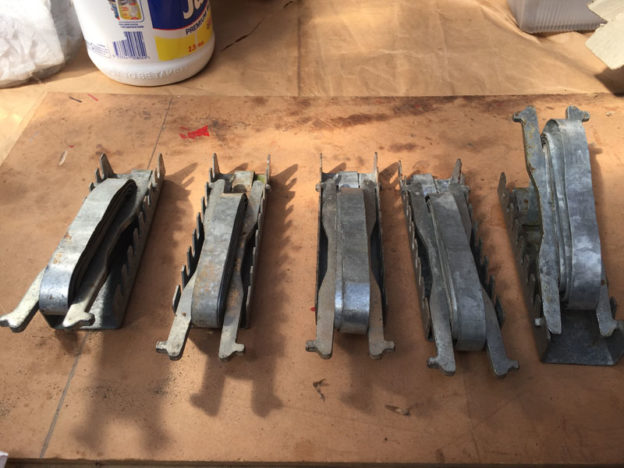
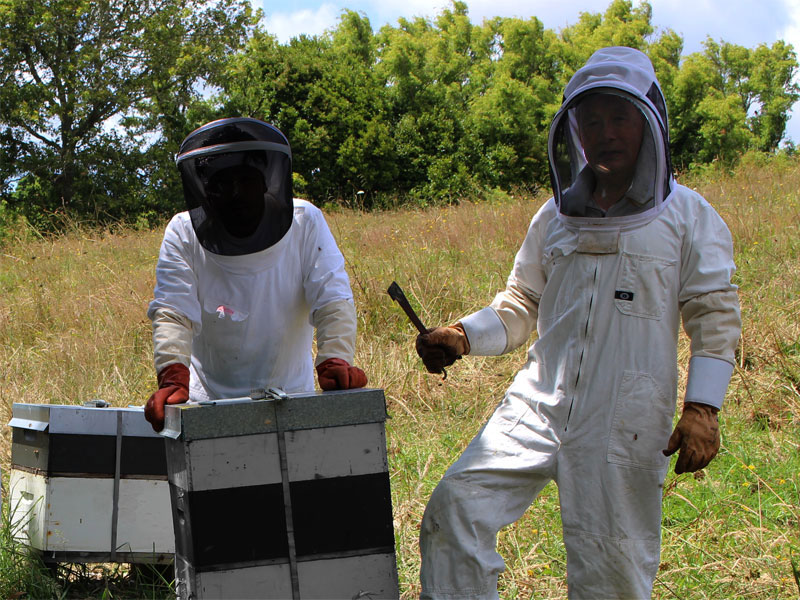
As I mentioned previously, the rain is delaying my work. Opening the hives carelessly would be a disturbance to the honeybees, but I can’t  ignore their condition either, so I check the colonies that concern me during brief breaks in the rain. I do this quickly, taking care to keep the  temperature stable and avoid letting moisture in. I make sure each hive is tightly secured with metal bands (see photo) to keep it sealed, as  gaps can cause the internal temperature to drop. This process must be done efficiently and in a short time.

Because I tighten the metal bands so much, some break due to rust, and I always bring extra ones just in case. I keep the  broken bands in storage and repair them when I have time. To repair them, I overlap the two ends, drill two holes through both, and insert two  rivets to hold them together. This is a cumbersome and time-consuming process, and I’ve been thinking if there might be a faster, better way.  I have many tools we need, and even a welding machine, but arc welding thin metal bands is extremely difficult — they melt instantly,  a challenge even for a professional welder.

So a spot welder* would be convenient, allowing repairs to be done in a very short time. However, a spot welder used by car manufacturers  can cost several million yen, and even simpler ones are quite expensive — hundreds of thousands of yen. *Spot welder: two base materials (workpieces) are pressed together with electrodes while current flows through them. The electrical resistance  at their point of contact generates heat, causing the metal to melt and solidify, thereby forming a weld. “If you don’t have it, make it yourself”—that’s the DNA I inherited from my father. So I get started right away with preparations.

Fortunately, I had two broken microwaves at home, so I decided to reuse their components to make it. A microwave oven operates by generating  microwaves that cause molecular vibrations, using that energy to produce heat. The microwave generator requires a high voltage of 3,000 volts,  which is provided by a transformer. In broken microwaves, it’s usually the magnetron damaged, while the transformer is rarely damaged.  As expected, the transformers from both broken microwaves were in good condition. (To be continued)


حبّ النحل يبدأ من صناعة الأدوات
— رؤية حرفية بروح ابتكارية

كما ذكرتُ سابقًا، ما زال المطر يعرقل سير العمل. فتح خلايا النحل بلا مبالاة يشكّل إزعاجًا للنحل، لكن لا يمكنني في الوقت ذاته تجاهل حالته. لذلك أستغل الفترات القصيرة التي يتوقف فيها المطر لأتفقد الطوائف التي تثير قلقي، بسرعة ودقّة، مع الحرص الشديد على الحفاظ على درجة الحرارة داخل الخلية ومنع تسرب الرطوبة. أقوم بإحكام إغلاق كل خلية باستخدام أحزمة معدنية قوية (كما يظهر في الصورة)، لأن أي فراغ بسيط قد يؤدي إلى انخفاض الحرارة الداخلية. يجب إنجاز هذا العمل بكفاءة عالية وفي وقت قصير جدًا.

ونظرًا لشدة إحكام هذه الأحزمة، فإن بعضها ينكسر بسبب الصدأ، لذلك أحمل دائمًا أحزمة احتياطية. أما الأحزمة المكسورة فأحتفظ بها لإصلاحها عندما يتوفر الوقت. طريقة الإصلاح الحالية تتطلب تداخل طرفي الحزام، ثم حفر ثقبين فيهما معًا وتثبيتهما بمسامير معدنية (ريفيت). إنها عملية مرهقة وتستغرق وقتًا طويلًا، وكنت أتساءل دائمًا: ألا توجد طريقة أسرع وأكثر كفاءة؟

نملك العديد من الأدوات، وحتى آلة لحام، لكن لحام الأحزمة المعدنية الرقيقة باللحام القوسي يكاد يكون مستحيلًا؛ إذ تذوب فورًا، وهو أمر يشكّل تحديًا حتى للمحترفين. من هنا، بدا لي أن آلة اللحام النقطي ستكون الحل المثالي، إذ تتيح إصلاح الأحزمة في وقت قصير جدًا. غير أن آلات اللحام النقطي المستخدمة في مصانع السيارات قد يصل سعرها إلى عدة ملايين من الينات، وحتى النماذج البسيطة منها تتجاوز مئات الآلاف من الينات.

آلة اللحام النقطي: هي تقنية يتم فيها ضغط قطعتين معدنيتين معًا بواسطة أقطاب كهربائية، مع تمرير تيار كهربائي عبر نقطة التلامس. وبسبب المقاومة الكهربائية، تتولد حرارة تذيب المعدن موضعيًا، ثم يتصلّب ليشكّل لحامًا متينًا. «إن لم يكن لديك، فاصنعه بنفسك» — هذه هي الروح التي ورثتُها عن والدي. ومن هذا المبدأ، بدأتُ التحضيرات فورًا.

ولحسن الحظ، كان لديّ في المنزل جهازا ميكروويف معطّلان. قررتُ إعادة استخدام مكوّناتهما. يعمل فرن الميكروويف عبر توليد موجات دقيقة تُحدث اهتزازًا جزيئيًا ينتج عنه حرارة، ويتطلب هذا النظام جهدًا عاليًا يصل إلى 3000 فولت، يوفره محوّل كهربائي خاص. في معظم حالات تعطل أفران الميكروويف، يكون الخلل في المغنطرون، بينما نادرًا ما يتضرر المحوّل. وكما توقعت، كانت المحوّلات في الجهازين بحالة ممتازة.

Rainy Days and Honey Bees

Rainy Days and Honey Bees

As winter truly begins, each day becomes cold and rainy. This weather is particularly challenging for the bees in New Zealand.  They, being a female-dominated group, are especially sensitive to humidity and drops in temperature. They cannot even go outside  to gather nectar and pollen. However, the rainy season here differs somewhat from Japan’s rainy season. Instead of constant, all-day rain,  it often alternates between rain and clear skies every hour. When it starts raining, it can pour heavily, accompanied by strong winds, but  once the rain clouds pass, the sun shines as if nothing had happened, creating this cycle.

When the rain stops, the bees fly out of the hive, and as it begins to rain again, they return to the hive. Some manage to come  back with their legs packed full of pollen in a remarkably short time. It’s truly impressive to see how they find flowers in such weather. In this way, they gather nectar and pollen whenever the opportunity arises. Since their work is so quick, there must be nearby flowers,  likely wildflowers. At this time of year, food sources are scarce, leading the queen bee to reduce her egg-laying. If there isn’t enough food,  increasing the population wouldn’t be sustainable. However, this doesn’t mean she stops laying eggs entirely; it’s crucial to nurture the  next generation that will be active come spring. Maintaining a temperature of about 35°C is essential for the development of the young bees.

The bees obtain energy by consuming stored honey, and they also vibrate their wings in a way that isn’t for flying but rather to activate their  muscles and generate heat. While stored honey is essential as food, it also plays a crucial role in creating a nurturing environment for  raising their young. This energy source allows them to convert glucose from the honey into heat. In Japan, there is a native species known as the Japanese honeybee.

Although they are not present in this region, Japanese honeybees can generate heat up to 40°C. This ability is crucial for their defense against  predators like hornets. When a hornet invades their hive, Japanese honeybees will swarm around it, using their collective body heat to  raise the temperature and effectively kill the intruder. In contrast, Western honeybees do not have the same capacity to generate such  high temperatures. Their primary functions for heat generation include evaporating the moisture from the collected nectar and providing warmth for raising their young.


🌧️ أيام المطر ونحل العسل حين تختبر الطبيعة صبر الجمال

مع بداية الشتاء الحقيقي، تصبح الأيام باردة وممطرة على نحوٍ متواصل، وهو طقسٌ قاسٍ على نحل العسل في نيوزيلندا. فهذه الكائنات الأنثوية الحسّاسة بطبيعتها، تتأثر كثيرًا بالرطوبة وانخفاض الحرارة، ولا تستطيع الخروج لجمع الرحيق أو حبوب اللقاح. لكن موسم الأمطار هنا يختلف عن موسمها في اليابان. فبدلًا من المطر المستمر طوال اليوم، تتناوب السماء بين المطر والصفاء كل ساعة تقريبًا. حين تهطل الأمطار، تكون غزيرة مصحوبة برياحٍ قوية، لكن ما إن تمرّ الغيوم حتى تعود الشمس لتشرق كأن شيئًا لم يحدث.

ما إن يتوقف المطر، حتى تنطلق النحلات خارج الخلية، وعندما يعود الهطول، يسرعن إلى الداخل من جديد. ومن المدهش أن بعضهن يعدن في وقتٍ قصير وأرجلهن محمّلة بحبوب اللقاح، وكأنهن يعرفن تمامًا أين تختبئ الأزهار رغم الطقس المتقلّب. هكذا تستغل النحلات كل لحظة صفاءٍ لجمع الرحيق وحبوب اللقاح، وربما تأتي هذه الأزهار من نباتاتٍ برية قريبة لا تتأثر بالفصول.

في هذا الوقت من السنة، تقلّ مصادر الغذاء، فتخفّض الملكة وتيرة وضع البيض حفاظًا على توازن المستعمرة. فكثرة النسل دون غذاءٍ كافٍ تعني الفناء، ومع ذلك لا تتوقف الملكة تمامًا، إذ لا بد من إعداد الجيل الذي سيحمل الحياة من جديد مع قدوم الربيع. ولنمو اليرقات، من الضروري الحفاظ على حرارةٍ تقارب ٣٥ درجة مئوية داخل الخلية.

تستمدّ النحلات طاقتهن من العسل المخزَّن، ويحرّكن أجنحتهن بطريقة لا تهدف للطيران، بل لتوليد الدفء عبر الاهتزاز. فالعسل لا يُعد طعامًا فحسب، بل مصدرًا للطاقة التي تبعث الحياة في الخلية. من خلال الجلوكوز الموجود فيه، يحوّلن الغذاء إلى حرارةٍ تحفظ الأمل. وفي اليابان، يوجد نوعٌ أصيل من النحل يُعرف بـ«نحل اليابان». رغم غيابه عن هذه المنطقة، إلا أنه يمتلك قدرةً مذهلة على رفع حرارة جسده حتى ٤٠ درجة مئوية، وهي قدرةٌ يستخدمها للدفاع ضد أعدائه، خصوصًا الدبابير المفترسة. فعندما تهاجم دَبْرَة خلية النحل الياباني، تحيطها العاملات وتستخدم حرارتهن الجماعية لقتلها في لحظاتٍ معدودة.

أما نحل العسل الغربي، فلا يملك هذه القوة الحرارية نفسها، ويقتصر دوره في توليد الحرارة على تبخير الرحيق وتدفئة الأجيال الناشئة. لكن في كلتا الحالتين، يظلّ هذا العالم الصغير مرآةً لانسجامٍ عظيم بين العمل والغريزة، بين الحياة والمطر، بين البرد والعسل.

How I Spend My Holidays – Part 2

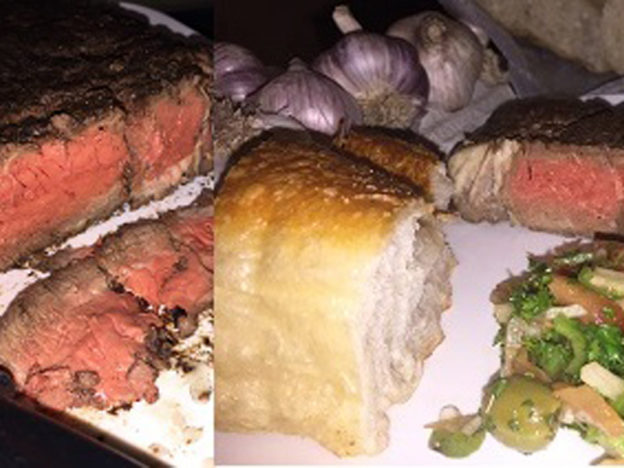
(Continuing from the previous blog) the Manuka wood is very dense and hard, so once it has burned down, the resulting charcoal  becomes a hard type similar to Japan’s high-quality binchotan. It has a strong heat, making it ideal for grilling meat and fish over high, indirect heat.  Now that the grilled meat has rested for about 20 minutes, it’s time for lunch. As usual, I have prepared salad and mashed potatoes for my  daughter and wife. I quickly cut into the perfectly cooked meat. To my satisfaction, the roast beef reveals a beautiful medium doneness with  a consistent, lovely pink color throughout. I had rubbed a generous amount of rock salt on it, and the saltiness is just perfect—thanks to  the sweetness from the impurities in the rock salt. If I had used refined salt, its sharpness and saltiness would have made it inedible.

It lacks the mildness of rock salt. For this dish, I add chopped herbs such as onions, celery, bell peppers, and coriander, along with minced  garlic, salted olives, and a squeeze of lime or lemon juice. Most of these vegetables and citrus fruits are from my garden, so they are free.  The bread is Ciabatta Bread from a bakery inside a nearby supermarket, and I like this place because their baker makes delicious bread.  Ciabatta originated in Italy, and it has become one of my favorites. When it comes to cooking beef, preferences vary from well-done to medium to rare. However, when I order medium-rare at a steakhouse or  restaurant, I often find it served almost raw, with the inside barely cooked, which I find quite disappointing.

The color of a properly cooked steak is noticeably different from that of an undercooked one. Even though both are red, raw meat has a purplish hue.
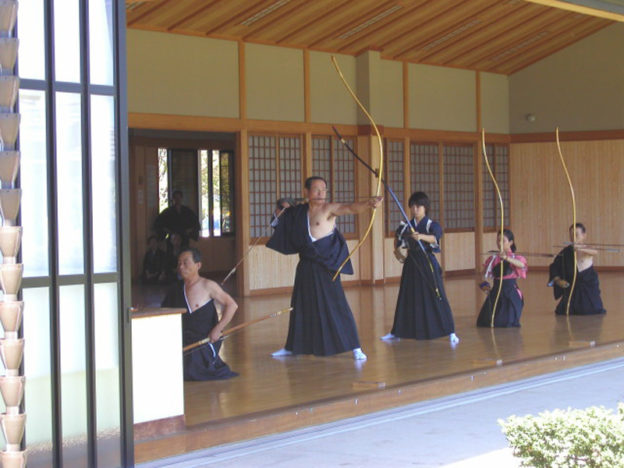
There may not be any bacteria inside the meat, but I think properly cooked, pink meat to be far more flavorful, and I’m not fond of undercooked steaks. Some time ago, perhaps due to my extended time living abroad, I became more interested in Japanese culture. For ten years, I traveled  back and forth between Japan and New Zealand, and eventually joined a 300-year-old kyudo (Japanese archery) dojo in my hometown.  Under the guidance of a renowned master teacher, I devoted myself to daily practice (the photo is from that time).  One day, I went with fellow students to a specialty hamburger restaurant.

I vividly remember being quite surprised when the waiter asked, “How would you like your hamburger cooked?” Hamburgers are made by  shaping ground meat, also known as hamburger steak, but despite the term “steak,” they are quite different. Once the meat is ground, it can  easily be contaminated with various bacteria. Naturally, it’s not something that should be eaten rare; it should be thoroughly  cooked. I was genuinely shocked to find that options like medium or rare hamburgers are available in Japan. After being away from  Japan for so long, I still find myself surprised by many things.


كيف أقضي عطلاتي – الجزء الثاني

خشب المانوكا كثيف وصلب للغاية، وعندما يكتمل احتراقه يتحوّل إلى فحم قاسٍ يشبه إلى حد كبير فحم البيتشوتان الياباني الفاخر. يمتاز بحرارة قوية ومستقرة، مما يجعله مثاليًا لشواء اللحم والسمك باستخدام حرارة عالية غير مباشرة.

وبعد أن تركت اللحم ليستريح لمدة تقارب العشرين دقيقة، حان وقت الغداء. كالعادة، أعددت السلطة والبطاطس المهروسة لابنتي وزوجتي. أبدأ بتقطيع اللحم المشوي المثالي، ولحسن رضاي تظهر لي قطعة روست بيف بدرجة نضج ميديوم متناسقة، بلون وردي جميل ينتشر بانتظام في كامل القطعة.

لقد قمتُ بدهنها بكمية وفيرة من ملح الصخور، وكانت الملوحة متوازنة على نحو رائع—بفضل الحلاوة الطبيعية القادمة من الشوائب العضوية الموجودة في ملح الصخور. أما لو استخدمتُ الملح المكرر، بحدّته وملوحته القاسية، لكانت النتيجة غير قابلة للأكل، إذ يفتقر إلى نعومة الملح الطبيعي ودفئه.

ولإكمال الطبق، أضيف خليطًا من الأعشاب والخضروات المفرومة: البصل، الكرفس، الفليفلة، الكزبرة، إلى جانب الثوم المهروس، والزيتون المملح، مع لمسة منعشة من عصير الليمون أو الليم الحامض. معظم هذه الخضروات والحمضيات من حديقة منزلي، مما يجعلها هدية مجانية من الطبيعة.

أما الخبز فهو خبز تشاباتا من مخبز داخل سوبرماركت قريب، وأحب هذا المكان لأن الخباز هناك يمتلك ذوقًا رفيعًا في صنع الخبز، فتكون منتجاته دائمًا لذيذة وطازجة. وعلى الرغم من أن أصل التشاباتا إيطالي، فقد أصبح من المخبوزات المفضلة لدي.

وعندما يتعلق الأمر بطهي اللحم البقري، تختلف الأذواق بين النضج الكامل، والمتوسط، والنادر. غير أنني عندما أطلب ميديام رير في أحد مطاعم الستيك، كثيرًا ما يُقدَّم لي شبه نيّئ، مع قلب داخلي لم يمسّه النضج، وهو أمر يبعث على خيبة الأمل حقًا.

يختلف لون شرائح اللحم المطهوة بإتقان اختلافًا واضحًا عن تلك غير الناضجة. فعلى الرغم من أن اللونين يبدوان محمرّين، إلا أن اللحم النيّئ يميل إلى درجة أرجوانية واضحة. قد لا تكون هناك بكتيريا داخل قطعة اللحم الكاملة، لكنني أجد أن اللحم المطهوّ جيدًا بلمسة وردية هو الأكثر نكهةً وعمقًا، ولهذا لست من محبّي الستيك غير الناضج.

منذ فترة ما، وربما بسبب سنواتي الطويلة التي قضيتها في الخارج، بدأت أزداد اهتمامًا بالثقافة اليابانية. على مدى عشرة أعوام، تنقّلت باستمرار بين اليابان ونيوزيلندا، ثم انضممت لاحقًا إلى دوجو للرماية اليابانية التقليدية (كيوودو) يعود تاريخه إلى ثلاثة قرون في مسقط رأسي. وتحت إشراف معلم كبير مشهود له بالمهارة، كرّست نفسي للممارسة اليومية بكل شغف (الصورة من تلك الفترة).

وذات يوم، ذهبت مع زملائي في الدوجو إلى مطعم متخصص في شرائح لحم البرغر. وما زلت أتذكر دهشتي حين سألني النادل: «كيف تفضل درجة نضج الهامبرغر؟»

فالبرغر يُحضّر من اللحم المفروم—وإن كان يسمى «ستيكًا» في بعض السياقات—إلا أنه يختلف تمامًا عن قطعة اللحم الكاملة. فعندما يُفرم اللحم، يصبح عرضة للتلوث بالبكتيريا من مختلف الأسطح التي يلامسها. ولذلك، من الطبيعي ألا يُؤكل نيّئًا أو نصف نيّئ؛ بل ينبغي طهيه تمامًا. وقد صدمت حقًا عندما اكتشفت أنه يمكن في اليابان طلب الهامبرغر بدرجة ميديام أو حتى رير.

وبعد سنوات طويلة بعيدًا عن اليابان، ما زلت حتى اليوم أُفاجأ بالعديد من التفاصيل والعادات التي كنتُ قد نسيتها.

How I Spend My Holidays

Today, a large air mass from the direction of Australia has brought calm weather, and since it’s Sunday, I plan to spend the day doing things  I enjoy for the first time in a while. I have a lot of interests, but I no longer feel like rushing outside to do something as I used to. On  quiet days like this, my approach lately is to take it slow, make something delicious, and enjoy it with my family. First, it’s time to look for ingredients, but since it’s a rare day off, I just want to relax. The simplest choice is to get some  good meat and cook it over a simple grill. With that plan in mind, I start by preparing the firewood.  I light the manuka wood brought from the apiary. With a large gas burner we use for disinfecting the beehives, even slightly damp firewood  catches easily. Then, I let it burn down until there are no flames left.

While waiting, I cuts in the thick beef with a knife, then sprinkle it generously with rock salt and rub it in thoroughly. In the outdoor grill,  which I built specifically for barbecuing, has the flames from the Manuka wood I lit earlier have died down nicely into a perfect bed of coals.  I place a wire grid called an excluder designed to prevent queen bees from passing through on top of this. It’s repurposed but works perfectly for barbecuing.  All that’s left to do is flip the meat once on each side, and it’s ready. When grilling a large 5-7 kg roast, I use a homemade electric rotisserie, but since it’s just the family today, I’m grilling two 1 kg steaks  instead. This is a routine dish for me.

On a calm, pleasantly sunny day like this, I truly appreciate the blessing of good health that lets me enjoy these quiet moments.  Soon, the juices begin to rise to the surface of the meat, so I make a 2 cm incision into the thickest part to check its doneness. If it’s cooked well,  put charcoal to an iron pot, then cover it. I save this charcoal to use next time for grilling fish or other dishes. I leave the meat on the  firebrick grill for about 20 minutes in the residual heat, which helps spread warmth evenly throughout. This is my secret to cooking great  grilled meat. I use manuka wood as firewood, as the smoke it produces has an exceptional aroma. Around here, smoked products like  bacon are even labeled “smoked with manuka wood” and sold at a premium. I’ve made bacon at home before, and the manuka smoke  brings a wonderful fragrance. The slight acidity from the unique manuka smoke perfectly enhances the flavor of meat dishes.


كيف أقضي عطلاتي – الجزء الثاني

اليوم حملت الرياح القادمة من جهة أستراليا طقسًا هادئًا ومستقرًا، وبما أنه يوم أحد، فقد قررت أن أقضيه في فعل ما أحب، بعد فترة طويلة من الانشغال. لدي الكثير من الاهتمامات، لكنني لم أعد أشعر بالرغبة في الخروج على عجل كما كنت في الماضي. ففي مثل هذه الأيام الهادئة، أصبحت أميل إلى البطء، وصنع شيء لذيذ، والاستمتاع به مع العائلة.

أول ما أبدأ به هو البحث عن المكونات، لكن بما أن هذا اليوم إجازة نادرة، رغبت فقط في الاسترخاء. أبسط خيار هو الحصول على قطعة جيدة من اللحم وطهيها على شواية بسيطة. بهذه الفكرة، بدأت بتحضير الحطب. أشعلت خشب المانوكا الذي أحضرته من المِنحل. ومع موقد الغاز الكبير المخصّص لتعقيم صناديق النحل، يشتعل الحطب بسهولة حتى وإن كان رطبًا قليلًا. ثم أتركه يحترق حتى تختفي آخر شرارة من اللهب.

وبينما أنتظر الجمر يتكون، أقوم بفتح شقوق صغيرة في قطعة اللحم السميكة، ثم أرش الملح الصخري بسخاء وأدعك به السطح جيدًا. في الشواية الخارجية التي صنعتها خصيصًا للشواء، تكون نيران خشب المانوكا قد هدأت وتحولت إلى طبقة مثالية من الجمر. أضع فوقها شبكة معدنية دقيقة تُسمّى “إكسكلودر”، تُستخدم عادة لمنع ملكة النحل من المرور، لكنها تعمل بشكل رائع عند استخدامها للشواء.

كل ما يتبقى هو قلب قطعة اللحم مرة واحدة على كل جانب، وستصبح جاهزة. وعندما أكون بصدد شوي قطعة كبيرة بوزن 5 إلى 7 كغم، أستخدم شواية كهربائية دوّارة صنعتها بنفسي. لكن بما أن الأمر اليوم يقتصر على العائلة، اخترت شوي قطعتين فقط بوزن كيلوغرام واحد لكل منهما. هذا الطبق بالنسبة لي جزء من الطقوس المألوفة.

في يوم هادئ مشمس بهذا القدر، أشعر بامتنان عميق للصحة التي تمنحني القدرة على الاستمتاع بهذه اللحظات البسيطة. وما إن تبدأ العصارات في الظهور على سطح اللحم، أقوم بعمل شق بطول 2 سم في أكثر أجزائه سماكة لأتأكد من درجة النضج. وإن كانت كما أريد، أضع قليلًا من الجمر في قدر حديدي وأغطيه—فأنا أحتفظ بهذا الجمر لأستخدمه لاحقًا في شوي السمك أو غيره.

أترك اللحم على الطوب الحراري لمدة 20 دقيقة في حرارة الجمر المتبقية، مما يسمح بتوزيع الحرارة بالتساوي داخل اللحم. هذه هي سرّي في الحصول على لحم مشوي مثالي.

أستخدم خشب المانوكا كحطب للشواء، فدخانه يتمتع بعطر فريد لا يُضاهى. وفي هذه المنطقة، تُباع المنتجات المدخّنة مثل اللحم المقدد تحت عبارة “مدخّن بخشب المانوكا” ويُنظر إليها كمنتجات فاخرة. لقد صنعت اللحم المقدد في المنزل من قبل، والدخان المتأتي من المانوكا يضفي رائحة رائعة لا تُنسى. فالحموضة الخفيفة التي يتميز بها هذا الدخان تمنح أطباق اللحم نكهة أعمق وأكثر توازنًا.

How to Make Shuto (Fermented Fish Sauce)

Continuing from previous blog, I ordered bonito directly via online shopping and requested that the internal organs remain untouched. Typically,  large fish arrive with the innards removed, likely to better preserve freshness. When I opened the fish’s belly, the clean, plump organs  came out intact—a clear sign of freshness. There are various ways to prepare shutō (fermented fish sauce), but I have two methods of my own. First, it’s crucial  to remove the gallbladder, which contains bitter components, while the fish is still fresh. If forgotten, removing it after fermentation becomes quite challenging.

Then, the innards are either sprinkled with rock salt and left to ferment for two weeks as is, or alternatively, they are removed immediately,  the digestive tract contents are cleaned out, cut into appropriate sizes, and mixed with rock salt, sake, and mirin for direct pickling. Personally, I find it tastier to first lightly pickle the innards for two weeks in their natural state and then proceed to the main pickling stage  after fermentation. This process seems to enhance the depth of flavor. In essence, the method involves removing the innards, discarding the  gallbladder, and pickling them with just salt. After two weeks in the refrigerator, the contents of the digestive tract are removed, and the innards are prepared for the main pickling stage.  The fermentation speed can be adjusted depending on the amount of rock salt used. I prefer using a slightly higher salt concentration to allow  for a slower and more thorough aging process.

The advantage of pre-pickling is that the innards are pickled as they are, without washing them in water after being removed from the belly.  By fermenting all the contents of the digestive tract and the blood together, it creates an exceptionally deep and rich flavor. In fact, depending  on the contents of the intestinal tract, it’s often better not to remove them. For instance, when the fish has eaten a large amount of krill, allowing  it to ferment as is produces a more delicious result. After fermentation, the innards are cut into appropriate sizes, and as previously mentioned, sake and mirin are added for further fermentation  over an additional week. Katsuo (bonito) is a fish with a high blood content, and this blood, when fermented, transforms into a rich fish sauce,  adding even more depth to the flavor. When making shutō, the balance of salt is crucial. I prefer to use rock salt, as refined  salt tends to be overly salty without any sweetness or mellowness. Once the shutō is prepared, I portion it out for eating, making  sure to stir it thoroughly each time to incorporate air.

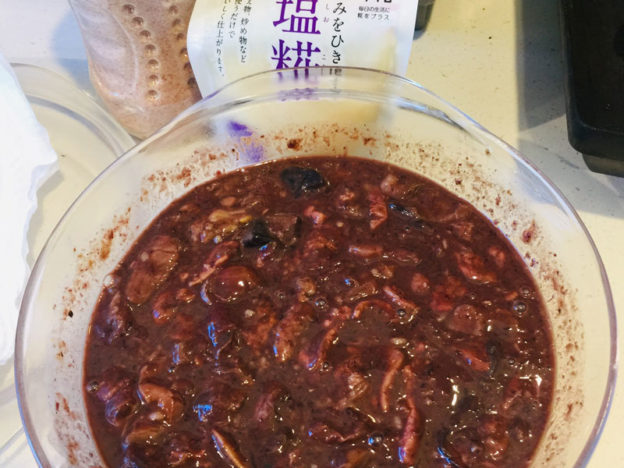
This method allows the shutō to remain delicious for up to a month after it’s made. As the fermentation progresses, the initial saltiness  gradually fades. Additionally, dissolving sake lees in Japanese sake or using shio-koji during the fermentation process enhances the aroma and  gives the final product a milder. Manuka honey also develops higher activity levels and a smoother flavor when it is allowed to ripen further in the hive after reaching full maturity.  While this process is unrelated to fermentation of shutō, raw honey gains depth and richness over time. It has a unique quality that sets it apart from heat-treated and mass-produced products.


ريقة إعداد الشوتو (صلصة أحشاء السمك المخمّرة) — برؤية حرفية راقية

استكمالًا للمقال السابق، قمت بطلب سمك الكاتسو (البونيتو) مباشرة عبر الشراء الإلكتروني، مع طلب خاص بعدم إزالة الأحشاء. عادةً ما تصل الأسماك الكبيرة بعد تنظيفها من الداخل حفاظًا على الطزاجة، لكن عند فتح بطن السمكة هذه المرة، ظهرت الأحشاء كاملة، نظيفة وممتلئة، في دليل واضح على جودة استثنائية وحداثة الصيد.

توجد طرق متعددة لتحضير الشوتو، لكن لدي طريقتان خاصتان. الخطوة الأهم هي إزالة المرارة فورًا بينما تكون السمكة طازجة، إذ تحتوي على مركبات شديدة المرارة، وإهمال هذه الخطوة يجعل إزالتها بعد التخمير شبه مستحيلة.

بعد ذلك، تُتبع إحدى طريقتين: إما رشّ الأحشاء بالملح الصخري وتركها لتتخمّر كما هي لمدة أسبوعين، أو إزالة الأحشاء مباشرة، تنظيف محتويات القناة الهضمية، تقطيعها إلى أحجام مناسبة، ثم تخليلها فورًا بالملح الصخري مع الساكي والميرين.

شخصيًا، أفضّل الطريقة الأولى، أي التخليل الخفيف لمدة أسبوعين دون تنظيف، ثم الانتقال إلى مرحلة التخليل الأساسية. هذه الخطوة المسبقة تضيف عمقًا وتعقيدًا أكبر للنكهة. باختصار، يتم استخراج الأحشاء، إزالة المرارة فقط، ثم تخليلها بالملح وحده. بعد أسبوعين في الثلاجة، تُزال محتويات الجهاز الهضمي، وتبدأ مرحلة التخمير الرئيسية.

يمكن التحكم في سرعة التخمير حسب كمية الملح المستخدم، وأنا أميل إلى استخدام تركيز أعلى قليلًا لإطالة فترة التعتيق ومنح النكهة نضجًا أعمق. ميزة هذه الطريقة أن الأحشاء لا تُغسل بالماء بعد إخراجها، بل تُخمّر مع الدم ومحتويات الجهاز الهضمي، ما ينتج طعمًا غنيًا وكثيفًا للغاية. في بعض الحالات، يكون من الأفضل عدم إزالة هذه المحتويات، خاصة إذا كانت السمكة قد تغذّت على كميات كبيرة من الكريل، إذ يضفي ذلك مذاقًا أكثر تميّزًا.

بعد انتهاء التخمير الأولي، تُقطّع الأحشاء وتُضاف كمية من الساكي والميرين، ثم تُترك لتتخمّر مجددًا لمدة أسبوع إضافي. سمك الكاتسو غني بالدم، وهذا الدم عند تخميره يتحوّل إلى صلصة بحرية عميقة الطابع، تعزّز من تعقيد النكهة.

التوازن الدقيق للملح عنصر حاسم في نجاح الشوتو. أفضل استخدام الملح الصخري، لأن الملح المكرر يعطي ملوحة حادة تفتقر إلى الاستدارة والنعومة. بعد اكتمال التحضير، يُقسّم الشوتو إلى حصص صغيرة، مع الحرص على تقليبه جيدًا في كل مرة لإدخال الهواء وتحسين النكهة.

بهذه الطريقة، يبقى الشوتو في ذروة مذاقه لمدة تصل إلى شهر، ومع تقدّم التخمير تخف حدّة الملوحة تدريجيًا. كما أن إضافة تفل الساكي المذاب في الساكي، أو استخدام الشيو-كوجي أثناء التخمير، يمنح العطر نعومة ورقيًا إضافيًا.

وعلى نحو موازٍ، فإن عسل المانوكا، رغم أنه لا يخضع للتخمير، يزداد نشاطًا وعمقًا عندما يُترك لينضج تمامًا داخل الخلية. العسل الخام، بمرور الوقت، يكتسب ثراءً ونكهة متعدّدة الطبقات، وهي خصائص لا يمكن مقارنتها بالمنتجات المعالجة حراريًا أو المنتجة على نطاق واسع. إنها قيمة الأصالة، والصبر، والاحترام العميق للطبيعة — وهي فلسفة واحدة، سواء في المطبخ أو في الخلية.

Enjoying Japanese Cuisine in New Zealand

Last time, I talked about katsuo (bonito), but my interest in food never fades, so let me add a bit more.  There’s a traditional way of preparing bonito called tataki, where the surface is seared over high heat. Personally, I don’t understand what’s  so appealing about this method. People say it lets you enjoy both grilled and raw flavors, but for me, I can’t tell what I’m actually eating. My tastes seem to mirror my father’s: if there’s one truly delicious thing, that’s enough. I’m not a fan of multi-course meals with dish after dish.  Often, they aren’t particularly good, and the flavors end up blending together, leaving me unsure of what I’m even tasting.

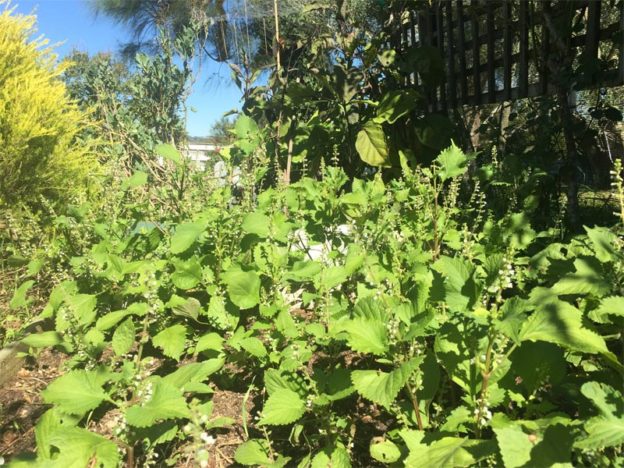
The best way to enjoy bonito, in my opinion, is with grated garlic and julienned shiso leaves. Shiso leaves (Japanese basil),  as shown in the image, are impossible to find here. So, when my wife visited Japan earlier this year, she brought some seeds. I was  unsure they’d grow well since we planted them a bit late, but they flourished, so now we can save seeds and have a steady supply of  shiso. I’m even planning to build a simple greenhouse when I have the time. In the end, I turned the five leftover bonito into kakuni—a soy-flavored simmered dish—and dried the pieces in a basket under the sun for  about three days. The result was beautifully firm, with a concentrated flavor. I often take these dried bonito pieces as onigiri fillings when  I head out to the apiary. They pair perfectly with umeboshi (pickled plum) and make for the ultimate meal when I’m relaxing in a hammock amidst the Manuka forest.

By the way, the other day, when I was a bit tired at the apiary, I took a nap in the shade of a tree and a stoat (a small animal from the weasel  family) appeared at my feet, licking the honey off my boots. It was so cute that I let it be, but eventually, it noticed me and ran off  toward the Manuka forest. The stoat seems to have been introduced by humans from abroad, and despite being a cute little animal,  it’s actually a very ferocious carnivore that preys on native species, including New Zealand’s national bird, the kiwi. Consequently, the authorities are encouraging its control. In the mountains, I can also enjoy seeing quails, pheasants,  New Zealand pigeons—more than three times the size of Japanese wood pigeons—and beautiful red parrots.


الاستمتاع بالمطبخ الياباني في نيوزيلندا

في المرة السابقة تحدّثتُ عن سمك الكاتسو (البونيتو)، لكن شغفي بالطعام لا يخبو أبدًا، لذا اسمحوا لي أن أضيف القليل. هناك طريقة تقليدية لتحضير البونيتو تُسمّى تاتاكي، حيث يُشوَى سطح السمكة بسرعة على نار عالية. شخصيًا، لم أفهم يومًا سرّ جاذبية هذه الطريقة. يقال إنها تتيح لك الاستمتاع بنكهات المشوي والنيّئ معًا، لكن بالنسبة لي، لا أستطيع تمييز ما الذي أتناوله فعليًا. يبدو أن ذائقتي تشبه ذائقة والدي: إن كان هناك شيء واحد لذيذ حقًا، فهذا يكفي. لست من محبّي الموائد المتعددة الأطباق، حيث تتوالى الصحون دون تميّز حقيقي، وتختلط النكهات إلى حدّ يجعلك غير متأكد مما تتذوقه أصلًا.

أفضل طريقة للاستمتاع بالبونيتو، في رأيي، هي تناوله مع الثوم المبشور وأوراق الشيسو المقطّعة إلى شرائح رفيعة. أوراق الشيسو (الريحان الياباني)، كما هو موضّح في الصور، يكاد يكون من المستحيل العثور عليها هنا. لذلك، عندما زارت زوجتي اليابان في وقت سابق من هذا العام، أحضرت معها بعض البذور. كنت مترددًا في نجاح زراعتها لأننا زرعناها متأخرين قليلًا، لكنها نمت بشكل رائع، وأصبح بإمكاننا الآن حفظ البذور وضمان إمداد مستمر من الشيسو. بل إنني أخطّط لبناء دفيئة بسيطة عندما يسمح الوقت.

أما قطع البونيتو الخمس المتبقية، فقد حوّلتها في النهاية إلى كاكوني—طبق مطهو ببطء بنكهة الصويا—ثم جففتها في سلة تحت أشعة الشمس لمدة ثلاثة أيام تقريبًا. جاءت النتيجة متماسكة وجميلة، بنكهة مركّزة وعميقة. غالبًا ما أحمل هذه القطع المجففة كحشوة للأونيغيري عندما أذهب إلى المناحل. إنها تتناغم على نحو مثالي مع الأوميبوشي (البرقوق المخلل)، لتشكّل وجبة لا تضاهى عندما أستريح في أرجوحة وسط غابات المانوكا.

وبالمناسبة، في أحد الأيام، بينما كنت متعبًا قليلًا في المنحل، أخذت قيلولة في ظل شجرة، فظهر عند قدمي حيوان صغير من فصيلة ابن عرس، يلعق العسل عن حذائي. كان لطيفًا إلى حد أنني تركته وشأنه، لكنه ما لبث أن لاحظني وفرّ هاربًا نحو غابة المانوكا. هذا الحيوان أُدخل إلى نيوزيلندا على يد البشر، ورغم مظهره الظريف، إلا أنه مفترس شرس يهدد الأنواع المحلية، بما في ذلك طائر الكيوي، الرمز الوطني للبلاد. لذلك، تشجّع السلطات على السيطرة على أعداده. وفي الجبال، يمكنني أيضًا الاستمتاع بمشاهدة السمان، والتدرّج، والحمام النيوزيلندي—الذي يفوق الحمام الياباني حجمًا بأكثر من ثلاث مرات—إضافة إلى ببغاوات حمراء جميلة، تشكّل جميعها مشهدًا غنيًا يعكس وفرة الطبيعة من حولي.

cutomer reviews

Customer Feedback

The site above features feedback collected since the establishment of our business, and the number is truly remarkable. All of these reports  come from our customers, and there is absolutely no “fake reports” or reviews gathered through methods like “write a review and earn  points” commonly seen on shopping sites. If you read them, you will understand that these are heartfelt reports from our customers. In addition, we receive many reports via phone calls, but since they do not leave a written record, we have chosen not to include them here.  Receiving such various reports is the ultimate reward of a beekeepers, and these customer reports  support us to continue our work for so many years without losing enthusiasm.

Customer Feedback:

Strong MANUKA HONEY – Manuka Honey from New Zealand’s Great Nature, Perfected by Japanese Craftsmanship

What these numerous reports ultimately reveal is that there are significant issues with the current medical institutions’ thinking and healthcare system.  Medications merely create an opportunity for healing, but ultimately, it is our own physical strength that facilitates recovery. Consuming  natural active substances symbolizes a “return to nature,” reminding us that humans are composed of the Earth’s elements—this is  a fundamental truth reinforced by these reports. I have witnessed many customers deteriorate while placing their trust in doctors and medications. The ultimate realization is that our bodies can heal themselves.  Unlike pharmaceuticals, natural active substances, such as Manuka honey and propolis extracts, do not have a specified intake amount.

The realization that effective healing arises from personal trial and error in consulting with one’s own body, along with the firm belief that recovery  is possible, is crucial. I believe there is a significant mistake in entirely entrusting one’s precious health to medical institutions. Having lived abroad for many years, I perceive that Japan possesses a unique culture and characteristics. Moreover, the overwhelming  presence of the internet seems to obscure what should be obvious. People are becoming increasingly isolated and forced to face immense stress.  Stress is the root of many ailments and nature helps to heal this stress. In that regard, I have come to think that beekeepers are indeed fortunate.


آراء العملاء

يضمّ الموقع أعلاه انطباعات العملاء التي جمعناها منذ تأسيس شركتنا، ويبلغ عددها ما يُثير الإعجاب حقًا. جميع هذه الشهادات وردت من عملائنا مباشرة، ولا تحتوي على أي تعليقات زائفة أو مراجعات مدفوعة كما هو الحال في بعض المواقع التجارية التي تشجّع على “اكتب تعليقًا لتحصل على نقاط”. من يقرأها سيدرك أنها كلمات صادقة نابعة من تجارب حقيقية.

كما نتلقى العديد من الملاحظات عبر المكالمات الهاتفية، إلا أننا لا ندرجها هنا لأنها لا تترك سجلًا مكتوبًا. إن تلقّي هذه التقارير المتنوعة هو أعظم مكافأة يمكن أن يحظى بها مربّي النحل، فهي التي تمنحنا القوة للاستمرار في عملنا بكل حماسٍ على مدى سنوات طويلة.

ما الذي تكشفه هذه التقارير في جوهرها

إن الكمّ الكبير من هذه الشهادات يكشف بوضوح عن وجود مشكلات عميقة في طريقة التفكير السائدة داخل المؤسسات الطبية الحالية. فالأدوية لا تشفي بذاتها، بل تُهيّئ فقط الظروف التي تسمح للجسد بالشفاء، أمّا الشفاء الحقيقي فينطلق من قوة الجسد الذاتية. إن تناول المواد الحيوية الطبيعية يعبّر عن عودة الإنسان إلى حضن الطبيعة، ويذكّرنا بأننا مكوّنون من عناصر الأرض ذاتها — وهي حقيقة أساسية تؤكدها هذه التجارب مرارًا. لقد رأيت بأمّ عيني كثيرين تتدهور صحتهم لأنهم وضعوا ثقتهم المطلقة في الأطباء والأدوية. أما الحقيقة التي لا يمكن إنكارها، فهي أن قدرة الجسد على التعافي من ذاته تفوق ما يمكن أن يقدمه أي دواء.

على عكس العقاقير الطبية، لا يوجد مقدار محدّد لتناول المواد الفعّالة الطبيعية مثل عسل المانوكا ومستخلصات البروبوليس. فهي تعتمد على الإنصات إلى الجسد وتجربة ما يلائمه، لا على وصفة جامدة أو جرعة موحّدة.

جوهر الشفاء الحقيقي

إن الإدراك بأن الشفاء الفعّال ينبع من تجربة الإنسان مع جسده، ومن الإيمان العميق بإمكانية التعافي، هو حجر الأساس للحياة الصحية. وأرى أن الخطأ الكبير يكمن في تسليم أغلى ما نملك — صحتنا — إلى المؤسسات الطبية بشكلٍ كامل دون وعي.

بعد سنوات طويلة من العيش خارج اليابان، لاحظت أن لليابان ثقافتها الخاصة وطريقتها الفريدة في النظر إلى الجسد والطبيعة. لكنّ الهيمنة الطاغية للإنترنت جعلت الناس يبتعدون عمّا هو بديهي، فباتوا أكثر عزلةً، يواجهون ضغوطًا هائلة تفوق قدرتهم على الاحتمال. إن الضغوط النفسية هي أصل الكثير من الأمراض، بينما تملك الطبيعة القدرة على مداواة هذه الجراح الخفية. وفي هذا المعنى العميق، أرى أن مربّي النحل هم أناس محظوظون حقًا — لأنهم يعيشون أقرب ما يكون إلى إيقاع الطبيعة وشفائها.
Insect Repellent Spray with Natural Herbs

Insect Repellent Spray with Natural Herbs

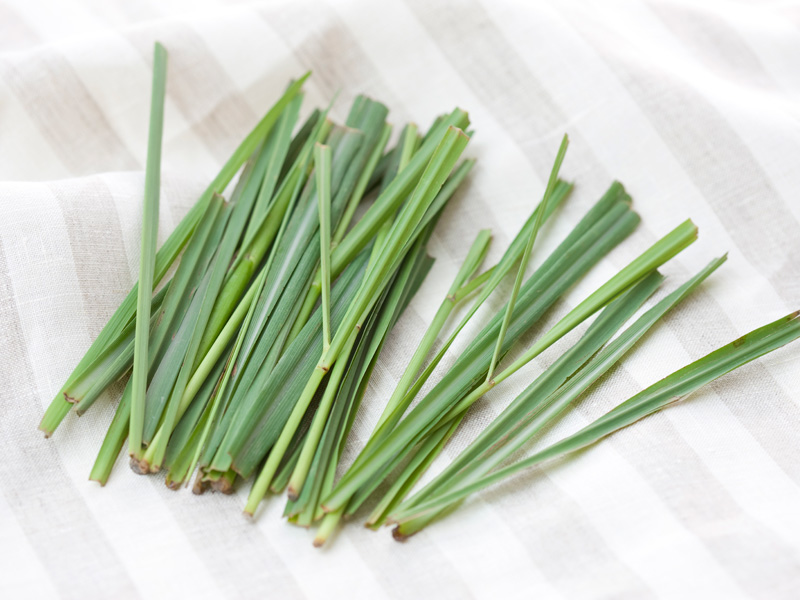
Last time, we discussed how the components of herbs like pyrethrum and thyme are used in insecticides for Varroa destructor. Ethyl alcohol is used to extract these active ingredients, and it seems that alcohol is often employed for extracting plant components in perfumes as well.  Alcohol is also used for the extraction of propolis. The method is very simple: after drying the herbs or medicinal plants you want to extract,  place them in a container and fill it with alcohol, letting it sit for a while so the essence can dissolve. I learned that lemongrass is used as an ingredient in insect repellent sprays, so I decided to try making my own.

Since I have plenty of lemongrass growing in my garden like a weed, I quickly cut some, bundled it up, and hung it upside down on the terrace.  After about two weeks, I decided to use it. Lemongrass belongs to the Poaceae family, the same botanical family as rice, and it is  a plant that closely resembles Japanese pampas grass. Lemongrass is essential in Thai dishes like Tom Yum Kung. If you soak it in  alcohol for about two weeks, extracting its components is quite simple. This applies not only to lemongrass but also to many herbs and  medicinal plants—most essences can be extracted using ethanol (ethyl alcohol). Lemongrass, in particular, is known to repel mosquitoes,  and by dissolving my homemade alcohol essence in water and using a spray bottle, I can create a great insect repellent.

Alcohol completely dissolves in water, allowing for flexible concentration adjustments, and I hang it from various trees in my garden.  This way, no matter where I am in the garden, I have insect repellent nearby, which is very convenient. Recently, I haven’t been bothered  by pesky mosquitoes even in the evening. In beekeeping, the work can only be done after all the worker bees have returned to the hive, making this spray an essential item at that time,  and it has been very useful. While it’s true that you can buy anything with money, there’s a special joy and satisfaction that comes from  making something yourself, especially when it proves to be useful.

That’s why I enjoy repairing and creating things whenever  I have the time; if I can create or fix something that works well, I often feel more attached to it than to something I purchased.


🌿 بخاخ طارد الحشرات بالأعشاب الطبيعية

في المرة السابقة، تحدثنا عن كيفية استخدام مكونات الأعشاب مثل البيرثروم والزعتر في المبيدات الخاصة بـ Varroa destructor. يتم استخدام الكحول الإيثيلي لاستخراج هذه المكونات الفعالة، ويبدو أن الكحول غالبًا ما يُستخدم أيضًا في استخلاص مكونات النباتات للعطور. يُستخدم الكحول أيضًا لاستخراج البروبوليس. الطريقة بسيطة للغاية: بعد تجفيف الأعشاب أو النباتات الطبية المراد استخراجها، توضع في وعاء ويُملأ بالكحول ويُترك لبعض الوقت حتى يتم امتصاص جوهر المكونات.

تعلمت أن عشب الليمون (Lemongrass) يُستخدم كمكون في بخاخات طارد الحشرات، فقررت تجربة صنع بخاخي الخاص. نظرًا لوجود الكثير من عشب الليمون في حديقتي كنبات بري، قمت بقص كمية منه بسرعة، وربطها، وعلقتها رأسًا على عقب على التراس. بعد حوالي أسبوعين، قررت استخدامه. ينتمي عشب الليمون إلى عائلة الحشائش (Poaceae)، نفس العائلة النباتية للأرز، ويشبه إلى حد كبير عشب البامبا الياباني.

يُعد عشب الليمون عنصرًا أساسيًا في الأطباق التايلاندية مثل Tom Yum Kung. إذا تم نقعه في الكحول لمدة أسبوعين تقريبًا، يصبح استخراج مكوناته سهلاً للغاية. ينطبق هذا ليس فقط على عشب الليمون، بل على العديد من الأعشاب والنباتات الطبية—حيث يمكن استخراج معظم الزيوت العطرية باستخدام الإيثانول (الكحول الإيثيلي). يُعرف عشب الليمون بقدرته على صد البعوض، ومن خلال إذابة مستخلص الكحول المنزلي في الماء واستخدام زجاجة رذاذ، يمكنني صنع بخاخ طارد حشرات فعال جدًا.

يمتزج الكحول تمامًا مع الماء، مما يسمح بتعديل التركيز بحرية. أعلقه على أشجار مختلفة في حديقتي، وبهذه الطريقة، أمتلك دائمًا طارد حشرات بالقرب مني في أي مكان في الحديقة، مما يجعل الأمر مريحًا للغاية. مؤخرًا، لم أعد أعاني من البعوض المزعج حتى في المساء.

في تربية النحل، لا يمكن القيام بالعمل إلا بعد عودة جميع العاملات إلى الخلية، لذا يُعد هذا البخاخ عنصرًا أساسيًا في ذلك الوقت، وقد كان مفيدًا جدًا. صحيح أنه يمكنك شراء أي شيء بالمال، لكن هناك فرحة ورضا خاص عندما تصنع شيئًا بنفسك ويكون مفيدًا بالفعل. لهذا السبب، أستمتع بالإصلاح والابتكار كلما أتيحت لي الفرصة؛ فعندما أتمكن من صنع أو إصلاح شيء يعمل جيدًا، غالبًا ما أشعر بارتباط أكبر به مقارنة بأي شيء اشتريته.
When Drought Continues

When Drought Continues

We’ve had weeks of drought, and both my garden and apiary are suffering from deepening cracks in the ground. The water in the pond  we built at the apiary has dried up, so the bees are forced to fly to distant streams to find water. This wastes their energy, so I try to  bring water to the apiary ourselves to prevent them from becoming exhausted. The water level in the pool at my home has also dropped by  half. My wife tried to clean it by vacuuming the leaves from the bottom, but she noticed that the bees were gathering on the floating  vacuum hose to drink water. She grumbled to herself that, since our lives are sustained by these bees, we couldn’t possibly chase them away  just to clean the pool.

Luckily, a hurricane is moving south from the equator, and it looks like it might hit our area here in the North Island directly. We’re hoping  it brings much-needed rain. Even if we get a lot of rain, the dry ground will absorb it all, so there’s no risk of flooding, and the more rain,  the better for us. Since the property is large, I grow vegetables and fruit trees, but the daily watering makes the water bill expensive, and just  sprinkling with a hose doesn’t do much good. On the bright side, the lack of rain means the grapes, which are almost ready to harvest, are  developing a higher sugar content. I’m also excited because this year I’ve been trying to grow seedless grapes. Last year, we had a lot of damage  because the bird netting I put up was poorly done.

Here, we have a troublesome bird that resembles a bulbul and runs around like a mouse. It sneaks through the smallest gaps to attack crops just as they start to sweeten, so I’ve sealed everything with nets. However, knowing this bird,  I can’t let my guard down. If I don’t pick the tomatoes as soon as they start ripening, they’ll be full of holes from being pecked. Luckily, it seems  unable to pierce through tougher-skinned fruits like watermelon.

This year’s lack of rain has me hoping for some really sweet watermelons. With so much to do every day, time flies by so quickly that  I sometimes end up putting off my main work. It’s not quite like saying, “One day you’re born, the next you’re in a coffin,” but it feels close.  I often find myself wondering, “What have I been doing all this time?” Time in nature moves so swiftly that a human life can feel like it’s over in an instant.


🌵 عندما يستمر الجفاف

لقد مرّت أسابيع من الجفاف، وتعاني كل من حديقتي ومزرعة النحل من تشققات عميقة في الأرض. لقد جفت المياه في البركة التي أنشأناها في المزرعة، لذا اضطرت النحل للطيران لمسافات بعيدة للوصول إلى المياه. هذا يهدر طاقتها، لذلك أحاول توفير الماء للمزرعة بأنفسنا لتجنب إرهاقها.

كما انخفض مستوى المياه في بركة المنزل إلى النصف. حاولت زوجتي تنظيفها باستخدام المكنسة الكهربائية لإزالة الأوراق من القاع، لكنها لاحظت أن النحل يتجمع على خرطوم المكنسة العائم لشرب الماء. تمتمت لنفسها أنه بما أن حياتنا تعتمد على هؤلاء النحل، فلا يمكننا طردهم لمجرد تنظيف البركة.

لحسن الحظ، هناك إعصار يتحرك جنوبًا من خط الاستواء، ويبدو أنه قد يضرب منطقتنا في الجزيرة الشمالية مباشرة. نحن نأمل أن يجلب المطر المنشود بشدة. حتى لو هطلت كميات كبيرة من الأمطار، فإن الأرض الجافة ستمتصها كلها، فلا يوجد خطر في حدوث فيضانات، وكلما زاد المطر كان أفضل لنا.

نظرًا لأن الممتلكات واسعة، أزرع الخضروات وأشجار الفاكهة، لكن الري اليومي يجعل فاتورة المياه باهظة، ولا يكفي مجرد الرش بالخرطوم. من الجانب الإيجابي، فإن نقص الأمطار يجعل العنب، الذي يوشك على الحصاد، يتطور بمحتوى أعلى من السكر. أنا متحمس أيضًا لأنني هذا العام أحاول زراعة العنب الخالي من البذور. في العام الماضي، تعرضنا للعديد من الأضرار بسبب سوء تركيب شبكات الطيور.

هنا، لدينا طائر مزعج يشبه البلبل ويتحرك مثل الفأر. يتسلل من أصغر الفجوات لمهاجمة المحاصيل بمجرد أن تبدأ في التحلية، لذلك قمت بسد كل شيء بالشبكات. ومع ذلك، ومع معرفتي بهذا الطائر، لا يمكنني التهاون أبدًا. إذا لم أجمع الطماطم فور بدء نضجها، ستصبح مليئة بالثقوب بسبب النقر. ولحسن الحظ، يبدو أنه غير قادر على اختراق الفواكه ذات القشرة الصلبة مثل البطيخ.

نقص الأمطار هذا العام يجعلني آمل في الحصول على بطيخ حلو جدًا. مع كل هذه المهام اليومية، يمر الوقت بسرعة كبيرة لدرجة أنني أؤجل أحيانًا عملي الأساسي. ليس الأمر تمامًا كما لو قلت: “في يوم تولد، وفي اليوم التالي تكون في التابوت”، لكنه قريب من هذا الشعور. كثيرًا ما أجد نفسي أتساءل: “ماذا كنت أفعل طوال هذا الوقت؟” فزمن الطبيعة يمر بسرعة، حتى أن الحياة البشرية قد تشعر وكأنها انتهت في لحظة.
Chemical Use and the Future of Beekeeping

Chemical Use and the Future of Beekeeping

(Continuing from the previous blog) Antibiotics and other antimicrobial drugs, including broad-spectrum antibiotics, have the downside  of attacking not only harmful bacteria but also beneficial microorganisms in the human body. In contrast, natural bioactive substances  like Manuka honey and propolis seem to have fewer such drawbacks, which I believe is their biggest difference compared to  synthetic antibiotics. Furthermore, while many antibiotics work through enzyme-level mechanisms (such as bactericidal or bacteriostatic actions),  natural active substances are composed of complex compounds that interact in a multifaceted way, making it more difficult for bacteria to develop resistance structures.

Considering these points, it seems far wiser to return to nature and make it our ally rather than being caught up in the endless, fierce battle  between drugs and microorganisms. Since humans are made from the materials found on Earth, it only makes sense to align ourselves with nature. I’ve written at length, but the fact remains: if we hadn’t overused medications, these severe problems wouldn’t have arisen in the first place.  The ongoing war between drugs and microorganisms brings no real benefit. Only pharmaceutical companies, which continuously produce  new drugs in response to emerging resistant bacteria, seem to profit from this unending cycle.

It’s truly a never-ending game of cat and mouse. I’m not entirely against the use of medications—antibiotics, steroids, and other drugs  are undeniably effective in emergency and life-saving situations. However, becoming overly dependent on them leads to numerous  unforeseen problems. These antimicrobial drugs should be reserved for critical situations, not overused, but the reality is that we’ve  already overstepped this boundary. As a result, we’re running out of effective medications to combat resistant bacteria. Some even say  this battle ultimately favors microorganisms, with humanity facing inevitable defeat.

Given all of this, I believe that practicing beekeeping without the use of drugs, as is done in New Zealand, is the right approach.  In other countries, beekeeping with the use of medications may seem to temporarily solve bee-related diseases, but in the long run,  I believe this is merely an illusion for beekeepers. When we consider that these drugs can enter the human body through bee products  and other agricultural products, I can’t help but think that, in the end, the overuse of drugs will lead to unfortunate consequences.


استخدام المواد الكيميائية ومستقبل تربية النحل

(متابعة للمدونة السابقة) المضادات الحيوية وغيرها من الأدوية المضادة للميكروبات، بما في ذلك المضادات الحيوية واسعة الطيف، لها جانب سلبي يتمثل في أنها تهاجم ليس فقط البكتيريا الضارة بل أيضًا الكائنات الدقيقة المفيدة في جسم الإنسان. في المقابل، تبدو المواد البيولوجية النشطة الطبيعية مثل عسل المانوكا و البروبوليس أقل عرضة لمثل هذه الأضرار، وأعتقد أن هذا هو أكبر اختلاف لها مقارنة بالمضادات الحيوية الاصطناعية. علاوة على ذلك، بينما تعمل العديد من المضادات الحيوية من خلال آليات على مستوى الإنزيمات (مثل العمل القاتل للبكتيريا أو المثبط لها)، فإن المواد النشطة الطبيعية تتكون من مركبات معقدة تتفاعل بطرق متعددة الأبعاد، مما يصعّب على البكتيريا تطوير مقاومة ضدها.

بالنظر إلى هذه النقاط، يبدو من الحكمة أكثر العودة إلى الطبيعة وجعلها حليفًا لنا بدلاً من الانخراط في المعركة المستمرة والعنيفة بين الأدوية والكائنات الدقيقة. بما أن الإنسان مصنوع من المواد الموجودة على الأرض، فمن المنطقي أن نتناغم مع الطبيعة. لقد كتبت مطولًا، لكن الحقيقة تبقى: لو لم نبالغ في استخدام الأدوية، لما ظهرت هذه المشاكل الخطيرة من الأساس. الحرب المستمرة بين الأدوية والكائنات الدقيقة لا تحقق أي فائدة حقيقية. يبدو أن الشركات الدوائية وحدها هي المستفيدة من هذه الدورة التي لا تنتهي، إذ تنتج أدوية جديدة باستمرار لمواجهة البكتيريا المقاومة الناشئة.

إنها حقًا لعبة القط والفأر التي لا تنتهي. أنا لست ضد استخدام الأدوية بالكامل—فالمضادات الحيوية والستيرويدات وغيرها من الأدوية فعّالة بلا شك في الحالات الطارئة والمنقذة للحياة. ومع ذلك، فإن الاعتماد المفرط عليها يؤدي إلى العديد من المشاكل غير المتوقعة. يجب أن تُحتفظ هذه الأدوية المضادة للميكروبات للحالات الحرجة، وليس للإفراط في استخدامها، لكن الواقع هو أننا تجاوزنا هذا الحد بالفعل. نتيجة لذلك، بدأنا نفقد الأدوية الفعّالة لمحاربة البكتيريا المقاومة. ويقول البعض إن هذه المعركة تنتهي في صالح الكائنات الدقيقة، مع مواجهة البشر لهزيمة محتومة.

بالنظر لكل ذلك، أعتقد أن ممارسة تربية النحل بدون استخدام الأدوية، كما هو الحال في نيوزيلندا، هو النهج الصحيح. في بلدان أخرى، قد يبدو أن تربية النحل باستخدام الأدوية تحل مؤقتًا الأمراض المتعلقة بالنحل، لكن على المدى الطويل، أرى أن هذا مجرد وهم للنحالين. وعندما نأخذ في الاعتبار أن هذه الأدوية يمكن أن تدخل جسم الإنسان عبر منتجات النحل وغيرها من المنتجات الزراعية، لا يسعني إلا أن أفكر أنه في النهاية، سيؤدي الإفراط في استخدام الأدوية إلى عواقب مؤسفة.

The Use of Antibiotics in Bees

Last time, I briefly mentioned the use of antibiotics to honeybees, and I’d like to write a bit more on this topic. In many  honey-producing countries, the use of antibiotics isn’t strictly regulated, regardless of whether the country is developing or developed.  New Zealand is one of the few nations where their use is prohibited. This could become a long discussion, but to summarize, New Zealand  was formed from a part of the continent known as Zealandia, which rose from the ocean floor in ancient times, resulting in significantly less  biodiversity compared to other countries.

In New Zealand’s natural environment, the introduction of foreign plants and animals is strictly regulated by the Ministry for Primary Industries  (formerly the Ministry of Agriculture). The use of chemicals in beekeeping, particularly antibiotics, is strictly prohibited. When it comes to  beekeeping, there is no way to cure an infection once it occurs, so affected hives must be immediately incinerated, and a report detailing  the outbreak area must be submitted. If the use of chemicals were permitted, it might be possible to restore hives through treatment if  a disease were to arise. However, I believe that the current regulations imposed by the authorities are the right approach.  Of course, infections can potentially be managed with the use of antibiotics.

However, reliance on medications (and this applies not only to beekeeping but also to other industries) inevitably leads to the emergence of  microorganisms that are resistant to these treatments, as living organisms will evolve to ensure their survival. In human, a good example would be  drug-resistant hospital-acquired bacteria, which have now become widespread in medical institutions, which result from the overuse of antibiotics. In the U.S., for instance, one of the first tasks in beekeeping after wintering is to feed bees with antibiotics to significantly reduce the risk of  infections. This practice is also common in Japan, where there are no regulations on the use of antibiotics in beekeeping. Recently,  there have been numerous issues concerning food safety in countries like China and throughout Southeast Asia, which has led to  a general perception among consumers that domestically produced goods are safer.

When it comes to bee products, this belief is a significant misconception. Honey and other bee products from my operation are exported to the  head office, where they undergo antibiotic testing during customs clearance.  All imported foods are subject to the same rules: if levels of residual antibiotics or other substances exceed the limits set by Japan’s  Ministry of Health, Labour and Welfare quarantine stations, the import will not be approved. However, there are no such restrictions on honey produced domestically in Japan, making it potentially riskier compared  to imports. The general idea that domestic products are safer is likely a misconception, and I believe this applies to other food products as well.


استخدام المضادات الحيوية في تربية النحل

ذكرتُ في المرة السابقة بإيجاز موضوع استخدام المضادات الحيوية في تربية النحل، وأود اليوم التعمّق قليلًا في هذا الجانب المهم. في العديد من الدول المنتجة للعسل، لا توجد قيود صارمة على استخدام المضادات الحيوية، سواء كانت تلك الدول متقدمة أو نامية. أما نيوزيلندا، فهي من القلة النادرة من الدول التي تحظر استخدامها تمامًا، وذلك لاعتبارات بيئية وصحية عميقة الجذور.

نشأت نيوزيلندا من جزء من القارة القديمة المعروفة باسم زيلانديا، والتي ارتفعت من قاع المحيط في العصور السحيقة، مما جعل تنوعها البيولوجي محدودًا مقارنةً ببقية دول العالم. وفي هذا النظام البيئي الفريد، تُشرف وزارة الصناعات الأولية (التي كانت تُعرف سابقًا بوزارة الزراعة) بصرامة على منع إدخال النباتات أو الحيوانات الأجنبية، كما تحظر تمامًا استخدام المواد الكيميائية — وخاصة المضادات الحيوية — في تربية النحل.

وعند حدوث عدوى في أحد المناحل، لا يُسمح بعلاجها بالأدوية كما في الدول الأخرى، بل يجب إحراق الخلايا المصابة فورًا، مع تقديم تقرير رسمي يوضح موقع انتشار العدوى. قد يبدو هذا الإجراء قاسيًا، لكنني أرى أنه النهج الصحيح الذي يحافظ على نقاء البيئة وصحة النحل على المدى الطويل. صحيح أن استخدام الأدوية قد يعالج المشكلة مؤقتًا، لكن الاعتماد عليها يقود في النهاية إلى ظهور كائنات دقيقة مقاومة، تمامًا كما يحدث في المجال الطبي مع البكتيريا المقاومة للمضادات الحيوية التي أصبحت منتشرة في المستشفيات حول العالم بسبب الإفراط في استخدامها.

في الولايات المتحدة، من الممارسات الشائعة بعد موسم الشتاء أن يُعطى النحل جرعات من المضادات الحيوية لتقليل خطر العدوى بشكل كبير. أما في اليابان، فالأمر مشابه، حيث لا توجد قوانين تقيّد استخدام هذه المواد في تربية النحل. ومع تزايد القلق حول سلامة الغذاء في بعض الدول مثل الصين ودول جنوب شرق آسيا، نشأ لدى العديد من المستهلكين انطباع بأن المنتجات المحلية أكثر أمانًا. إلا أن هذا الاعتقاد، عندما يتعلق الأمر بمنتجات النحل، هو تصور خاطئ إلى حد كبير.

فالعسل ومنتجات النحل التي نُنتجها تُصدَّر إلى المقر الرئيسي وتخضع لاختبارات دقيقة لرصد أي آثار للمضادات الحيوية أثناء التخليص الجمركي. وجميع الأغذية المستوردة إلى اليابان تُعامل بالقواعد نفسها: ففي حال تجاوزت نسبة بقايا المضادات أو أي مواد أخرى الحدود المسموح بها من قِبل وزارة الصحة والعمل والرفاهية اليابانية، فإن دخولها إلى البلاد يُمنع تمامًا. لكن المفارقة هي أنه لا توجد قيود مماثلة على العسل المنتج محليًا في اليابان، مما يجعله — من الناحية الواقعية — أكثر عرضة للمخاطر مقارنة بالمستورد.

إن الفكرة السائدة بأن المنتجات المحلية أكثر أمانًا هي، في رأيي، وهمٌ تسويقي لا حقيقة علمية، وينطبق هذا على العديد من الأغذية الأخرى أيضًا. فالسلامة الحقيقية لا تأتي من الموقع الجغرافي للإنتاج، بل من النزاهة، والالتزام بالمعايير، والاحترام العميق للطبيعة.
The Natural Environment of New Zealand - Part 2

The Natural Environment of New Zealand – Part 2

(Continuing from the previous blog) In this regard, Japan, with 70% of its land covered by natural forests, boasts a rare and remarkable natural beauty, as I’ve previously  discussed in this blog. In recent years, the New Zealand government has also tightened regulations and strengthened the protection of native forests. My own beekeeping  operation falls under government management, and while it’s my land, any forest clearing is subject to strict government oversight.

Much of New Zealand’s land being converted to pastures through the work of honeybees. During the settlement era, British pioneers found it  easiest to clear the virgin forests, sow seeds for grass brought from their homeland, and establish pastures for livestock. This approach  allowed them to quickly secure essentials like food, clothing, and shelter. Raising sheep provided wool, meat, and even timber from felled  trees to meet their basic needs. I personally keep sheep at home as a substitute for a lawn mower, and I believe there’s no other animal  as low-maintenance—but that is only if there’s pasture available, of course.

New Zealand, once submerged under the ocean in ancient times, emerged later as an island where all original plant and animal life had been  wiped out. As a result, only birds could make their way to the island, and naturally, there were no pollinating insects. British settlers initially  had to bring grass seeds from the UK each year—a laborious process of sowing to establish pastures.

However, on the recommendation of  Darwin, famous for his theory of evolution, they introduced honeybees, which solved this problem.  This marked the beginning of beekeeping in New Zealand. Today, Manuka honey is gaining worldwide recognition, but it’s thanks to the  pollination work of honeybees that agriculture—including livestock farming and fruit production—has been able to thrive in this country.

According to an elderly local beekeeper, “Nowadays, Manuka honey is treated as a precious variety, but when I was young, my parents always told us  to pull out any Manuka trees as soon as we saw them.” If left unchecked, the Manuka trees would spread and overtake the pastures.  Back in the day, hive frames were all made of wood, but as Manuka honey became profitable, resin frames started to appear.

This honey is extracted using a centrifugal separator, but due to the high viscosity of Manuka honey compared to other types, the extractor  needs to spin at high speeds to pull the honey out. Wooden frames, with their foundation secured by only three wires, suffer from the strong  centrifugal force, which damages the wax cells. After extraction, the damaged frames can’t be reused as empty comb (karasuhi), which refers to  honeycomb without any stored honey, pollen, pupae, larvae, or eggs.

Still, wooden frames align more naturally with the ecosystem, so I try to use them as much as possible. In the lower sections, where bees lay  eggs and care for young, I use wooden frames. For storage on higher levels (the third story and above), only resin frames are suitable, as they can  withstand the force required to extract the thick Manuka honey. Based on the faster rate at which comb develops in these frames, it’s clear  that the bees prefer wooden frames.


البيئة الطبيعية في نيوزيلندا – الجزء الثاني

استكمالًا للحديث في المدوّنة السابقة، فإن اليابان، التي تغطي الغابات الطبيعية ما نسبته 70% من مساحتها، تُعد من الدول القليلة التي تمتلك جمالًا طبيعيًا نادرًا واستثنائيًا، وقد تحدّثتُ عن ذلك مسبقًا. وفي السنوات الأخيرة، شدّدت الحكومة النيوزيلندية قوانينها وعزّزت إجراءات حماية الغابات الأصلية. حتى أن نشاطي في تربية النحل يخضع لإدارة حكومية دقيقة؛ فبرغم أن الأرض ملكي، إلا أن أي عملية لإزالة الأشجار لا بد أن تمر عبر رقابة صارمة من الجهات المختصة.

وقد تحوّلت مساحات واسعة من نيوزيلندا إلى مراعٍ بفعل الدور الحيوي الذي تقوم به النحل. ففي زمن الاستيطان، وجد الروّاد البريطانيون أن أسهل طريقة لتعمير الأرض هي قطع الغابات البِكر، ونثر بذور الأعشاب التي جلبوها من موطنهم، ثم إنشاء مراعٍ للماشية. بهذه الطريقة استطاعوا تأمين أساسيات الحياة من غذاء وكساء ومأوى بسرعة وكفاءة. فتربية الأغنام كانت توفر الصوف واللحم، كما أن الأشجار المقطوعة توفر لهم الأخشاب. أما بالنسبة لي، فأنا أربي مجموعة من الأغنام حول المنزل كبديل لجزازة العشب، ولا أظن أن هناك حيوانًا أقل عناءً في رعايته—لكن بشرط توفّر المراعي طبعًا.

لطالما كانت نيوزيلندا مغمورةً بالمياه في العصور القديمة، ثم ارتفعت لاحقًا لتصبح جزيرة خالية من أي حياة نباتية أو حيوانية أصلية. ولهذا السبب، لم تكن فيها حشرات مخصِّبة. كان المستوطنون البريطانيون يضطرون إلى جلب بذور الأعشاب من المملكة المتحدة كل عام لإعادة بذر المراعي.

وبناءً على توصية داروين—صاحب نظرية التطور الشهيرة—تم إدخال نحل العسل إلى نيوزيلندا، وهو ما غيّر كل شيء. ومن هنا بدأت تربية النحل في البلاد. واليوم يحظى عسل المانوكا باهتمام عالمي واسع، غير أن ازدهار الزراعة وتربية المواشي وإنتاج الفاكهة في نيوزيلندا يعود الفضل فيه أساسًا إلى الدور الإعجازي للنحل في التلقيح.

وقد حدثني أحد المربين المخضرمين قائلًا: “عسل المانوكا أصبح اليوم كنزًا ثمينًا، لكن عندما كنت طفلًا، كان والدَي يأمراننا باقتلاع شجيرات المانوكا فور رؤيتها، لأنها تنتشر بسرعة وتزاحم المراعي.” وبالفعل، لو تُركت دون إدارة، فإن أشجار المانوكا تهيمن على المراعي. في الماضي، كانت جميع إطارات الخلايا تُصنع من الخشب، لكن مع تحقيق عسل المانوكا أرباحًا كبيرة، ظهرت الإطارات المصنوعة من الراتنج.

ويتم استخراج العسل بواسطة جهاز الطرد المركزي. ونظرًا للزوجة العالية لعسل المانوكا مقارنة بغيره من الأنواع، يحتاج الجهاز إلى سرعة دوران كبيرة لسحب العسل. إلا أن الإطارات الخشبية، التي تُشدّ بثلاثة أسلاك فقط، لا تتحمل قوة الطرد العالية، مما يتسبب في تلف العيون الشمعية. ولذلك لا يمكن إعادة استخدامها كـ “قرص فارغ” بعد الاستخراج، أي كخلية خالية من العسل وحبوب اللقاح واليرقات والبيض.

ومع ذلك، تبقى الإطارات الخشبية أكثر انسجامًا مع الطبيعة، ولهذا أفضّل استخدامها قدر الإمكان. فأنا أعتمد عليها في الطبقات السفلية حيث تضع الملكة البيض وتُربّى اليرقات. أما الطبقات العليا—ابتداءً من الطابق الثالث فما فوق—فلا يصلح لها إلا الإطارات الراتنجية، لأنها وحدها القادرة على تحمل قوة الطرد اللازمة لاستخراج عسل المانوكا السميك. ومن خلال سرعته في بناء الأقراص، يبدو واضحًا أن النحل نفسه يفضّل الإطارات الخشبية.

The Natural Environment of New Zealand

The Natural Environment of New Zealand

I’d like to write a bit about the nature here in New Zealand. As island nations, New Zealand and Japan share many similarities. The first time  I visited this country was with my children and my younger brother—a group of five of us in total—to find a study-abroad destination for my  nephew in Japan. My own children had already been accepted to middle and high schools here, and it was 1995, just after  the Great Hanshin-Awaji Earthquake had struck.

Guided by a former classmate now living in Australia, we explored potential universities for my nephew’s study abroad. We stayed at  a hotel in Sydney for about three days, where a young woman from Kobe on a working holiday visa came to visit. She mentioned that it was  hard to get accurate information about the earthquake’s damage from abroad and wanted to know the actual situation. Her family home was  in Tarumi-ku(in Kobe-city), and she was quite worried. I shared my honest opinion that it might be best for her to wait and not rush back until things settled down.

On the day of the earthquake, we were staying at my family’s home in Hamamatsu-city after returning from Rio de Janeiro. In the early morning,  I woke up, and within about ten minutes, the shaking began. It wasn’t a particularly violent tremor, but it was unsettling—a swaying, lateral motion  that made it feel like the ground beneath us was loose and shifting. For about 40 seconds, I could only hope for it to end quickly. Later that  morning, I learned from the TV that it was the devastating Kobe earthquake. I remember encouraging the young woman who visited us at the Sydney hotel to stay hopeful, even though she was deeply concerned. With heavy  hearts, we headed to the airport, feeling reluctant to leave while Japan was going through such a difficult time.

We arrived in Christchurch on New Zealand’s South Island and toured several universities in the area. From there, we rented a car and drove  to Picton, the northernmost town on the South Island where the ferry departs for Wellington, the capital on the North Island. The entire  350 km journey was driven by my brother, while I took in the New Zealand countryside from the back seat, seeing it for the first time. Having  lived in Brazil, where I was used to left-hand steering and driving on the right side of the road, I wasn’t confident enough to drive myself in New Zealand.

Looking out from the car window, the landscape stretched on endlessly, filled only with pastures, with sheep and cows dotting the scenery.  The British settlers had cleared the native forests all the way up to the mountain peaks, creating an unbroken view of uniform farmland.  It reminded me of a time in Brazil when my nephew visited, and we traveled down the Amazon River for a full day with my children. Just as  they eventually grew weary of the endlessly unfolding rainforest, here in New Zealand, the view was similarly repetitive, with farmland stretching  as far as the eye could see. (to be continued)


البيئة الطبيعية في نيوزيلندا

أودّ اليوم أن أتطرّق قليلًا إلى روائع الطبيعة في نيوزيلندا. فباعتبارها دولةً جزرية، تشترك نيوزيلندا مع اليابان في الكثير من السمات الجغرافية، ما يمنح الزائر إحساسًا بالألفة منذ الوهلة الأولى. كانت زيارتي الأولى لهذا البلد برفقة أطفالي وشقيقي الأصغر—خمسة أشخاص في المجموع—بحثًا عن مكان مناسب لابتعاث ابن شقيقي من اليابان. وكان أطفالي قد قُبلوا بالفعل في مدارس إعدادية وثانوية هنا، وكان ذلك في عام 1995، بعد فترة وجيزة من وقوع زلزال كوبي ـ هانشين المدمّر.

وبتوصية من أحد زملاء الدراسة المقيم حينها في أستراليا، قمنا بجولة على عدد من الجامعات الملائمة لابتعاث ابن شقيقي. وأقمنا ثلاثة أيام في أحد فنادق سيدني، حيث زارتنا شابة من مدينة كوبي كانت في أستراليا ببرنامج “عطلة العمل”. أخبرتنا أنها لا تستطيع الحصول على معلومات دقيقة حول حجم الدمار الذي خلّفه الزلزال، وكانت قلقة للغاية على منزل عائلتها الواقع في حي تارومي بمدينة كوبي. نصحتُها حينها بأن تتريّث ولا تتعجل بالعودة حتى تستقر الأوضاع.

في يوم وقوع الزلزال، كنا نقيم في منزل العائلة في مدينة هاماماتسو بعد عودتنا من ريو دي جانيرو. استيقظت في الصباح الباكر، وما لبثت سوى عشر دقائق حتى بدأ الاهتزاز. لم تكن الهزّة عنيفة، بل كانت أشبه بارتجاج جانبي يجعل المرء يشعر وكأن الأرض تتحرك تحته. استمرّ ذلك نحو أربعين ثانية، لم يكن بوسعي خلالها سوى التمني أن ينتهي كل شيء بسرعة. وعندما شاهدت التلفاز لاحقًا، علمت أنّ ما حدث هو زلزال كوبي العظيم. أتذكر كيف حاولت أن أبعث الطمأنينة في نفس تلك الشابة التي زارتنا في الفندق، رغم قلقها الشديد. وبقلوب مثقلة، توجّهنا إلى المطار ونحن نشعر بثقل مغادرتنا لليابان وسط تلك المحنة الكبيرة.

بعد وصولنا إلى مدينة كرايستشيرش في الجزيرة الجنوبية من نيوزيلندا، قمنا بجولة تفقدية في عدد من الجامعات القريبة. ثم استأجرنا سيارة وتوجهنا بالقيادة إلى مدينة بيكتون الساحلية شمال الجزيرة الجنوبية، حيث تنطلق العبّارات نحو العاصمة ويلينغتون في الجزيرة الشمالية. امتدّت الرحلة لمسافة تقارب 350 كيلومترًا، تولى شقيقي قيادتها بالكامل، بينما اكتفيت أنا بمشاهدة طبيعة نيوزيلندا الممتدة أمام ناظري من المقعد الخلفي، فهذه كانت المرة الأولى التي أرى فيها هذا البلد.

ولأنني كنت معتادًا على القيادة في البرازيل حيث المقود على اليسار والسير على الجهة اليمنى من الطريق، لم تكن لدي الثقة الكافية للقيادة في نيوزيلندا. وبينما كنت أتأمّل المشهد من نافذة السيارة، لم يكن المنظر سوى مروج شاسعة بلا نهاية، تتناثر فيها الأغنام والأبقار. فقد قام المستوطنون البريطانيون بقطع الغابات الأصلية حتى سفوح الجبال، لتصبح المساحات الممتدة أمامنا موحدة اللون والطابع بلا انقطاع.

وقد أعاد إليّ ذلك ذكرى رحلة قمت بها في البرازيل حين زارني ابن شقيقي، وأبحرنا يومًا كاملًا في نهر الأمازون برفقة أطفالي. فكما شعر الأطفال آنذاك بالملل من الغابة المطرية التي تمتد بلا حدود، كان المشهد هنا في نيوزيلندا مشابهًا، حيث تتواصل الحقول المتشابهة بلا نهاية.

(يتبع…)

Climate, Soil, and Culture of the Country

Climate, Soil, and Culture of the Country

The winter here is cold and rainy, so the climate is certainly not ideal. There are people in the neighborhood who have moved here from the  UK. The reasons for their relocation are diverse, but the common opinion is that New Zealand is bright and has a good climate. This refers to the period from spring until just before winter begins, and I personally dislike the long winter here. However, I find it strange  that none of the many immigrants from the UK ever complain about it. The climate in the UK must be quite bad, I suppose.

According to my daughter, who recently returned from a trip around the world, the weather in the UK is always gloomy, the food is not particulary delicious,  and people live quietly in small houses — she says she could never live there. Now that she mentioned it, many of the British people here seem to complain a lot and come across as stingy. But I must admit, their sense of humor is quite entertaining — they seem to spend the entire day joking around. It almost feels like 80% of their communication is done through jokes. I’ve never been to the UK myself, but perhaps they rely on humor to lift their spirits because the weather is so depressing.

It seems to me that climate deeply shapes a country’s culture. Having lived in Brazil for a long time, I can say it’s truly a wonderful place,  with a calm, pleasant climate and no worries about earthquakes or typhoons. Time passes slowly, and you could say it feels like  living in a comfortable, lukewarm bath—perfectly suited to the rhythms of bossa nova and lambada. Japan, on the other hand, is quite different.

A tropical depression forms far to the south over the ocean, developing into a typhoon as it heads toward the Philippines and Taiwan.  Then, almost mysteriously, it shifts 90 degrees to strike across Japan, reaching peak intensity at that point. The transition between the  seasons is more intense here than in most countries, making even wardrobe changes a busy task. Added to this are customary practices  like oseibo and ochugen. Furthermore, the Meteorological Agency warns of a 70% chance of a major earthquake occurring within the next  30 years. The Tokaido Shinkansen alone operates 400 trains per day under JR Central, highlighting the fast-paced and stressful lives that  Japanese people lead. 


المناخ والتربة وثقافة البلاد

يتميز الشتاء هنا بالبرودة وكثرة الأمطار، مما يجعل المناخ بعيدًا عن المثالية. وقد انتقل بعض السكان المجاورين إلينا من المملكة المتحدة، ولكلٍّ منهم أسبابه الخاصة، إلا أنّ الرأي المشترك بينهم هو أن نيوزيلندا مشرقة وتتمتع بطقس لطيف — والمقصود بذلك هو الفترة الممتدة من الربيع وحتى بداية الشتاء. أمّا بالنسبة لي، فأجد الشتاء الطويل هنا أمرًا غير محبّب، ومع ذلك يثير دهشتي أنّ أحدًا من المهاجرين البريطانيين لا يشتكي منه، مما يجعلني أظن أن المناخ في المملكة المتحدة لا بد أن يكون أشدّ قسوة.

وتقول ابنتي — وقد عادت مؤخرًا من رحلة حول العالم — إنّ الطقس هناك دائم الكآبة، والطعام ليس لذيذًا على نحو خاص، وأن الناس يعيشون بهدوء في منازل صغيرة؛ وتضيف بأنها لا يمكن أن تتخيل نفسها تعيش هناك. وبالفعل، كثير من البريطانيين هنا يبدون كثيري التذمر ويميلون إلى التحفظ في الإنفاق. ومع ذلك، فهم يتمتعون بروح فكاهة لافتة، ويقضون يومهم تقريبًا بين النكات، حتى يكاد المرء يشعر أن 80% من أحاديثهم تعتمد على الدعابة. ولست قد زرت المملكة المتحدة بنفسي، ولكن ربما تكون الفكاهة لديهم وسيلة لتخفيف وطأة الطقس الكئيب.

إنّ المناخ، في نظري، يشكل روح الثقافة في أي بلد. فبعد أن عشت سنوات طويلة في البرازيل، أستطيع القول إنها بلد رائع؛ بمناخ لطيف هادئ، لا زلازل فيه ولا أعاصير. يمضي الزمن هناك ببطء ونعومة، حتى يخال المرء أنه يعيش في حمّام دافئ مريح — إيقاع يتماشى تمامًا مع البوسا نوفا واللامبادا. أمّا اليابان، فهي عالم مختلف تمامًا.

فعندما يتشكل منخفض استوائي بعيدًا في الجنوب فوق المحيط، يبدأ رحلته نحو الفلبين وتايوان، ثم ينحرف فجأة بزاوية 90 درجة ليضرب اليابان بقوة، فيبلغ ذروته عند وصوله. ويُعدّ الانتقال بين الفصول في اليابان أشدّ وضوحًا من معظم دول العالم، حتى إن تبديل الملابس الموسمية يصبح مهمة بحد ذاتها. ويضاف إلى ذلك تقاليد موسمية مثل الأوسيبو والأوتشوغن. كما تصدر وكالة الأرصاد تحذيرات مستمرة من احتمال 70% لوقوع زلزال كبير خلال الثلاثين عامًا المقبلة. ويكفي مثال واحد: تسيّر شركة JR Central وحدها 400 قطار يوميًا على خط توكايدو شينكانسن — دلالة واضحة على الوتيرة السريعة الضاغطة التي يعيشها الشعب الياباني.