manuka honey」タグアーカイブ

Energy Production in the Body

In the past two blogs, I’ve discussed medication. During a previous visit to Japan, I had the opportunity to visit a medical institution The waiting room was extremely crowded. With Japan’s well-developed social security system, anyone can use their health insurance card, and it has become commonplace to visit a  medical facility and receive medication at the small sign of feeling unwell. If their condition improves, people typically attribute their recovery to the medication. In the end, people completely entrust their health to medical institutions, leaving everything up to them. I find it difficult to accept this way of thinking.

No one knows their own body better than themselves, and the idea that one can heal without going to the hospital disappeared among today’s Japanese people? I can’t help but feel that many are under the misconception that illnesses are cured solely by medication. It goes without saying that medications are foreign substances to the body, and, if anything, they can be considered toxic.  I believe that such substances merely serve as a trigger for healing, and that in reality, it is the person’s own strength and vitality that brings about recovery. Physical strength, in turn, is generated through the production of energy.

Even a single heartbeat requires a significant amount of energy. So where, exactly, is this energy produced? It is generated within each of the  approximately 60 trillion cells in the human body. The process begins with glucose absorbed from food. This glucose undergoes a complex series of pathways to create a hydrogen ion gradient,  which is then utilized to produce energy. This mechanism is comparable to how electricity is generated. For example, in a hydroelectric power  plant, water is released from a high dam, and its potential energy turns turbines to produce electricity. Similarly, within our cells, mitochondria act as the “power plants.” They use the hydrogen ion gradient to drive a motor-like energy production  system known as the F1 motor. This mechanism produces high-energy phosphate bonds, which are the source of the body’s energy.

This phosphate molecule consists of three phosphates connected by high-energy bonds. When one of these bonds is broken, energy is released,
converting it into adenosine diphosphate (ADP). Through the action of the F1 motor, ADP is synthesized back into adenosine triphosphate (ATP).
In this way, all living organisms on Earth sustain life through a similar mechanism. From this point onward, I would like to share my personal
view: health is largely determined by how effectively mitochondria can produce energy within our cells.
Recent studies suggest that Alzheimer’s disease is caused by the loss of energy due to the degeneration of mitochondria within brain cells, leading
to brain cell death. Interestingly, mitochondria were not originally part of human cells; it is believed they were once independent bacteria that
eventually coexisted with and became an integral part of human cells.

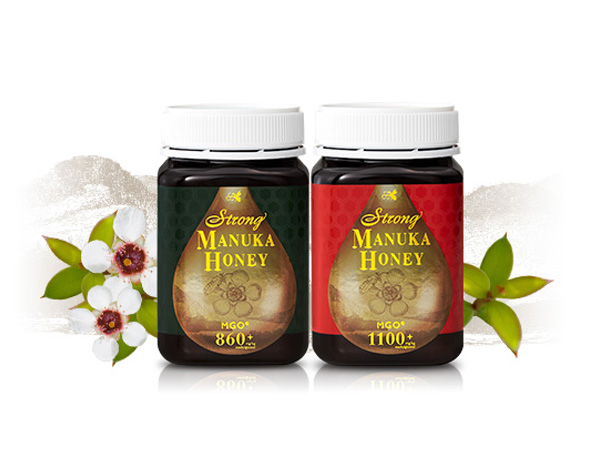
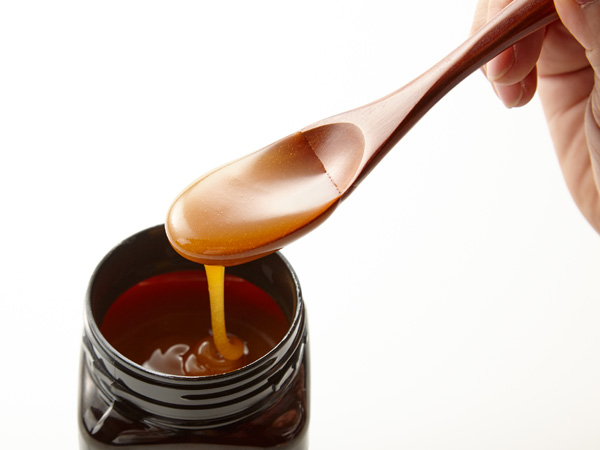
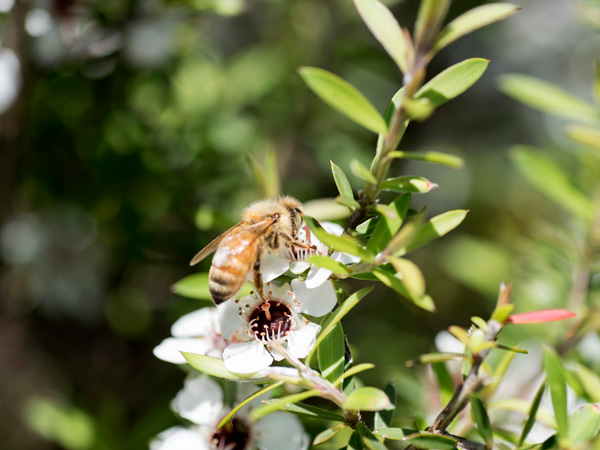
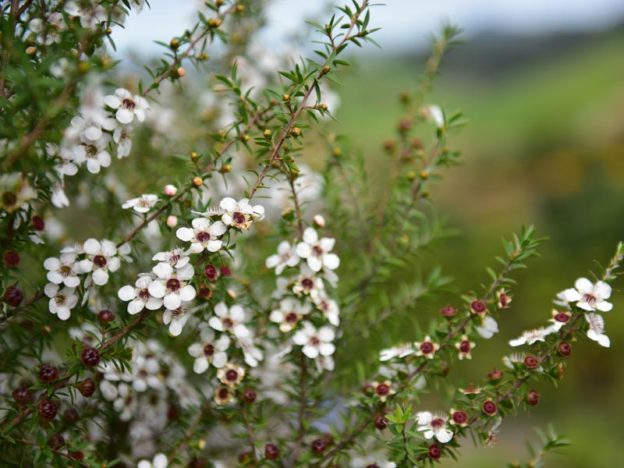
It remains unclear how another organism came to be incorporated under the umbrella of human cells. Unlike human cells, mitochondrial  DNA is circular, distinctly different in structure. Mitochondria generate significant amounts of energy by utilizing oxygen. Oxygen is  a highly toxic substance, and its use involves significant risks; however, it is said that in exchange, we acquired a mechanism for producing high levels of energy. Perhaps it is the fate of all living organisms to overcome numerous risks in their struggle for survival. Manuka honey, for instance, is suggested  to contribute to cellular activation—specifically, to the energy production processes within mitochondria.


إنتاج الطاقة داخل جسم الإنسان

في المقالين السابقين، تناولتُ موضوع الأدوية. وخلال زيارة سابقة لي إلى اليابان، أتيحت لي الفرصة لزيارة إحدى المؤسسات الطبية. كان مشهد قاعة الانتظار مكتظًا بالمرضى إلى حد لافت. وبفضل نظام الضمان الاجتماعي المتطور في اليابان، يستطيع أي شخص استخدام بطاقة التأمين الصحي، وأصبح من الشائع للغاية التوجه إلى المؤسسات الطبية وتلقي الأدوية عند أول إحساس طفيف بعدم الارتياح. وإذا تحسنت الحالة، غالبًا ما يُعزى الشفاء مباشرة إلى الدواء.

وهكذا، يسلّم الناس صحتهم بالكامل إلى المؤسسات الطبية، ويتركون كل شيء بين أيديها. وبصراحة، أجد صعوبة في تقبّل هذا النمط من التفكير.

لا أحد يعرف جسده أكثر من الإنسان نفسه. فهل اختفت من وعي المجتمع الياباني المعاصر فكرة أن الشفاء قد يحدث دون اللجوء إلى المستشفى؟ لا يسعني إلا أن أشعر بأن كثيرين يعيشون تحت تصور خاطئ مفاده أن الأمراض تُشفى بالأدوية وحدها. ومن البديهي أن الأدوية، في جوهرها، مواد غريبة عن الجسم، بل يمكن اعتبارها — من منظور بيولوجي — مواد ذات طبيعة سُمّية. ومن وجهة نظري، فإن دور هذه المواد لا يتعدى كونها محفزًا لبدء عملية الشفاء، بينما تكمن القوة الحقيقية للشفاء في طاقة الإنسان الذاتية وحيويته الكامنة.

وتنبع هذه القوة البدنية، في الأساس، من إنتاج الطاقة داخل الجسم.

حتى نبضة قلب واحدة تتطلب قدرًا هائلًا من الطاقة. فمن أين تُنتج هذه الطاقة؟ إنها تُنتج داخل كل خلية من خلايا جسم الإنسان، والتي يُقدَّر عددها بنحو ستين تريليون خلية. تبدأ العملية بالجلوكوز الممتص من الغذاء، والذي يخضع لسلسلة معقدة من التفاعلات البيوكيميائية، تؤدي إلى تكوين تدرّج في أيونات الهيدروجين. ويُستخدم هذا التدرّج لاحقًا لإنتاج الطاقة، في آلية تشبه إلى حد كبير توليد الكهرباء.

فعلى سبيل المثال، في محطات الطاقة الكهرومائية، يتم إطلاق المياه من سد مرتفع، وتُستغل طاقتها الكامنة لتدوير التوربينات وتوليد الكهرباء. وبالطريقة نفسها، تعمل الميتوكوندريا داخل الخلايا كمحطات طاقة حيوية. فهي تستخدم تدرّج أيونات الهيدروجين لتشغيل نظام يشبه المحرك، يُعرف بمحرك F1، المسؤول عن إنتاج روابط فوسفاتية عالية الطاقة.

تتكون هذه الجزيئات من ثلاث مجموعات فوسفات مرتبطة بروابط عالية الطاقة. وعند كسر إحدى هذه الروابط، تتحرر الطاقة، ويتحوّل الجزيء إلى أدينوسين ثنائي الفوسفات (ADP). ومن خلال عمل محرك F1، يُعاد تركيب ADP إلى أدينوسين ثلاثي الفوسفات (ATP). وبهذه الآلية، تحافظ جميع الكائنات الحية على الأرض على استمرار الحياة. ومن هنا، أود أن أشارك رؤيتي الشخصية:

إن الصحة، إلى حدٍّ كبير، تتحدد بمدى كفاءة الميتوكوندريا في إنتاج الطاقة داخل

خلايانا. تشير دراسات حديثة إلى أن مرض ألزهايمر قد يكون ناتجًا عن فقدان الطاقة بسبب تدهور الميتوكوندريا داخل خلايا الدماغ، مما يؤدي في النهاية إلى موت هذه الخلايا. ومن المثير للاهتمام أن الميتوكوندريا لم تكن في الأصل جزءًا من الخلايا البشرية؛ إذ يُعتقد أنها كانت في السابق بكتيريا مستقلة، ثم دخلت في علاقة تعايش، وأصبحت جزءًا لا يتجزأ من خلايانا.

ولا يزال من غير الواضح كيف تمكّن كائن آخر من الاندماج تحت مظلة الخلية البشرية. فعلى عكس الخلايا البشرية، يمتلك الحمض النووي للميتوكوندريا بنية دائرية مميزة. وتنتج الميتوكوندريا كميات هائلة من الطاقة باستخدام الأكسجين. ورغم أن الأكسجين مادة شديدة السُمّية وتحمل مخاطر كبيرة، إلا أنه يُقال إننا، في المقابل، اكتسبنا آلية عالية الكفاءة لإنتاج الطاقة.

ربما يكون قدر جميع الكائنات الحية هو تجاوز المخاطر في سعيها المستمر للبقاء. وفي هذا السياق، يُشار إلى أن عسل المانوكا قد يساهم في تنشيط الخلايا، لا سيما من خلال دعمه لعمليات إنتاج الطاقة داخل الميتوكوندريا.
Pneumonia and Antibiotics - Part 2

Pneumonia and Antibiotics – Part 2

(Continuing from the previous blog) After being administered erythromycin, my eldest daughter recovered rapidly, and within two days, she was back to her usual energetic self. Shortly thereafter, the same symptoms began to appear in my eldest son  and younger daughter, but the progression was immediately halted by erythromycin. I had never felt more grateful for the power of medicine than I did at that time.

As I studied the matter further later on, I gradually came to understand that my eldest daughter’s infection may have been misdiagnosed by  the doctor. She was likely prescribed a beta-lactam antibiotic, specifically an early-generation cephalosporin, which at the time was the first-line  treatment for infections caused by pneumococcal bacteria. However, I remain convinced to this day that the actual causative agent was not pneumococcus but Mycoplasma.

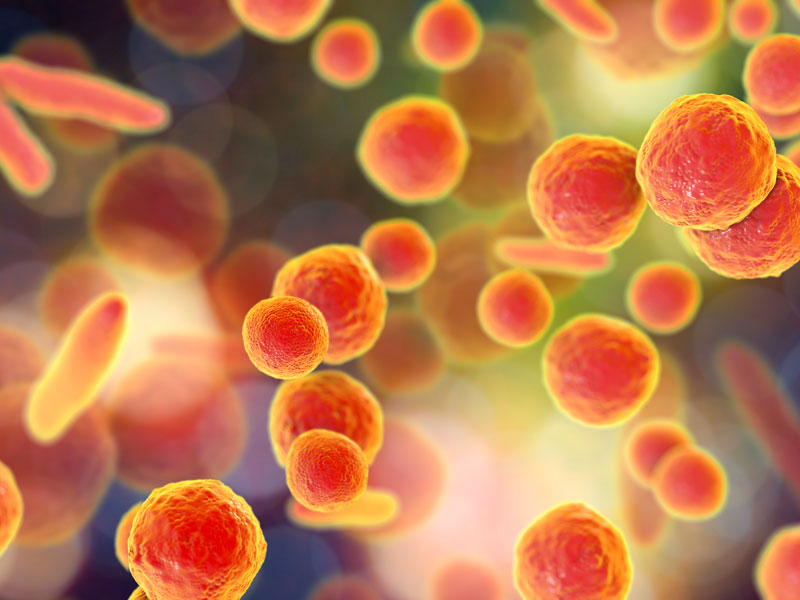
Mycoplasma is an extremely small bacterium that lacks a cell wall, making beta-lactam antibiotics, which target the bacterial cell wall,  almost entirely ineffective against it. I also learned that for treating Mycoplasma infections, macrolide antibiotics, such as erythromycin used  by my eldest daughter were the first-line treatment. While there are now many macrolide antibiotics available, erythromycin was the leading option at the time. This means that the medication  suggested by my company’s staff turned out to be the correct choice. In Brazil, social welfare systems are far from affluent, and it’s not always economically feasible for people to seek proper medical diagnoses from doctors.

In general, when someone falls ill, it’s common to consult the local pharmacy and procure appropriate medications based on their advice. The  pharmacist and their staff are often well-informed about which illnesses are currently prevalent and which medications are effective against them. Ironically, my eldest daughter, who we took to a doctor and paid for treatment, was misdiagnosed and suffered for days,  struggling with impaired gas exchange, with her complexion, lips, and even nails turning purple. Meanwhile, the pharmacy staff’s child, who received advice  directly from the pharmacist, recovered quickly. (to be continued)


الالتهاب الرئوي والمضادات الحيوية – الجزء الثاني

(تتمة للمقال السابق)

بعد أن تناولت ابنتي الكبرى دواء الإريثروميسين، تعافت بسرعة مدهشة، وفي غضون يومين فقط عادت إلى حيويتها المعهودة. وبعد فترة قصيرة، بدأت الأعراض نفسها تظهر على ابني الأكبر وابنتي الصغرى، غير أنّ الإريثروميسين أوقف تقدّم المرض لديهما فورًا. لم أشعر بامتنان للطب الحديث كما شعرت في تلك اللحظات.

ومع مرور الوقت وتعمّق بحثي في الأمر، بدأت أدرك تدريجيًا أن التشخيص الذي تلقّته ابنتي الكبرى ربما كان خاطئًا. فمن المرجّح أن الطبيب وصف لها مضادًا حيويًا من فئة البيتالاكتام—وتحديدًا أحد الجيل الأول من السيفالوسبورينات—الذي كان يُعتبر آنذاك العلاج الأول لعدوى المكورات الرئوية. غير أنّني ما زلت مقتنعًا حتى اليوم بأن العامل المسبّب لمرضها لم يكن المكورات الرئوية، بل كان الميكوبلازما.

فالـميكوبلازما بكتيريا بالغة الصغر تفتقر إلى الجدار الخلوي، ولهذا فإن المضادات الحيوية من فئة البيتالاكتام—التي تستهدف الجدار الخلوي تحديدًا—غير فعّالة تقريبًا ضدها. وقد علمت لاحقًا أنّ علاج عدوى الميكوبلازما كان يعتمد أساسًا على المضادات الحيوية الماكروليدية، ومنها الإريثروميسين الذي أُعطي لابنتي الكبرى. ورغم توفّر العديد من أدوية الماكروليد الآن، فإنّ الإريثروميسين كان الخيار الأمثل في تلك الفترة. وهذا يعني أنّ الدواء الذي نصحتنا به موظفة شركتي كان، بالفعل، الخيار الصحيح.

وفي البرازيل، حيث لا تزال شبكات الرعاية الاجتماعية محدودة القدرات، غالبًا ما تكون استشارة الأطباء من أجل تشخيص دقيق أمرًا يفوق قدرة الكثيرين. وعلى نحوٍ عام، عندما يمرض أحدهم، يتوجّه غالبًا إلى الصيدلية المحلية للحصول على الدواء المناسب بناءً على نصيحة الصيدلي. فالصيادلة وموظفوهم عادةً على دراية جيدة بالأمراض المنتشرة في تلك الفترة، وبالأدوية الأكثر فاعلية في علاجها.

ومن المفارقات المؤلمة أنّ ابنتي الكبرى—التي أخذناها إلى الطبيب ودفعنا تكاليف العلاج—تلقت تشخيصًا خاطئًا وعانت لأيام، وقد تدهورت وظائف تبادل الغازات لديها حتى تغيّر لون بشرتها وشفتيها وأظافرها إلى اللون البنفسجي. بينما تعافت ابنة موظفة الصيدلية سريعًا بفضل نصيحة مباشرة من الصيدلي ذاته. (يتبع…)
Pneumonia and Antibiotics - Part 1

Pneumonia and Antibiotics – Part 1

In previous discussions, I’ve talked about natural antimicrobial substances, but that doesn’t mean I am someone who rejects pharmaceuticals. Needless to say, it is indispensable in emergency and life-saving situations. This takes me back to an incident from decades ago, when I was living in Brazil. My eldest daughter, who was six years old at the time,  developed an unexplained low-grade fever that persisted. Concerned, we took her to a nearby clinic. After taking a chest X-ray, the doctor diagnosed her with pneumonia. She was immediately prescribed antibiotics, and I still vividly remember the name of the medication: Keflex.

I later learned that this drug, as previously mentioned, was a semi-synthetic cephalosporin—a first-generation cephalosporin antibiotic developed  by Eli Lilly in the U.S. The drug was part of the beta-lactam class and effective against certain gram-negative bacteria that penicillin couldn’t treat.  The doctor continued administering this medication to my daughter. However, her condition showed no signs of improvement. Her complexion, and even her nails, turned a purplish hue—a symptom of cyanosis— making it incredibly painful to witness. My six-year-old daughter tearfully pleaded, saying she couldn’t bear the suffering anymore. Her respiratory system had been severely affected, likely leading to an ongoing state of oxygen deprivation caused by impaired gas exchange.  Even now, recalling those moments fills me with deep self-reproach as a parent, for feeling powerless to help her.

Pneumonia is a terrifying illness, one that can so easily claim the lives of our dearest loved ones. I knew I had to do something—simply relying  on medical institutions and doctors felt like shirking my responsibility as a parent. Each day was filled with immense anxiety and anguish. By sheer chance (and fortunately so), one of my company’s staff members shared a story about her daughter, who exhibited symptoms identical  to my eldest daughter’s. She had been treated with a medication called eritromicina in Portuguese (known as erythromycin in English) and had made a full recovery.

I immediately obtained the medication from a pharmacy. At that time in Brazil, antibiotics and similar drugs could be purchased without  a doctor’s prescription. As soon as my daughter started taking it, her symptoms improved almost miraculously. At that time, I deeply shamefully acknowledged my own ignorance, and from then on, I dedicated myself to self-studying pharmacological  knowledge as my duty as a parent living abroad. This was also a feeling of self-blame for the unnecessary suffering I had caused my eldest daughter. (To be continued…)


الالتهاب الرئوي والمضادات الحيوية – الجزء الأول

لقد تحدّثتُ في مناسبات سابقة عن المواد الطبيعية ذات الخصائص المضادّة للميكروبات، لكن ذلك لا يعني أنّني أعارض استخدام الأدوية الحديثة. فهي، بلا شك، ضرورية في الحالات الطارئة والمواقف التي يكون فيها إنقاذ الحياة على المحك.

ويعيدني هذا إلى حادثة وقعت قبل عقود، حين كنت أعيش في البرازيل. فقد أصيبت ابنتي الكبرى، التي كانت في السادسة من عمرها آنذاك، بحمّى خفيفة مجهولة السبب استمرت لعدة أيام. وبقلق الأب، اصطحبناها إلى عيادة قريبة. وبعد إجراء صورة أشعة للصدر، شخّص الطبيب حالتها بالالتهاب الرئوي. وعلى الفور وصف لها مضادًا حيويًا لا تزال تسميته محفورة في ذاكرتي حتى اليوم: كيفليكس.

علمت لاحقًا أنّ هذا الدواء، كما ذكرتُ سابقًا، ينتمي إلى عائلة السيفالوسبورينات نصف الصناعية—وتحديدًا الجيل الأول منها—وقد طوّرته شركة إيلي ليلي في الولايات المتحدة. وهو من فئة البيتالاكتام، وفعال ضد أنواع معيّنة من البكتيريا السلبية الغرام التي يعجز البنسلين عن علاجها.

استمرّ الطبيب في إعطائها هذا الدواء، غير أنّ حالتها لم تتحسّن قط. بل أخذ لون بشرتها، وحتى أظافرها، يميل إلى الأزرق—وهي علامة على الزُرقة—وكان ذلك مشهدًا يمزّق القلب. وكانت ابنتي ذات الأعوام الستة تبكي بحرقة، تتوسّل لأنها لم تعد تحتمل الألم. لقد تضرّر جهازها التنفسي بشدة، ما أدى على الأرجح إلى ضعف في تبادل الغازات وحالة مستمرة من نقص الأكسجين. وحتى هذه اللحظة، أشعر بوخز من الندم العميق كأب، لعجزي آنذاك عن تخفيف معاناتها.

إن الالتهاب الرئوي مرض مخيف، قادر على أن ينتزع منّا أغلى أحبّتنا. فأدركت أنّ عليّ التحرّك؛ إذ بدا لي الاعتماد الكامل على المستشفيات والأطباء مجرد تخلي عن مسؤوليتي كوالد. كانت الأيام تمضي مثقلة بالقلق والاضطراب.

وبالصدفة البحتة—ولحسن الحظ—ذكرت إحدى موظفات شركتي قصة عن ابنتها التي ظهرت عليها أعراض مطابقة تمامًا لما تعانيه ابنتي. وقد عولجت في ذلك الوقت بدواء يُعرف بالبرتغالية باسم eritromicina، وهو الإريثروميسين، وتعافت تعافيًا تامًا.

سارعتُ إلى الحصول عليه من إحدى الصيدليات. ففي ذلك الوقت في البرازيل، كان بالإمكان شراء المضادات الحيوية دون حاجة إلى وصفة طبية. وما إن بدأت ابنتي في تناول الدواء حتى تحسّنت حالتها بشكل يكاد يوصف بالمعجزة.

حينها، أدركت بخجل شديد حجم جهلي، ومنذ ذلك الحين كرّست نفسي لدراسة علم الأدوية ذاتيًا، باعتباره واجبًا ملزمًا لأي والد يعيش في الخارج. وكان ذلك أيضًا تعبيرًا عن شعور داخلي بالذنب تجاه الألم الذي عانت منه ابنتي الكبرى دون داعٍ.
(يتبع…)