About Experienced Beekeeper」カテゴリーアーカイブ

What I Want to Pass on to the Next Generation (Final Blog)

What I Want to Pass on to the Next Generation (Final Blog)

A while ago, the world-renowned conductor “Seiji Ozawa” said something about his grandchild that left a lasting impression on me. “Lately, I’vebecome more emotional, and when I see my grandchild, I’m moved to tears. I guess that’s what life is all about.” It was a surprising statement, not something I would have expected from someone with his temperament. I found myself thinking, “So, even Ozawa has aged.”

I don’t particularly know much about him, except that he lived abroad for a long time and dedicated himself to his musical training. But for some reason, every word of his resonated with me, and I remember it well. He seems to be nine years older than me, and recently he’s started to look more aged, having dealt with various illnesses.

I, too, have lived abroad for a long time, though I’ve achieved neither the accomplishments nor the fame of Seiji Ozawa. But like him, I’ve been
working hard to survive in a foreign land. Looking back, so much has happened, too much really. But now it all feels like a fleeting moment, and I often fall into self-doubt, thinking I haven’t really accomplished anything. However, I can only feel gratitude for the fact that I have been able to live freely as I pleased.

My son and his wife recently came to New Zealand with their two children. Both of my grandchildren are truly adorable, and the eight-month-old girl, whom I was seeing for the first time, was especially charming. As I was spending time with them, Seiji Ozawa’s words came to mind. These sweet grandchildren are just beginning their lives. When I think about all the challenges they will face, I find myself overwhelmed with tears. This must be the life Ozawa was referring to.

Even though I am much younger than Ozawa, I couldn’t help but reflect on how sentimental I’ve become. Life abroad, with no one to rely on, is incredibly tough. That must have been what Ozawa was trying to convey. I never want my grandchildren to experience the same hardships. Yet, at the same time, without hardship, a person doesn’t develop true character.


🌿 ما أود أن أورثه للأجيال القادمة

قال المايسترو العالمي سييجي أوزاوا ذات مرة شيئًا عن حفيده ظلّ عالقًا في ذهني إلى اليوم: “في الآونة الأخيرة أصبحت أكثر عاطفية، وعندما أرى حفيدي تدمع عيناي… أعتقد أن هذا هو جوهر الحياة.” كانت كلماته مفاجئة بالنسبة لي — لم أتوقعها من رجلٍ يتميز بالقوة والانضباط مثله. لكنها لامست قلبي بعمق، وجعلتني أفكر: “حتى أوزاوا، مع مرور الزمن، أصبح أكثر إنسانية.”

لا أعرف الكثير عنه سوى أنه عاش في الخارج لفترة طويلة، وكرّس حياته لفنه وتدريبه الموسيقي. ومع ذلك، لا تزال كلماته ترنّ في ذاكرتي. يبدو أنه يكبرني بتسع سنوات، وقد بدا عليه مؤخرًا أثر العمر والمرض. أما أنا، فقد قضيت أيضًا سنوات طويلة في الغربة، لا أملك لا مجده ولا شهرته، لكنني، مثله، ناضلت لأعيش وأواصل طريقي في أرضٍ بعيدة عن الوطن. وحين ألتفت إلى الوراء، أرى أنني مررت بالكثير، ربما أكثر مما أحتمل، ومع ذلك، كل ذلك يبدو اليوم كأنه لحظة عابرة. أحيانًا أشكّ في نفسي، وأقول: “هل أنجزتُ حقًا ما كنت أطمح إليه؟” لكن في النهاية، لا أشعر إلا بالامتنان لأنني عشت حياتي بحرية وصدق مع نفسي.

مؤخرًا، جاء ابني وزوجته إلى نيوزيلندا مع طفليهما. إنهما غاليان جدًا على قلبي، وخصوصًا حفيدتي الصغيرة ذات الثمانية أشهر التي رأيتها للمرة الأولى — لقد أسرت قلبي بابتسامتها البريئة. وأثناء وجودي معهم، تذكرت كلمات أوزاوا. هذان الطفلان الجميلان يبدآن حياتهما الآن، وحين أفكر في طريقهما الطويل وما قد يواجهانه من تحديات، أشعر بدموعي تنهمر دون وعي. عندها فهمت ما كان أوزاوا يقصده حين قال: “هذا هو جوهر الحياة.”

ورغم أنني أصغر سنًا منه، أدركت كم أصبحت أنا أيضًا أكثر عاطفية وتأملًا. الحياة في الغربة صعبة للغاية، لا سيما حين لا تجد من تعتمد عليه، وأظن أن هذا بالضبط ما كان أوزاوا يحاول التعبير عنه. لا أريد لأحفادي أن يعيشوا نفس القسوة التي مررت بها، لكنني في الوقت نفسه أعلم أن من دون المعاناة، لا يُبنى الإنسان الحقيقي. فالحياة ليست طريقًا ممهّدًا، بل رحلة يتعلم فيها المرء كيف يكون قويًا، وكيف يزرع في قلبه الامتنان والجمال رغم الصعاب.
Drought Conditions in New Zealand's Summer

Drought Conditions in New Zealand’s Summer

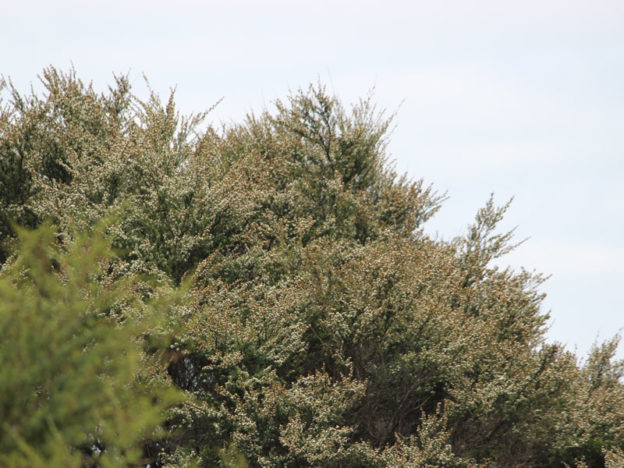
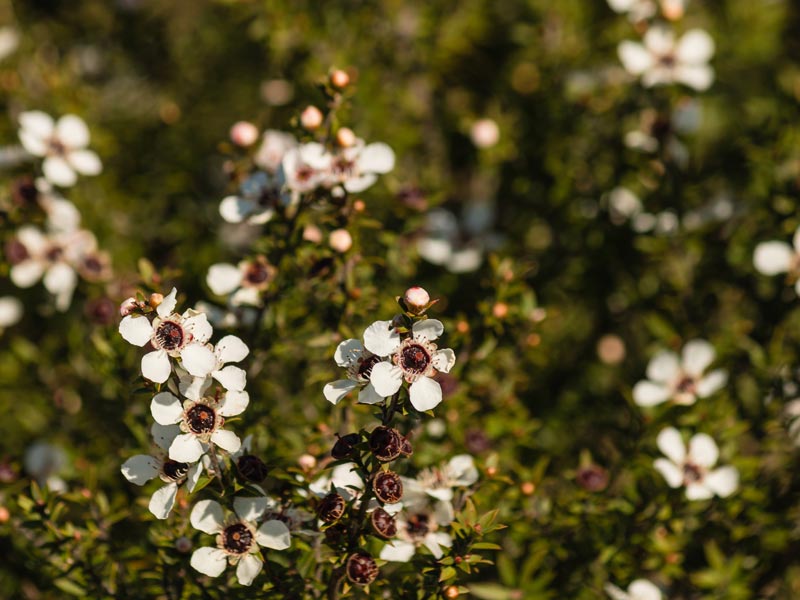
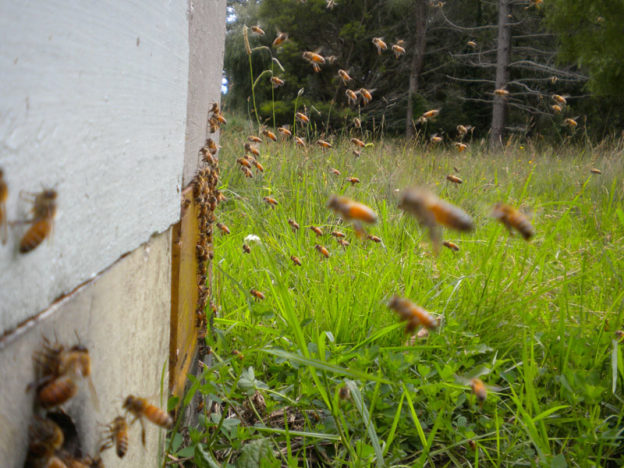
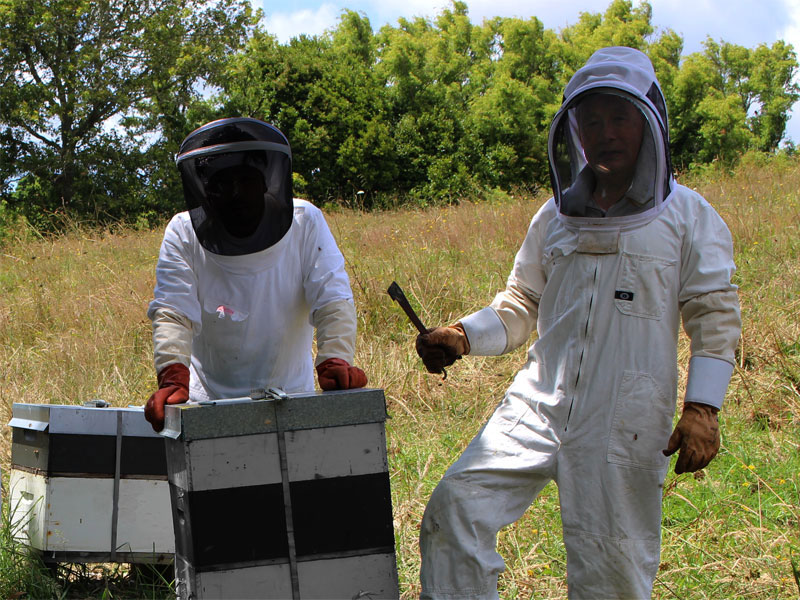
The intense heat continues every day, without a drop of rain falling for an extended period. This didn’t happen before; it’s clearly  abnormal weather caused by global warming. As we enter the summer dearth, the bees are becoming quite agitated due to the decline in  nectar and food sources. Every time I check the hives, their behavior becomes more extreme. Their usual calmness is gone, and they’ve  become aggressive, frequently launching attacks to protect their stored honey and guarding against robbing bees from other colonies.  We operate our apiary on the hills of a mountainous area with good airflow, providing highly active Manuka nectar sources. From  experience, I’ve learned that this trend is stronger in Manuka trees growing in harsh, nutrient-poor soils.

It seems that in harsh natural environments, bees naturally develop stronger instincts for self-defense, producing nectar with higher  activity levels. To obtain highly active Manuka honey, the crucial factor lies in the concentration of dihydroxyacetone (DHA)— the precursor to the active component methylglyoxal (MGO)—present in the nectar. Due to the drought, the bees have to travel down  300 meters to the stream for drinking water and then make the long ascent back, resulting in a significant expenditure of energy.

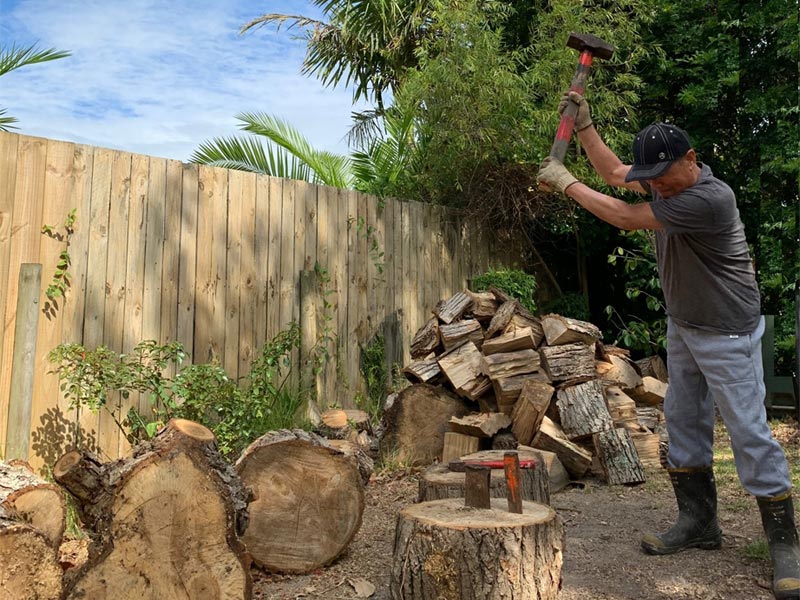
The bees rely on stored honey as their energy source, so I load water onto the pickup truck and place it near the hives as often as possible.  However, with this scorching heat, the water quickly evaporates. Surviving in such harsh natural conditions isn’t easy, but the bees are fighting hard to endure. Day after day, the heat persists, and now water restrictions have been imposed, so washing cars or watering the garden openly is no longer  possible. Cracks have appeared in the ground, cutting through the roots of garden trees, so I’m dealing with removing some of the dead ones.  Due to abnormal weather patterns, winter seems to arrive as soon as summer ends, so I take advantage of this dry season to sweat it out chopping  firewood. My British neighbor, looking exasperated, mutters, “How can you manage this in such unbearable heat?”

I have experienced the power of Manuka throughout the seasons, and I wish to continue living a life enriched by its natural benefits. With Manuka’s strength, I believe in a lifestyle that not only fascinates others but also supports a healthier life, leaving no room for illness. Above all, the provider must  set an example. The president of TCN and all staff members have an obligation to prove that they are free from illness. Moreover, the over 1,200 Customer Feedback clearly highlight the effectiveness of the products. None of these reviews involve  the ‘review for points’ schemes that are common in online sales.

These are genuine comments from our dedicated customers.  Such feedback is truly empowering and a great support for us. As a producer, I have a strong desire to see as many customers as possible enjoy vibrant days thanks to the benefits provided by honeybees.


الظروف الجافة خلال صيف نيوزيلندا

تستمر الحرارة الشديدة يوميًا دون هطول أي قطرات من المطر لفترات ممتدة. هذا لم يكن يحدث من قبل؛ فهو بلا شك مناخ غير طبيعي ناجم عن الاحتباس الحراري. ومع دخولنا فصل الصيف الجاف، تصبح النحل في حالة توتر نتيجة نقص الرحيق ومصادر الغذاء. في كل مرة أفحص فيها الخلايا، تزداد سلوكياتهم تطرفًا؛ فقد اختفت هدوءهم المعتاد وأصبحوا عدوانيين، يهاجمون بشكل متكرر لحماية عسلهم المخزون والدفاع عن أنفسهم من النحل الآخر الذي يحاول السرقة.

يدار مربّاي على تلال منطقة جبلية تتميز بتدفق هواء جيد، مع توفير مصادر رحيق مانوكا عالية النشاط. ومن خلال تجربتي، لاحظت أن هذه الظاهرة تكون أقوى لدى أشجار المانوكا التي تنمو في تربة فقيرة المغذيات وقاسية. يبدو أنه في البيئات الطبيعية القاسية، تطور النحل غريزة دفاعية أقوى، مما يؤدي إلى إنتاج رحيق يحتوي على مستويات أعلى من النشاط.

للحصول على عسل مانوكا عالي النشاط، العامل الحاسم يكمن في تركيز الـديهيدروكسي أسيتون (DHA)، وهو المادة الأولية لمكون الميثيلغليوكسال (MGO) الفعال، في الرحيق. بسبب الجفاف، يضطر النحل للسفر نحو ٣٠٠ متر للوصول إلى المياه والعودة مرة أخرى، ما يستهلك طاقة كبيرة. يعتمد النحل على العسل المخزن كمصدر للطاقة، لذلك أقوم بتحميل المياه على الشاحنة ووضعها بالقرب من الخلايا بأقصى قدر ممكن. ومع ذلك، في ظل هذا الحر القارس، تتبخر المياه بسرعة. الحياة في مثل هذه الظروف القاسية ليست سهلة، لكن النحل يقاوم بصبر ويكافح من أجل البقاء.

تستمر الحرارة يومًا بعد يوم، وقد فُرضت الآن قيود على المياه، فلا يمكن غسل السيارات أو ري الحدائق بحرية. ظهرت تشققات في الأرض تمتد حتى جذور الأشجار، مما اضطرني لإزالة بعض الأشجار المتضررة. بسبب الطقس غير الطبيعي، يبدو أن الشتاء يصل مباشرة بعد الصيف، لذلك أستغل هذا الموسم الجاف في قطع الحطب. جارتي البريطانية، وهي تبدو مستاءة، تمتمت قائلة: “كيف يمكنك التحمل في هذه الحرارة القاسية؟” لقد شهدت قوة المانوكا على مدار الفصول، وأتمنى الاستمرار في حياة غنية بفوائدها الطبيعية. بفضل قوة المانوكا، أؤمن بأسلوب حياة لا يقتصر على إثارة الإعجاب فحسب، بل يدعم أيضًا صحة أفضل ويترك مجالًا أقل للمرض. والأهم من ذلك، يجب أن يكون المزود قدوة حية. رئيس شركة TCN وجميع الموظفين ملتزمون بإثبات خلوهم من الأمراض.

علاوة على ذلك، تبرز أكثر من ١٢٠٠ مراجعة من العملاء بوضوح فعالية المنتجات. هذه التعليقات حقيقية تمامًا، وليست مرتبطة بأي برامج “مكافآت بالنقاط” الشائعة في المبيعات عبر الإنترنت. هذه التعليقات الصادقة من عملائنا المخلصين تمنحنا دعمًا هائلًا وقوة دافعة. وبصفتي منتجًا، لدي رغبة قوية في رؤية أكبر عدد ممكن من العملاء يتمتعون بأيام مليئة بالحيوية بفضل فوائد النحل والعسل الطبيعي.

Differences in Policies Seen in Various Countries

The risk of the novel coronavirus is increasing day by day, and we cannot expect anything from the government’s delayed response.  It could almost be said that the lack of crisis management policy is part of Japanese culture, as the approach has been incredibly careless.  Watching the passengers suspected of infection on the cruise ship waving flags as they disembarked was truly shocking. It was hard to  understand what was happening, and the scene seemed strange. In the U.S., Australia, and even here in New Zealand, those involved were immediately quarantined in military facilities upon their return.  In line with its historical character, Australia government had taken extremely strict measures, even isolating individuals on remote islands  thousands of kilometers away. This level of response is only natural; anything less would make it impossible to contain such pathogens.

Wearing masks and washing hands are nothing more than superficial measures. Even if a test comes back negative, there’s still  enough suspicion of infection, and the passengers who disembarked used public transportation to return to their hometowns.  Just thinking about how many pathogens they might have spread. Now, we have school closures at the government’s request —a completely extreme measure. No wonder the public is confused. In the end, it’s bureaucratic policies crafted by officials and executed by politicians who simply read scripts with no real understanding.  The opposition parties criticize this but lack the power and alternative proposals to counter it. It makes me wonder if there’s any point in  paying taxes to these kinds of politicians and bureaucrats.

I remember a politician once saying, ‘Our country’s politics are fine because our bureaucrats are solid.’ So, what exactly are the elected  officials doing? It seems like they spend their days viewing cherry blossoms and drinking sake. Bureaucrat-led democracy? It’s become the norm,  and for the politicians, elections are everything. Once they lose, they’re just ordinary men, so bureaucrats, regardless of who takes power,  always enjoy their time in the sun. In this regard, the U.S. is different. In America, politicians bring in their own bureaucrats. If they fail,  that politician is almost certain to lose in the next election. That’s democracy. In contrast, democracy in Japan is practically nonexistent.  This makes it no different from China’s one-party rule, as Japan’s bureaucracy-dependent politics under the long-ruling Liberal Democratic Party continue. It’s a legacy from the Edo period, a culture where people prefer to align themselves with authority, allowing for the irresponsible waste of  tax money. Watching from abroad, this is all the more apparent, and it’s truly a shameful situation.


اختلاف السياسات بين الدول: قراءة نقدية

إن مخاطر فيروس كورونا المستجد تتصاعد يومًا بعد يوم، ومع ذلك يصعب التعويل على استجابة حكومية تتسم بالتأخر والتردد. بل يمكن القول إن غياب سياسات إدارة الأزمات بات، إلى حدٍّ ما، جزءًا من الثقافة اليابانية، حيث اتسم التعامل مع الوضع بقدر لافت من اللامبالاة. كان مشهد الركاب المشتبه بإصابتهم وهم يلوّحون بالأعلام أثناء نزولهم من السفينة السياحية صادمًا بحق، إلى درجة يصعب معها استيعاب ما كان يحدث. بدا المشهد غريبًا ومقلقًا في آن واحد.

في الولايات المتحدة وأستراليا، وحتى هنا في نيوزيلندا، تم عزل العائدين فورًا في منشآت عسكرية. أما أستراليا، وبما ينسجم مع طابعها التاريخي في التعامل مع الأزمات، فقد اتخذت إجراءات شديدة الصرامة، وصلت إلى عزل الأفراد في جزر نائية تبعد آلاف الكيلومترات. هذا المستوى من الاستجابة ليس مبالغة، بل هو الحد الأدنى الطبيعي؛ فأي تقصير في مثل هذه الحالات يجعل من المستحيل احتواء مسببات الأمراض الخطيرة.

إن ارتداء الكمامات وغسل اليدين لا يتجاوز كونهما إجراءات سطحية. حتى في حال جاءت نتائج الفحوصات سلبية، يبقى احتمال العدوى قائمًا. ومع ذلك، استخدم الركاب الذين نزلوا من السفينة وسائل النقل العامة للعودة إلى مدنهم. مجرد التفكير في عدد العوامل الممرِضة التي ربما انتشرت يبعث على القلق العميق.

واليوم، نشهد إغلاق المدارس بناءً على طلب حكومي، وهو إجراء بالغ التطرف في سياق سياسة متخبطة. وليس من المستغرب أن يعم الارتباك أوساط المجتمع. في نهاية المطاف، تبدو السياسات وكأنها صيغت على أيدي بيروقراطيين، ونُفذت من قبل سياسيين يكتفون بقراءة النصوص دون فهم حقيقي لما يجري. أما أحزاب المعارضة، فهي تكتفي بالنقد، دون أن تمتلك القوة أو الرؤية البديلة اللازمة لتغيير المسار. عندها يصبح السؤال مشروعًا: ما الجدوى من دفع الضرائب لسياسيين وبيروقراطيين من هذا النوع؟

أتذكر تصريحًا لأحد السياسيين قال فيه: «سياسة بلادنا بخير لأن بيروقراطيتنا قوية». فماذا يفعل إذن المسؤولون المنتخبون؟ يبدو وكأن أيامهم تمضي بين مشاهدة أزهار الكرز واحتساء الساكي. ديمقراطية تقودها البيروقراطية—لقد أصبحت هي القاعدة. بالنسبة للسياسيين، الانتخابات هي كل شيء؛ فإذا خسروا، عادوا مجرد أشخاص عاديين. أما البيروقراطيون، فمهما تغيّرت الحكومات، يواصلون التمتع بالنفوذ والامتيازات.

في هذا السياق، تختلف الولايات المتحدة جذريًا. هناك، يأتي السياسيون بفِرَقهم الإدارية الخاصة، وإذا فشلوا، يكون مصيرهم الخسارة شبه المؤكدة في الانتخابات التالية. هذه هي الديمقراطية. أما في اليابان، فإن الديمقراطية تكاد تكون شكلية، وهو ما يجعل النظام لا يختلف كثيرًا عن حكم الحزب الواحد في الصين، في ظل سياسة تعتمد على البيروقراطية تحت هيمنة الحزب الليبرالي الديمقراطي لسنوات طويلة. إنها بقايا من حقبة إيدو، ثقافة تميل إلى الاصطفاف مع السلطة، وتسمح بإهدار غير مسؤول لأموال الضرائب.

ومن منظور المراقب من الخارج، تبدو هذه الحقائق أكثر وضوحًا، ويظل هذا الواقع مدعاة للأسف والخجل على حد سواء.

Making Dried Cod (Part 2)

Making Dried Cod (Part 2)

Happy New Year, everyone! We look forward to your continued support for TCN and the TCN New Zealand office this year as well. To start the new year, let me return to the topic of cod from last time. When preparing cod, I use a cutting board made from the core wood of  a large cypress tree that had died in my garden, which I felled and crafted myself. Synthetic resin cutting boards may be convenient, but  they’re not for me. There’s just no comparison to a natural wood board—the feel when cutting vegetables or meat is entirely different, and  it feels cleaner. While resin boards may appear more hygienic, natural materials, formed from living cells, are superior. When hot water is  poured over the board after cooking, the fragrance of wood fills the air, and there’s a sense of its inherent antibacterial properties. With use,  the board gets knife marks, but these can simply be planed down to renew the surface.

With synthetic boards, you can’t plane them down, and knife marks tend to harbor bacteria. Recently, however, with climate change progressing,  even in New Zealand, there’s a worrying trend of coniferous trees like cedar and cypress suddenly dying due to the warming climate. Returning to the preparation process: once I’ve laid the plump fish on the cutting board and opened it, I generously sprinkle it with rock salt  and let it rest in the refrigerator overnight to draw out moisture. The next morning, I hang it in a well-ventilated, sunny spot. The moisture that  drains from the fish could be fermented into fish sauce, like nam pla, but I discard it since I already have plenty of homemade supply.  After a few days of drying, the flavor becomes richer and slightly fermented, making it delicious. For this dish, though, I wanted to add some wild onions picked at the apiary, so I decided to use whatever vegetables I had on hand in the  refrigerator. I start by thinly slicing potatoes, carrots, and garlic so they cook quickly, and sauté these first. Then I add onions and ginger to the mix.

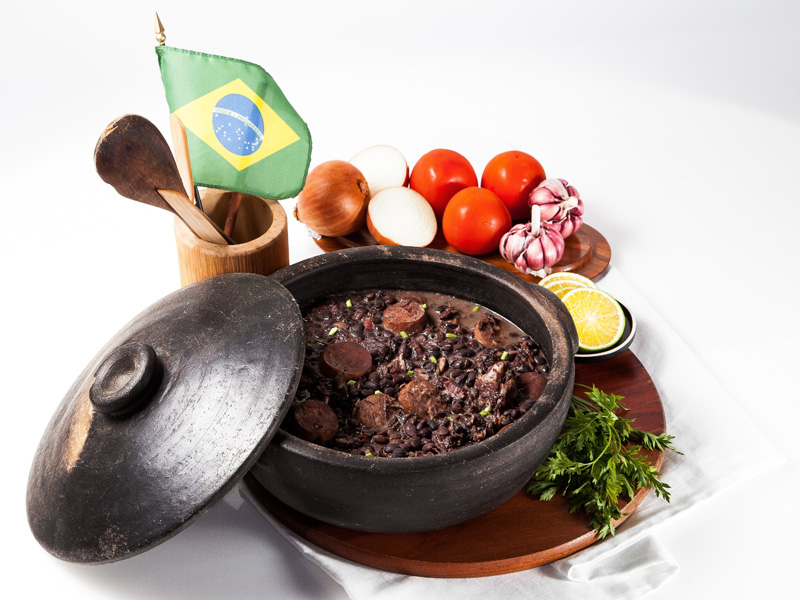
Onions and garlic are packed with amino acids, so when sautéed together, they impart their flavors well into the potatoes and carrots. I prefer  cooking over high heat, and I use an industrial-sized gas burner that I typically use to sanitize beehives. Cooking outdoors with its intense heat,  I can get this done quickly. Right after that, I toss in the salt-cured cod, wild onions, mushrooms, and zucchini, finishing it off with the garden-grown chervil. It’s a quick, simple dish. The oils I use are a blend of rapeseed and olive oil, with only pepper for seasoning. The cod  provides the saltiness, which can make balancing the flavors a bit tricky. This dish closely resembles the Brazilian-style vegetable sauté with dried meat. To go with it, I prepare a rice dish similar to pilaf. I wash the rice,  drain it, and then add finely chopped onion and garlic to the pot, sautéing it well with oil. I then add rock salt and hot water to cook the rice.  This pairs perfectly with the cod and vegetable sauté, bringing out the best of each flavor.


صناعة سمك القدّ المُجفّف (الجزء الثاني)

كلّ عام وأنتم بخير. نتقدّم إليكم بأطيب التمنّيات بعام جديد يملؤه العافية، ونتطلّع إلى استمرار دعمكم الكريم لـ TCN ولمكتبها في نيوزيلندا. ومع بداية العام، أعود بكم إلى موضوع سمك القدّ الذي تحدّثت عنه سابقًا.

عند إعداد سمك القدّ، أستخدم لوح تقطيع مصنوعًا من قلب شجرة سرو ضخمة كانت قد ماتت في حديقة منزلي، فقمتُ بقطعها وصنع اللوح بنفسي. قد تكون ألواح الراتنج الصناعي عملية، لكنها لا تناسبني؛ فلا يمكن مقارنة أي مادّة صناعية بخشب طبيعي حيّ—فالإحساس أثناء تقطيع الخضروات أو اللحم مختلف تمامًا، بل وأكثر نقاءً. ورغم أن الألواح الصناعية تبدو أكثر «صحّية»، فإن المواد الطبيعية، المكوّنة من خلايا حية، تتفوّق عليها. ما إن أسكب الماء الساخن على اللوح بعد الطهي، حتى تنتشر رائحة الخشب العطرة، ويشعر المرء بخصائصه الطبيعية المضادة للبكتيريا. ومع مرور الوقت تظهر آثار السكاكين، غير أنّ الأمر بسيط؛ إذ يكفي إعادة صقل السطح ليعود كالجديد.

أمّا الألواح الاصطناعية، فلا يمكن صقلها، وتُصبح آثار السكاكين فيها بيئة مثالية لتجمّع البكتيريا. وفي الآونة الأخيرة، ومع تفاقم تغيّر المناخ، بدأنا نشهد في نيوزيلندا كذلك ظاهرة مقلقة تتمثّل في موت مفاجئ لأشجار الصنوبر والسرو بسبب ارتفاع درجات الحرارة.

أعود إلى طريقة التحضير: بعد وضع السمكة الممتلئة على لوح التقطيع وشقّها، أنثر عليها مقدارًا وافرًا من ملح الصخور، ثم أتركها في الثلاجة طوال الليل لسحب الرطوبة. وفي صباح اليوم التالي، أعلّقها في مكان مشمس وجيّد التهوية. الماء الذي يتسرّب من السمكة يمكن تخميره لصنع صلصة سمك على طريقة نام بلا، لكنني أتخلّص منه لأن لدي كمية كافية من الصلصة المصنوعة منزليًا. وبعد بضعة أيام من التجفيف، يتركّز الطعم وتظهر درجة لطيفة من التخمّر تجعلها في غاية اللذّة.

ورغبةً مني في إضافة بعض البصل البري الذي قطفتُه من المنحل، استعنتُ بما توفر لدي من خضروات في الثلاجة. بدأتُ بتقطيع البطاطس والجزر والثوم إلى شرائح رقيقة لتسريع الطهي، ثم قمتُ بقليها أولًا. بعد ذلك أضفتُ البصل والزنجبيل.

يحتوي البصل والثوم على تركيز عالٍ من الأحماض الأمينية، ولذلك تنقل عملية القلي نكهاتها بعمق إلى البطاطس والجزر. ولأنني أفضل الطهي على نار قوية، أستخدم موقد غاز صناعيًا يُستعمل عادةً لتعقيم خلايا النحل. الطهو في الهواء الطلق وبحرارة عالية يتيح إنجاز الطبق بسرعة. بعد ذلك مباشرة، أضيف سمك القدّ المُملّح، والبصل البري، والفطر، والكوسا، ثم أُنهي الطبق بأوراق الشيرفيل المزروعة في الحديقة. إنه طبق سريع وبسيط.

أمّا الزيوت التي أستخدمها فهي مزيج من زيت اللفت وزيت الزيتون، مع قليل من الفلفل فقط. ملح سمك القدّ يكفي لتتبيل الطبق، ما يجعل ضبط الملوحة أمرًا يحتاج إلى عناية. يشبه هذا الطبق إلى حد كبير القلي البرازيلي للخضروات مع اللحم المجفف.

ولمرافقته، أعدّ طبَق أرزّ شبيهًا بالبيلاف. أغسل الأرز وأتركه ليجف، ثم أضعه في القدر مع بصل وثوم مفرومَين فرماً ناعماً، وأقلي المزيج جيدًا بالزيت. بعد ذلك أضيف ملح الصخور والماء الساخن لطبخ الأرز. يتناغم هذا الطبق بشكل رائع مع سمك القدّ والخضروات، ويُبرز نكهاتها بأفضل صورة.
Making Dried Cod (Part 1)

Making Dried Cod (Part 1)

(As I’ve written before) I had the opportunity to spend a year in Brazil during my student days, which eventually led to me moving there after  graduation. Later, I moved to New Zealand, and this year marks the same number of years spent here as I did in Brazil. Having lived in each  country for 25 years, I realize that over 50 years have passed. I recall the time my parents visited us in Brazil when my eldest daughter was  around four or five years old. My father said to me then, “I’m turning 70 this year. You probably think that’s a long way off at your age, but it’ll be  here before you know it.” At the time, I couldn’t quite grasp what he meant and simply thought, “Oh, is that so?”

Now that I am older than my father was at the time, I realize exactly what he meant. Indeed, many things have happened over the years,  but it all seems to have passed by in the blink of an eye. I received an email from an online vendor saying that the fish shipment had arrived.  Recently, I’ve been buying fish directly from the port. It seems that cod has arrived, so I decided to order about 10kg and make dried cod.  In Brazil, I often ate salted, dried cod that came from Portugal, and it brings back fond memories. Here, there are both blue and red cod, but for  some reason, their prices are vastly different, which I find puzzling. After comparing both, I found that there isn’t much of a difference in taste  when it comes to drying, so I always buy the red cod, which is sold at half the price of the blue.

The weather will improve from now on, and the sunlight will grow stronger day by day, making it perfect for drying fish. When I returned home from the beekeeping site, my order  had arrived in the icebox, so I immediately set to work. There were five cod, each weighing about 2 kilograms. I drew out my trusty kitchen knife and began to remove the innards.  This immediately told me how fresh the fish was, and by looking at the contents of the stomach, I could also estimate roughly where the fish had been caught.  Although it couldn’t compare to freshly caught fish by myself, since this is a vendor that prides itself on freshness, I was reasonably satisfied with the quality. (To be continued)

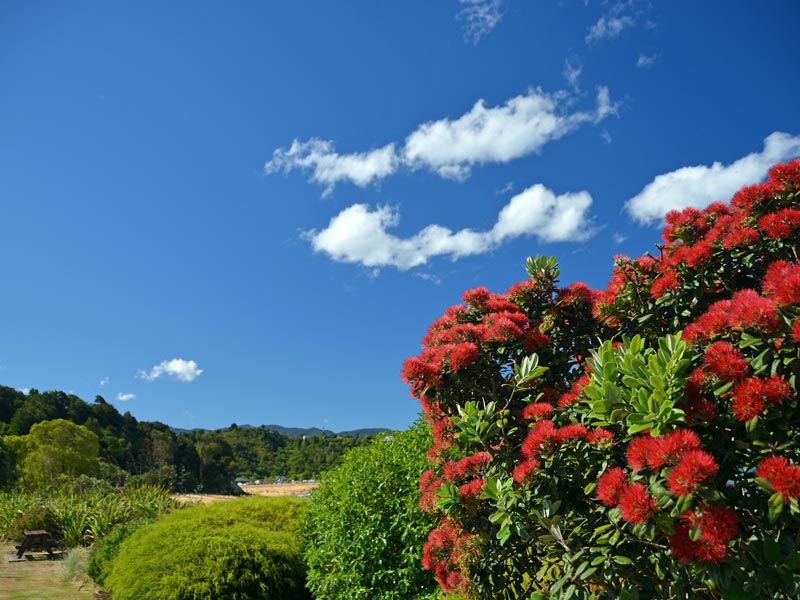
Time has flown, and we are now just one week away from the end of the year (the photo is of the “New Zealand Christmas Tree,” the pōhutukawa). I will be taking  a break next week, and the new year will begin on January 7th. I would like to express my sincere gratitude to all of our loyal customers who regularly read and  thoughtfully share their feedback. I am also thankful for those who, after researching the benefits of Manuka honey, have come across this blog. Wishing  everyone a wonderful year ahead. Merry Christmas!


صنع سمك القدّ المجفف – الجزء الأول

على مدى السنوات، قادتني الأقدار إلى العيش في أماكن بعيدة ومتنوّعة. فقد أمضيت عامًا كاملًا في البرازيل خلال سنوات الدراسة، ثم عدت إليها بعد التخرّج لأمكث هناك خمسةً وعشرين عامًا. وبعد ذلك قادتني الحياة إلى نيوزيلندا، حيث اكتمل هذا العام مرور خمسةٍ وعشرين عامًا أخرى. وهكذا، وجدت نفسي وقد عشت أكثر من نصف قرن متنقّلًا بين بلدين يختلفان في الطبيعة والثقافة، لكنهما تركا في نفسي أثرًا لا يُنسى.

أتذكّر حين زارني والدَي في البرازيل، وكانت ابنتي الكبرى يومها في الرابعة أو الخامسة من عمرها. قال لي والدي آنذاك: “سأبلغ السبعين هذا العام. قد تظنّ أن ذلك بعيد عنك الآن، لكنه سيصل أسرع مما تتخيّل.” لم أدرك مغزى كلماته حينها، واكتفيت بالتفكير: “هل حقًا يمرّ الوقت بهذه السرعة؟” أما اليوم، وقد تجاوزتُ العمر الذي كان عليه والدي يوم قال تلك العبارة، فأجدني أفهمها تمام الفهم؛ فالسنوات تمضي بالفعل كلمح البصر.

وصلتني رسالة من المورّد الإلكتروني تخبرني بوصول دفعة من الأسماك الطازجة. في الآونة الأخيرة، صرت أشتري الأسماك مباشرة من الميناء، وقد وصلت شحنة من سمك القد، فطلبت عشرة كيلوغرامات لصنع القدّ المجفف. في البرازيل، اعتدت تناول القدّ المملّح والمجفّف القادم من البرتغال، وما زال مذاقه محفورًا في الذاكرة.

في نيوزيلندا يتوفّر نوعان من القدّ: الأزرق والأحمر. ولأسباب لا أعرفها، هناك فارق كبير في السعر بينهما، رغم أنني — بعد التجربة — وجدت أن مذاقهمها لا يختلف كثيرًا حين يتعلّق الأمر بالتجفيف. لذلك اخترت دائمًا القدّ الأحمر، الذي لا يتجاوز نصف سعر الأزرق.

الطقس في تحسّن، وأشعة الشمس تصبح أقوى يومًا بعد يوم — الظروف المثالية تمامًا لتجفيف السمك. وعندما عدت من المنحل، وجدت الأسماك الخمسة — يزن كلّ منها نحو كيلوغرامين — قد وصلت في صندوق مُحكم مملوء بالثلج. أخرجت سكين المطبخ المفضّلة لديّ، وبدأت بإزالة الأحشاء، وهي عملية تكشف بسهولة مدى طزاجة السمك. كما أن النظر إلى محتوى المعدة يتيح تقدير المنطقة التي صيد منها. ورغم أنّه لا يرقى إلى مستوى صيدٍ قمتُ به بنفسي، فإن جودة الأسماك كانت مُرضية جدًا، خاصة أن المورّد مشهور بدقته وحرصه على الطزاجة.

(يتبع…)

اقتراب نهاية العام

ها هو العام يشارف على نهايته — بقي أسبوع واحد فقط (الصورة لشجرة عيد الميلاد النيوزيلندية “البوهوتوكوا”). سأأخذ استراحة الأسبوع المقبل، على أن يبدأ العام الجديد في السابع من يناير.

وأغتنم هذه المناسبة لأعبّر عن بالغ امتناني لعملائنا الأعزاء الذين يقرؤون مدونتي بانتظام ويقدّمون ملاحظاتهم القيّمة، ولمن وصلوا إليها أثناء بحثهم عن الفوائد الصحية لعسل المانوكا. أتمنّى للجميع عامًا جديدًا مليئًا بالصحة والخير والفرح.

عيد ميلاد مجيد، وكل عام وأنتم بخير.

Japan’s Whale Meat Culture

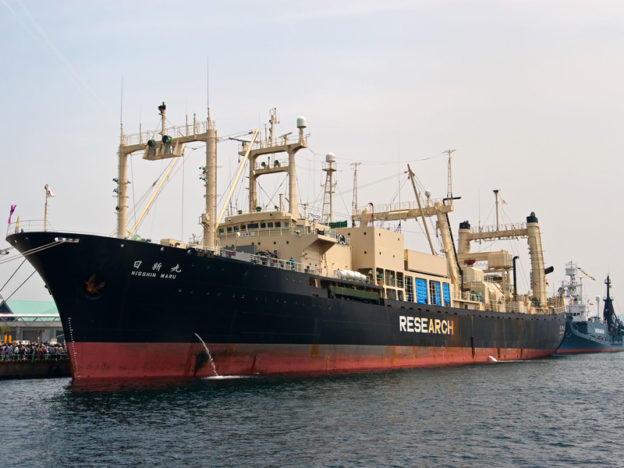
In the previous entry, I mentioned food culture and how it serves as a foundation for understanding between different ethnic groups. There  is a related topic I would like to write. When I was a child, whale and dolphin meat were common in Japanese households. As  a student with little money, these meats often provided an affordable source of protein. There was even a whale specialty restaurant in  Shibuya that served delicious whale dishes at a reasonable price. Large seafood companies also marketed products like whale bacon, made  from whale fat—a nostalgic memory for many. For the Japanese, whale meat was a valuable source of animal protein outside of fish. A unique aspect of Japanese food culture was that every part of a caught whale was used without waste. While the U.S. and Northern Europe  might have had similar traditions, no country matched Japan’s dedication to fully utilizing the whale.

American whaling was well-known, but its primary purpose was to harvest whale oil for making candles. With an abundance of beef,  Americans had little interest in consuming whale meat, using it at best for pet food or discarding much of it. However, as electricity  replaced the need for whale oil, the whaling industry there declined. In Japan, though, whale meat usage became deeply rooted  among the people and beloved as part of the nation’s food culture. Unfortunately, this tradition became an easy target for so-called  environmental groups worldwide. Australia and New Zealand, for instance, have strongly opposed Japanese whaling practices. While there are many perspectives on this issue, it’s disheartening to see a longstanding cultural practice, passed down through generations,  nearly erased by countries with relatively short histories and by animal welfare groups motivated by their own satisfaction.

Traditional cultural practices like Japan’s whaling have been almost uniquely dismantled by pressure from international groups and their  supporting nations. Nowhere else in the world has such a longstanding heritage been so easily undermined. Some time ago, a Nordic country’s whaling ship faced interference from a well-known environmental group, but in that case, a member of  the group was shot and killed on board. That organization has since refrained from interfering with whaling in that nation again.  By contrast, one wonders what has happened to the determination once seen in the Japanese spirit. Politicians seem solely focused on  collecting taxes from citizens, allowing an increasingly unequal society to persist indefinitely. Will this widening gap in wealth and  opportunity continue endlessly? Observing Japan from overseas, I can’t help but wonder: what direction will Japan take in the future?


ثقافة لحم الحيتان في اليابان – تراث غذائي وهوية حضارية

في المقال السابق، تطرّقتُ إلى ثقافة الطعام بوصفها أساسًا عميقًا للتفاهم بين الشعوب والأعراق المختلفة. وانطلاقًا من ذلك، أود هنا أن أتناول موضوعًا وثيق الصلة. عندما كنت طفلًا، كان لحم الحيتان والدلافين حاضرًا بشكل طبيعي على المائدة اليابانية. وبالنسبة لنا نحن الطلبة ذوي الإمكانات المحدودة، شكّل هذا اللحم مصدرًا ميسور التكلفة للبروتين. بل كان في شيبويا مطعم متخصص في أطباق الحيتان، يقدّم مأكولات لذيذة بأسعار معقولة. كما قامت شركات بحرية كبرى بتسويق منتجات مثل “بيكون الحوت” المصنوع من دهنه، وهي نكهات لا تزال راسخة في ذاكرة كثير من اليابانيين.

بالنسبة لليابانيين، كان لحم الحوت مصدرًا ثمينًا للبروتين الحيواني خارج نطاق الأسماك. ومن السمات الفريدة في الثقافة الغذائية اليابانية أن الحوت المصطاد كان يُستَخدم بالكامل دون أي هدر. قد تكون هناك تقاليد مشابهة في الولايات المتحدة أو شمال أوروبا، إلا أن أي بلد لم يبلغ مستوى اليابان في التفاني باستخدام كل جزء من هذا المورد الطبيعي.

كانت صناعة صيد الحيتان الأمريكية معروفة تاريخيًا، غير أن هدفها الأساسي كان استخراج زيت الحوت لاستخدامه في صناعة الشموع. ومع وفرة لحوم الأبقار، لم يكن هناك اهتمام حقيقي باستهلاك لحم الحوت، إذ استُخدم أحيانًا كغذاء للحيوانات أو أُهدر بالكامل. ومع انتشار الكهرباء وتراجع الحاجة إلى زيت الحوت، اندثرت تلك الصناعة تدريجيًا. أما في اليابان، فقد ترسّخ استهلاك لحم الحوت في وجدان الناس وأصبح جزءًا محبوبًا من الثقافة الغذائية الوطنية. ومع الأسف، تحوّل هذا التقليد لاحقًا إلى هدف سهل لما يُعرف بالجماعات البيئية حول العالم. فقد عارضت دول مثل أستراليا ونيوزيلندا بشدة ممارسات الصيد اليابانية. ورغم تعدد وجهات النظر، يبقى من المؤلم أن نرى تقليدًا ثقافيًا عريقًا، توارثته الأجيال، يُمحى تقريبًا على يد دول ذات تاريخ أقصر، وجماعات رفاه حيواني مدفوعة غالبًا بالاكتفاء الذاتي الأخلاقي.

تكاد تكون ممارسات ثقافية تقليدية مثل صيد الحيتان في اليابان مثالًا فريدًا على التراث الذي تم تفكيكه تحت ضغط دولي ودعم سياسي خارجي. قلّما نجد في العالم تراثًا ضاربًا في القدم تم تقويضه بهذه السهولة.

منذ فترة، تعرّضت سفينة صيد حيتان في إحدى الدول الإسكندنافية لتدخل من منظمة بيئية معروفة، لكن في تلك الحادثة قُتل أحد أفراد المنظمة على متن السفينة، ومنذ ذلك الحين امتنعت تلك الجهة عن التدخل في صيد الحيتان في ذلك البلد. وعلى النقيض، يبرز التساؤل: أين ذهبت تلك العزيمة التي عُرف بها الروح اليابانية؟ يبدو أن الساسة منشغلون فقط بتحصيل الضرائب من المواطنين، بينما يُترك مجتمع تتسع فيه الفجوة الاجتماعية بلا نهاية. هل سيستمر هذا التفاوت في الثروة والفرص إلى ما لا نهاية؟ وأنا أراقب اليابان من خارجها، لا يسعني إلا أن أتساءل: إلى أي اتجاه تمضي اليابان في مستقبلها؟
What Food Culture Brings

What Food Culture Brings

The winter in New Zealand is cold and rainy, which is truly depressing. There are many people who have moved here from the UK, and the  overwhelming majority of them say that the climate here is great. I haven’t been to the UK yet, but from what my daughter and others have  told me, it rains a lot, the sky is always gray, it’s cold, and the food is not good. They say they really wouldn’t want to live there. Yet, many  British people enjoy the climate here, so it must be quite bad over there. If the food is good here, there’s nothing more to ask for. However, this is exactly the same in Australia and Canada — we shouldn’t expect much from food in British cultural circles.

I think I’ve written about this before on this blog, but I believe that white people are less sensitive to taste compared to people of color. The 25 years I spent living in Brazil were in a melting pot of races, with people from all over the world mixed together. Among them, the influence of African culture is apparent in the cuisine, which has a distinct flavor, especially the use of various herbs for seasoning. 

Originally, this began with the Portuguese bringing slaves from Africa, but the African cuisine that the slaves prepared was clearly much  better than the Portuguese cuisine. In other words, the slaves were eating much better food than their masters. Typically, masters would  not use certain parts of the animal, so for example, when pigs were butchered on coffee plantations, the slaves would get the hooves,  snout, ears, face, tail, internal organs, skin fat, and reproductive organs, and they would prepare incredibly delicious dishes with  their own methods of seasoning. Good food is something that everyone who eats it can appreciate and enjoy.

Eventually, the masters were captivated by the superior taste of these dishes and began incorporating them into their daily meals. This became  established as Brazilian cuisine. The seasoning, in many ways, is closer to Japanese Kansai cuisine, often characterized by milder flavors.  At first, this might feel a bit strange, but as one gets used to it, it becomes clear that the subtle flavors highlight the unique characteristics of each ingredient. As I mentioned earlier, even with pork dishes, the cuts considered premium, such as the loin, are easier to cook and are safe choices, but  they are by no means the tastiest. The methods of preparation are also quite simple.

On the other hand, the leftover cuts that the servants received were a treasure trove of various umami components, and depending on the  cooking method, they could be far more delicious than premium meats like loin. Behind this, there is a food culture passed down from  parent to child, one that understands the characteristics of these ingredients. Considering these aspects, it becomes clear that every country  and region has its own unique food culture. By understanding these, different ethnic groups can come to recognize and respect each other,  forming the foundation for coexistence and mutual prosperity. Food culture is truly an important heritage of humanity.


الثقافة الغذائية وما تحمله من معانٍ عميقة

إنّ شتاء نيوزيلندا بارد وماطر، وهو أمر يبعث على الانقباض والكآبة. ورغم ذلك، فالغالبية العظمى من المقيمين القادمين من المملكة المتحدة يرون أنّ المناخ هنا رائع بالمقارنة مع بلادهم. لم يسبق لي زيارة بريطانيا، غير أنّ ما سمعته من ابنتي ومن آخرين يؤكّد أن الأمطار لا تتوقف، والسماء رمادية على الدوام، والطقس بارد، والطعام لا يرقى إلى مستوى الذوق. ولذلك، يقولون إنهم لا يستطيعون العيش هناك مطلقًا. ومع ذلك، بما أنّ الكثير من البريطانيين يحبّون المناخ هنا، فلا بدّ أن يكون الوضع أشدّ سوءًا في وطنهم.

وإذا كان الطعام في مكانٍ ما لذيذًا، فلن يطلب المرء أكثر من ذلك. غير أنّ الأمر نفسه نجده في أستراليا وكندا؛ إذ لا ينبغي توقّع الكثير من المطابخ المتأثرة بالثقافة البريطانية.

وقد ذكرت سابقًا في هذا المدوّنة أنّ الشعوب البيضاء أقلّ حساسية للنكهات مقارنةً بالشعوب الملونة. فقد عشت 25 عامًا في البرازيل، في مجتمعٍ يمثّل بوتقة انصهار للأعراق المختلفة القادمة من أنحاء العالم كافة. ومن بين هذه الأعراق، تبدو البصمة الإفريقية واضحة في المطبخ البرازيلي، حيث يبرز استخدام الأعشاب والتوابل بمهارة لافتة.

لقد بدأ ذلك تاريخيًا حين جلب البرتغاليون العبيد من إفريقيا. غير أنّ الأطباق التي كان يعدّها العبيد كانت، بجدارة، ألذّ بكثير من الأطباق البرتغالية التقليدية. فقد كان الأسياد يعزفون عن استخدام بعض أجزاء الحيوان، فكان نصيب العبيد من ذبيحة الخنزير يشمل الحوافر والخطم والأذنين والرأس والذيل والأحشاء والدهن والخصى. وبرغم ذلك، فقد كانوا يبتكرون منها أطباقًا في غاية الروعة باستخدام خبراتهم في التتبيل والطبخ. فالطعام اللذيذ يستطيع أي إنسان تذوّقه وتقديره.

ومع مرور الوقت، انبهر الأسياد بالمذاق الفائق لهذه الأطباق، وبدأوا بتبنّيها في موائدهم اليومية، لتصبح بذلك جزءًا أصيلًا من المطبخ البرازيلي. ولعلّ ما يميّز هذا المطبخ هو قربه من أسلوب المطبخ الياباني في منطقة كانساي، بنكهاته الهادئة والرقيقة. قد تبدو هذه النكهات خفيفة في البداية، لكنها تكشف تدريجيًا عن قدرة فريدة على إبراز الطعم الحقيقي لكل مكوّن.

وكما ذكرت سابقًا، فإن الأجزاء الممتازة من لحم الخنزير، مثل الخاصرة، سهلة الطهي وذات مذاق مألوف، لكنها ليست بالضرورة الأطيب. أما الأجزاء التي كانت تُرك ليتناولها الخدم، فهي غنية بعناصر النكهة العميقة، ويمكن—وفق طريقة الطهو—أن تتفوق بدرجة كبيرة في لذّتها على قطع اللحم الممتازة.

إنّ خلف كلّ ذلك ثقافة غذائية متوارثة، تُعلِّم الجيل الجديد كيفية فهم خصائص كلّ مكوّن واستعماله بأفضل صورة. ومن هنا، ندرك أنّ لكلّ دولةٍ ومنطقةٍ ثقافة طعامٍ فريدة من نوعها. وعندما تتعرّف الشعوب على هذه الثقافات وتفهمها، تستطيع أن تحترم بعضها بعضًا، ممهدةً بذلك الطريق للتعايش والازدهار المشترك.

إنّ الثقافة الغذائية حقًا إرث إنساني بالغ الأهمية.

Prototype of a Weeding Machine

In the apiary, an average of about 30 hives (30 colonies) are set up together in various locations, all within natural Manuka forests. In winter,  especially, there is frequent rain and limited sunlight, so we clear areas within the Manuka forest to create hive sites. Poor ventilation and low  sunlight are not ideal for bees, as lower temperatures and humidity inside the hives can weaken the bees’ immunity and lead to disease outbreaks. During the clearing process, many Manuka seeds fall, quickly regenerating the forest. So, no matter how much we clear, the Manuka trees  do not become depleted; instead, it promotes forest renewal.

More important than this is the removal of fast-growing weeds that sprout even faster. When hives become overgrown with weeds, ventilation  suffers, so it’s essential to regularly clear the entrance areas to ensure bees can move in and out freely. Like farmers in Japan, we use  small-engine weed trimmers here, but it’s quite a job. Even after cutting the grass, new shoots quickly appear and grow back, requiring us to repeat the task regularly. If the weeds are pulled out by the roots with a weeding hoe, we can reduce the weeding cycle. However, prolonged weeding with a hoe is  hard work. After considering different options, I decided to modify the trimmer so it could be used to pull up newly sprouting weeds by the roots.

Typically, a brush cutter has a circular saw blade or nylon line attached to a high-speed rotating shaft. By rotating it close to the ground and  moving it in a fan shape from side to side, weeds are trimmed at the base. For this modification, I attached a strong iron plate to the rotating  shaft. Near each end of this plate, I drilled holes and inserted two 10mm diameter bolts, each about 5cm long, securing them firmly with nuts.  I immediately tried it out to see how it would perform.

When I placed the two bolts attached to the high-speed rotating brush cutter into the soil, it created an intense cloud of dust, churning  the soil and blasting weed sprouts from their roots. However, without a guide, it was extremely dangerous; pebbles and other debris were  flying directly at me. Despite this, I was satisfied with the experimental results. To improve safety, I plan to cut and weld a thin metal sheet  to create a guide bar that will direct debris forward, preventing it from flying back towards me. As I need to prioritize responses to inquiries from customers in Japan, I only have limited time to work on this weeding project. But once  completed, I believe it will greatly improve efficiency. The real appeal of DIY is the thrill of testing one’s own ideas to see if they work as intended.


النموذج الأوّلي لآلة إزالة الأعشاب – ابتكار عملي من قلب الطبيعة

في مواقع تربية النحل، نقوم عادةً بتركيب نحو 30 خلية (30 مستعمرة) في كل موقع، جميعها داخل غابات المانوكا الطبيعية. وخلال فصل الشتاء على وجه الخصوص، يكثر هطول الأمطار ويقلّ سطوع الشمس، لذلك نعمل على فتح مساحات داخل غابة المانوكا لإنشاء مواقع مناسبة للخلايا. إن ضعف التهوية وقلة أشعة الشمس لا يُعدّان بيئة مثالية للنحل، إذ إن انخفاض درجات الحرارة وارتفاع الرطوبة داخل الخلايا قد يضعفان مناعة النحل ويؤديان إلى انتشار الأمراض.

وخلال عمليات الإزالة والتنظيف، تتساقط كميات كبيرة من بذور المانوكا، ما يؤدي إلى تجدد الغابة بسرعة. لذلك، مهما قمنا بإزالة الأشجار في حدود معقولة، فإن غابات المانوكا لا تتناقص، بل على العكس، يتم تحفيز تجددها الطبيعي.

غير أن التحدي الأكبر يكمن في الأعشاب سريعة النمو، التي تنبت بوتيرة أسرع من المتوقع. فعندما تحيط الأعشاب بالخلايا، تتدهور التهوية، ما يجعل من الضروري تنظيف مداخل الخلايا بانتظام لضمان حركة النحل بحرية. وكما هو الحال مع المزارعين في اليابان، نستخدم هنا آلات قصّ الأعشاب ذات المحركات الصغيرة، إلا أن هذه المهمة شاقة للغاية. فحتى بعد قصّ الأعشاب، سرعان ما تظهر براعم جديدة وتنمو مجددًا، ما يفرض علينا تكرار العمل مرارًا.

أما إذا تم اقتلاع الأعشاب من جذورها باستخدام أداة يدوية، فيمكن تقليل عدد مرات التنظيف. غير أن العمل المتواصل بهذه الطريقة مرهق بدنيًا. وبعد دراسة عدة خيارات، قررتُ تعديل آلة قصّ الأعشاب بحيث يمكن استخدامها لاقتلاع الأعشاب الصغيرة من جذورها فور نموها.

في العادة، تكون آلة القص مزوّدة بشفرة دائرية أو بخيط نايلون مثبت على عمود يدور بسرعة عالية. وعند تحريكها قريبًا من سطح الأرض بحركة جانبية، يتم قطع الأعشاب من قاعدتها. في هذا التعديل، قمتُ بتثبيت صفيحة حديدية قوية على العمود الدوّار، وحفرتُ ثقبين قرب طرفيها، ثم أدخلتُ مسمارين بقطر 10 ملم وطول نحو 5 سم لكل منهما، وثبّتُّهما بإحكام باستخدام الصواميل. وبعدها، بادرتُ فورًا بتجربة الأداء العملي.

عندما أدخلتُ المسمارين المثبتين على الآلة الدوّارة عالية السرعة في التربة، تصاعدت سحابة كثيفة من الغبار، وبدأت التربة بالتحرّك بعنف، بينما اقتُلعت براعم الأعشاب من جذورها. غير أن غياب حاجز توجيهي جعل التجربة خطرة للغاية، إذ تطايرت الحصى والشوائب مباشرة باتجاهي. وعلى الرغم من ذلك، كنت راضيًا عن النتائج التجريبية. ولتحسين مستوى الأمان، أخطّط لقصّ ولحام صفيحة معدنية رقيقة لتشكيل قضيب توجيه يعمل على دفع الشوائب إلى الأمام، ومنعها من الارتداد نحوي.

ونظرًا لانشغالي بالرد على استفسارات العملاء في اليابان، لا يتوفر لدي سوى وقت محدود للعمل على هذا المشروع. ومع ذلك، فإنني على يقين بأنه عند اكتماله، سيُحدث تحسّنًا كبيرًا في الكفاءة. فجوهر العمل اليدوي (DIY) يكمن في متعة اختبار الأفكار الشخصية، ورؤية ما إذا كانت ستنجح بالفعل كما خُطط لها.

Homemade Spot Welder – Part 2

(Continued from the previous blog) As soon as I turned on the power, an astonishingly loud noise erupted, so I quickly switched it off. I inspected all the circuits, but there was  no mistake in the setup. I concluded that the loud noise was likely due to testing with the transformer’s core left unsealed, causing the  strong magnetic field to produce intense vibrations and sound. I realized that I should properly weld the cut section of the core before testing  again. However, welding it would make it difficult to address any issues if a defect was found, so I decided to try turning on the power switch once more. This time, I was prepared for the loud noise. I flipped the power switch on… and once again, a thunderous crash resounded, just as before.  But familiarity is a strange thing; once you’re mentally prepared, any action feels manageable. 

The voltmeter connected to the secondary coil showed the expected 4 volts, so I thought, “Alright! Success,” feeling satisfied. I then used  a DC welder (which I had modified to run on DC, also self-made) to weld the cut sections of the transformer core, securing them tightly in a vise.  Both welds were completed successfully. This homemade spot welder was made using a juice press base that was previously constructed from a log cut from a large oak tree in the garden. I initially built it to press grapefruit juice, as we have an abundance of grapefruits each year. However, it became unnecessary when my eldest daughter sent a high-performance juicer from the United States.

I welded the transformer core and secured both units to the base with screws. With this, 60% of the work was complete. Now, all that  remained was to secure the wiring with cable ties and, most importantly, to create the electrodes. After fixing the two transformers in place, I noticed that the secondary coil seemed a bit cramped. To improve insulation, I thought it best  to create some space between the coil and the core, so I inserted a wooden block against the wire and tapped it with a hammer to create a small gap. Now, it was time for the final check. Suppressing my excitement, I carefully double-checked the wiring and flipped the switch for the third  time. This time, a low humming sound filled the air—satisfying, but oddly, the voltmeter only showed 2 volts instead of the expected 4 volts.  Just as I thought, “That’s strange,” a large amount of smoke began rising from the transformer. It turned out later that the secondary coil had contacted the core in two spots, inadvertently creating a short circuit.

When I hammered the secondary coil, it damaged the insulation, causing the coil to contact the core and creating a complete short circuit.  Regaining focus, I cut the welded core open again, removed the secondary coil, and used a large burner to burn off the insulation tape and  paint. Reflecting on the inadequate insulation, I decided to cover the coil with heat shrink tubing, which I picked up at a nearby electronics store. It’s rare for things to go perfectly on the first try; clear mistakes and unexpected failures are part of the process. Ultimately, a positive outlook,  coupled with persistence and trial and error, is what leads to success.

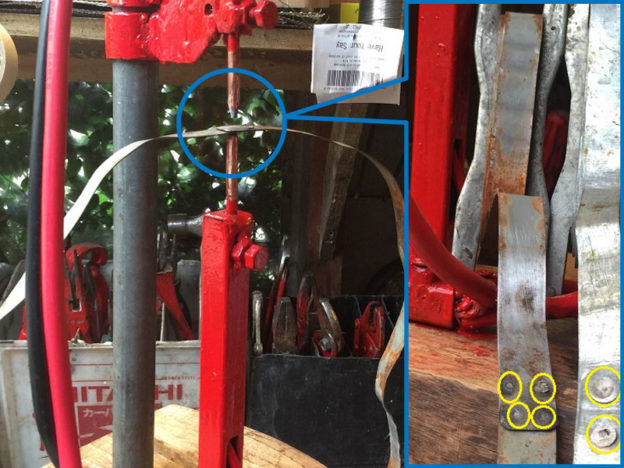
This welder ultimately worked well and proved useful for repairing cut metal strips. Compared to repairs done with rivets, spot welding  allows for nearly instant repairs, making it a valuable tool. However, there is still room for improvement in terms of usability. In the image, the cut metal strip on the right has been repaired by securing it with rivets at two points marked with yellow circles. The strip  on the left has been spot-welded at four points, with the rust removed and repainted for reuse. Spot welding only takes 1–2 seconds, making it an  extremely efficient method.


آلة لحام نقطي منزلية – الجزء الثاني
(متابعة للمدونة السابقة)

ما إن قمتُ بتشغيل التيار حتى دوّى صوت هائل بشكل مفاجئ، فسارعتُ إلى إيقافه فورًا. قمتُ بفحص جميع الدوائر بعناية، ولم أجد أي خطأ في التوصيلات. عندها خلصتُ إلى أن هذا الضجيج العنيف ناتج على الأرجح عن اختبار المحوّل بينما كان قلبه المعدني مقطوعًا وغير مُغلق، مما تسبب في اهتزازات قوية وصوت مرتفع بفعل المجال المغناطيسي الشديد. أدركتُ أنه ينبغي لحام الجزء المقطوع من القلب أولًا قبل إعادة الاختبار. غير أن لحامه في هذه المرحلة سيجعل من الصعب معالجة أي خلل محتمل لاحقًا، لذلك قررتُ تشغيل مفتاح الطاقة مرة أخرى.

هذه المرة، كنتُ مستعدًا نفسيًا للصوت. ضغطتُ على مفتاح التشغيل… وإذا بالضجيج المدوي يتكرر تمامًا كما في المرة السابقة. لكن الغريب أن الاستعداد الذهني يغيّر الإحساس بالأمور؛ فعندما تكون مهيأً، يصبح كل شيء أسهل احتمالًا.

أظهر مقياس الجهد المتصل بالملف الثانوي قيمة 4 فولت كما هو متوقع، فقلت في نفسي: «حسنًا! لقد نجح الأمر»، وشعرتُ بالرضا. بعد ذلك، استخدمتُ آلة لحام تعمل بالتيار المستمر (قمتُ بتعديلها بنفسي أيضًا) للحام الجزء المقطوع من قلب المحوّل، مع تثبيته بإحكام في ملزمة. تمّ اللحام بنجاح من الجهتين.

هذا الجهاز المنزلي للحام النقطي صُنع باستخدام قاعدة مكبس عصير كنتُ قد بنيتها سابقًا من جذع شجرة بلوط كبيرة في الحديقة. في الأصل، صنعتُها لعصر الجريب فروت، إذ نملك وفرة منه كل عام، لكنها أصبحت غير ضرورية بعد أن أرسلت لي ابنتي الكبرى عصّارة عالية الأداء من الولايات المتحدة.

بعد لحام قلب المحوّل، قمتُ بتثبيت كلا المحوّلين على القاعدة بواسطة البراغي. وبهذا، كان نحو 60٪ من العمل قد اكتمل. لم يتبقَّ سوى تثبيت الأسلاك باستخدام أربطة الكابلات، والأهم من ذلك، تصنيع الأقطاب الكهربائية.

وبعد تثبيت المحوّلين، لاحظتُ أن الملف الثانوي كان ضيقًا بعض الشيء. ولتحسين العزل، رأيتُ أنه من الأفضل خلق مسافة صغيرة بين الملف والقلب المعدني. أدخلتُ قطعة خشبية بجانب السلك وطرقتها بالمطرقة برفق لتشكيل فجوة بسيطة.

حان وقت الفحص النهائي. كتمتُ حماسي وأعدتُ التحقق من جميع التوصيلات بعناية، ثم شغّلتُ المفتاح للمرة الثالثة. هذه المرة، انبعث صوت طنين منخفض ومطمئن. لكن المفاجأة كانت أن مقياس الجهد أظهر 2 فولت فقط بدلًا من 4 فولت. وبينما كنتُ أفكر: «هذا غريب»، بدأ دخان كثيف يتصاعد من المحوّل. اتضح لاحقًا أن الملف الثانوي كان قد لامس القلب المعدني في نقطتين، مما أدى إلى حدوث قصر كهربائي كامل.

عندما قمتُ بطرق الملف، تضرر العزل، فتلامس السلك مع القلب المعدني. استعدتُ تركيزي، وقطعتُ اللحام مرة أخرى، وأخرجتُ الملف الثانوي، ثم استخدمتُ موقدًا كبيرًا لإزالة شريط العزل والطلاء. وبسبب قصور العزل السابق، قررتُ تغطية الملف بأنبوب عزل حراري قابل للانكماش، اشتريته من متجر إلكترونيات قريب.

نادرًا ما تسير الأمور على نحو مثالي من المحاولة الأولى. فالأخطاء الواضحة والإخفاقات غير المتوقعة جزء لا يتجزأ من أي عملية ابتكار. وفي النهاية، فإن النظرة الإيجابية، مقرونة بالمثابرة وروح التجربة والخطأ، هي ما يقود إلى النجاح.

وفي المحصلة، أثبتت آلة اللحام هذه كفاءتها، وكانت مفيدة للغاية في إصلاح الشرائط المعدنية المقطوعة. وبالمقارنة مع الإصلاح باستخدام المسامير، يتيح اللحام النقطي إصلاحًا شبه فوري، ما يجعله أداة عالية القيمة. ومع ذلك، لا يزال هناك مجال لتحسين سهولة الاستخدام.

في الصورة، يظهر الشريط المعدني على اليمين وقد تم إصلاحه باستخدام مسمارين عند النقطتين المميزتين بالدوائر الصفراء. أما الشريط على اليسار، فقد تم لحامه نقطيًا في أربع نقاط، ثم أزيل الصدأ وأعيد طلاؤه ليُستخدم من جديد. لا يستغرق اللحام النقطي سوى ثانية إلى ثانيتين، ما يجعله وسيلة فعّالة للغاية وعالية الكفاءة.
From Tool Making ~ Homemade Spot Welder

From Tool Making ~ Homemade Spot Welder

(Continuing from last blog) Regarding the homemade spot welder, the transformer used requires the removal of the secondary coil that  generates high voltage. This coil must be replaced with one that provides low voltage and high current for use in spot welding. Initially,  I thought about cutting the secondary coil itself with a saw or angle grinder without removing the core, but since the coil was wound so tightly,  it couldn’t be easily extracted without first drilling holes to create gaps. Simply hammering it didn’t work. After quite a bit of trouble, I ended  up cutting through the core of both transformers with a hacksaw, which made the removal of the secondary coil much easier.

I planned to purchase a high current cable for the secondary coil on the output side and wind it several times around the space where  the high-voltage coil had been removed. While flexible cables made of thin twisted wires are convenient, they are expensive, especially for thicker  types, and the core wires tend to be relatively thin compared to the overall thickness. To ensure a stable supply of high current, I decided it would  be better to use solid copper wire. I chose a 6.4 mm diameter copper wire, coated for insulation. I found a 2-meter copper wire for about $25 (around 1700 yen) and purchased one. Since the wire was stiff, I softened it by heating it thoroughly  with a gas burner until it became easy to bend. For insulation, I applied two coats of enamel paint and allowed it to dry, then wrapped it with  tape to create a double layer of insulation.

I wanted to wind this copper wire as the secondary coil around the cores of two transformers in series, but winding it directly posed a risk  of damaging the insulation tape. To avoid this, I made a wooden mold the same size as the transformer core, fixed it in place with a vise,  and began winding the wire. Since the wire, being almost like a 6.4 mm copper rod, was difficult to wind smoothly even after softening, I had to  hammer it into shape using a rubber mallet. In the end, I managed to wrap it three times around one transformer and two and a half times  around the other, which was the best I could do. After finishing the coils, I removed them from the mold and fitted each onto the corresponding transformer. However, the sharp edges of  the cores posed a risk of damaging the insulation upon contact. To address this, I used an angle grinder to round off the corners of the cores,  which allowed the coils to fit properly without damaging the insulation.

Now, I need to test if everything works properly. Although I still have to weld the cut transformer cores, I decided to perform a test before that.  Since the cores were still cut, I placed an anvil on top of them as a weight and then connected the power. Of course, I checked  the continuity and insulation with a tester beforehand. Here, unlike Japan’s 100V system, we use 240V, so I had to be extra cautious  to avoid the risk of electric shock. After thoroughly checking everything, I connected the primary coils in parallel and planned to measure  the voltage across the secondary coils in series. With great caution, I flipped the power switch, and the moment I did, there was an incredibly loud “BANG!”


⚙️ من صناعة الأدوات إلى بناء جهاز لحام نقطي منزلي

(تتمّة للمدوّنة السابقة)
في ما يتعلّق بجهاز اللحام النقطي الذي صنعته بنفسي، كان من الضروري تعديل المحوّل الكهربائي المستخدم فيه. فقد قمت بإزالة الملفّ الثانوي الذي يولّد الجهد العالي، واستبدلته بملفّ جديد يمنح جهداً منخفضاً وتياراً عالياً مناسباً لعمليّة اللحام النقطي. في البداية، فكّرت في قطع الملفّ الثانوي مباشرةً باستخدام منشار أو آلة صنفرة من دون تفكيك النواة الحديدية، لكن تبيّن أن الملفّ ملفوف بإحكام شديد، بحيث لا يمكن استخراجه بسهولة من دون حفر ثقوب صغيرة لخلق فراغات. ولم يُجدِ الطَرق بالمطرقة نفعاً. وبعد معاناة طويلة، اضطررت في النهاية إلى قطع نواة المحوّلين بمنشار يدوي، مما سهّل كثيراً إزالة الملفّ الثانوي.

بعد ذلك، خطّطت لشراء كابل تيار عالٍ لتكوين الملفّ الجديد في جانب الإخراج، ولفّه عدّة مرات في المساحة التي أُزيل منها الملفّ عالي الجهد. الكابلات المرنة المصنوعة من أسلاك دقيقة ملتوية مريحة في الاستخدام، لكنها باهظة الثمن، وخاصة الأنواع السميكة منها، كما أن الأسلاك الداخلية فيها غالباً ما تكون أرقّ من المتوقع. ولضمان تيار مستقرّ وقوي، قرّرت استخدام سلك نحاسي صلب بدلاً من الكابلات المرنة. اخترت سلكاً نحاسياً بقطر 6.4 ملم، معزولاً بطبقة واقية. وجدت قطعة بطول مترين بسعر يقارب 25 دولاراً أمريكياً (حوالي 1700 ين ياباني)، فاشتريتها. ولأن السلك كان صلباً جداً، سخّنته جيداً بواسطة موقد غاز حتى أصبح ليناً وسهل التشكيل. بعد ذلك، غطيته بطبقتين من طلاء المينا العازل، وانتظرت حتى يجف تماماً، ثم لففته بشريط لاصق لتأمين عزل مزدوج.

كنت أعتزم لفّ هذا السلك حول نواتي محوّلين موصولين على التوالي. لكن لفّه مباشرةً كان قد يسبّب تلفاً للعزل، لذلك صنعت قالباً خشبياً مطابقاً لحجم النواة، وثبّته في ملزمة معدنية، وبدأت اللفّ. ومع ذلك، حتى بعد التسخين، بقي السلك النحاسي بقطره الكبير صعب التشكيل، فاضطررت لاستخدام مطرقة مطاطية لتقويمه أثناء اللفّ. وفي النهاية، تمكّنت من لفّه ثلاث مرات حول أحد المحوّلين ومرتين ونصف حول الآخر، وهو الحدّ الأقصى الممكن. بعد الانتهاء من اللفّ، أزلت الملفّات من القالب وثبّتها على النوى الحديدية المقابلة. لكن حواف النوى كانت حادّة، مما قد يتلف العزل عند الملامسة. لذلك استخدمت آلة الصنفرة لتدوير زوايا النوى بلطف، مما سمح بتركيب الملفّات بإحكام ومن دون أي ضرر.

بقي الآن اختبار ما إذا كان كل شيء يعمل كما يجب. على الرغم من أنني لم أقم بعد بلحام النوى المقطوعة، قرّرت إجراء اختبار مبدئي. وضعت قطعة معدنية ثقيلة فوق النوى كوزن ثابت، ثم وصلت الكهرباء، بعد أن تحقّقت بعناية من سلامة العزل واستمرارية التيار بواسطة جهاز الفحص. يجب أن أشير هنا إلى أن نظام الكهرباء لدينا في نيوزيلندا يعمل بجهد 240 فولت، على عكس النظام الياباني الذي يعمل بجهد 100 فولت، مما يجعل العمل أكثر خطورة ويتطلّب أقصى درجات الحذر لتجنّب الصدمات الكهربائية. بعد مراجعة كل شيء بدقّة، وصلت الملفات الأولية على التوازي، واستعددت لقياس الجهد على الملفات الثانوية المتّصلة على التوالي.

ثم، بكل حذر، أدرْت مفتاح التشغيل… وفجأة، دوّى صوت انفجار قوي — “بانغ!” — ملأ المكان، ليذكّرني مجدداً بأن طريق الابتكار لا يخلو من المغامرة، وأن كل تجربة، مهما بدت محفوفة بالمخاطر، تقرّبنا خطوة من الإتقان الحقيقي.

The Love for Bees Begins with Tool Making

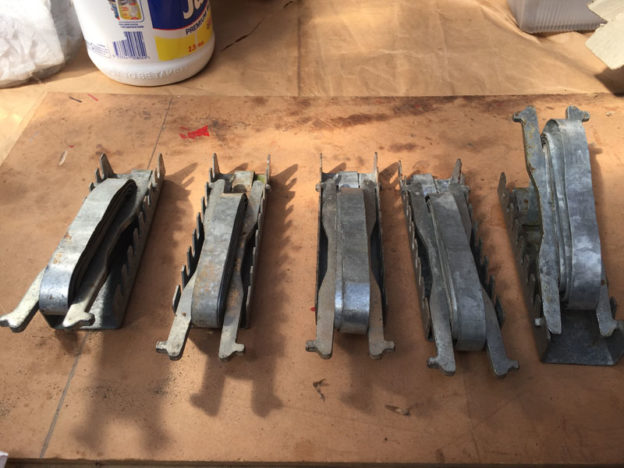
As I mentioned previously, the rain is delaying my work. Opening the hives carelessly would be a disturbance to the honeybees, but I can’t  ignore their condition either, so I check the colonies that concern me during brief breaks in the rain. I do this quickly, taking care to keep the  temperature stable and avoid letting moisture in. I make sure each hive is tightly secured with metal bands (see photo) to keep it sealed, as  gaps can cause the internal temperature to drop. This process must be done efficiently and in a short time.

Because I tighten the metal bands so much, some break due to rust, and I always bring extra ones just in case. I keep the  broken bands in storage and repair them when I have time. To repair them, I overlap the two ends, drill two holes through both, and insert two  rivets to hold them together. This is a cumbersome and time-consuming process, and I’ve been thinking if there might be a faster, better way.  I have many tools we need, and even a welding machine, but arc welding thin metal bands is extremely difficult — they melt instantly,  a challenge even for a professional welder.

So a spot welder* would be convenient, allowing repairs to be done in a very short time. However, a spot welder used by car manufacturers  can cost several million yen, and even simpler ones are quite expensive — hundreds of thousands of yen. *Spot welder: two base materials (workpieces) are pressed together with electrodes while current flows through them. The electrical resistance  at their point of contact generates heat, causing the metal to melt and solidify, thereby forming a weld. “If you don’t have it, make it yourself”—that’s the DNA I inherited from my father. So I get started right away with preparations.

Fortunately, I had two broken microwaves at home, so I decided to reuse their components to make it. A microwave oven operates by generating  microwaves that cause molecular vibrations, using that energy to produce heat. The microwave generator requires a high voltage of 3,000 volts,  which is provided by a transformer. In broken microwaves, it’s usually the magnetron damaged, while the transformer is rarely damaged.  As expected, the transformers from both broken microwaves were in good condition. (To be continued)


حبّ النحل يبدأ من صناعة الأدوات
— رؤية حرفية بروح ابتكارية

كما ذكرتُ سابقًا، ما زال المطر يعرقل سير العمل. فتح خلايا النحل بلا مبالاة يشكّل إزعاجًا للنحل، لكن لا يمكنني في الوقت ذاته تجاهل حالته. لذلك أستغل الفترات القصيرة التي يتوقف فيها المطر لأتفقد الطوائف التي تثير قلقي، بسرعة ودقّة، مع الحرص الشديد على الحفاظ على درجة الحرارة داخل الخلية ومنع تسرب الرطوبة. أقوم بإحكام إغلاق كل خلية باستخدام أحزمة معدنية قوية (كما يظهر في الصورة)، لأن أي فراغ بسيط قد يؤدي إلى انخفاض الحرارة الداخلية. يجب إنجاز هذا العمل بكفاءة عالية وفي وقت قصير جدًا.

ونظرًا لشدة إحكام هذه الأحزمة، فإن بعضها ينكسر بسبب الصدأ، لذلك أحمل دائمًا أحزمة احتياطية. أما الأحزمة المكسورة فأحتفظ بها لإصلاحها عندما يتوفر الوقت. طريقة الإصلاح الحالية تتطلب تداخل طرفي الحزام، ثم حفر ثقبين فيهما معًا وتثبيتهما بمسامير معدنية (ريفيت). إنها عملية مرهقة وتستغرق وقتًا طويلًا، وكنت أتساءل دائمًا: ألا توجد طريقة أسرع وأكثر كفاءة؟

نملك العديد من الأدوات، وحتى آلة لحام، لكن لحام الأحزمة المعدنية الرقيقة باللحام القوسي يكاد يكون مستحيلًا؛ إذ تذوب فورًا، وهو أمر يشكّل تحديًا حتى للمحترفين. من هنا، بدا لي أن آلة اللحام النقطي ستكون الحل المثالي، إذ تتيح إصلاح الأحزمة في وقت قصير جدًا. غير أن آلات اللحام النقطي المستخدمة في مصانع السيارات قد يصل سعرها إلى عدة ملايين من الينات، وحتى النماذج البسيطة منها تتجاوز مئات الآلاف من الينات.

آلة اللحام النقطي: هي تقنية يتم فيها ضغط قطعتين معدنيتين معًا بواسطة أقطاب كهربائية، مع تمرير تيار كهربائي عبر نقطة التلامس. وبسبب المقاومة الكهربائية، تتولد حرارة تذيب المعدن موضعيًا، ثم يتصلّب ليشكّل لحامًا متينًا. «إن لم يكن لديك، فاصنعه بنفسك» — هذه هي الروح التي ورثتُها عن والدي. ومن هذا المبدأ، بدأتُ التحضيرات فورًا.

ولحسن الحظ، كان لديّ في المنزل جهازا ميكروويف معطّلان. قررتُ إعادة استخدام مكوّناتهما. يعمل فرن الميكروويف عبر توليد موجات دقيقة تُحدث اهتزازًا جزيئيًا ينتج عنه حرارة، ويتطلب هذا النظام جهدًا عاليًا يصل إلى 3000 فولت، يوفره محوّل كهربائي خاص. في معظم حالات تعطل أفران الميكروويف، يكون الخلل في المغنطرون، بينما نادرًا ما يتضرر المحوّل. وكما توقعت، كانت المحوّلات في الجهازين بحالة ممتازة.

How I Spend My Holidays – Part 2

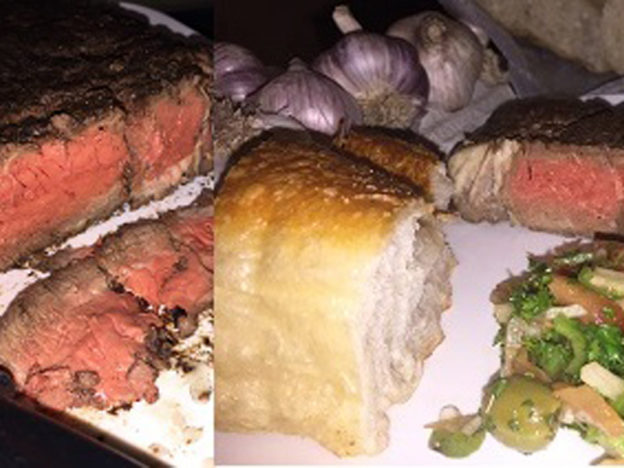
(Continuing from the previous blog) the Manuka wood is very dense and hard, so once it has burned down, the resulting charcoal  becomes a hard type similar to Japan’s high-quality binchotan. It has a strong heat, making it ideal for grilling meat and fish over high, indirect heat.  Now that the grilled meat has rested for about 20 minutes, it’s time for lunch. As usual, I have prepared salad and mashed potatoes for my  daughter and wife. I quickly cut into the perfectly cooked meat. To my satisfaction, the roast beef reveals a beautiful medium doneness with  a consistent, lovely pink color throughout. I had rubbed a generous amount of rock salt on it, and the saltiness is just perfect—thanks to  the sweetness from the impurities in the rock salt. If I had used refined salt, its sharpness and saltiness would have made it inedible.

It lacks the mildness of rock salt. For this dish, I add chopped herbs such as onions, celery, bell peppers, and coriander, along with minced  garlic, salted olives, and a squeeze of lime or lemon juice. Most of these vegetables and citrus fruits are from my garden, so they are free.  The bread is Ciabatta Bread from a bakery inside a nearby supermarket, and I like this place because their baker makes delicious bread.  Ciabatta originated in Italy, and it has become one of my favorites. When it comes to cooking beef, preferences vary from well-done to medium to rare. However, when I order medium-rare at a steakhouse or  restaurant, I often find it served almost raw, with the inside barely cooked, which I find quite disappointing.

The color of a properly cooked steak is noticeably different from that of an undercooked one. Even though both are red, raw meat has a purplish hue.
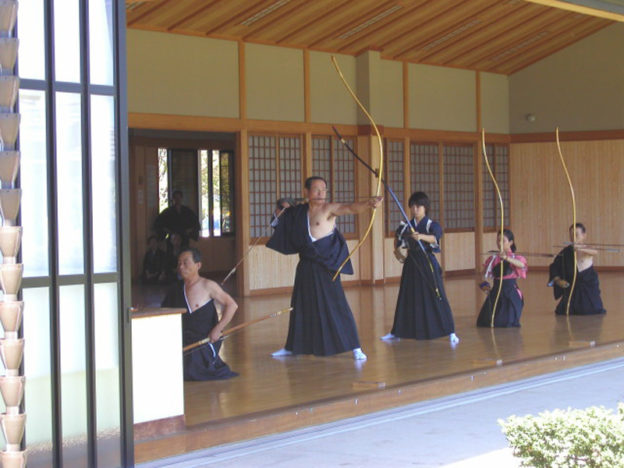
There may not be any bacteria inside the meat, but I think properly cooked, pink meat to be far more flavorful, and I’m not fond of undercooked steaks. Some time ago, perhaps due to my extended time living abroad, I became more interested in Japanese culture. For ten years, I traveled  back and forth between Japan and New Zealand, and eventually joined a 300-year-old kyudo (Japanese archery) dojo in my hometown.  Under the guidance of a renowned master teacher, I devoted myself to daily practice (the photo is from that time).  One day, I went with fellow students to a specialty hamburger restaurant.

I vividly remember being quite surprised when the waiter asked, “How would you like your hamburger cooked?” Hamburgers are made by  shaping ground meat, also known as hamburger steak, but despite the term “steak,” they are quite different. Once the meat is ground, it can  easily be contaminated with various bacteria. Naturally, it’s not something that should be eaten rare; it should be thoroughly  cooked. I was genuinely shocked to find that options like medium or rare hamburgers are available in Japan. After being away from  Japan for so long, I still find myself surprised by many things.


كيف أقضي عطلاتي – الجزء الثاني

خشب المانوكا كثيف وصلب للغاية، وعندما يكتمل احتراقه يتحوّل إلى فحم قاسٍ يشبه إلى حد كبير فحم البيتشوتان الياباني الفاخر. يمتاز بحرارة قوية ومستقرة، مما يجعله مثاليًا لشواء اللحم والسمك باستخدام حرارة عالية غير مباشرة.

وبعد أن تركت اللحم ليستريح لمدة تقارب العشرين دقيقة، حان وقت الغداء. كالعادة، أعددت السلطة والبطاطس المهروسة لابنتي وزوجتي. أبدأ بتقطيع اللحم المشوي المثالي، ولحسن رضاي تظهر لي قطعة روست بيف بدرجة نضج ميديوم متناسقة، بلون وردي جميل ينتشر بانتظام في كامل القطعة.

لقد قمتُ بدهنها بكمية وفيرة من ملح الصخور، وكانت الملوحة متوازنة على نحو رائع—بفضل الحلاوة الطبيعية القادمة من الشوائب العضوية الموجودة في ملح الصخور. أما لو استخدمتُ الملح المكرر، بحدّته وملوحته القاسية، لكانت النتيجة غير قابلة للأكل، إذ يفتقر إلى نعومة الملح الطبيعي ودفئه.

ولإكمال الطبق، أضيف خليطًا من الأعشاب والخضروات المفرومة: البصل، الكرفس، الفليفلة، الكزبرة، إلى جانب الثوم المهروس، والزيتون المملح، مع لمسة منعشة من عصير الليمون أو الليم الحامض. معظم هذه الخضروات والحمضيات من حديقة منزلي، مما يجعلها هدية مجانية من الطبيعة.

أما الخبز فهو خبز تشاباتا من مخبز داخل سوبرماركت قريب، وأحب هذا المكان لأن الخباز هناك يمتلك ذوقًا رفيعًا في صنع الخبز، فتكون منتجاته دائمًا لذيذة وطازجة. وعلى الرغم من أن أصل التشاباتا إيطالي، فقد أصبح من المخبوزات المفضلة لدي.

وعندما يتعلق الأمر بطهي اللحم البقري، تختلف الأذواق بين النضج الكامل، والمتوسط، والنادر. غير أنني عندما أطلب ميديام رير في أحد مطاعم الستيك، كثيرًا ما يُقدَّم لي شبه نيّئ، مع قلب داخلي لم يمسّه النضج، وهو أمر يبعث على خيبة الأمل حقًا.

يختلف لون شرائح اللحم المطهوة بإتقان اختلافًا واضحًا عن تلك غير الناضجة. فعلى الرغم من أن اللونين يبدوان محمرّين، إلا أن اللحم النيّئ يميل إلى درجة أرجوانية واضحة. قد لا تكون هناك بكتيريا داخل قطعة اللحم الكاملة، لكنني أجد أن اللحم المطهوّ جيدًا بلمسة وردية هو الأكثر نكهةً وعمقًا، ولهذا لست من محبّي الستيك غير الناضج.

منذ فترة ما، وربما بسبب سنواتي الطويلة التي قضيتها في الخارج، بدأت أزداد اهتمامًا بالثقافة اليابانية. على مدى عشرة أعوام، تنقّلت باستمرار بين اليابان ونيوزيلندا، ثم انضممت لاحقًا إلى دوجو للرماية اليابانية التقليدية (كيوودو) يعود تاريخه إلى ثلاثة قرون في مسقط رأسي. وتحت إشراف معلم كبير مشهود له بالمهارة، كرّست نفسي للممارسة اليومية بكل شغف (الصورة من تلك الفترة).

وذات يوم، ذهبت مع زملائي في الدوجو إلى مطعم متخصص في شرائح لحم البرغر. وما زلت أتذكر دهشتي حين سألني النادل: «كيف تفضل درجة نضج الهامبرغر؟»

فالبرغر يُحضّر من اللحم المفروم—وإن كان يسمى «ستيكًا» في بعض السياقات—إلا أنه يختلف تمامًا عن قطعة اللحم الكاملة. فعندما يُفرم اللحم، يصبح عرضة للتلوث بالبكتيريا من مختلف الأسطح التي يلامسها. ولذلك، من الطبيعي ألا يُؤكل نيّئًا أو نصف نيّئ؛ بل ينبغي طهيه تمامًا. وقد صدمت حقًا عندما اكتشفت أنه يمكن في اليابان طلب الهامبرغر بدرجة ميديام أو حتى رير.

وبعد سنوات طويلة بعيدًا عن اليابان، ما زلت حتى اليوم أُفاجأ بالعديد من التفاصيل والعادات التي كنتُ قد نسيتها.

How I Spend My Holidays

Today, a large air mass from the direction of Australia has brought calm weather, and since it’s Sunday, I plan to spend the day doing things  I enjoy for the first time in a while. I have a lot of interests, but I no longer feel like rushing outside to do something as I used to. On  quiet days like this, my approach lately is to take it slow, make something delicious, and enjoy it with my family. First, it’s time to look for ingredients, but since it’s a rare day off, I just want to relax. The simplest choice is to get some  good meat and cook it over a simple grill. With that plan in mind, I start by preparing the firewood.  I light the manuka wood brought from the apiary. With a large gas burner we use for disinfecting the beehives, even slightly damp firewood  catches easily. Then, I let it burn down until there are no flames left.

While waiting, I cuts in the thick beef with a knife, then sprinkle it generously with rock salt and rub it in thoroughly. In the outdoor grill,  which I built specifically for barbecuing, has the flames from the Manuka wood I lit earlier have died down nicely into a perfect bed of coals.  I place a wire grid called an excluder designed to prevent queen bees from passing through on top of this. It’s repurposed but works perfectly for barbecuing.  All that’s left to do is flip the meat once on each side, and it’s ready. When grilling a large 5-7 kg roast, I use a homemade electric rotisserie, but since it’s just the family today, I’m grilling two 1 kg steaks  instead. This is a routine dish for me.

On a calm, pleasantly sunny day like this, I truly appreciate the blessing of good health that lets me enjoy these quiet moments.  Soon, the juices begin to rise to the surface of the meat, so I make a 2 cm incision into the thickest part to check its doneness. If it’s cooked well,  put charcoal to an iron pot, then cover it. I save this charcoal to use next time for grilling fish or other dishes. I leave the meat on the  firebrick grill for about 20 minutes in the residual heat, which helps spread warmth evenly throughout. This is my secret to cooking great  grilled meat. I use manuka wood as firewood, as the smoke it produces has an exceptional aroma. Around here, smoked products like  bacon are even labeled “smoked with manuka wood” and sold at a premium. I’ve made bacon at home before, and the manuka smoke  brings a wonderful fragrance. The slight acidity from the unique manuka smoke perfectly enhances the flavor of meat dishes.


كيف أقضي عطلاتي – الجزء الثاني

اليوم حملت الرياح القادمة من جهة أستراليا طقسًا هادئًا ومستقرًا، وبما أنه يوم أحد، فقد قررت أن أقضيه في فعل ما أحب، بعد فترة طويلة من الانشغال. لدي الكثير من الاهتمامات، لكنني لم أعد أشعر بالرغبة في الخروج على عجل كما كنت في الماضي. ففي مثل هذه الأيام الهادئة، أصبحت أميل إلى البطء، وصنع شيء لذيذ، والاستمتاع به مع العائلة.

أول ما أبدأ به هو البحث عن المكونات، لكن بما أن هذا اليوم إجازة نادرة، رغبت فقط في الاسترخاء. أبسط خيار هو الحصول على قطعة جيدة من اللحم وطهيها على شواية بسيطة. بهذه الفكرة، بدأت بتحضير الحطب. أشعلت خشب المانوكا الذي أحضرته من المِنحل. ومع موقد الغاز الكبير المخصّص لتعقيم صناديق النحل، يشتعل الحطب بسهولة حتى وإن كان رطبًا قليلًا. ثم أتركه يحترق حتى تختفي آخر شرارة من اللهب.

وبينما أنتظر الجمر يتكون، أقوم بفتح شقوق صغيرة في قطعة اللحم السميكة، ثم أرش الملح الصخري بسخاء وأدعك به السطح جيدًا. في الشواية الخارجية التي صنعتها خصيصًا للشواء، تكون نيران خشب المانوكا قد هدأت وتحولت إلى طبقة مثالية من الجمر. أضع فوقها شبكة معدنية دقيقة تُسمّى “إكسكلودر”، تُستخدم عادة لمنع ملكة النحل من المرور، لكنها تعمل بشكل رائع عند استخدامها للشواء.

كل ما يتبقى هو قلب قطعة اللحم مرة واحدة على كل جانب، وستصبح جاهزة. وعندما أكون بصدد شوي قطعة كبيرة بوزن 5 إلى 7 كغم، أستخدم شواية كهربائية دوّارة صنعتها بنفسي. لكن بما أن الأمر اليوم يقتصر على العائلة، اخترت شوي قطعتين فقط بوزن كيلوغرام واحد لكل منهما. هذا الطبق بالنسبة لي جزء من الطقوس المألوفة.

في يوم هادئ مشمس بهذا القدر، أشعر بامتنان عميق للصحة التي تمنحني القدرة على الاستمتاع بهذه اللحظات البسيطة. وما إن تبدأ العصارات في الظهور على سطح اللحم، أقوم بعمل شق بطول 2 سم في أكثر أجزائه سماكة لأتأكد من درجة النضج. وإن كانت كما أريد، أضع قليلًا من الجمر في قدر حديدي وأغطيه—فأنا أحتفظ بهذا الجمر لأستخدمه لاحقًا في شوي السمك أو غيره.

أترك اللحم على الطوب الحراري لمدة 20 دقيقة في حرارة الجمر المتبقية، مما يسمح بتوزيع الحرارة بالتساوي داخل اللحم. هذه هي سرّي في الحصول على لحم مشوي مثالي.

أستخدم خشب المانوكا كحطب للشواء، فدخانه يتمتع بعطر فريد لا يُضاهى. وفي هذه المنطقة، تُباع المنتجات المدخّنة مثل اللحم المقدد تحت عبارة “مدخّن بخشب المانوكا” ويُنظر إليها كمنتجات فاخرة. لقد صنعت اللحم المقدد في المنزل من قبل، والدخان المتأتي من المانوكا يضفي رائحة رائعة لا تُنسى. فالحموضة الخفيفة التي يتميز بها هذا الدخان تمنح أطباق اللحم نكهة أعمق وأكثر توازنًا.
How Are “Fermentation” and “Decay” Different?

How Are “Fermentation” and “Decay” Different?

Last time, I talked about dried meat made in the countryside of Brazil. Drying meat isn’t very common in Japan. However, when  we think about dried fish, which is commonly eaten in Japan, it doesn’t seem too unfamiliar. Whether it’s fish or meat, there’s no doubt  that the key point lies in the salt content. In the West, the focus is on meat as salted products, whereas in Japan, it’s fish and vegetables,  but fundamentally, the process isn’t all that different. Even with pickled foods, if the salt content isn’t balanced correctly, it can end  up spoiling instead of preserving. This all comes down to the salt concentration. If done well, it results in fermentation, but if done poorly, it leads to decay.

So, are “fermentation” and “decay” really different? These two names are merely labels created from a human point of view. If it’s beneficial to humans, we call it fermentation; if it isn’t, we call it decay.  Fermentation refers to something that smells good, tastes delicious, and is safe without toxins. Salt concentration  plays a major role in this. I previously mentioned dried meat made in the countryside of Brazil, which is often swarmed by flies,  but despite that, it doesn’t spoil and can be eaten deliciously. While harmful bacteria certainly attach to the fly-covered meat, these  bacteria cannot proliferate due to the high salt content and sunlight exposure, ultimately rendering it safe as food. Therefore,  both fermentation and decay are quite arbitrary terms, invented by humans. The distinction is abstract and heavily influenced  by the local food culture of each region.

In Japan, familiar examples of this concept are natto and kusaya. To foreigners, these are clearly seen as spoiled. On the  other hand, consider Sweden’s surströmming (fermented herring in a can), known as the world’s smelliest food, and Korea’s hongeohoe  (fermented skate), which ranks second globally in terms of odor—there are countless examples like these. From a Japanese perspective,  it might seem obvious that such foods are spoiled, yet each has its own cultural significance in terms of cuisine. Ultimately, all of these  processes are driven by microorganisms that cause various changes. If the result is delicious, we call it fermentation; if it tastes bad,  we call it decay. It’s really a highly subjective distinction.

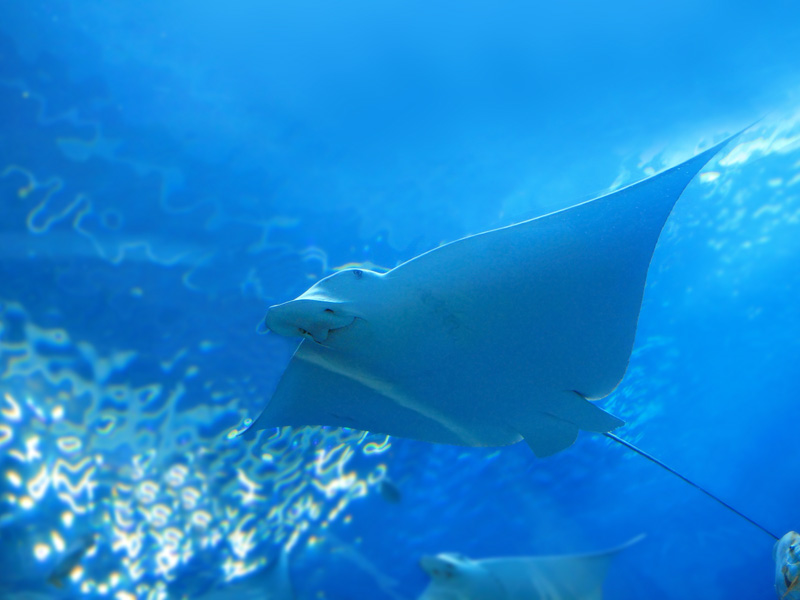
My father often used to say, “There’s nothing dirty about delicious food.” It makes me think of him, even though he passed away 30 years ago.  I remember once when I caught a 40-kilogram stingray at a nearby beach. I brought home only the edible parts and, not knowing  how to make hongeohoe (fermented skate), I processed it into fish cakes like kamaboko or hanpen. It took a lot of time. Catching it was a huge challenge, and I decided I never wanted to take the life of that kind of fish again. Proteins are made up of chains of amino acids. When enzymes from microorganisms break those chains, amino acids are released, and that’s  what gives the food its umami flavor.

Fermented foods are unique to each country, making them extremely interesting. However, Manuka honey, being a fully mature  raw honey with a sugar concentration of over 80%, is inhospitable to microorganisms. Interestingly, if diluted with water, it can ferment and turn into alcohol.


🍯 كيف يختلف “التخمير” عن “الفساد”؟

في المرة السابقة، تحدثت عن اللحوم المجففة المصنوعة في الريف البرازيلي. تجفيف اللحوم ليس شائعاً جداً في اليابان، لكن عند التفكير في الأسماك المجففة، التي تُستهلك كثيراً في اليابان، يبدو الأمر مألوفاً أكثر. سواء تعلق الأمر باللحوم أو الأسماك، لا شك أن العامل الأساسي يكمن في محتوى الملح. في الغرب، التركيز يكون على اللحوم كمنتجات مملحة، أما في اليابان، فالأمر يتعلق بالأسماك والخضروات، ولكن جوهرياً، العملية ليست مختلفة كثيراً. حتى في الأطعمة المخمرة، إذا لم يكن تركيز الملح متوازناً بشكل صحيح، قد ينتهي الأمر بالفساد بدلاً من الحفظ. النتيجة تعتمد على تركيز الملح: إذا تم بشكل جيد، يحدث التخمير، وإذا تم بشكل سيئ، يحدث الفساد.

إذن، هل “التخمير” و “الفساد” مختلفان حقاً؟ هذان الاسمان مجرد تسميات بشرية. إذا كان المنتج مفيداً للإنسان، نسميه تخميراً؛ وإذا لم يكن كذلك، نسميه فساداً. يشير التخمير إلى شيء ذو رائحة طيبة، طعمه لذيذ وآمن بدون سموم. وتركيز الملح يلعب دوراً رئيسياً في ذلك.

ذكرت سابقاً اللحوم المجففة في الريف البرازيلي، التي غالباً ما تغزوها الذباب، لكنها لا تفسد وتظل صالحة للأكل. فعلى الرغم من وجود البكتيريا الضارة على اللحم المغطى بالذباب، إلا أن هذه البكتيريا لا تستطيع التكاثر بسبب التركيز العالي للملح والتعرض لأشعة الشمس، ما يجعل الطعام آمناً. لذلك، فالتخمير والفساد مصطلحان اختراعهما البشر. التمييز بينهما نسبي ويتأثر كثيراً بثقافة الطعام المحلية.

في اليابان، أمثلة مألوفة هي ناتو وكوسايا. للغربيين، قد تبدو هذه الأطعمة فاسدة. أما في السويد، فهناك السورسترومينغ (الرنجة المخمرة في علب) المعروف برائحة قوية جداً، وفي كوريا الهونجيوهو (سمك الشوك المخمر) الذي يحتل المرتبة الثانية عالمياً من حيث الرائحة. من منظور ياباني، قد يبدو واضحاً أنها “فاسدة”، لكن كل منها له أهمية ثقافية وطهوية خاصة به.

في النهاية، كل هذه العمليات تدار بواسطة الكائنات الدقيقة التي تسبب تغييرات متنوعة. إذا كانت النتيجة لذيذة، نسميها تخميراً؛ وإذا كانت النتيجة سيئة، نسميها فساداً. إنه تمييز ذاتي للغاية يعتمد على الخبرة والثقافة. كان والدي يقول دائماً: “لا شيء قذر في الطعام اللذيذ.” أتذكره كثيراً رغم مرور 30 عاماً على وفاته.

أتذكر مرة حين اصطدت سمكة شوك وزنها 40 كجم على شاطئ قريب. أخذت الأجزاء الصالحة للأكل فقط، ولعدم معرفتي بكيفية صنع الهونجيوهو، حولتها إلى كعكات سمك مثل كامابوكو أو هانبن. استغرق الأمر وقتاً طويلاً. البروتينات تتكون من سلاسل الأحماض الأمينية، وعندما تقوم الإنزيمات الدقيقة بتفكيك هذه السلاسل، تتحرر الأحماض الأمينية، وهذا ما يمنح الطعام مذاقه الغني بـ الأومامي. تعد الأطعمة المخمرة فريدة لكل بلد، مما يجعلها ممتعة للغاية. ومع ذلك، عسل المانوكا، كعسل خام مكتمل النضج وبتركيز سكر يزيد عن 80٪، عديم الاستقبال للكائنات الدقيقة. ومن المثير للاهتمام أنه إذا تم تخفيفه بالماء، يمكن أن يختمر ويتحول إلى كحول.

How to Make Shuto (Fermented Fish Sauce)

Continuing from previous blog, I ordered bonito directly via online shopping and requested that the internal organs remain untouched. Typically,  large fish arrive with the innards removed, likely to better preserve freshness. When I opened the fish’s belly, the clean, plump organs  came out intact—a clear sign of freshness. There are various ways to prepare shutō (fermented fish sauce), but I have two methods of my own. First, it’s crucial  to remove the gallbladder, which contains bitter components, while the fish is still fresh. If forgotten, removing it after fermentation becomes quite challenging.

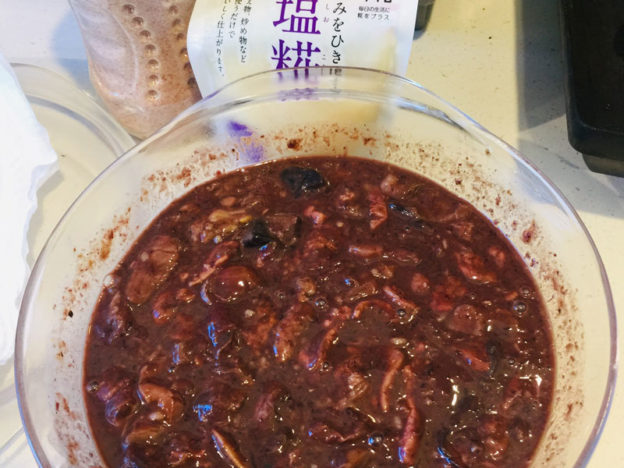
Then, the innards are either sprinkled with rock salt and left to ferment for two weeks as is, or alternatively, they are removed immediately,  the digestive tract contents are cleaned out, cut into appropriate sizes, and mixed with rock salt, sake, and mirin for direct pickling. Personally, I find it tastier to first lightly pickle the innards for two weeks in their natural state and then proceed to the main pickling stage  after fermentation. This process seems to enhance the depth of flavor. In essence, the method involves removing the innards, discarding the  gallbladder, and pickling them with just salt. After two weeks in the refrigerator, the contents of the digestive tract are removed, and the innards are prepared for the main pickling stage.  The fermentation speed can be adjusted depending on the amount of rock salt used. I prefer using a slightly higher salt concentration to allow  for a slower and more thorough aging process.

The advantage of pre-pickling is that the innards are pickled as they are, without washing them in water after being removed from the belly.  By fermenting all the contents of the digestive tract and the blood together, it creates an exceptionally deep and rich flavor. In fact, depending  on the contents of the intestinal tract, it’s often better not to remove them. For instance, when the fish has eaten a large amount of krill, allowing  it to ferment as is produces a more delicious result. After fermentation, the innards are cut into appropriate sizes, and as previously mentioned, sake and mirin are added for further fermentation  over an additional week. Katsuo (bonito) is a fish with a high blood content, and this blood, when fermented, transforms into a rich fish sauce,  adding even more depth to the flavor. When making shutō, the balance of salt is crucial. I prefer to use rock salt, as refined  salt tends to be overly salty without any sweetness or mellowness. Once the shutō is prepared, I portion it out for eating, making  sure to stir it thoroughly each time to incorporate air.

This method allows the shutō to remain delicious for up to a month after it’s made. As the fermentation progresses, the initial saltiness  gradually fades. Additionally, dissolving sake lees in Japanese sake or using shio-koji during the fermentation process enhances the aroma and  gives the final product a milder. Manuka honey also develops higher activity levels and a smoother flavor when it is allowed to ripen further in the hive after reaching full maturity.  While this process is unrelated to fermentation of shutō, raw honey gains depth and richness over time. It has a unique quality that sets it apart from heat-treated and mass-produced products.


ريقة إعداد الشوتو (صلصة أحشاء السمك المخمّرة) — برؤية حرفية راقية

استكمالًا للمقال السابق، قمت بطلب سمك الكاتسو (البونيتو) مباشرة عبر الشراء الإلكتروني، مع طلب خاص بعدم إزالة الأحشاء. عادةً ما تصل الأسماك الكبيرة بعد تنظيفها من الداخل حفاظًا على الطزاجة، لكن عند فتح بطن السمكة هذه المرة، ظهرت الأحشاء كاملة، نظيفة وممتلئة، في دليل واضح على جودة استثنائية وحداثة الصيد.

توجد طرق متعددة لتحضير الشوتو، لكن لدي طريقتان خاصتان. الخطوة الأهم هي إزالة المرارة فورًا بينما تكون السمكة طازجة، إذ تحتوي على مركبات شديدة المرارة، وإهمال هذه الخطوة يجعل إزالتها بعد التخمير شبه مستحيلة.

بعد ذلك، تُتبع إحدى طريقتين: إما رشّ الأحشاء بالملح الصخري وتركها لتتخمّر كما هي لمدة أسبوعين، أو إزالة الأحشاء مباشرة، تنظيف محتويات القناة الهضمية، تقطيعها إلى أحجام مناسبة، ثم تخليلها فورًا بالملح الصخري مع الساكي والميرين.

شخصيًا، أفضّل الطريقة الأولى، أي التخليل الخفيف لمدة أسبوعين دون تنظيف، ثم الانتقال إلى مرحلة التخليل الأساسية. هذه الخطوة المسبقة تضيف عمقًا وتعقيدًا أكبر للنكهة. باختصار، يتم استخراج الأحشاء، إزالة المرارة فقط، ثم تخليلها بالملح وحده. بعد أسبوعين في الثلاجة، تُزال محتويات الجهاز الهضمي، وتبدأ مرحلة التخمير الرئيسية.

يمكن التحكم في سرعة التخمير حسب كمية الملح المستخدم، وأنا أميل إلى استخدام تركيز أعلى قليلًا لإطالة فترة التعتيق ومنح النكهة نضجًا أعمق. ميزة هذه الطريقة أن الأحشاء لا تُغسل بالماء بعد إخراجها، بل تُخمّر مع الدم ومحتويات الجهاز الهضمي، ما ينتج طعمًا غنيًا وكثيفًا للغاية. في بعض الحالات، يكون من الأفضل عدم إزالة هذه المحتويات، خاصة إذا كانت السمكة قد تغذّت على كميات كبيرة من الكريل، إذ يضفي ذلك مذاقًا أكثر تميّزًا.

بعد انتهاء التخمير الأولي، تُقطّع الأحشاء وتُضاف كمية من الساكي والميرين، ثم تُترك لتتخمّر مجددًا لمدة أسبوع إضافي. سمك الكاتسو غني بالدم، وهذا الدم عند تخميره يتحوّل إلى صلصة بحرية عميقة الطابع، تعزّز من تعقيد النكهة.

التوازن الدقيق للملح عنصر حاسم في نجاح الشوتو. أفضل استخدام الملح الصخري، لأن الملح المكرر يعطي ملوحة حادة تفتقر إلى الاستدارة والنعومة. بعد اكتمال التحضير، يُقسّم الشوتو إلى حصص صغيرة، مع الحرص على تقليبه جيدًا في كل مرة لإدخال الهواء وتحسين النكهة.

بهذه الطريقة، يبقى الشوتو في ذروة مذاقه لمدة تصل إلى شهر، ومع تقدّم التخمير تخف حدّة الملوحة تدريجيًا. كما أن إضافة تفل الساكي المذاب في الساكي، أو استخدام الشيو-كوجي أثناء التخمير، يمنح العطر نعومة ورقيًا إضافيًا.

وعلى نحو موازٍ، فإن عسل المانوكا، رغم أنه لا يخضع للتخمير، يزداد نشاطًا وعمقًا عندما يُترك لينضج تمامًا داخل الخلية. العسل الخام، بمرور الوقت، يكتسب ثراءً ونكهة متعدّدة الطبقات، وهي خصائص لا يمكن مقارنتها بالمنتجات المعالجة حراريًا أو المنتجة على نطاق واسع. إنها قيمة الأصالة، والصبر، والاحترام العميق للطبيعة — وهي فلسفة واحدة، سواء في المطبخ أو في الخلية.

Enjoying Japanese Cuisine in New Zealand

Last time, I talked about katsuo (bonito), but my interest in food never fades, so let me add a bit more.  There’s a traditional way of preparing bonito called tataki, where the surface is seared over high heat. Personally, I don’t understand what’s  so appealing about this method. People say it lets you enjoy both grilled and raw flavors, but for me, I can’t tell what I’m actually eating. My tastes seem to mirror my father’s: if there’s one truly delicious thing, that’s enough. I’m not a fan of multi-course meals with dish after dish.  Often, they aren’t particularly good, and the flavors end up blending together, leaving me unsure of what I’m even tasting.

The best way to enjoy bonito, in my opinion, is with grated garlic and julienned shiso leaves. Shiso leaves (Japanese basil),  as shown in the image, are impossible to find here. So, when my wife visited Japan earlier this year, she brought some seeds. I was  unsure they’d grow well since we planted them a bit late, but they flourished, so now we can save seeds and have a steady supply of  shiso. I’m even planning to build a simple greenhouse when I have the time. In the end, I turned the five leftover bonito into kakuni—a soy-flavored simmered dish—and dried the pieces in a basket under the sun for  about three days. The result was beautifully firm, with a concentrated flavor. I often take these dried bonito pieces as onigiri fillings when  I head out to the apiary. They pair perfectly with umeboshi (pickled plum) and make for the ultimate meal when I’m relaxing in a hammock amidst the Manuka forest.

By the way, the other day, when I was a bit tired at the apiary, I took a nap in the shade of a tree and a stoat (a small animal from the weasel  family) appeared at my feet, licking the honey off my boots. It was so cute that I let it be, but eventually, it noticed me and ran off  toward the Manuka forest. The stoat seems to have been introduced by humans from abroad, and despite being a cute little animal,  it’s actually a very ferocious carnivore that preys on native species, including New Zealand’s national bird, the kiwi. Consequently, the authorities are encouraging its control. In the mountains, I can also enjoy seeing quails, pheasants,  New Zealand pigeons—more than three times the size of Japanese wood pigeons—and beautiful red parrots.


الاستمتاع بالمطبخ الياباني في نيوزيلندا

في المرة السابقة تحدّثتُ عن سمك الكاتسو (البونيتو)، لكن شغفي بالطعام لا يخبو أبدًا، لذا اسمحوا لي أن أضيف القليل. هناك طريقة تقليدية لتحضير البونيتو تُسمّى تاتاكي، حيث يُشوَى سطح السمكة بسرعة على نار عالية. شخصيًا، لم أفهم يومًا سرّ جاذبية هذه الطريقة. يقال إنها تتيح لك الاستمتاع بنكهات المشوي والنيّئ معًا، لكن بالنسبة لي، لا أستطيع تمييز ما الذي أتناوله فعليًا. يبدو أن ذائقتي تشبه ذائقة والدي: إن كان هناك شيء واحد لذيذ حقًا، فهذا يكفي. لست من محبّي الموائد المتعددة الأطباق، حيث تتوالى الصحون دون تميّز حقيقي، وتختلط النكهات إلى حدّ يجعلك غير متأكد مما تتذوقه أصلًا.

أفضل طريقة للاستمتاع بالبونيتو، في رأيي، هي تناوله مع الثوم المبشور وأوراق الشيسو المقطّعة إلى شرائح رفيعة. أوراق الشيسو (الريحان الياباني)، كما هو موضّح في الصور، يكاد يكون من المستحيل العثور عليها هنا. لذلك، عندما زارت زوجتي اليابان في وقت سابق من هذا العام، أحضرت معها بعض البذور. كنت مترددًا في نجاح زراعتها لأننا زرعناها متأخرين قليلًا، لكنها نمت بشكل رائع، وأصبح بإمكاننا الآن حفظ البذور وضمان إمداد مستمر من الشيسو. بل إنني أخطّط لبناء دفيئة بسيطة عندما يسمح الوقت.

أما قطع البونيتو الخمس المتبقية، فقد حوّلتها في النهاية إلى كاكوني—طبق مطهو ببطء بنكهة الصويا—ثم جففتها في سلة تحت أشعة الشمس لمدة ثلاثة أيام تقريبًا. جاءت النتيجة متماسكة وجميلة، بنكهة مركّزة وعميقة. غالبًا ما أحمل هذه القطع المجففة كحشوة للأونيغيري عندما أذهب إلى المناحل. إنها تتناغم على نحو مثالي مع الأوميبوشي (البرقوق المخلل)، لتشكّل وجبة لا تضاهى عندما أستريح في أرجوحة وسط غابات المانوكا.

وبالمناسبة، في أحد الأيام، بينما كنت متعبًا قليلًا في المنحل، أخذت قيلولة في ظل شجرة، فظهر عند قدمي حيوان صغير من فصيلة ابن عرس، يلعق العسل عن حذائي. كان لطيفًا إلى حد أنني تركته وشأنه، لكنه ما لبث أن لاحظني وفرّ هاربًا نحو غابة المانوكا. هذا الحيوان أُدخل إلى نيوزيلندا على يد البشر، ورغم مظهره الظريف، إلا أنه مفترس شرس يهدد الأنواع المحلية، بما في ذلك طائر الكيوي، الرمز الوطني للبلاد. لذلك، تشجّع السلطات على السيطرة على أعداده. وفي الجبال، يمكنني أيضًا الاستمتاع بمشاهدة السمان، والتدرّج، والحمام النيوزيلندي—الذي يفوق الحمام الياباني حجمًا بأكثر من ثلاث مرات—إضافة إلى ببغاوات حمراء جميلة، تشكّل جميعها مشهدًا غنيًا يعكس وفرة الطبيعة من حولي.

cutomer reviews

Customer Feedback

The site above features feedback collected since the establishment of our business, and the number is truly remarkable. All of these reports  come from our customers, and there is absolutely no “fake reports” or reviews gathered through methods like “write a review and earn  points” commonly seen on shopping sites. If you read them, you will understand that these are heartfelt reports from our customers. In addition, we receive many reports via phone calls, but since they do not leave a written record, we have chosen not to include them here.  Receiving such various reports is the ultimate reward of a beekeepers, and these customer reports  support us to continue our work for so many years without losing enthusiasm.

Customer Feedback:

Strong MANUKA HONEY – Manuka Honey from New Zealand’s Great Nature, Perfected by Japanese Craftsmanship

What these numerous reports ultimately reveal is that there are significant issues with the current medical institutions’ thinking and healthcare system.  Medications merely create an opportunity for healing, but ultimately, it is our own physical strength that facilitates recovery. Consuming  natural active substances symbolizes a “return to nature,” reminding us that humans are composed of the Earth’s elements—this is  a fundamental truth reinforced by these reports. I have witnessed many customers deteriorate while placing their trust in doctors and medications. The ultimate realization is that our bodies can heal themselves.  Unlike pharmaceuticals, natural active substances, such as Manuka honey and propolis extracts, do not have a specified intake amount.

The realization that effective healing arises from personal trial and error in consulting with one’s own body, along with the firm belief that recovery  is possible, is crucial. I believe there is a significant mistake in entirely entrusting one’s precious health to medical institutions. Having lived abroad for many years, I perceive that Japan possesses a unique culture and characteristics. Moreover, the overwhelming  presence of the internet seems to obscure what should be obvious. People are becoming increasingly isolated and forced to face immense stress.  Stress is the root of many ailments and nature helps to heal this stress. In that regard, I have come to think that beekeepers are indeed fortunate.


آراء العملاء

يضمّ الموقع أعلاه انطباعات العملاء التي جمعناها منذ تأسيس شركتنا، ويبلغ عددها ما يُثير الإعجاب حقًا. جميع هذه الشهادات وردت من عملائنا مباشرة، ولا تحتوي على أي تعليقات زائفة أو مراجعات مدفوعة كما هو الحال في بعض المواقع التجارية التي تشجّع على “اكتب تعليقًا لتحصل على نقاط”. من يقرأها سيدرك أنها كلمات صادقة نابعة من تجارب حقيقية.

كما نتلقى العديد من الملاحظات عبر المكالمات الهاتفية، إلا أننا لا ندرجها هنا لأنها لا تترك سجلًا مكتوبًا. إن تلقّي هذه التقارير المتنوعة هو أعظم مكافأة يمكن أن يحظى بها مربّي النحل، فهي التي تمنحنا القوة للاستمرار في عملنا بكل حماسٍ على مدى سنوات طويلة.

ما الذي تكشفه هذه التقارير في جوهرها

إن الكمّ الكبير من هذه الشهادات يكشف بوضوح عن وجود مشكلات عميقة في طريقة التفكير السائدة داخل المؤسسات الطبية الحالية. فالأدوية لا تشفي بذاتها، بل تُهيّئ فقط الظروف التي تسمح للجسد بالشفاء، أمّا الشفاء الحقيقي فينطلق من قوة الجسد الذاتية. إن تناول المواد الحيوية الطبيعية يعبّر عن عودة الإنسان إلى حضن الطبيعة، ويذكّرنا بأننا مكوّنون من عناصر الأرض ذاتها — وهي حقيقة أساسية تؤكدها هذه التجارب مرارًا. لقد رأيت بأمّ عيني كثيرين تتدهور صحتهم لأنهم وضعوا ثقتهم المطلقة في الأطباء والأدوية. أما الحقيقة التي لا يمكن إنكارها، فهي أن قدرة الجسد على التعافي من ذاته تفوق ما يمكن أن يقدمه أي دواء.

على عكس العقاقير الطبية، لا يوجد مقدار محدّد لتناول المواد الفعّالة الطبيعية مثل عسل المانوكا ومستخلصات البروبوليس. فهي تعتمد على الإنصات إلى الجسد وتجربة ما يلائمه، لا على وصفة جامدة أو جرعة موحّدة.

جوهر الشفاء الحقيقي

إن الإدراك بأن الشفاء الفعّال ينبع من تجربة الإنسان مع جسده، ومن الإيمان العميق بإمكانية التعافي، هو حجر الأساس للحياة الصحية. وأرى أن الخطأ الكبير يكمن في تسليم أغلى ما نملك — صحتنا — إلى المؤسسات الطبية بشكلٍ كامل دون وعي.

بعد سنوات طويلة من العيش خارج اليابان، لاحظت أن لليابان ثقافتها الخاصة وطريقتها الفريدة في النظر إلى الجسد والطبيعة. لكنّ الهيمنة الطاغية للإنترنت جعلت الناس يبتعدون عمّا هو بديهي، فباتوا أكثر عزلةً، يواجهون ضغوطًا هائلة تفوق قدرتهم على الاحتمال. إن الضغوط النفسية هي أصل الكثير من الأمراض، بينما تملك الطبيعة القدرة على مداواة هذه الجراح الخفية. وفي هذا المعنى العميق، أرى أن مربّي النحل هم أناس محظوظون حقًا — لأنهم يعيشون أقرب ما يكون إلى إيقاع الطبيعة وشفائها.
Adjusting the Number of Hive Boxes

Adjusting the Number of Hive Boxes

The Manuka nectar season has ended, and the Manuka honey harvest is expected to yield about the same as an average year.  As the days pass, the sound of insects in the evening has become more prominent. In Japan, this might be referred to as the “Mid-Autumn Moon.”  On nights with the supermoon, when the moon is closest to the Earth, the dry, clear sky after continuous sunny weather makes it bright  enough to read a newspaper by moonlight.

As for the upcoming beekeeping tasks, the process will reverse from spring when the hive boxes were stacked up as the flowers began to bloom.  Gradually, the number of hive boxes will be reduced. As the temperature drops, the space inside the hives must be minimized. Finally,  the four- or five-box hives will be reduced to a single box in preparation for winter.

At this time of year, the temperature fluctuates significantly from day to day, so it’s important to carefully assess the condition of each colony  before removing the additional hive boxes (vertical boxes). This is necessary to maintain warmth inside the hives. For weaker colonies,  the extra boxes (stacked hive boxes) are removed. While daytime temperatures may be tolerable, nighttime temperatures drop sharply,  so it’s essential to reduce the bees’ living space to improve their ability to retain heat.

On the other hand, if the space is reduced too quickly for stronger colonies, they may become overcrowded, and such drastic changes  to their living environment could harm their health. During winter, the number of bees in each colony decreases dramatically, from  60,000 bees per colony during the nectar flow season to fewer than 10,000. This happens because the queen bee reduces egg-laying,  a natural response due to the decrease in nectar sources. At this time of year, temperatures can suddenly drop or rise to summer-like levels.  When air masses come from the south, the temperature drops rapidly.

Conversely, when air masses from the South Pacific near the equator move in, it becomes surprisingly warm. In Japan, this is known  as “Sankan-shion” (three cold days, four warm days), which refers to a weather pattern where, during winter, three consecutive cold days are  followed by four warmer days, with this cycle repeating every seven days. However, here, the current season is the exact opposite of that.  This makes adjusting the number of hive boxes particularly difficult depending on the year. If it gets too cold, the temperature inside the hive drops, causing the bees to lose energy, which can lead to various diseases due to weakened immunity.

On the other hand, if the bees become more active and the space inside the hive is too small, the internal temperature can rise, which increases  the risk of swarming, the worst-case scenario. Like any work involving nature, beekeeping requires constant communication with  the unpredictable forces of nature, demanding quick and sensitive responses. By continuously sensing the changes in nature and communicating with the bees through trial and error, we can produce high-quality Manuka honey.


📦 تعديل عدد صناديق خلايا النحل

انتهى موسم رحيق المانوكا، ومن المتوقع أن حصاد عسل المانوكا سيكون مشابهاً تقريباً لمعدل السنوات العادية. مع مرور الأيام، أصبح صوت الحشرات في المساء أكثر وضوحاً. في اليابان، قد يُشار إلى هذا باسم “قمر منتصف الخريف”. في الليالي التي يظهر فيها القمر العملاق، عندما يكون القمر الأقرب إلى الأرض، يصبح السماء الصافية الجافة بعد أيام متواصلة من الطقس المشمس مضيئة بما يكفي لقراءة الصحف بضوء القمر.

بالنسبة لمهام النحل القادمة، فإن العملية ستكون عكس موسم الربيع، عندما كانت صناديق الخلايا مكدسة مع بداية تفتح الأزهار. تدريجياً، سيتم تقليل عدد صناديق الخلايا. ومع انخفاض درجات الحرارة، يجب تصغير المساحة داخل الخلايا. في النهاية، سيتم تقليل الخلايا المكدسة المكونة من أربع أو خمس صناديق إلى صندوق واحد استعداداً للشتاء.

في هذا الوقت من السنة، تتقلب درجات الحرارة بشكل كبير من يوم لآخر، لذا من المهم تقييم حالة كل مستعمرة بعناية قبل إزالة الصناديق الإضافية (الصناديق العمودية). هذا ضروري للحفاظ على دفء الخلايا. بالنسبة للمستعمرات الضعيفة، يتم إزالة الصناديق الإضافية. ورغم أن درجات الحرارة النهارية قد تكون مقبولة، إلا أن درجات الحرارة الليلية تنخفض بشكل حاد، لذا من الضروري تقليل مساحة معيشة النحل لتعزيز قدرتهم على الاحتفاظ بالحرارة.

من ناحية أخرى، إذا تم تقليص المساحة بسرعة كبيرة للمستعمرات القوية، فقد يصبح النحل مكتظاً للغاية، وقد يؤدي هذا التغير الجذري في بيئتهم إلى الإضرار بصحتهم. خلال الشتاء، يقل عدد النحل في كل مستعمرة بشكل كبير، من حوالي 60,000 نحلة في موسم تدفق الرحيق إلى أقل من 10,000 نحلة. يحدث هذا لأن ملكة النحل تقلل من وضع البيض، استجابة طبيعية نتيجة انخفاض مصادر الرحيق.

في هذا الوقت من السنة، يمكن أن تنخفض درجات الحرارة فجأة أو ترتفع لمستويات صيفية. عندما تأتي كتل هوائية من الجنوب، تنخفض درجات الحرارة بسرعة. بالمقابل، عندما تتحرك كتل هوائية من جنوب المحيط الهادئ قرب خط الاستواء، تصبح الأجواء دافئة بشكل مفاجئ. في اليابان، يُعرف هذا باسم “سانكان-شين” (ثلاثة أيام باردة، أربعة أيام دافئة)، وهو نمط من الطقس خلال الشتاء حيث تتبع ثلاثة أيام باردة أربعة أيام دافئة، وتتكرر هذه الدورة كل سبعة أيام.

لكن هنا، الموسم الحالي عكس ذلك تماماً. هذا يجعل تعديل عدد صناديق الخلايا صعباً بشكل خاص حسب السنة. إذا أصبح الجو بارداً جداً، تنخفض درجة الحرارة داخل الخلية، مما يؤدي إلى فقدان النحل للطاقة، ويمكن أن يؤدي إلى أمراض مختلفة نتيجة ضعف المناعة. من ناحية أخرى، إذا أصبح النحل أكثر نشاطاً وكانت المساحة داخل الخلية صغيرة جداً، قد ترتفع درجة الحرارة الداخلية، مما يزيد من خطر التكتل أو التفرد، وهو أسوأ السيناريوهات.

مثل أي عمل مرتبط بالطبيعة، تربية النحل تتطلب التواصل المستمر مع قوى الطبيعة غير المتوقعة، مما يستدعي ردود أفعال سريعة وحساسة. من خلال الإحساس المستمر بتغيرات الطبيعة والتواصل مع النحل عبر التجربة والخطأ، يمكننا إنتاج عسل مانوكا عالي الجودة يعكس طبيعة المكان وروح المستعمرة.
Insect Repellent Spray with Natural Herbs

Insect Repellent Spray with Natural Herbs

Last time, we discussed how the components of herbs like pyrethrum and thyme are used in insecticides for Varroa destructor. Ethyl alcohol is used to extract these active ingredients, and it seems that alcohol is often employed for extracting plant components in perfumes as well.  Alcohol is also used for the extraction of propolis. The method is very simple: after drying the herbs or medicinal plants you want to extract,  place them in a container and fill it with alcohol, letting it sit for a while so the essence can dissolve. I learned that lemongrass is used as an ingredient in insect repellent sprays, so I decided to try making my own.

Since I have plenty of lemongrass growing in my garden like a weed, I quickly cut some, bundled it up, and hung it upside down on the terrace.  After about two weeks, I decided to use it. Lemongrass belongs to the Poaceae family, the same botanical family as rice, and it is  a plant that closely resembles Japanese pampas grass. Lemongrass is essential in Thai dishes like Tom Yum Kung. If you soak it in  alcohol for about two weeks, extracting its components is quite simple. This applies not only to lemongrass but also to many herbs and  medicinal plants—most essences can be extracted using ethanol (ethyl alcohol). Lemongrass, in particular, is known to repel mosquitoes,  and by dissolving my homemade alcohol essence in water and using a spray bottle, I can create a great insect repellent.

Alcohol completely dissolves in water, allowing for flexible concentration adjustments, and I hang it from various trees in my garden.  This way, no matter where I am in the garden, I have insect repellent nearby, which is very convenient. Recently, I haven’t been bothered  by pesky mosquitoes even in the evening. In beekeeping, the work can only be done after all the worker bees have returned to the hive, making this spray an essential item at that time,  and it has been very useful. While it’s true that you can buy anything with money, there’s a special joy and satisfaction that comes from  making something yourself, especially when it proves to be useful.

That’s why I enjoy repairing and creating things whenever  I have the time; if I can create or fix something that works well, I often feel more attached to it than to something I purchased.


🌿 بخاخ طارد الحشرات بالأعشاب الطبيعية

في المرة السابقة، تحدثنا عن كيفية استخدام مكونات الأعشاب مثل البيرثروم والزعتر في المبيدات الخاصة بـ Varroa destructor. يتم استخدام الكحول الإيثيلي لاستخراج هذه المكونات الفعالة، ويبدو أن الكحول غالبًا ما يُستخدم أيضًا في استخلاص مكونات النباتات للعطور. يُستخدم الكحول أيضًا لاستخراج البروبوليس. الطريقة بسيطة للغاية: بعد تجفيف الأعشاب أو النباتات الطبية المراد استخراجها، توضع في وعاء ويُملأ بالكحول ويُترك لبعض الوقت حتى يتم امتصاص جوهر المكونات.

تعلمت أن عشب الليمون (Lemongrass) يُستخدم كمكون في بخاخات طارد الحشرات، فقررت تجربة صنع بخاخي الخاص. نظرًا لوجود الكثير من عشب الليمون في حديقتي كنبات بري، قمت بقص كمية منه بسرعة، وربطها، وعلقتها رأسًا على عقب على التراس. بعد حوالي أسبوعين، قررت استخدامه. ينتمي عشب الليمون إلى عائلة الحشائش (Poaceae)، نفس العائلة النباتية للأرز، ويشبه إلى حد كبير عشب البامبا الياباني.

يُعد عشب الليمون عنصرًا أساسيًا في الأطباق التايلاندية مثل Tom Yum Kung. إذا تم نقعه في الكحول لمدة أسبوعين تقريبًا، يصبح استخراج مكوناته سهلاً للغاية. ينطبق هذا ليس فقط على عشب الليمون، بل على العديد من الأعشاب والنباتات الطبية—حيث يمكن استخراج معظم الزيوت العطرية باستخدام الإيثانول (الكحول الإيثيلي). يُعرف عشب الليمون بقدرته على صد البعوض، ومن خلال إذابة مستخلص الكحول المنزلي في الماء واستخدام زجاجة رذاذ، يمكنني صنع بخاخ طارد حشرات فعال جدًا.

يمتزج الكحول تمامًا مع الماء، مما يسمح بتعديل التركيز بحرية. أعلقه على أشجار مختلفة في حديقتي، وبهذه الطريقة، أمتلك دائمًا طارد حشرات بالقرب مني في أي مكان في الحديقة، مما يجعل الأمر مريحًا للغاية. مؤخرًا، لم أعد أعاني من البعوض المزعج حتى في المساء.

في تربية النحل، لا يمكن القيام بالعمل إلا بعد عودة جميع العاملات إلى الخلية، لذا يُعد هذا البخاخ عنصرًا أساسيًا في ذلك الوقت، وقد كان مفيدًا جدًا. صحيح أنه يمكنك شراء أي شيء بالمال، لكن هناك فرحة ورضا خاص عندما تصنع شيئًا بنفسك ويكون مفيدًا بالفعل. لهذا السبب، أستمتع بالإصلاح والابتكار كلما أتيحت لي الفرصة؛ فعندما أتمكن من صنع أو إصلاح شيء يعمل جيدًا، غالبًا ما أشعر بارتباط أكبر به مقارنة بأي شيء اشتريته.

Bees Love Herbs

The food here is generally British-inspired and not particularly flavorful. So, if you come here with high culinary expectations, you might be  disappointed. As I’ve mentioned before, when living abroad, it’s essential to create your own enjoyment—otherwise, life can end up feeling dull. I believe that enjoyment is something you generate yourself, not something given by others.  Each country has its own unique food culture, and finding enjoyment in meals we consume multiple times a day is particularly important.

In our household, we use spices to add an accent to dishes that might otherwise become repetitive. As I’ve mentioned before, I grow and  use various types of herbs, including chili peppers. Even with the same ingredients, different herbs can transform a dish, bringing a fresh  flavor to the table. I keep at least ten types of herbs planted year-round, so I always have them on hand. Around this time, many  herbs are blooming or producing seeds. Since most are annuals, I cut the stems from the base, bundle them upside down to dry thoroughly,  then harvest the seeds by tapping them with a mallet over newspaper to use for planting next year. I crush the dried leaves into powder and  store them in empty cans, making it easy to add a touch of spice to dishes whenever I need it.

Bees, such as honeybees, bumblebees, and carpenter bees swarm around herb blossoms; they simply love these flowers. The image here shows  a honeybee and a carpenter bee. Carpenter bees are particularly plump and large, with long hair covering their entire bodies.  They fly around with a loud buzzing sound, and as children, we called them “kumambachi,” thinking, “Being stung by such a huge bee  would be dreadful.” However, contrary to this belief, carpenter bees are unthreatening. They’re surprisingly gentle—they’ll land on your hand.

The bees in the image are gathered around oregano flowers, a herb often used in pizza. Bees, especially flower bees, seem to have a particular preference for herb blossoms, likely finding value in  bringing the nectar and propolis from these herbs back to their hives. African bees in Brazil also show a preference for herbs and medicinal  plants, especially subspecies of rosemary, locally known as “alecrim.” Propolis derived from this herb is highly potent, containing  a beneficial component called Artepillin C. It’s as if they are genetically programmed to know the value of herbs. This is similar to how bees naturally visit to the medicinal Manuka tree for producing Manuka honey.


النحل يعشق الأعشاب

يُعتبر الطعام هنا مستوحًى إلى حدٍ كبير من المطبخ البريطاني، ولا يتميّز بنكهات قوية أو تنوعٍ واسع. لذلك، من يأتي إلى هذا المكان بتوقعاتٍ عالية تجاه المذاق، قد يُصاب بخيبة أمل طفيفة. وكما ذكرتُ سابقًا، فإن العيش في بلدٍ أجنبي يتطلّب أن نصنع متعتنا بأنفسنا، لأنّ الحياة من دون ذلك قد تبدو باهتة ومملة. أنا أؤمن أن السعادة لا تُمنَح من الآخرين، بل تنبع من داخلنا نحن. ولكل دولة ثقافتها الغذائية الخاصة، ومن المهم أن نجد في وجباتنا اليومية مصدرًا للبهجة والانسجام.

في منزلنا، نستخدم التوابل لإضفاء لمسة مميزة على الأطباق كي لا تصبح رتيبة. كما ذكرتُ من قبل، أزرع وأستخدم أنواعًا مختلفة من الأعشاب، بما في ذلك الفلفل الحار. فحتى عندما تكون المكونات نفسها، يمكن للأعشاب المختلفة أن تغيّر الطعم كليًا وتمنح الطبق نكهة جديدة منعشة. أزرع على الأقل عشرة أنواع من الأعشاب طوال العام، لذلك فهي متوفّرة دائمًا في متناول يدي. وفي هذا الوقت من السنة، تبدأ معظم الأعشاب بالتزهير أو إنتاج البذور.

وبما أن أغلبها نباتات سنوية، أقوم بقطع السيقان من القاعدة، وأربطها لتجفّ رأسًا على عقب، ثم أستخلص البذور منها عبر طرقها بلطف فوق صحيفة لأستخدمها في الزراعة للموسم القادم. أما الأوراق المجففة فأطحنها وأحتفظ بها في علب معدنية فارغة، لتكون جاهزة لإضافة نكهةٍ مميزة إلى أي طبق في أي وقت.

تجذب أزهار الأعشاب النحل بمختلف أنواعه — من نحل العسل إلى النحل الطنان وحتى نحل الخشب — فهي ببساطة تعشق هذه الزهور. في الصورة يظهر نحل العسل ونحل الخشب؛ الأخير يتميز بجسمه الممتلئ وكثافة الشعر الذي يغطيه بالكامل، ويصدر أثناء طيرانه طنينًا مرتفعًا يملأ المكان. كنا في طفولتنا نُسميه كومامباتشي، ونظن أن لسعته ستكون مؤلمة للغاية إن حدثت. لكن في الحقيقة، نحل الخشب مسالم جدًا، ولا يُظهر أي عدوانية، بل قد يحطّ بهدوء على يدك دون خوف.

النحل في الصورة يتجمّع حول أزهار الأوريجانو، وهي عشبة تُستخدم كثيرًا في إعداد البيتزا. ويبدو أن النحل، خصوصًا نحل الأزهار، يُفضّل أزهار الأعشاب بشكل خاص، فهو يدرك — بفطرته — القيمة التي يحملها الرحيق والعكبر المستخلص من هذه النباتات. حتى النحل الإفريقي في البرازيل يُظهر ميلاً مشابهًا نحو الأعشاب والنباتات الطبية، وخاصة فصائل إكليل الجبل المعروفة محليًا باسم أليكرِيم. ويُعتبر العكبر المستخرج من هذه العشبة غنيًا بمادة فعالة تُدعى أرتيبيلين C، وهي من أقوى المكونات الطبيعية المعززة للصحة.

وكأن النحل مبرمج وراثيًا ليفهم قيمة الأعشاب. وهذا يشبه تمامًا انجذاب النحل الطبيعي نحو شجرة المانوكا الطبية لإنتاج عسل المانوكا الشهير الذي يجسد توازن الطبيعة في أنقى صوره.